Marina Abramović
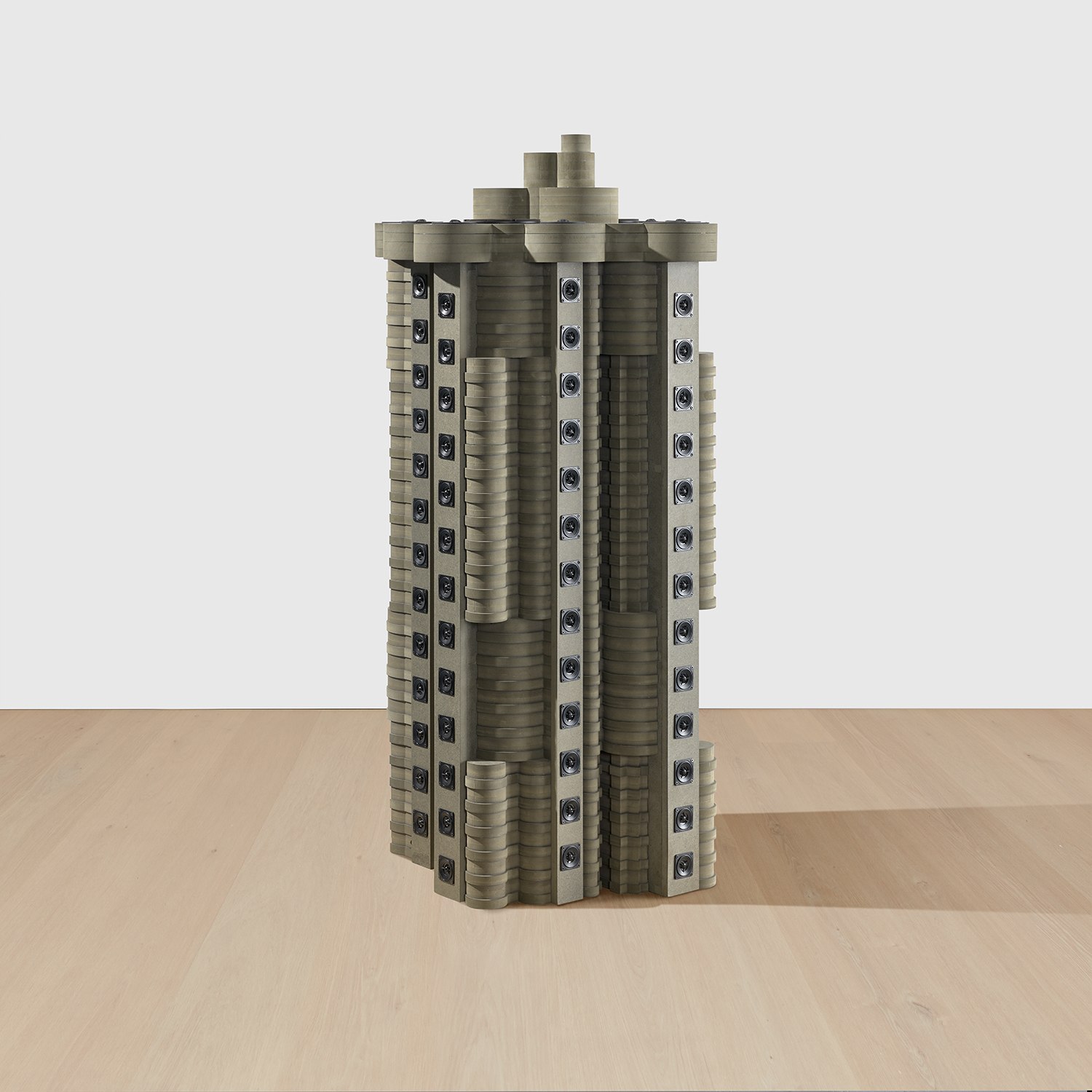
Marina Abramović, The Body As Living Art
Artist Spotlight · The Collection Editorial
“The body is the subject. The body is the instrument. The body is the art.”
Marina Abramović
In the spring of 2023, the Royal Academy of Arts in London mounted the most ambitious retrospective of Marina Abramović's career, drawing record crowds and sparking conversation across generations of artists, collectors, and cultural observers. The exhibition, simply titled Marina Abramović, brought together decades of performance documentation, photographs, objects, and live performance elements, confirming what the art world has long understood: that this Serbian artist is among the most consequential figures of the twentieth and twenty first centuries. The retrospective reminded us not only of her endurance but of her extraordinary capacity for reinvention, arriving at her late seventies with the same ferocious creative energy that first announced her presence in Belgrade in the early 1970s. Marina Abramović was born in Belgrade in 1946, into a family shaped by the turbulent forces of postwar Yugoslavia.
Marina Abramović
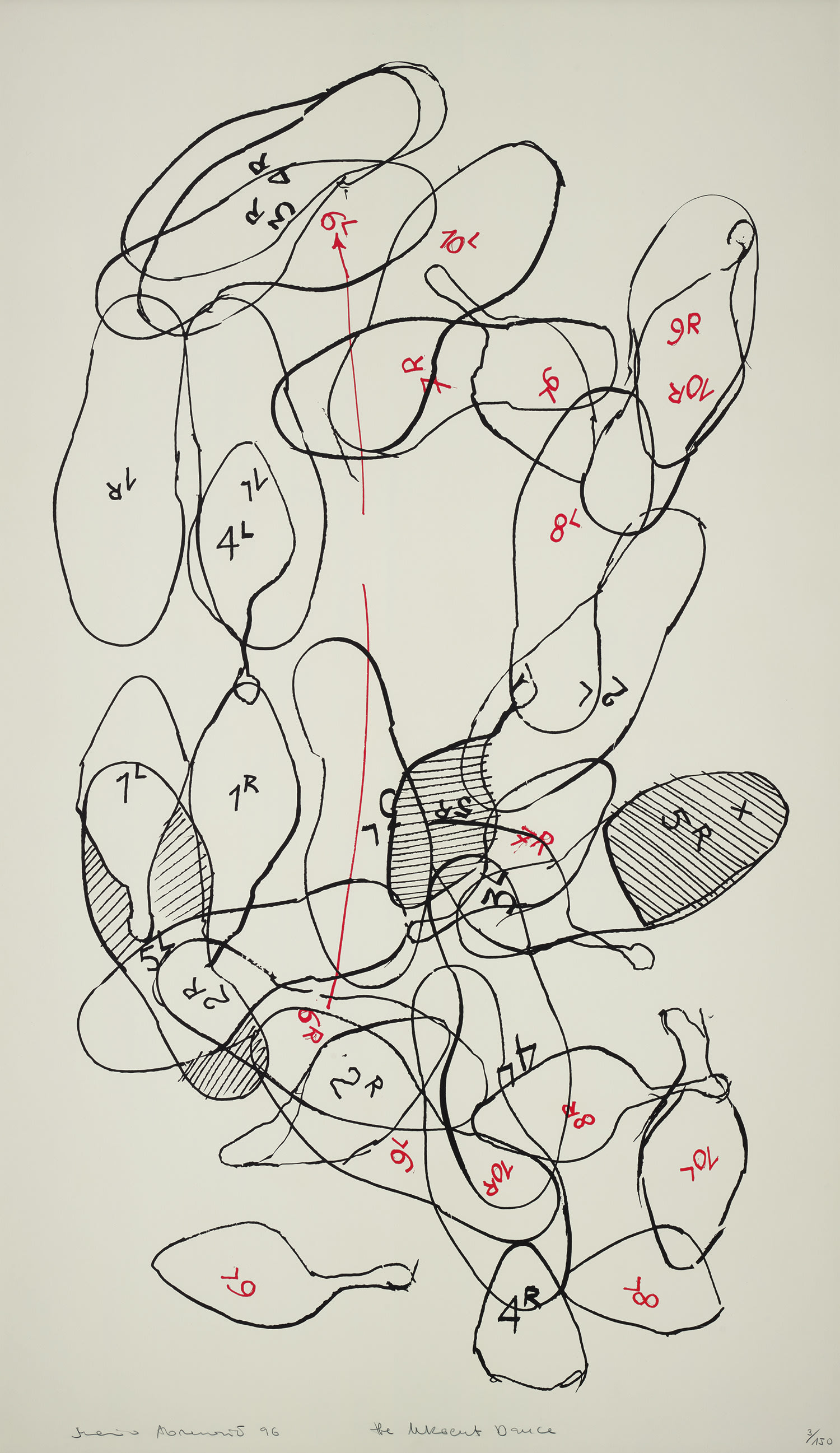
The Urgent Dance
Her parents were both celebrated partisans and national heroes, figures of rigid discipline and ideological conviction, and her childhood unfolded under strict surveillance and emotional austerity. It was a formation that left its mark, cultivating in her a relationship to endurance, authority, and the body that would become the foundation of an entirely new artistic language. She studied painting at the Academy of Fine Arts in Belgrade before moving to Zagreb and then to Amsterdam, where she met the German artist Ulay, and her practice underwent its defining transformation. The partnership with Ulay, which lasted from 1976 to 1988, produced some of the most celebrated performance works in art history.
Together they explored themes of duality, trust, tension, and the limits of the human body, creating works that pushed both artists and audiences to the edge of comfort. Their practice was nomadic, conducted across Europe and in dialogue with communities far outside the Western art establishment, including years spent living with Aboriginal Australians in the desert. The relationship and the collaboration concluded in 1988 with one of the great gestures in contemporary art: The Lovers, in which each artist walked from an opposite end of the Great Wall of China, meeting in the middle to say farewell. That walk, documented and later translated into photographic works including the felt tip pen annotated c print in The Collection dating from 1988, carries within it the full emotional and conceptual weight of their shared journey.
Marina Abramović
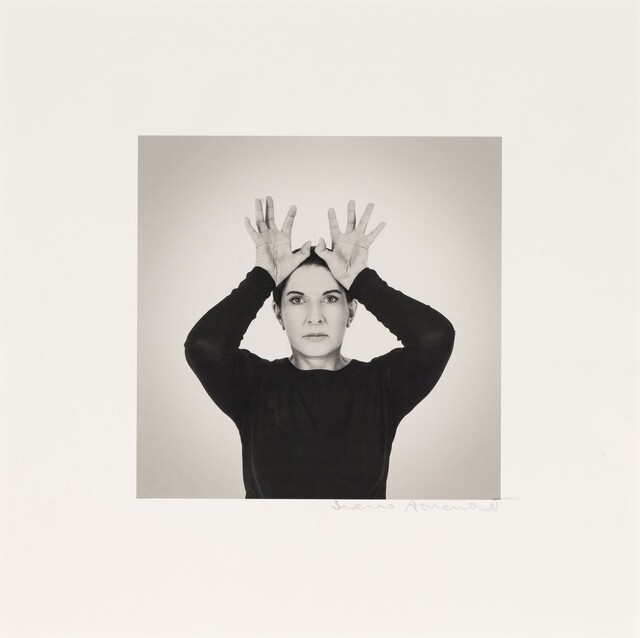
Hands as Energy Receivers, 2014
Following the end of that collaboration, Abramović entered a period of extraordinary solo productivity. Her 2010 work The Artist Is Present at the Museum of Modern Art in New York became a defining cultural event of the decade. For nearly three months, she sat motionless at a table in the museum's atrium for the duration of each museum day, inviting members of the public to sit across from her in silence. More than 750,000 people visited the exhibition, and thousands sat with her, many moved to tears by an experience that defied simple explanation.
“An artist should not fall in love with another artist.”
Marina Abramović, Walk Through Walls, 2016
The work demonstrated that performance art, long considered marginal or inaccessible, could generate an emotional gravity comparable to any painting or sculpture in the museum's permanent collection. The works in The Collection offer a rich and varied window into Abramović's practice beyond pure performance. Her photographic works are among the most compelling documents of her conceptual world, functioning not merely as records but as fully realised artworks in their own right. Portrait with Scorpion (Open Eyes), a gelatin silver print from 2005 published in an edition of five plus two artist's proofs and held in the gallery of Sean Kelly, is a work of extraordinary psychological charge.
Marina Abramović
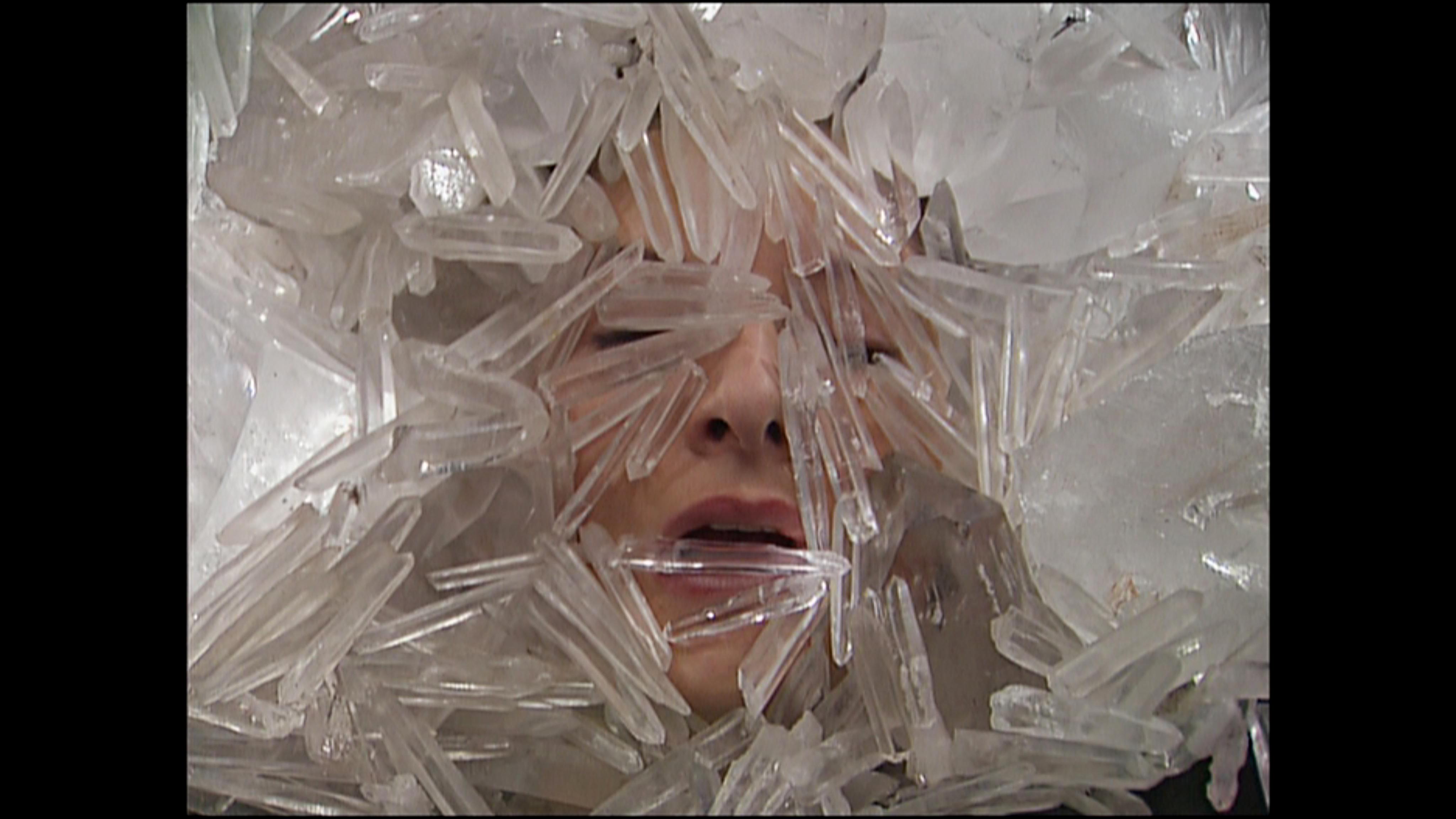
Dozing Consciousness, 1997
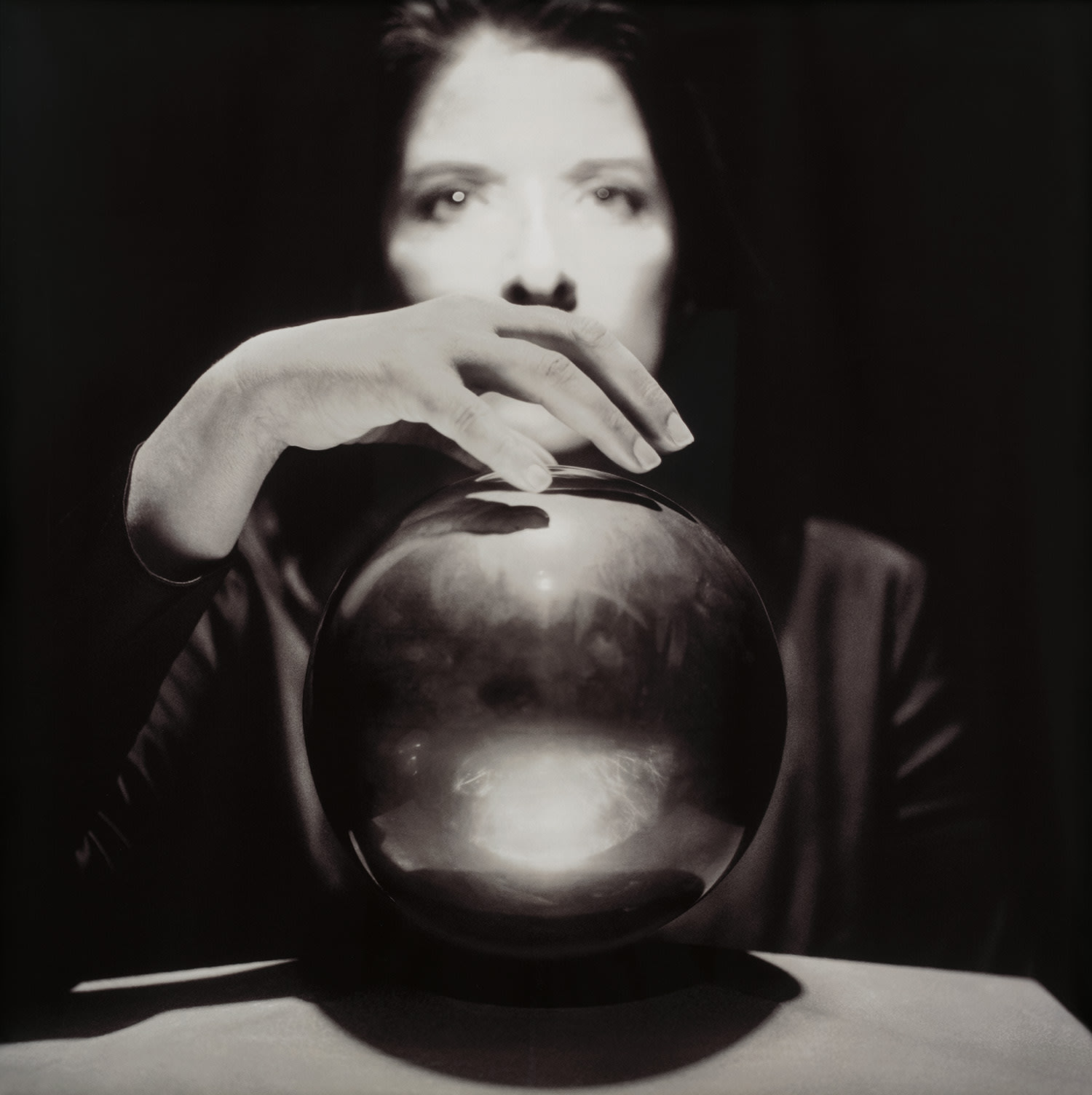
The Self Portrait with Quartz Crystal from 2018 speaks to her ongoing engagement with energy, healing, and the invisible forces she believes connect human consciousness to the material world. Hands as Energy Receivers from 2014, a black and white pigment print, similarly positions the body as a receiver and transmitter of forces beyond the visible. These are not illustrations of ideas but propositions in themselves, images that carry metaphysical weight. The Tesla Urn and Chair for the Spirit, Chair for the Man, the latter an etching and aquatint on chine collé, reveal another dimension of Abramović's imagination: her deep engagement with historical figures, spiritual traditions, and the boundary between the living and the dead.
“I am interested in art that disturbs, that asks questions, that has no easy answers.”
Marina Abramović
Her interest in Nikola Tesla, whose work on energy and transmission she regards as profoundly connected to her own concerns, has shaped several bodies of work. The Chair for the Spirit, Chair for the Man belongs to a tradition in her practice of creating objects that invite contemplation and ritual, furniture for states of consciousness not normally acknowledged by the secular art world. Mickey Mouse from 1986 arrives as a playful counterpoint, a reminder that even within her most earnest explorations, Abramović retains a wit and a willingness to inhabit contradiction. From a collecting perspective, Abramović's market has grown steadily and with genuine conviction rather than speculative fever.
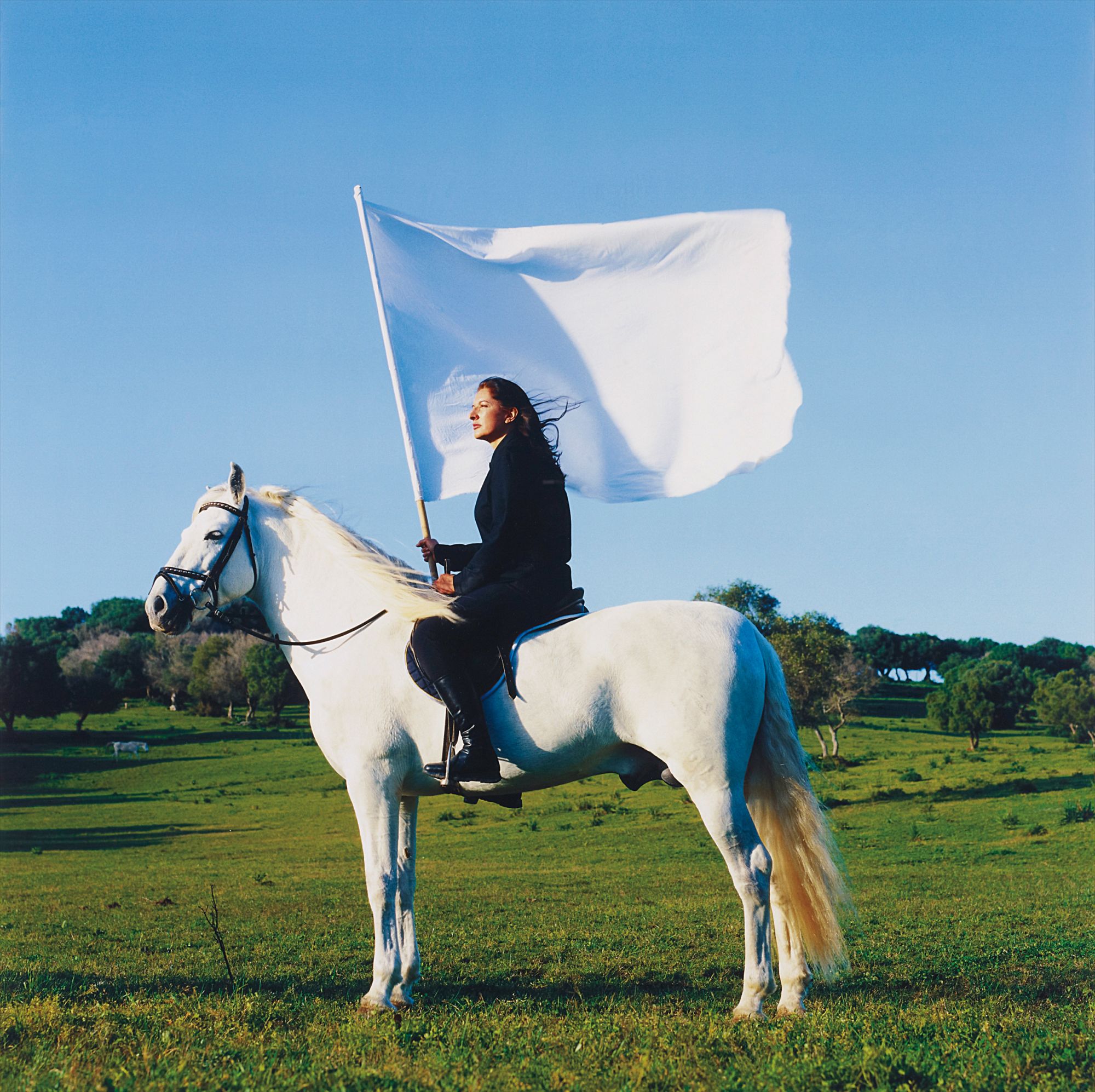
Marina Abramović
The Hero
Her photographic editions, particularly those published through Sean Kelly Gallery in New York, her primary representative for many years, offer accessible entry points into a practice that is otherwise defined by the unrepeatable. Collectors drawn to conceptual and performance based art find in her photographs something unique: objects that carry the charge of the live work without pretending to replicate it. Works from her ongoing series of self portraits and energy studies are among the most sought after in private collections, attracting buyers who are equally drawn to the intellectual rigour and the spiritual seriousness of her project. The Chamber of Stillness from 2013 and The Urgent Dance, a screenprint in colours on wove paper, exemplify the range of media through which she continues to translate her ideas into collectible form.
Abramović belongs to a generation of artists who fundamentally changed what art could be and where it could take place. Her peers and contemporaries include Joseph Beuys, whose investment in healing and spiritual transformation resonates deeply with her own concerns, as well as Yoko Ono, Vito Acconci, and Chris Burden, all of whom placed the body and its vulnerability at the centre of artistic inquiry. She stands apart from all of them, however, in the sheer scale and duration of her career and in her ability to communicate across cultural and generational divides without diluting the intensity of her vision. Younger artists working in durational, relational, and embodied practices from Tino Sehgal to Ragnar Kjartansson cite her as a formative influence.
At a moment when questions of presence, attention, and human connection feel more urgent than ever, Abramović's life work reads as both prophecy and remedy. She has spent more than five decades insisting that the most important thing an artwork can do is create a genuine encounter between a human being and another human being, or between a human being and themselves. That insistence, pursued with discipline, courage, and an almost religious seriousness, has produced a body of work that grows more relevant with each passing year. To collect Marina Abramović is to invest not only in an artist of historical importance but in a set of values about what art is for and what it can do to us when we allow it to.
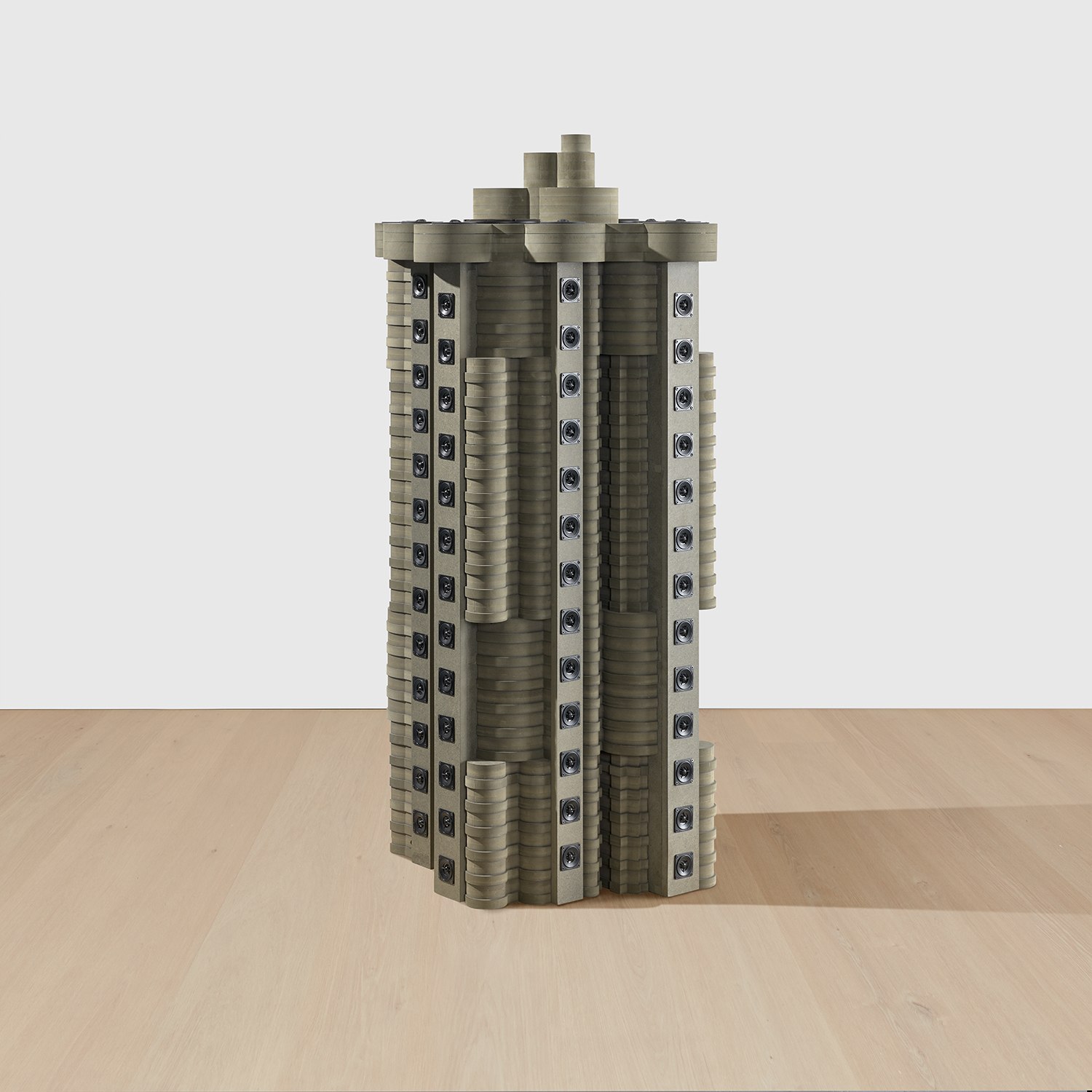
Featured Works
Explore books about Marina Abramović
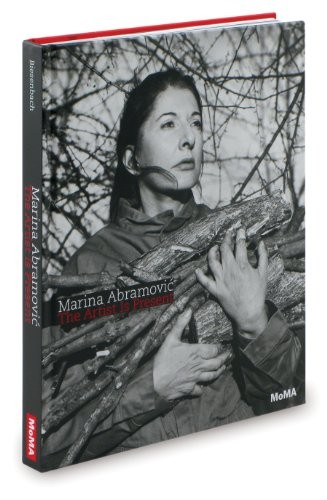
Marina Abramović: The Artist Is Present
Marina Abramović and Klaus Biesenbach
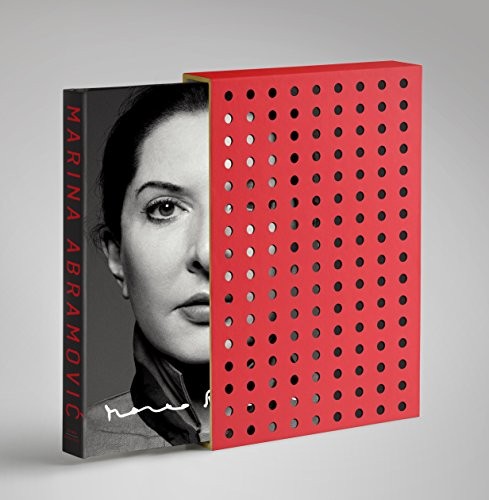
Walk Through Walls: A Memoir
Marina Abramović
Marina Abramović: Artist Body
Thomas McEvilley
Marina Abramović: Seven Easy Pieces
Marina Abramović and Babette Mangolte
Marina Abramović: The Generator
Marina Abramović and Chrissie Iles
Marina Abramović: Measuring the Distance
Daniel Birnbaum and Marina Abramović
Marina Abramović: Objects Performance Video Sound
Marina Abramović
The Artist Is Present: Marina Abramović
Marina Abramović and Jeffrey C. Alexander