Maria Farrar
Maria Farrar Finds Poetry in the Ordinary
Artist Spotlight · The Collection Editorial
There is a particular kind of attention that separates a good painter from a genuinely compelling one, and Maria Farrar possesses it in abundance. Her canvases and works on paper have been quietly accumulating admirers among a discerning circle of collectors who recognize something rare in her practice: the ability to make the utterly familiar feel charged with meaning, tenderness, and a faint, unnameable mystery. Whether depicting a solitary figure, a domestic interior, or the stark geometry of a mountain range, Farrar approaches each subject with the patience of someone who believes that looking carefully is itself a radical act. Farrar works across oil on linen, oil on canvas, and pastel on paper, a combination that signals both classical ambition and an ease with intimacy.
Maria Farrar
Mont blanc, 2017
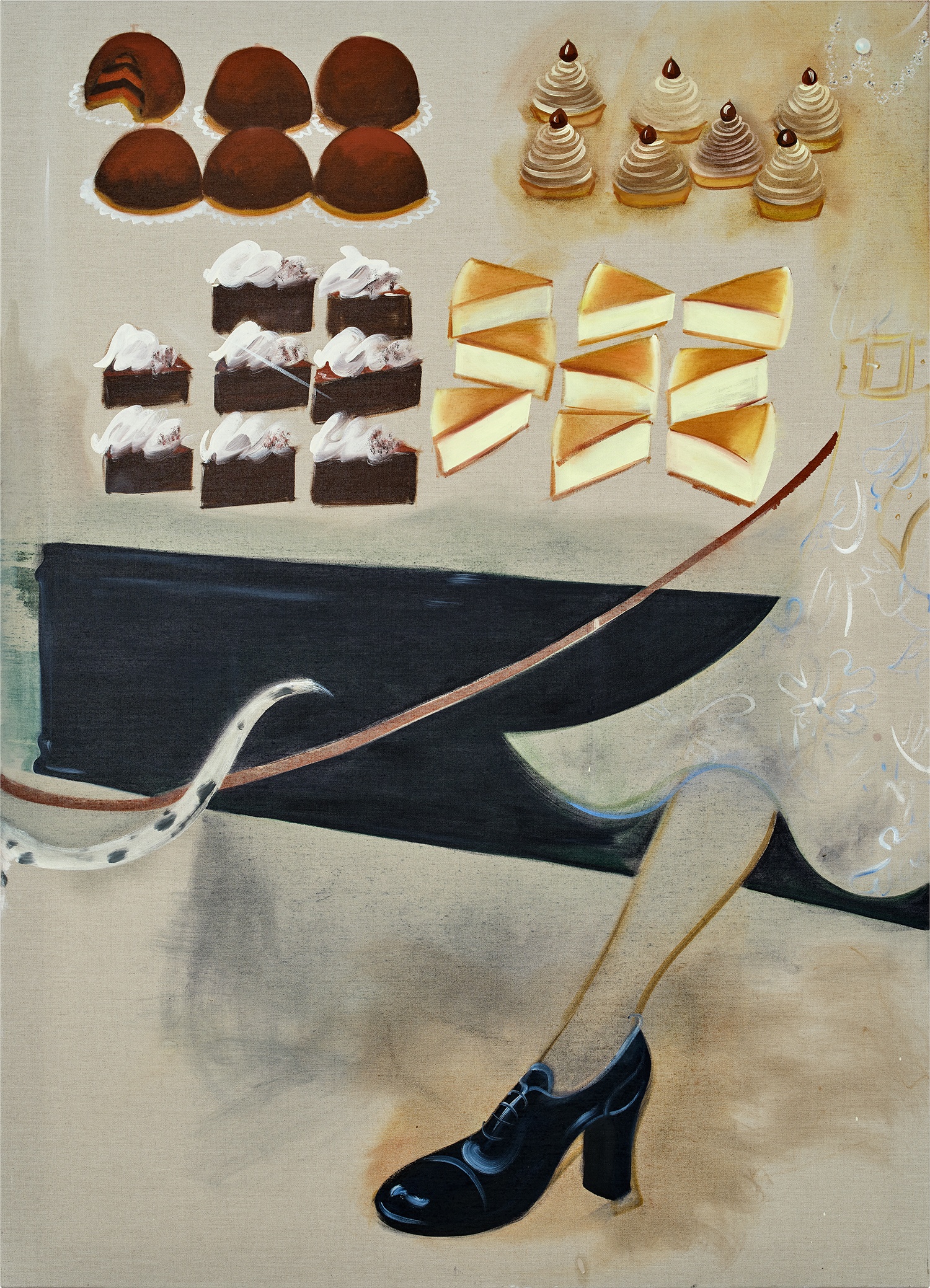
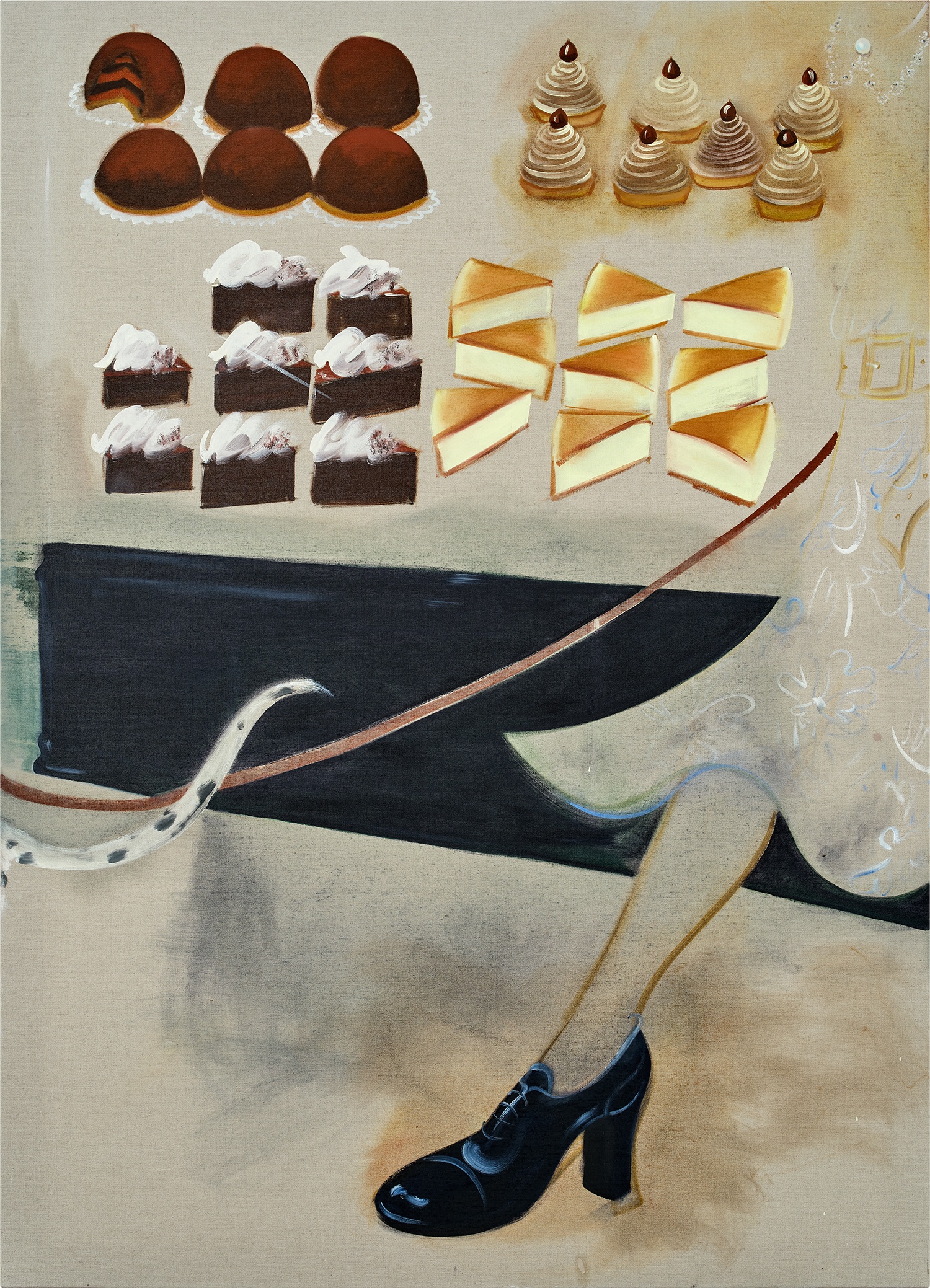
Oil on linen in particular carries a long tradition of serious painterly intention, and Farrar wears that lineage lightly without being burdened by it. Her surfaces are handled with a confidence that comes from sustained practice, neither overworked nor casually dashed off, but arrived at through a process that respects both the medium and the subject. It is the kind of technical commitment that collectors and curators notice immediately, even when they cannot quite articulate why a painting stops them in their tracks. Looking at her 2017 oil on linen "Mont Blanc," one encounters a landscape that refuses easy romanticism.
The mountain is present but it is the atmosphere around it, the quality of light and air, that holds the composition together. Farrar does not dramatize the Alpine subject in the manner of nineteenth century landscape painters who sought the sublime through scale and thunder. Instead she finds a quieter register, one that feels closer to lived experience than to grand pictorial ambition. This restraint is one of her most distinctive qualities, and it places her in a tradition of painters who understand that understatement can carry more emotional weight than spectacle.
Maria Farrar
Birthday, 2016
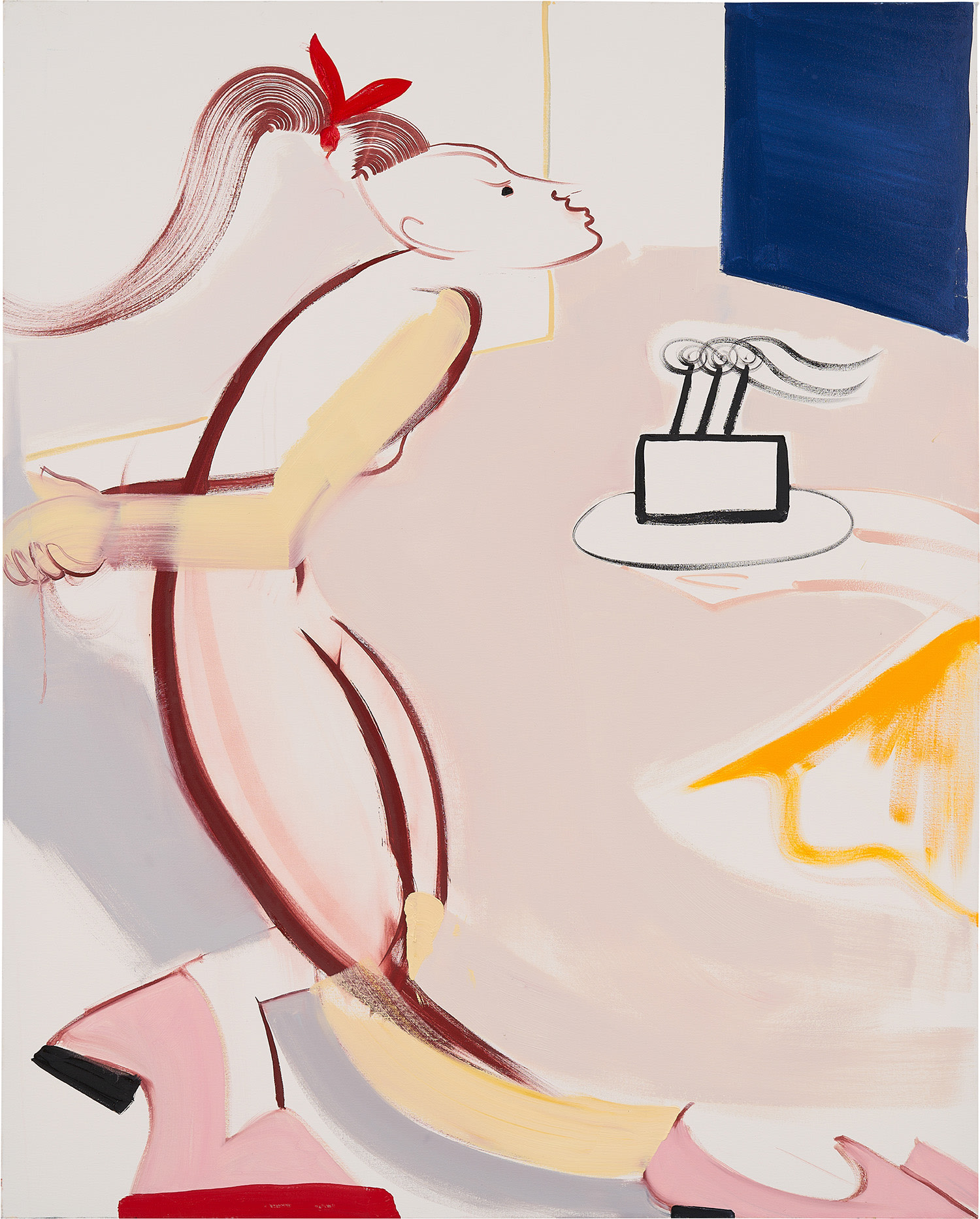
"Birthday," painted in 2016 on canvas, offers another dimension of her practice. The domestic and the celebratory collide in a scene that feels simultaneously specific and universally resonant. There is something in the way Farrar handles these intimate human moments that recalls the warmth of Bonnard without the decorative excess, or the quiet observation of Vuillard filtered through a distinctly contemporary sensibility. Her figures and spaces do not perform for the viewer.
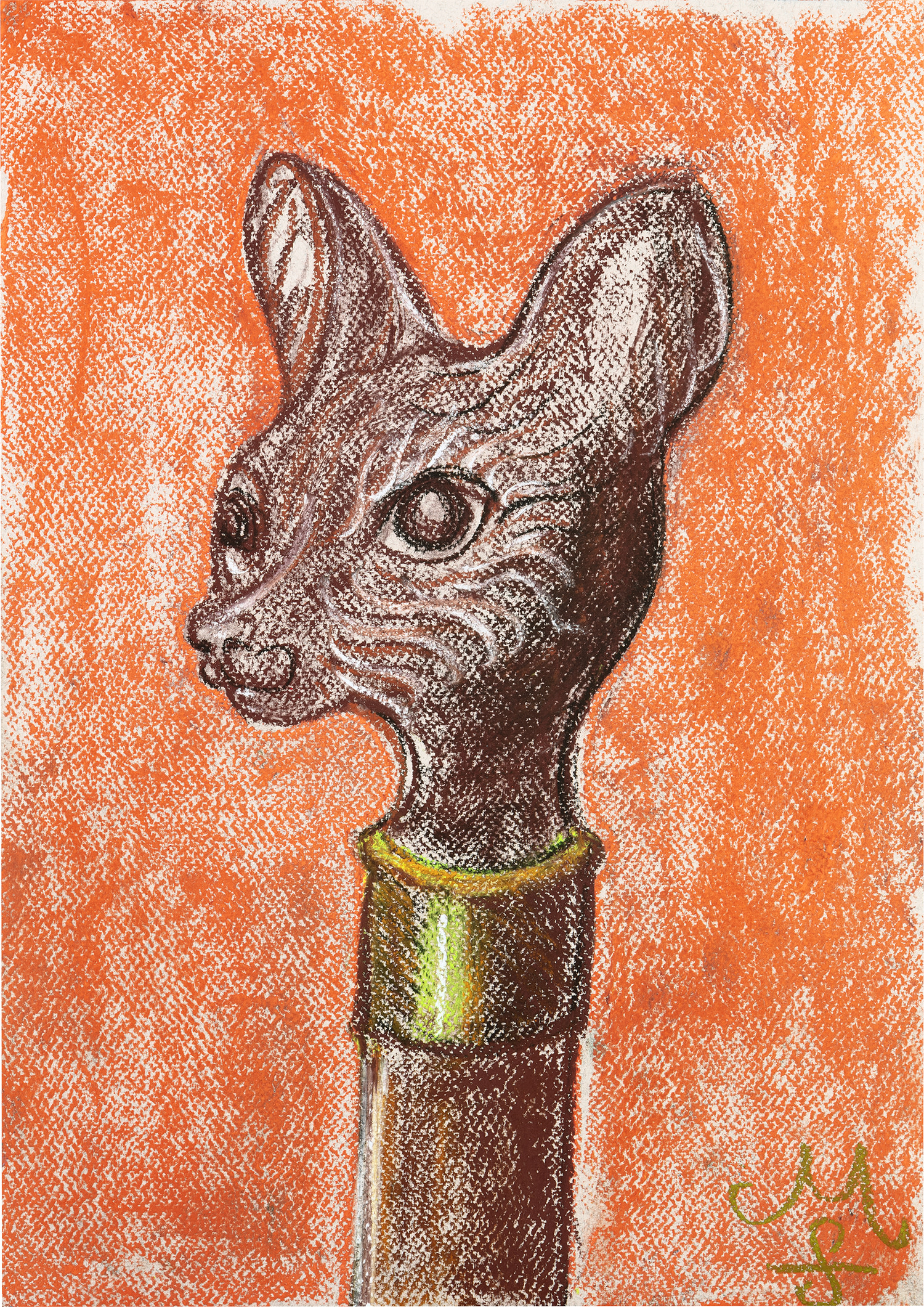
They simply exist, and that sense of unselfconscious presence is extraordinarily difficult to achieve. "Sailor," also from 2016, shares this quality, presenting a solitary subject with a dignity and stillness that lingers long after one has left the room. By 2019, Farrar's practice had evolved to include works on paper with notable confidence. "Konbrella" and "Good Carrot Bad Carrot," both from that year, demonstrate a willingness to move between gravitas and wit.
Maria Farrar
Konbrella, 2019
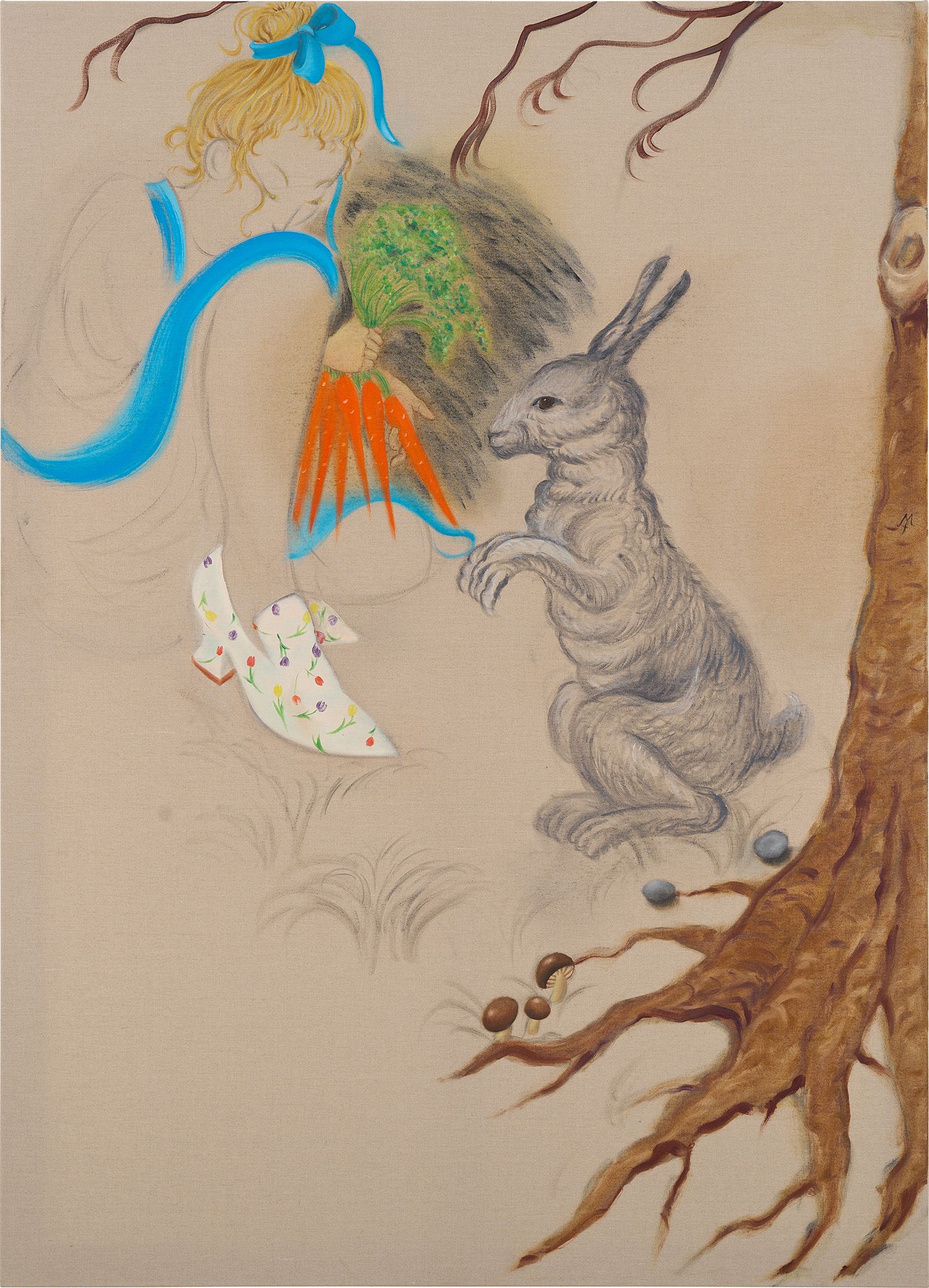
Pastel on paper is a medium that rewards directness, and Farrar meets that demand with an assured touch. "Good Carrot Bad Carrot" in particular reveals a playful intelligence that collectors find enormously appealing, a reminder that serious painting does not require a solemn face. The title itself has the character of a deadpan joke told by someone who knows exactly what they are doing. These works suggest an artist in a productive and generative phase, testing the edges of her own vocabulary.
"Room Service," the 2017 oil on linen, rounds out the picture of a painter equally comfortable with interiors and atmosphere as with figures and landscape. The title implies a kind of transient, anonymous comfort, the hotel room, the temporary shelter, the world glimpsed through a temporarily opened door, and Farrar renders this emotional territory with characteristic subtlety. There is no melodrama, no heavy symbolism. The painting trusts the viewer to bring their own associations, and that trust is one of the marks of a mature artistic intelligence.
Maria Farrar
Good carrot Bad carrot, 2019
It is the sort of work that rewards repeated visits and reveals more of itself slowly, over time. For collectors, Farrar represents precisely the kind of opportunity that serious advisors spend years searching for. Her work operates at an intersection of technical accomplishment, emotional intelligence, and conceptual lightness that is genuinely uncommon. Artists working in this vein, those who draw on the quieter traditions of European figurative and interior painting while remaining thoroughly of their own moment, have shown remarkable staying power in collections both private and institutional.
Comparisons can be drawn to painters such as Luc Tuymans, whose understated palette and emotional indirection shares something with Farrar's approach, or to the domestic intimacy of Cecily Brown in her smaller, more meditative works. Farrar belongs to a generation of painters who have absorbed these influences without being overwhelmed by them. The collecting case for Farrar is straightforward for those who have spent time with the work. Her paintings are liveable in the best sense: they reward daily proximity and do not exhaust their meanings on a single viewing.
They are scaled and conceived for the kinds of spaces that thoughtful collectors actually inhabit, and they carry the kind of quiet authority that elevates a room without dominating it. As her profile continues to grow among those who follow painting closely, early works from 2016 and 2017 are likely to be recognized as important touchstones in her development. Why does Maria Farrar matter right now? Because the qualities her work embodies, attentiveness, restraint, genuine feeling, and technical rigor, are exactly what the most thoughtful corners of the art world are hungry for.
In a moment when so much contemporary practice competes loudly for attention, Farrar's paintings make their case through a different register entirely. They ask you to slow down, to look, and to trust that what you find there is worth the effort. Again and again, it is. That is not a small achievement.
It is, in fact, the entire point.