Louis Eisner
Louis Eisner Paints the Human Mystery Beautifully
Artist Spotlight · The Collection Editorial
Something quietly momentous has been happening in contemporary American painting, and Louis Eisner sits near the center of it. Over the past decade, galleries in New York and Los Angeles have taken notice of an artist whose canvases resist easy categorization and reward sustained looking. His work has circulated through serious private collections and earned a devoted following among collectors who understand that the most compelling painting today often exists in the charged space between the figurative and the abstract. Eisner, still in his mid thirties, is already being spoken of as one of the defining voices of his generation.
Louis Eisner
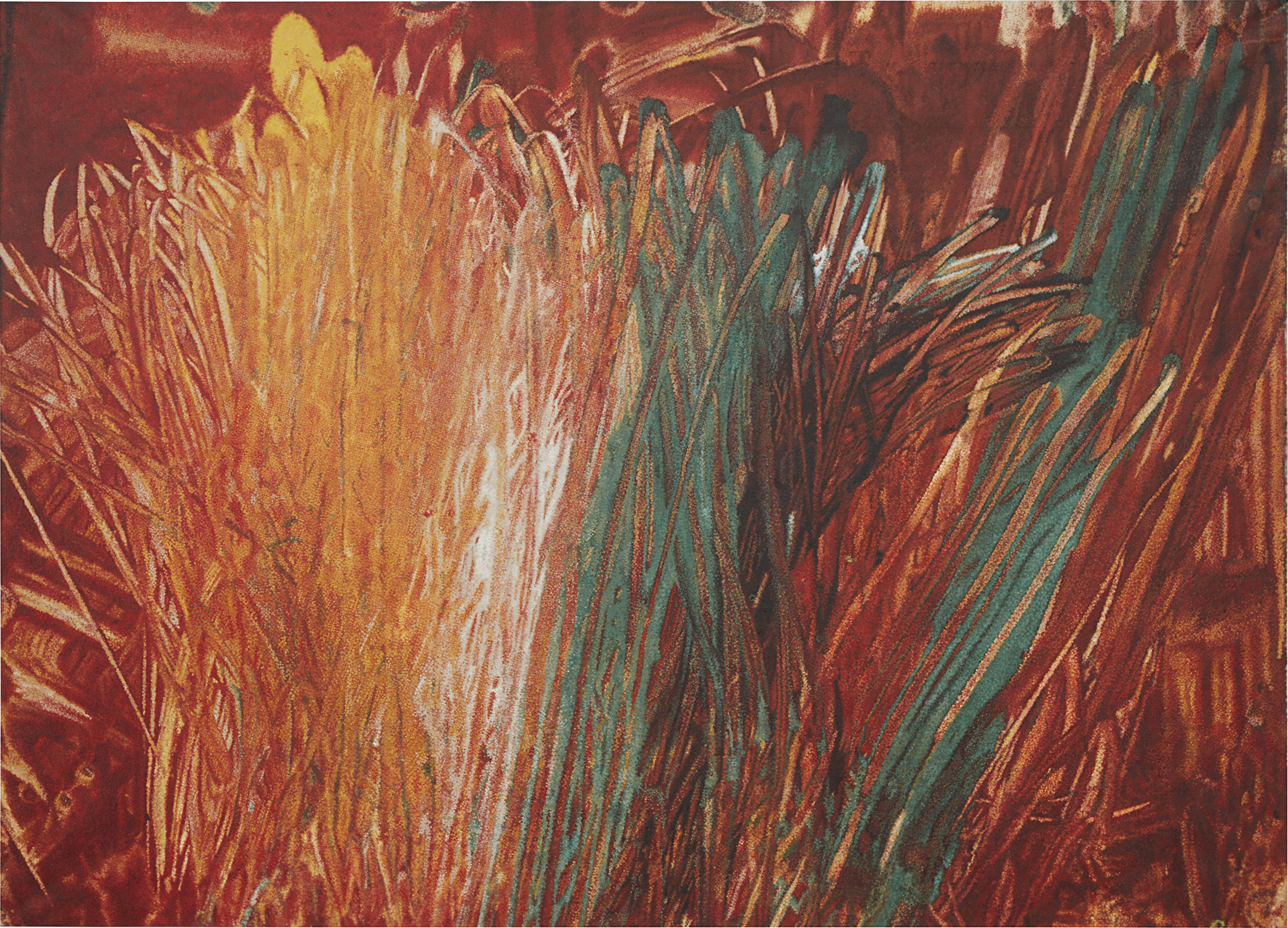
Congo Rothko I, 2015
Born in 1988, Eisner came of age in a cultural milieu that was saturated with images yet hungry for authentic mark making. Growing up in the orbit of the American art world, he developed an early and serious engagement with the history of painting, absorbing influences that ranged from the gestural traditions of American abstraction to the mythological weight carried by European figurative art. That dual inheritance is visible in everything he makes. There is a sense in his work that he has genuinely wrestled with what it means to paint the human figure at a moment when photography and digital media have made representation feel simultaneously overabundant and strangely insufficient.
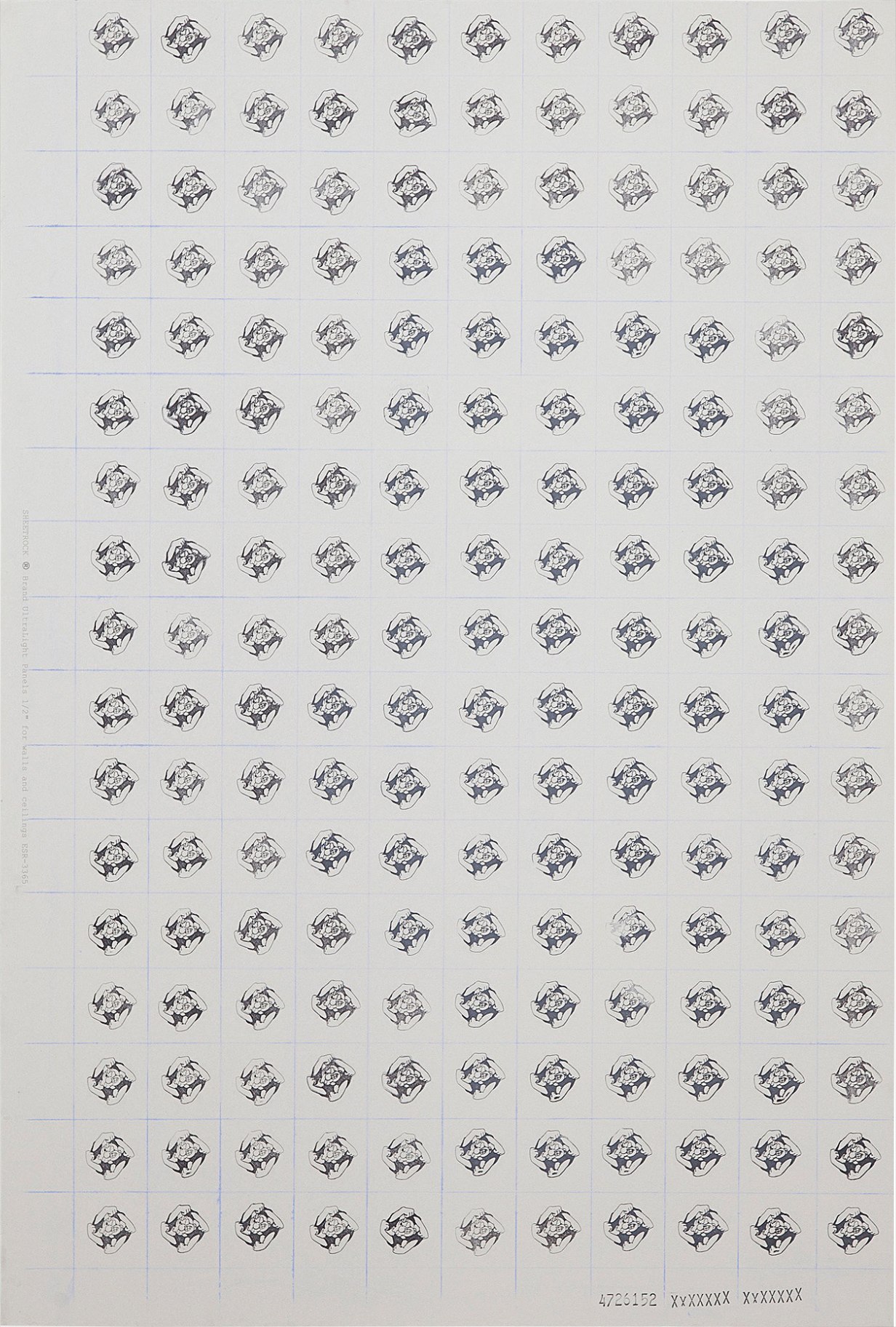
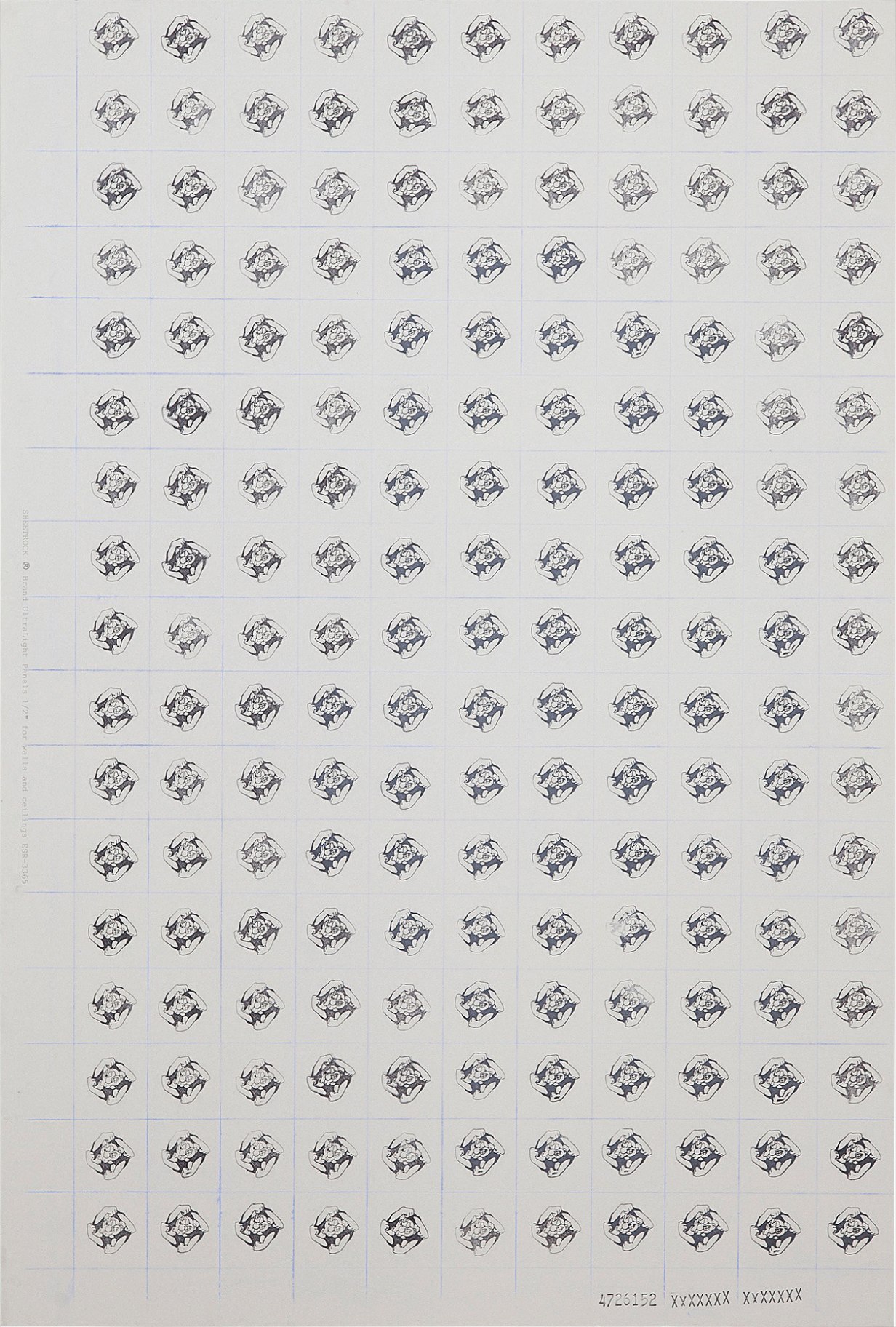
His artistic development traces a clear arc from intimate, text and mark inflected works on paper and panel toward increasingly ambitious explorations on linen and canvas. The early Knucklehead series, works executed in ink and chalk on panel and paper, announced an artist with a genuinely distinctive sensibility. These pieces, several of which are notable for their incorporation of alphanumeric sequences and obscured identifiers within the artist's own hand built frames, feel like encrypted portraits, as though Eisner were asking what remains of identity once the readable surface of a face or a name has been systematically redacted. The aluminum and wooden frames he constructs himself are not incidental details but load bearing elements of the work's meaning, collapsing the boundary between painting and object.
Louis Eisner
Knucklehead 4726152 XXXXXXX XXXXXXX, 2013
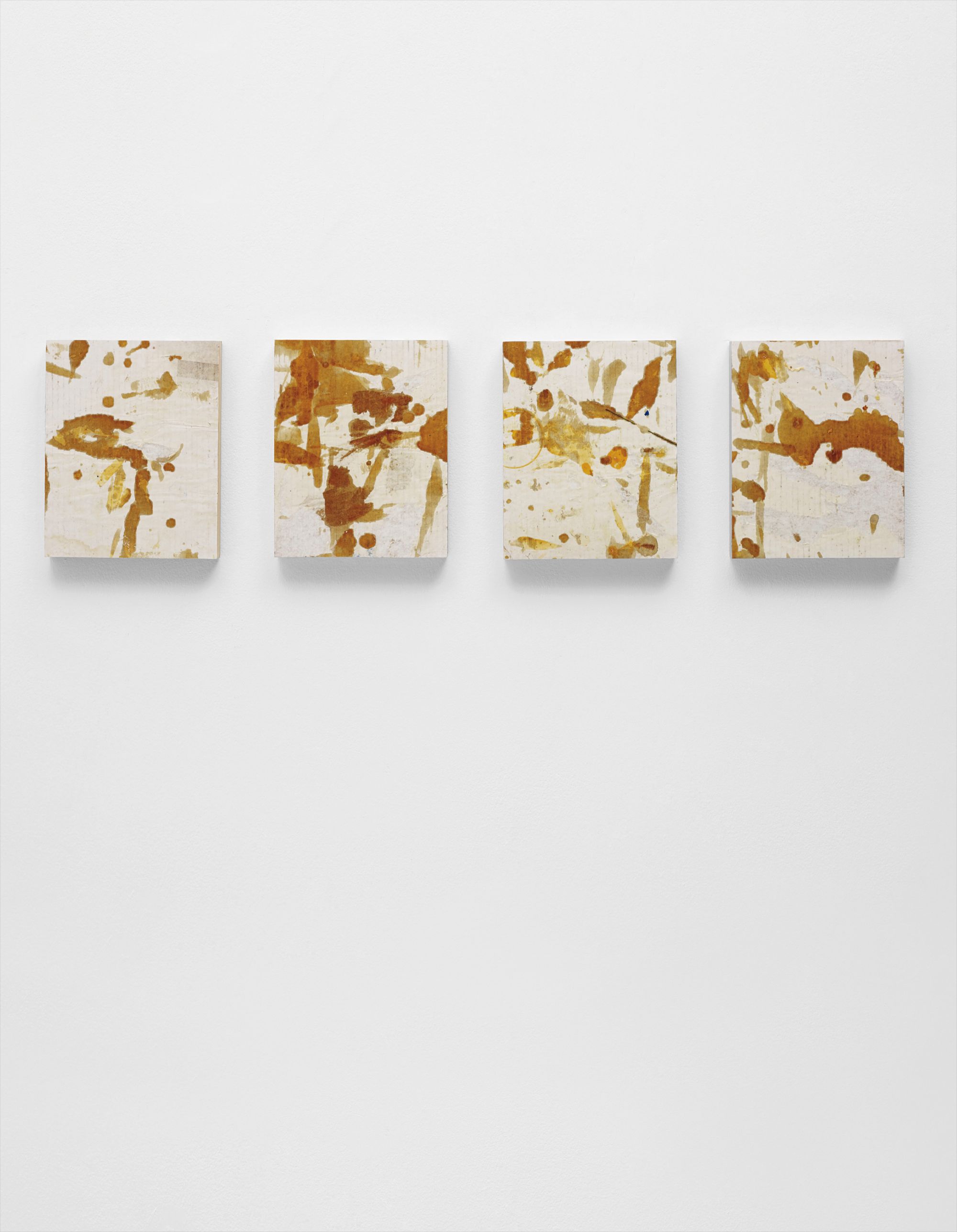
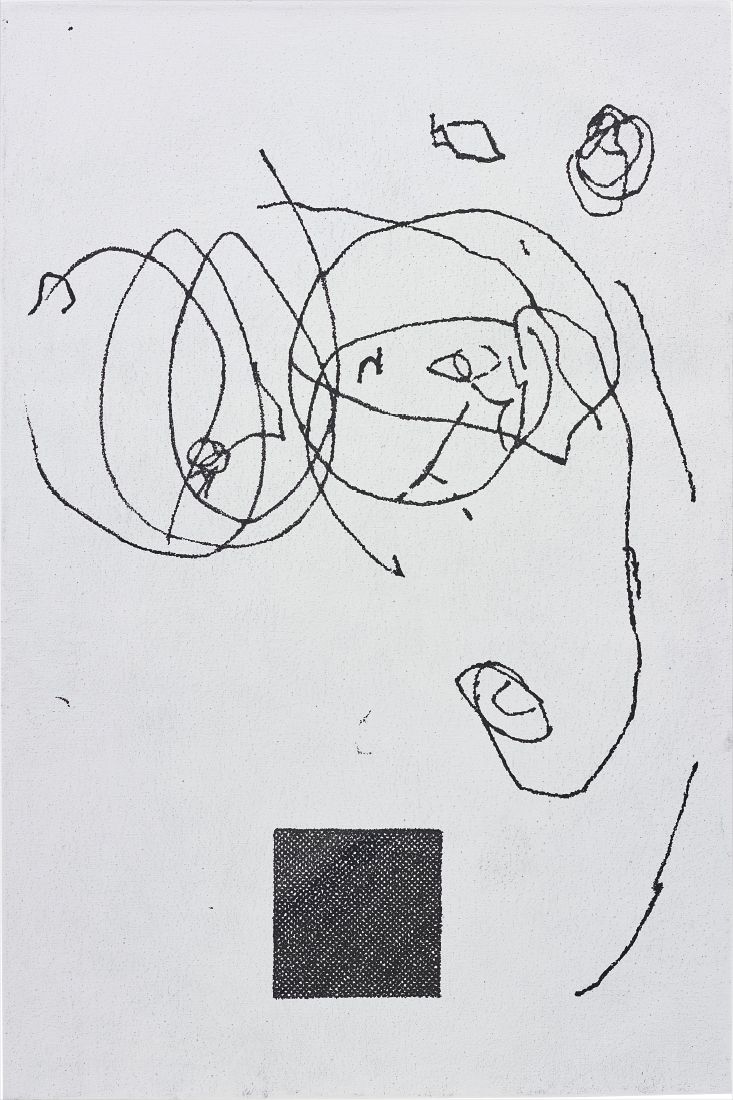
The Box series, works on linen combining oil, graphite, and marsh ink, represents another essential chapter in his practice. Executed around 2013, these paintings carry an earthy, archaeological quality. The marsh ink in particular gives the surfaces a depth that feels organic, almost geological, as though the images had been excavated rather than applied. Figures appear and dissolve within these compositions, rendered with enough specificity to feel human and enough abstraction to feel universal.
Box 23, Box 27, Box 29, Box 36, and Box 8 together constitute something close to a meditation on containment, on the ways in which identity and experience are bounded, compressed, and occasionally burst open. Collectors who have lived with these works consistently describe the experience of discovering new passages within them over time. By 2015, works such as Congo Rothko I demonstrated Eisner's willingness to enter into direct dialogue with the giants of twentieth century abstraction. The title alone announces an act of cultural triangulation, placing the raw chromatic energy associated with Mark Rothko in conversation with something wilder and more geographically expansive.
Louis Eisner
Two works: (i) Box 27; (ii) Box 29
This is not pastiche or homage so much as genuine argument, a younger painter staking out his position in a long conversation. The earthy tonal palette that runs through so much of his work finds here a particular intensity, with color functioning less as description than as atmosphere, as emotional weather. The painting rewards the kind of slow, meditative looking that Rothko famously demanded from his viewers, while insisting on its own distinct set of terms. His most recent major work on the platform, Preludes from 2022, signals a continued evolution.
Executed in oil on canvas and presented in a frame of the artist's own choosing, the work carries the accumulated knowledge of everything that preceded it while feeling genuinely open and forward facing. The title suggests music, threshold, anticipation, the sense of something about to begin. It is the work of a painter who has earned a certain confidence and is using that confidence not to consolidate but to explore. Collectors acquiring Preludes are investing in a body of work that is demonstrably still in motion, still surprising its maker as much as its audience.
Louis Eisner
Box 23, 2013
From a collecting perspective, Eisner occupies an enviable position in the current market. His works span a range of media and scale that makes the practice accessible to collectors at various stages of their journey, from intimate works on paper to the full commitment of large format linen paintings. The hand built and hand chosen frames that distinguish so many of his works add a sculptural dimension that increases both their physical presence and their conceptual interest. Serious collectors in New York and Los Angeles have been acquiring his work with the conviction that they are participating in an artist's story at an early and important chapter.
The consistency of his conceptual concerns across a decade of production gives the body of work a coherence that will matter as institutional attention inevitably grows. In the broader context of contemporary painting, Eisner belongs to a generation that also includes painters grappling seriously with figuration, mythology, and the limits of representation. His dialogue with the Abstract Expressionist tradition places him in conversation with the legacies of artists like Philip Guston, whose own late turn toward figuration opened up questions about the body and history that Eisner's work continues to probe. There is also something in his approach to material and surface that resonates with the investigations carried out by painters working across the divide between image and object.
He is neither nostalgic nor fashionably disruptive. He is simply a painter doing the slow, serious work of building a language. What ultimately makes Louis Eisner matter, and matter increasingly, is the sincerity of his inquiry. His paintings ask genuine questions about who we are, what we carry, and what survives the erasure of identifying markers.
In an art world that sometimes rewards spectacle over substance, there is something bracing and genuinely moving about an artist who continues to return to the fundamental terms of painting with this level of seriousness and care. The collectors who have found their way to his work already know this. The rest of the world is beginning to catch up.