Liu Wei
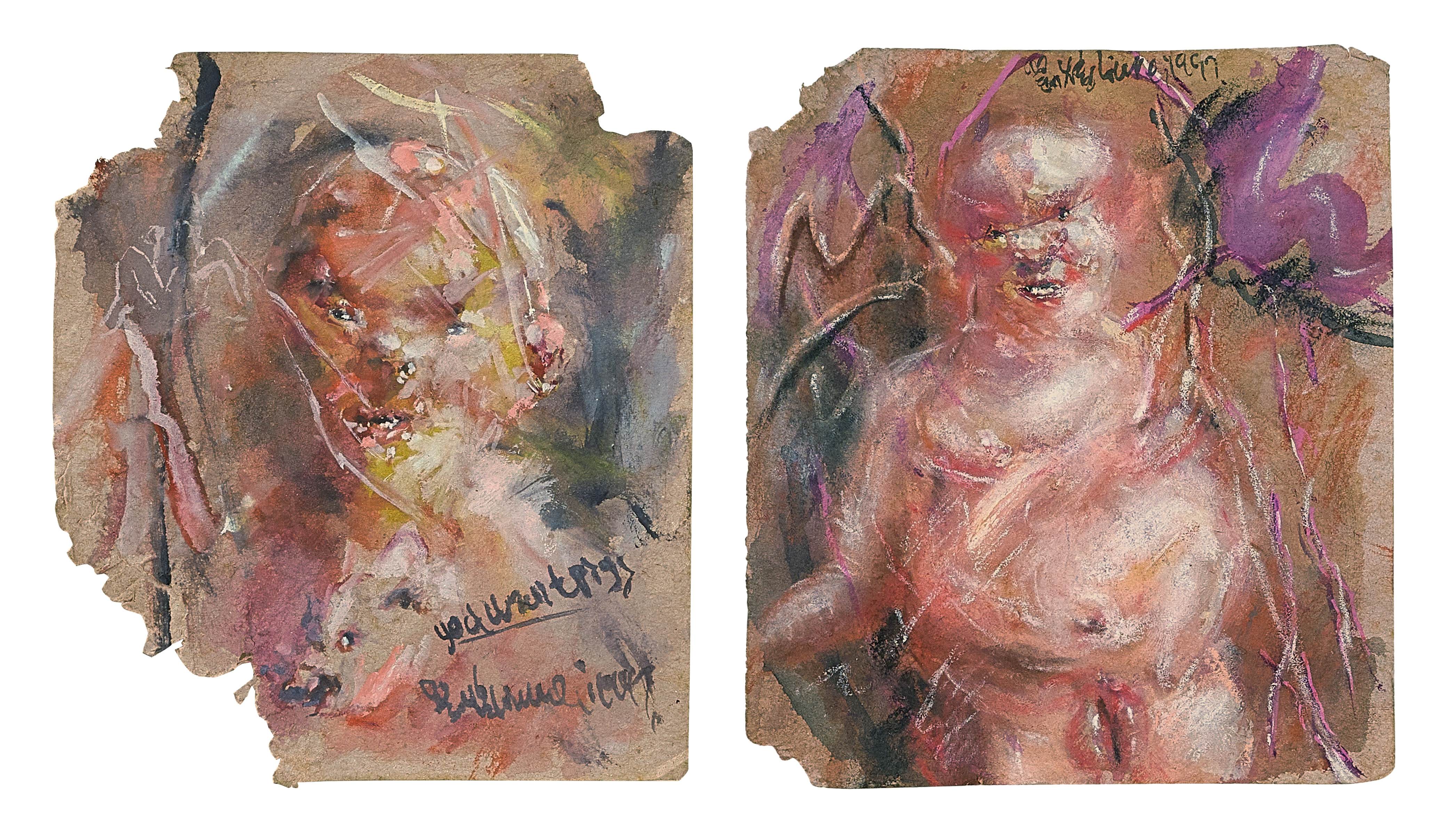
Liu Wei Builds Worlds From Beautiful Wreckage
Artist Spotlight · The Collection Editorial
When M+ Museum in Hong Kong opened its doors in November 2021 as the first global institution dedicated to twentieth and twenty first century visual culture from Asia, Liu Wei was among the Chinese artists whose presence confirmed the museum's ambitions. His inclusion in one of the most significant institutional openings in recent art history was not incidental. It was a recognition of something collectors and curators had understood for years: that Liu Wei's practice sits at the very center of the conversation about what contemporary Chinese art means, where it has come from, and where it is heading. Liu Wei was born in Beijing in 1972, which places his formative years squarely within one of the most turbulent and transformative periods in modern Chinese history.
Liu Wei
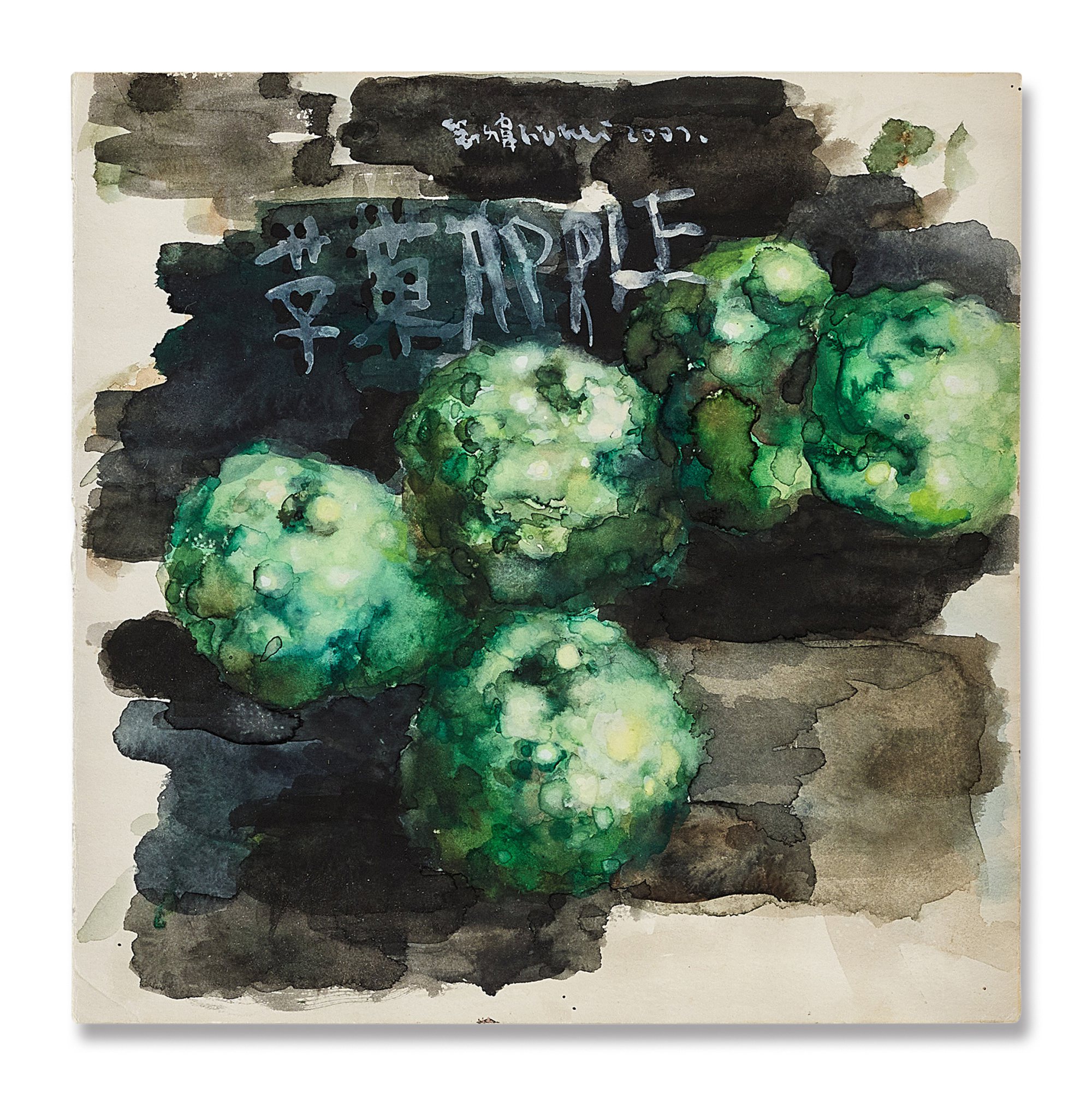
Apple 蘋果
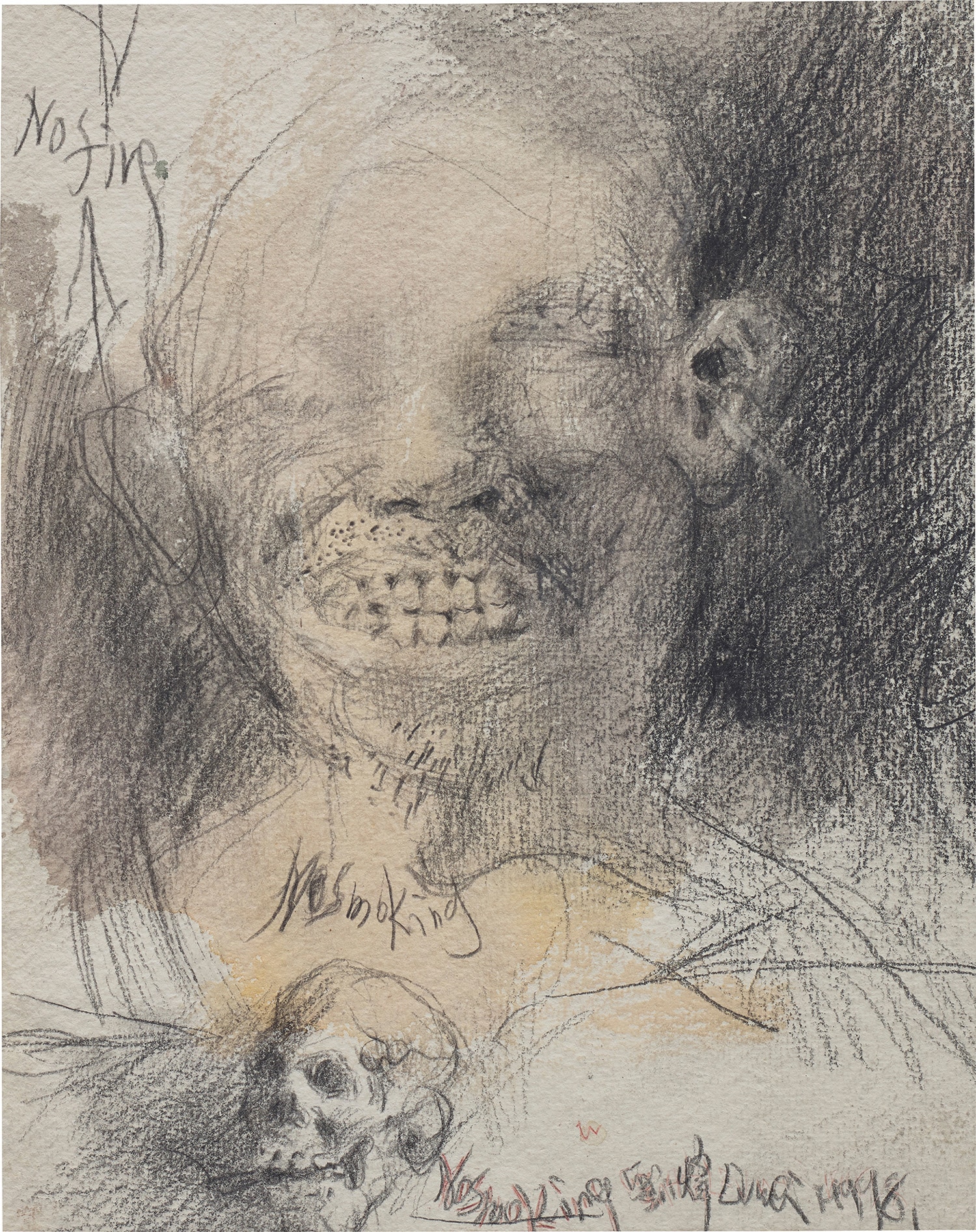
He came of age as the country began its extraordinary opening to global markets and ideas, watching a city and a society remake themselves at a speed that had no real precedent anywhere in the world. Beijing was being demolished and rebuilt almost simultaneously, and the tension between erasure and construction, between the inherited past and an engineered future, left a permanent mark on the way he would come to see the world and make work within it. He studied at the Central Academy of Fine Arts in Beijing, one of China's most prestigious institutions, graduating in 1995 and entering a contemporary art scene that was itself in the process of inventing its own terms. The late 1990s were a period of genuine experimentation for Liu Wei, and early works such as the 1998 piece No Smoking, rendered in pencil and watercolour on paper, reveal an artist already thinking carefully about the relationship between image, sign, and the everyday visual language of urban life.
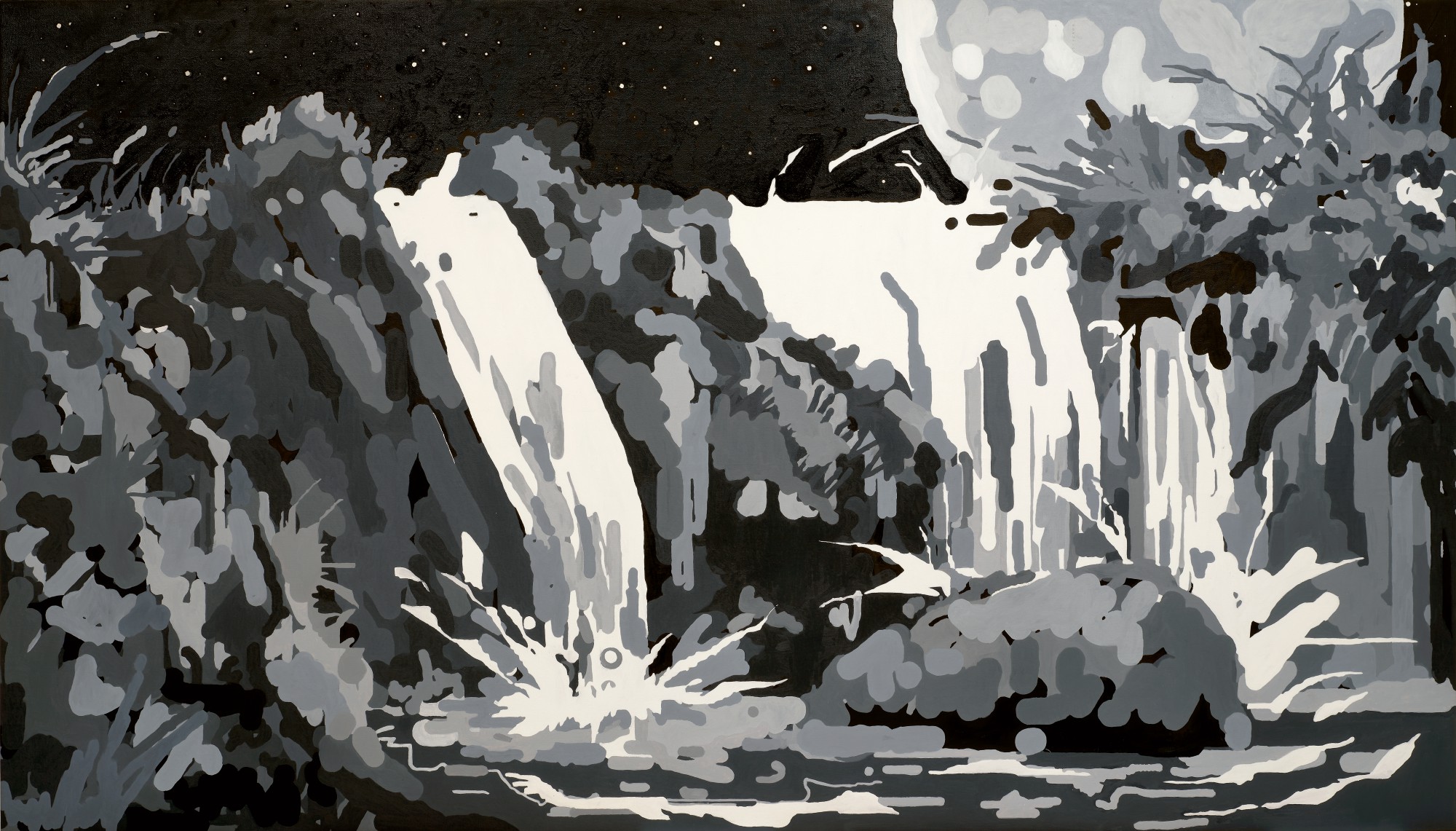
There is a wry, observational quality to work from this period, a sense of the artist cataloguing the surfaces and symbols of a city in flux. But it was in the following decade that his practice took the turn that would define his international reputation, moving toward large scale paintings and installations that confronted the material reality of Chinese urbanization directly and without sentimentality. By the mid 2000s Liu Wei had developed a body of painting that stands among the most distinctive contributions to abstract art made by any artist working in China during that period. Works such as Landscape No.
Liu Wei
No Smoking, 1998
4, an oil on canvas from 2005, and the Purple Air series from 2006, demonstrate his remarkable ability to transform the visual data of the built environment into something that feels at once analytical and deeply felt. The Purple Air diptychs and related canvases use colour with extraordinary confidence, building dense atmospheric fields that seem to hover between representation and pure abstraction. A viewer who knows Beijing's skyline during its years of relentless construction will recognize something in these paintings, a particular quality of light filtered through dust and ambition, but the works never reduce themselves to documentation. They are paintings first, arguments second.
Equally important is his work in installation, where Liu Wei has employed materials that most artists would never consider bringing into the studio. Dog chews, door frames, and construction materials sourced from demolition sites have all appeared in his practice, not as provocations for their own sake, but as a genuinely rigorous response to the question of what materials mean in a culture that is consuming and discarding objects at an unprecedented rate. These installations carry the smell and texture of the city as it actually exists, not the city as it is imagined or marketed. There is something almost archaeological about this impulse, a desire to preserve or at least acknowledge the material residue of a transformation so rapid that most of it simply disappears.
Liu Wei
Landscape No.4 風景4號, 2005
The photographic work Landscape in Six Parts from 2004, a series of gelatin silver prints, adds another dimension to his practice, demonstrating that his interest in landscape and urban space extends across media without any loss of focus or intention. The decision to work in silver gelatin, a medium with its own history of documentary witness, gives these images a weight and formality that speaks to how seriously Liu Wei takes the act of looking. More recently, the 2020 painting Bloom and the ongoing Liberation series in oil on canvas show an artist who has not stopped developing, continuing to find new emotional registers within a practice that might have calcified but has instead remained genuinely alive. For collectors, Liu Wei's work offers something that is increasingly rare in the contemporary market: a practice that is intellectually rigorous and historically grounded while also producing objects of genuine visual power.
Works on paper, including the pastel and gouache pieces and the early watercolours, provide entry points that are more intimate in scale while being no less serious in intention. The oil paintings, particularly the larger multi panel works such as Liberation No. 10 in three parts, represent major statements that hold their own in any serious collection context. Collectors who have followed his career since the early 2000s, when he was already being acquired by institutions including the Guggenheim, have seen the wisdom of that early attention confirmed repeatedly.
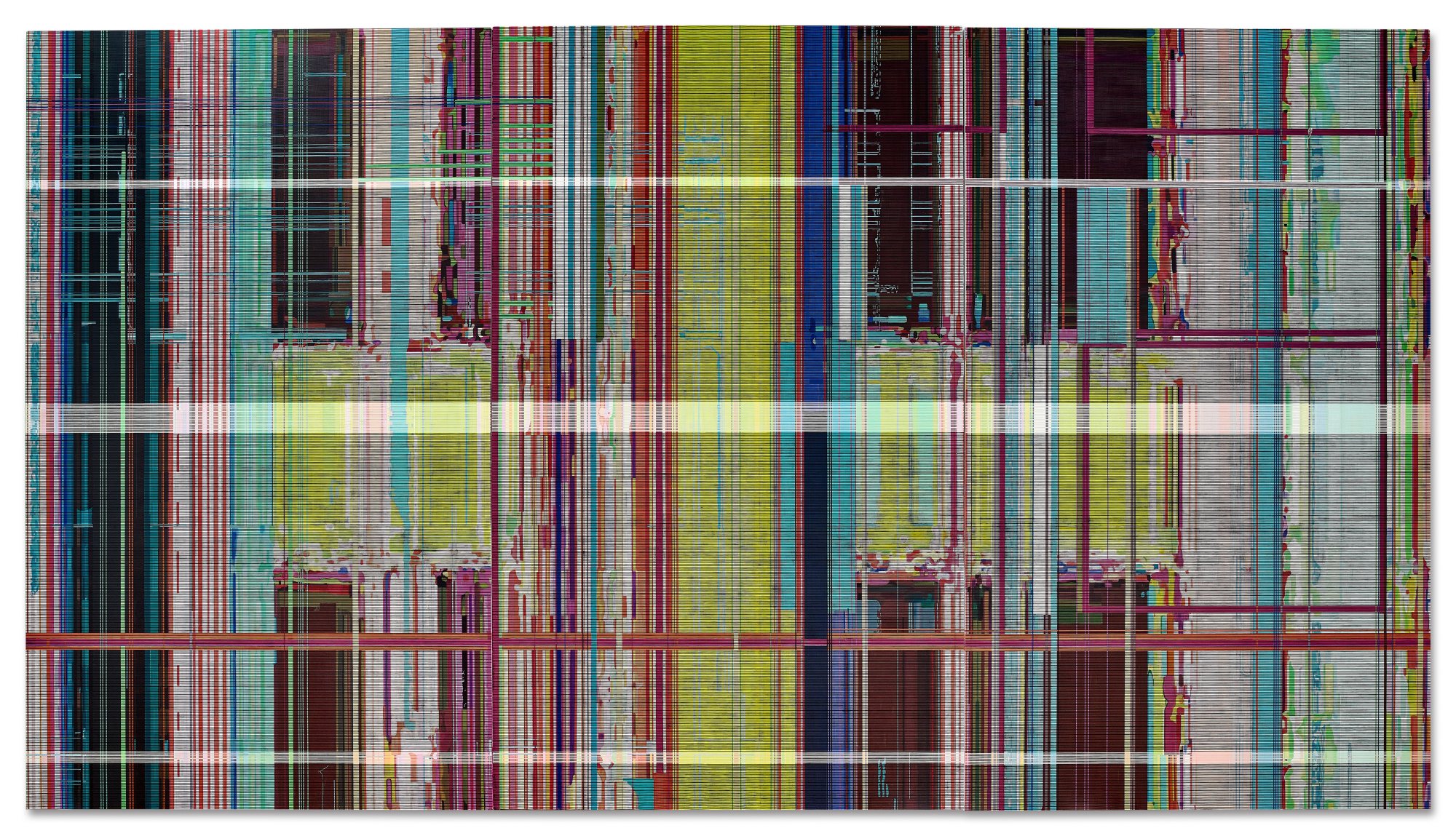
Liu Wei
Liberation No. 10 解放10號
His work sits comfortably alongside that of contemporaries such as Zeng Fanzhi, Zhang Huan, and Ai Weiwei, artists who have each in their own way used the materials and conditions of contemporary China as the foundation for practices that speak to global audiences without abandoning their specific origins. What makes Liu Wei genuinely important, beyond the institutional validation and the market recognition, is the quality of attention he brings to a subject that could easily become didactic or repetitive. Urbanization, material culture, rapid development: these are themes that have attracted many artists, but few have found a visual language as supple and surprising as his. He does not lecture.
He builds, layers, and sometimes dismantles, and in doing so he produces work that continues to reward the sustained looking that all great art demands. To collect Liu Wei is to hold a piece of a genuinely significant artistic intelligence, one that has been shaping the terms of contemporary Chinese art for three decades and shows no sign of having reached its limits.