Lillian Bassman
Lillian Bassman: Photography Elevated to Pure Poetry
Artist Spotlight · The Collection Editorial
“I was always trying to get rid of information, not add to it.”
Lillian Bassman, interview with The New York Times
There is a moment, standing before a Lillian Bassman print, when the eye stops searching for information and simply surrenders to feeling. The image offers a shoulder blade emerging from shadow, a gesture of fabric caught mid float, a face dissolved almost entirely into luminous white. These are not photographs in any conventional sense. They are meditations, conjured through a darkroom practice so radical and so personal that they remain, decades after their making, unlike anything else in the history of the medium.
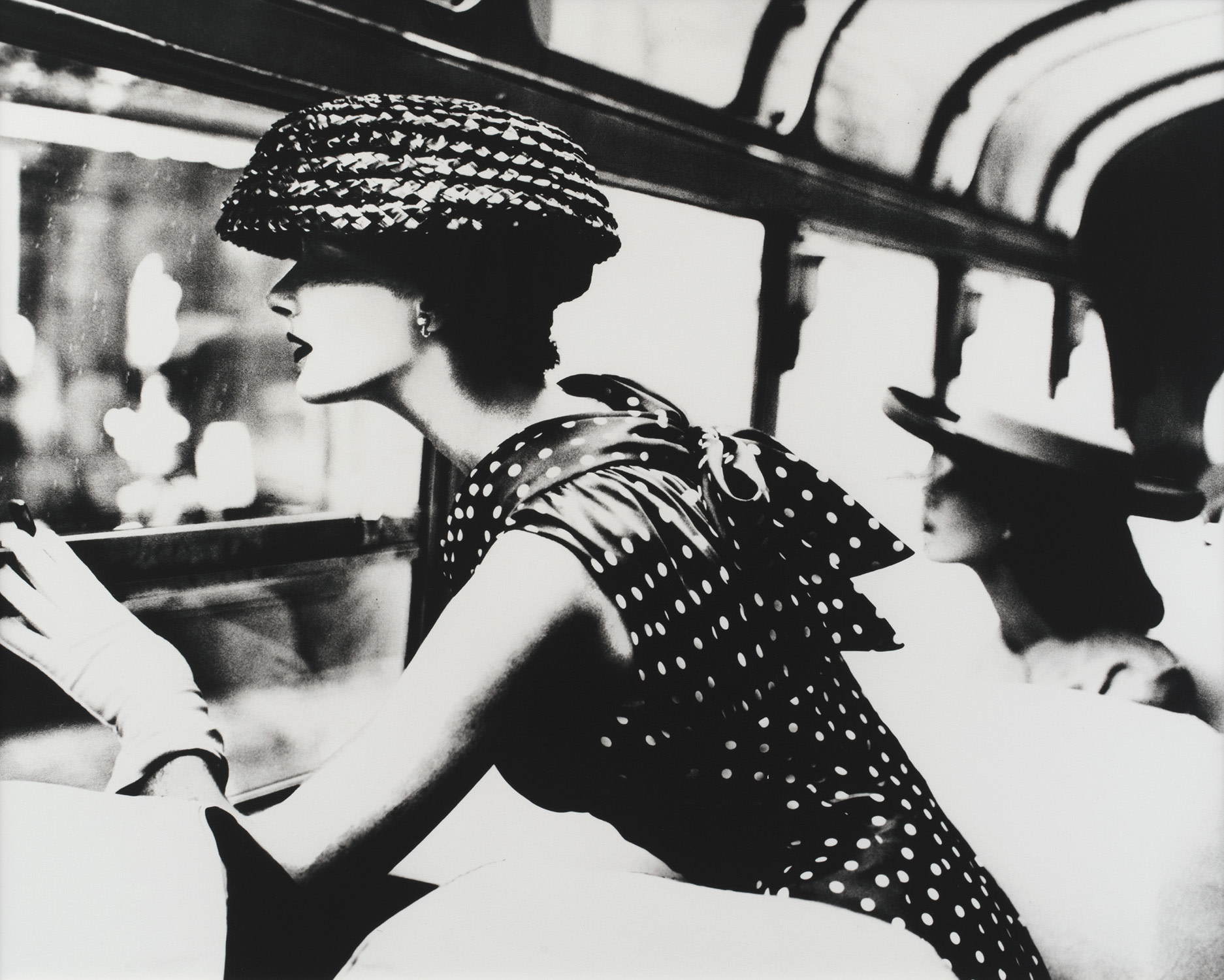
Lillian Bassman
'More Fashion Mileage Per Dress,' Barbara Vaughn, Harper's Bazaar, New York
Bassman's work has enjoyed a sustained and richly deserved renaissance in recent years, with institutions and collectors alike recognizing her as one of the great visual artists of the twentieth century, a figure whose influence on fashion imagery and fine art photography continues to deepen with time. Lillian Bassman was born in New York City in 1917, the daughter of Russian Jewish immigrants who had settled in Brooklyn. Her early years were shaped by the creative energy of a household that valued art and culture, and she enrolled at the Abraham Lincoln High School where she was mentored by the legendary art teacher Leon Friend, a figure who guided an extraordinary generation of young visual talents. She went on to study at the Textile High School and later at the Pratt Institute, where she developed skills in design, typography, and visual communication.
It was here, too, that she met Paul Himmel, who would become her husband, her collaborator, and her lifelong creative companion. Their shared devotion to image making anchored both their lives and their practices for more than six decades. Her entry into the professional world of photography came through an unlikely but consequential path. In the early 1940s, Bassman worked as an apprentice to Alexey Brodovitch, the celebrated art director of Harper's Bazaar whose influence on American visual culture in the postwar period cannot be overstated.
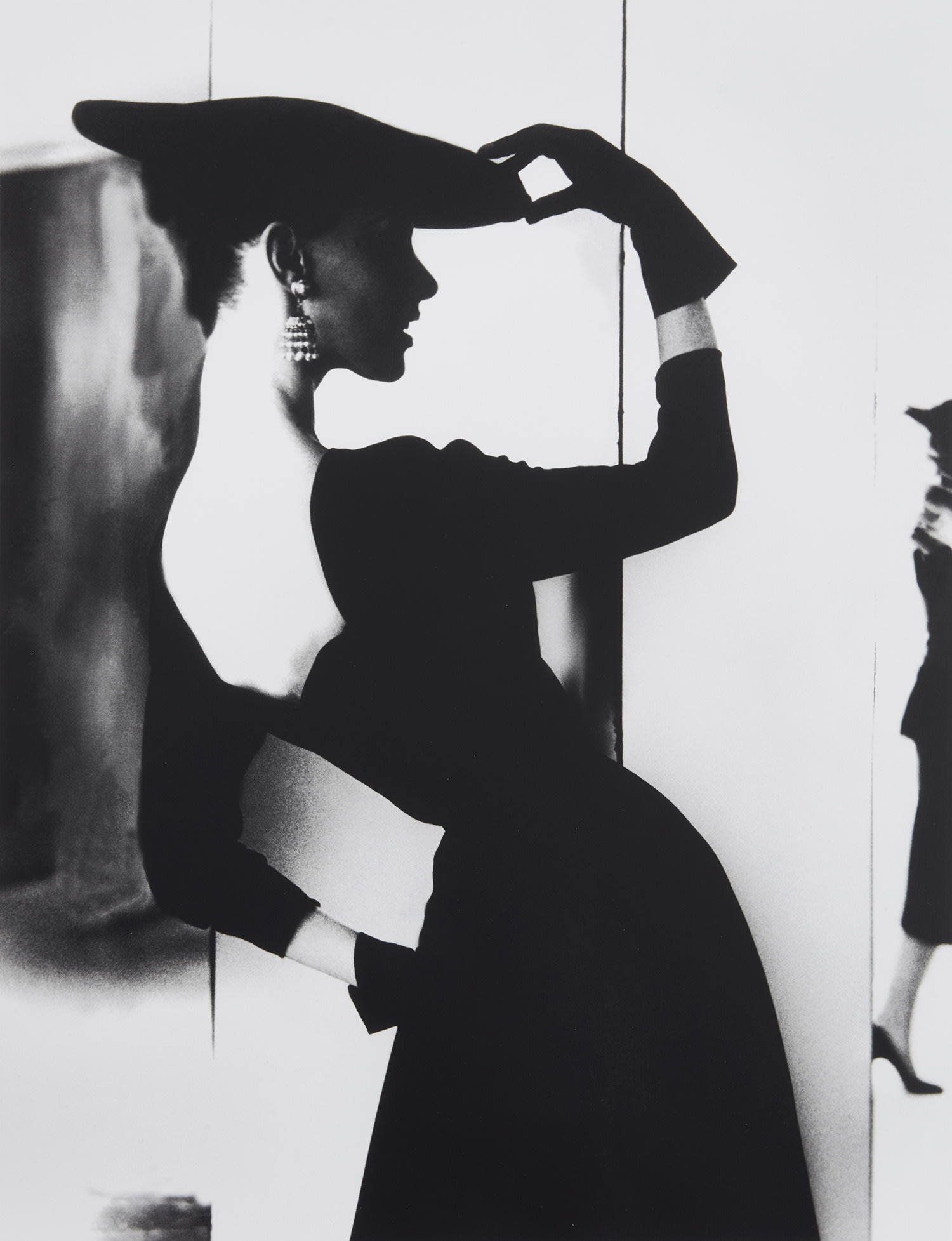
Lillian Bassman
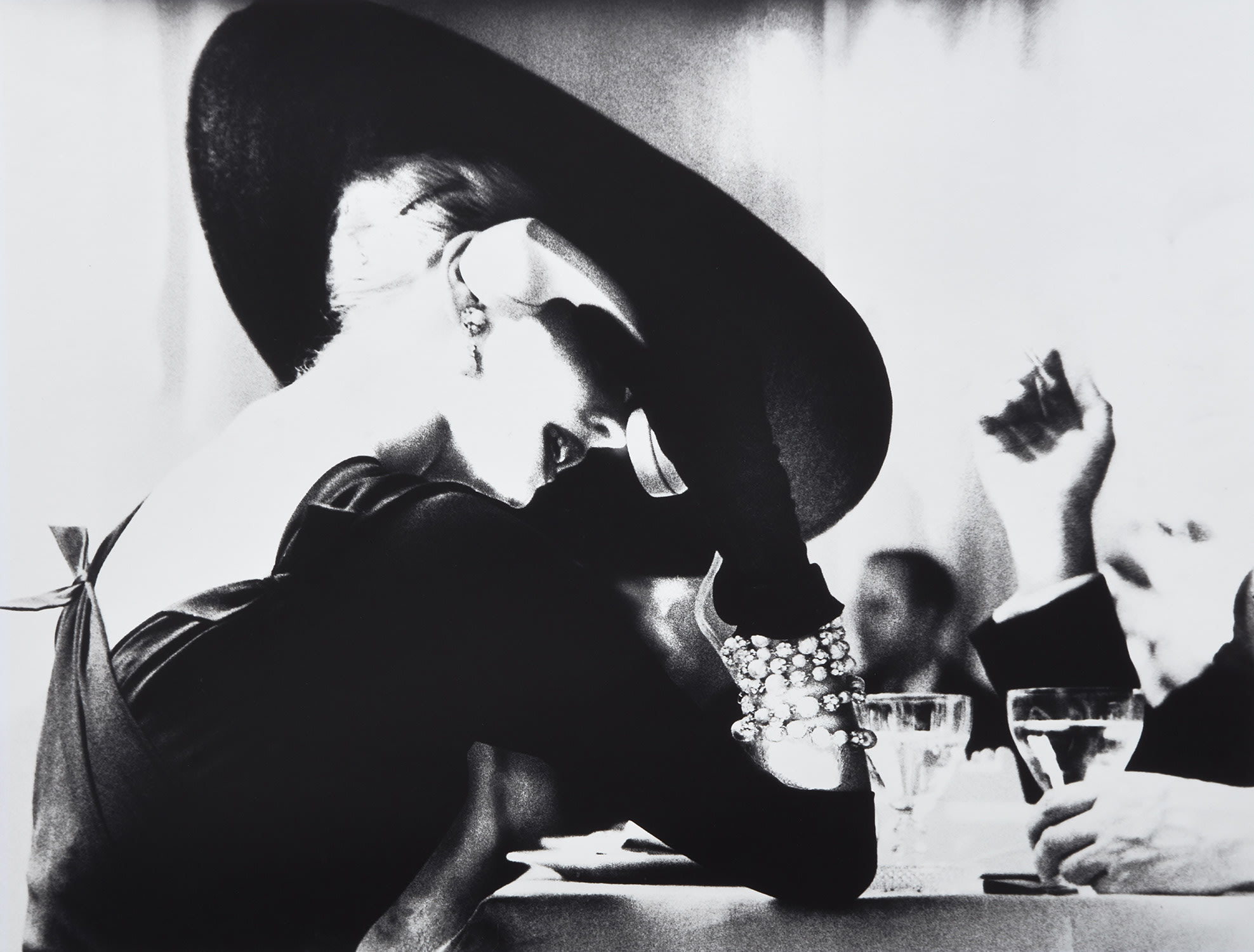
The V-Back Evenings: Suzy Parker, Harper's Bazaar, New York
Brodovitch recognized in Bassman not merely a skilled designer but a genuinely original visual intelligence. She rose to become art director of Junior Bazaar, the youth oriented offshoot of Harper's Bazaar, and it was in this role that she began to photograph seriously, turning her camera toward the models and fashions that passed through the magazine's pages. The transition from art director to photographer was seamless in her hands because she had always understood pictures as total compositions rather than mere records of fact. The period from the late 1940s through the late 1950s represents Bassman's great creative flowering.
Working for Harper's Bazaar under the editorship of Carmel Snow and alongside figures such as Richard Avedon and Irving Penn, she developed a visual language that was entirely her own. Where her contemporaries often celebrated clarity and precision, Bassman pursued dissolution and ambiguity. She bleached her negatives, sandwiched multiple exposures, and pushed her prints into extreme contrast, removing detail until only the essential emotional core of an image remained. The result was a body of work that felt closer to the drawings of Matisse or the prints of Toulouse Lautrec than to conventional editorial photography.
Lillian Bassman
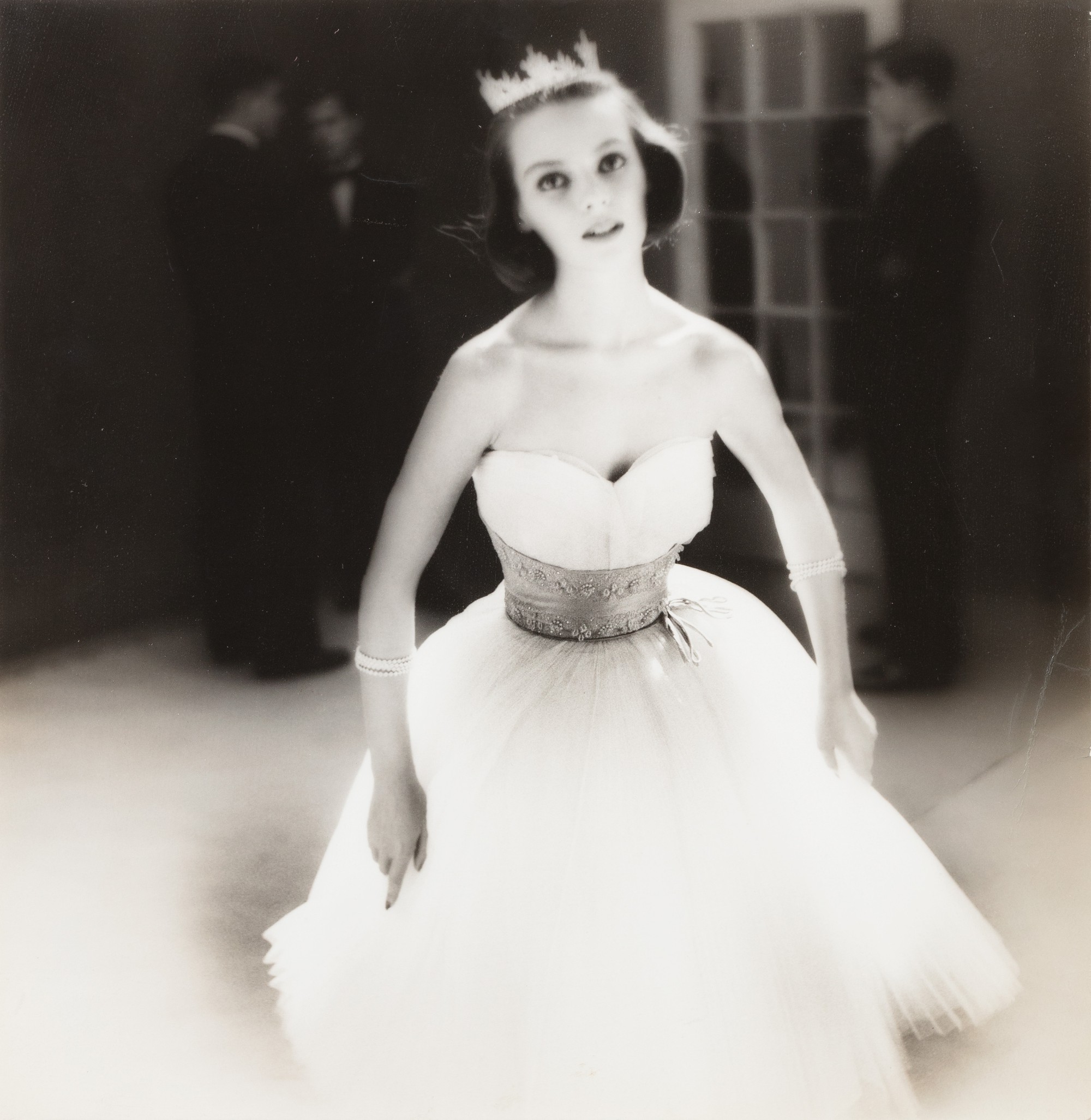
More Ten O'clock Scholars, Sandy Brown Junior, Harper's Bazaar, December 1952
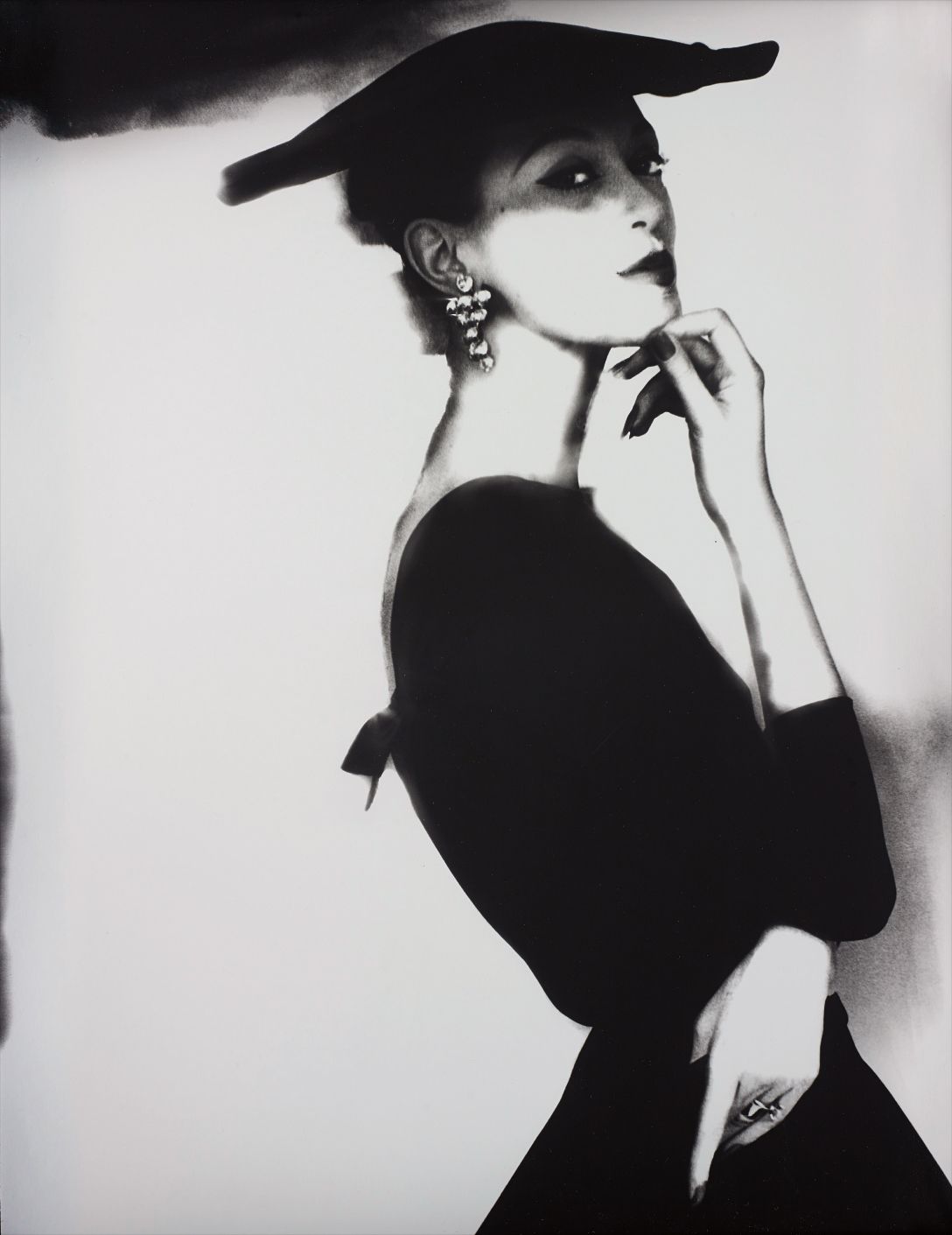
Her images of models including Barbara Mullen and Suzy Parker became iconic not because they sold dresses but because they captured something ineffable about femininity, movement, and grace. Among the works most celebrated by collectors today, the series of prints featuring Barbara Mullen hold a special place. Images such as Barbara Mullen, Flat Hat, Bare Back, Harper's Bazaar and The Cost of Living, Barbara Mullen, Dress by Omar Kiam reveal the full range of Bassman's darkroom alchemy. The backs of women, the suggestion of garments, the way light seems to breathe rather than illuminate: these are photographs that operate on the nervous system before they engage the intellect.
Equally cherished is The V Back Evenings featuring Suzy Parker, a gelatin silver print of such compositional audacity that it reads as an abstract work as readily as it reads as fashion photography. The wonders of water from 1959 demonstrates her continued experimentation with form and texture, showing a sensibility that grew bolder rather than more cautious as the decade progressed. Perhaps the most remarkable chapter of Bassman's story is what happened next. In the 1960s, she largely stepped away from photography, feeling disillusioned with the direction of the industry and uncertain about the value of the work she had made.
Lillian Bassman
Barbara Mullen, New York, Harper's Bazaar
She stored her negatives and turned her attention to painting. For decades, many of her images were presumed lost or forgotten. Then, in the 1990s, she rediscovered her archive, and what she found astonished even her. She began reprinting her old negatives, often taking them further than she had originally dared, and the results were received as a revelation.
Her late printed works, many of them gelatin silver prints made later from the original negatives, carry the full authority of an artist who has spent a lifetime understanding her own vision. Collectors who acquire these later prints are not acquiring copies of something lost but new expressions of a fully realized artistic consciousness. In the art market, Bassman's work occupies a compelling position. Her prints have appeared consistently at major auction houses and through specialist photography dealers, with demand driven by collectors who move between the worlds of fine art photography, fashion history, and twentieth century American modernism.
The gelatin silver prints, many of which exist in small numbers and some of which are unique, command serious attention from institutions building collections in the history of photography. Bassman belongs in conversation with artists such as Man Ray, whose darkroom experiments similarly blurred the line between photography and painting, and with her Harper's Bazaar contemporaries Avedon and Penn, though her emotional register is distinctly softer and more mysterious than either. She also connects meaningfully to the tradition of pictorialist photography, bringing it forward into a postwar sensibility that felt entirely modern. Lillian Bassman died in New York in 2012 at the age of ninety four, leaving behind a body of work that grows more significant with every passing year.
Her career is a reminder that the most original voices sometimes require patience, both from the artist and from the world that surrounds them. The decades she spent away from photography did not diminish her legacy; they gave it depth and complexity, a narrative arc that feels almost literary in its shape. To collect her work is to participate in one of the great ongoing conversations of twentieth century visual culture, to own a piece of an argument about what photography can be when it refuses to be merely itself and reaches instead toward something closer to feeling, closer to memory, closer to art.
Explore books about Lillian Bassman