Li Hei Di
Li Hei Di Paints the World Anew
Artist Spotlight · The Collection Editorial
Something remarkable has been happening in the international contemporary art world, and collectors who have been paying attention already know the name at the center of it. Li Hei Di, the Chinese born painter whose canvases seem to vibrate with an almost seismic emotional intelligence, has emerged in recent years as one of the most compelling voices in her generation. Her works have appeared at major auction houses and commanded serious attention from galleries and institutions alike, all before she has reached her early thirties. The trajectory is not just impressive it is the kind of quiet, assured ascent that signals a career built on genuine substance.
Li Hei Di
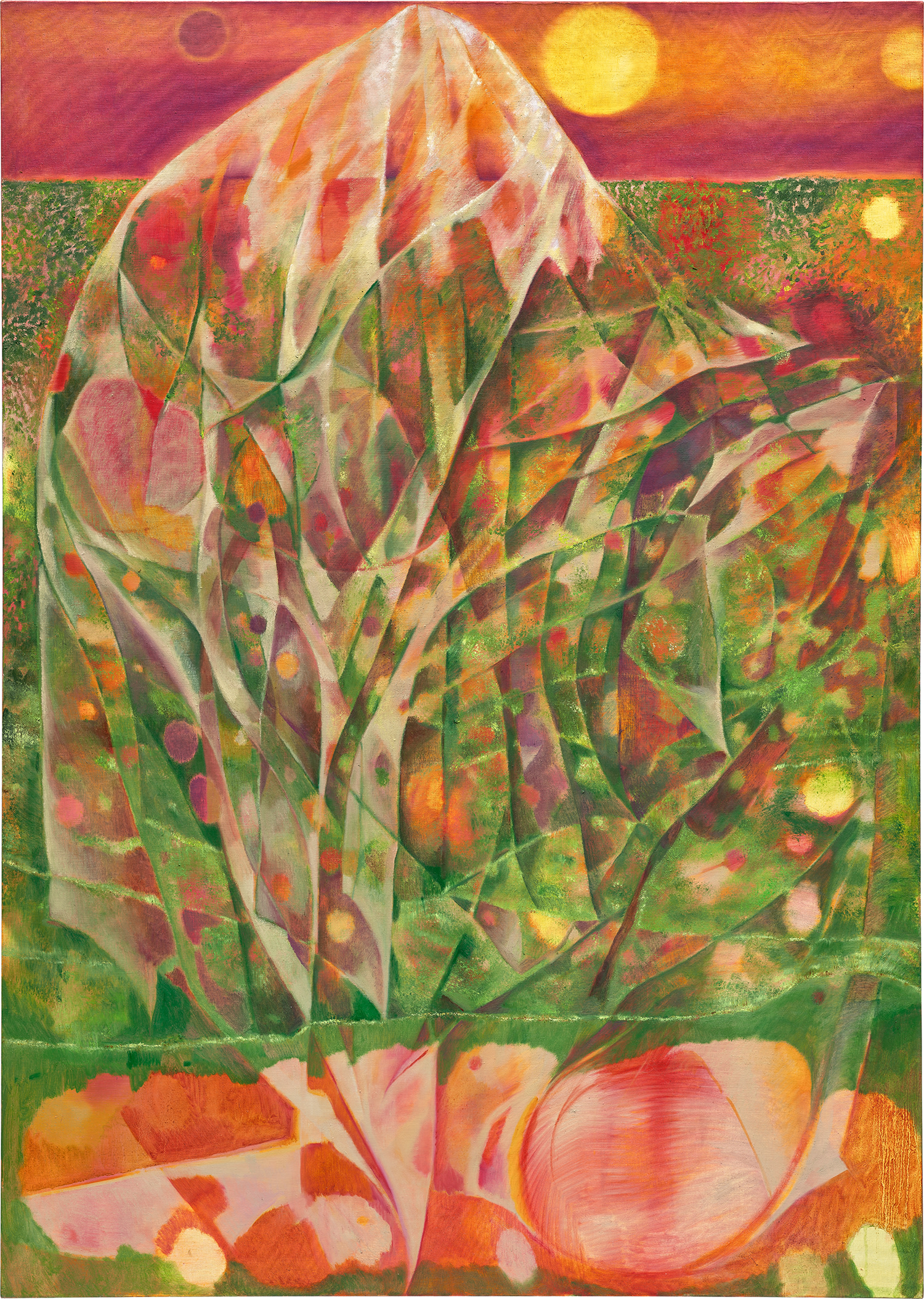
Unfolding a flood, 2022
Born in 1994, Li Hei Di came of age in a world that was itself undergoing profound dislocation. The cultural negotiations of that particular moment in Chinese history, a society simultaneously reaching outward toward global modernity and inward toward ancient tradition, left a visible imprint on her sensibility. Though the specific details of her early formation remain somewhat private, what is clear from the work itself is that Li absorbed both the visual language of classical Chinese ink painting and the bold gesturalism that defines the Western expressionist tradition. She did not inherit one lineage and reject the other.
She held both, and from that tension she built something entirely her own. Her development as an artist reflects an almost philosophical commitment to layering, not just as a formal technique but as a way of thinking about how identity accumulates and fractures over time. Early in her practice, Li was already working with oil on canvas in ways that felt distinctly personal, using the medium not for its European associations but for its capacity to hold marks, erase them, and allow earlier decisions to ghost through to the surface. This quality of the palimpsest, the sense that every painting contains its own history of being made, became central to her visual thinking.
Li Hei Di
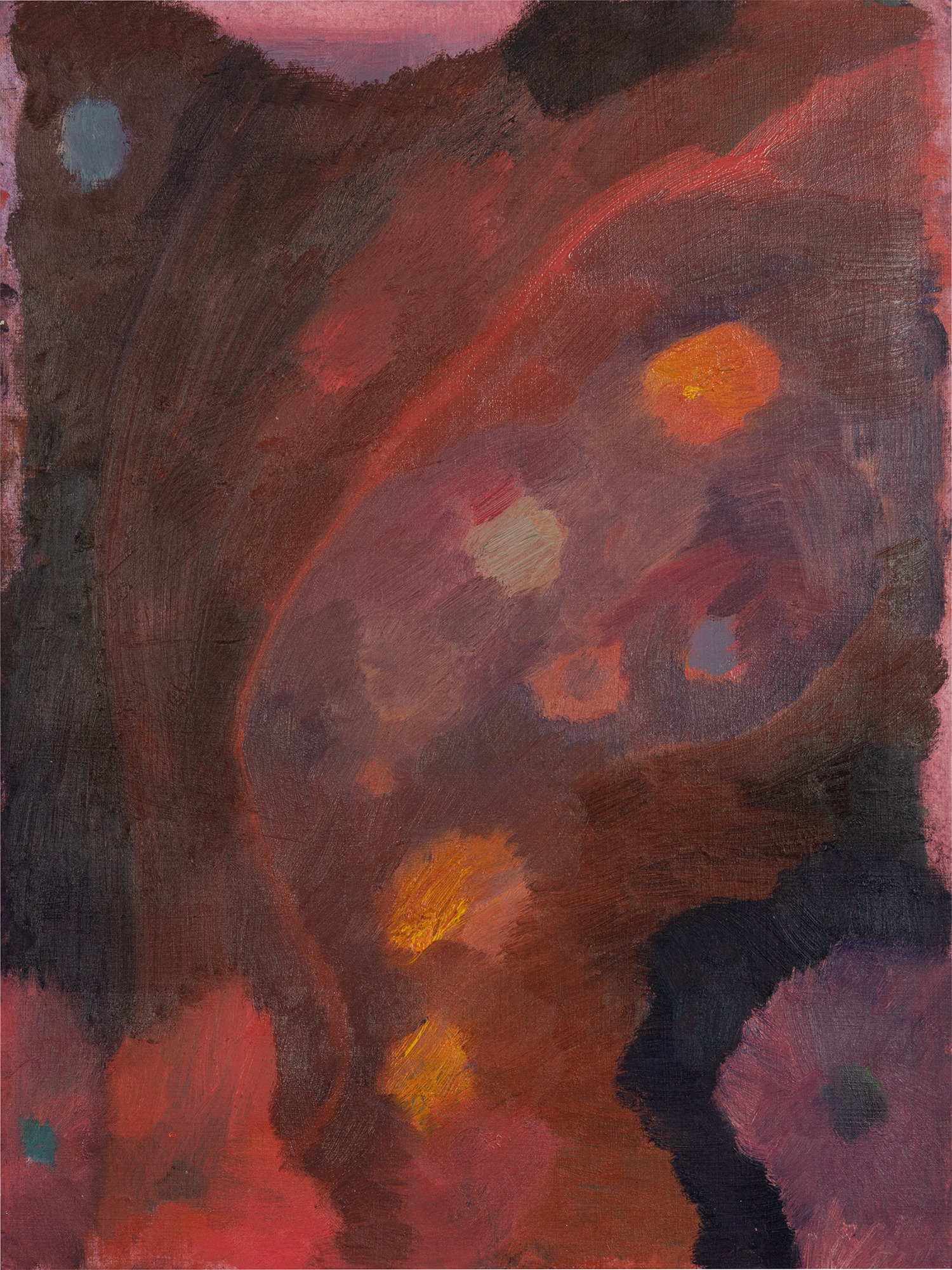
What it Means When a Man Falls from the Sky, 2022
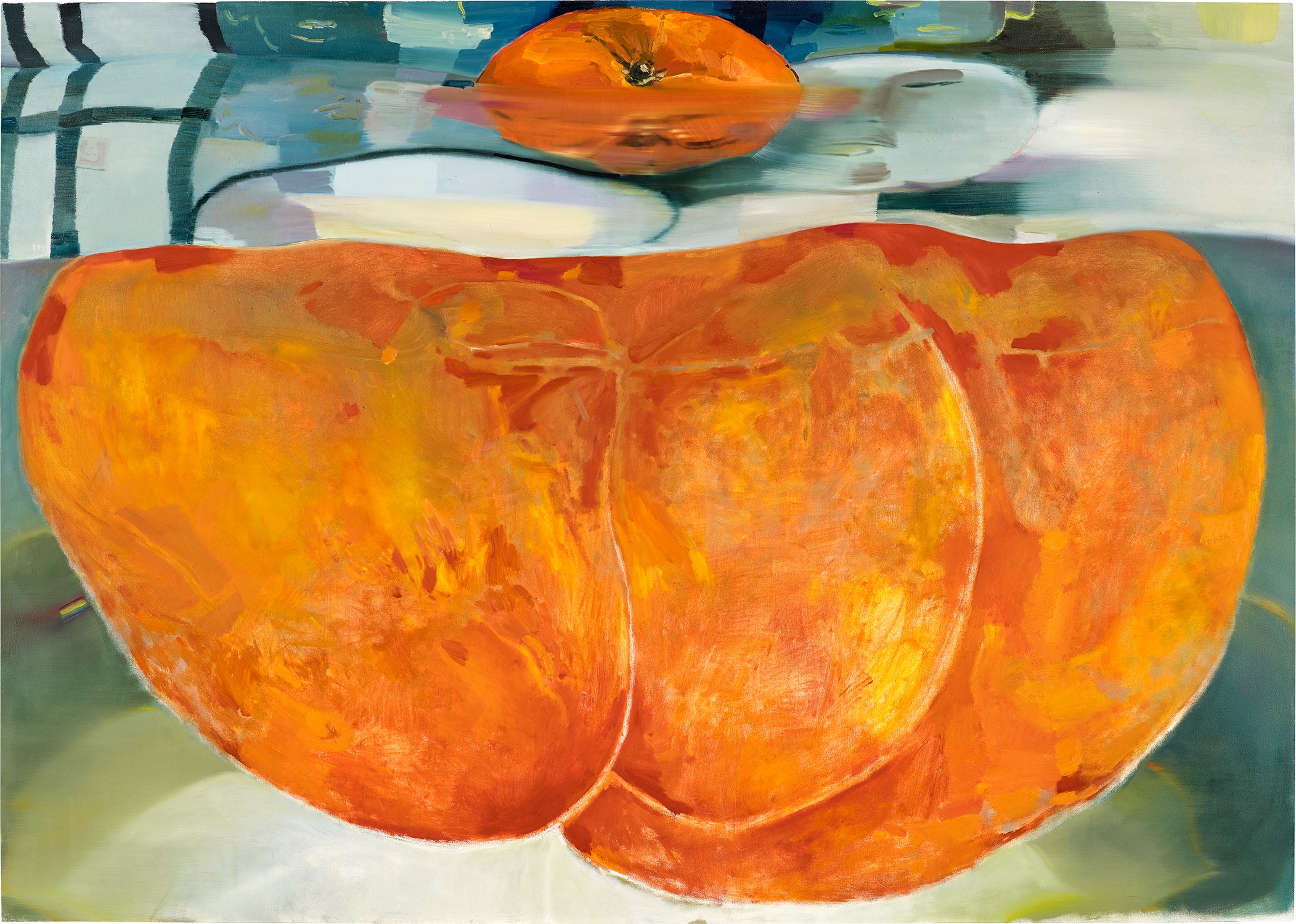
By the early 2020s, her work had reached a point of confident maturity that few artists achieve so quickly. The works that have drawn the most sustained critical attention date primarily from 2021 and 2022, a period of extraordinary productivity. "Orange Swim" from 2021, rendered in oil on canvas, introduces the viewer to the particular quality of color that Li commands so instinctively. The orange here is not decorative but almost confrontational, a warmth that presses against something less comfortable underneath.
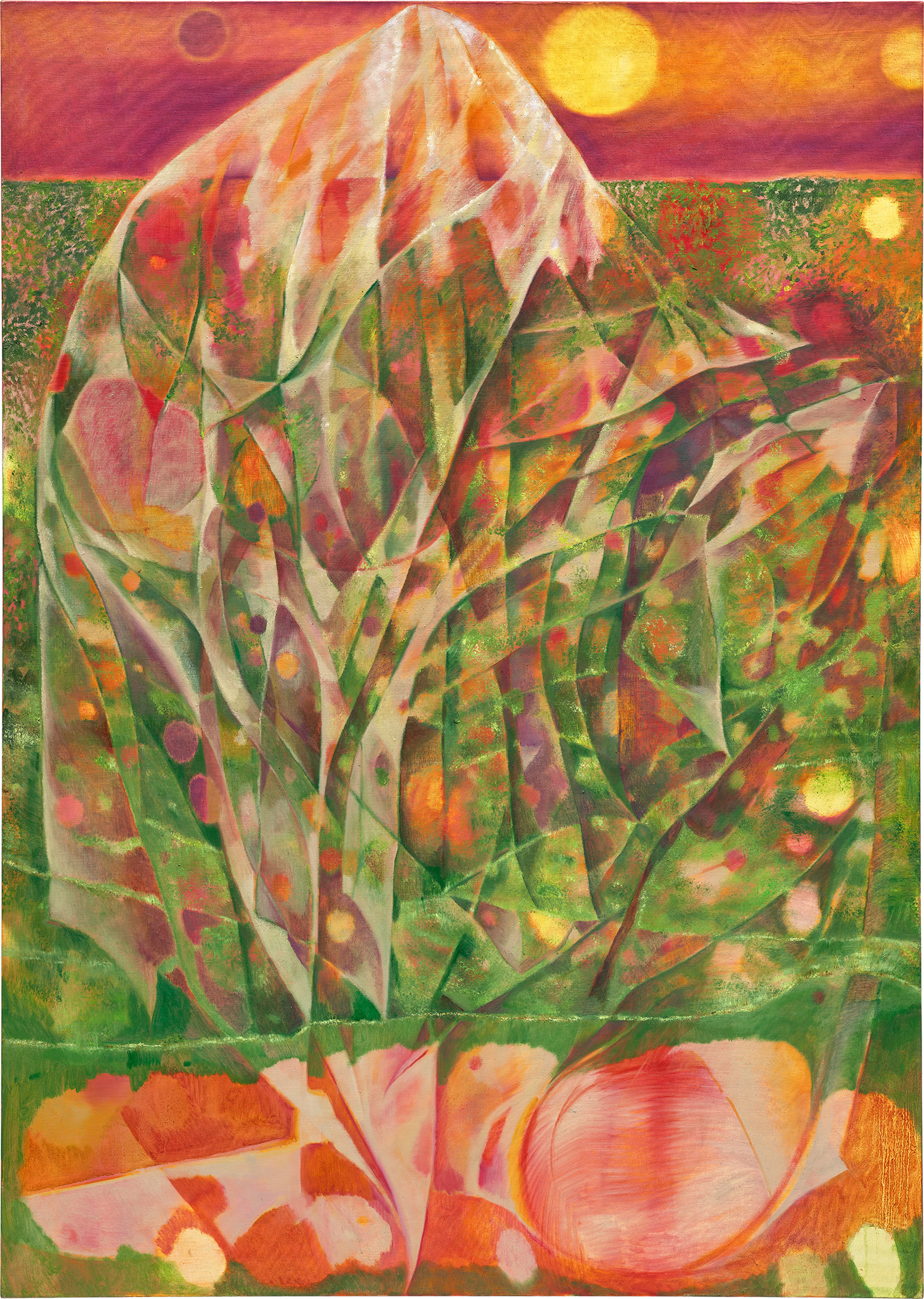
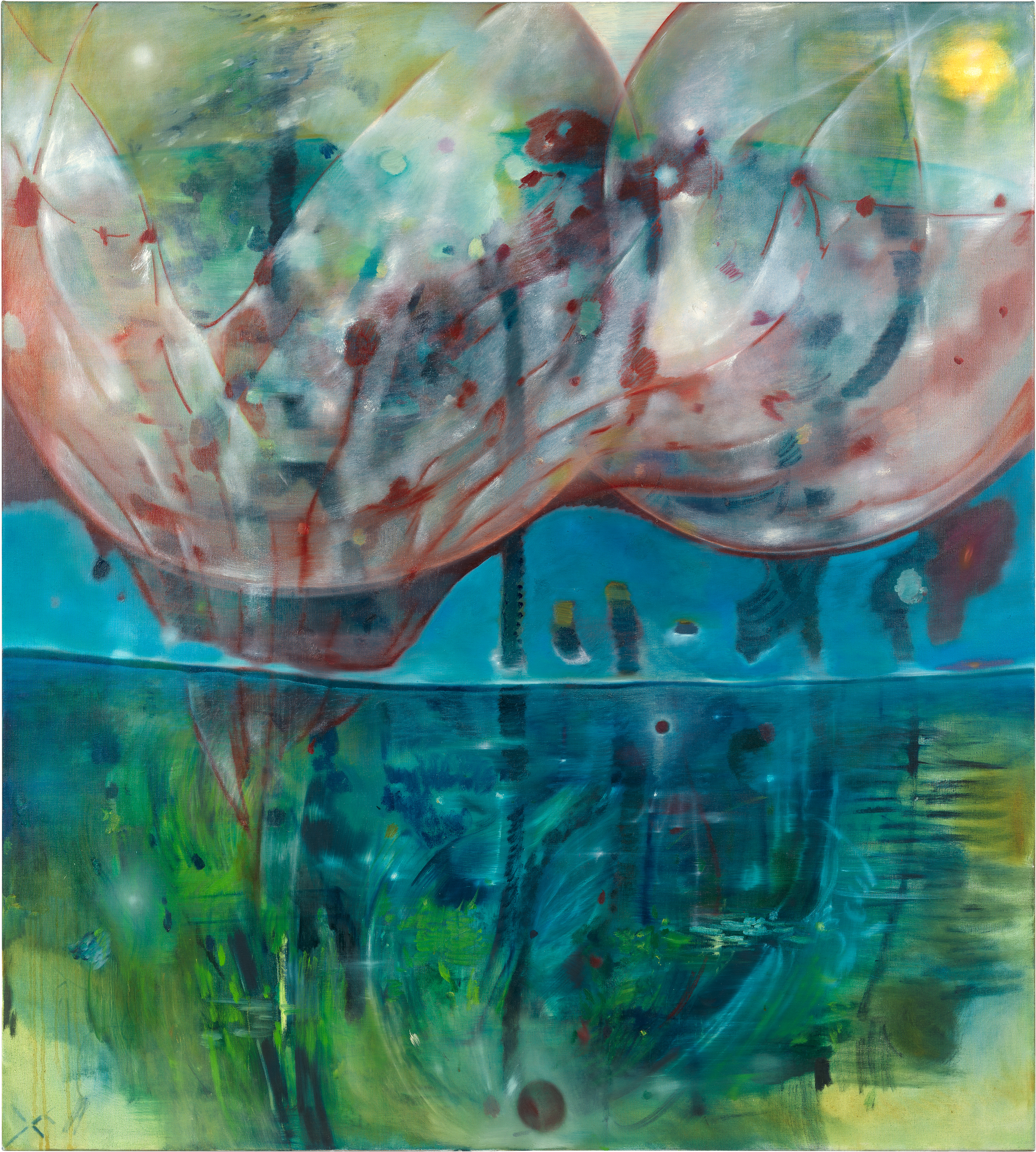
Then come the 2022 works, which feel like a sustained meditation on transformation and threshold. "Unfolding a Flood," painted in oil on linen, carries in its title alone a sense of controlled release, of something vast being carefully managed and then let go. "The Reservoir of Understanding," whose full bilingual title moves between English and Chinese, is among the most explicitly bicultural works in her output, the dual titling itself a formal gesture toward the doubled consciousness that runs through so much of her thinking. "What it Means When a Man Falls from the Sky," painted on paper rather than canvas or linen, has a lightness of ground that counterbalances the weight of its title, and the result is one of the more haunting objects in her recent body of work.
Li Hei Di
Li Hei Di 李黑地 | The Reservoir of Understanding 理解的水庫, 2022
For collectors, Li Hei Di represents a genuinely rare alignment of artistic seriousness and market momentum. Her works are not large in the manner that makes institutional acquisition the only viable path. They exist at a scale that rewards private ownership, that asks to be lived with rather than simply viewed. The oil on linen works in particular have a surface quality that rewards close looking over time, the kind of painting that reveals new detail and new mood depending on the hour and the light.
What draws sophisticated collectors to her work is not simply the strength of the current market signal, though that signal is real. It is the sense that the paintings are doing something internally necessary, that they come from a place of genuine inquiry rather than market calculation. That combination is rarer than it should be. Within the broader landscape of contemporary painting, Li Hei Di occupies a position that invites comparison to several significant figures without being reducible to any of them.
Li Hei Di
Orange Swim, 2021
There are affinities with the generation of painters who came of age navigating between Asian and Western visual traditions, artists who treated that navigation not as a burden but as a productive site of invention. Her interest in memory, displacement, and the instability of cultural belonging places her in a conversation that extends across continents and decades, touching on the concerns of diaspora painters and the broader global turn in contemporary art that has reshaped what the international canon actually looks like. She is part of a genuine reorientation, a moment when the conversation about great painting has expanded beyond the boundaries that once defined it. What Li Hei Di ultimately offers, and what makes her presence in any collection a genuine statement of intent, is the experience of being in the presence of a mind working at full capacity on questions that matter.
Her paintings are not decorative resolutions. They are open propositions, images that stay active after you leave the room. At thirty years old, she has already built a body of work that demands attention on its own terms, without apology and without performance. The coming years will only deepen what is already a substantial achievement, and the collectors who have recognized her early will look back on that recognition as one of the more clear sighted decisions they made.
Li Hei Di is not a discovery waiting to happen. She has already arrived.