Leon Levinstein
Leon Levinstein: New York's Most Intimate Witness
Artist Spotlight · The Collection Editorial
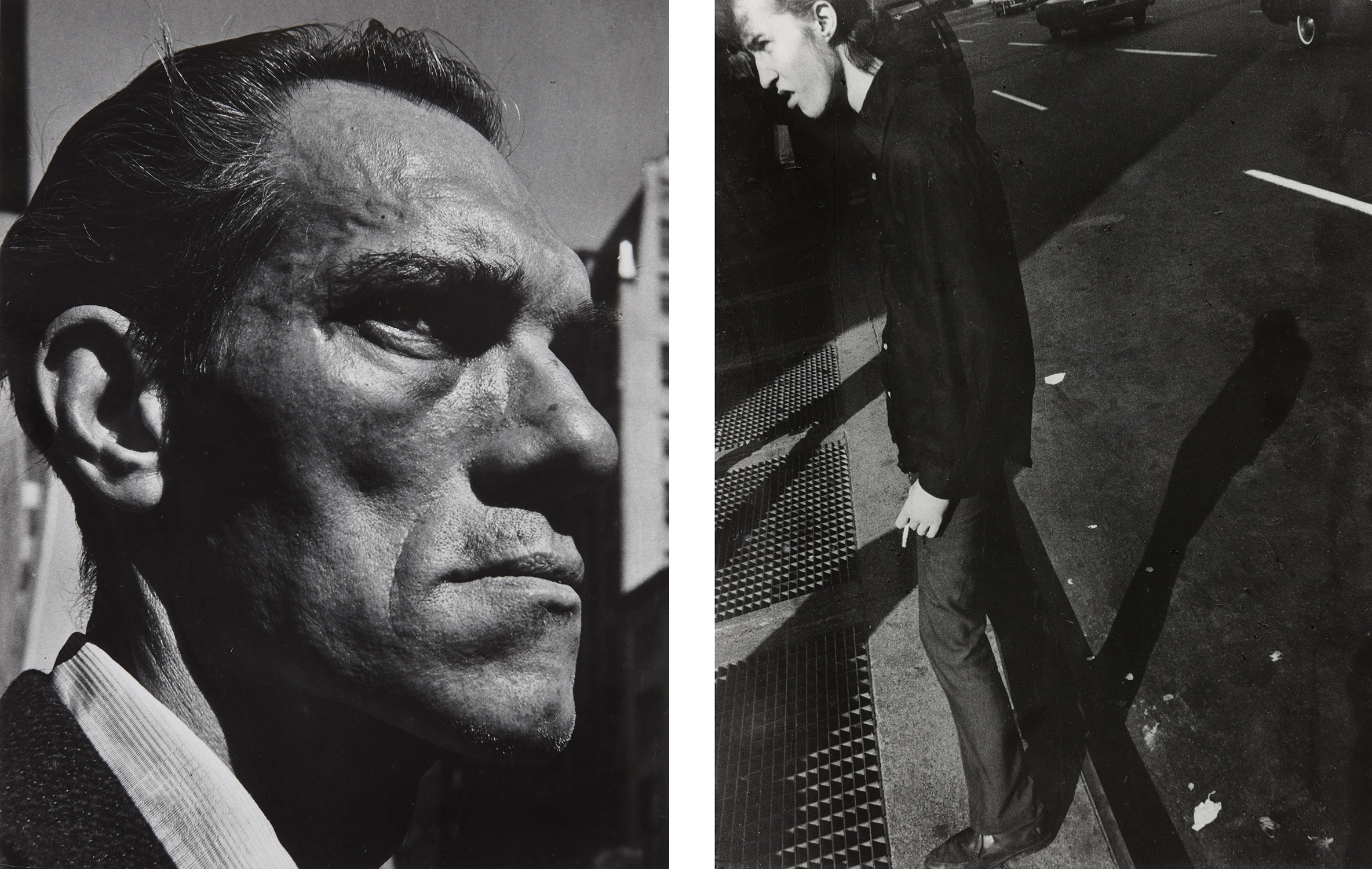
There is a photograph by Leon Levinstein that stops you cold. A man on a sweltering New York street, shirt damp, face turned at an angle that suggests both defiance and exhaustion, fills the frame so completely that the city itself becomes a mere suggestion behind him. Levinstein was standing perhaps two feet away when he pressed the shutter. That proximity, that refusal to observe from a safe distance, is the defining quality of one of American photography's most electrifying and underappreciated careers.
Leon Levinstein
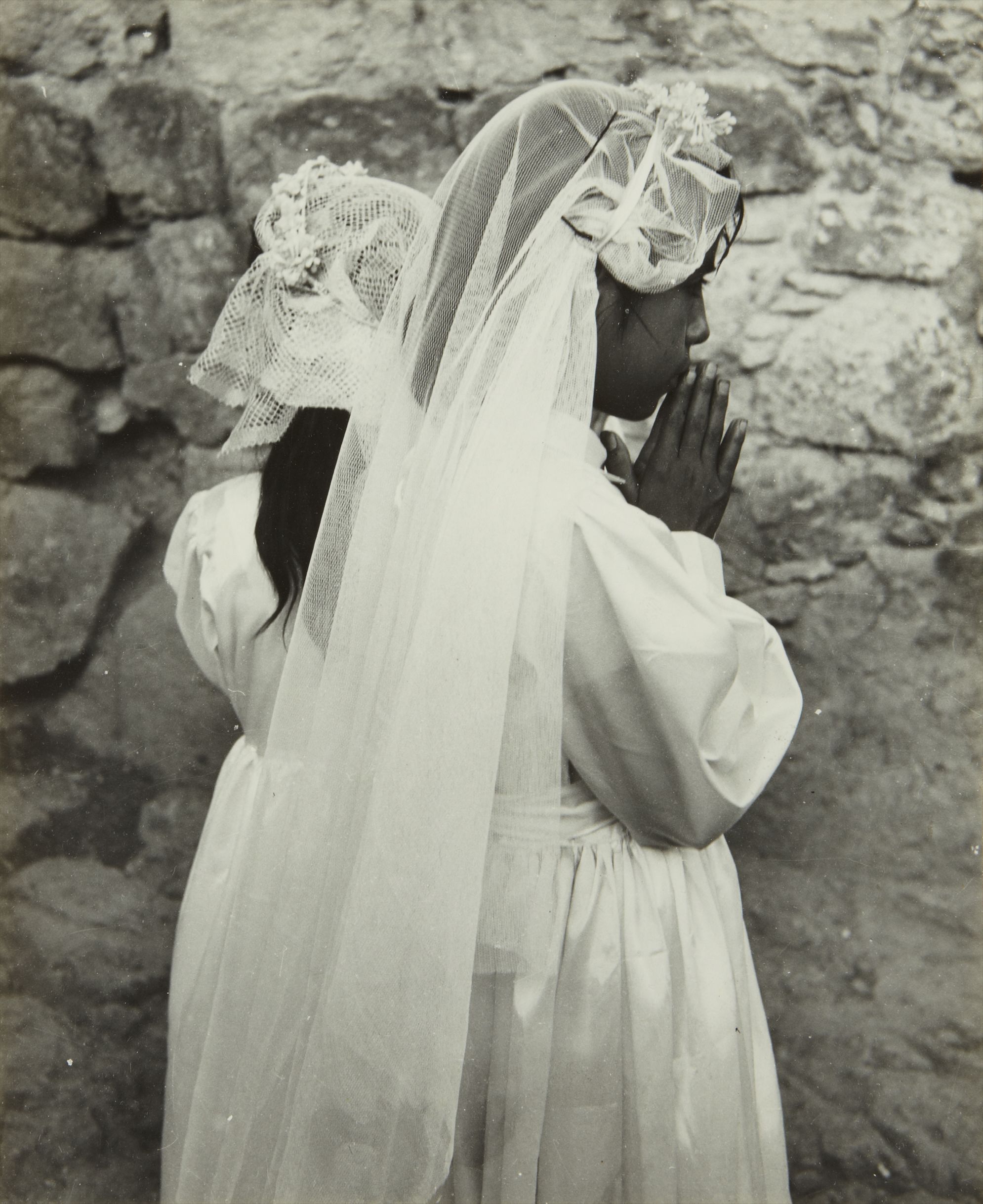
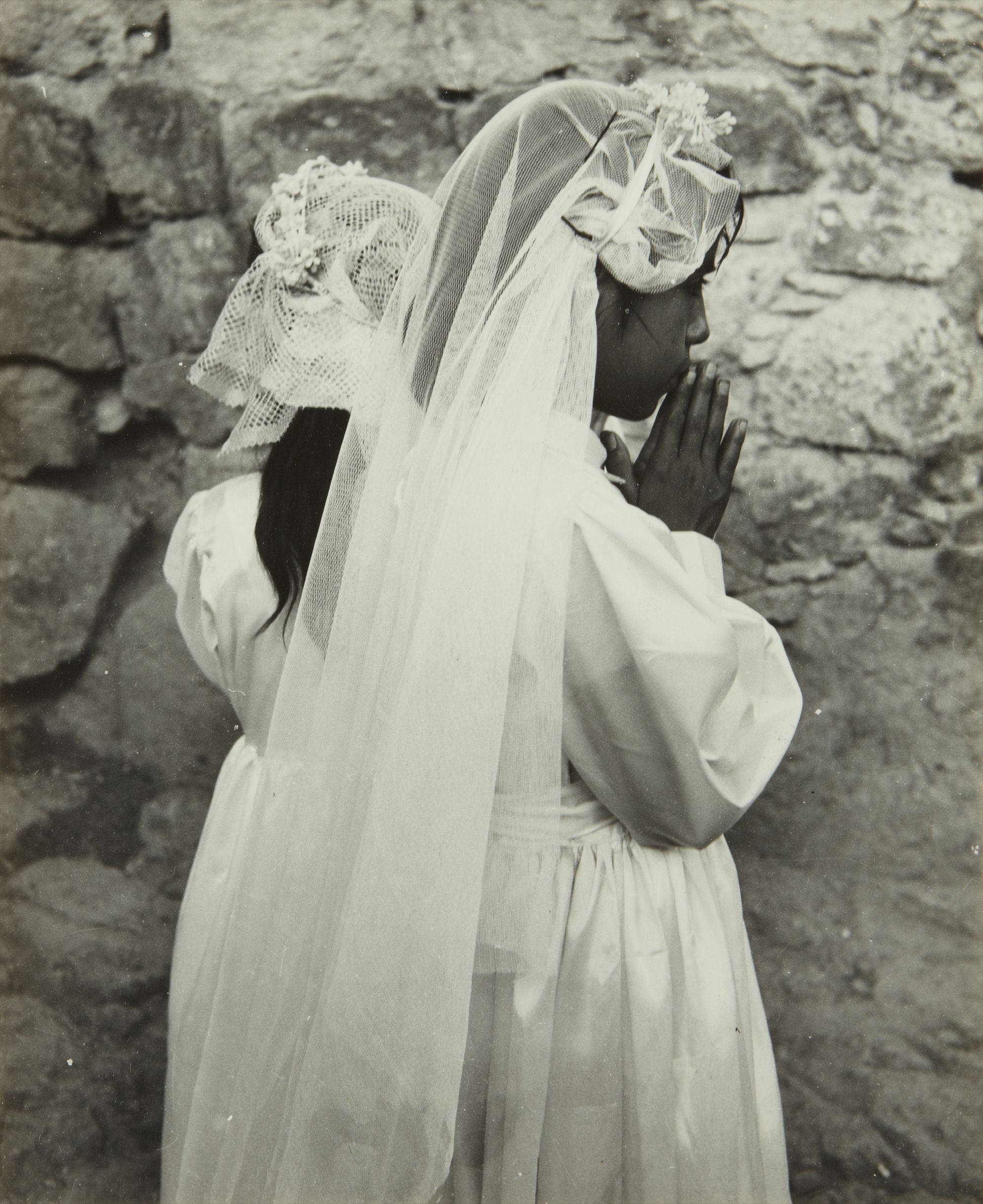
Mexico
In recent years, major institutions and discerning collectors have begun to correct a long neglect, with auction houses including Swann Galleries and Christie's offering Levinstein prints that consistently attract serious bidding, and museum collections deepening their holdings of his work. Leon Levinstein was born in 1910 in Buckhannon, West Virginia, a detail that tends to surprise those who encounter his work for the first time. His photographs feel so thoroughly, so organically of New York City that it is difficult to imagine him anywhere else. He arrived in New York as a young man and eventually studied graphic design, a background that would quietly inform the structural tension of his compositions throughout his career.
He did not pick up a camera seriously until his late thirties, which makes what followed all the more remarkable. He found his subject and his method almost simultaneously, and once found, he never let either go. His artistic formation owed much to the Photo League, the influential cooperative of socially engaged photographers that operated in New York from the late 1930s through 1951. It was there that Levinstein absorbed the documentary humanism that ran through American photography in the postwar decades, rubbing shoulders with figures who shared his belief that the street was a theater of profound human truth.
Leon Levinstein
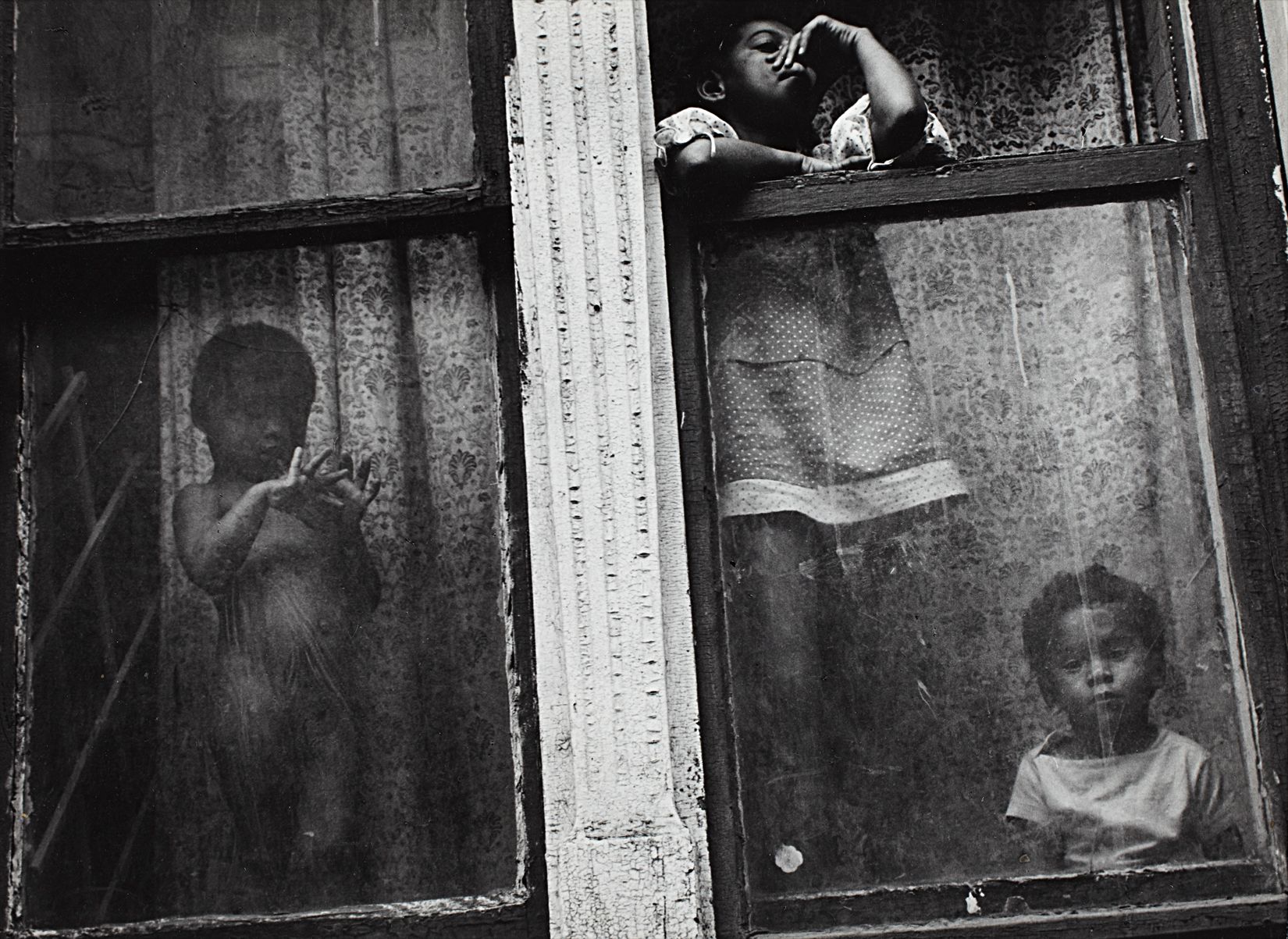
Children in Window, New York
Yet even among that community of committed image makers, Levinstein's approach was singular. Where others maintained a respectful journalistic remove, he moved closer, fitted wide angle lenses to his cameras, and pressed into the crowd until the crowd became the entire world of the picture. The years from the mid 1950s through the 1970s represent the core of his achievement. He returned again and again to Coney Island, where the summer crowds gave him an almost mythological abundance of human flesh, gesture, and expression.
These beach photographs are extraordinary documents of mid century American leisure, bodies arranged by chance into compositions of startling formal beauty, faces caught in moments of unselfconscious emotion. He was equally drawn to the daily choreography of Manhattan streets, the hustle of 42nd Street, the handball courts of Houston Street, the faces pressed against windows and the figures moving through heat and cold with the particular urgency of people who have somewhere to be. His later travels took him to Mexico and India, where the same restless curiosity produced work that demonstrates how deeply his vision was his own rather than simply a product of New York's particular energy. Among the works now available through The Collection, several speak directly to the range and ambition of his practice.
Leon Levinstein
42nd Street, NY; Fifth Avenue, NY
His images of handball players on Houston Street capture the athletic geometry of working class New York with a physical force that recalls the best of Weegee and prefigures the street photography that would emerge in the decades after Levinstein's most productive years. The children framed in a New York window carry an emotional weight that is entirely characteristic, small figures pressed against glass, their faces holding something between curiosity and longing. The Mexico and India prints reveal a photographer whose method traveled without losing its essential character, the same closeness, the same formal boldness, applied to different latitudes and different faces. The collection of thirteen gelatin silver prints available as a single group offers an exceptional opportunity to understand the arc of his vision across subjects and geographies.
For collectors, Levinstein occupies a particularly compelling position in the market. His prints, most of which exist as later printed editions from his original negatives, have historically been undervalued relative to his artistic importance and his influence on subsequent generations of street photographers. That gap has been narrowing steadily. Collectors who came to him early, often through the advocacy of Howard Greenberg Gallery in New York, which has done more than perhaps any other institution to champion his legacy, have seen sustained appreciation in their holdings.
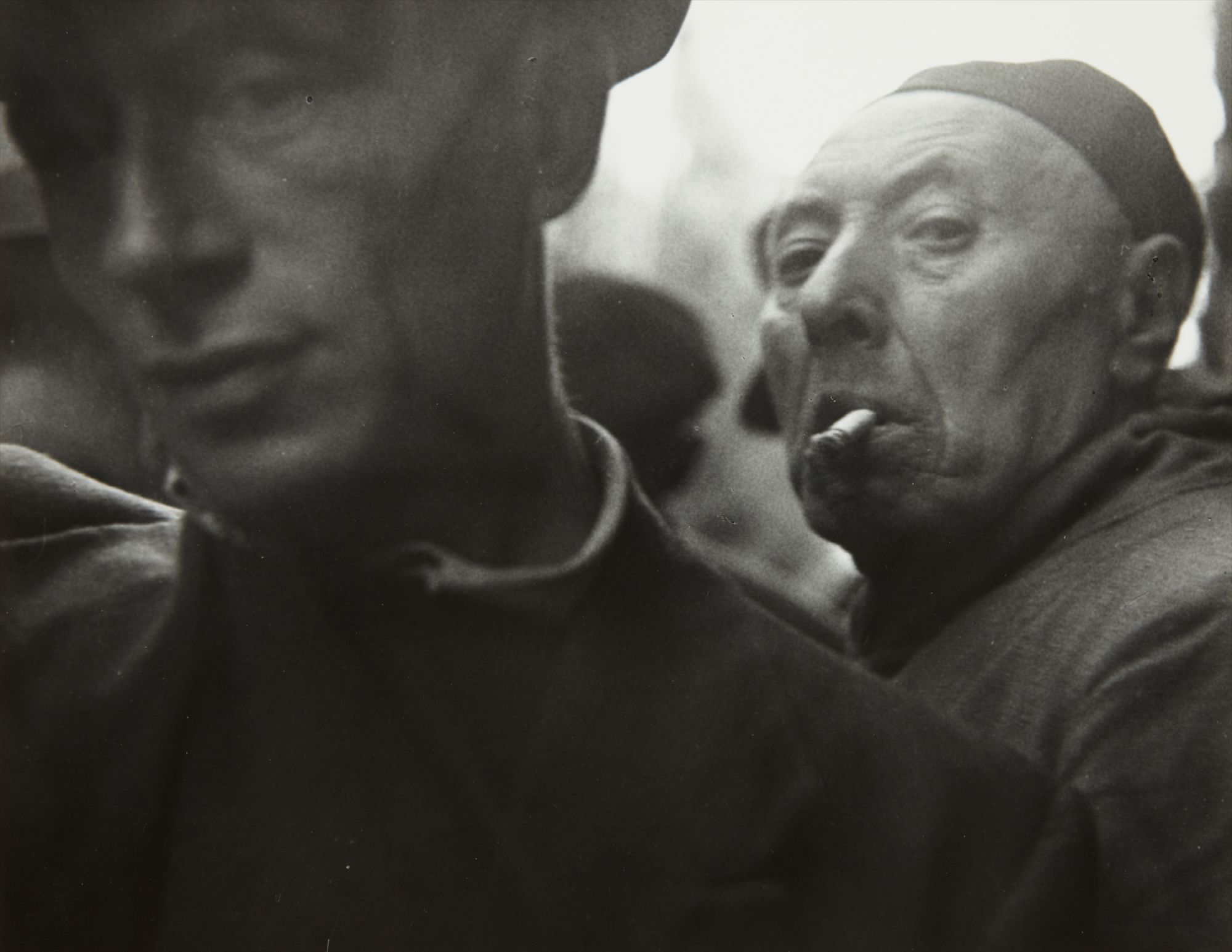
Leon Levinstein
New York
What to look for: the clarity and tonal depth of a well printed gelatin silver print, the drama of his characteristic compositions in which a single figure or tight grouping fills the frame edge to edge, and the subject categories that defined his reputation, the beach and Coney Island work, the Manhattan street scenes, and the international travel images that remain less well known and therefore represent particular value. In the context of American street photography, Levinstein sits in a fascinating and not entirely resolved relationship to his contemporaries. He shared certain instincts with Lisette Model, whose bold frontal compositions and interest in bodies as psychological landscapes overlap with his own. He worked in the same streets as Helen Levitt and Louis Faurer, photographers who found poetry in the vernacular spaces of New York.
His radical closeness to his subjects anticipates the work of Diane Arbus, though Levinstein's gaze carries less of the alienation that characterizes Arbus and more of a visceral, almost affectionate fascination with human physicality. He is in many ways the missing link between the social documentary tradition of the Photo League and the more psychologically charged street photography that would emerge in the 1960s. Levinstein died in 1988 having never achieved the recognition that his peers and the handful of devoted supporters who knew his work believed he deserved. He never published a major monograph during his lifetime, never had the kind of institutional retrospective that would have secured his name.
In the years since his death, that has changed meaningfully, and the process of full critical reappraisal continues with gathering momentum. His work reminds us that the most important photographers are not always the most celebrated in their own time, and that the act of looking closely and without flinching at the people around us can itself be a form of love. For collectors building a serious engagement with twentieth century American photography, Levinstein is not a footnote or a curiosity. He is essential.
Explore books about Leon Levinstein