Leo Gabin
Leo Gabin Paints the Internet Alive
Artist Spotlight · The Collection Editorial
Something shifted in contemporary painting when Leo Gabin arrived at institutions and fairs with canvases that looked, at first glance, like fragments of a fever dream scrolled from a phone at 2am. The Ghent based collaborative duo, formed by Lieven Deconinck and Gaëtan Begerem, has spent the better part of two decades building one of the most singular and culturally alert bodies of work in European painting. Their presence at major international art fairs and in prominent private collections across Europe and North America signals not a trend but a genuine reckoning: painting, in their hands, has found a way to speak the native language of the digital generation without losing any of its material richness or critical depth. Deconinck and Begerem met and began working together in Ghent, a city with a deep art historical identity rooted in Flemish painting and a thriving contemporary scene that has produced some of Belgium's most adventurous voices.
Leo Gabin
Talkin Like a Parrot, 2011
The city's mix of academic rigour and subcultural energy proved fertile ground for the two artists, who found in their collaboration something neither could achieve alone: a sensibility that is simultaneously analytical and visceral, distanced and deeply felt. Belgium, for all its modest geographic footprint, has long punched above its weight in the visual arts, and Leo Gabin emerged from that tradition while pointedly refusing to be contained by it. Their practice is built on a process of relentless looking and collecting. Deconinck and Begerem scour the internet with the dedication of archivists, harvesting screenshots from social media platforms, vine compilations, viral video clips, amateur footage, and the vast reservoir of self expression that ordinary people pour into digital space every day.
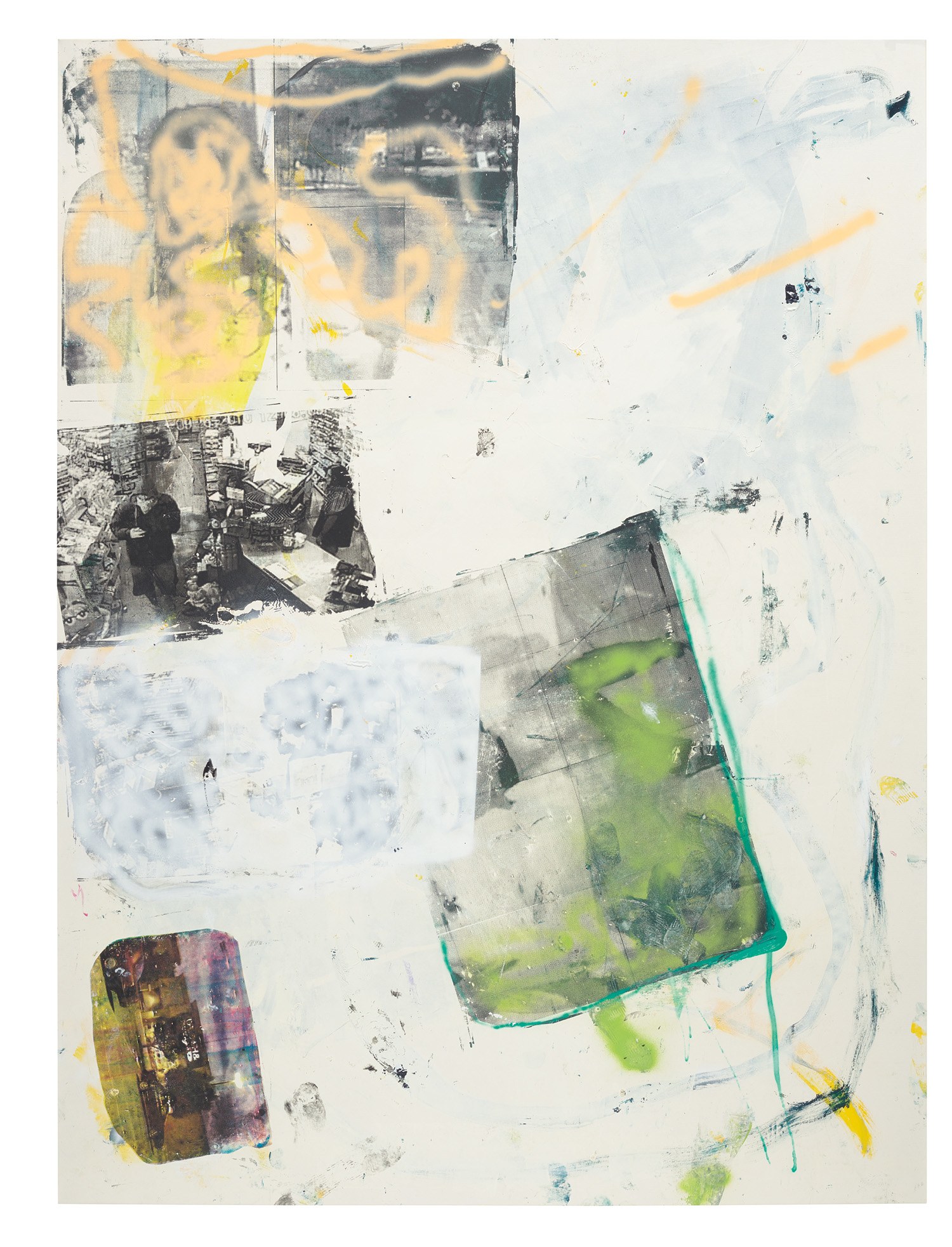
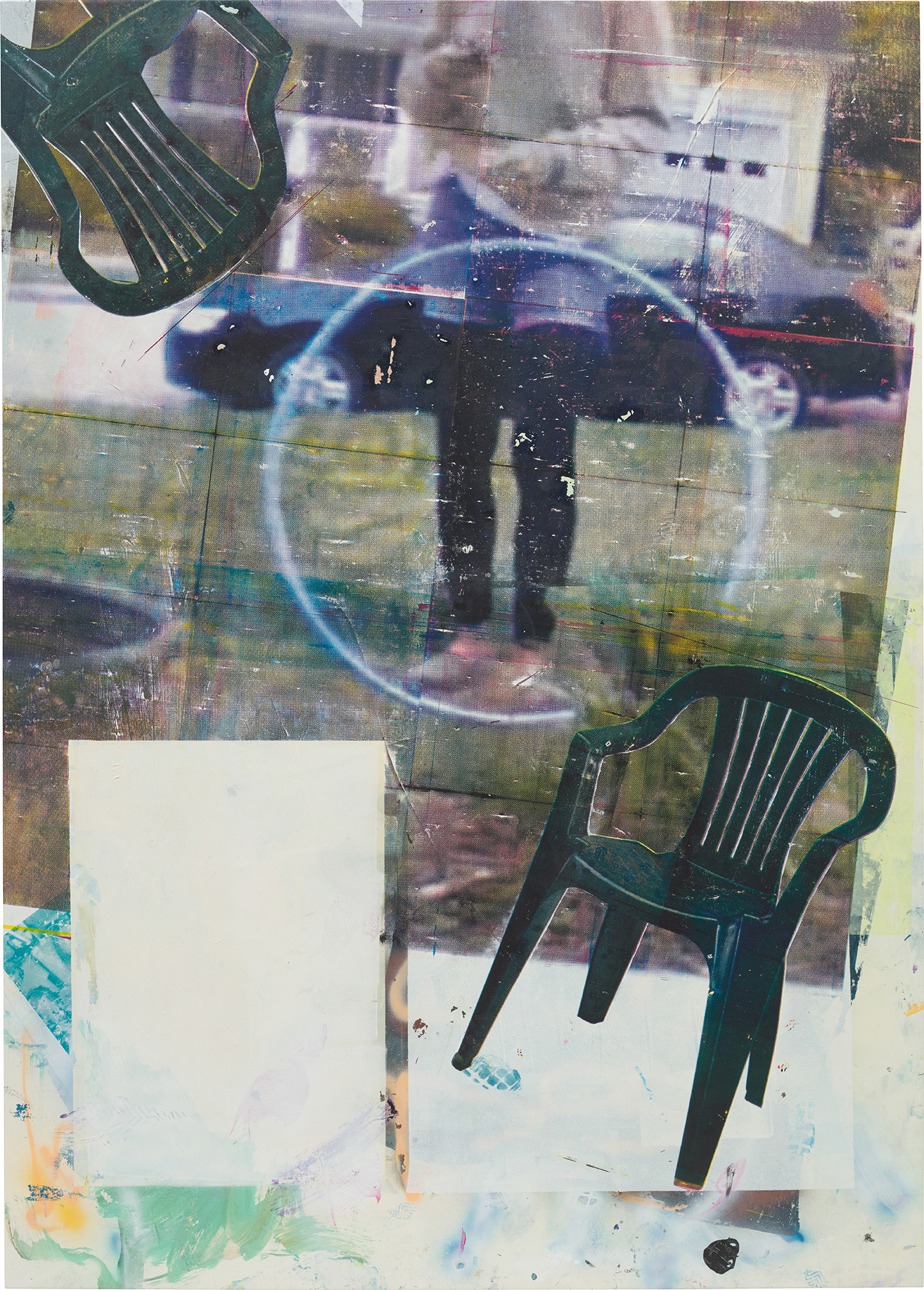
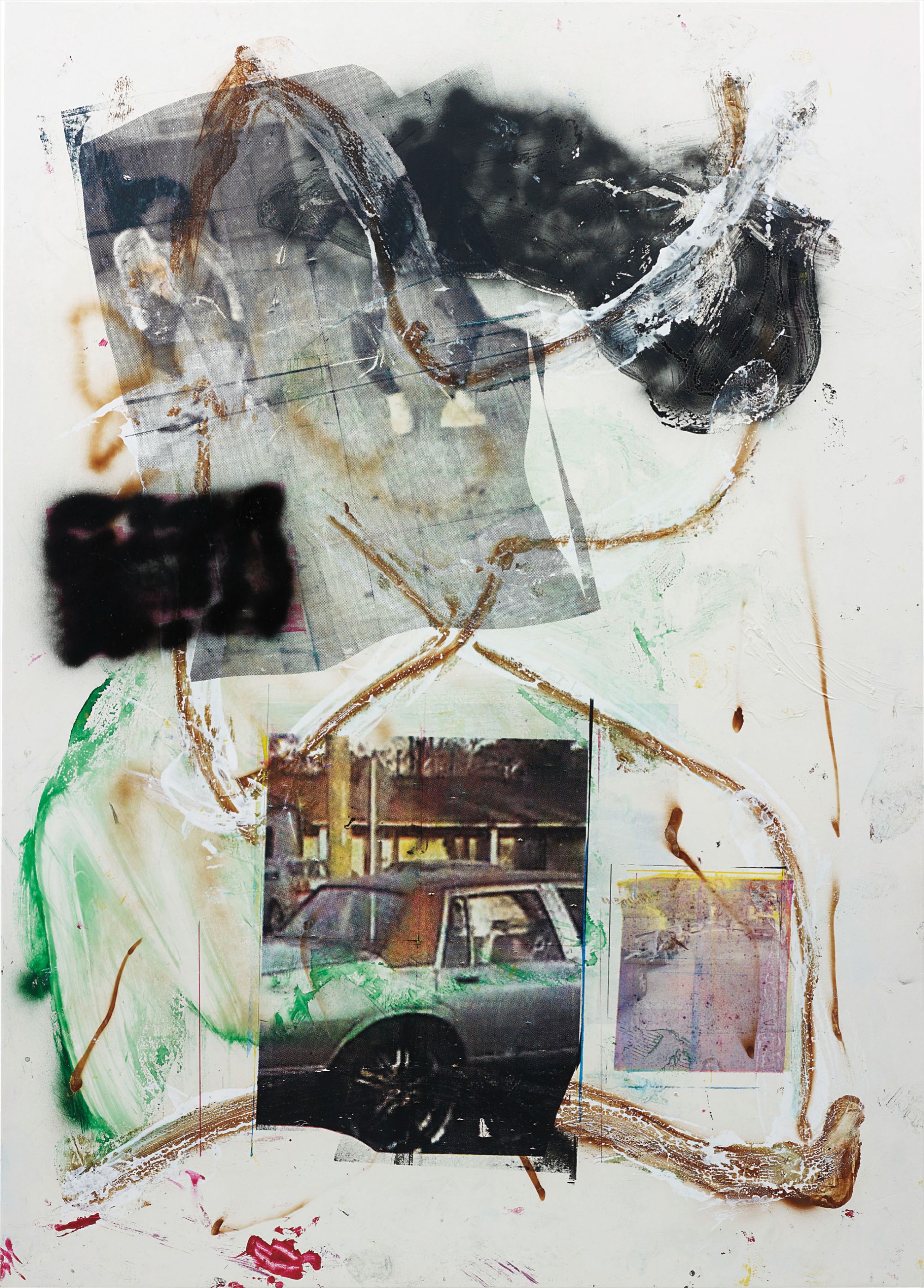
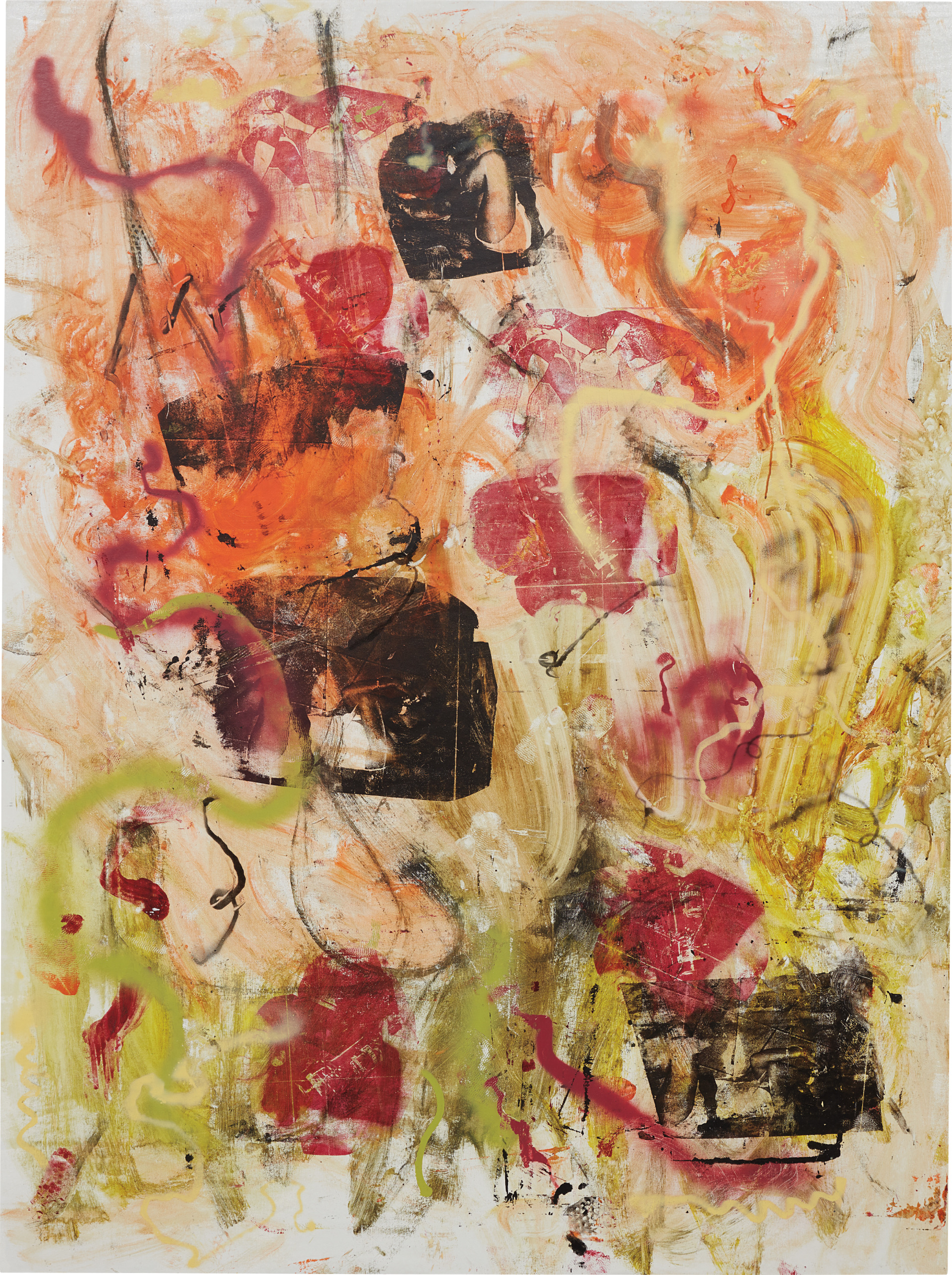
These images are not treated as raw material to be aestheticised from above, but as genuine cultural documents, worthy of the same slow attention that painters once gave to the posed sitter or the landscape vista. The found imagery is then translated onto large scale canvases using a layered combination of silkscreen printing, lacquer, acrylic, spray paint, gesso, and occasionally paper collage and oil, creating surfaces that feel simultaneously photographic and painterly, immediate and considered. What makes the work so compelling is the tension between the throwaway quality of the source material and the evident seriousness of the painted object. A work like Talkin Like a Parrot from 2011, built from gesso, acrylic, spray paint, and silkscreen on canvas, captures a gesture or expression lifted from the stream of online vernacular and fixes it in a medium that demands you stop and look.
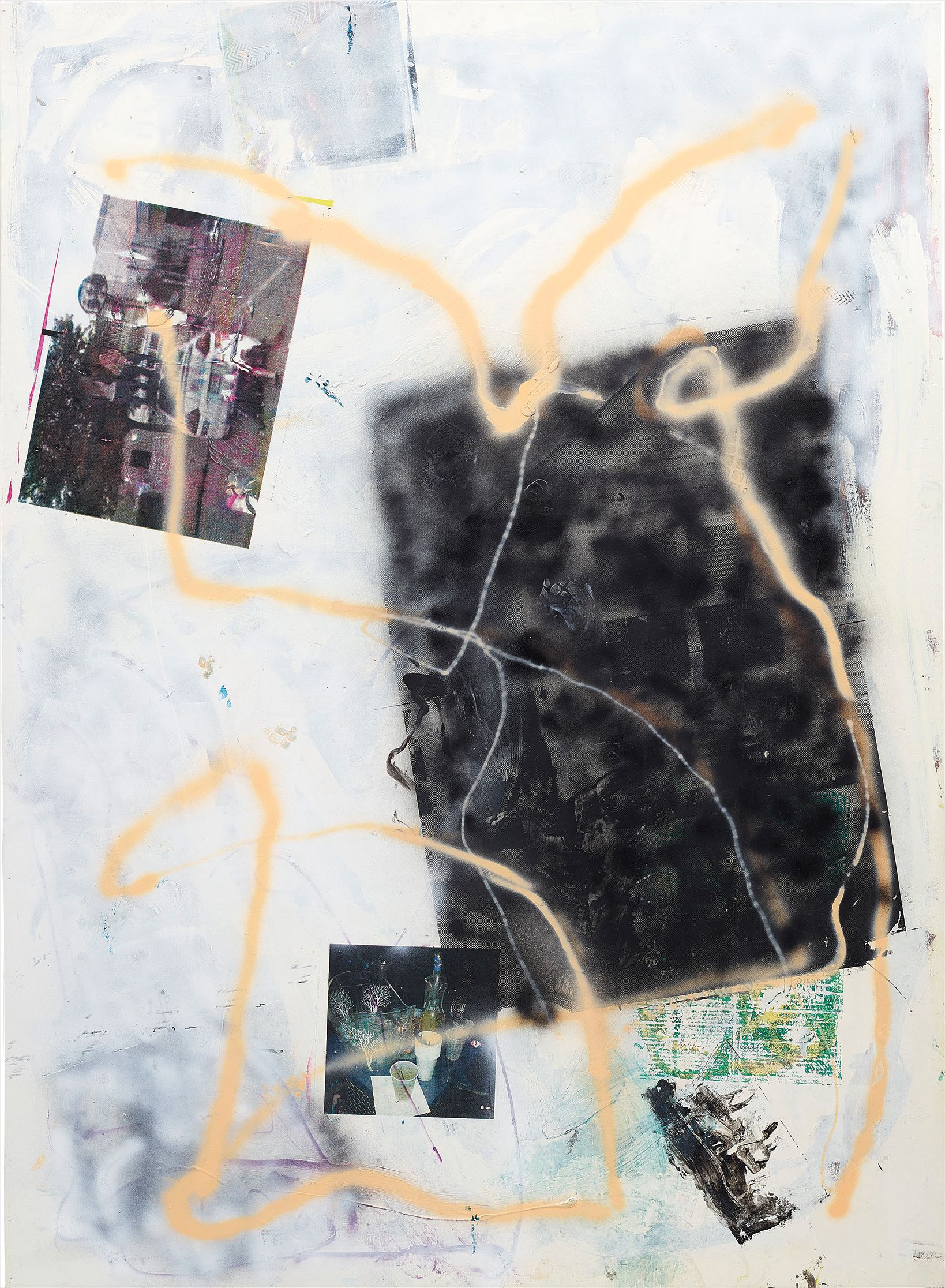
Leo Gabin
Spoon Fed Free, 2014
Similarly, This Real How from the same year uses lacquer, spray paint, acrylic, and silkscreen to crystallise a moment that, in its original context, would have vanished in seconds. The titles themselves are drawn from online slang and vernacular speech, functioning as a kind of linguistic readymade that extends the appropriation from the visual into the textual. By 2014, works like With Ice in Mouth, Straw Berry Clean, and Catching a Fade demonstrated a refined command of surface and scale, with the lacquer and spray paint combinations giving the canvases a glossy, almost commercial sheen that reads as both seductive and slightly uncanny. The duo's work enters into a rich conversation with the history of appropriation art and the Pictures Generation, the New York based movement of the late 1970s and 1980s in which artists like Richard Prince, Cindy Sherman, and Barbara Kruger examined how mass media images construct desire, identity, and power.
But where Prince and his contemporaries drew from advertising, cinema, and magazine culture, Leo Gabin turns to the amateur and the vernacular, to content made by and for people outside institutional frameworks. There is also a clear kinship with the practices of Wade Guyton and Kelley Walker, who brought digital processes into dialogue with painting, and with the work of artists like Hank Willis Thomas, who interrogates race, identity, and popular culture through photographic and mixed media strategies. What distinguishes Leo Gabin is a warmth toward their source material that avoids both the cool irony of earlier appropriation and the moralising distance of cultural critique. For collectors, the work presents a genuinely compelling proposition.
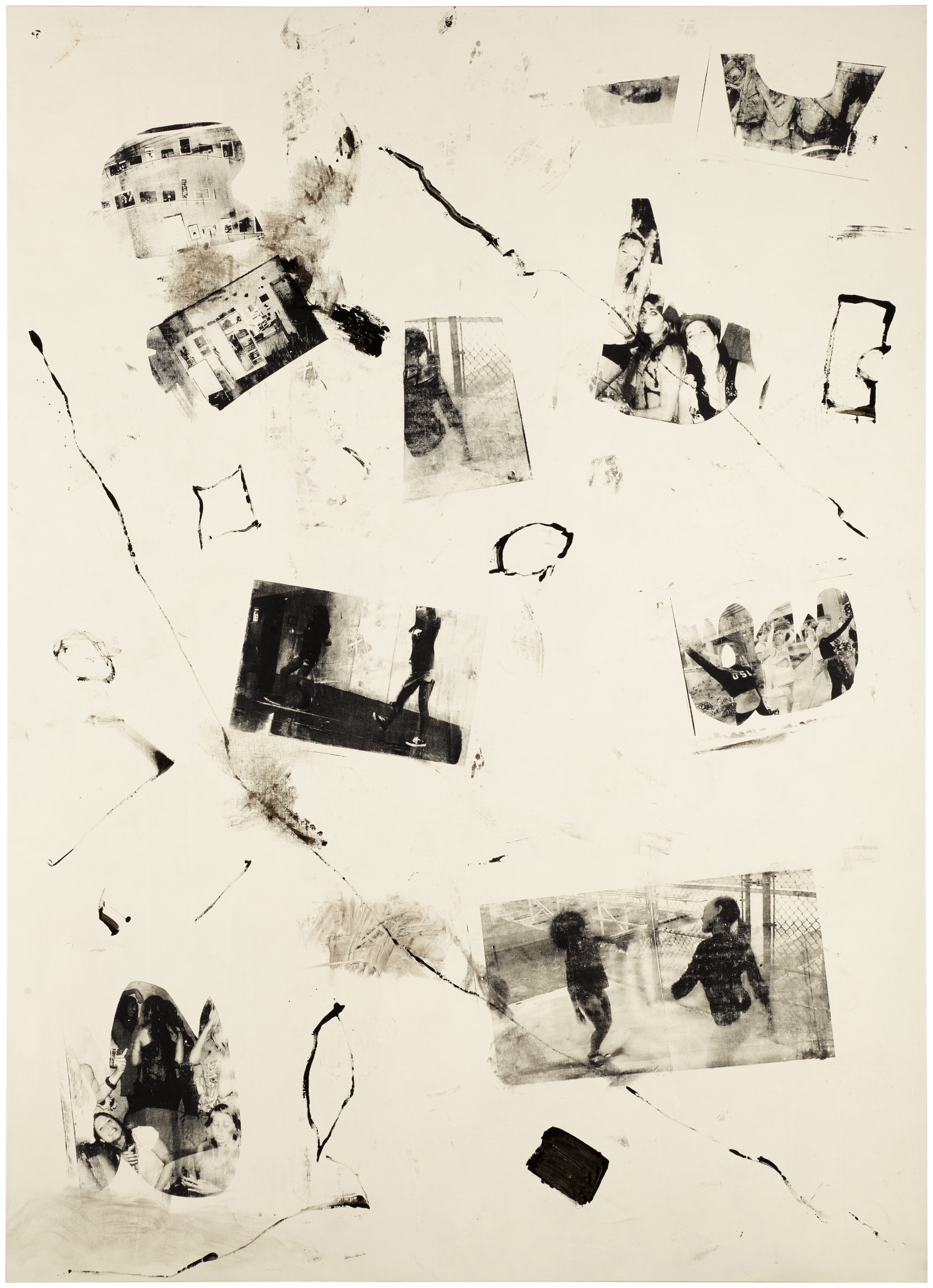
Leo Gabin
Patron Wit It
The canvases are large in ambition and physical presence, commanding attention in any context from the domestic to the institutional. The mixed media surfaces reward close looking: the interplay of silkscreen ink, lacquer, and spray paint creates optical complexity that photographs only partially capture, which means the work delivers something irreplaceable in person. Works from the early 2010s, including pieces from 2011 and the strong 2013 to 2014 period represented by Bronco Starbar and the Tampa and Burger Serving works, have established themselves as touchstones of the duo's development and are increasingly sought by collectors who understood early that Leo Gabin were doing something that would matter. The mixed media approach, combining lacquer, oil, acrylic, enamel, gesso, and silkscreen across different works, also means that each canvas has its own surface personality, making the collection of multiple works particularly rewarding.
It is worth noting that Leo Gabin's practice carries a social conscience that elevates it beyond mere aesthetic exercise. The subjects of their works are often young, often from communities underrepresented in mainstream culture, expressing themselves through dance, gesture, language, and performance in the spaces of social media that function simultaneously as stages and as surveillance infrastructures. By elevating these moments to the scale and material permanence of painting, Deconinck and Begerem perform an act of cultural recognition, insisting that these expressions of selfhood and pleasure and desire are as worthy of sustained attention as any subject in the Western painterly tradition. It is a quietly radical claim, made without rhetoric, entirely through paint.
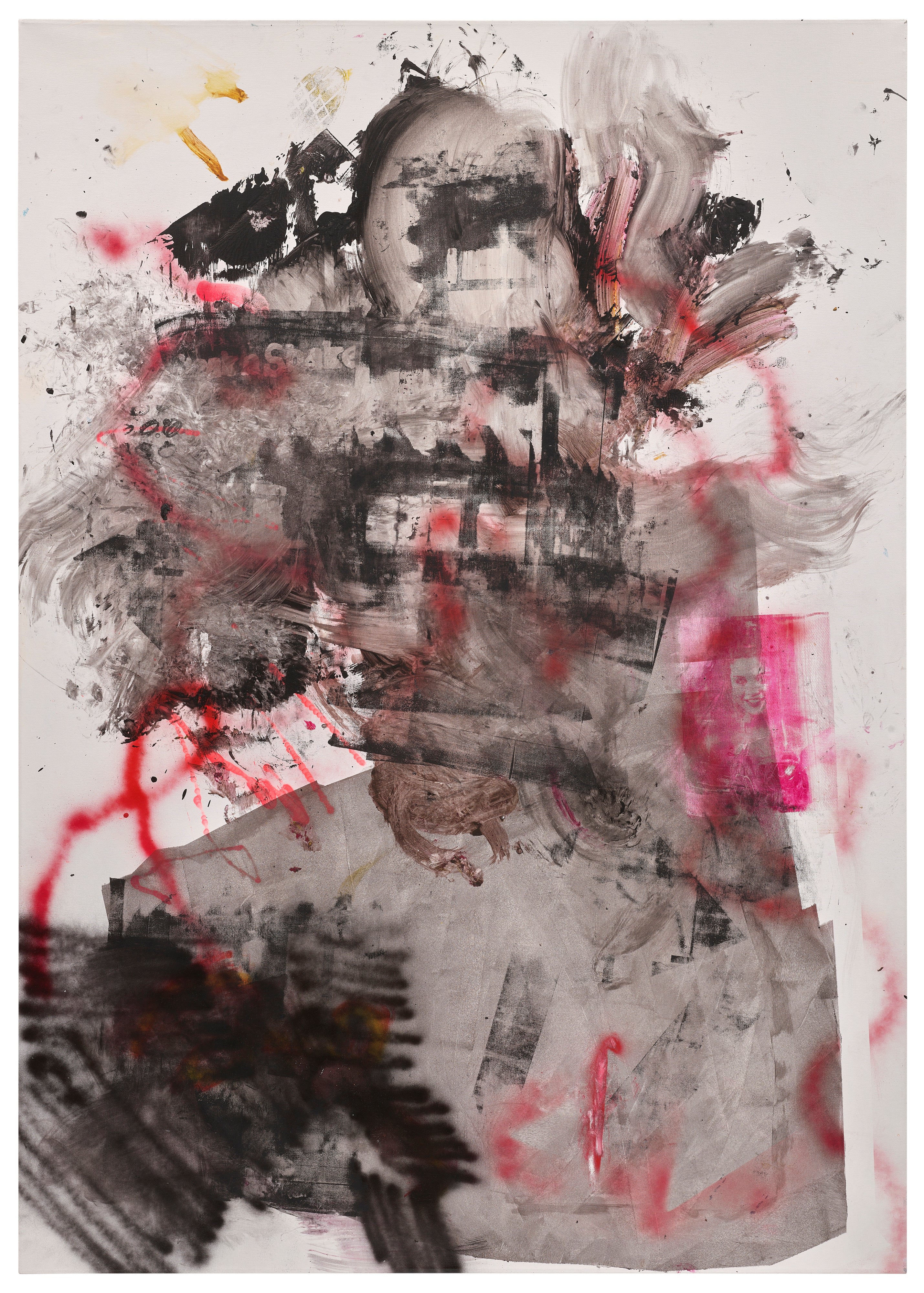
Leo Gabin
Clean Kitchen, 2012
Leo Gabin's legacy is still being written, which is precisely what makes this a propitious moment to look closely. They have demonstrated that painting remains one of the most supple and responsive mediums available to artists grappling with contemporary life, capable of absorbing the speed and noise of digital culture without being overwhelmed by it. As the internet continues to reshape how identity is performed, how desire circulates, and how communities form and dissolve, the work of Leo Gabin will only grow in relevance and resonance. For collectors, for institutions, and for anyone who wants to understand what it means to be alive and looking in this particular moment, their canvases offer something rare: genuine intelligence in a beautiful form.
Featured Works