Lee Miller
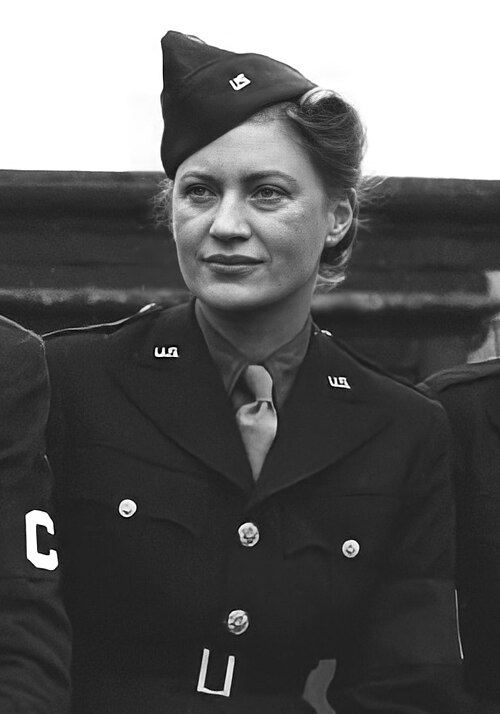
Lee Miller: The Lens That Witnessed Everything
Artist Spotlight · The Collection Editorial
“I'd rather take a picture than be one.”
Lee Miller, attributed
In 2023, the story of Lee Miller reached a vast new audience through Kate Winslet's portrayal of her in the biographical film Lee, a production that brought renewed global attention to one of the twentieth century's most astonishing creative lives. Museum attendance at collections holding her work surged, and the art market responded with sharpened interest in her photographs. Yet for those who had long followed her career, this moment felt less like a discovery and more like a long overdue reckoning. Lee Miller had always been extraordinary.
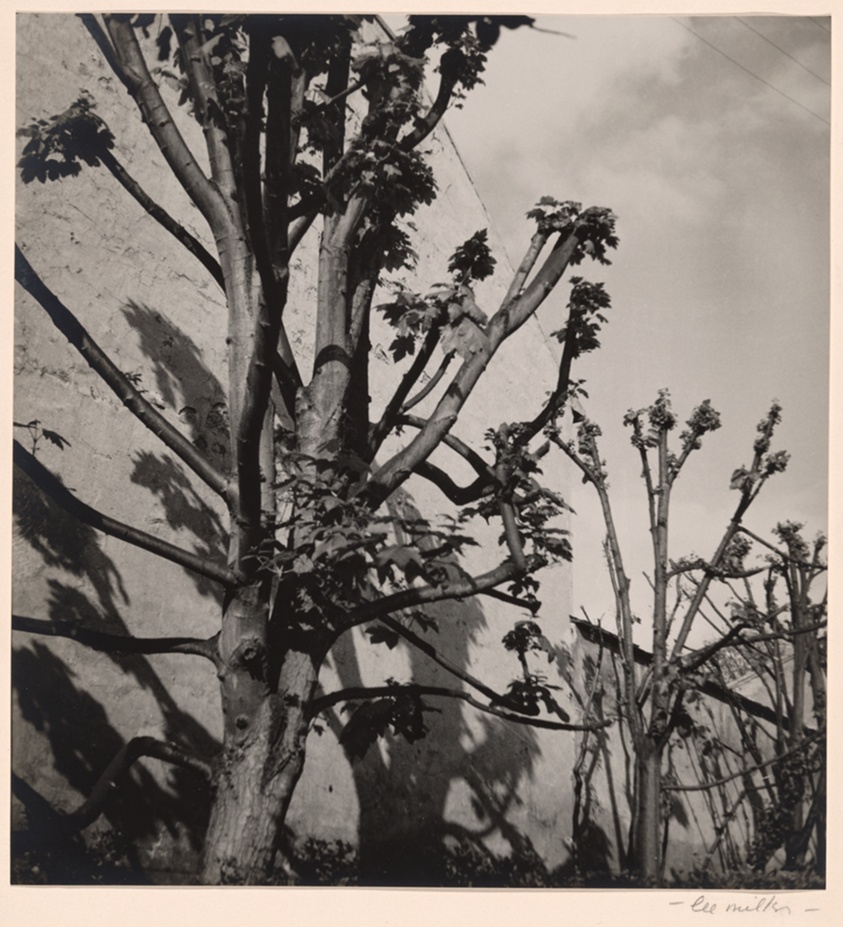
Lee Miller
Untitled, 1924
The world was simply catching up. Elizabeth Miller was born in Poughkeepsie, New York, in 1907, the daughter of Theodore Miller, an amateur photographer who recognized his daughter's gifts early and encouraged her curiosity about the camera from childhood. That paternal influence proved formative, giving Miller both a technical foundation and an instinct for the image as something capable of holding truth. She grew up with an uncommon confidence in how she moved through the world, a quality that would serve her in ways no one could have anticipated.
By her late teens she had arrived in New York and fallen into the orbit of Condé Nast, appearing on the cover of Vogue in 1927 after a chance encounter with the publisher himself saved her from stepping into oncoming traffic on a Manhattan street. Her years as a model were brief but consequential. Miller recognized quickly that she was more interested in what lay behind the camera than in front of it, and in 1929 she traveled to Paris with the express intention of apprenticing herself to Man Ray, the Dadaist and Surrealist photographer whose studio had become a gravitational center of the European avant garde. She arrived at his door, introduced herself, and simply refused to leave.
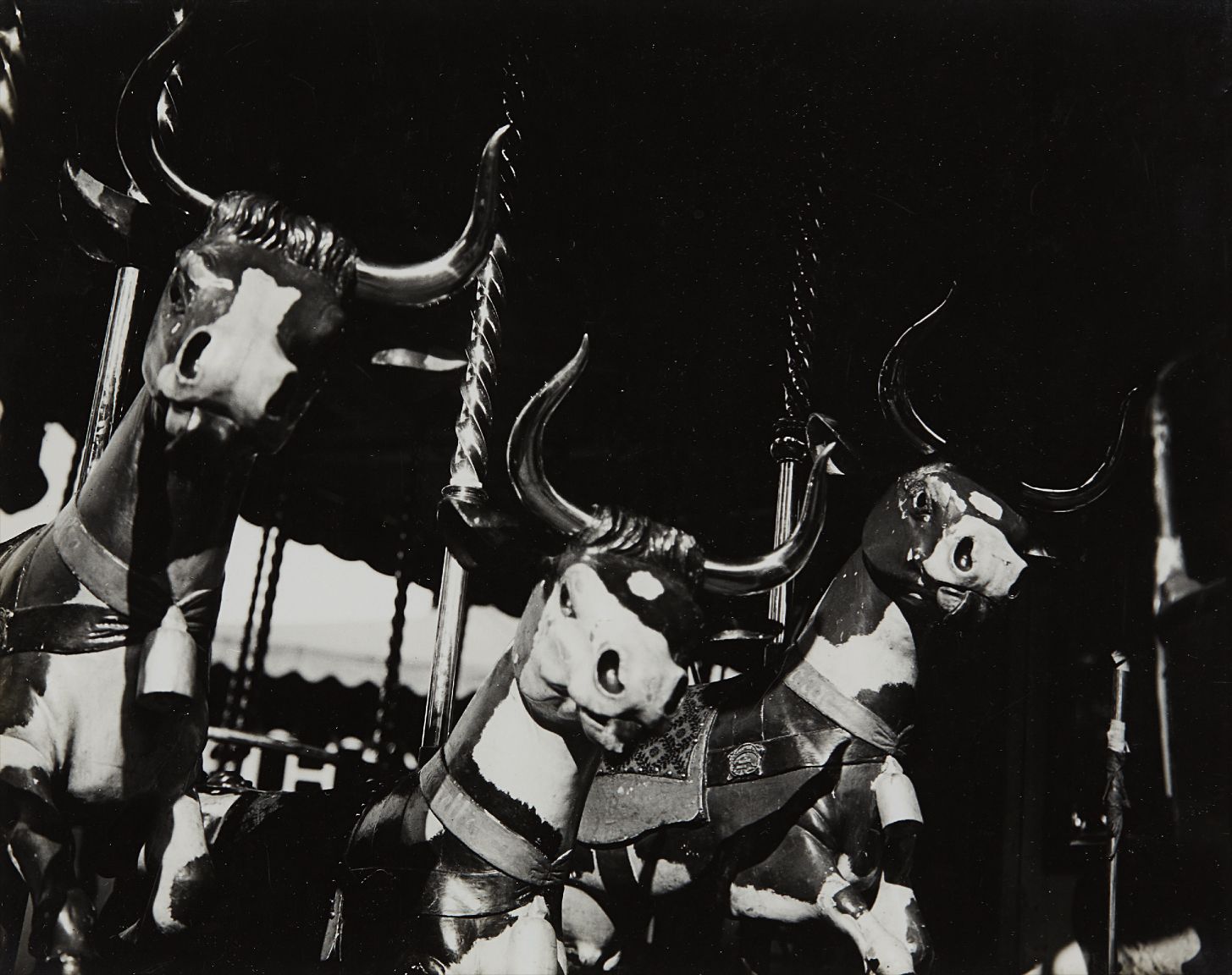
Lee Miller
Carousel Cows
Man Ray, by his own account, was captivated. Their collaboration and romance over the following years would change both of their practices. Together they are credited with the rediscovery of solarization, a darkroom technique that produces a partial reversal of tones, giving images an otherworldly glow that became one of the signature effects of Surrealist photography. Whether credit should fall entirely to Man Ray or to Miller has been debated for decades.
“I was a war correspondent for Vogue. That sentence still sounds strange to me.”
Lee Miller, attributed
Many scholars now argue that Miller's hand was central to the discovery. Her Paris years placed her at the heart of one of the most fertile artistic communities in modern history. She worked alongside and photographed figures including Jean Cocteau, Pablo Picasso, Paul Éluard, and Joseph Cornell, whose portrait she made in 1932 in a gelatin silver print of quiet, penetrating intensity. Her architectural studies from 1931, including works such as Untitled (Architectural Study) and Ironwork, reveal a photographer deeply attuned to form, shadow, and the geometry of the built environment.
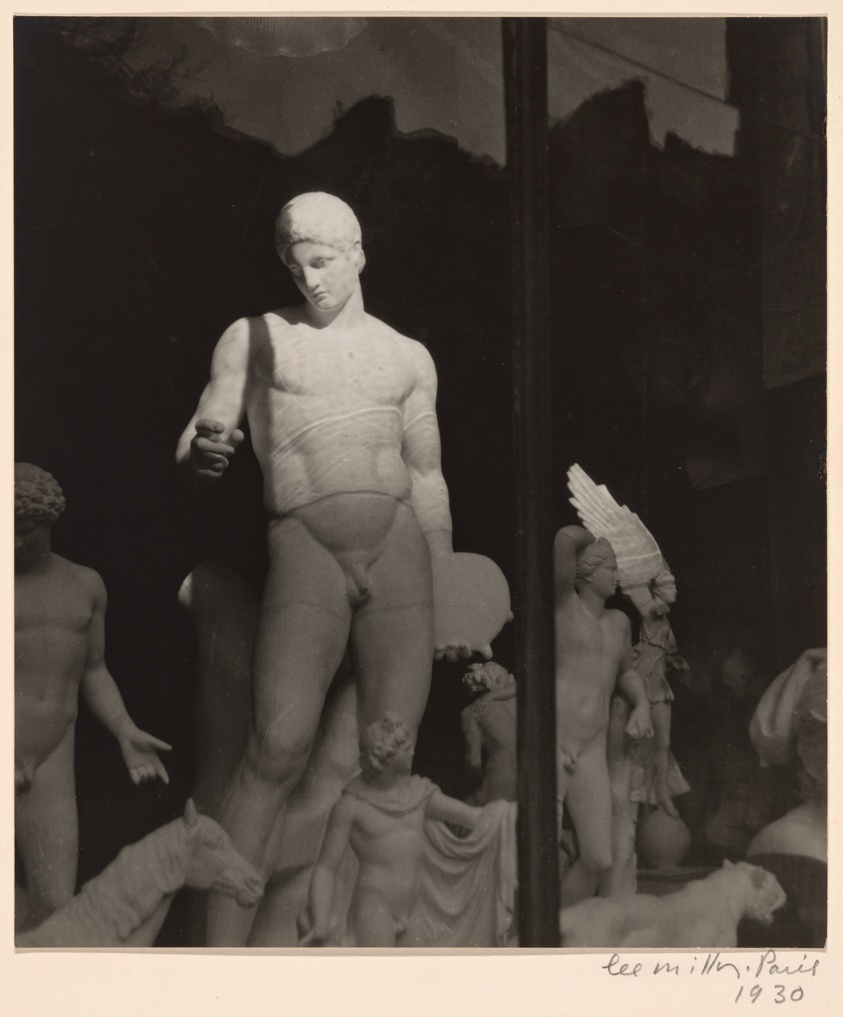
Lee Miller
Sculpture in Window, Paris, 1930
These are not documentary images but meditations, proof that Miller understood photography as a medium of ideas rather than mere record. Her nudes from the Paris period, including Nude Bent Forward, Paris from 1925, demonstrate an approach to the body that was simultaneously classical and radically modern, stripped of sentimentality and alive with formal intelligence. When the Second World War arrived, Miller made a decision that transformed her legacy entirely. Accredited as a war correspondent for Vogue, she embedded with Allied forces and followed the liberation of Europe with a camera and an unyielding will to document what she saw.
Her photographs of the liberation of Dachau and Buchenwald concentration camps in 1945 rank among the most important acts of witness in the history of photography. She understood that what she was seeing demanded to be shown, and she sent the images back to Vogue editor Audrey Withers with the now famous instruction to print them. The editorial courage required to publish those images in a fashion magazine cannot be overstated. On the same day that American forces entered Munich, Miller photographed herself bathing in Adolf Hitler's private bathtub at his apartment at 16 Prinzregentenplatz, an image at once defiant, surreal, and deeply personal.
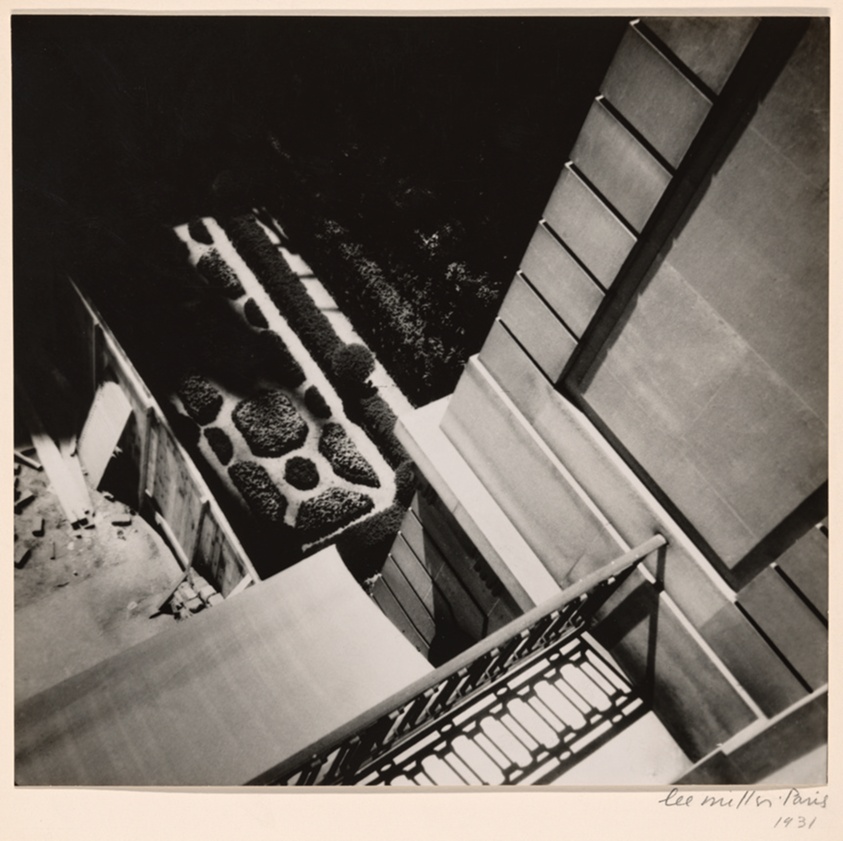
Lee Miller
Untitled (Architectural Study), 1931
It is perhaps the single most charged self portrait in photographic history. The works available through The Collection offer a remarkable opportunity to encounter Miller across the full arc of her practice. Her gelatin silver prints from the early 1920s and 1930s, including Chairs, Hand, and Carousel Cows, demonstrate the formal precision and playful eye that she brought to even the most casual subjects. The 1943 image Surgical Gloves Are Sterilised and Dried on Stands, Churchill Hospital, Oxford, printed posthumously in 2022 in a limited platinum palladium edition of ten, is an extraordinary object.
Accompanied by half of the internegative used to produce the print, it connects the collector directly to Miller's wartime practice, to the physical materials of her seeing. It is the kind of work that transcends category, functioning as document, art object, and historical artifact simultaneously. For collectors, Miller presents a distinctive proposition. Her market has historically been more restrained than those of her male Surrealist contemporaries, a disparity that serious collectors now recognize as an opportunity rooted in art historical oversight rather than any deficiency of achievement.
As institutional attention intensifies and biographical interest grows, works by Miller carry both aesthetic and cultural significance that the broader market is only beginning to price properly. Comparable photographers working in similar modes, among them Dora Maar, Germaine Krull, and Berenice Abbott, have all seen sustained collecting interest in recent years as the history of twentieth century photography continues to be rewritten with women's contributions properly centered. Miller belongs at the very top of that conversation. The deeper one looks at Lee Miller's life and work, the more remarkable both become.
She reinvented herself multiple times, moving between modelling, Surrealism, fashion photography, and war journalism with a fluency that suggests not restlessness but genuine range. She was technically brilliant, conceptually daring, and morally serious at moments when seriousness was the only appropriate response. Her photographs remind us that the camera, in the right hands, is capable of holding contradictions that language struggles to contain: beauty and horror, intimacy and history, the personal and the universal all at once. To collect Lee Miller is to hold a piece of that reckoning, and to join a growing number of discerning voices who understand that her place among the great artists of the twentieth century is not merely assured but long overdue.
Featured Works
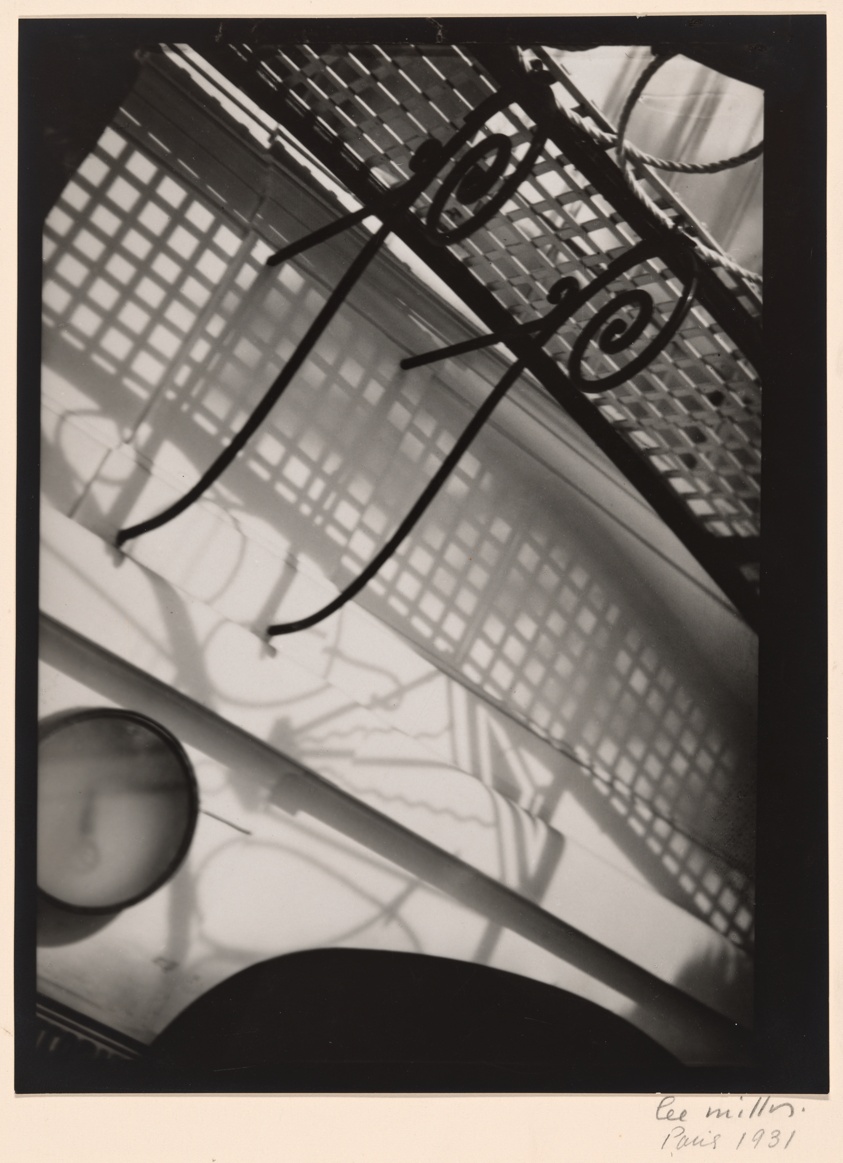
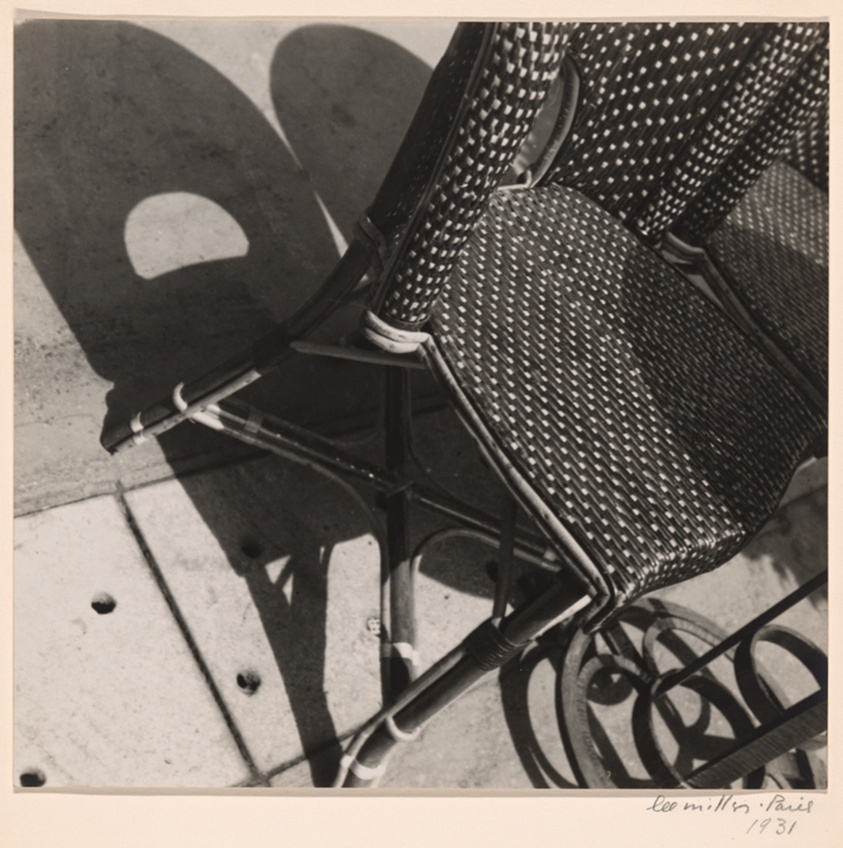
Explore books about Lee Miller
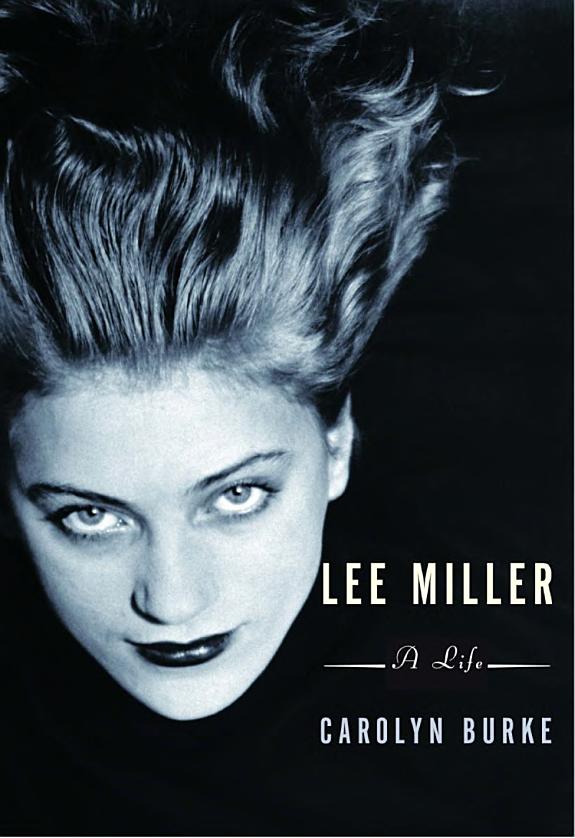
Lee Miller: A Life
Carolyn Burke
Lee Miller: Photographer
Antony Penrose
Lee Miller's War: The Photographer's Lens on WWII
Antony Penrose
The Lives of Lee Miller
Jacob Aue Sobol
Lee Miller: Surrealism and War
Dawn Ades

Lee Miller: The Penrose Collection
Antony Penrose
Lee Miller's Grim War: Photographs and Reportage
Antony Penrose