Lawrence Schiller
Lawrence Schiller, Witness to the American Century
Artist Spotlight · The Collection Editorial
“I always tried to get inside a story, not just photograph the outside of it.”
Lawrence Schiller
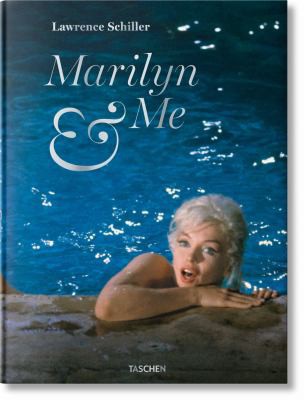
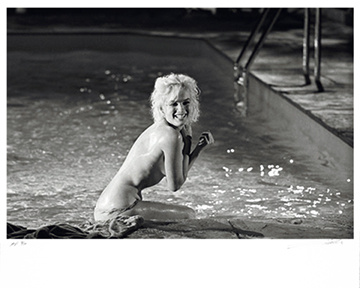
There is a particular frame, shot in 1962 on the set of Something's Got to Give, that stops you cold. Marilyn Monroe, luminous and unguarded, turns toward the camera with an expression that hovers between vulnerability and absolute command. Lawrence Schiller made that photograph, and dozens like it, during what would prove to be Monroe's final film production. That he was there at all, trusted enough to move freely through one of Hollywood's most closely guarded sets, tells you nearly everything you need to know about how this artist works: through patience, through genuine human connection, and through an instinct for the moment that no technical training can fully explain.
Lawrence Schiller
Marilyn Monroe (small): Roll 10 Frame 16, 1962
Schiller was born in 1936 in Brooklyn, New York, and came of age in a postwar America that was simultaneously confident and anxious, optimistic and shadowed. He came to photography not through academic study but through the hustle and curiosity of a young man who understood early that access was everything. By his twenties he was selling photographs to major international publications including Life, Paris Match, and Newsweek, navigating the intensely competitive world of midcentury photojournalism with a combination of nerve and charm that would define his entire career. He was not simply in the right place at the right time.
He worked, persistently and imaginatively, to make himself indispensable to the stories that mattered most. The 1960s were the crucible in which Schiller's vision was formed and tested. This was a decade of extraordinary turbulence in American life, and Schiller was present for much of it with his camera. He photographed some of the most recognizable figures of the era, developing relationships with subjects that went far beyond the transactional encounters typical of commercial press photography.
Lawrence Schiller
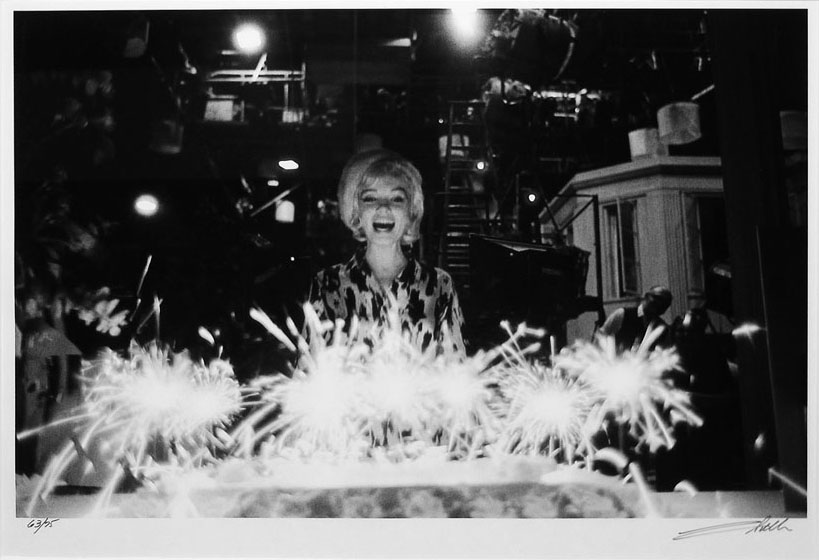
Marilyn Monroe (small): Roll 9 Frame 26, 1962
His images of Marilyn Monroe from 1962 remain perhaps the most significant body of work from his early career, not simply because of who Monroe was but because of what Schiller understood about how to photograph her. He saw past the icon to the person, and his camera registered that distinction with extraordinary fidelity. The resulting photographs are intimate without being intrusive, celebratory without being uncritical, and formally accomplished in ways that reward close looking even decades later. Over the course of his career Schiller expanded his practice well beyond still photography.
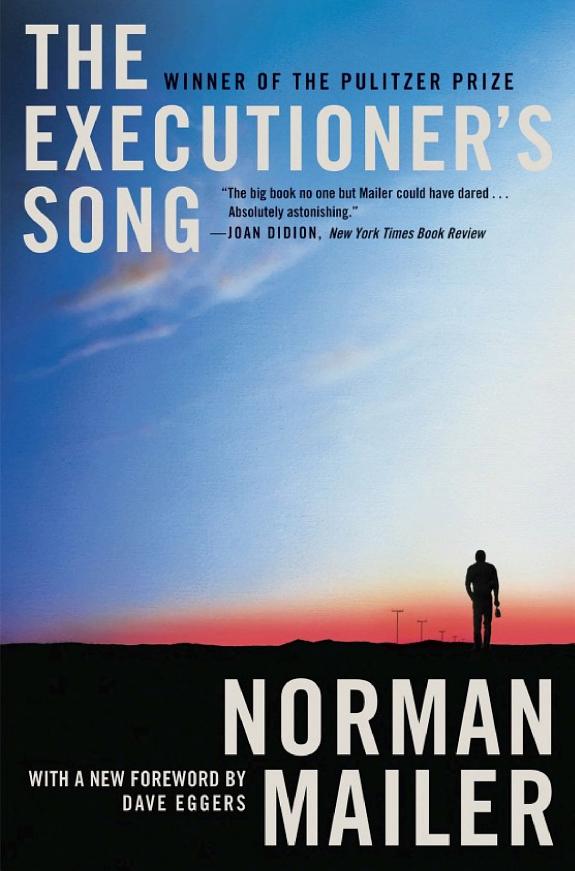
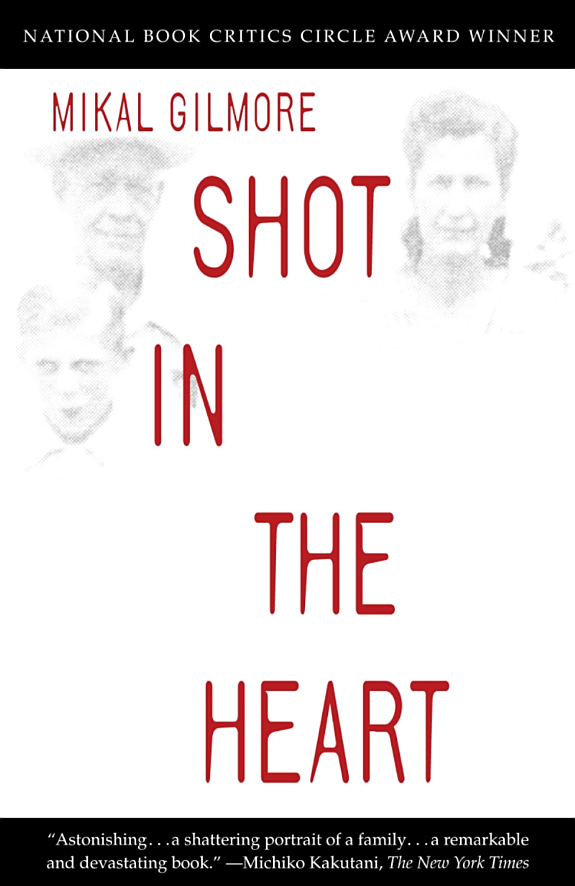
He became a filmmaker and a journalist of serious ambition, collaborating with Norman Mailer on major literary and documentary projects including work surrounding the life of Gary Gilmore and the biography of Marilyn Monroe. These collaborations demonstrated the depth and range of his intellectual curiosity and his commitment to understanding the subjects he portrayed as fully dimensional human beings rather than as symbols or spectacles. His transitions between media were never retreats from photography but rather extensions of the same fundamental drive: to bear witness, to document, and to find within American life the stories that illuminate something true about who we are as a culture. The Monroe photographs that anchor Schiller's legacy deserve particular attention from collectors and scholars alike.
Lawrence Schiller
Marilyn Monroe (large): Roll 11 Frame 12, 1962
The series made on the set of Something's Got to Give in the spring and summer of 1962 represents one of the last significant bodies of intimate photographic work made with Monroe before her death that August. Schiller had negotiated his access carefully, and once inside he produced images of remarkable tonal and compositional quality. Whether working in black and white or color, he understood how to use natural and studio light to sculpt the frame, and his instinct for the decisive moment was operating at the highest level. These are not snapshots.
They are considered, precise, and emotionally resonant works of art that belong in any serious conversation about twentieth century American photography. From a collecting perspective, Schiller's work occupies a genuinely compelling position in the market. His photographs of Monroe are among the most sought after images in celebrity and cultural documentary photography, and they carry the additional weight of historical significance: these are primary documents as much as art objects. Collectors who have built holdings in midcentury American photography, or who are drawn to work at the intersection of art history and cultural history, find in Schiller a figure whose archive rewards sustained attention.
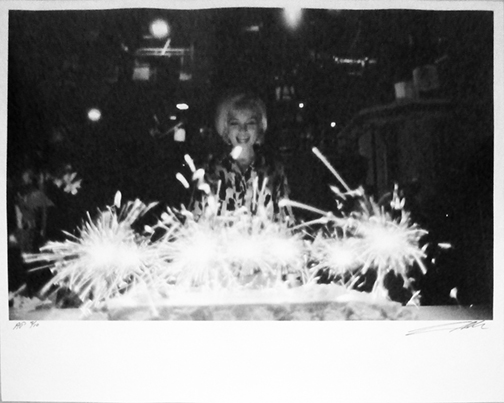
Lawrence Schiller
Marilyn Monroe (large): Roll 9 Frame 27, 1962
The various print sizes available across his Monroe series allow collectors to find a scale appropriate to nearly any context, and the work holds its resonance whether encountered in an intimate domestic setting or a larger institutional gallery space. Schiller's practice sits within a rich tradition of American documentary and portrait photography that includes figures such as Richard Avedon, whose celebrity portraits similarly sought the human being beneath the public surface, and Eve Arnold, who also photographed Monroe with empathy and artistic seriousness. In the broader landscape of photojournalism, his contemporaries included figures like Henri Cartier Bresson and Elliott Erwitt, artists who shared his belief that the photograph is not merely a record but an interpretation, shaped by the eye and sensibility of the person holding the camera. Schiller's contribution to this tradition is his particular gift for trust: subjects allowed him closer, and that proximity produced images of unusual psychological depth.
What makes Lawrence Schiller genuinely important to the history of American art and culture is the breadth and consistency of his engagement with his subject. For more than half a century he moved through the most significant cultural and political terrain of American life, producing work that is both beautiful and indispensable. The Monroe photographs alone would secure his place in the canon, but the full arc of his career, spanning photojournalism, documentary filmmaking, literary collaboration, and biography, reveals an artist of extraordinary ambition and intellectual generosity. His archive is a record of America at its most complex and fascinating, seen through the eyes of someone who cared enough to get it right.
For collectors, for institutions, and for anyone who believes that photography can do the work of literature and painting both, Schiller's body of work is essential.
Explore books about Lawrence Schiller