Larry Sultan
Larry Sultan, Poet of the Ordinary
Artist Spotlight · The Collection Editorial
“I realize that what I am after is not documents but something more like a family romance, a mythologized account of life.”
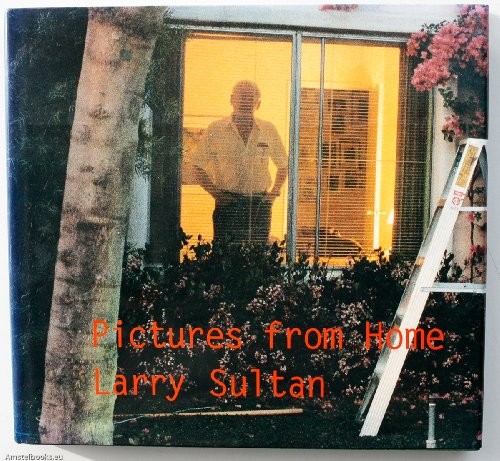
Pictures from Home, 1992
There are photographs that document the world, and then there are photographs that reveal it. Larry Sultan belonged firmly to the second category. When the San Francisco Museum of Modern Art mounted a major retrospective of his work, audiences encountered something rare: images that felt simultaneously like confessions, fictions, and memories, all at once. Sultan had a gift for finding the trembling emotional charge inside the most familiar American scenes, and that gift has only grown more luminous in the years since his death in 2009 at the age of sixty three.
Larry Sultan
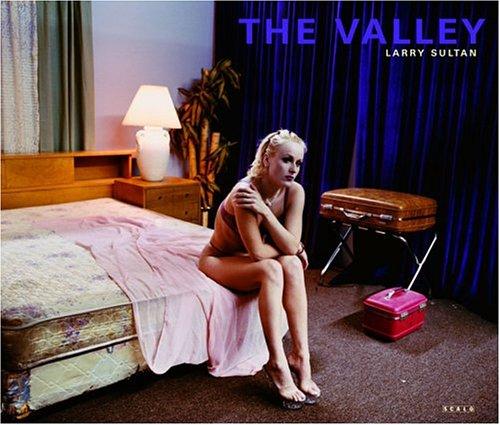
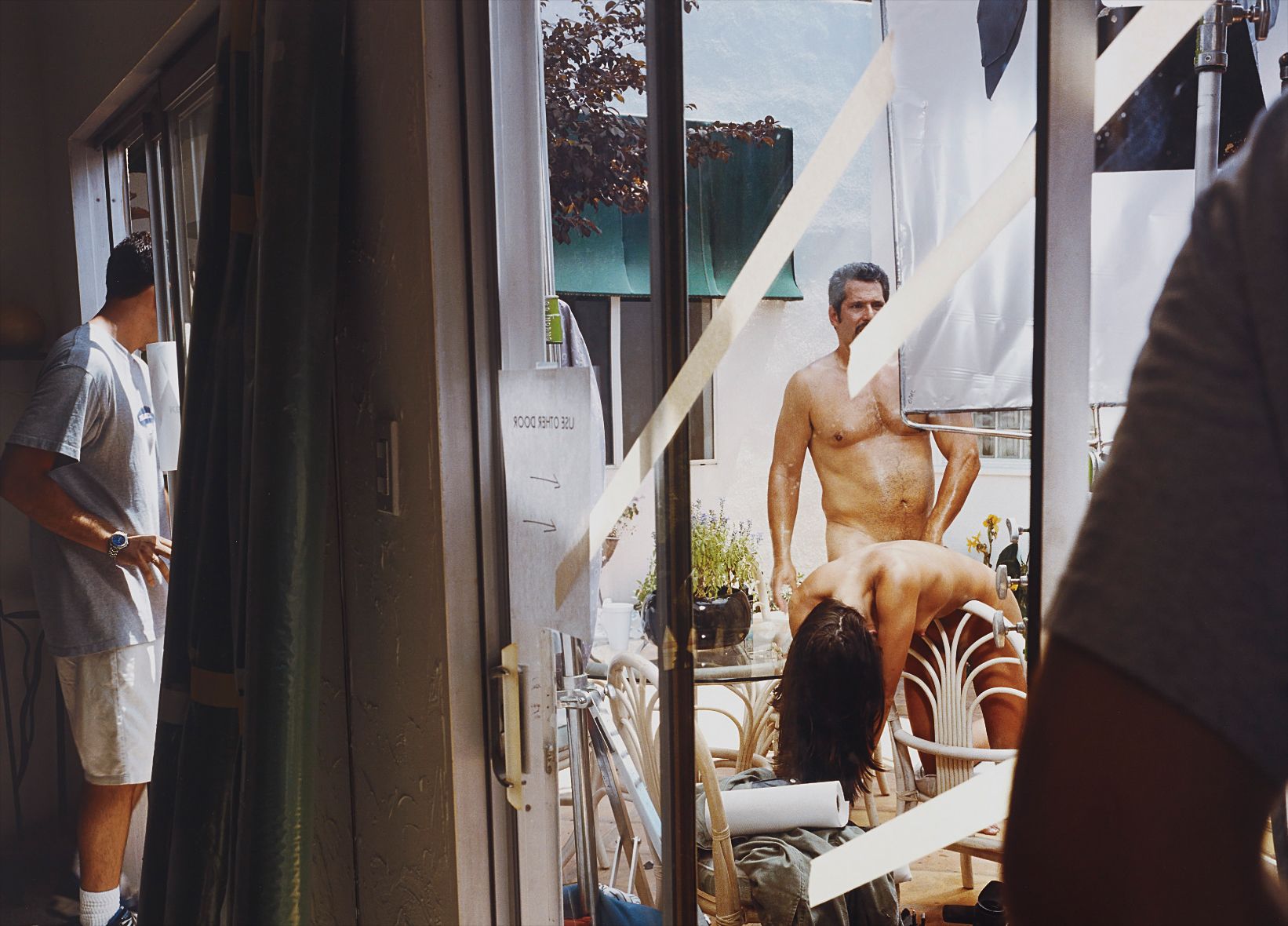
Haskell Avenue from The Valley
Sultan was born in Brooklyn in 1946 and grew up in the San Fernando Valley of Southern California, that vast, sun bleached landscape of tract homes, backyard pools, and carefully tended lawns. The Valley was not merely a backdrop for his childhood; it was a formative subject, a place whose surface cheerfulness concealed enormous wells of longing, disappointment, and love. He studied at the University of California, Santa Barbara, and later earned his MFA from the San Francisco Art Institute, where he was shaped by a generation of conceptually adventurous thinkers who were beginning to question the truth claims of photography itself. His early collaboration with Mike Mandel produced the landmark project Evidence in 1977, a book that assembled found photographs from institutional archives and reframed them as something between absurdist poetry and forensic poetry, demonstrating from the outset that Sultan was never content to let images simply mean what they first appeared to mean.
The arc of Sultan's career was one of deepening intimacy. After the cool conceptual wit of Evidence, he turned his lens inward, toward his own family, and the result was the work that would define him. Pictures from Home, published in 1992, is one of the most celebrated photobooks in the history of the medium. Working across an entire decade, Sultan photographed his aging parents, Irving and Jean, in and around their retirement home in Palm Springs, weaving together his own photographs, home movie stills, snapshots from family albums, and his parents' own spoken words.
Larry Sultan
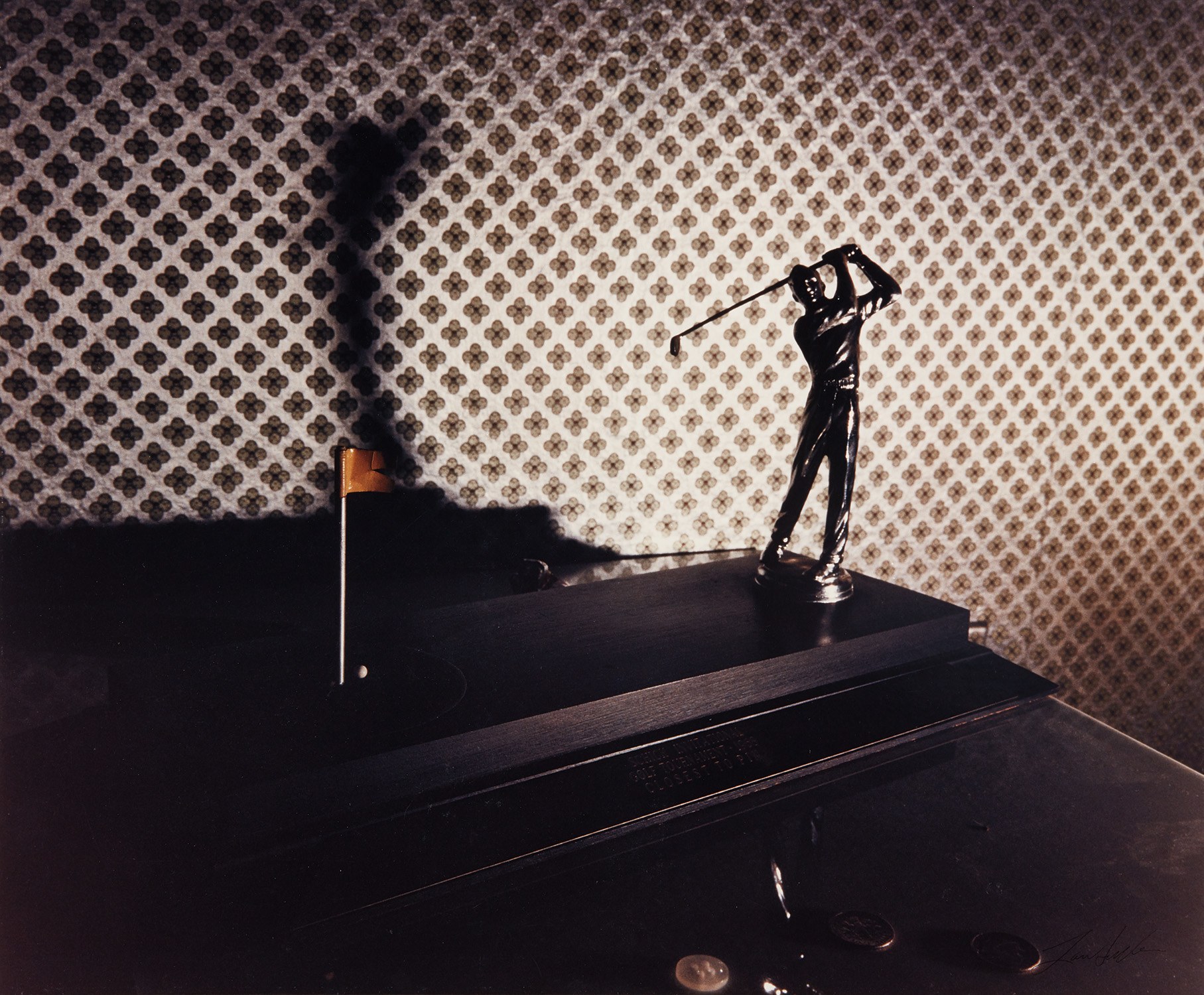
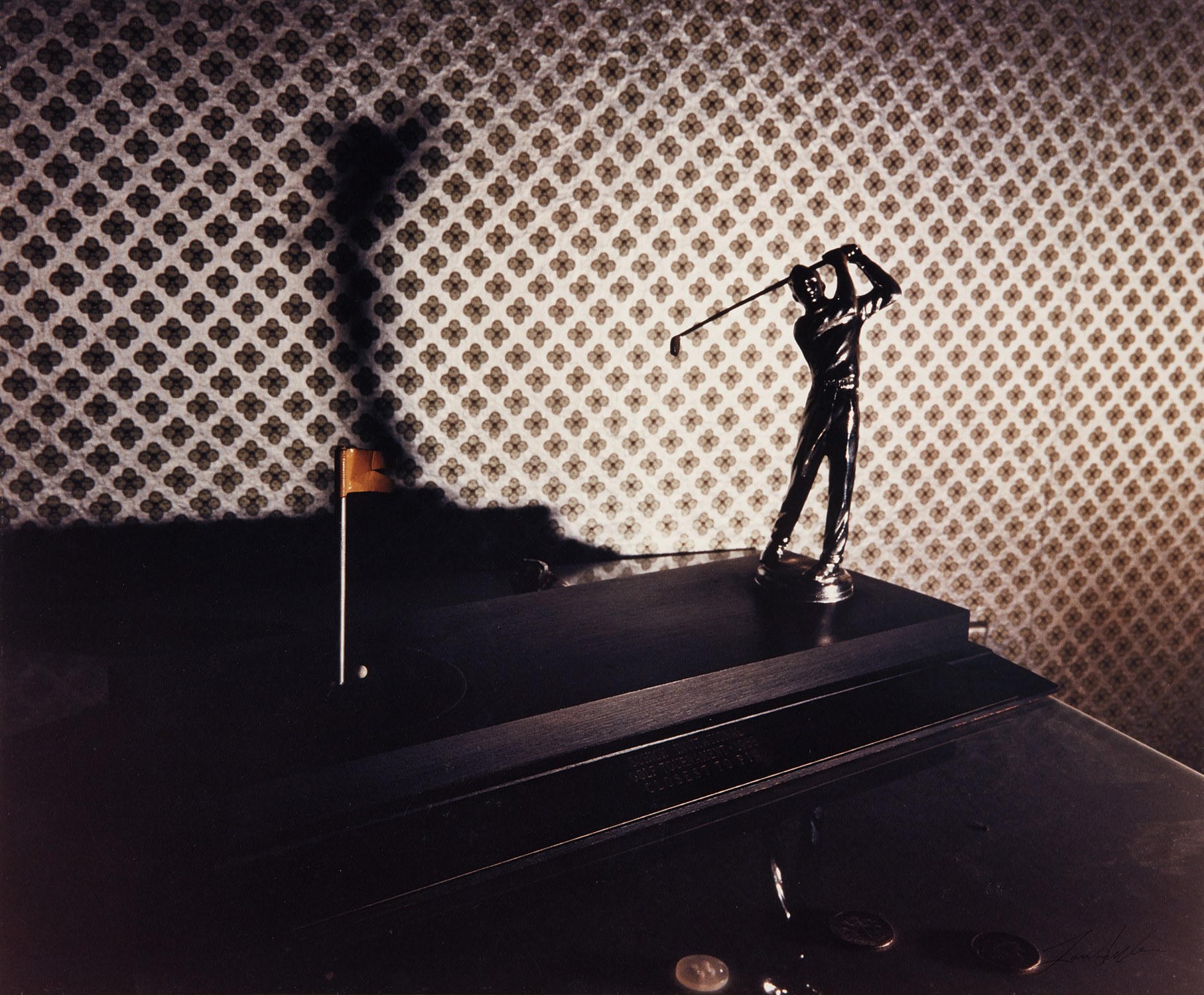
Golf Trophy, from Pictures from Home
The project was not a documentary record so much as a meditation on inheritance, on the stories families tell themselves, and on the strange tenderness that can coexist with disappointment. Sultan was unflinching but never cruel, and that balance is extraordinarily difficult to achieve. His second major series, The Valley, marked a decisive turn into new territory and demonstrated the full range of his ambitions. Beginning in the late 1990s, Sultan gained access to suburban homes in the San Fernando Valley that were being used as locations for the production of pornographic films.
“The house where I grew up is now the set for someone else's fantasy.”
Artist statement, The Valley series
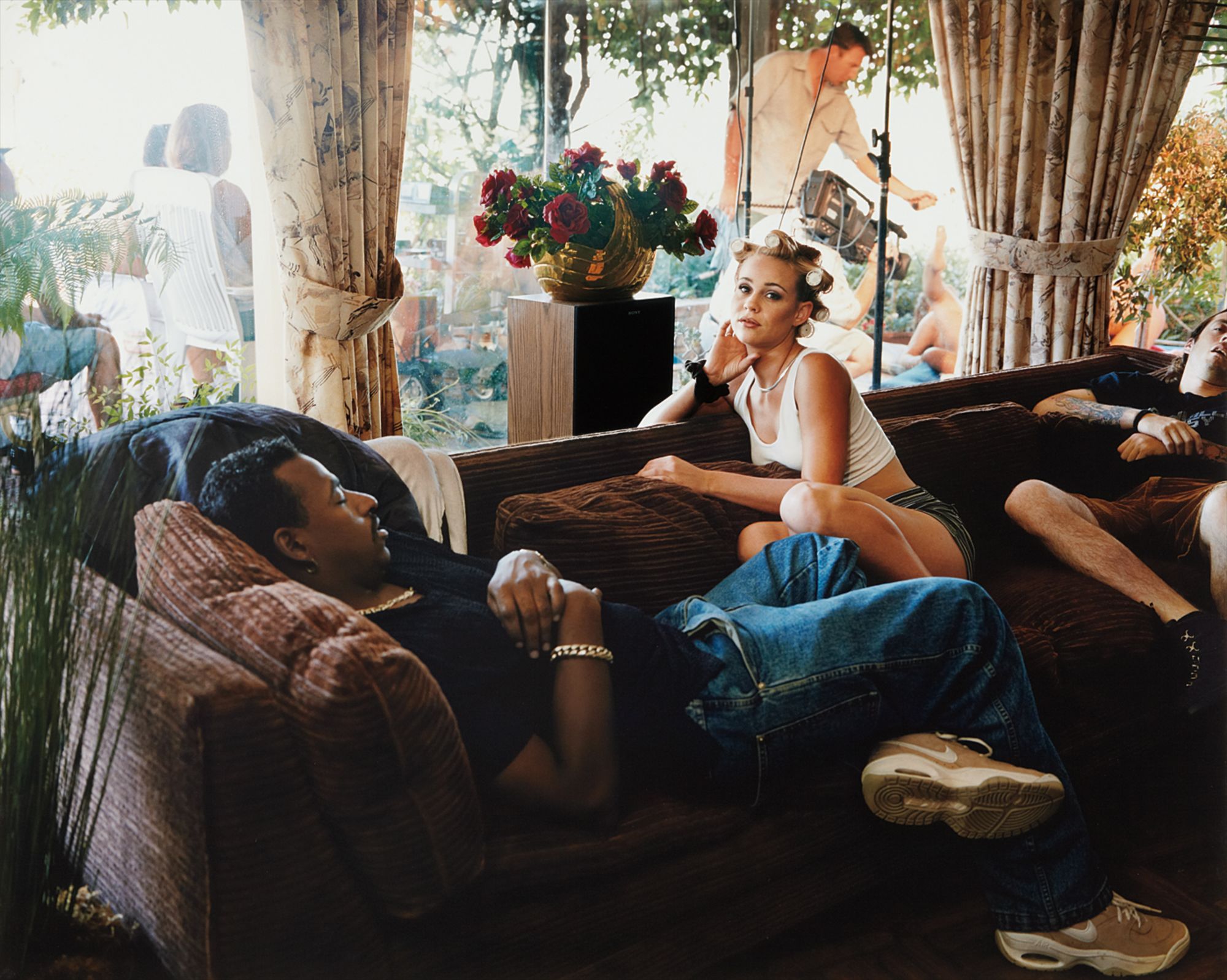
What he photographed was not the explicit content of those films but the in between moments: the pauses, the domestic ordinariness of a suburban living room filled with professional lighting rigs, the incongruous sight of performers waiting on floral sofas or stepping through sliding glass doors into backyard sunshine. Works such as Haskell Avenue, Tasha's Third Film, Havenhurst Drive, Sharon Wild, and Woman in Curlers from The Valley are among the most quietly startling images in contemporary American photography. Sultan was interested in the collision between fantasy and the mundane, in how these particular homes embodied the same suburban dream he had grown up inside, now repurposed for an entirely different kind of performance. The images are formally gorgeous, lit with the warm California light Sultan had studied all his life, and they carry a philosophical weight that goes far beyond their provocative subject matter.
Larry Sultan
Tasha’s Third Film
For collectors, Sultan's work offers something genuinely distinctive in the landscape of late twentieth century American photography. His chromogenic prints, many of them flush mounted to give them a sleek, almost cinematic presence, reward close looking. The Valley works in particular have attracted serious institutional and private attention because they operate on so many levels at once: they are beautiful objects, conceptually rigorous propositions, and deeply felt social observations. Works like Golf Trophy from Pictures from Home, which appears in The Collection's current holdings, carry the quiet devastation of a perfectly chosen detail, an object that holds within it an entire biography of aspiration.
Sultan's editions are limited and his prints are held in major collections including those of the San Francisco Museum of Modern Art, the Los Angeles County Museum of Art, and the Whitney Museum of American Art. As awareness of his legacy has grown in the years since his death, demand has remained steady and thoughtful collectors have recognized that his work sits at a rare intersection of emotional intelligence and formal mastery. Sultan's practice resonates most deeply when understood alongside his peers and contemporaries in American photography and conceptual art. His interrogation of suburban identity places him in a meaningful conversation with Gregory Crewdson, whose elaborately staged scenes of American domesticity share Sultan's sense of something hidden just beneath the surface.
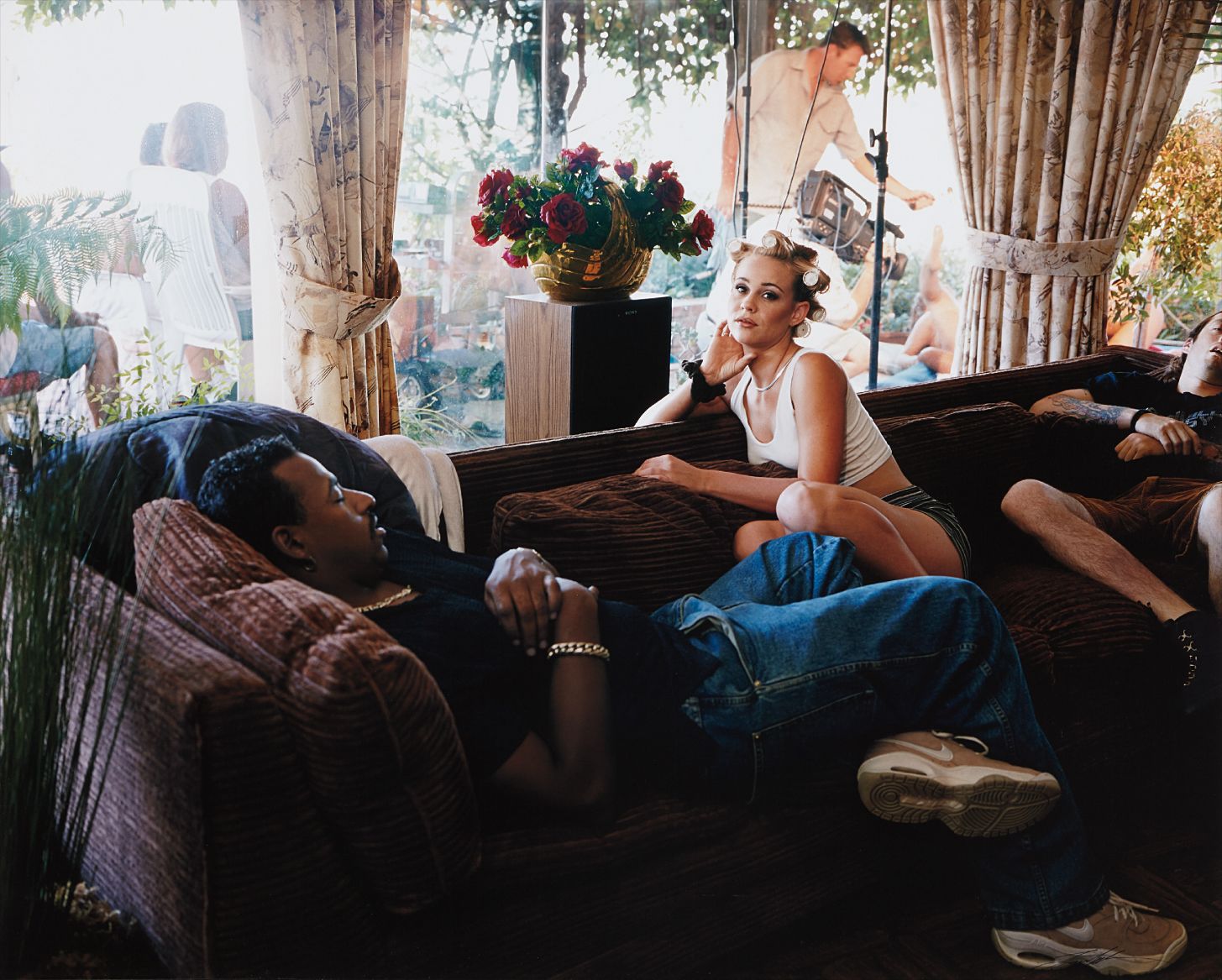
Larry Sultan
Tasha's Third Film from The Valley
The influence of Stephen Shore and William Eggleston can be felt in Sultan's attentiveness to color and to the poetry of the ordinary American environment. His work also invites comparison with Nan Goldin's unflinching intimacy and with the narrative complexity of Duane Michals, artists who understood that photography could sustain the weight of literature without becoming merely illustrative. What sets Sultan apart is his consistent warmth, his refusal to condescend to his subjects even when those subjects are caught in moments of vulnerability or absurdity. More than fifteen years after his death, Larry Sultan's standing continues to rise.
A new generation of photographers and artists working with questions of identity, performance, domestic space, and the construction of the American self return to his work as a touchstone. Pictures from Home has never been out of print for long and remains a standard text in photography programs around the world. The Valley series has taken on additional resonance in a cultural moment when the boundaries between private and public life, between authenticity and performance, between home and set, have become more contested and more visible than ever. Sultan was not a pessimist; he was a deeply curious and generous observer who believed that the camera, used with patience and honesty, could reveal the beauty and the ache inside the most ordinary American life.
That belief, and the extraordinary body of work it produced, is his lasting gift.
Explore books about Larry Sultan