Larry Clark
Larry Clark: Truth Made Luminous and Lasting
Artist Spotlight · The Collection Editorial
“I was never an outsider. I was always on the inside looking out.”
Larry Clark, interview with Sylvia Wolf
Few bodies of work in the history of American photography have proven as enduring, as debated, or as genuinely revelatory as that of Larry Clark. When the Museum of Modern Art in New York first acknowledged his landmark book Tulsa in its collection histories, and when major retrospectives in Europe and the United States revisited his complete arc from the early 1960s through his filmmaking years, critics and curators alike arrived at the same conclusion: Clark did not merely document a subculture. He gave it a soul, a face, and an indelible place in the canon of twentieth century visual art. Today his gelatin silver prints command serious attention at auction and in private collections worldwide, standing alongside the great documentary traditions while remaining entirely, stubbornly their own thing.
Larry Clark
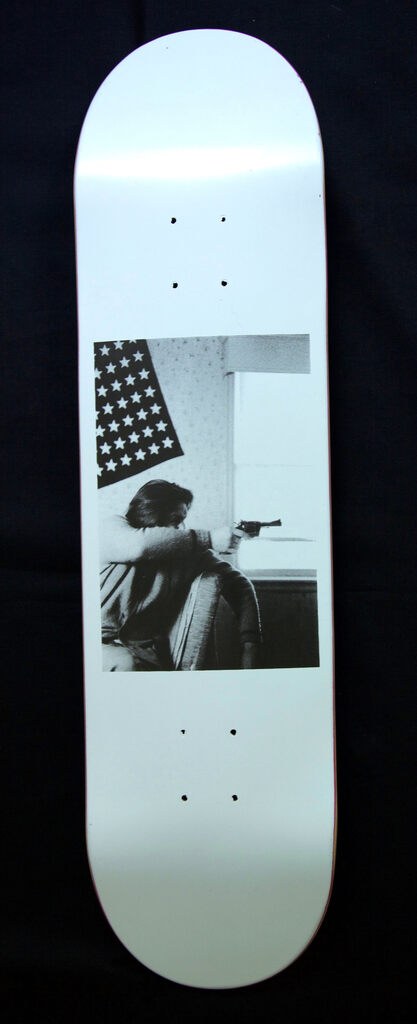
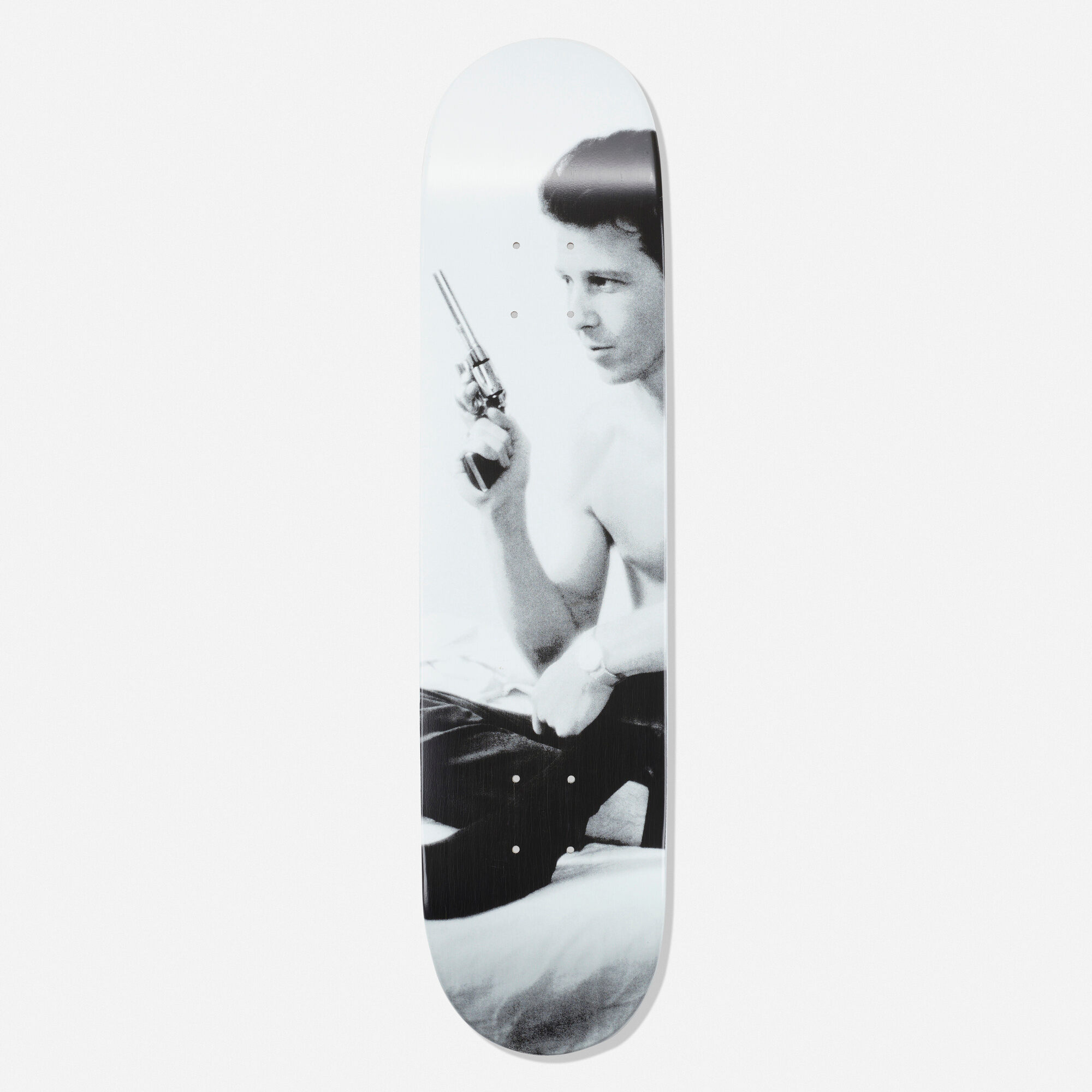
Roper from "Tulsa I" skateboard, 2018
Larry Clark was born in Tulsa, Oklahoma in 1943, and his upbringing in the American heartland was formative in ways that extended far beyond geography. His mother was an itinerant baby photographer, and Clark accompanied her on her rounds from an early age, learning the mechanics and the intimacy of the camera before he had language to describe either. This early immersion in photography as a form of closeness rather than observation became the defining quality of his practice. He studied at the Layton School of Art in Milwaukee during the early 1960s, returning to Tulsa and to a tight circle of friends whose lives he would spend years documenting with an unflinching and deeply loving eye.
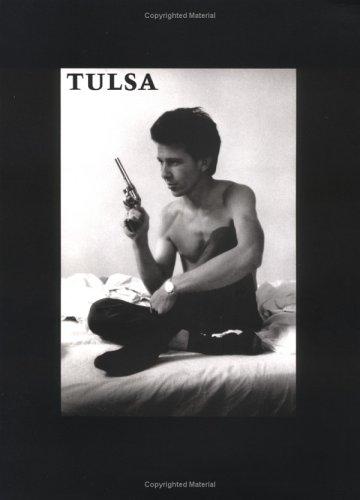
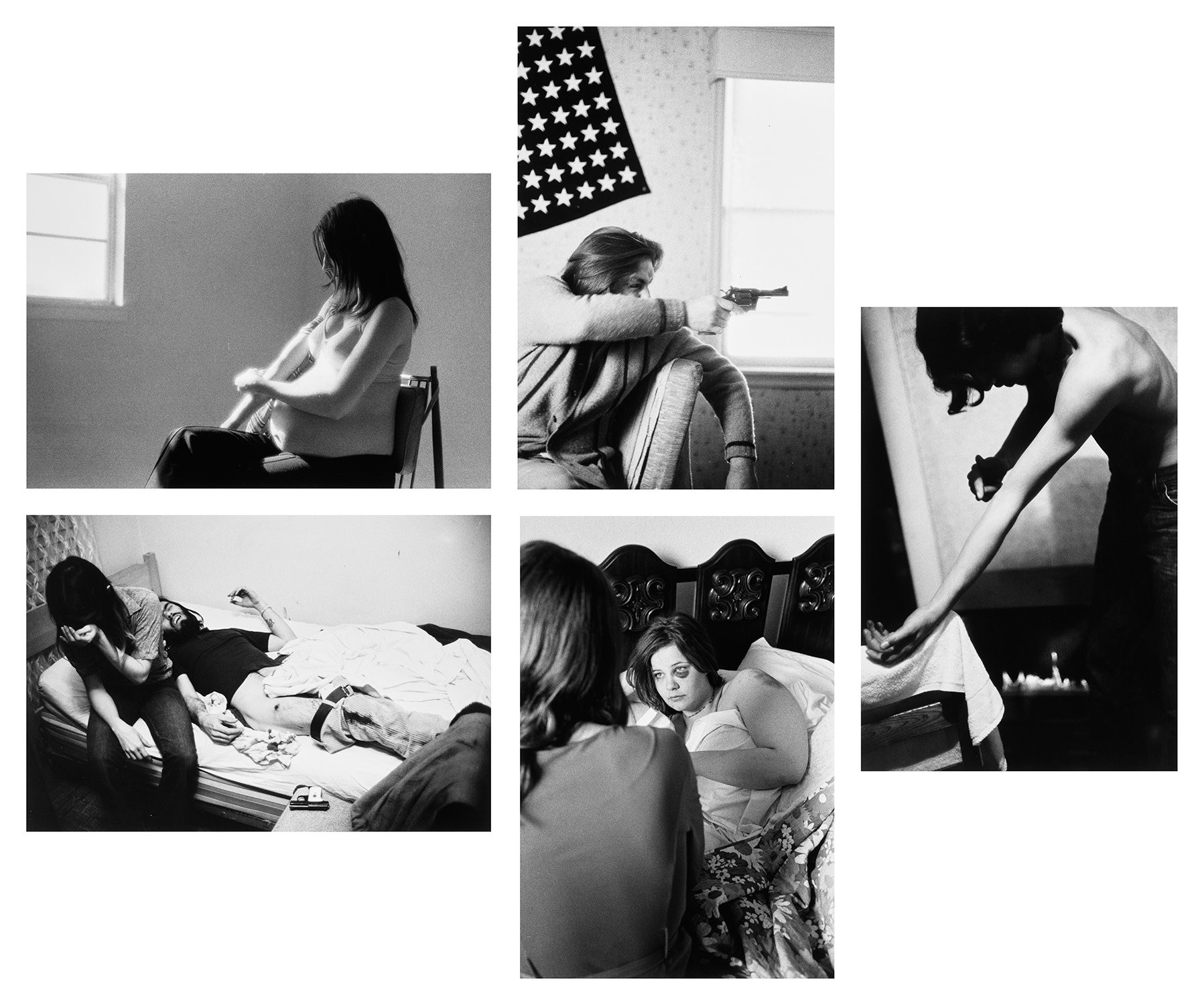
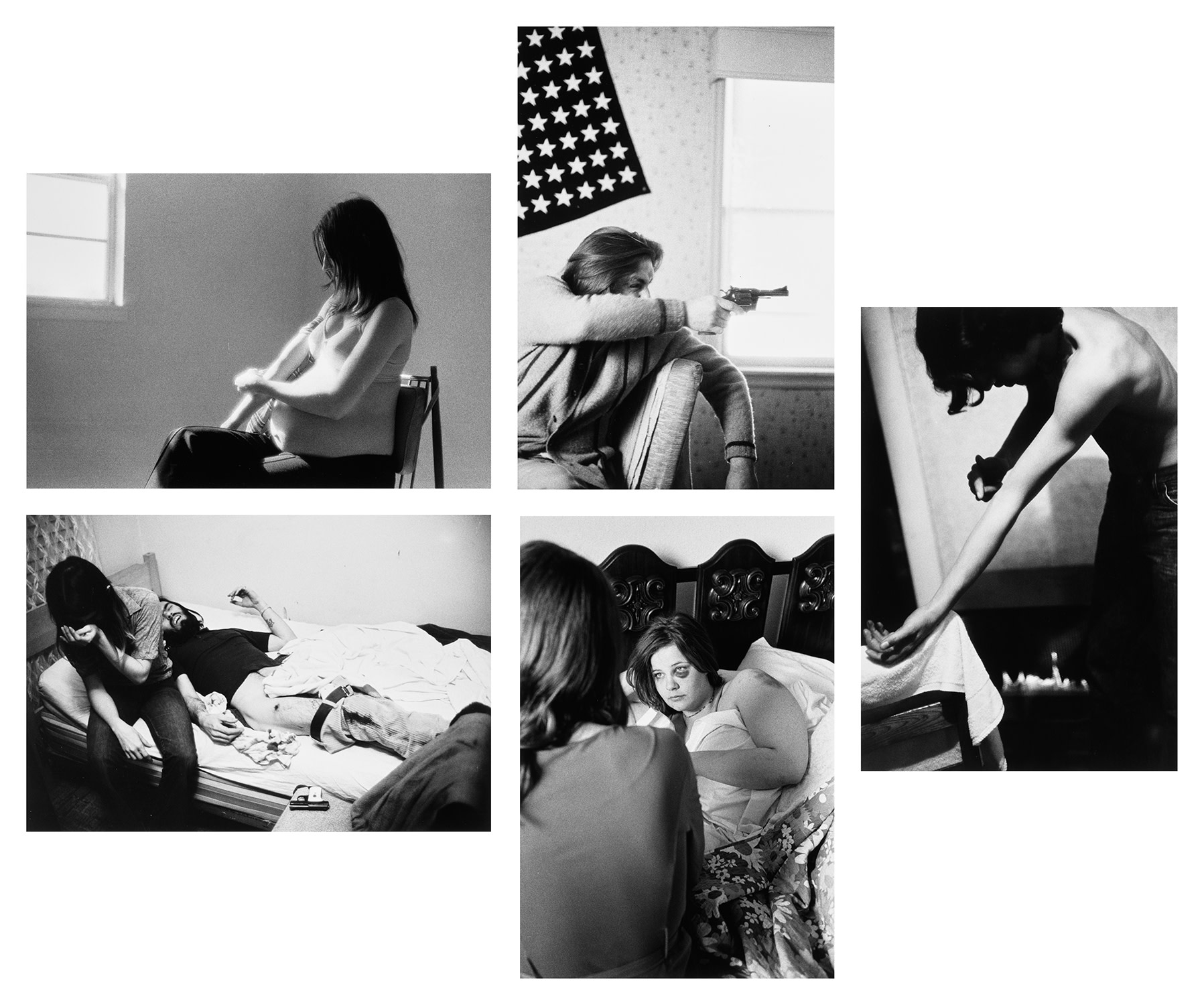
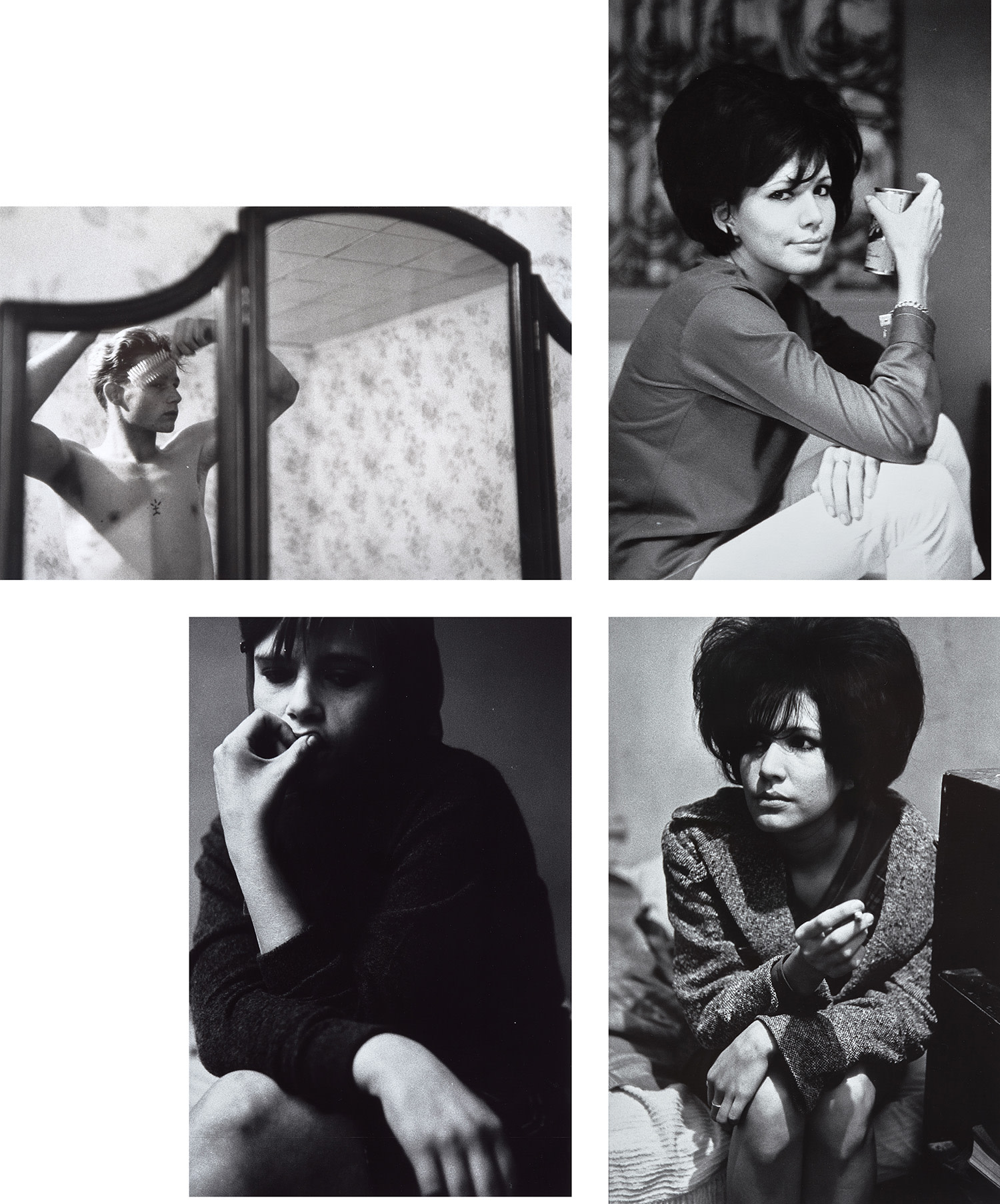
The breakthrough came with Tulsa, first self published by Clark in 1971 and subsequently recognized as one of the most significant photobooks ever produced in America. The work drew from photographs Clark made between 1963 and 1971, chronicling his peer group in Tulsa with an intimacy that felt both dangerous and tender. These were images of young people navigating addiction, sexuality, violence, and boredom in the American interior, and Clark rendered them not as cautionary portraits but as human documents saturated with empathy. The gelatin silver prints from this period, including works such as Dead 1970 (Billy Mann) from Tulsa and various untitled images from the same sequence, carry the weight of lived experience in every grain and tonal register.
Larry Clark
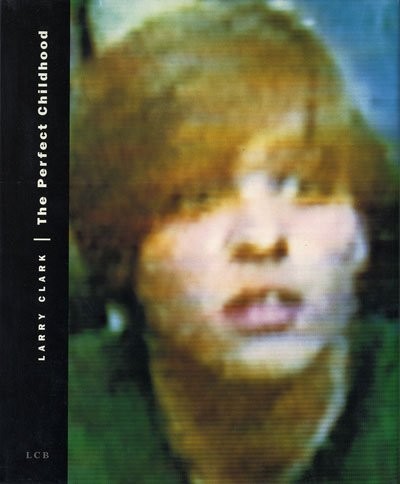
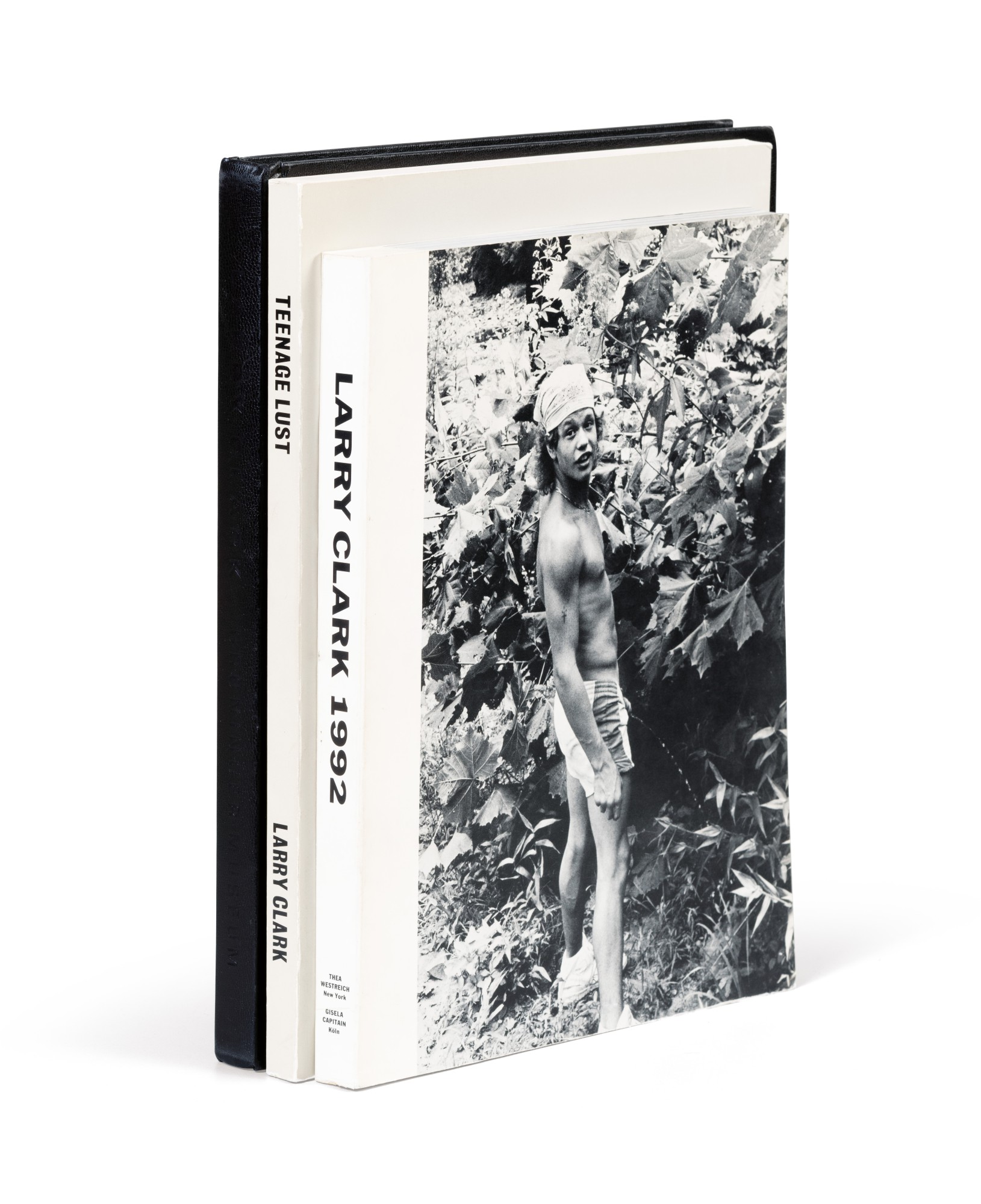
(books) 3 iconic volumes
They are photographs that remember rather than merely record. Clark returned to this world repeatedly. Teenage Lust, which appeared in 1983, extended his investigation into adolescence and desire, gathering eighty three gelatin silver prints into a volume that shocked some viewers and moved others to describe it as one of the most honest accounts of American youth ever assembled. His third major volume deepened the thematic and formal concerns he had established in Tulsa, and together the three books form what many collectors and scholars regard as a triptych of the American experience at its most unguarded.
“When I was young I always wanted to be a photographer. I never thought about being anything else.”
Larry Clark, Tulsa introduction, 1971
Clark moved to New York during the 1980s, where his immersion in the downtown skateboarding and youth culture scenes eventually led to his landmark debut film Kids in 1995, written by Harmony Korine and produced with the same ethos of radical proximity that defined his photographic work. The transition from still photography to film felt less like a departure than an expansion of the same fundamental impulse. For collectors, the appeal of Clark's work rests on several interconnected qualities. The prints themselves are objects of considerable formal beauty.
Larry Clark
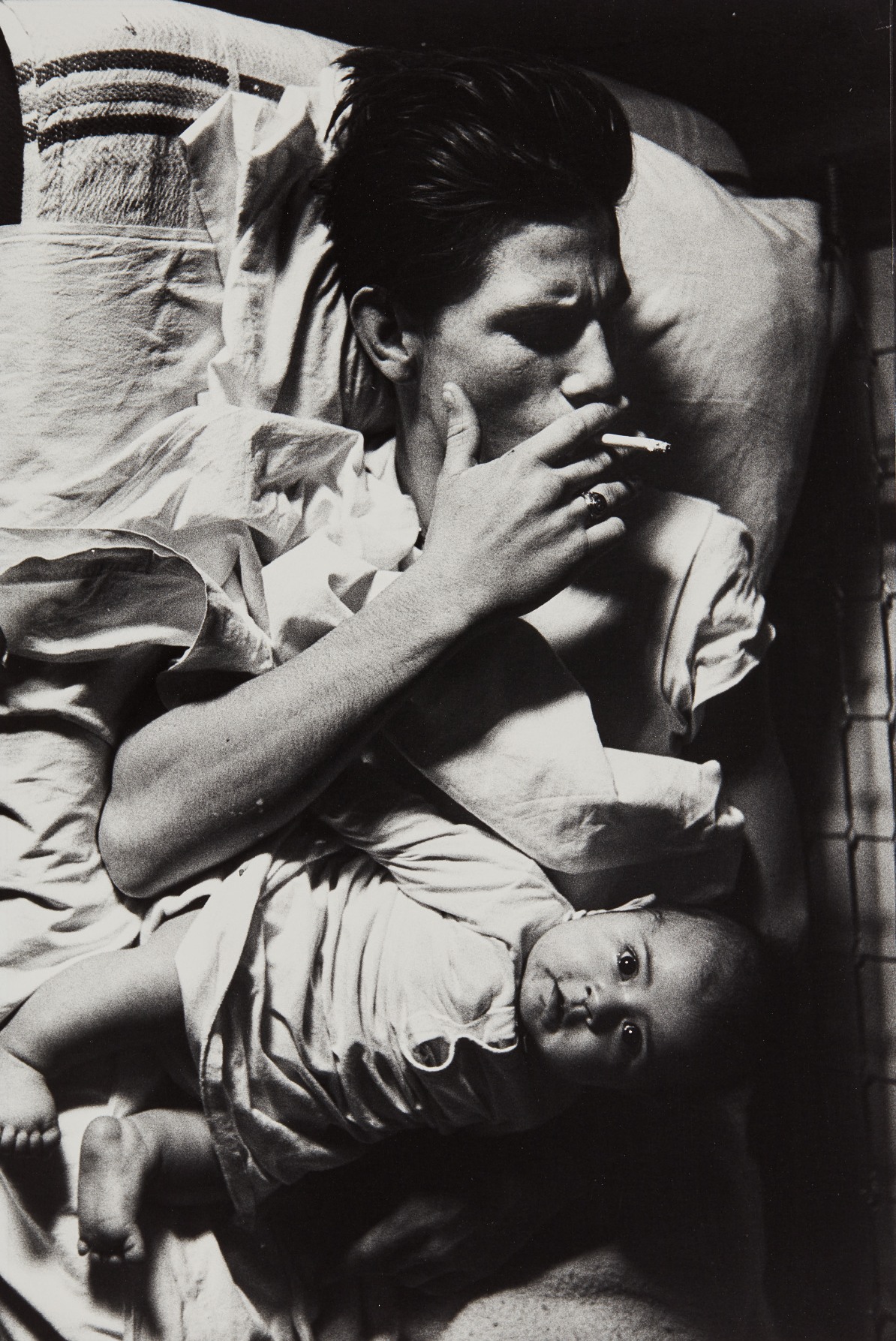
Billy with Baby
Clark's command of gelatin silver printing, whether working in his own darkroom or overseeing later prints made under his supervision, produced images of exceptional tonal depth and tactile presence. Works such as Boy in a Car, 1963, and the suite of images constituting Selected Images from Tulsa demonstrate his ability to find graphic strength and compositional precision even in moments of apparent chaos or abandon. The portfolio editions, including the signed and numbered Tulsa portfolio enclosed in its black linen clamshell case, represent some of the most sought after objects in American photography collecting, combining documentary importance with the material refinement of limited edition fine art publishing. Auction results at Christie's, Phillips, and Sotheby's have reflected sustained and growing institutional confidence in Clark's market position, with strong results for both individual prints and portfolio editions.
Clark belongs to a lineage of American photographers who understood that honesty required proximity, and who were willing to pay the personal and professional price of that proximity. His work invites comparison with Diane Arbus in its refusal to aestheticize suffering without acknowledging it, and with Robert Frank in its commitment to an America that official culture preferred to ignore. The influence of William Klein's kinetic urban vision is also felt in Clark's willingness to accept blur, grain, and formal imperfection as carriers of meaning rather than technical failures. Among photographers who emerged in the decades following Clark's initial publications, figures such as Nan Goldin and Wolfgang Tillmans have acknowledged the significance of his example.
Larry Clark
Tulsa
He helped establish the idea that an artist could live inside their subject matter and produce work of lasting importance from that position of total immersion. What makes Larry Clark's legacy feel so vital as collecting interest in his work continues to grow is the quality of moral seriousness that underlies every image he has made. These are not photographs designed to provoke for its own sake, though they have certainly provoked. They are photographs designed to witness, to remember, and to insist that the lives of young people at the margins of American prosperity are worthy of the same sustained attention that art history has lavished on subjects deemed more conventionally important.
The gelatin silver prints in significant private and institutional collections today serve as evidence that a photographer from Tulsa, armed with total commitment to his own vision, could reshape what documentary photography is allowed to be. For collectors drawn to work that combines formal mastery with historical weight and genuine emotional truth, Larry Clark remains one of the indispensable figures of his era.
Featured Works
Explore books about Larry Clark