Kory Alexander
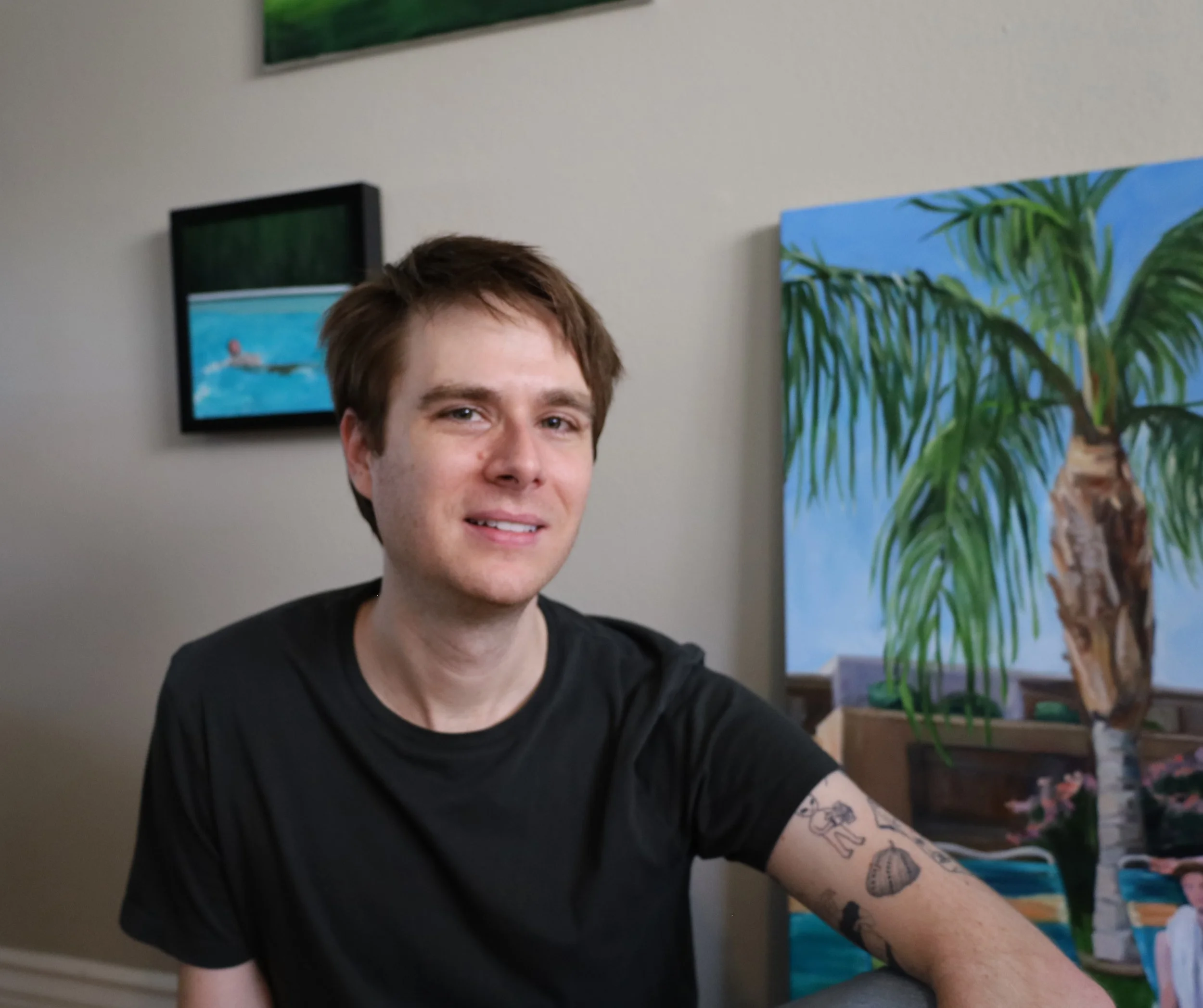
Kory Alexander Paints Memory Into Living Form
Artist Spotlight · The Collection Editorial
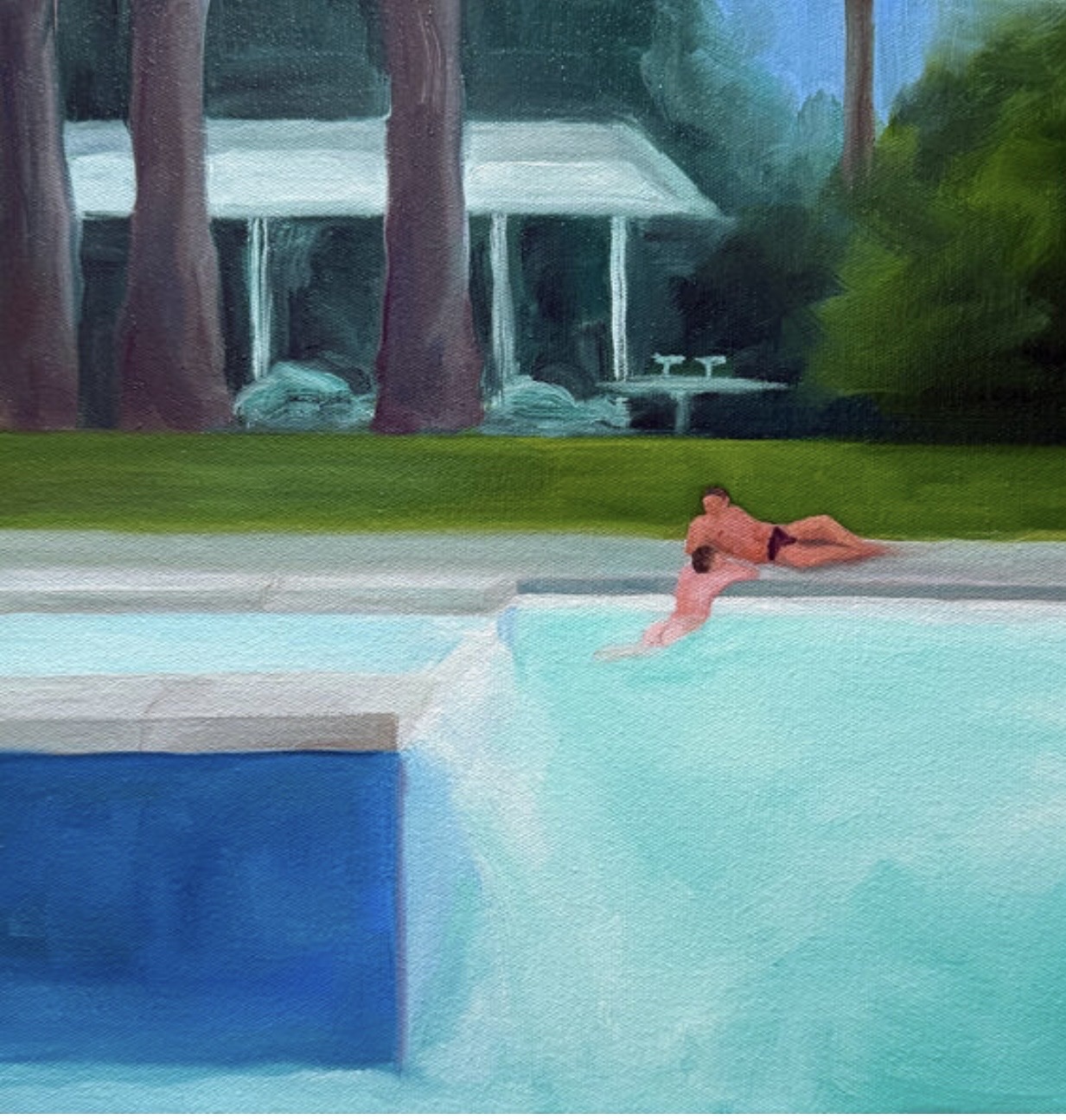
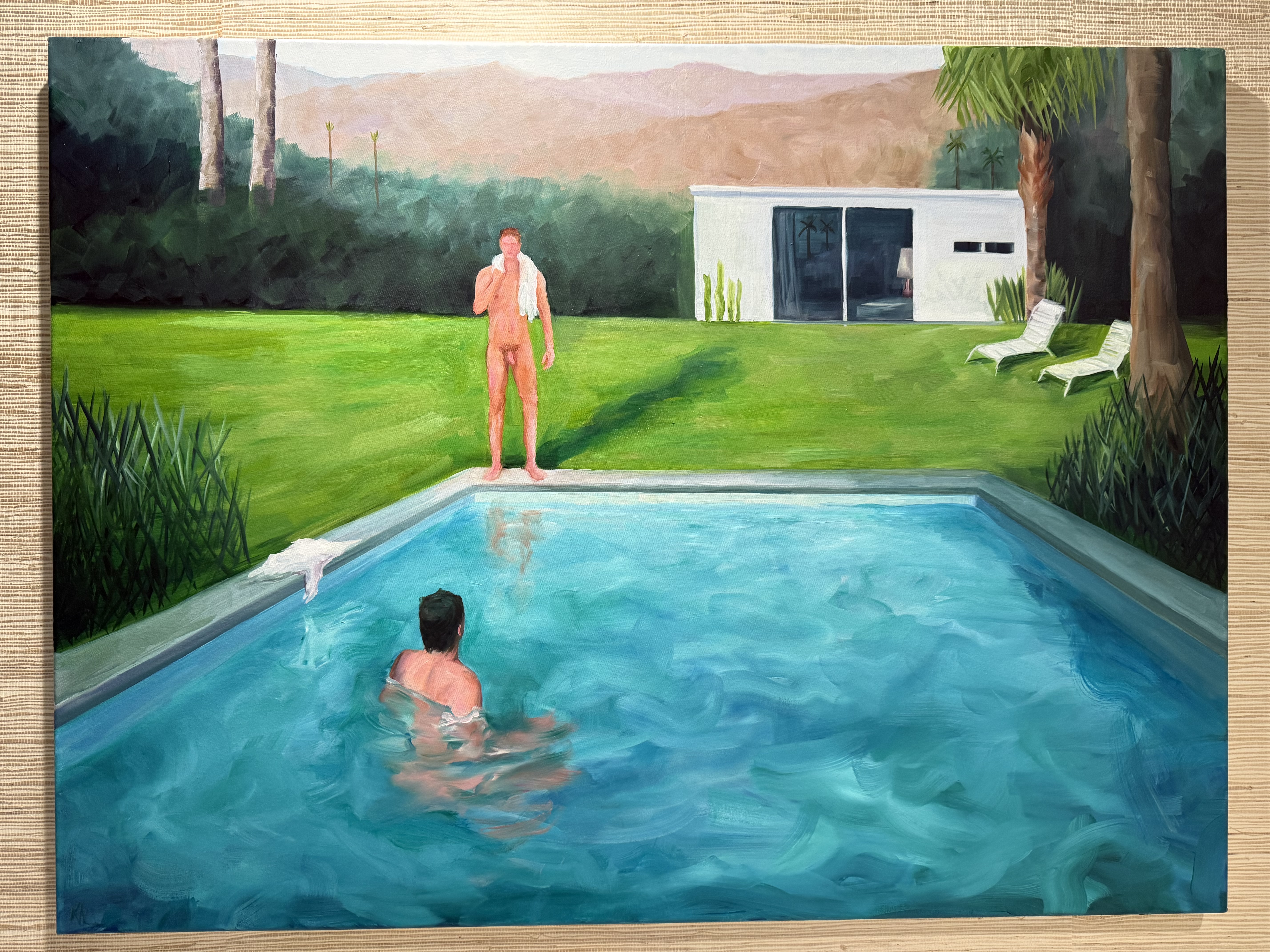
Something is happening in American painting right now, and Kory Alexander is at the center of it. His recent canvases, including the luminous "California Lovers" and the quietly monumental "Overshadow," both completed in 2025 and 2026 respectively, signal an artist arriving at a new level of confidence and ambition. These are paintings that do not simply hang on a wall. They occupy a room, they ask something of the viewer, and they linger long after you have left their presence.
Kory Alexander
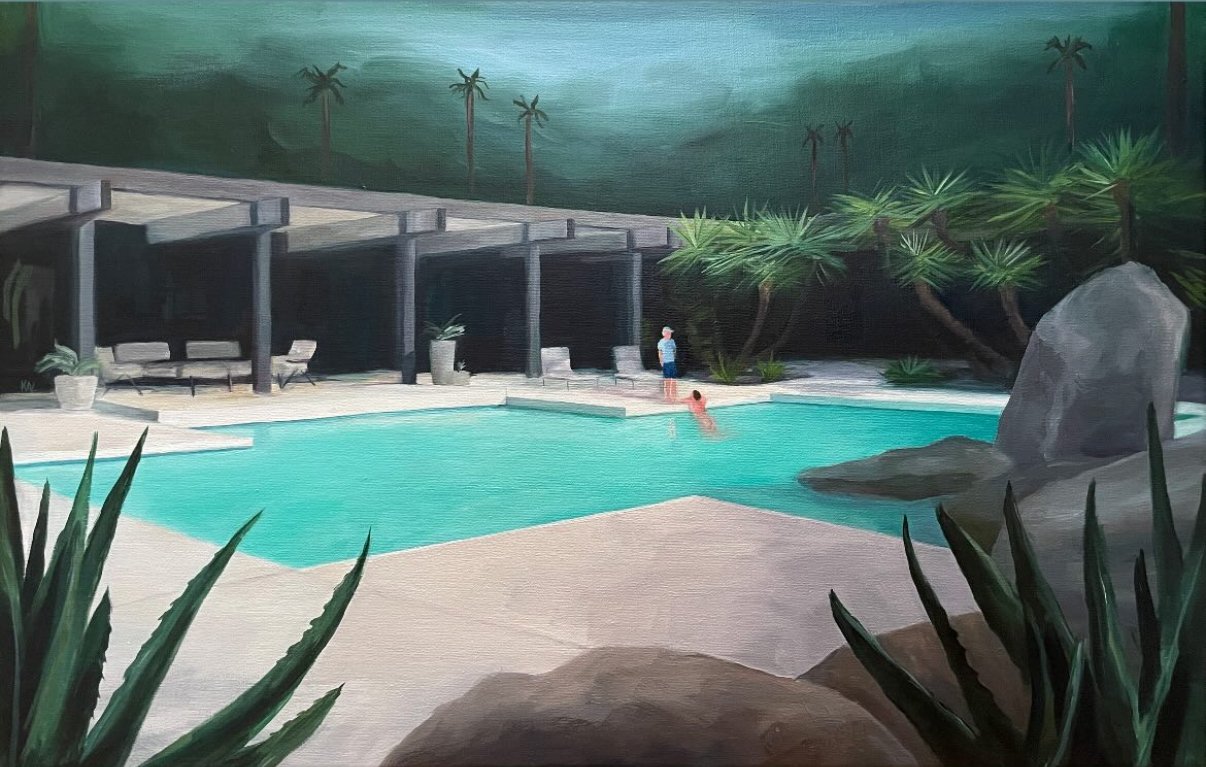
Untitled (Harvey House), 2025
For collectors who have been watching Alexander's trajectory, the sense is not of a discovery but of a confirmation. Alexander was born in 1985, part of a generation of American artists who came of age in a country wrestling loudly with questions of identity, belonging, and what it means to carry a cultural inheritance forward. That formative atmosphere left its mark. His work does not illustrate these themes so much as it embodies them, the way a place holds weather in its walls.
Where he grew up and how those early landscapes and communities shaped his visual language remain deeply present in canvases that feel at once deeply personal and expansively universal. His practice is genuinely multidisciplinary, moving fluidly between painting, sculpture, and installation in a way that keeps each medium honest. The paintings inform the sculptures and vice versa, so that the whole body of work feels like one sustained investigation rather than a collection of separate projects. This kind of coherence is rare in younger artists, and it is one of the qualities that makes Alexander's output so compelling to follow.
Kory Alexander
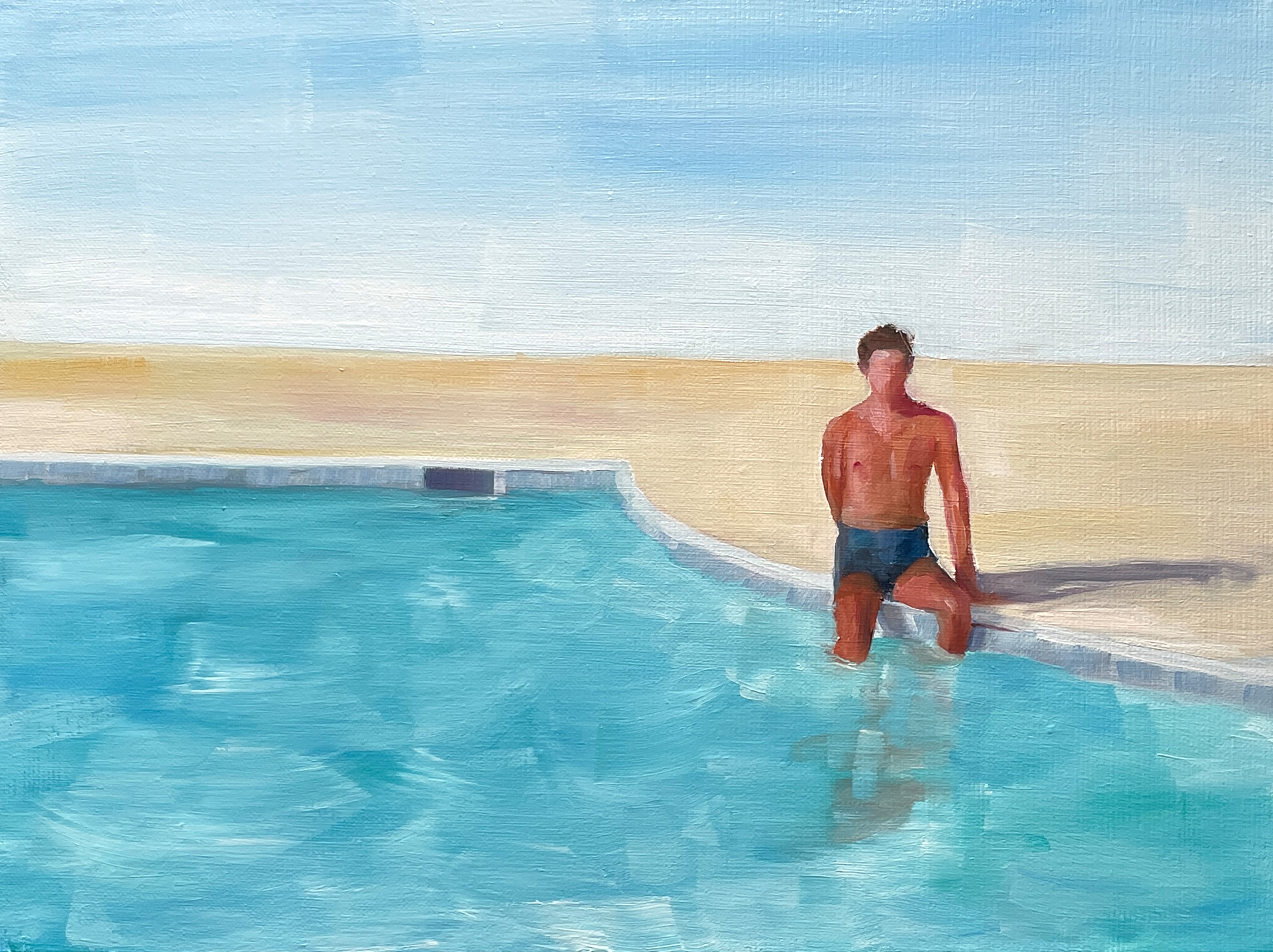
Where I Live, 2023
He is not experimenting for the sake of novelty. He is building a world. Alexander's artistic development shows a clear and deepening engagement with abstract expressionism, though he wears that inheritance lightly and transforms it through a distinctly contemporary sensibility. The layered compositions that define his signature canvases owe something to the gestural freedom of the New York School, yet they are grounded by a material intelligence that feels closer to the Neo Expressionist tradition, recalling at moments the emotional directness of artists like Jean Michel Basquiat or the textured surface investigations of Kerry James Marshall.
What sets Alexander apart is his insistence on material experimentation. Found objects enter his compositions with the same weight as a brushstroke. Mixed media layers build histories within a single surface, so that looking at one of his paintings becomes an act of slow archaeology. Among his most discussed works is "Where I Live" from 2023, an oil on canvas that reads as both a self portrait and a landscape, fusing personal geography with abstract emotional terrain.
Kory Alexander
California Lovers, 2025
The title is deceptively simple. The painting delivers something more complex, a meditation on how the places we inhabit become part of our interior lives, and how memory transforms physical space into something closer to myth. Then there is "Untitled (Harvey House)" from 2025, a work that carries the weight of American architectural history, the Harvey House name evoking a particular chapter in the story of the American West and the communities that built and were built by it. These are paintings with research behind them, but you never feel the research.
You feel the result. More recently, "letting the light in" and "Enjoying the Sun," both rendered in oil on linen, demonstrate Alexander's growing mastery of surface and ground. Linen brings a warmth and texture to his work that canvas alone cannot provide, and he uses it to gorgeous effect, allowing light to move through layers in a way that gives these newer paintings an almost atmospheric quality. "Overshadow" from 2026 completes a kind of arc, a work about what blocks the light even as the artist insists on seeking it.
Kory Alexander
Unspoken Beginning, 2025
Taken together, these recent paintings feel like the opening chapters of a sustained and important body of work. From a collecting perspective, Alexander represents precisely the kind of opportunity that experienced collectors recognize as rare and time sensitive. He is an emerging voice with the technical foundation and conceptual depth of a far more established career. His works in oil on linen, in particular, demonstrate a material seriousness that tends to hold and grow in value as an artist's reputation develops.
The multidisciplinary nature of his practice also means that entry points exist across formats and price points, from paintings to sculpture to installation work, giving collectors the chance to build a meaningful relationship with the full scope of his vision rather than a single facet of it. In terms of art historical context, Alexander's work sits at a productive intersection. The emotional directness and cultural engagement of Neo Expressionism, the material investigation of artists working in the tradition of assemblage and found object art, and the identity driven inquiry of the most vital contemporary American painting all find resonance in his practice. Artists like Mark Bradford, with his layered excavations of community and place, or Julie Mehretu, with her densely coded abstract histories, offer useful points of reference for understanding what Alexander is doing and why it matters.
He is in serious company, and he belongs there. What Kory Alexander ultimately offers is something that the art world genuinely needs: sincerity without sentimentality, abstraction grounded in lived experience, and a material practice that keeps ideas honest. His paintings ask you to bring your own memory, your own sense of place and belonging, and they meet you there. That quality, the capacity to be both deeply personal and genuinely open, is the mark of an artist whose best work is still ahead.
For those paying attention, the time to engage with Alexander's practice is now, while the conversation around his work is still intimate enough to feel like a privilege.