Korakrit Arunanondchai
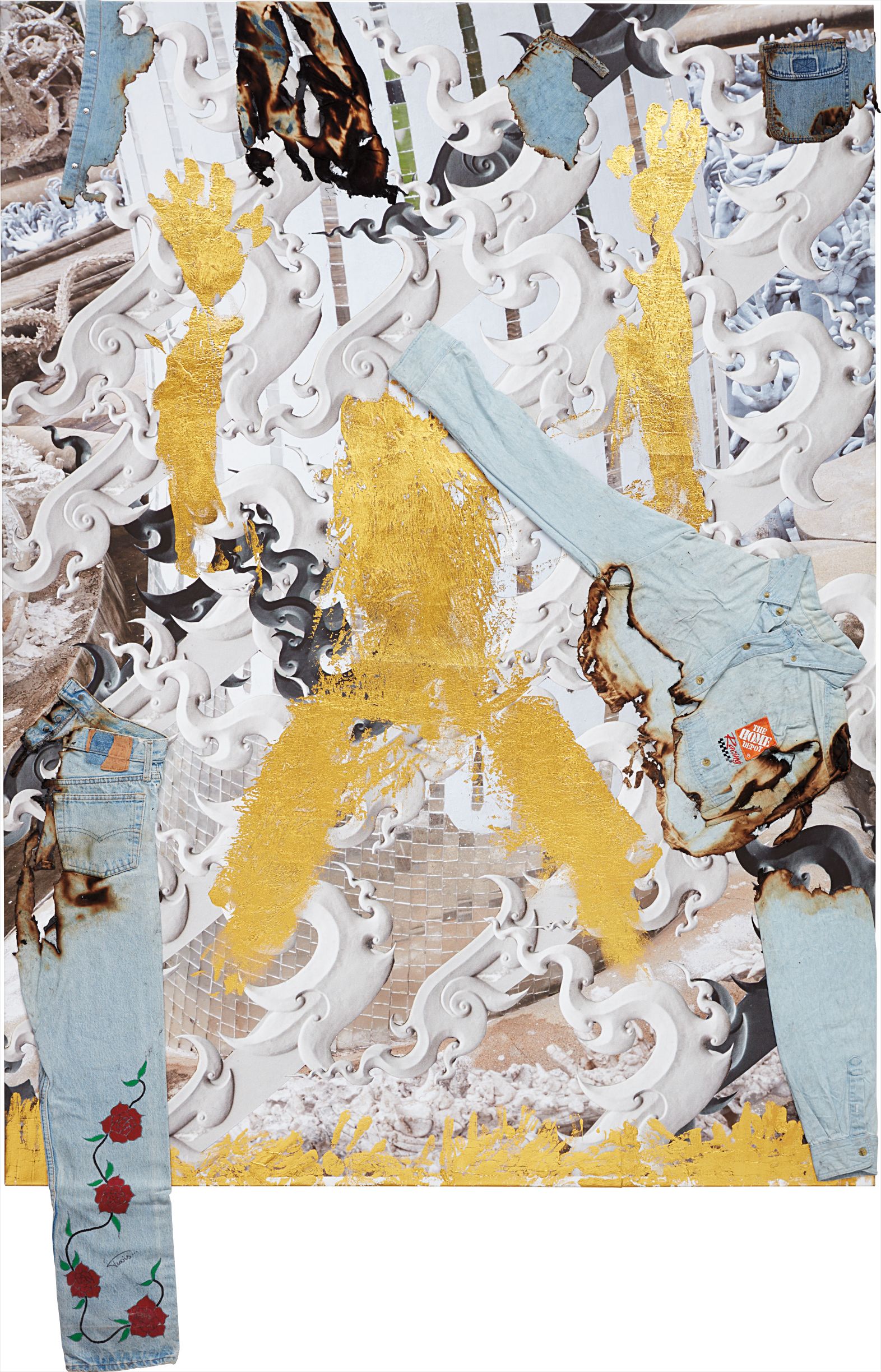
Korakrit Arunanondchai Weaves Worlds Together Beautifully
Artist Spotlight · The Collection Editorial
When Korakrit Arunanondchai appeared in the 2019 Whitney Biennial alongside his longtime collaborator Alex Gvojic, the art world took renewed notice of a practice that had been quietly building in ambition and emotional depth for nearly a decade. His multi channel video installation brought together ancestral spirits, pop culture detritus, and the lush visual language of Thai Buddhist ceremony in a single immersive environment that felt genuinely unprecedented. The work was not simply ambitious; it was alive, pulsing with a kind of devotional energy that few artists working today can credibly claim. That moment crystallized what collectors and curators had long sensed: Arunanondchai is one of the defining artists of his generation.
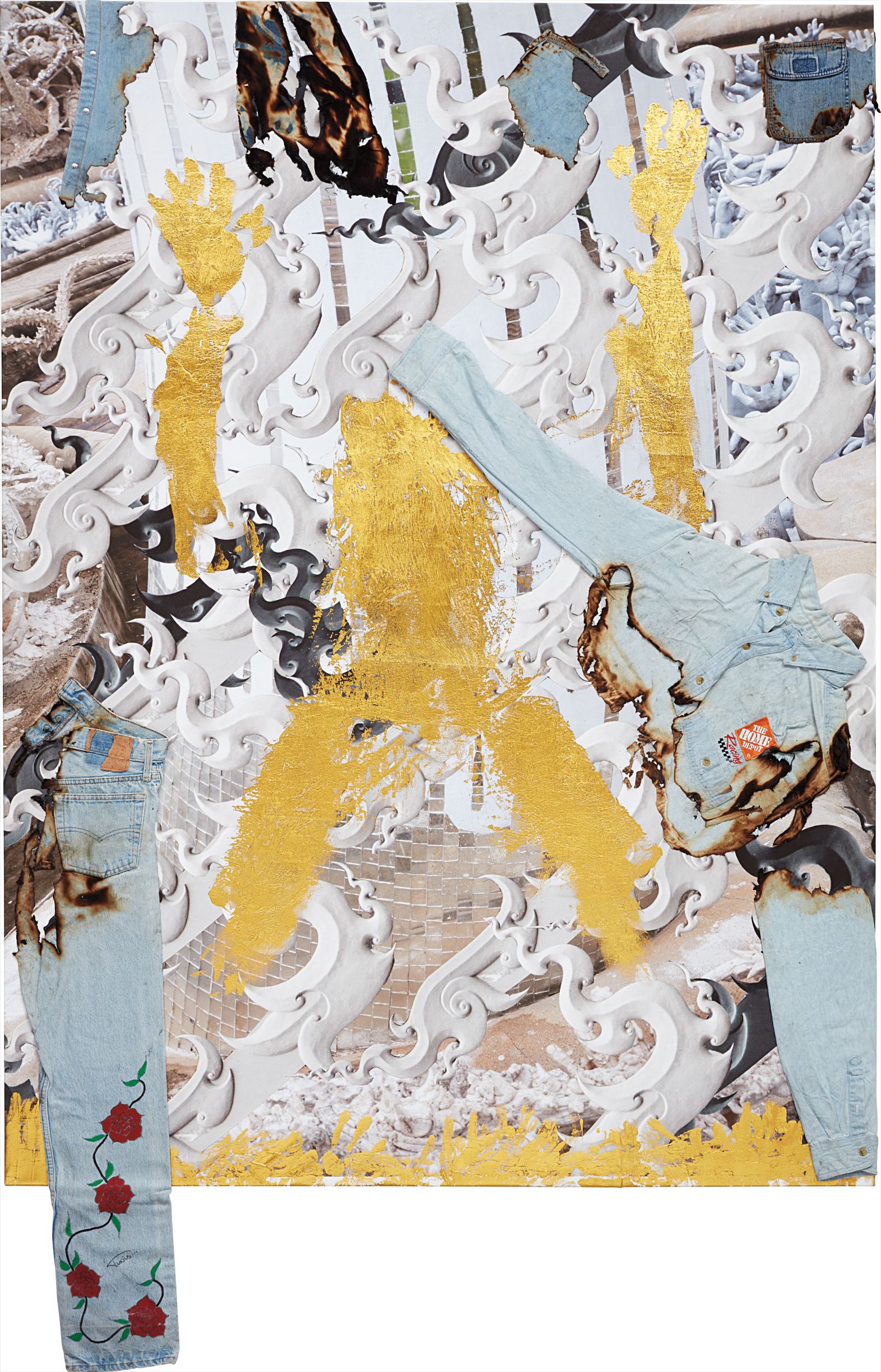
Korakrit Arunanondchai
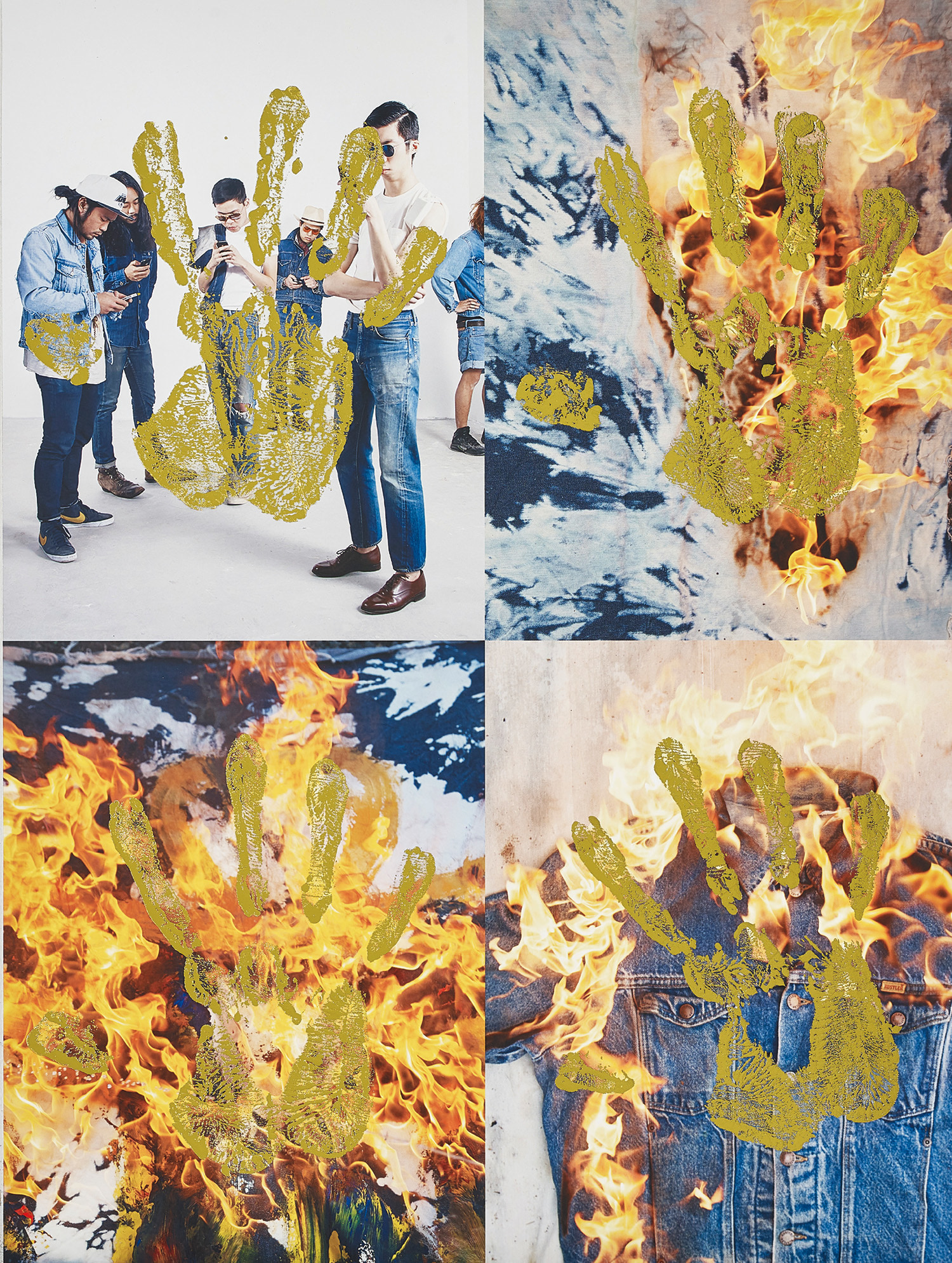
My trip to the White Temple 3, 2013
Born in Bangkok in 1986, Arunanondchai grew up navigating the tensions and confluences between Thai cultural tradition and the relentless tide of global media. He studied at the School of Visual Arts in New York and later completed graduate work at Columbia University, and that transatlantic formation is visible in everything he makes. New York gave him the vocabulary of contemporary art discourse, the awareness of video and performance lineages stretching from Nam June Paik through Ryan Trecartin, while Bangkok gave him something rarer and harder to acquire: a felt connection to ritual, to spirit houses, to the cosmological imagination embedded in everyday Thai life. The distance between those two worlds became the productive space his art inhabits.
His early practice, developed in the years around 2010 to 2013, announced a signature material that would become inseparable from his identity as an artist: denim. The choice was inspired and strange in equal measure. Denim carries enormous cultural weight as a symbol of American mass culture, youth rebellion, and global commodity exchange, yet Arunanondchai treats it as a painter would treat linen or silk. He burns it, bleaches it, layers it with inkjet prints, saturates it with dye, and stretches it across canvases in ways that produce surfaces of remarkable complexity and beauty.
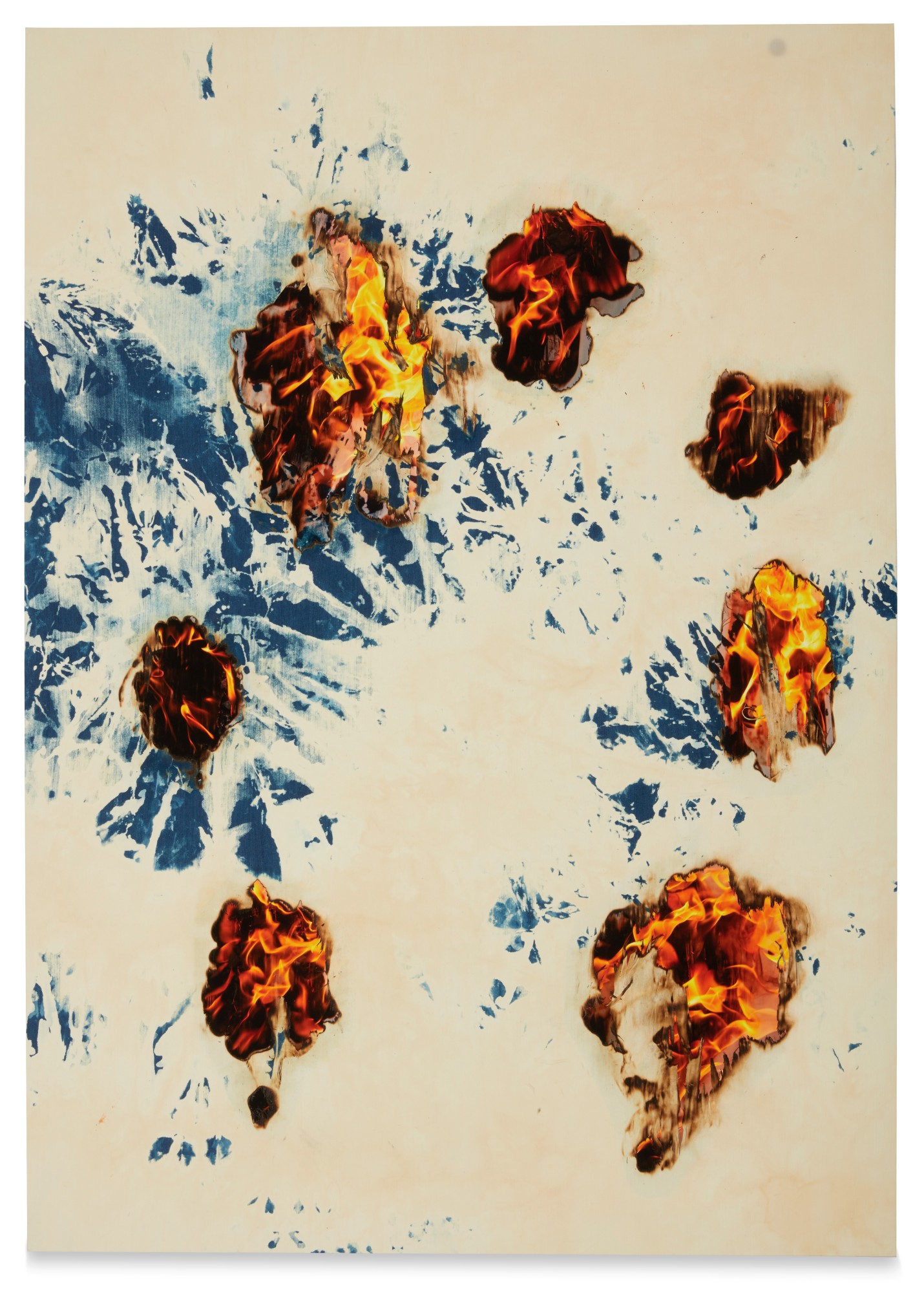
Korakrit Arunanondchai
Untitled (History Painting), 2012
Works such as the 2012 "Untitled (History Painting)," with its burnt and bleached denim combined with inkjet print, establish a visual syntax in which destruction and preservation coexist on the same plane. The material carries its own history, its own scars, and those scars become a kind of language. The series most closely associated with his breakthrough is the ongoing "My Trip to the White Temple" sequence, begun in 2013. The White Temple, known in Thai as Wat Rong Khun, is a contemporary Buddhist temple in Chiang Rai, Thailand, celebrated for its intensely decorative, mirror encrusted surfaces and its incorporation of popular cultural imagery alongside traditional iconography.
For Arunanondchai, the temple serves as both a subject and a structural metaphor: a space where the sacred and the commercial, the ancient and the hyper contemporary, meet without contradiction. Works in this series combine denim grounds with digitally printed imagery and foil stamping, creating surfaces that shimmer and seduce in ways that feel both devotional and technological. The series has grown across many iterations, each adding new layers of meaning to what is clearly a sustained and deepening inquiry. Beyond the denim paintings, Arunanondchai has built a practice encompassing video, performance, and sculptural installation that has earned him exhibitions at MoMA PS1 in New York, the Museum of Contemporary Art in Bangkok, and venues across Europe, including recognition through a published edition by the ICA London.
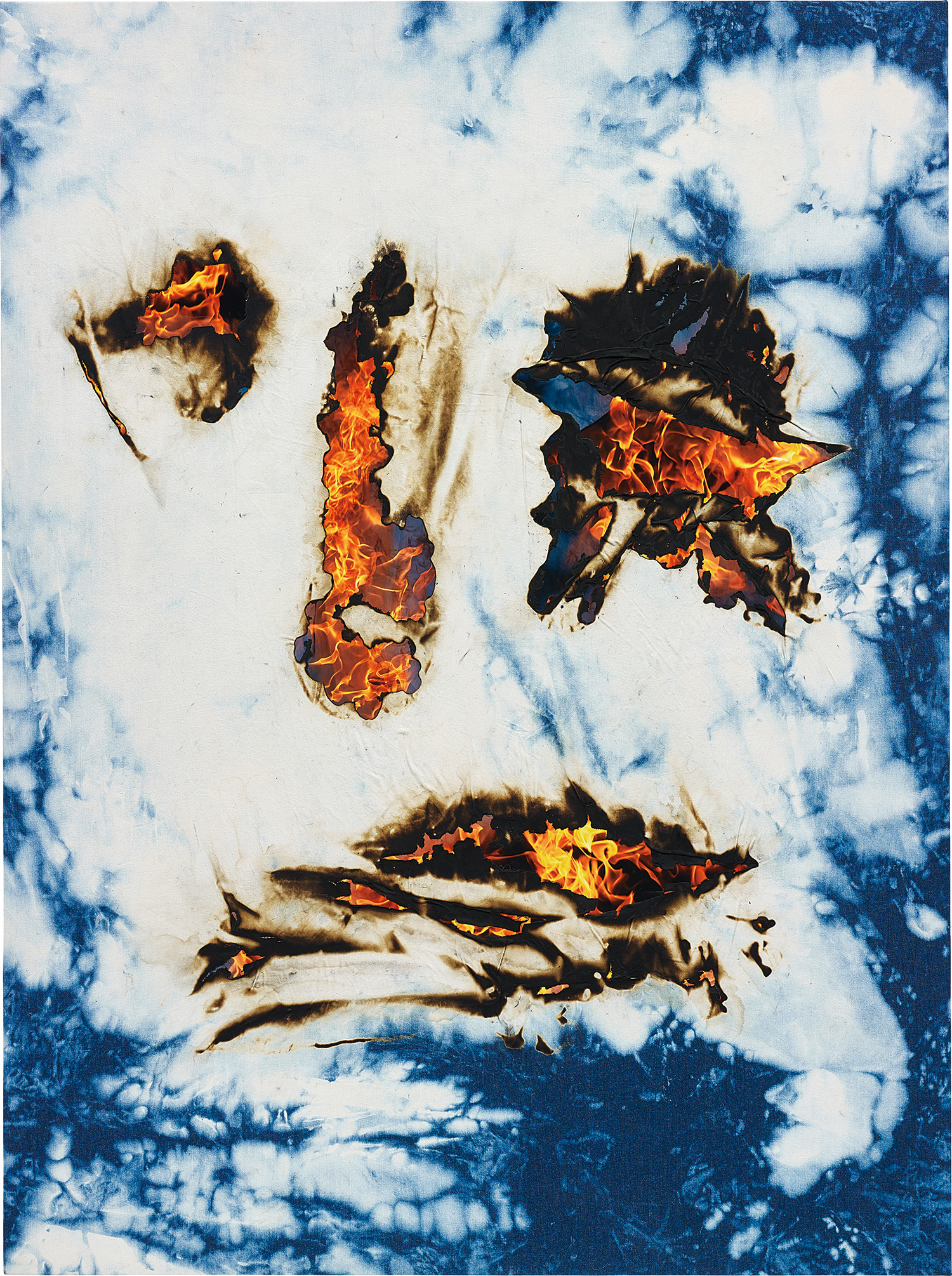
Korakrit Arunanondchai
burnt and bleached denim and c-print on canvas, 2013
His video works, often made in close collaboration with Gvojic under the name Songs for Dying and Songs for Living, blend documentary footage, scripted performance, and elaborate visual effects to create what might be described as mythological cinema for the present moment. These films are populated by recurring figures, including the artist himself, family members, spirit guides, and fictional characters, moving through landscapes that shift between Thailand and New York as though geography were simply a matter of consciousness. The Serpentine Galleries in London and the Palais de Tokyo in Paris have both presented major presentations of this expanded practice. For collectors, Arunanondchai's denim paintings represent a compelling entry into a practice that continues to grow in critical stature.
The works on canvas from the early and mid 2010s, including the various iterations of the White Temple series and the history paintings, have a material presence and painterly intelligence that rewards prolonged looking. They are also documents of a specific cultural moment, made by an artist in the process of discovering and refining a truly original visual language. The "Pillow" work of 2014, incorporating denim, dye, a zipper, and shredded polyurethane foam, points to a sculptural curiosity and a willingness to push the material into unexpected domestic registers. Works published in limited edition, such as the ICA London print, offer access points for collectors at varying levels of engagement.
Korakrit Arunanondchai
Korakrit Arunanondchai
In the broader context of contemporary art, Arunanondchai belongs to a generation of artists grappling seriously with what it means to work across cultural inheritance and global media saturation. His concerns rhyme with those of Hito Steyerl in her interrogation of the image as political object, with Cameron Rowland in his use of materials as historical testimony, and with Apichatpong Weerasethakul, the Thai filmmaker whose cinema of memory and the supernatural has been an acknowledged touchstone. Yet Arunanondchai's synthesis is distinctly his own: more visceral than Weerasethakul, more spiritually earnest than Steyerl, and possessed of a painterly sensibility that grounds even his most conceptually complex works in the pleasure of the physical object. What makes Arunanondchai genuinely important is the seriousness with which he holds together things that contemporary culture tends to treat as opposites.
Grief and celebration, tradition and disruption, the local and the global, the handmade and the digital: in his hands these are not tensions to be resolved but energies to be channeled. His practice keeps expanding because the questions he is asking are not ones with fixed answers. For collectors who believe that the most vital art is made by artists genuinely wrestling with the largest questions of being alive in this particular moment, Arunanondchai offers something rare and worth attending to with care.
Explore books about Korakrit Arunanondchai
Korakrit Arunanondchai: a little bit of history repeated a little bit of magic
Various contributors
Korakrit Arunanondchai
Various contributors
Korakrit Arunanondchai: Painting with History in a Room Full of People
Various contributors