Kiki Smith
Kiki Smith, Body, Spirit, and Wonder
Artist Spotlight · The Collection Editorial
“The body is a grounding for our experience of the world. It is very much what we are.”
Kiki Smith, interview with Helaine Posner
Few living artists have shaped the conversation around the human body with as much tenderness, rigor, and poetic force as Kiki Smith. Her 2023 retrospective at the Monnaie de Paris, which traveled across Europe and drew record attendance, reminded a new generation of viewers why Smith remains one of the most vital voices in contemporary art. The exhibition gathered decades of work spanning bronze sculpture, luminous prints, and delicate works on paper, and it made clear that Smith's vision has only deepened with time. Standing in front of her large scale figures, visitors consistently reported something unusual for a museum experience: they felt seen.
Kiki Smith
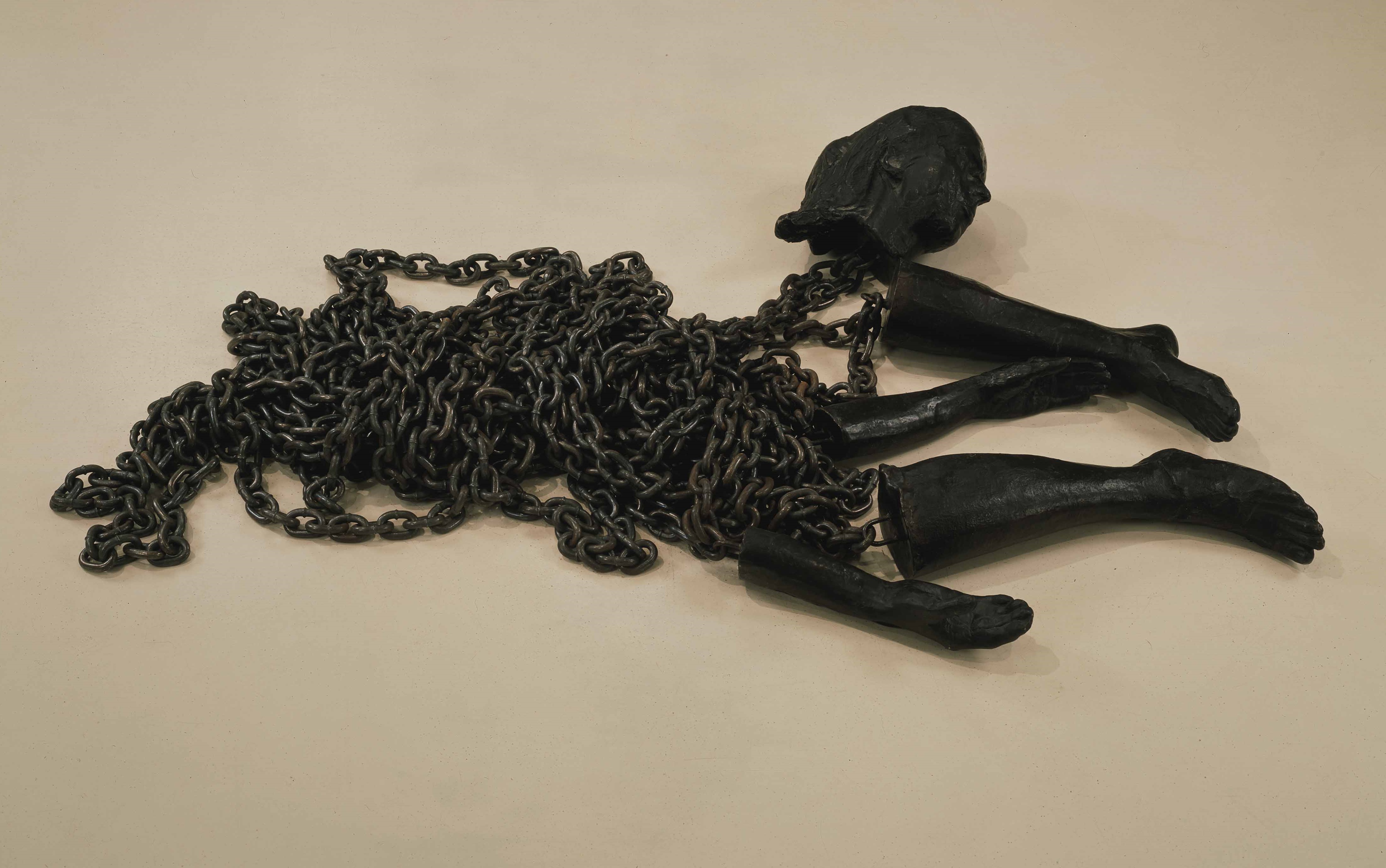
Untitled (Daisy Chain), 1992
Smith was born in Nuremberg, Germany, in 1954, to American parents who were living abroad. Her father was Tony Smith, the celebrated Minimalist sculptor whose monumental black geometric forms became landmarks of postwar American art. The family returned to the United States when Kiki was still an infant, settling in New Jersey, and she grew up in a household where art was not a distant aspiration but a daily reality. Watching her father work instilled in her both a fearless relationship to material and an understanding that sculpture could hold enormous emotional weight within a deceptively simple form.
She did not follow a conventional academic path. Smith studied briefly at the Hartford Art School before moving to New York City in the late 1970s, immersing herself in the downtown arts scene at a moment of extraordinary creative ferment. She became associated with Collaborative Projects, the artist collective known as Colab, working alongside figures like Jenny Holzer and David Wojnarowicz. This milieu was political, urgent, and resolutely anti establishment, and it gave Smith a framework for thinking about art as a form of witness.
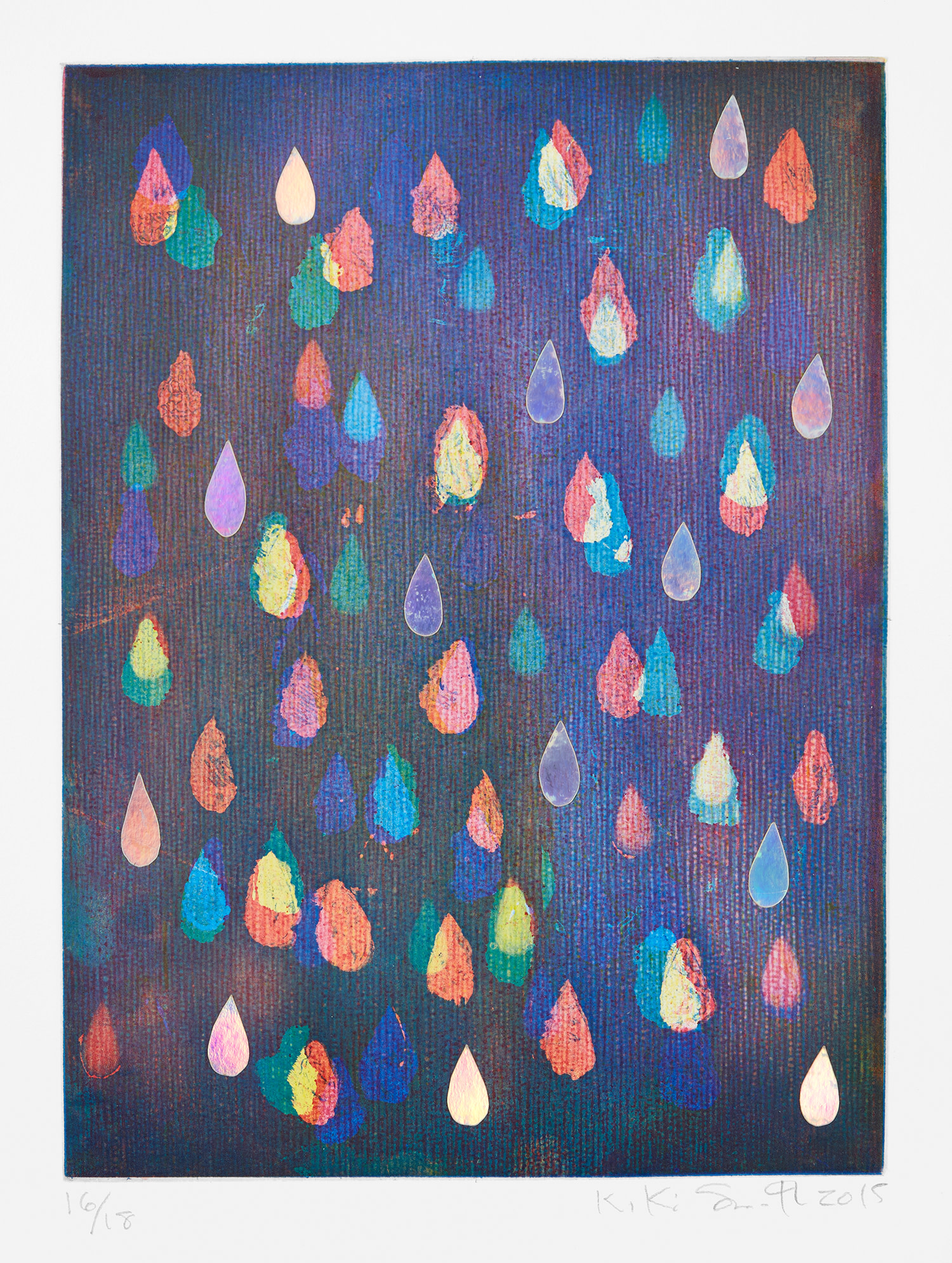
Kiki Smith
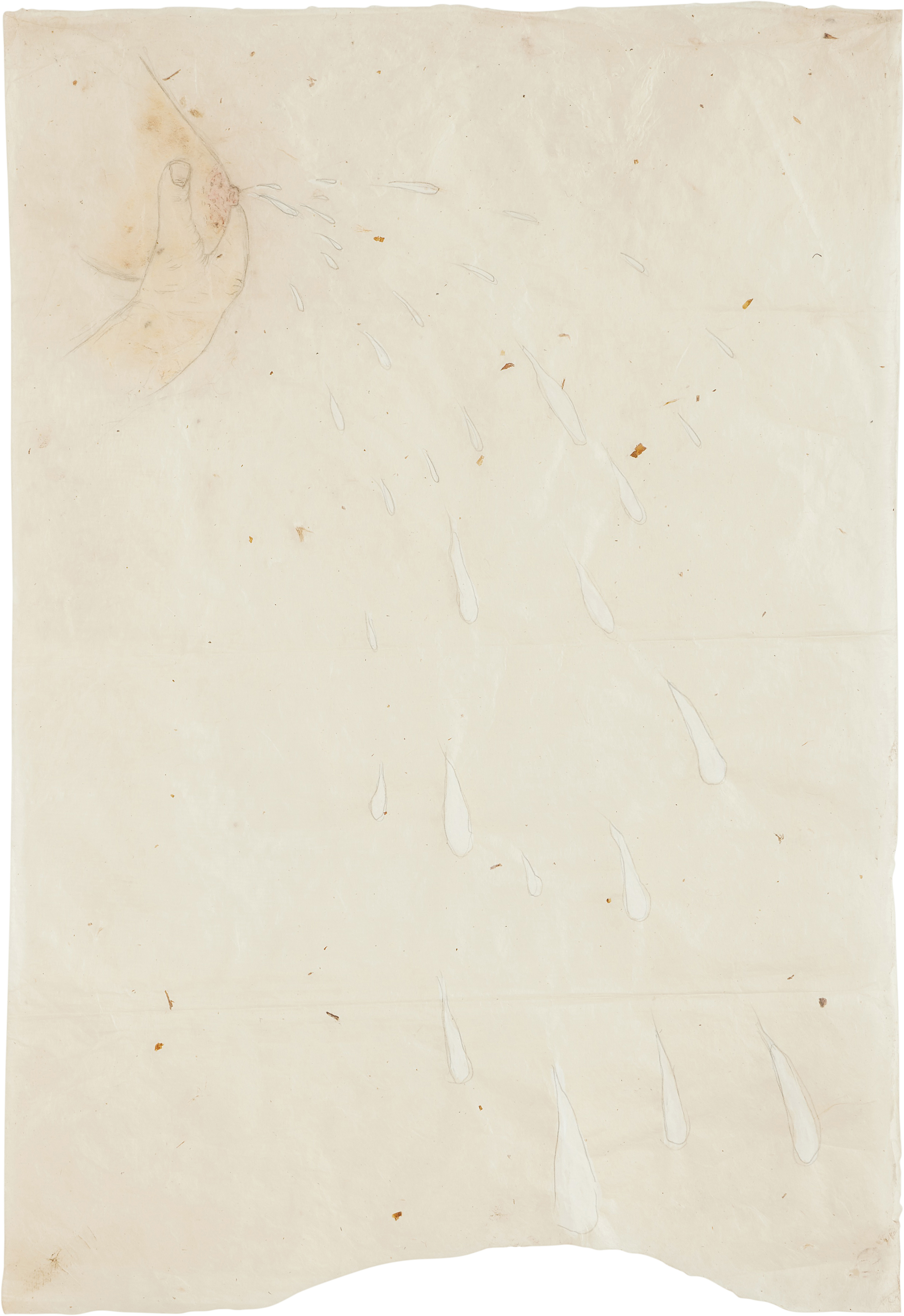
Good Day
The AIDS crisis, which devastated her community throughout the 1980s, became a crucible for her deepest convictions about mortality, the body, and what it means to care for one another. Smith's artistic breakthrough came through her radical reimagining of the human form. In the late 1980s and early 1990s she created a series of sculptures and works on paper that treated the body with unflinching honesty, exploring its functions, its vulnerabilities, and its strange beauty. She worked with an extraordinary range of materials including bronze, glass, paper, wax, and fabric, and she approached printmaking with the same seriousness she brought to sculpture.
“I am interested in making work that is very accessible, that has a democratic quality.”
Kiki Smith
Her prints from this period, many produced in collaboration with Universal Limited Art Editions in New York, are considered among the finest in the medium from the late twentieth century. Compositions like her monumental etching and aquatint "Come Away From Her (after Lewis Carroll)" reveal her gift for combining literary imagination with raw physical presence, filling the page with figures that seem to breathe. Among the works that define her legacy, "Virgin Mary" from 1994, cast in phosphorous bronze and silver, stands apart. The figure is flayed, her interior made exterior, yet she radiates a quality that can only be called grace.
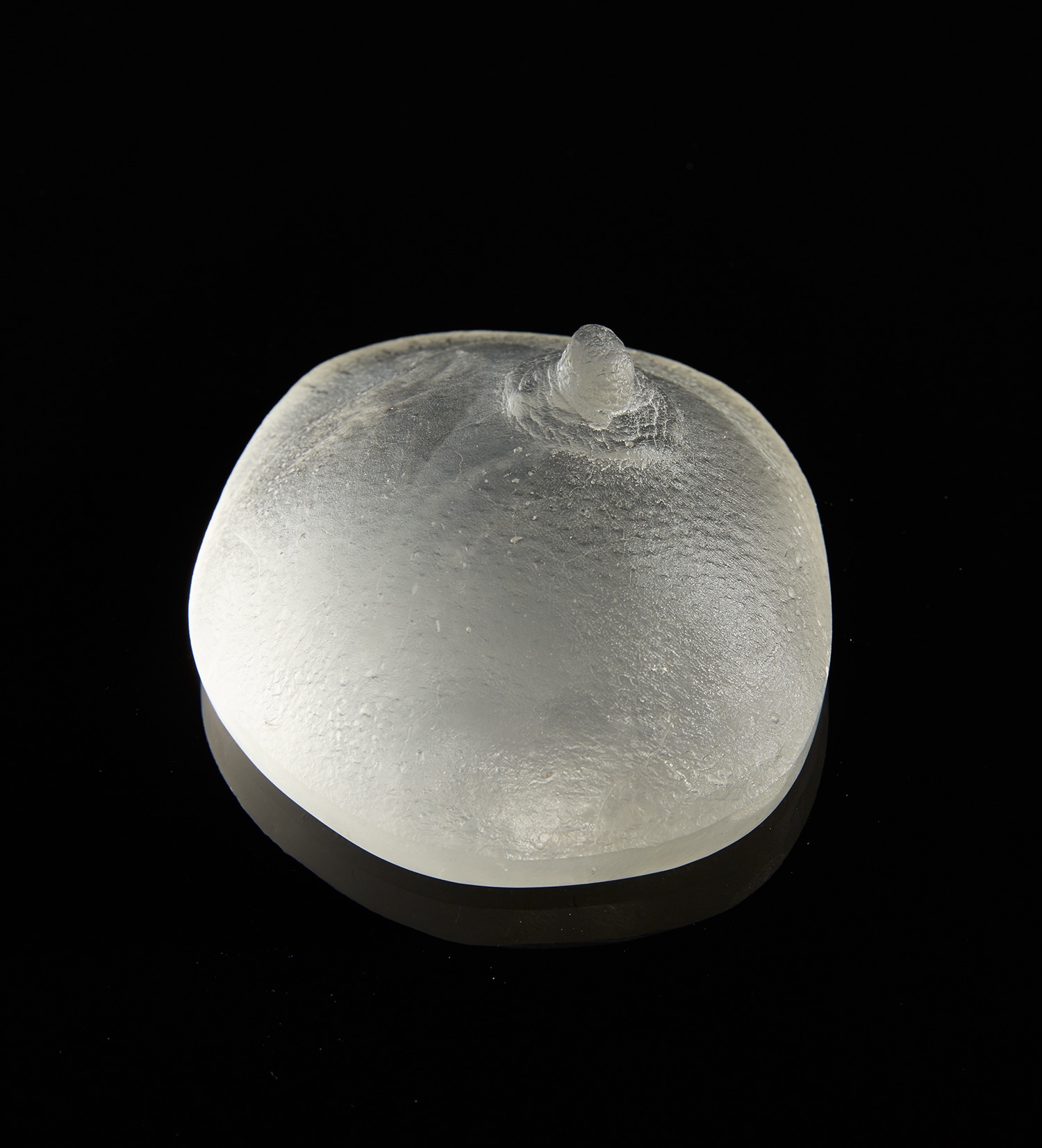
Kiki Smith
Little Mountain (W. 55)
Smith has returned repeatedly to the Virgin Mary as a subject, finding in this archetype a vehicle for exploring female spirituality, endurance, and the body's capacity for transcendence. Her 2001 bronze "Woman on Pyre" carries similar intensity, a figure consumed and yet monumental, refusing to be reduced to victimhood. These are not comfortable works, but they are generous ones, and they reward long looking. Her cast glass multiples and her deeply atmospheric drawings on Losin Prague paper show yet another dimension of her practice, intimate and contemplative where the bronzes are confrontational.
For collectors, Smith represents one of the most coherent and rewarding bodies of work to engage with across multiple media. Her prints in particular offer a compelling entry point. Works such as the four etching and aquatints known as "Blue Prints," featuring her iconic representations of the Virgin Mary, Emily B., Billie, and Eva, demonstrate her ability to fuse portraiture, mythology, and feminist critique into images of lasting power.
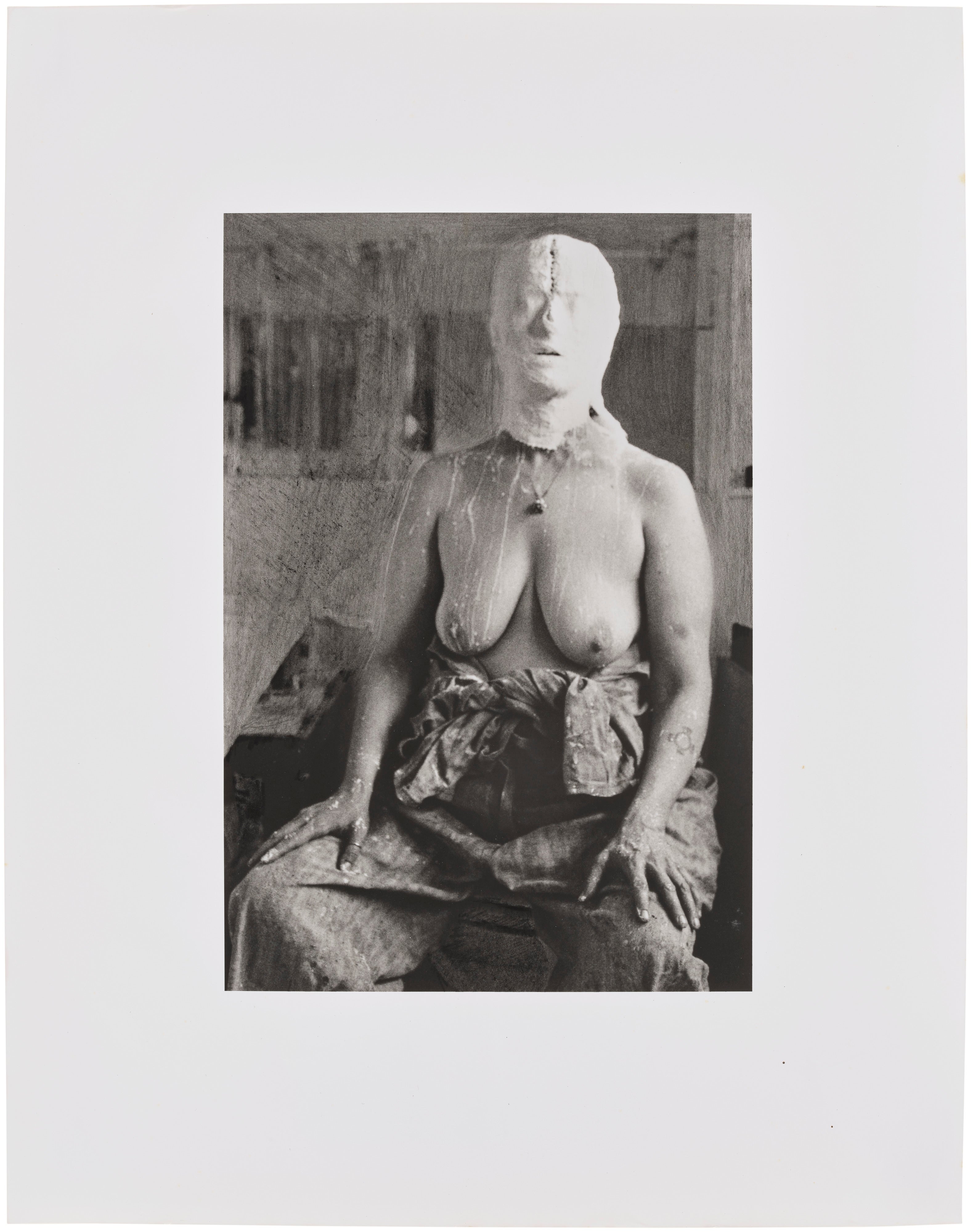
Kiki Smith
Self-Portrait
The "Companions" diptych, published by Universal Limited Art Editions, pairs a wolf with a girl in a work that distills her abiding interest in folklore and the relationship between humans and the natural world. Auction results for Smith's works on paper and sculpture have remained consistently strong at Christie's, Sotheby's, and Phillips, reflecting both institutional validation and sustained collector demand. Works from the early 1990s in particular carry strong historical significance and are increasingly sought after as museums deepen their holdings of art from that pivotal decade. Smith occupies a distinctive position in art history, arriving at a moment when artists like Louise Bourgeois, Ana Mendieta, and Hannah Wilke were redefining what the female body could mean as a subject and a medium.
Like Bourgeois, she works across a lifetime with consistent obsessions that accumulate into something epic. Like Mendieta, she is drawn to mythic archetypes and the spiritual dimensions of physical experience. But Smith's voice is entirely her own, characterized by a warmth and even a humor that prevents her work from ever becoming merely grave. Her interest in fairy tales, in celestial imagery, in animals and the natural world, gives her practice an expansive quality that continues to attract new audiences across generations.
The question of legacy, for an artist still actively working in her seventies, feels almost premature, yet it is impossible to look at Smith's body of work without recognizing its historical weight. She helped shift the terms on which the body could be represented in contemporary art, and she did so with a generosity of spirit that distinguished her from more confrontational peers. Her influence is visible in the work of younger artists across sculpture, printmaking, and textile practice, many of whom cite her as a formative inspiration. Museums from the Museum of Modern Art to the Whitney to the Smithsonian hold significant examples of her work, and the continued expansion of her printed oeuvre ensures that her practice reaches collectors at every level of engagement.
To collect Kiki Smith is to participate in one of the most sustained and beautiful conversations about what it means to inhabit a body, to face mortality, and to find in both a reason for wonder.
Explore books about Kiki Smith