Kenneth Josephson
Kenneth Josephson, The Poet of Pictures
Artist Spotlight · The Collection Editorial
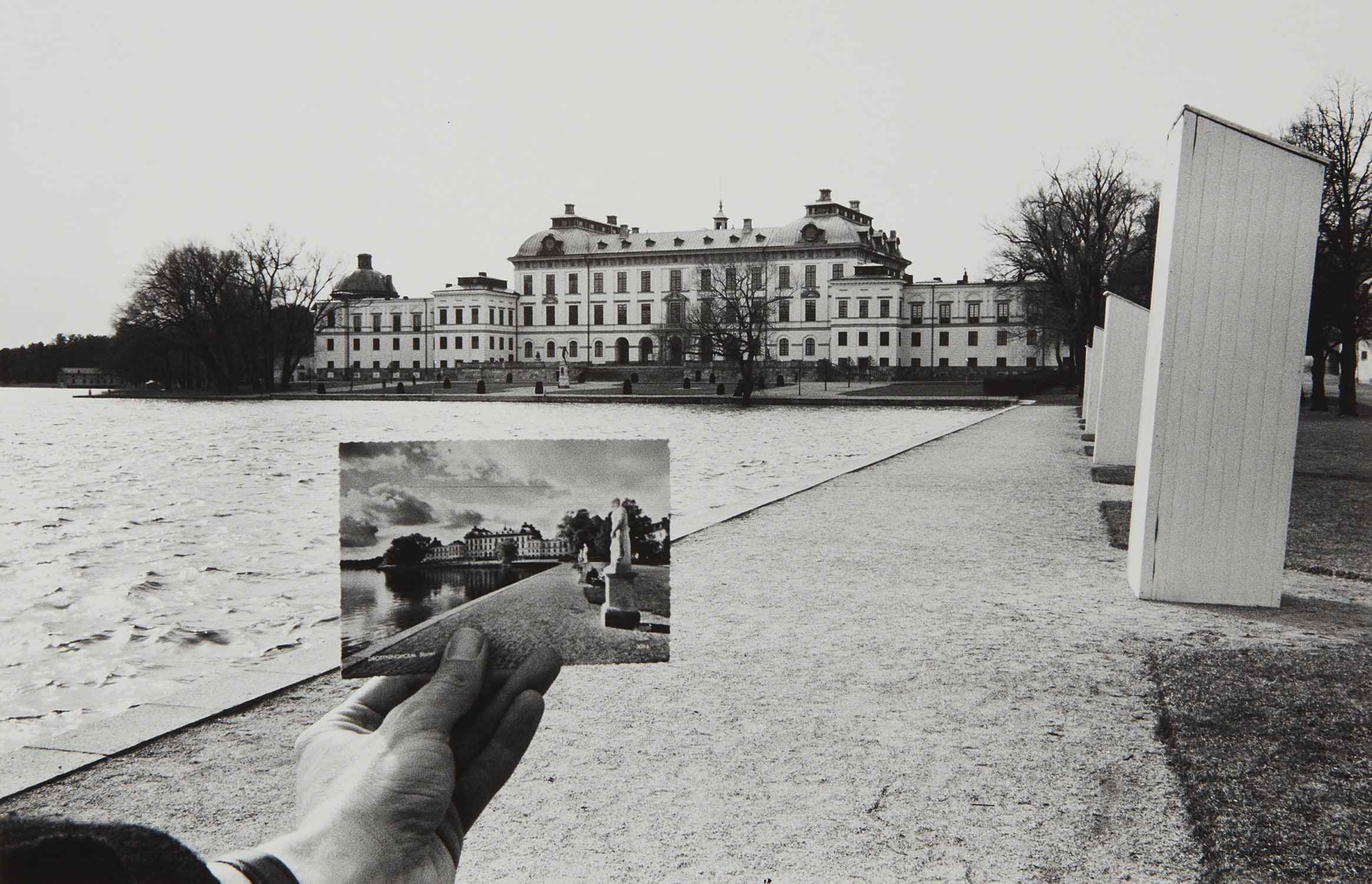
There is a photograph by Kenneth Josephson in which a hand holds a postcard depicting the very landscape that stretches behind it. The horizon lines nearly match. The sky almost continues. It is a simple gesture, almost casual, yet it quietly dismantles everything you thought you understood about how photographs tell the truth.
Kenneth Josephson
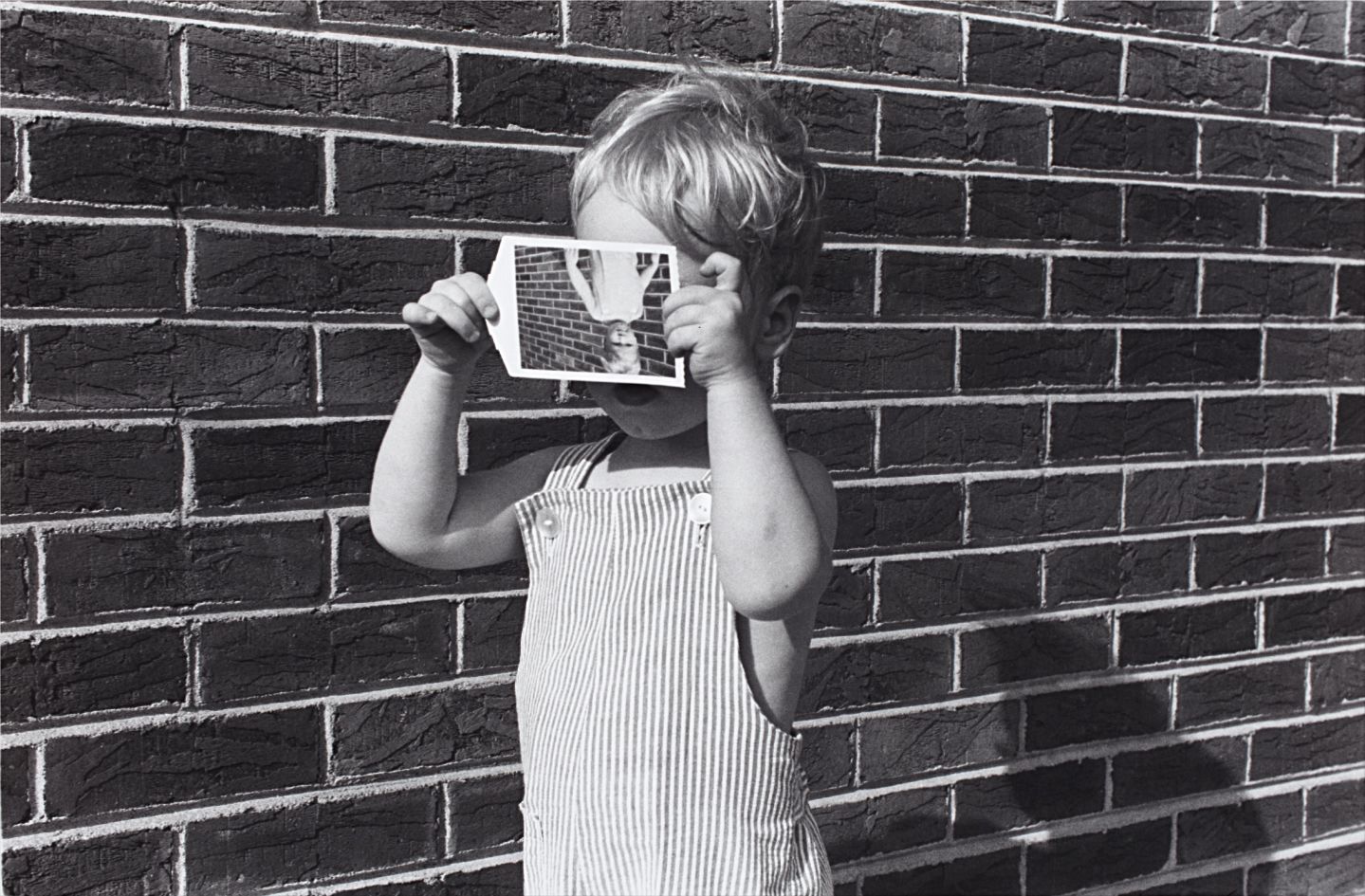
Matthew
This image, like so much of Josephson's work, does not shout. It invites you to look again, and then again, until the ground shifts pleasantly beneath your feet. Kenneth Josephson was born in Detroit, Michigan, in 1932, and came of age in a moment when American photography was still largely understood as a documentary pursuit, a medium in service of the world rather than a subject unto itself. His early formation was anything but provincial.
He studied at the Rochester Institute of Technology, where the technical rigor of the photographic tradition was instilled with genuine seriousness, and then went on to earn his Master of Science in Photography from the Illinois Institute of Technology in Chicago, where he studied under the legendary Aaron Siskind and the extraordinary Harry Callahan. That lineage is not incidental. Callahan and Siskind were among the first American photographers to treat the medium as a space for personal, even lyrical, inquiry, and their influence on Josephson was lasting and profound. It was Chicago that truly claimed him.
Kenneth Josephson
Kenneth Josephson
Josephson joined the faculty of the School of the Art Institute of Chicago in 1960, and he would remain a central presence there for decades, shaping the thinking of generations of photographers and artists who passed through his classroom. His teaching reputation is immense. Students who studied under him describe an instructor who asked questions rather than offered answers, who pushed image makers toward self awareness about the assumptions baked into their tools and their frames. This pedagogical orientation mirrors his artistic one entirely.
For Josephson, photography was never a transparent window. It was always, already, a construction. The work he developed through the 1960s and into the 1970s established him as one of the founding voices of what would come to be understood as conceptual photography in America. Where artists like John Baldessari and Ed Ruscha were approaching photography from a fine art background shaped by painting and performance, Josephson arrived from deep inside the photographic tradition itself, which gave his conceptual gestures a particular intimacy and warmth.
Kenneth Josephson
Drottningholm, Sweden
His practice revolves around the photograph within the photograph, the image held up against the world it supposedly depicts, the postcard, the snapshot, the print introduced into a scene to create a layered and self conscious conversation between levels of reality. He was asking, with great wit and without academic stiffness, what it means for a photograph to represent anything at all. Among the works that collectors and curators return to most consistently is his series incorporating found tourist imagery held against actual landscapes, a body of work that anticipates decades of subsequent thinking about simulation and representation. His photograph titled Drottningholm, Sweden is a beautifully composed instance of this approach, in which the printed image and the lived environment exist in productive, slightly uncanny dialogue.
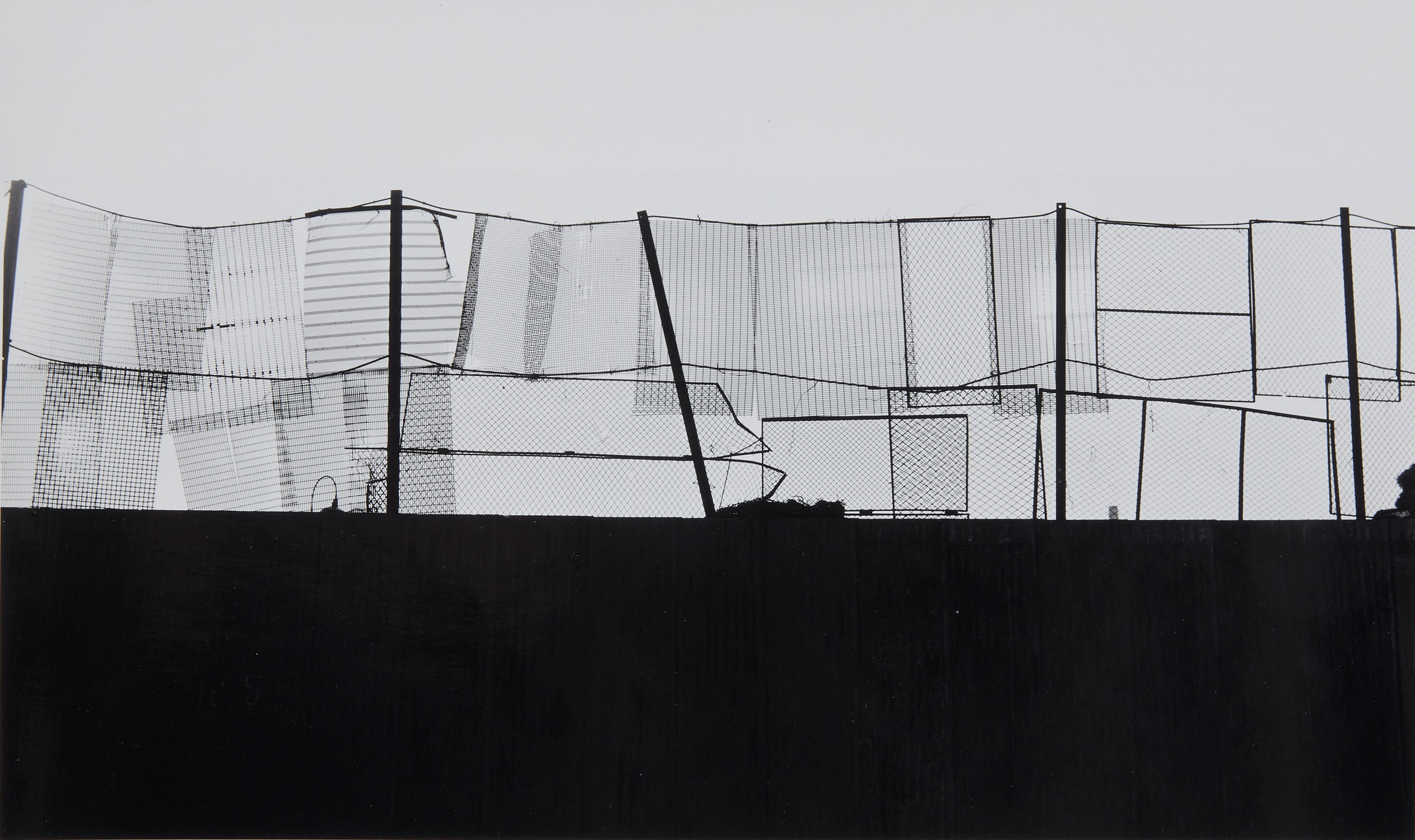
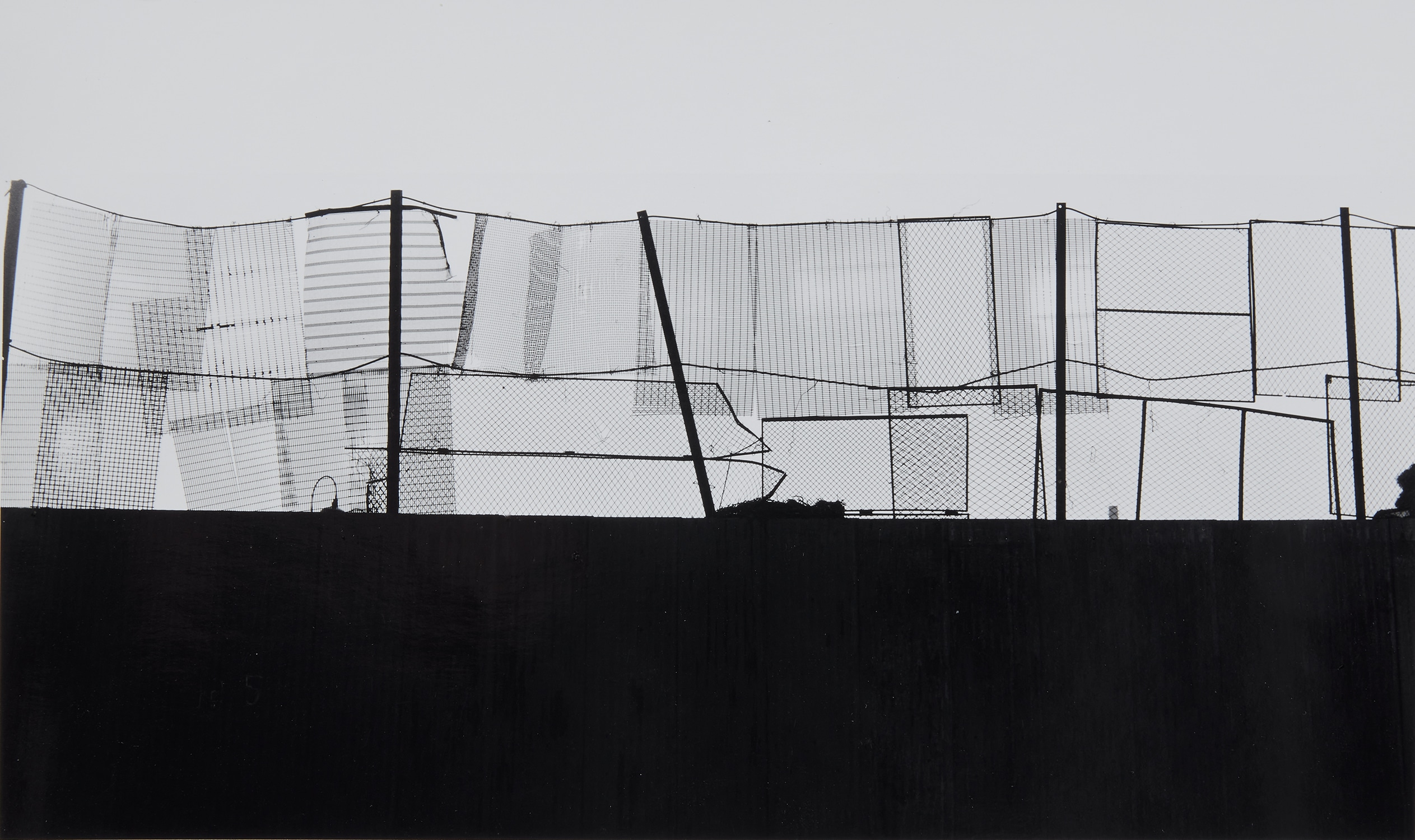
Illinois, another work from his core output, demonstrates his ability to find conceptual depth in the most everyday of materials, a photograph that manages to be both deadpan and genuinely moving. Matthew, a gelatin silver print from the early 1970s, shows Josephson working in a more personal register, and reveals the tenderness that underlies even his most intellectually driven work. Michigan, from his ongoing engagement with the history of photography itself, draws a direct line between his practice and the deeper archive of the medium, positioning his images as both commentary on and contribution to that longer story. From a collecting perspective, Josephson occupies a particularly rewarding position in the market.
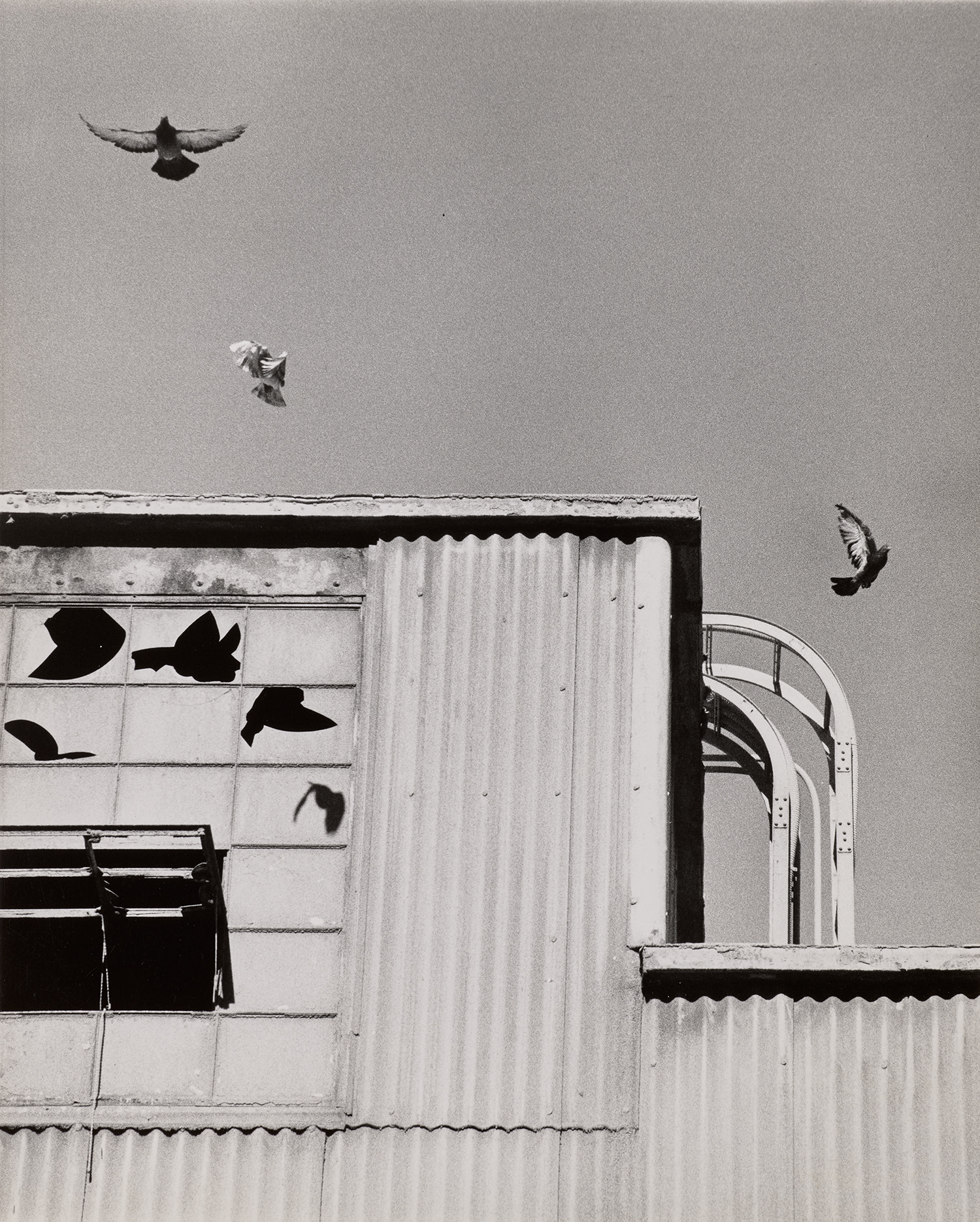
Kenneth Josephson
Illinois
His work sits at the intersection of historical importance and continued critical relevance, which means that acquiring a gelatin silver print from his core period carries both intellectual and financial substance. His prints have been held in major museum collections including the Art Institute of Chicago, the Museum of Modern Art in New York, and the George Eastman Museum in Rochester, institutions that confer lasting validation on the artists they champion. Collectors drawn to the conceptual photography canon, those who pursue Baldessari, Ruscha, or Bernd and Hilla Becher, will find in Josephson an artist whose work converses naturally with all of those practices while maintaining a voice that is entirely its own. The gelatin silver print, his primary medium, rewards close looking and holds its presence beautifully in both intimate domestic spaces and larger gallery installations.
Understanding Josephson within the broader context of art history means recognizing how early he arrived at concerns that would later feel urgent and widely shared. His contemporaries and near contemporaries in the conceptual photography world include figures like Duane Michals, who similarly bent photographic convention toward philosophical and personal ends, and Lee Friedlander, who explored the self referential possibilities of the camera with great creative intelligence. In Europe, artists associated with the Pictures Generation and Conceptual Art were circling related questions, but Josephson was doing this work in Chicago, somewhat apart from the dominant gallery scenes of New York and Los Angeles, which has meant his influence has sometimes been acknowledged more quietly than it deserves. That quiet is now being corrected with increasing insistence.
The legacy of Kenneth Josephson is the legacy of photography understanding itself. He gave the medium a sense of humor about its own pretensions, a philosophical curiosity about its own mechanics, and a genuine warmth toward the world it depicts even while questioning how that depiction works. For anyone building a collection around the history of ideas in photography, his work is not optional context. It is essential.
To hold a Josephson print is to hold a piece of thinking made visible, a question posed with such elegance that it doubles as an answer.
Explore books about Kenneth Josephson