Katy Grannan
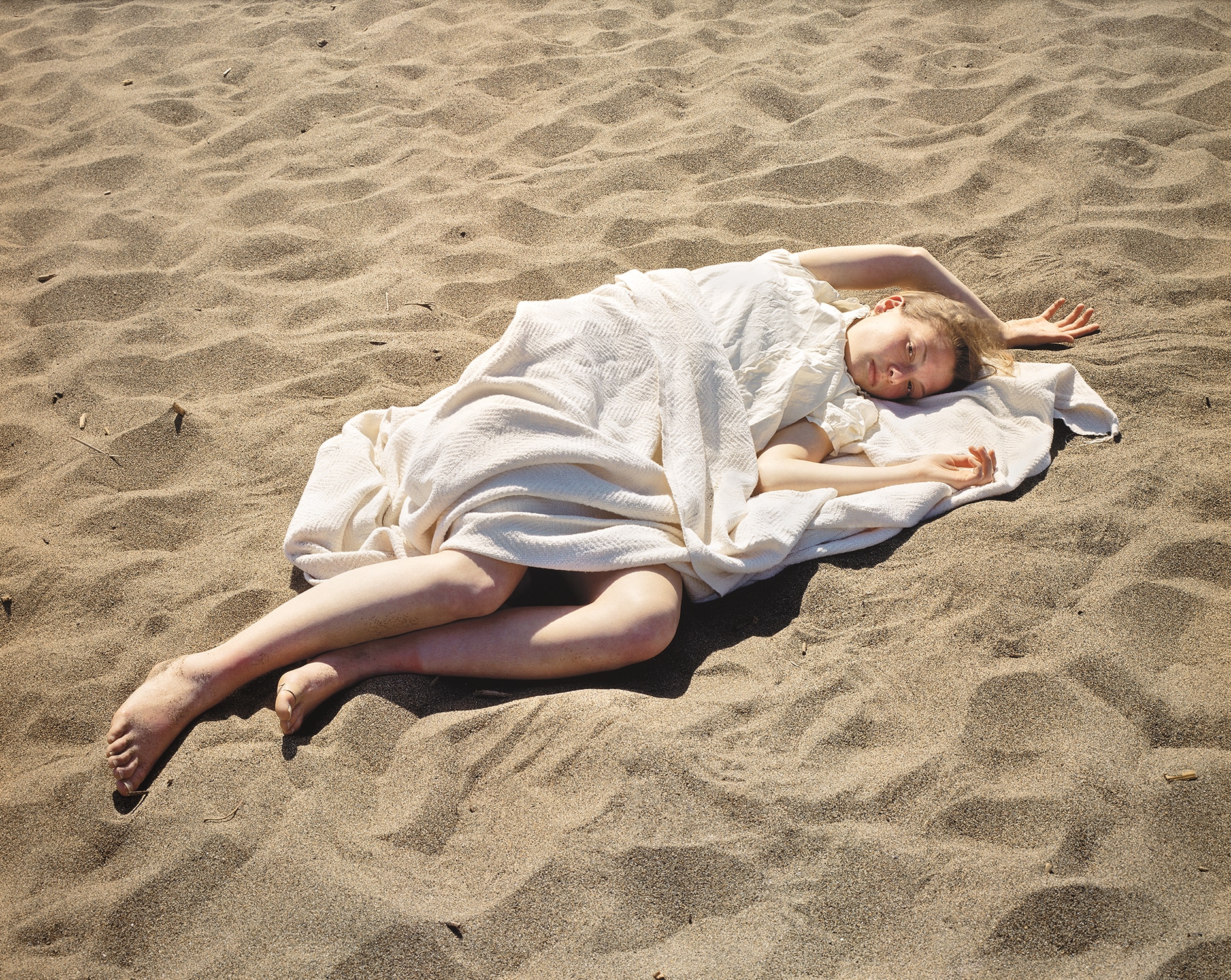
Katy Grannan Sees America Beautifully
Artist Spotlight · The Collection Editorial
“I am interested in people who are willing to be seen, who want to be seen.”
Katy Grannan, interview with Aperture
There is a particular kind of attention that very few artists are capable of sustaining: the kind that makes a stranger feel genuinely seen rather than merely observed. Katy Grannan has built one of the most quietly powerful bodies of work in contemporary American photography around precisely this quality. Her recent presence in institutional collections and continued representation through San Francisco's celebrated Fraenkel Gallery confirm what collectors and curators have long understood: Grannan is one of the essential voices in portrait photography working today, and her pictures of ordinary Americans carry a weight and tenderness that feels increasingly urgent in the current cultural moment. Grannan was born in 1969 and came of age in New England before finding her way to the broader American landscape that would become the true subject of her work.
Katy Grannan
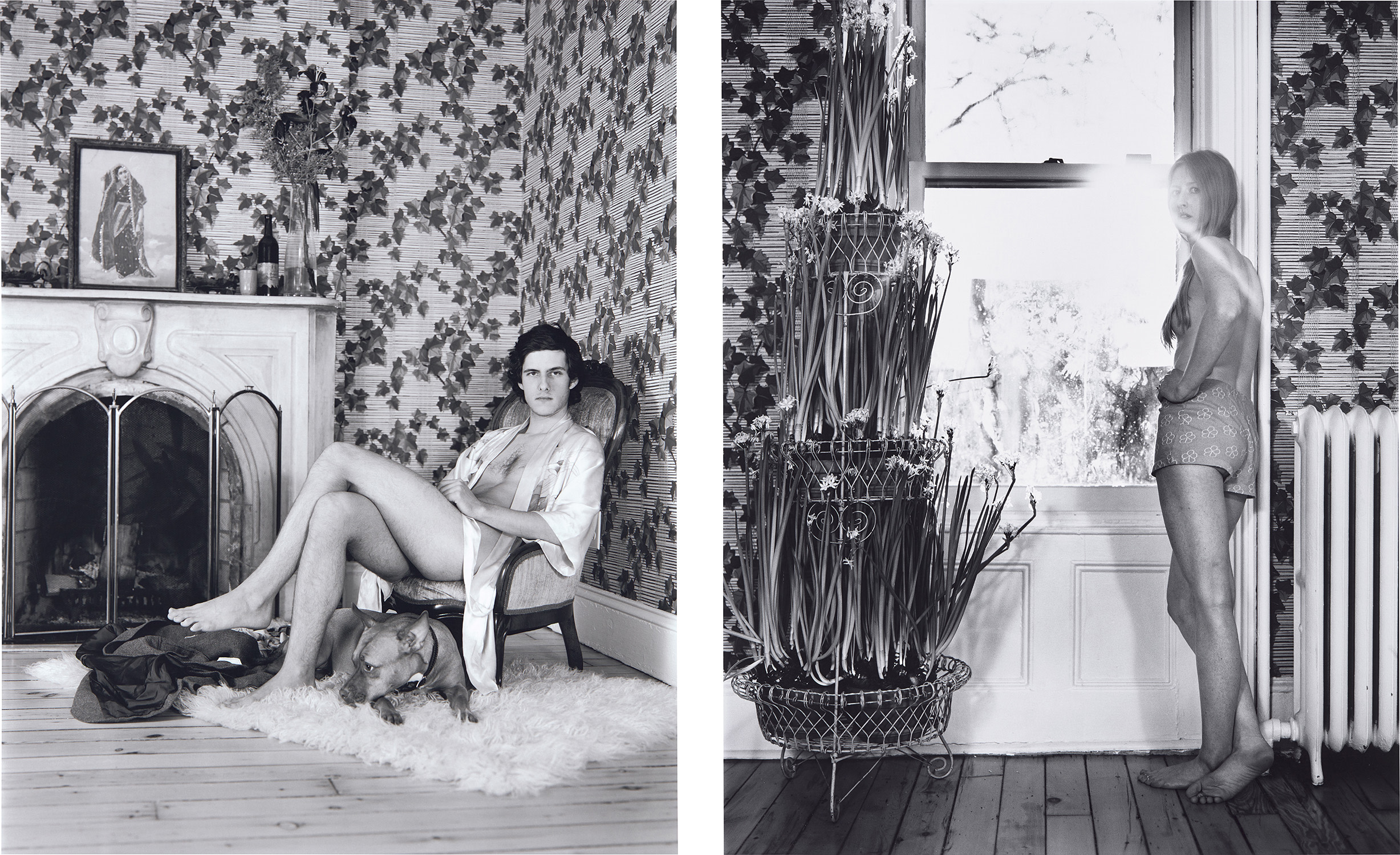
Van, Red Hook, NY; Angela, Red Hook, NY
She pursued graduate studies at Yale School of Art, where she began the project that would define her early career. Rather than photographing friends, colleagues, or professional subjects, she placed classified advertisements in local newspapers inviting strangers to be photographed in their own homes. The response was immediate and revealing. People came forward in remarkable numbers, and what Grannan found in their homes and in their willingness to be seen was the raw material of an entirely original artistic vision.
That early project, known as the Poughkeepsie Journal series and named after one of the newspapers where her advertisements ran, established the foundational grammar of her practice. The works from this period, including pieces such as Untitled (from Poughkeepsie Journal), introduced the formal vocabulary she would refine across decades: large scale color or gelatin silver prints, subjects photographed in natural light, a relationship between photographer and sitter built on genuine mutual consent and curiosity. The intimacy of these early images is not manufactured. It is the product of a process in which Grannan consistently treated her subjects as collaborators rather than specimens.
Katy Grannan
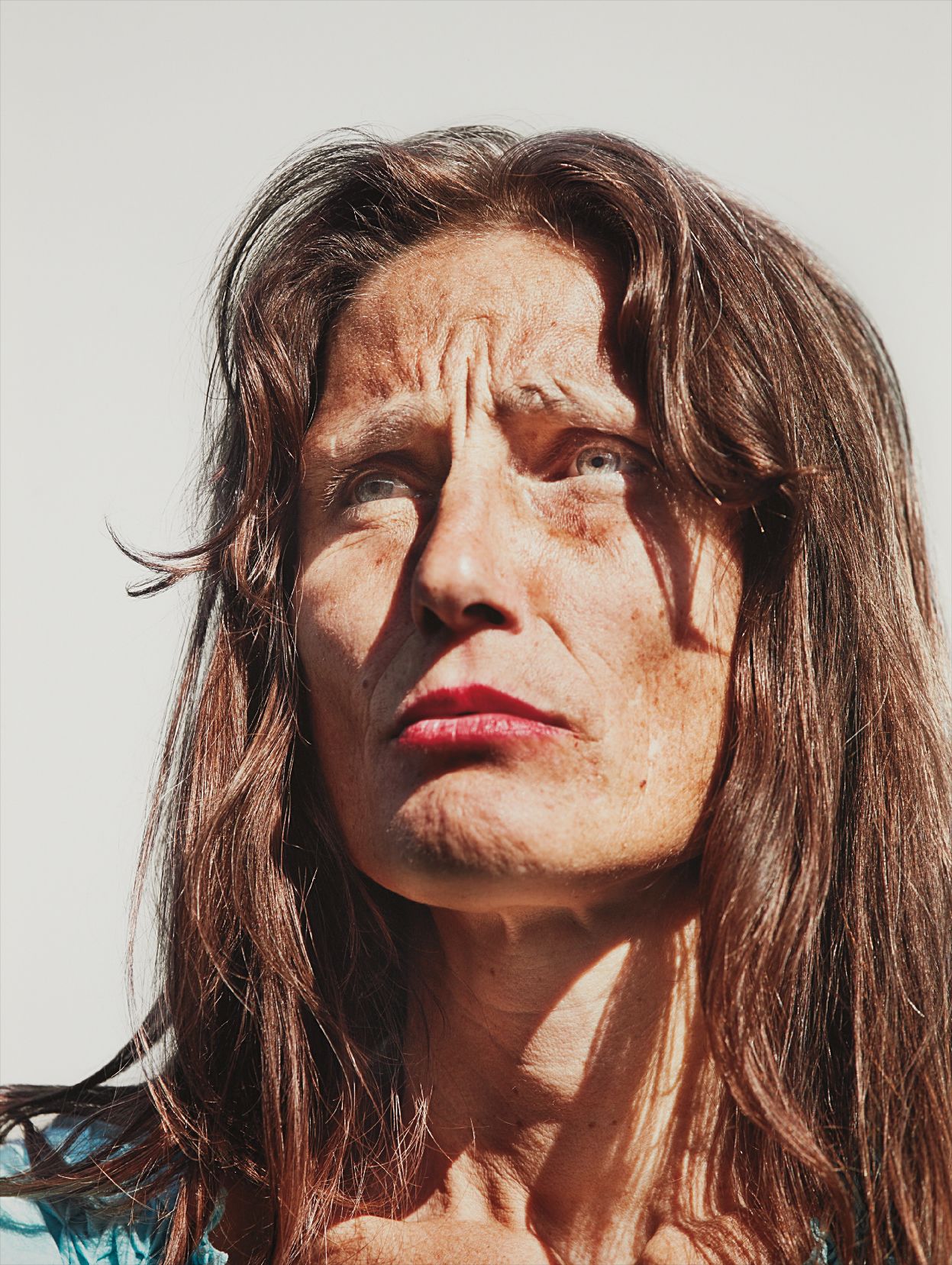
Anonymous, Modesto, CA
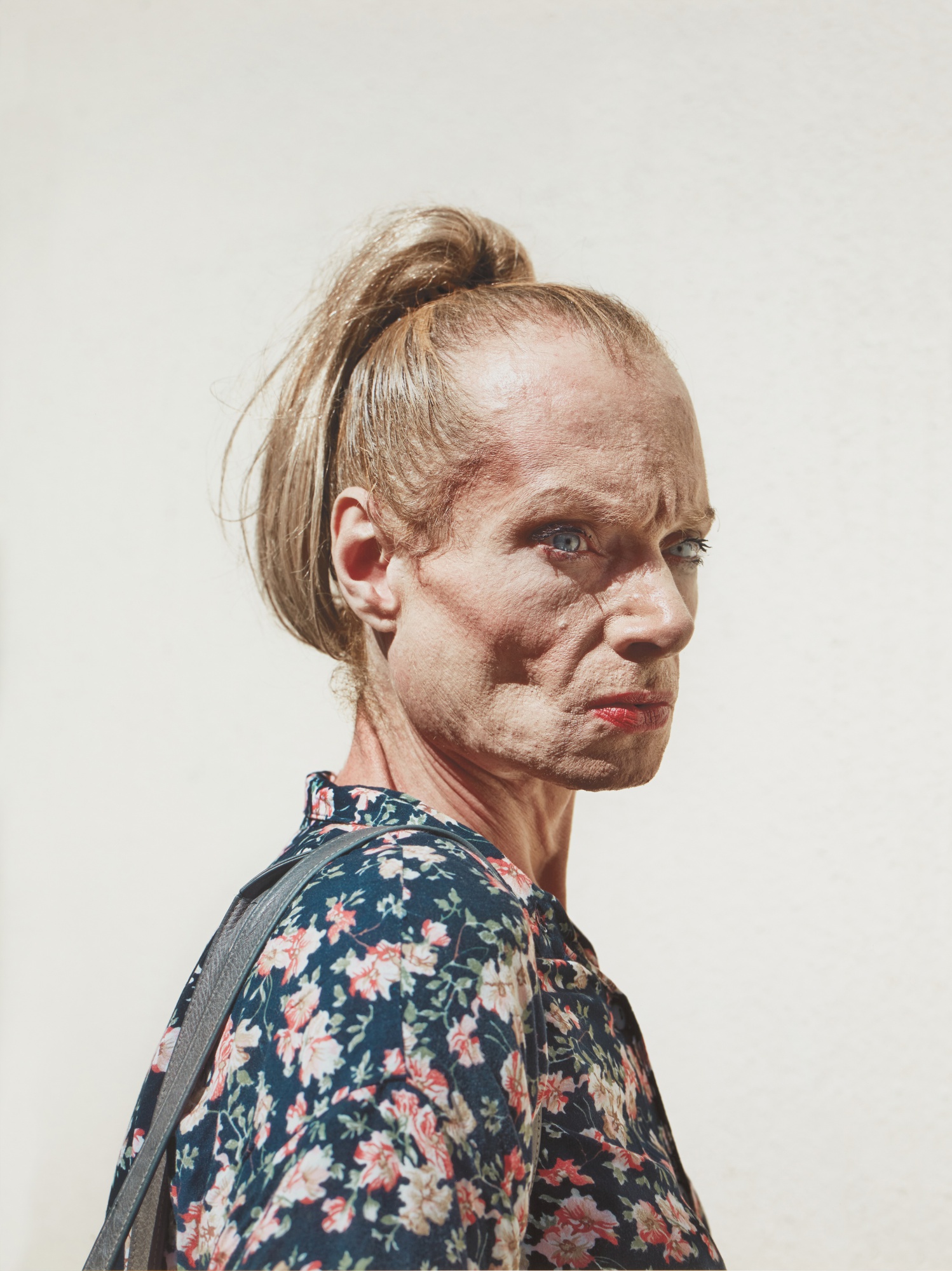
Over time her practice migrated from the interior spaces of private homes to the open streets and sunlit sidewalks of California, and this shift produced some of the most recognized images of her career. The Boulevard series, shot along the sun bleached corridors of Los Angeles, brought her work into a new register. Here, strangers photographed in the flat, democratic light of the California afternoon became something close to mythological figures: ordinary people elevated by Grannan's patient attention and her gift for finding the extraordinary within the unremarkable. Works such as Anonymous, Los Angeles and Anonymous, San Francisco, both available as archival pigment prints flush mounted to aluminum, exemplify this achievement.
The anonymity in her titles is not a dismissal of identity but a celebration of universality. These are not case studies; they are portraits of America itself. The Modesto series extended this vision further into the Central Valley, one of the most economically pressured and visually rich regions of California. Anonymous, Modesto, CA and Inessa Waits Near South 9th Street, Modesto, CA belong to this body of work, and they demonstrate the full range of Grannan's emotional intelligence as an image maker.
Katy Grannan
Anonymous, San Francisco
Her subjects stand in the bright midday sun without apology, without artifice, and without the protective distance that so much portrait photography maintains between camera and sitter. The light in these pictures is almost aggressive in its honesty, and yet the images never feel exploitative. Grannan earns the trust of her subjects and then honors it completely. Earlier works such as Deanna, Allentown (2002) and Claire, Baker Beach remind collectors that Grannan's geographic and emotional range has always been expansive.
The Baker Beach work, printed in 2007, captures a subject against one of San Francisco's most storied natural backdrops with the same formal rigor and emotional openness that characterizes everything she makes. Her New York work, including Van, Red Hook, NY and Angela, Red Hook, NY, a pairing offered as two gelatin silver prints, and Michael and Evan, Red Hook, NY, extends her inquiry into the American portrait beyond California and confirms that her vision is not regional but national in its ambitions and its compassion. From a collecting perspective, Grannan's work offers something genuinely rare: photographs that function as serious art objects while remaining immediately and profoundly accessible. Her prints are produced in small editions, typically no more than three, which ensures both rarity and the sense that each work carries genuine significance within her broader output.
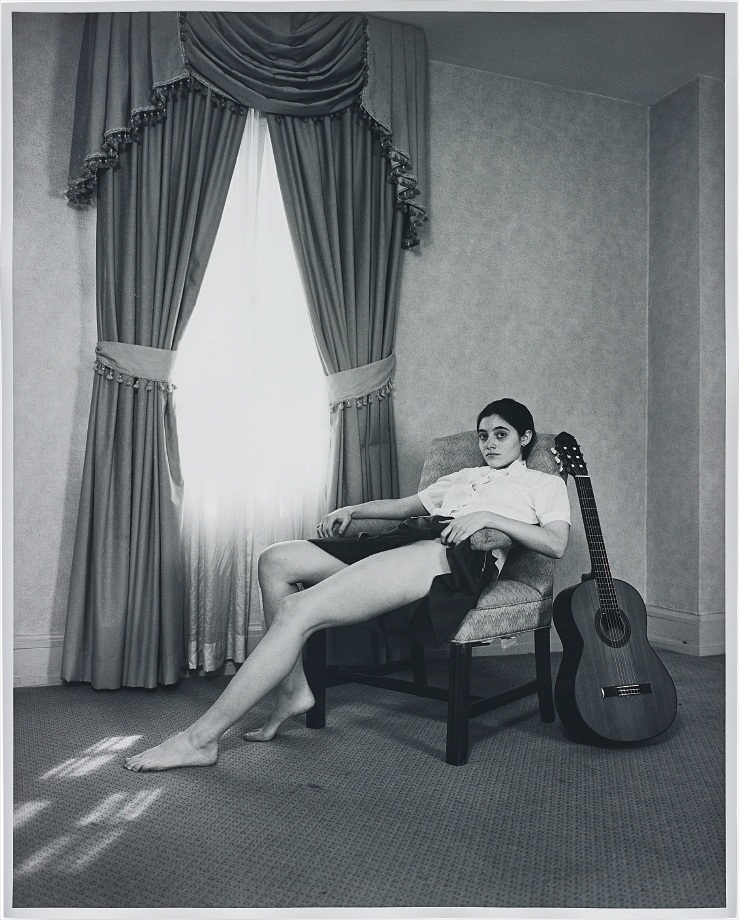
Katy Grannan
Deanna Allentown, 2002
The flush mounting to aluminum that characterizes many of her later pigment prints gives them a physical presence in a room that goes beyond decoration. They hold their space with confidence. Collectors who have acquired her work often describe the experience of living with a Grannan photograph as one that evolves over time, the images revealing new emotional frequencies as the viewer returns to them across months and years. Within the broader history of American portrait photography, Grannan's work enters into a meaningful conversation with artists such as Diane Arbus, whose commitment to photographing those outside the mainstream set a precedent for ethical and aesthetic seriousness, and Richard Avedon, whose large scale portraiture established the ambition for what a photograph of a person could achieve.
Her work also resonates with contemporaries who have explored American identity through the photographic encounter. What distinguishes Grannan is the consistency of her collaborative ethic and the warmth that permeates even her most formally austere images. She has exhibited at the Whitney Museum of American Art, the San Francisco Museum of Modern Art, and through Fraenkel Gallery, placing her squarely within the institutional mainstream while retaining the quality of discovery that makes her pictures feel alive. Grannan's legacy is still being written, and that is part of what makes collecting her work so compelling right now.
She has produced a body of photographs that speak to fundamental questions about who Americans are, how they present themselves, and what it means to be truly seen by another person. In an era saturated with images, her pictures insist on slowing down, on looking carefully, on finding dignity and beauty in faces that the broader culture often overlooks. That insistence feels not only artistically important but morally necessary. For collectors with the intelligence to recognize genuine vision when they encounter it, Katy Grannan represents one of the most rewarding opportunities in contemporary photography today.