Karl Struss
Karl Struss: Light Made Into Poetry
Artist Spotlight · The Collection Editorial
There is a moment, just before the sun clears the horizon over the Atlantic, when the world exists in a state of suspended luminosity. Karl Struss understood that moment better than almost anyone. A figure who moved fluidly between the world of fine art photography and the golden corridors of Hollywood cinema, Struss spent nearly a century in pursuit of light itself, coaxing it into images that feel less like documents and more like feelings. His work is experiencing a sustained renewal of critical and collector interest, anchored by the continued presence of his platinum prints and gelatin silver works in major institutional collections and the art market alike.
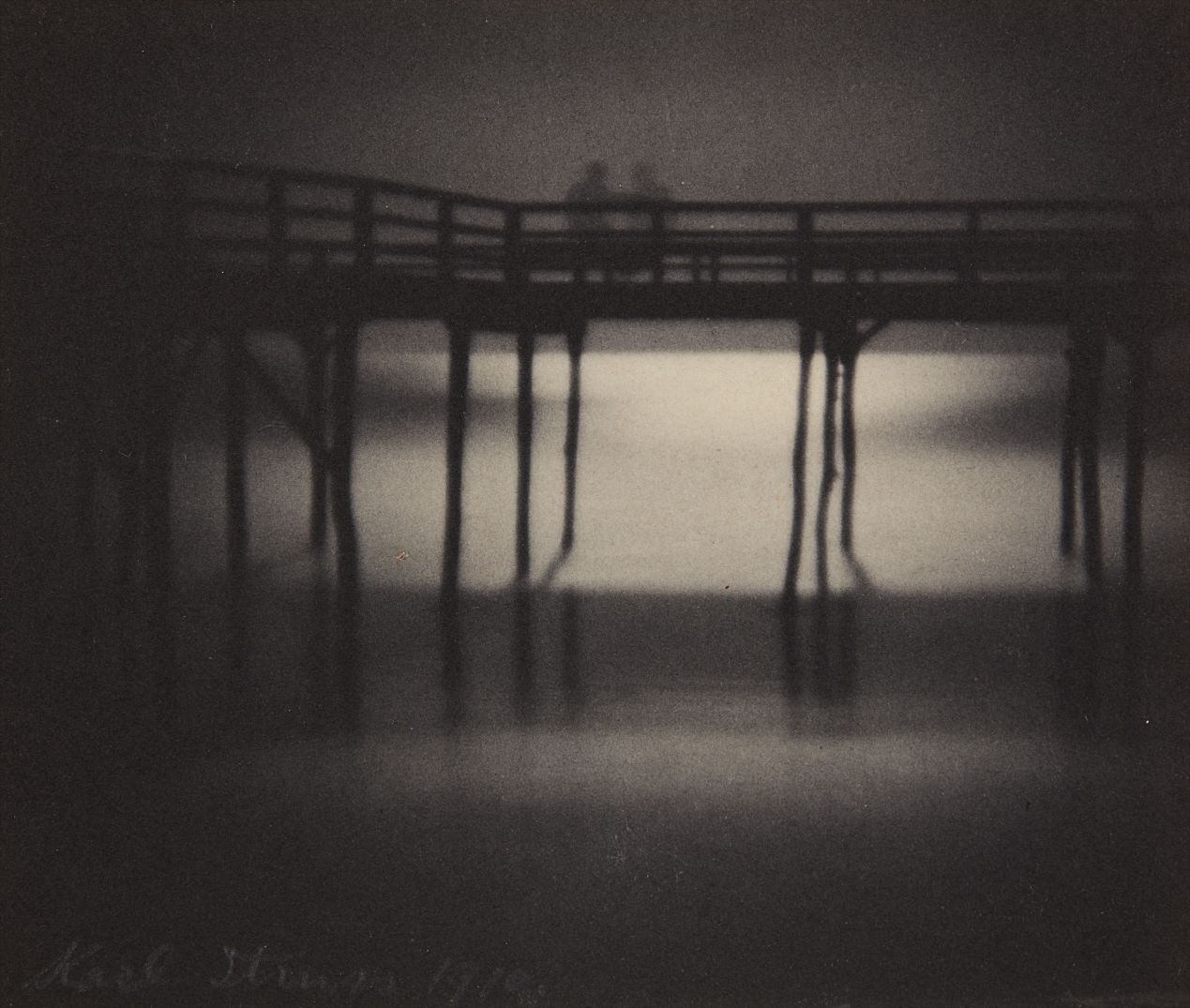
Karl Struss
Reflections, Moonlight, Arverne, Long Island
Struss was born in New York City in 1886, at a time when photography was still negotiating its relationship with fine art. He came of age in a city crackling with creative ambition, and his early formation was shaped decisively by his studies under Clarence H. White at Columbia University in the early 1910s. White, one of the founding members of the Photo Secession alongside Alfred Stieglitz, instilled in Struss a deep reverence for photography as a pictorialist medium, one capable of beauty, mood, and emotional resonance on par with painting or printmaking.
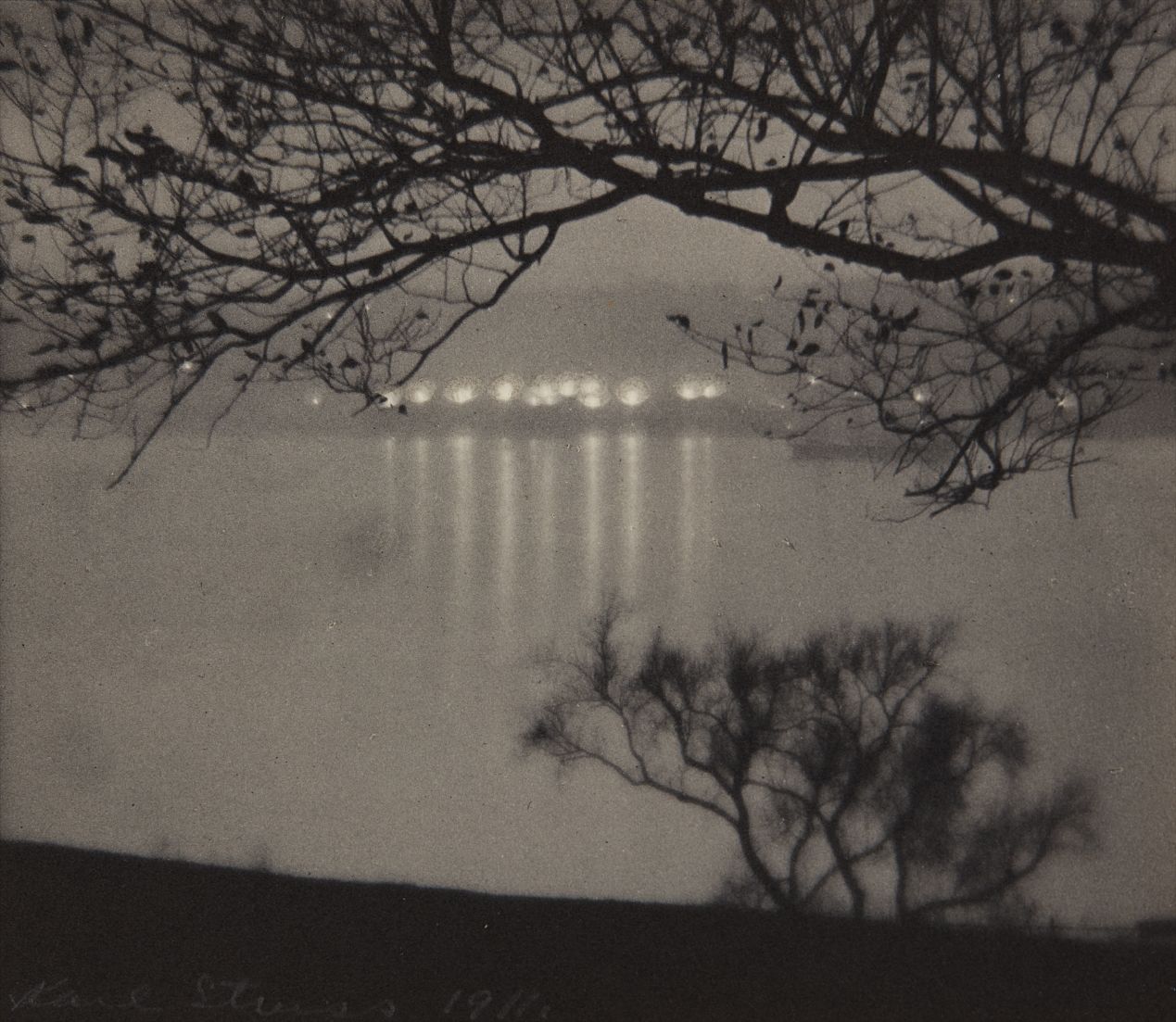
This education was foundational. Struss was not merely learning technique; he was absorbing a philosophy. By 1912, Struss had become a member of the Photo Secession and was exhibiting work that drew genuine admiration from Stieglitz himself. His early photographs of New York, including views from Riverside Drive looking across the Hudson River, reveal a young artist already in command of composition and tonal subtlety.
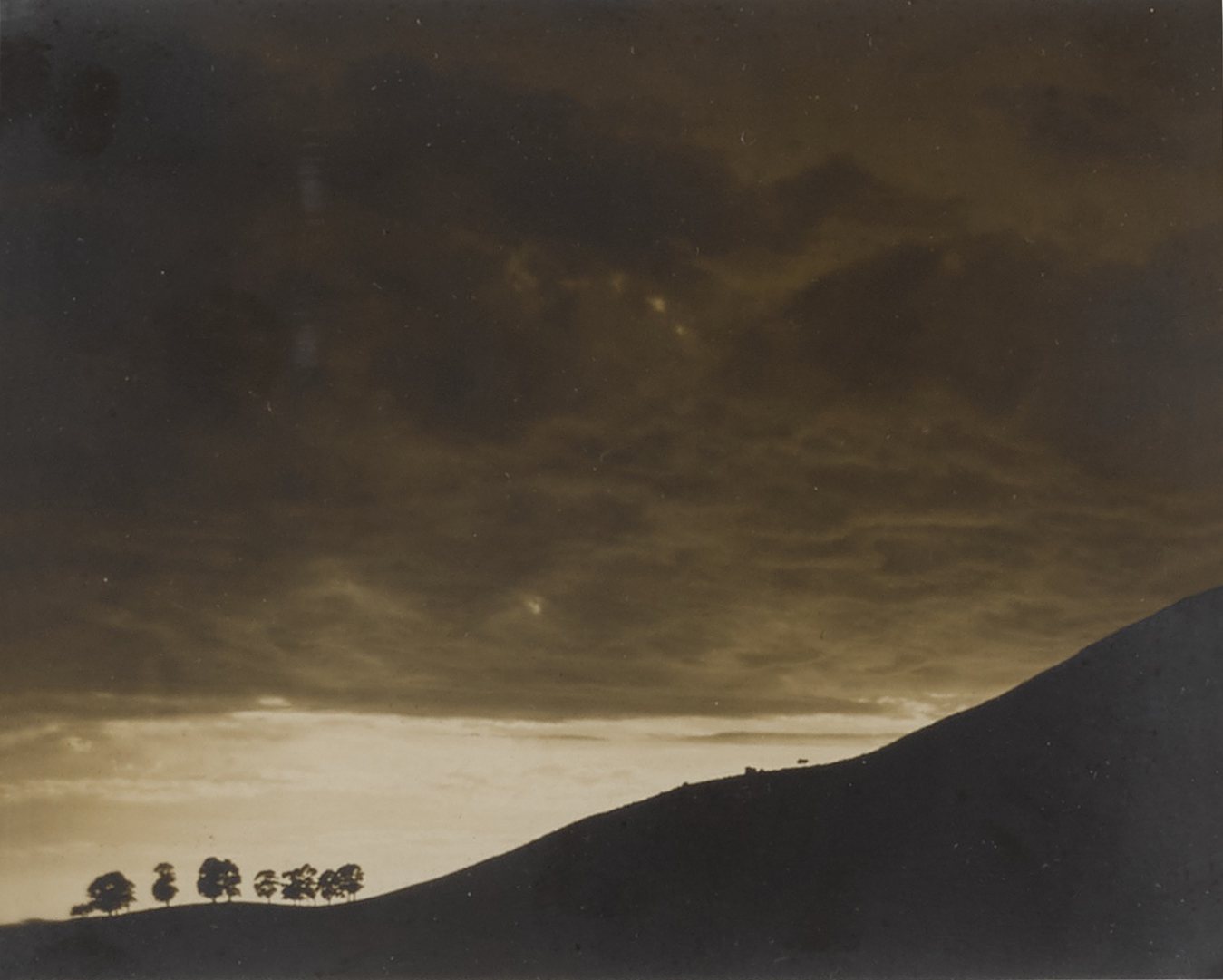
Karl Struss
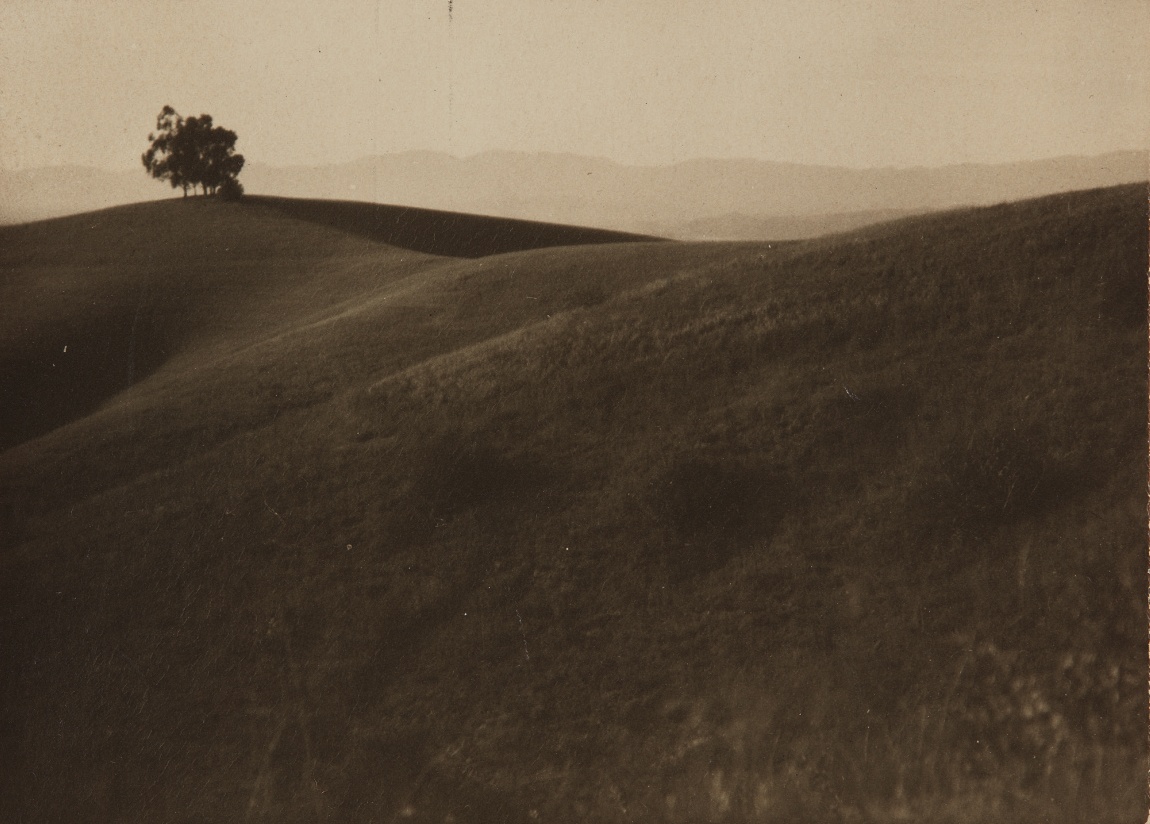
San Luis Obispo
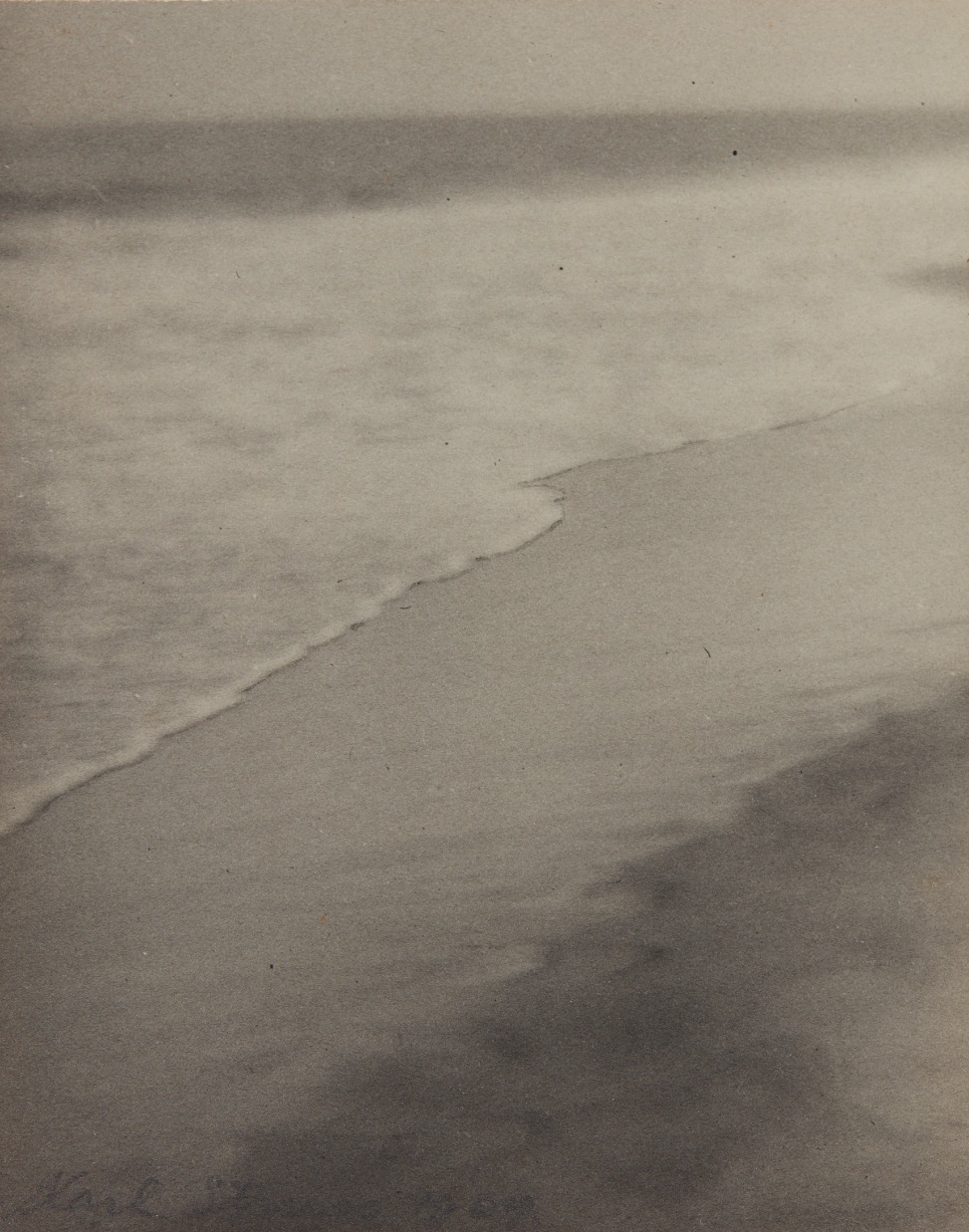
These images, some signed and dated in pencil directly on the recto, carry the intimate mark of a working photographer who understood the difference between capturing a scene and interpreting one. His long Island coastal work, including the evocative series made at Arverne, demonstrated his ability to translate the ephemeral qualities of sea, light, and atmosphere into gelatin silver and platinum prints of lasting beauty. Works such as Reflections, Moonlight, Arverne, Long Island and Waves and Beach, Arverne, Long Island stand among the finest pictorialist photographs made by an American artist in the early twentieth century. The arc of Struss's career took a remarkable turn when he relocated to Los Angeles in the late 1910s and transitioned into cinematography.
Rather than abandoning his photographic sensibility, he carried it wholesale into the motion picture industry, and the results were transformative. He served as director of photography on F.W. Murnau's Sunrise: A Song of Two Humans in 1927, one of the most visually ravishing films in the history of cinema, and in 1929 he became one of the first two recipients of the Academy Award for Best Cinematography, sharing the honor with Charles Rosher.
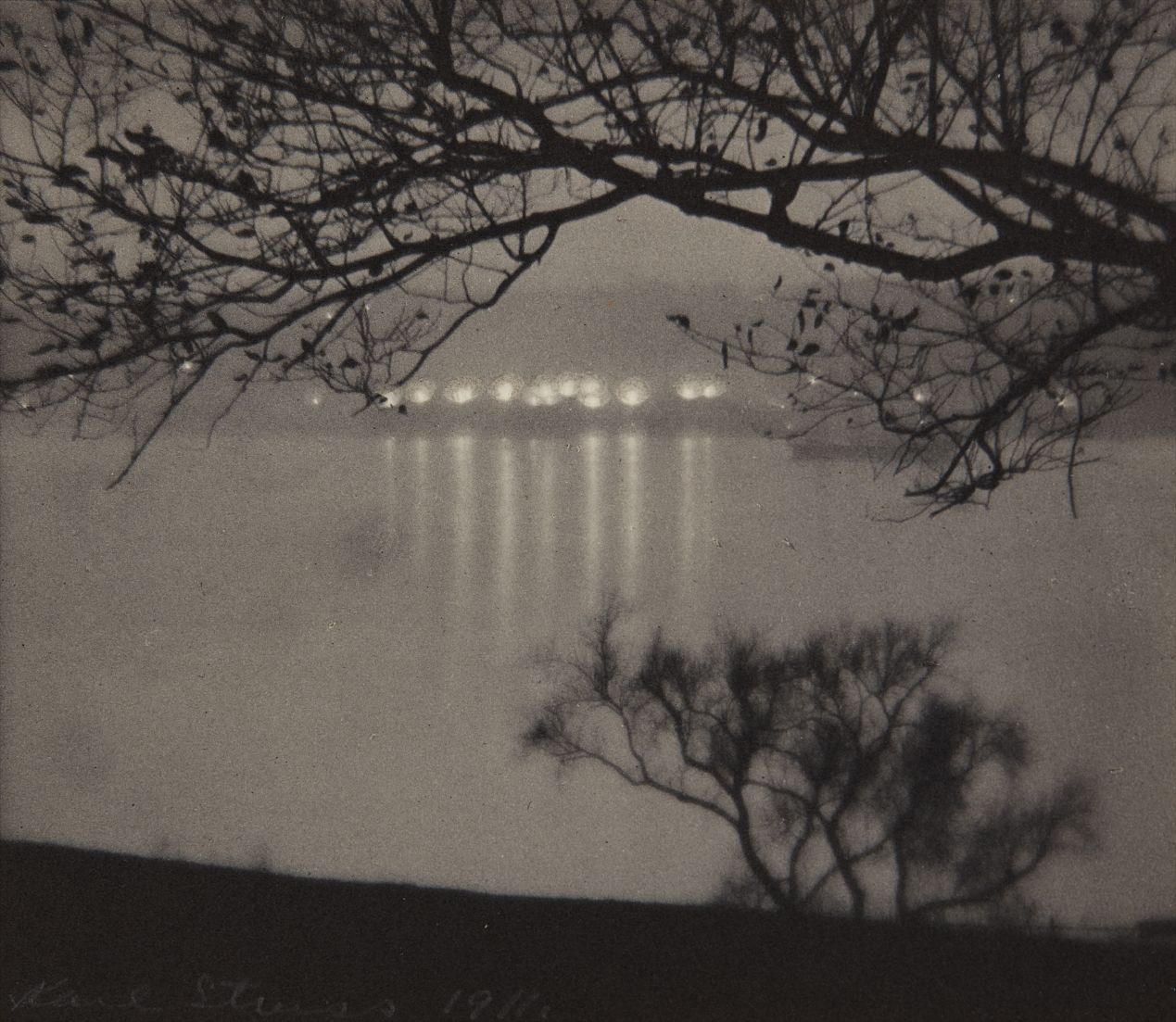
Karl Struss
Riverside Drive from Across the Hudson
This recognition placed him at the very center of Hollywood's visual culture during its most creatively fertile period. His work on Ben Hur in 1925 and on productions throughout the 1930s and 1940s further cemented his reputation as a technician of extraordinary gifts. He also played a significant role in the development of early color photography processes, a passion that his 1981 portfolio The Dawn of Color, published in collaboration with the Gundlach and Stephen White Gallery in Hamburg and Los Angeles, made beautifully tangible in a suite of eight dye transfer prints. What draws collectors to Struss today is precisely what drew Stieglitz to his work a century ago: the sense that each image contains a sustained act of looking.
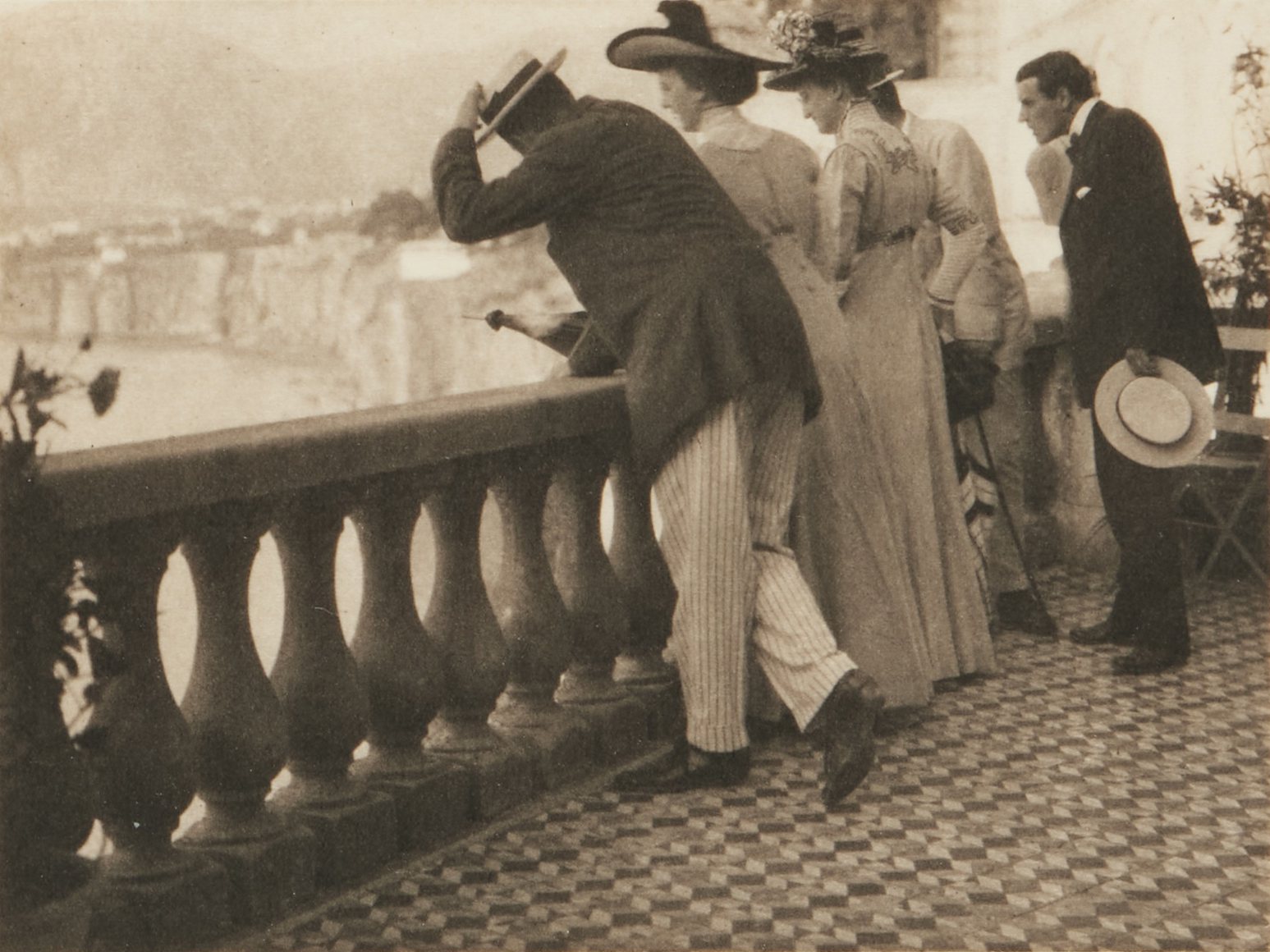
His platinum prints in particular, with their velvety tonal range and archival permanence, feel like objects of extraordinary craft. The works made during his European travels, including The Cliffs, Sorrento, Italy, which carries both his pencil signature on the recto and a Hollywood, California credit stamp on the reverse, speak to the dual identity he sustained throughout his life as both a fine art photographer and a working professional. That stamp on the reverse is itself a kind of biography compressed into a rectangle of rubber and ink. Collectors seeking entry points into early twentieth century American photography would do well to look carefully at Struss.
Karl Struss
Waves and Beach, Arverne, Long Island
His prints appear with relative rarity on the market, which only enhances their desirability. The Karl Struss: A Portfolio publication remains an important document for any serious collection. In the broader context of American art history, Struss belongs to a constellation of photographer artists who bridged the pictorialist tradition and the more rigorous formalism that would follow. He shares sensibilities with Edward Steichen, Gertrude Kasebier, and Alvin Langdon Coburn, all of whom were shaped by the Photo Secession's conviction that photography deserved a place in the fine art canon.
Where some of his contemporaries moved toward the hard edged precision of straight photography in the 1920s, Struss retained throughout his career a softness of vision, a preference for mood over document, that today feels not like a limitation but like a commitment. His coastal views and landscape studies anticipate the atmospheric works of later American photographers who would find in the natural world an inexhaustible source of formal and emotional possibility. Struss lived to the age of ninety four, long enough to see his photographic work reappraised and celebrated in a way that placed it alongside his cinematic achievements rather than beneath them. He died in 1981, the same year that The Dawn of Color appeared, a fitting final statement from an artist who had spent a lifetime in faithful service to light.
His legacy is that of a genuinely double life, two careers that each would have been sufficient on their own, joined in one quietly remarkable figure. For collectors, institutions, and anyone who believes that photography at its finest is an art form of the highest order, the work of Karl Struss offers something rare: images made with patience, skill, and an undiminished sense of wonder at the visible world.
Featured Works