Josef Sudek
Josef Sudek, Poet of Quiet Light
Artist Spotlight · The Collection Editorial
“Everything around us, dead or alive, in the eyes of a crazy photographer mysteriously takes on many variations, so that a seemingly dead object comes to life.”
Josef Sudek
There is a moment, sometime in the early hours before Prague fully wakes, when light enters a room the way Josef Sudek always seemed to understand it would: slowly, softly, as though apologizing for the interruption. It is this quality of attention, this patience bordering on devotion, that has made Sudek one of the most beloved photographers of the twentieth century. In recent years his reputation has only deepened, with major institutions across Europe and North America revisiting his archives and his prints commanding serious attention at auction. The Museum of Decorative Arts in Prague, which holds a significant portion of his legacy, has continued to bring his work before new generations of viewers, and international retrospectives have confirmed what Czech audiences understood long ago: Sudek was not simply a photographer of beautiful things.
Josef Sudek
Memories of an Evening Walk
He was a philosopher of the visible world. Josef Sudek was born in 1896 in Kolín, a quiet Bohemian town east of Prague, into a family of modest means. His father died when he was three years old, and his mother raised him with the kind of careful attention to small pleasures that would later define his artistic sensibility. He trained as a bookbinder, a craft that instilled in him a lifelong reverence for the physical object, for the weight and texture of things made by hand.
The First World War interrupted everything. Sudek was conscripted into the Austro Hungarian army and in 1916 suffered a severe wound to his right arm that eventually led to its amputation. The loss was devastating, but it redirected his life entirely. During his long convalescence he turned seriously to photography, finding in the camera a way of touching the world that his body could no longer reach in the same way.
Josef Sudek
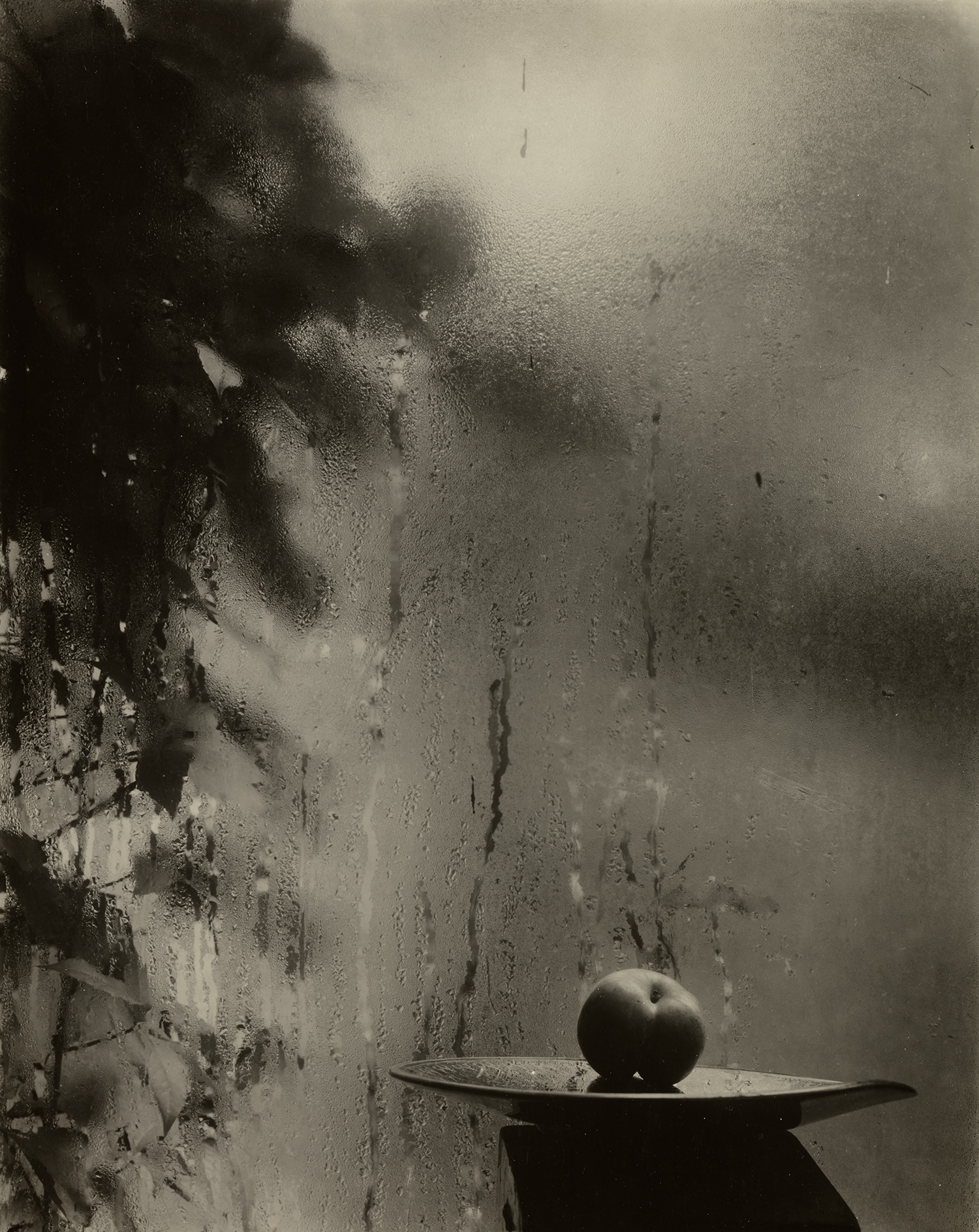
Window of My Studio (apple on plate)
After the war Sudek studied at the School of Graphic Arts in Prague and became involved with the Czech Photographic Society, from which he eventually split in 1924 to help found the Czech Photographic Club, a more progressive organization that championed photography as a fine art rather than a technical pursuit. These early years were marked by a pictorialist aesthetic, soft focus and romantic atmosphere, the influence of European modernism filtering through the particular melancholy of Central European light. But Sudek was always evolving. Through the late 1920s and 1930s his work grew sharper, more structural, drawing on the clarity of the New Objectivity movement while never fully abandoning his instinct for mood and intimacy.
“I like to tell stories about the life of inanimate objects.”
Josef Sudek
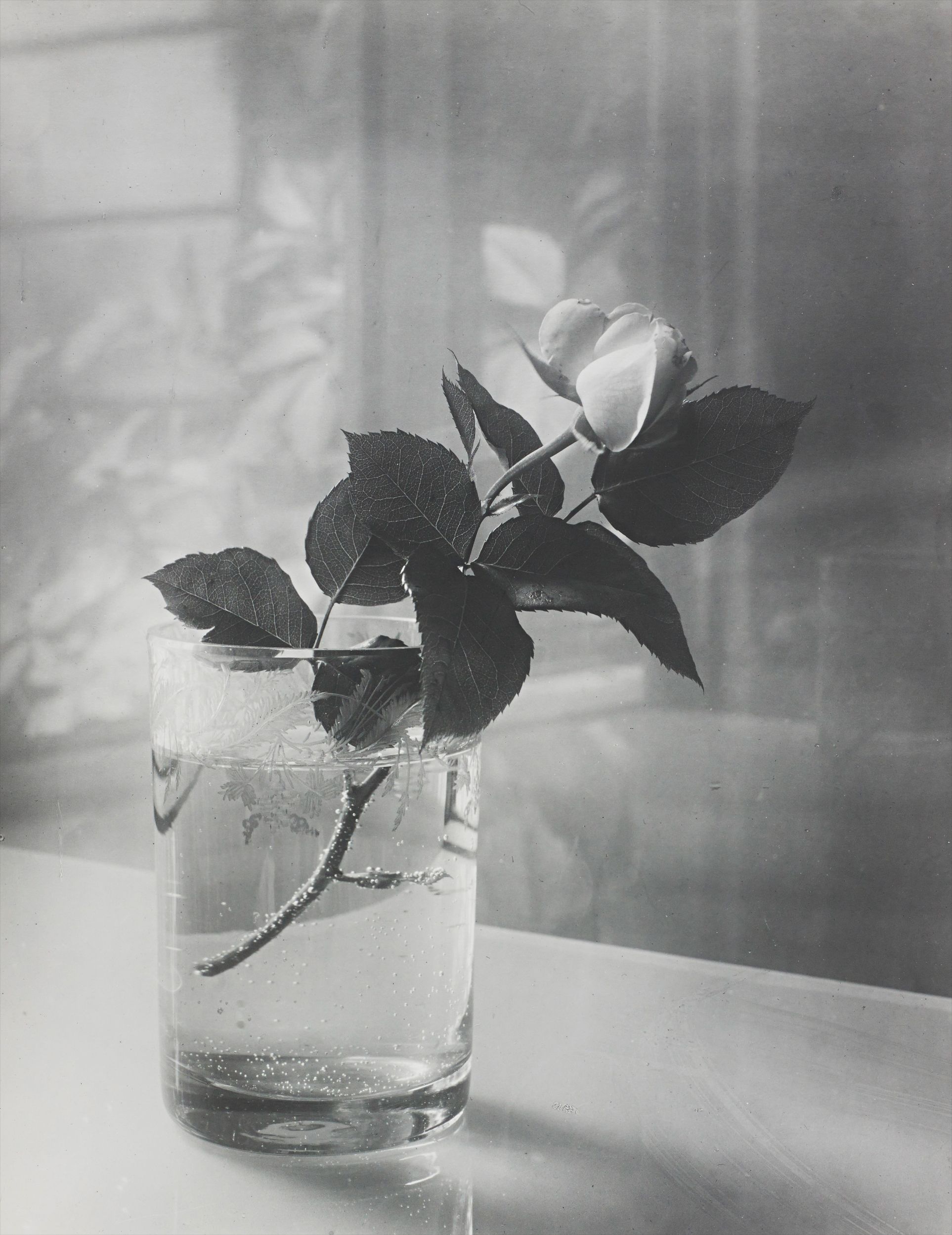
He photographed the reconstruction of St. Vitus Cathedral in Prague, a project that ran across several years and produced some of his most formally ambitious images, studies in stone and shadow that read almost like architectural prayers. The work for which Sudek is most tenderly remembered emerged from the smallest of spaces. His studio on Újezd Street in Prague's Malá Strana district became his world in the most literal sense, a cramped, cluttered sanctuary full of books, glass objects, roses, bread, shells, and eggs.
Josef Sudek
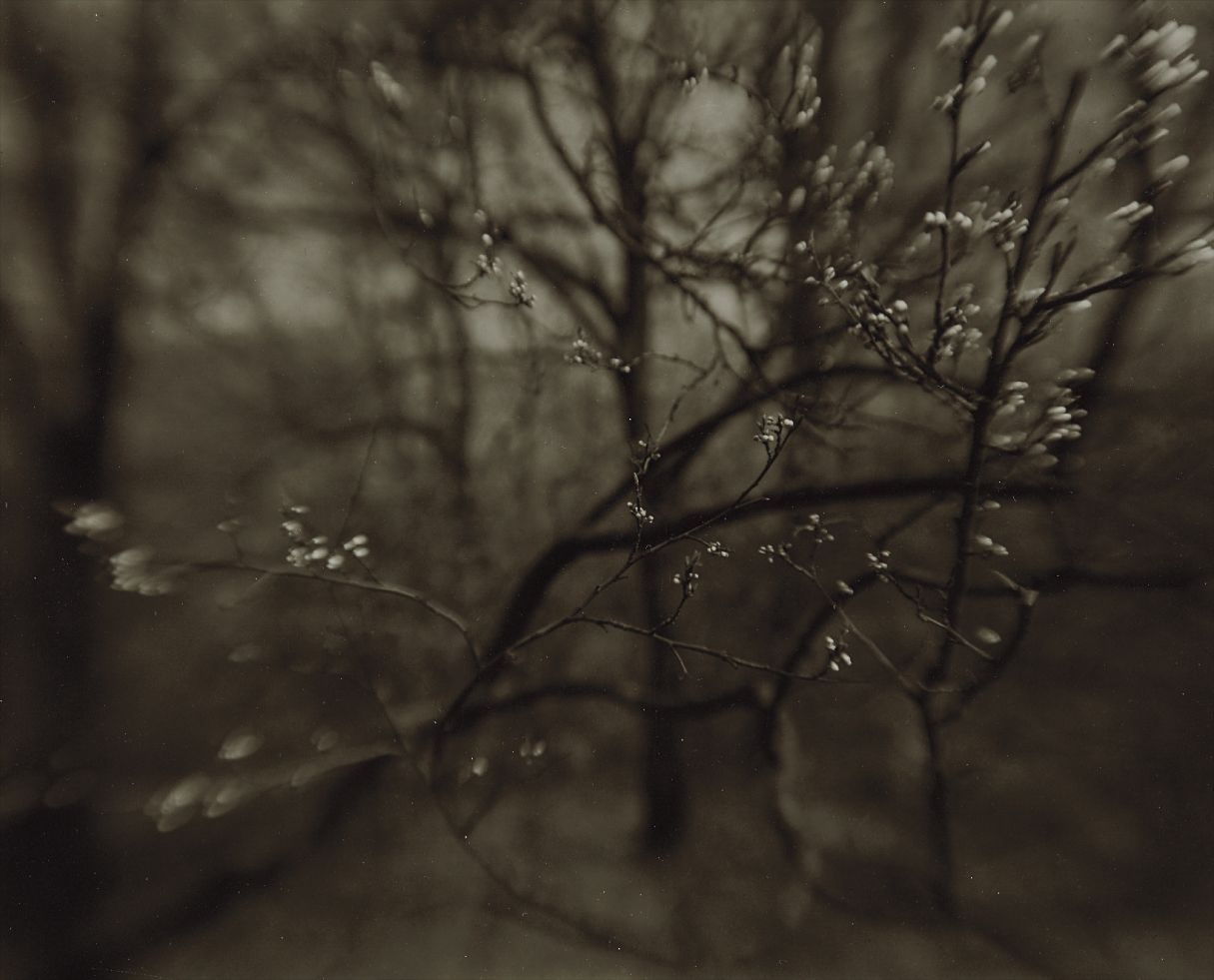
The Coming of Spring
From the windows of this studio he made perhaps his most iconic series, photographs in which condensation, rain, and frost transformed the glass into a luminous membrane between interior warmth and exterior cold. Works such as Window of My Studio, in which an apple rests on a plate or roses press against the glass, belong to a very particular tradition of still life contemplation that reaches back to Dutch Golden Age painting and forward into the most meditative corners of contemporary photography. These are images that ask nothing of the viewer except presence. They reward it completely.
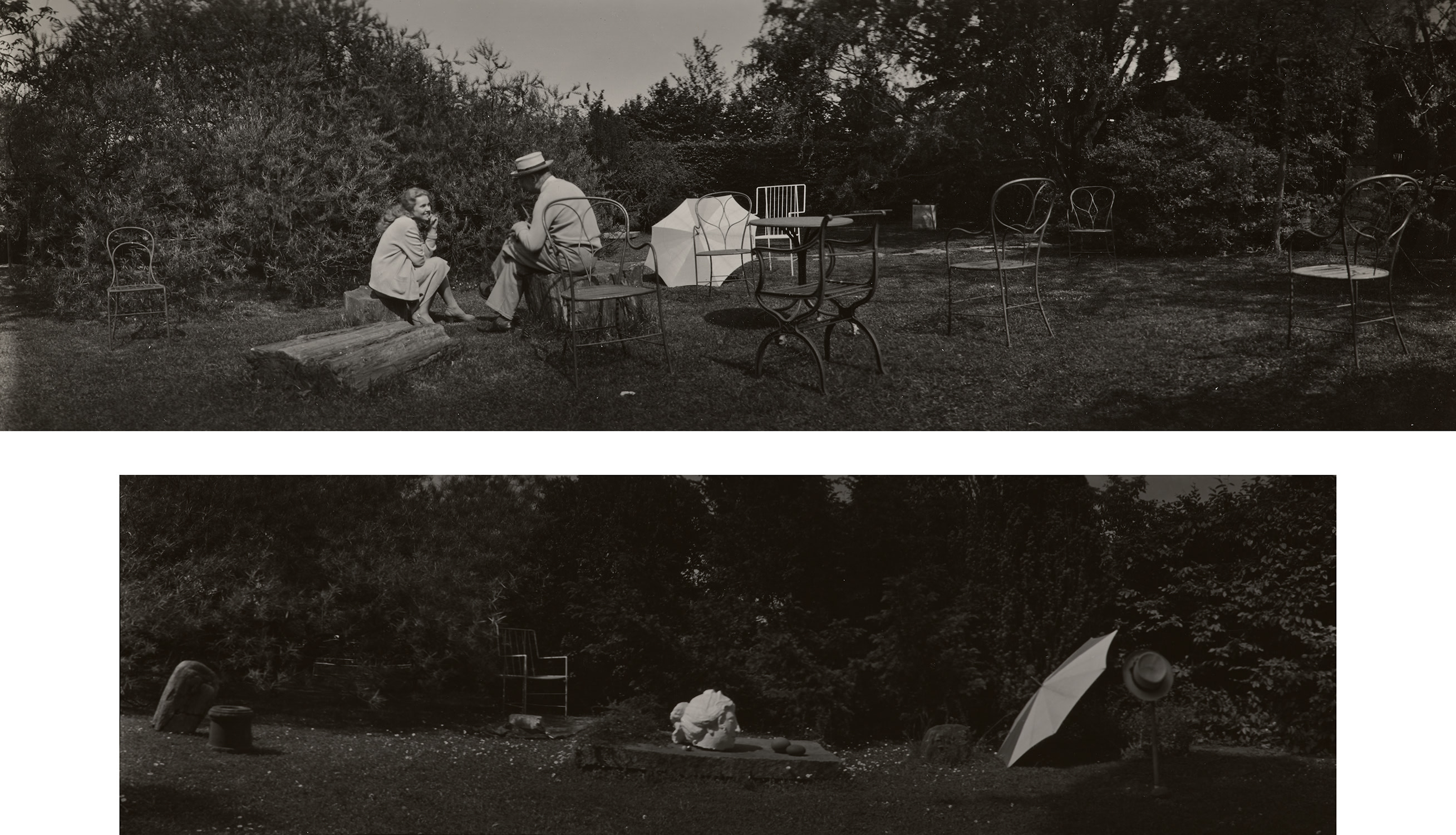
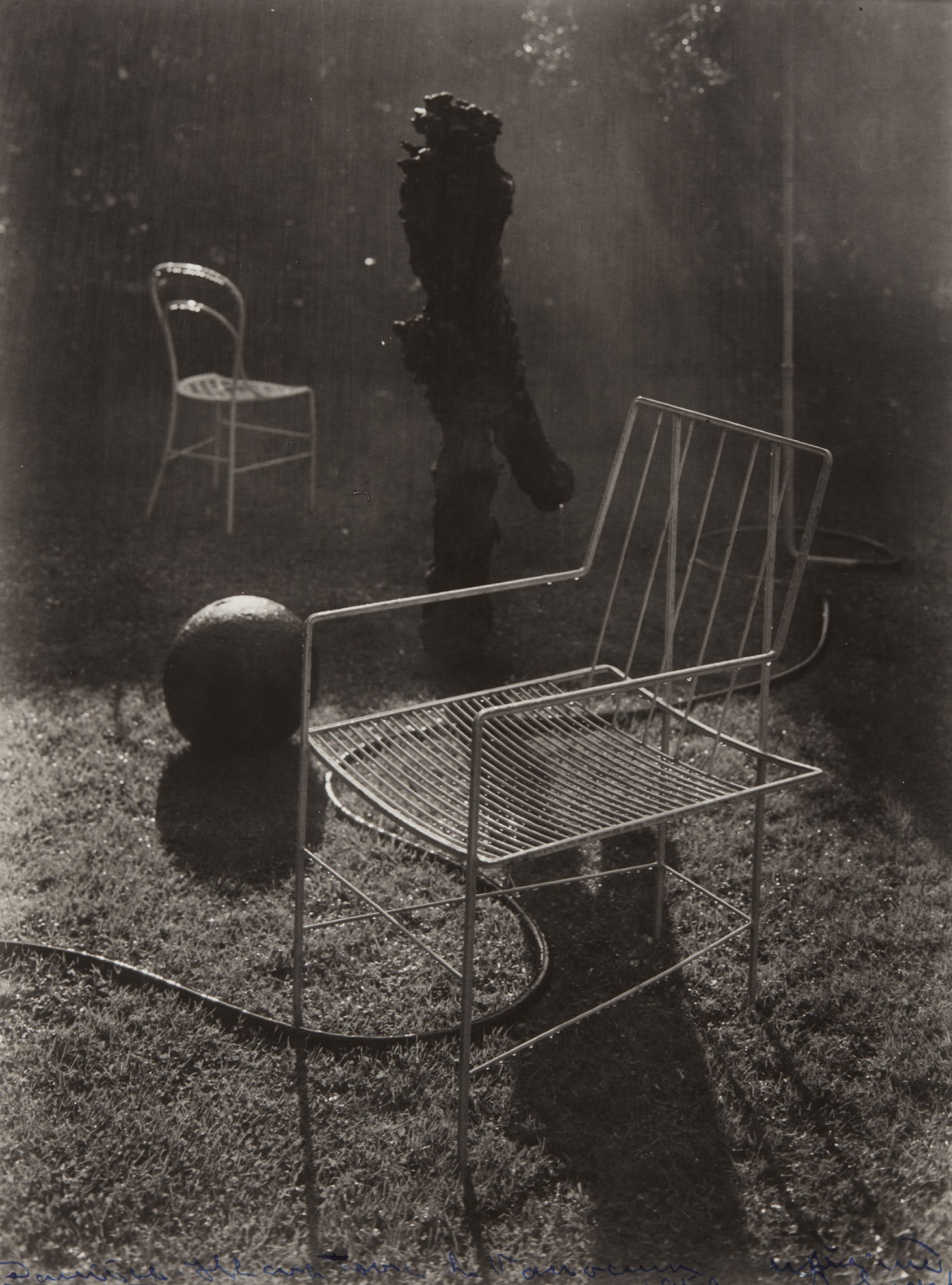
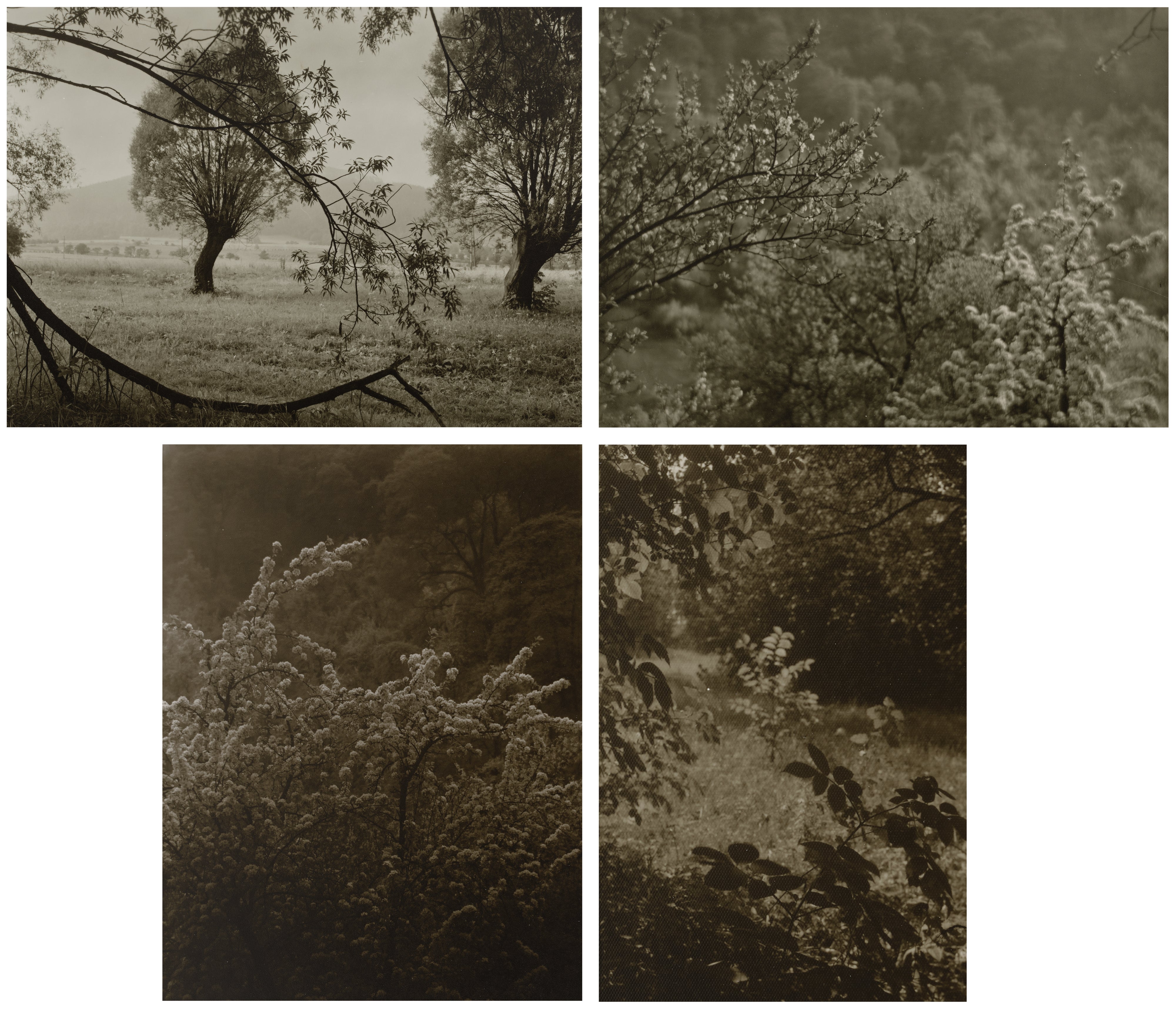
Sudek's still life practice was not limited to his window. His studies of eggs, bread, and glass vessels carry a sacramental quality that has drawn comparisons to Giorgio Morandi, the Italian painter who spent decades in quiet dialogue with bottles and bowls on a studio table. Both artists understood that repetition is not redundancy but rather a form of deepening, that looking at the same thing many times over is how you finally begin to see it. Sudek also worked in the gardens of Prague, particularly the Janáček garden and the so called Magic Garden, producing softly lit images of branches, leaves, and dew that feel less like photographs and more like memories of photographs.
Josef Sudek
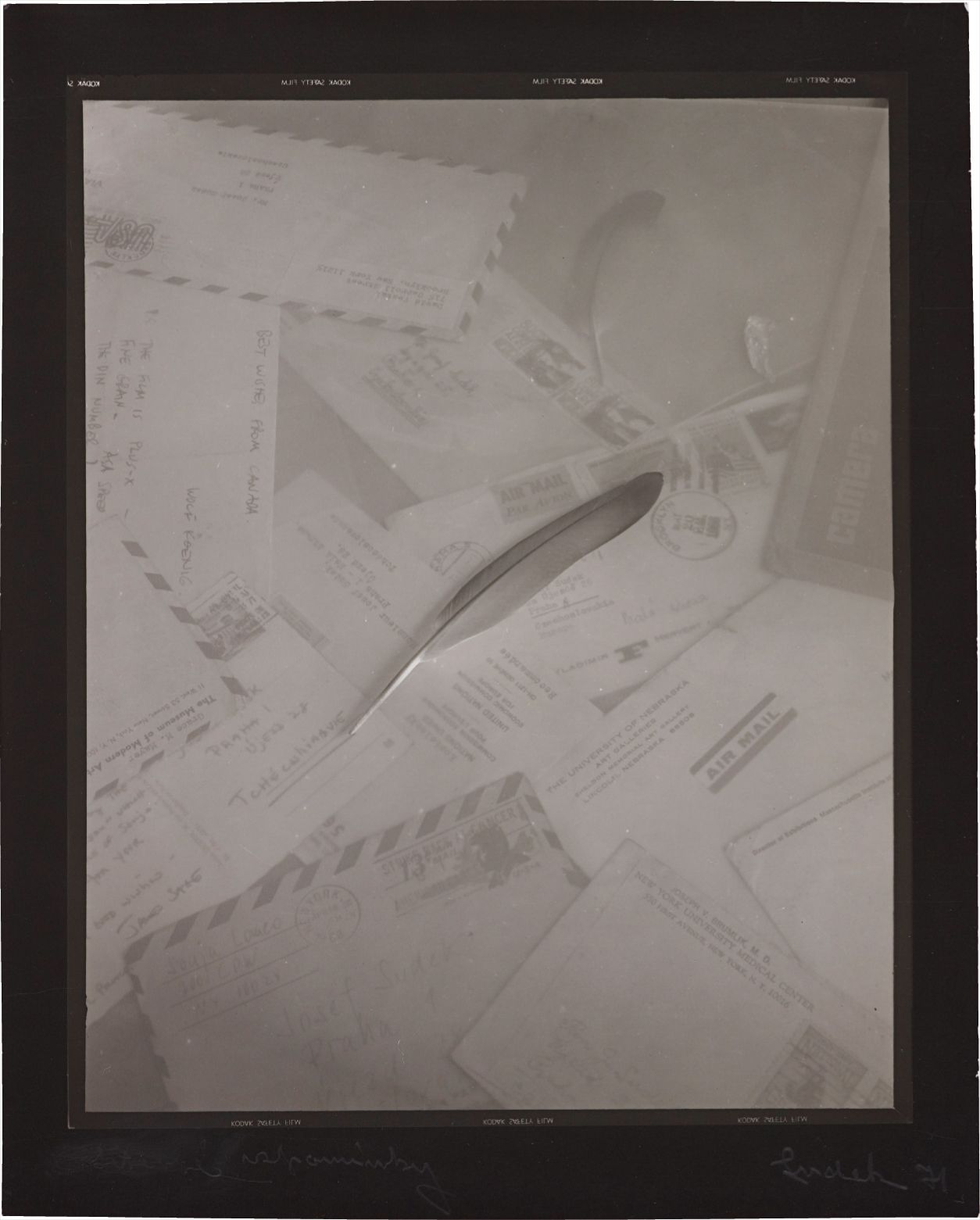
Memories by plane
His panoramic camera work, made with a wide format Kodak camera that produced elongated prints of rare atmospheric richness, added yet another dimension to a practice of extraordinary range. For collectors, Sudek's work offers something genuinely rare: prints of exceptional quality tied to a life of genuine artistic integrity. He worked primarily in gelatin silver, producing prints of subtle tonal range, and also in pigment processes that give certain works a velvety depth unusual in the photographic medium. His prints were often presented with great care, mounted within paper folders or hinged to black paper in ways that speak directly to his bookbinding origins and his belief that a photograph is a physical object deserving of thoughtful framing.
Works on the market range from vintage prints made during his lifetime to later printed editions, and knowledgeable collectors pay close attention to provenance and print date, as the vintage examples carry particular historical and tactile resonance. Auction appearances at houses including Sotheby's and Christie's have confirmed steady and growing international interest, with collectors drawn equally to the iconic studio window images and the more intimate still life studies. Within the broader history of photography, Sudek occupies a position that is both singular and deeply connected. His work sits in productive conversation with that of Edward Weston, whose close studies of natural forms pursued a similar formal intensity, and with Imogen Cunningham, whose botanical photographs share Sudek's gift for finding the monumental within the miniature.
André Kertész, another Central European master working in a lyrical register, offers perhaps the closest temperamental parallel, a photographer for whom the small and the overlooked were inexhaustible subjects. Sudek was awarded the title of Artist of Merit by the Czechoslovak state in 1961 and received the title of National Artist in 1966, honors that recognized what his international reputation would later confirm across a wider stage. Josef Sudek died in Prague in 1976, leaving behind an archive of extraordinary depth and a body of work that grows more relevant with each passing year. In an era saturated with images, his photographs insist on slowness, on the act of waiting for light to do something true.
They remind us that the most important photographs are not taken in a hurry. They are made in studios filled with roses and glass, at windows where frost is forming, in gardens where the morning has not yet decided what kind of day it will be. To collect Sudek is to bring that quality of attention into your own space, and to discover that it is, once you have lived with it, something very close to essential.
Featured Works
Explore books about Josef Sudek