Josef Koudelka
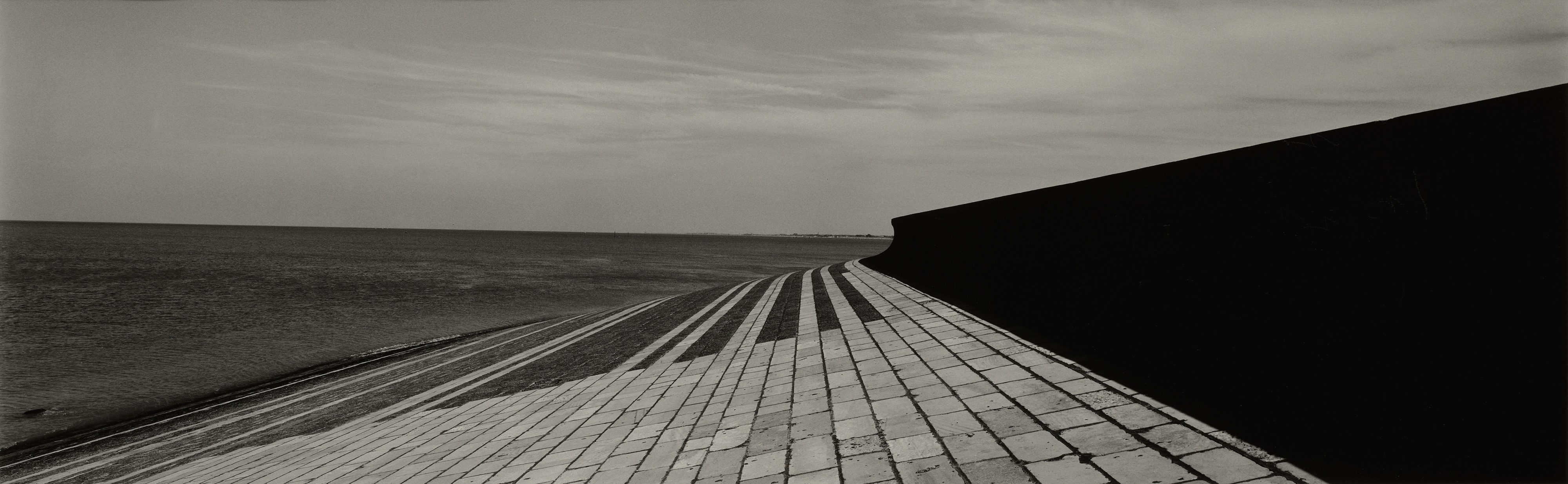
Josef Koudelka: A Life Lived in Light
Artist Spotlight · The Collection Editorial
“I photograph to remember. And I want my photographs to make others remember too.”
Josef Koudelka, interview with Aperture
In 2023, the Bibliothèque nationale de France mounted one of the most quietly commanding photography exhibitions Paris had seen in years, drawing long queues of visitors eager to stand inside the world Josef Koudelka has spent six decades building frame by frame. The show gathered prints spanning his earliest theatrical work in the 1960s through his monumental panoramic landscapes, and it reminded a new generation what those who have followed his practice have long understood: that Koudelka is among the most essential image makers of the twentieth and twenty first centuries. His photographs do not simply document the world. They transform it into something mythic, urgent, and deeply humane.
Josef Koudelka
Czechoslovakia
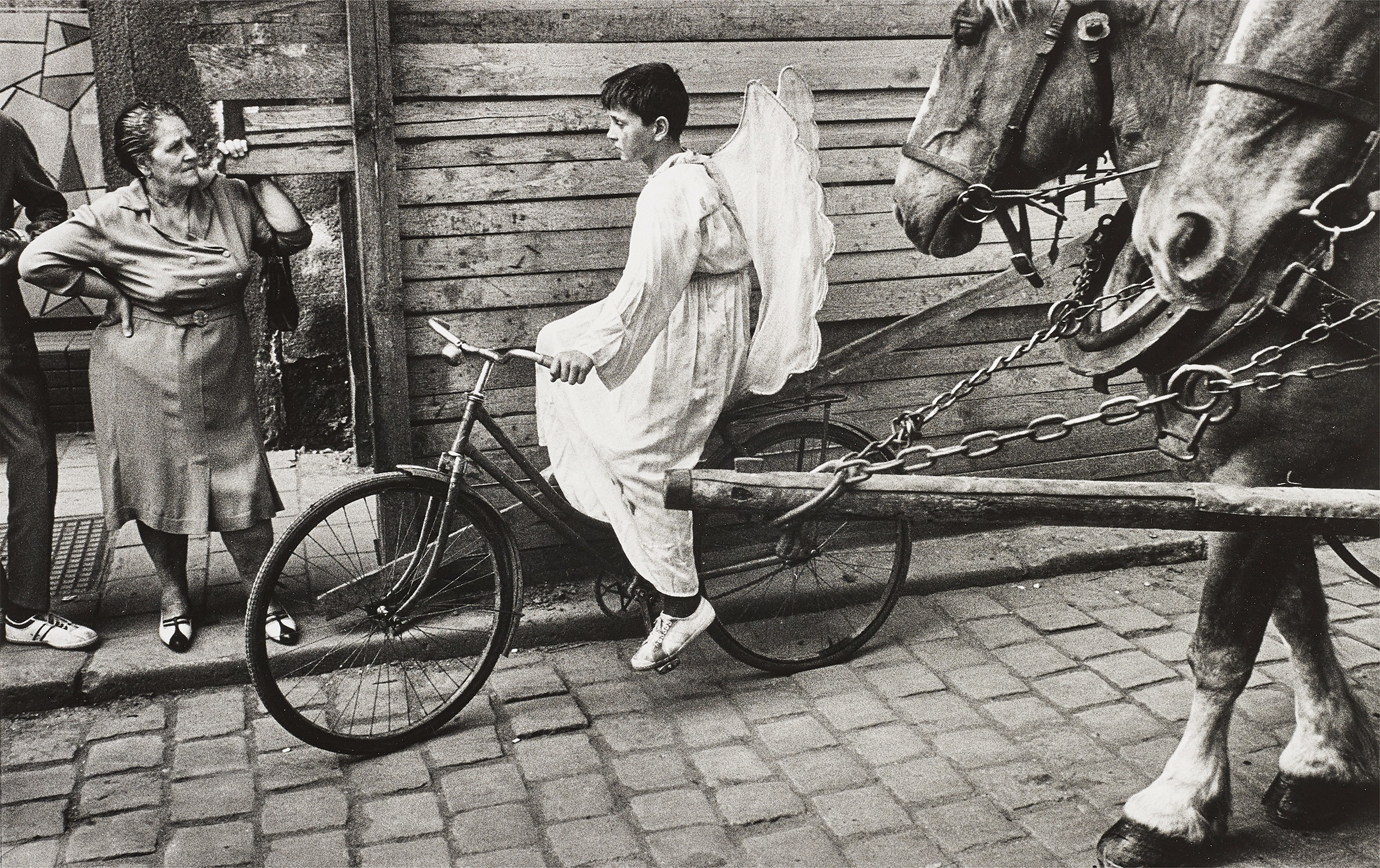
Koudelka was born in 1938 in Boskovice, a small town in Moravia, in what was then Czechoslovakia. He trained as an aeronautical engineer in Prague, a discipline that sharpened his instinct for precision and structure, and he began photographing seriously in the early 1960s while still pursuing his technical career. His first sustained subject was the theater, specifically the avant garde productions of the Divadlo za branou company in Prague, and those early images already revealed the qualities that would define his life's work: a feeling for dramatic tension, an intuitive command of light, and a willingness to press close enough to his subjects that the viewer feels implicated in the scene rather than merely observing it. The event that changed everything, for Koudelka and for the world's understanding of what photography could do, arrived in August 1968.
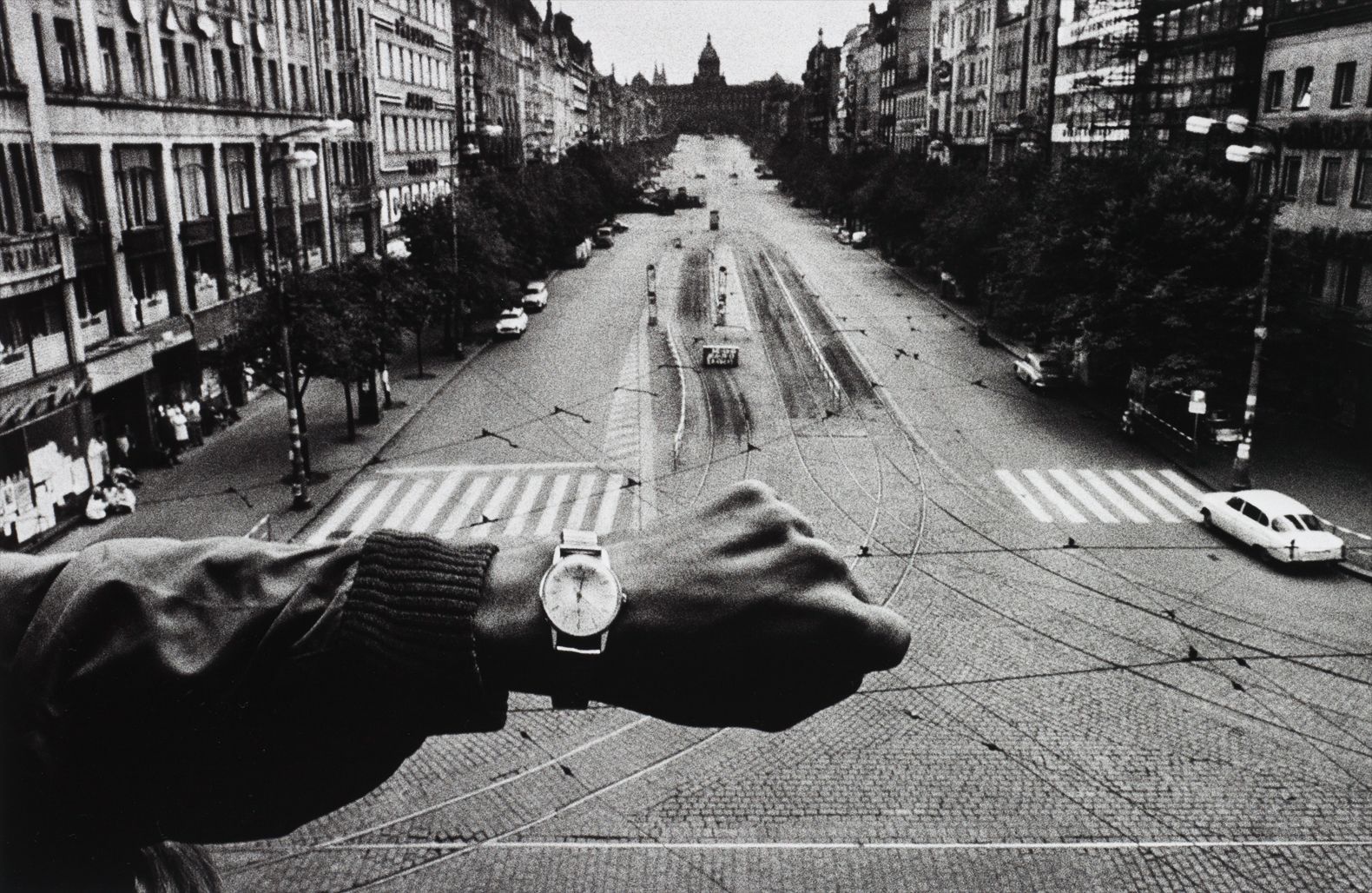
When Soviet tanks rolled into Prague to crush the reformist movement known as the Prague Spring, Koudelka was on the streets with his camera. Working alone and at considerable personal risk, he produced a series of images that rank among the most powerful records of political rupture ever made. Photographs from that week, including the now iconic image of a watch and an empty wrist held above the gathered tanks in Wenceslas Square, were smuggled out of Czechoslovakia and distributed internationally by Magnum Photos under the initials P.P.
Josef Koudelka
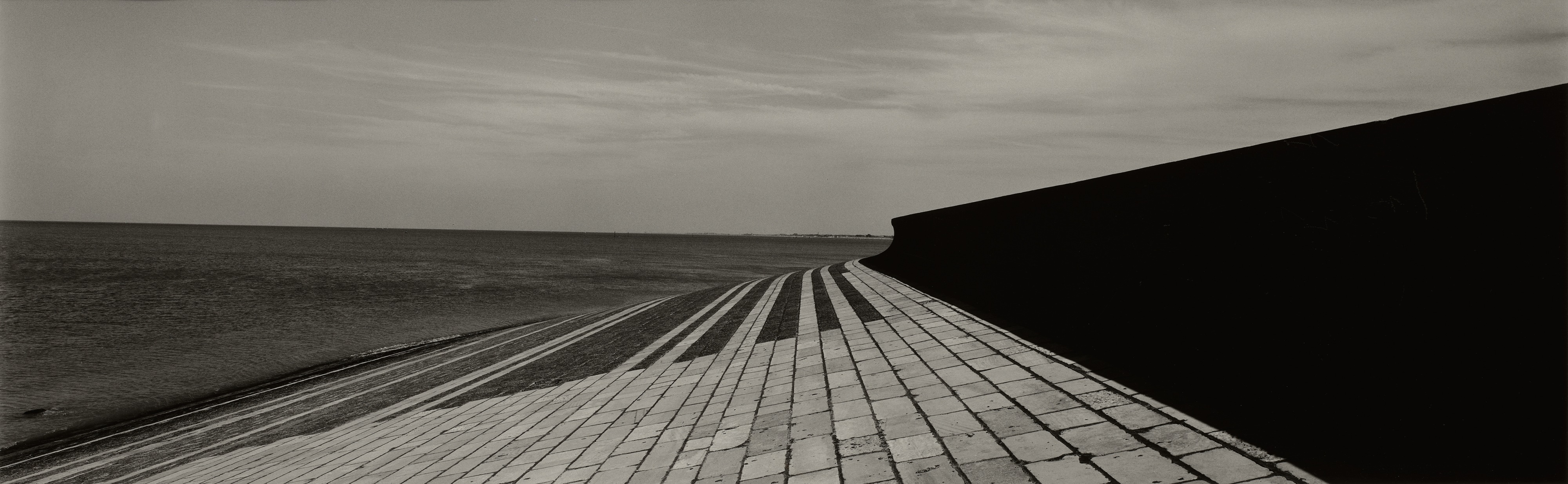
Dunkerque - Digue
, for Prague Photographer, to protect Koudelka's identity. It was not until 1984 that he was publicly credited. The images earned the Robert Capa Gold Medal in 1969, awarded anonymously, and they remain essential documents of Cold War Europe. Koudelka left Czechoslovakia in 1970 and was granted political asylum in the United Kingdom in 1971, beginning a long period of stateless wandering that became, paradoxically, one of the most creatively fertile conditions of his life.
“I have always been interested in people who live on the margins, outside of society.”
Josef Koudelka
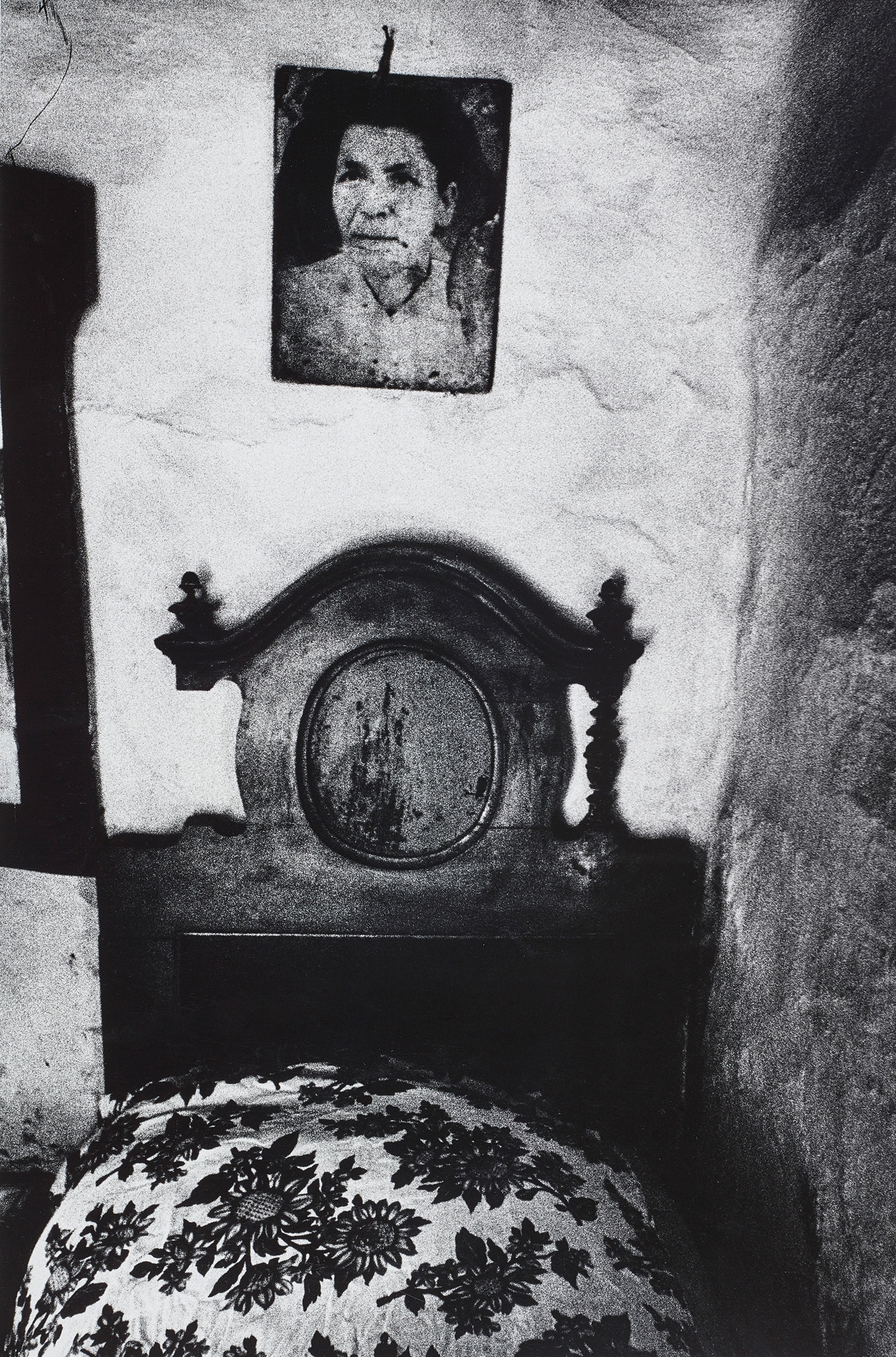
He traveled across Europe for years with little more than his cameras and a sleeping bag, immersing himself in the communities of Roma people whose lives he had begun documenting in the late 1960s. The body of work that resulted, published in the landmark book Gypsies in 1975 by Robert Delpire, is considered by many critics and curators to be among the great achievements in the history of the medium. Koudelka's Roma photographs are not ethnographic studies in any conventional sense. They are intimate, exuberant, and sorrowful all at once, portraits of people living with a freedom and a precariousness that Koudelka, himself then living outside any fixed national identity, understood from the inside.
Josef Koudelka
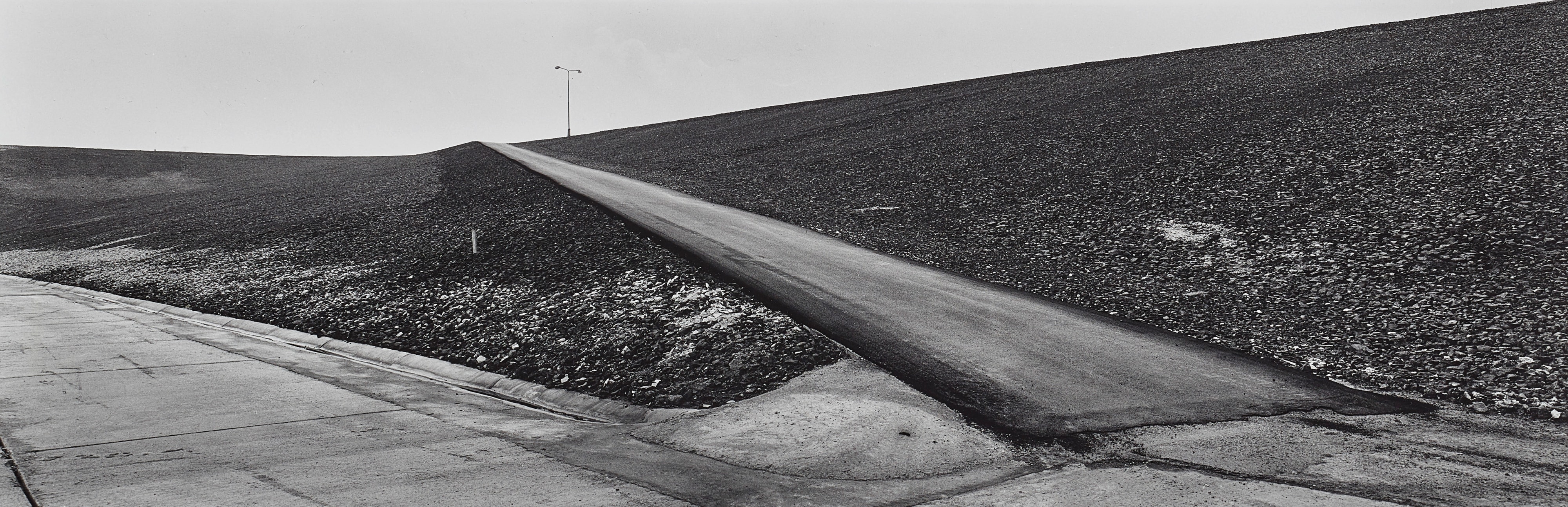
The Black Triangle, Czechoslovakia
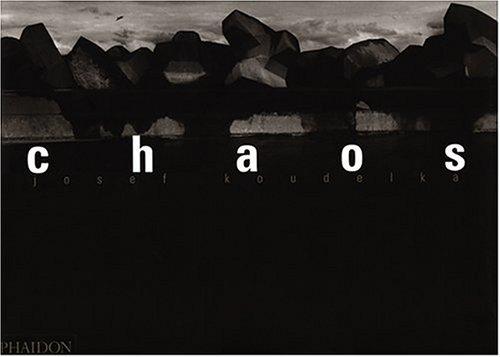
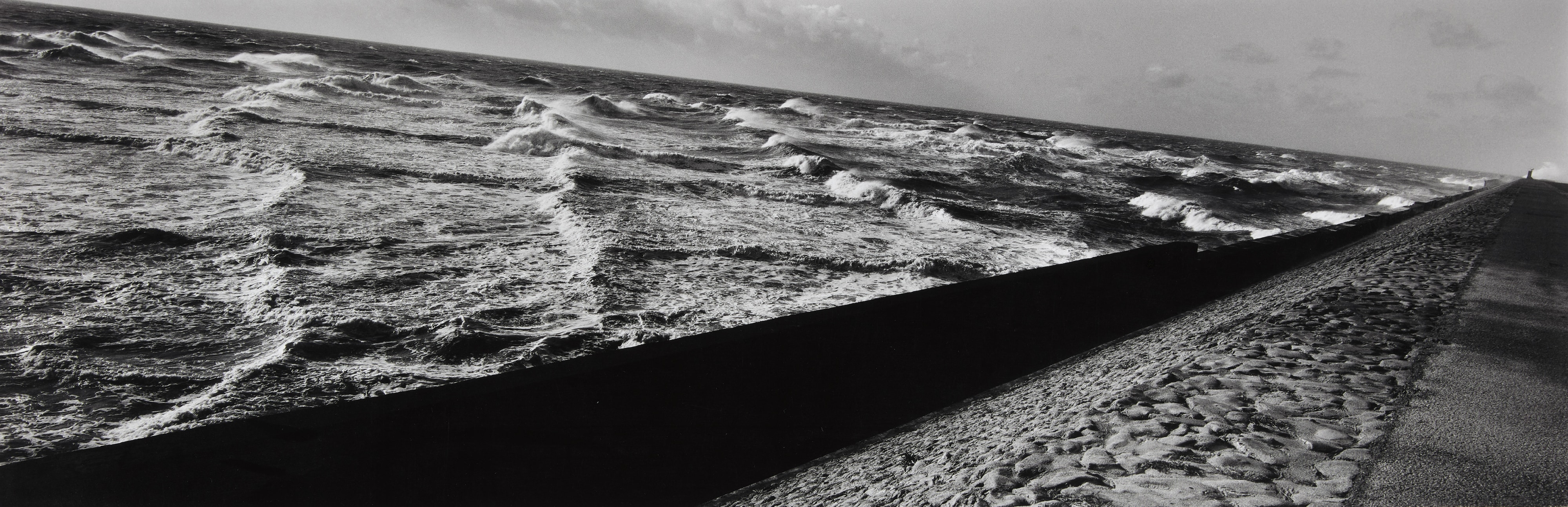
In the 1980s, Koudelka shifted his practice in ways that surprised even devoted followers. He began working with a panoramic camera, producing wide format black and white landscapes that examined the scarred terrain of post industrial and ancient sites across Europe and the Mediterranean. The resulting series, Chaos, published in 1999, and later work documenting the separation wall in the West Bank, demonstrated that his ambition had only deepened with time. His panoramic work carries the same atmospheric weight as his earlier portraiture but operates on a geological scale, as though the land itself is being asked to bear witness.
He joined Magnum Photos as a full member in 1974, a relationship that has anchored his work within the highest traditions of photojournalism while his museum exhibitions have firmly established him in the fine art canon. For collectors, Koudelka's prints represent a rare convergence of historical significance and artistic beauty. Works from the Gypsies series, including signed gelatin silver prints such as those depicting subjects in Romania, Spain, and Czechoslovakia, appear regularly at major auction houses and are among the most sought after photographs in the secondary market. His signed and numbered prints from the Invasion series, documenting the 1968 Prague events and released in limited editions, carry enormous cultural weight and have seen strong and consistent demand.
Josef Koudelka
Nord-Pas-de-Calais, France
The Gypsies portfolio, issued in a signed, numbered edition enclosed in a navy cloth clamshell case, is a benchmark collecting object, the kind of thing that defines a serious photography collection. Collectors are drawn not only to the images themselves but to Koudelka's exacting standards for printing, which ensure that every authorized print carries the full tonal drama he demands. Koudelka sits within a lineage of European documentary photographers who understood that the camera could be both a witness and an instrument of art. His sensibility connects him to Henri Cartier Bresson, whose notion of the decisive moment Koudelka both inherited and pushed beyond, and to Robert Frank, whose restless outsider perspective and willingness to let photographs feel rough and alive parallels Koudelka's own approach.
There are also strong affinities with the work of Bruce Davidson, whose sustained immersive projects share Koudelka's commitment to earning the trust of his subjects over time. Yet Koudelka's particular combination of documentary urgency and formal rigor places him in a category that is ultimately his own. What makes Koudelka matter so profoundly today is the quality of his attention. In an era saturated with images, his photographs insist on slowness, on the weight of a single moment, on the dignity of people and places that the wider world has often overlooked.
He has said that he photographs to remember, and in doing so he has given everyone who encounters his work a richer, darker, more beautiful memory of the twentieth century. His prints, whether encountered in a museum, a book, or a private collection, carry that gift forward. To own a Koudelka is not simply to own a photograph. It is to hold a piece of lived history made luminous.
Featured Works
Explore books about Josef Koudelka