Jordy Kerwick
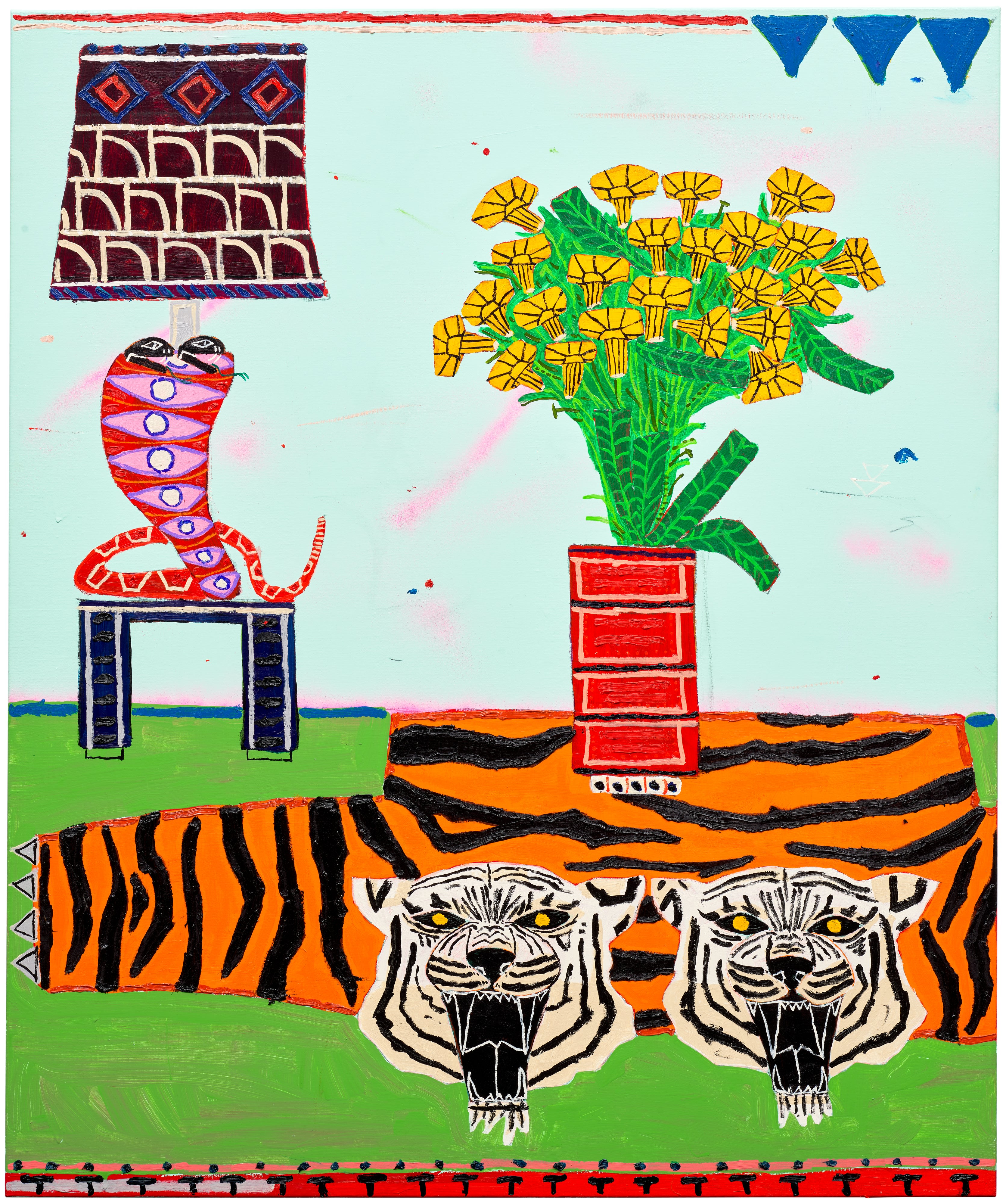
Jordy Kerwick: Nature, Paint, and Pure Feeling
Artist Spotlight · The Collection Editorial
When Almine Rech presented Jordy Kerwick to its international audience, something shifted in how the broader art world understood what contemporary landscape painting could be. Here was an artist working from Victoria, Australia, far from the traditional centers of the contemporary art market, producing canvases of such raw atmospheric force that collectors from Paris to New York took immediate notice. Kerwick's rise has been one of the more compelling stories in recent painting, a reminder that geography is no barrier when the work carries this kind of conviction. Kerwick was born in 1982 and grew up in Australia, a country whose landscape has long exerted an almost mythological pull on its artists.
Jordy Kerwick
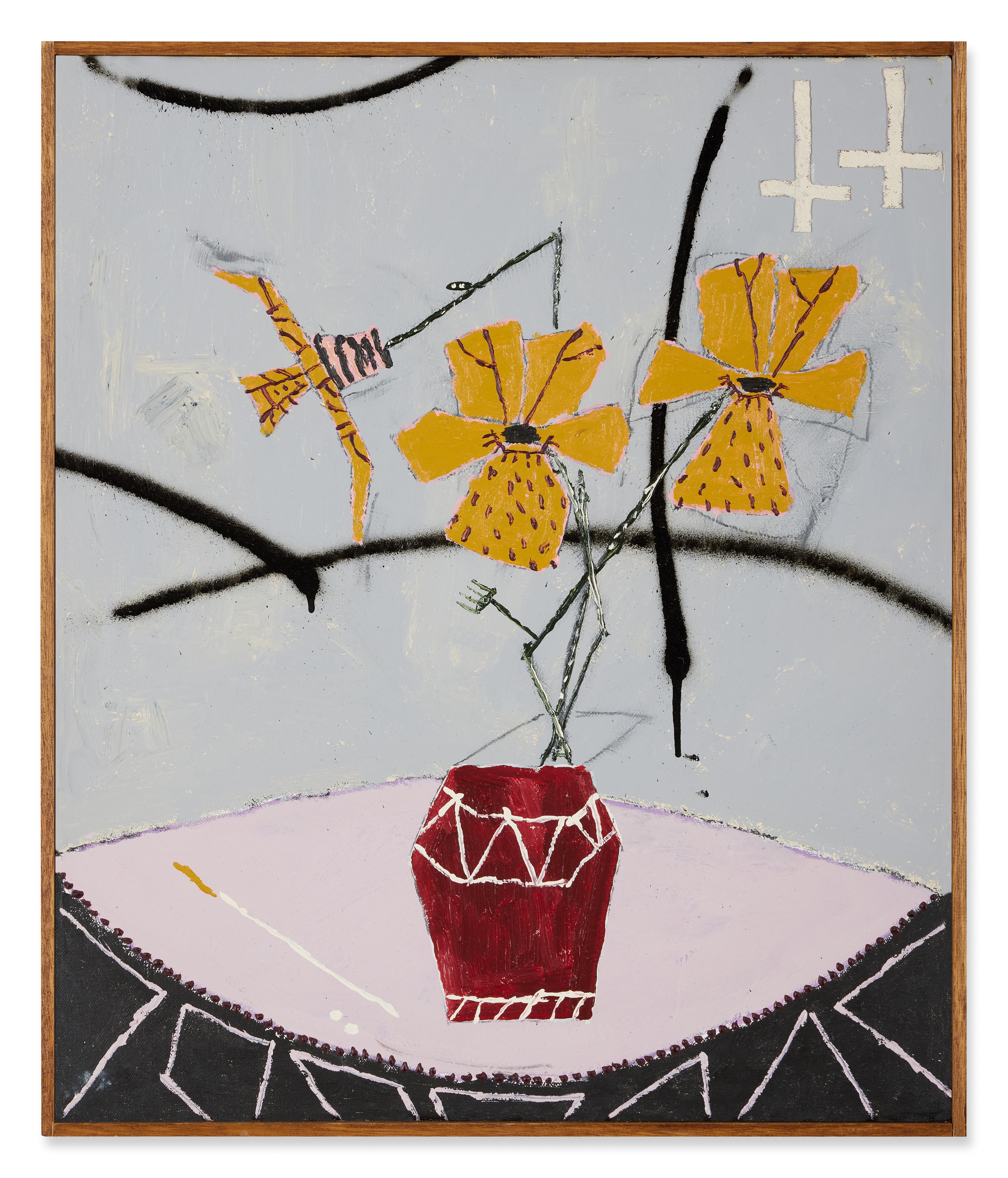
No Place For Angels, 2018
The vastness of Australian terrain, its particular quality of light, the way distance becomes a physical sensation rather than a mere measurement, all of this seeps into Kerwick's sensibility in ways that feel earned rather than decorative. He came to painting without the conventional academic formation of many of his peers, and that unconventional path has proved to be one of his greatest strengths. His work carries the energy of someone who discovered painting as a necessity rather than a discipline, someone compelled to make images rather than trained to produce them. What distinguishes Kerwick's development is the velocity of his evolution.
In the space of just a few years across the late 2010s and into the 2020s, he moved from a painter of evident promise to one of the most discussed figures in contemporary gestural work. His early canvases established a commitment to expressive mark making and a willingness to let the surface of a painting hold conflict, to allow different materials to argue with one another. Works like "No Place For Angels" from 2018, with its layering of oil, acrylic, enamel spray, charcoal and canvas collage all contained within a Tasmanian Oak artist's frame, announced an artist thinking seriously about the total object, the painting not as a window but as a physical thing in the world. The inclusion of the hand crafted frame was not merely aesthetic; it was a declaration that the work begins and ends on his own terms.
Jordy Kerwick
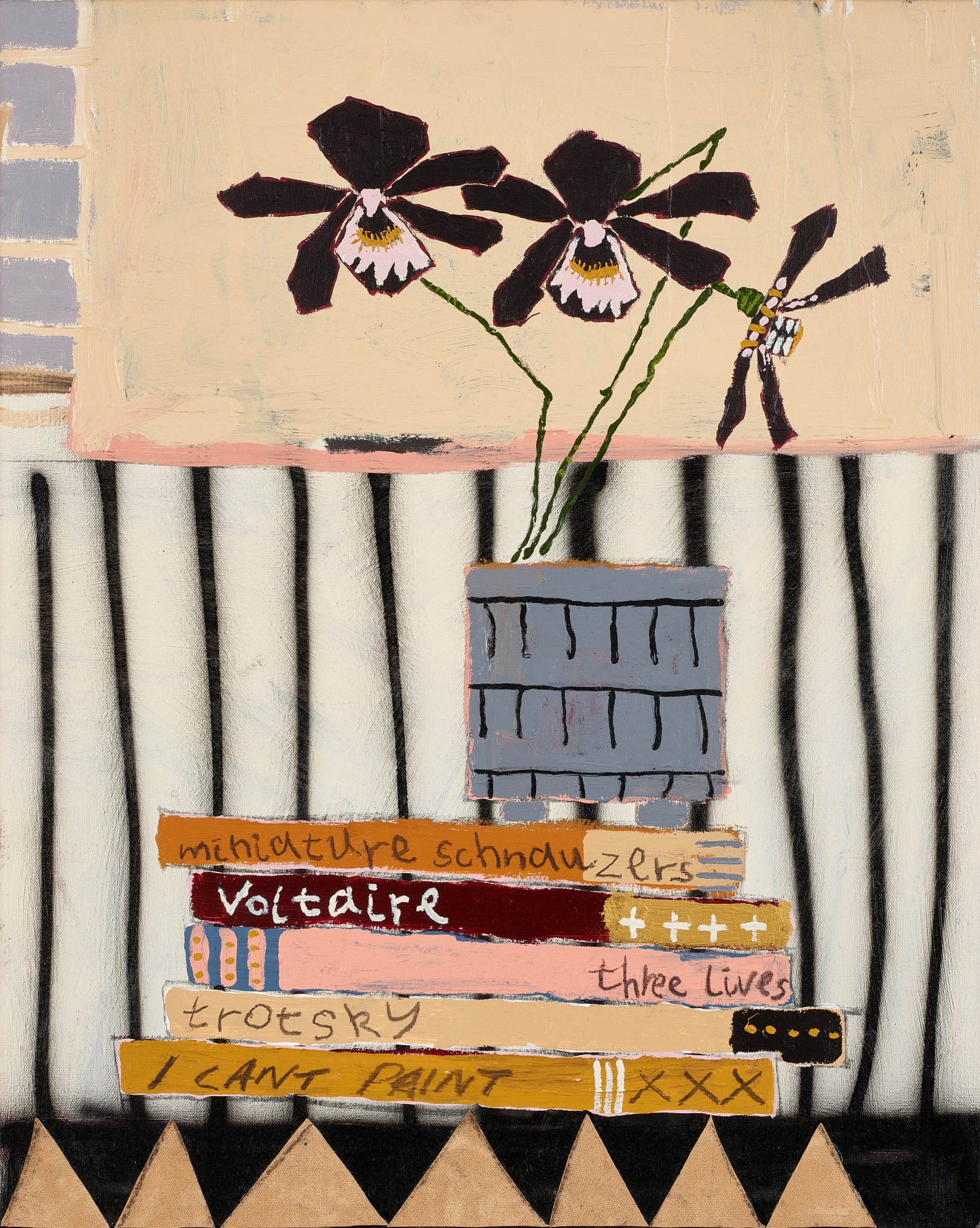
Untitled 無題
By 2021 Kerwick was producing some of his most ambitious pieces. "The Tyranny of Distance and Time," with its oil, acrylic and spray paint applied in overlapping registers of atmospheric color, reads almost as a meditation on what it means to be an Australian artist in a globalized art market, the beauty and the difficulty of separation held in equal measure. "Serpent Keeper V Doom" from the same year brings a mythological charge to the gestural vocabulary, titles that suggest narrative and confrontation but surfaces that ultimately dissolve those stories back into pure sensation. Perhaps most surprising is "Hydra Siegfried" from 2021, executed in acrylic on bronze with mammoth teeth and feathers, a work that steps entirely outside the canvas and into the realm of sculpture and assemblage, demonstrating that Kerwick's imagination is never fully contained by any single medium or format.
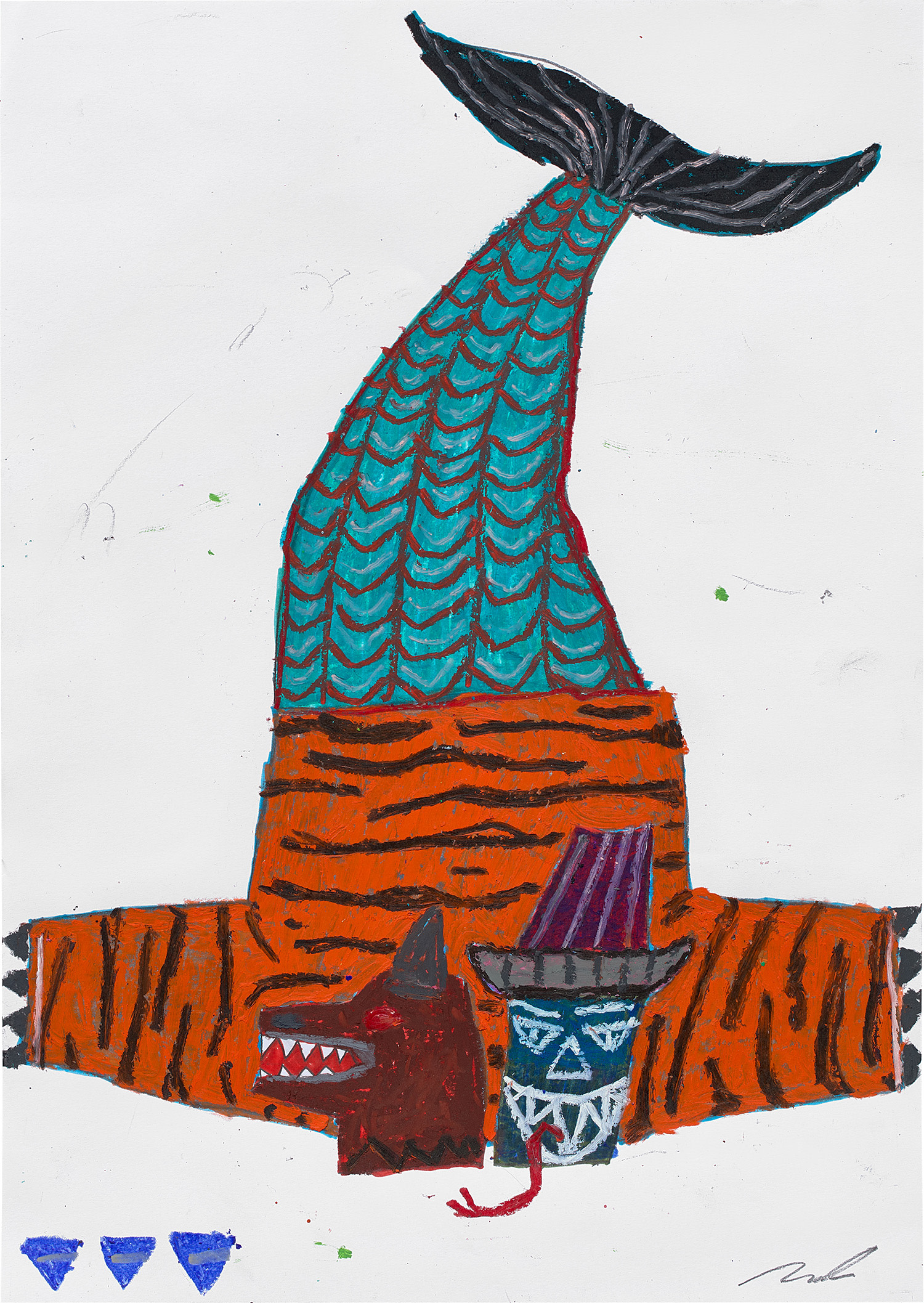
The signature qualities of a Kerwick work are not difficult to identify once you have spent time with his paintings. There is first the color: rich, sometimes almost hallucinatory combinations that never quite resolve into illustration but always carry emotional weather. Then there is the layering, the sense that each canvas holds a stratigraphy of decisions, that earlier marks and gestures survive beneath the final surface like memories beneath behavior. His works on paper, such as "12/12" from 2021 in oil pastel and graphite, show a more intimate version of this same sensibility, the line freed from the demands of the large canvas and allowed to find its own rhythms.
Jordy Kerwick
12/12, 2021
Across all formats there is a quality of presence, of something genuinely felt pressing through the surface of the work. From a collecting perspective, Kerwick occupies an increasingly enviable position. His association with Almine Rech, one of the most internationally regarded galleries operating today, has brought his work before an audience of serious collectors without separating it from the rawness that makes it compelling in the first place. The market for his work has grown steadily, and collectors who acquired early pieces such as "The Rebels" from 2018 or the atmospheric landscapes that defined his initial international visibility have seen those works appreciate in both financial and cultural terms.
What distinguishes the most desirable Kerwick works is the combination of material ambition and emotional legibility, the sense that the painting is doing something complex at the level of surface while remaining immediately moving to any viewer willing to stand before it. Works that combine his most layered material approach with his strongest color instincts represent the clearest long term value in the market. In the broader context of contemporary painting, Kerwick belongs to a generation of artists who have reinvigorated the landscape tradition by refusing to treat it as either illustration or mere abstraction. His sensibility has points of contact with the gestural energy of Neo Expressionism and the chromatic ambition of Color Field painting, but his work is finally his own, shaped by a specific geography and a specific kind of solitude.
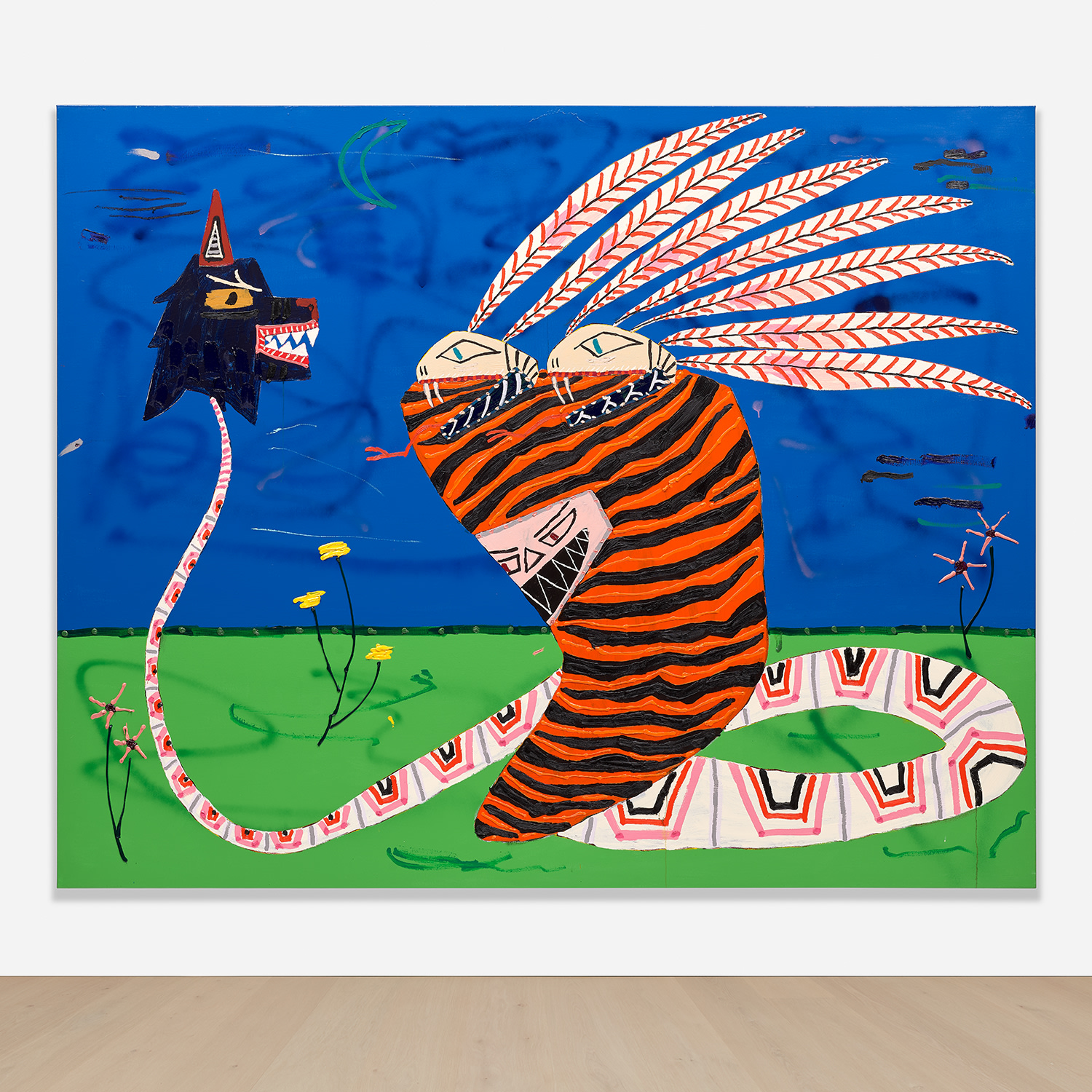
Jordy Kerwick
Serpent Keeper V Doom, 2021
Where painters of an earlier generation might have turned landscape into allegory or social statement, Kerwick treats it as the primary site of feeling, the place where interior and exterior life become indistinguishable. His "Diary of an Introvert" series, rendered as fine art prints on Hahnemühle paper, even makes this relationship between private experience and outward observation explicit in its title. Kerwick matters to the present moment in art because he demonstrates that painting, even in its most traditional guise as landscape, can still carry genuine surprise. He works at a moment when many artists have retreated into irony or institutional critique, and his commitment to direct emotional expression, to making pictures that move people rather than perplex them, feels both countercultural and quietly necessary.
His career at forty something is still in its formative phases in the most exciting sense, his ambitions are clearly expanding, his material experiments growing bolder, and his international audience deepening year by year. To collect Kerwick now is to participate in a story that is very much still being written, and the direction of that story, from everything his recent work suggests, is toward something genuinely major.