Jonathan Lasker
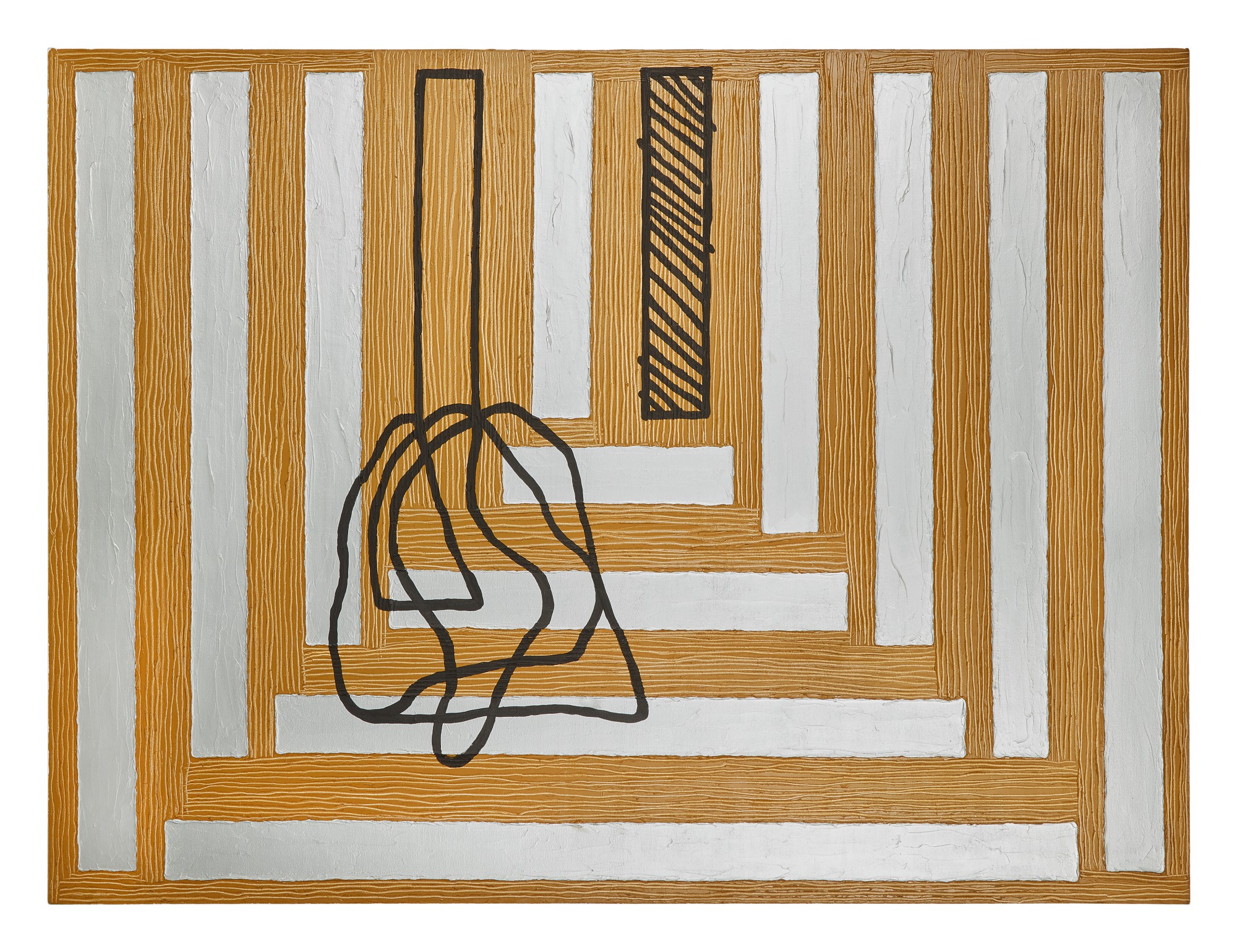
Jonathan Lasker, Painter of Glorious Contradictions
Artist Spotlight · The Collection Editorial
“Painting is a way of thinking about painting.”
Jonathan Lasker, artist writings
In the spring of 2023, the art world was reminded with particular force of Jonathan Lasker's enduring relevance when his canvases appeared in conversations surrounding the ongoing reassessment of 1980s and 1990s American abstraction. Institutions and private collectors alike were revisiting the decade's most rigorous painters, and Lasker kept surfacing as a figure whose work had not merely survived the passage of time but had deepened in resonance. His paintings, with their insistent layering of thick gestural marks over smoothly rendered flat color fields, feel as alive and philosophically charged today as they did when they first appeared in New York's gallery scene decades ago. There is something almost defiant in how they refuse to age.
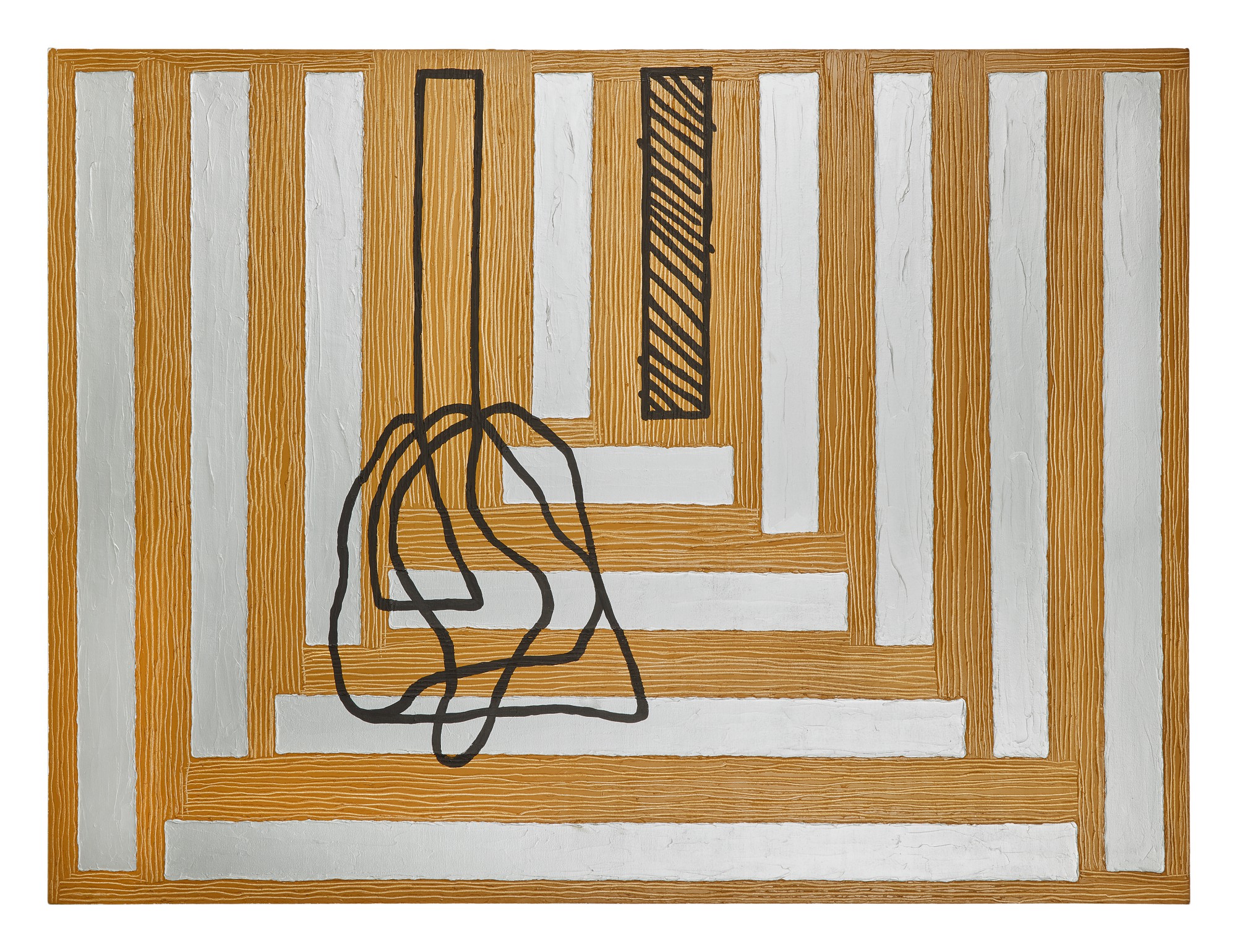
Jonathan Lasker
Non Sequitur Psyche
Jonathan Lasker was born in 1948 in Long Branch, New Jersey, and came of age during one of the most turbulent and generative periods in American cultural life. He studied at the School of Visual Arts in New York and later at CalArts in California, where he encountered the full weight of conceptual art's challenge to painting. That tension, between the cerebral demands of conceptualism and the visceral pull of the painted surface, would become the animating force of everything he made afterward. Rather than choosing one side, Lasker absorbed both and spent his career staging their encounter on linen and canvas.
Lasker emerged as a distinct voice in New York during the late 1970s and through the 1980s, a moment when painting was simultaneously being declared dead and furiously reinvented. He was associated with the East Village scene and showed early work at galleries that were nurturing a new generation of painters unafraid of intellectual ambition. His development was steady and self directed, and by the late 1980s he had arrived at the vocabulary that would define his mature practice: compositions in which loosely brushed, calligraphic forms in oil paint sit atop or beside areas of carefully applied flat color. The two registers never quite merge.
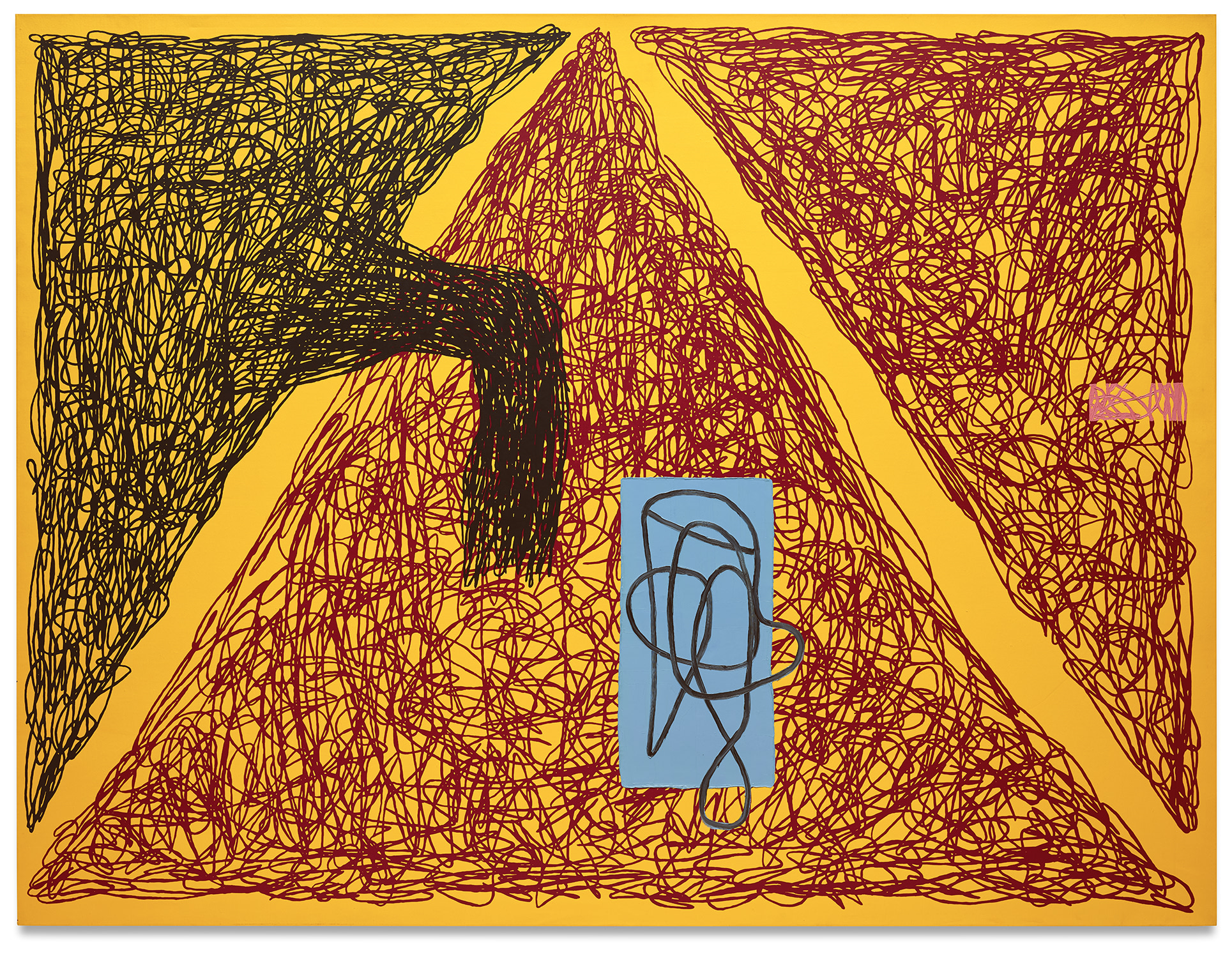
Jonathan Lasker
Born Yesterday
They coexist in a productive tension that the eye keeps trying to resolve and never fully can. What makes Lasker's practice so distinctive is its systematic approach to what might otherwise seem like spontaneous gesture. He famously works from small drawings, transferring and scaling up compositions onto large canvases with a deliberateness that transforms the apparent looseness of his marks into something more considered and strange. The gestural passages in his work look free, but they are the result of a deeply intentional process.
Works like "Structured Living" and "Progressive Affection," both in oil on linen, exemplify this quality beautifully. The flat grounds read as almost architectural, while the marks on top move with the energy of a living hand, and the dialogue between these two modes of making generates a psychological friction that gives his paintings their particular power. "Obscure Designs" from 1989, oil on linen, is among the clearest early demonstrations of his mature approach and stands as a touchstone for understanding where his thinking was in that crucial decade. "Non Sequitur Psyche" and "To Regain Virginity," both in oil on canvas, carry the philosophical weight suggested by their titles: Lasker has always been interested in painting as a form of thought, and his titles function as conceptual frames rather than descriptive labels.
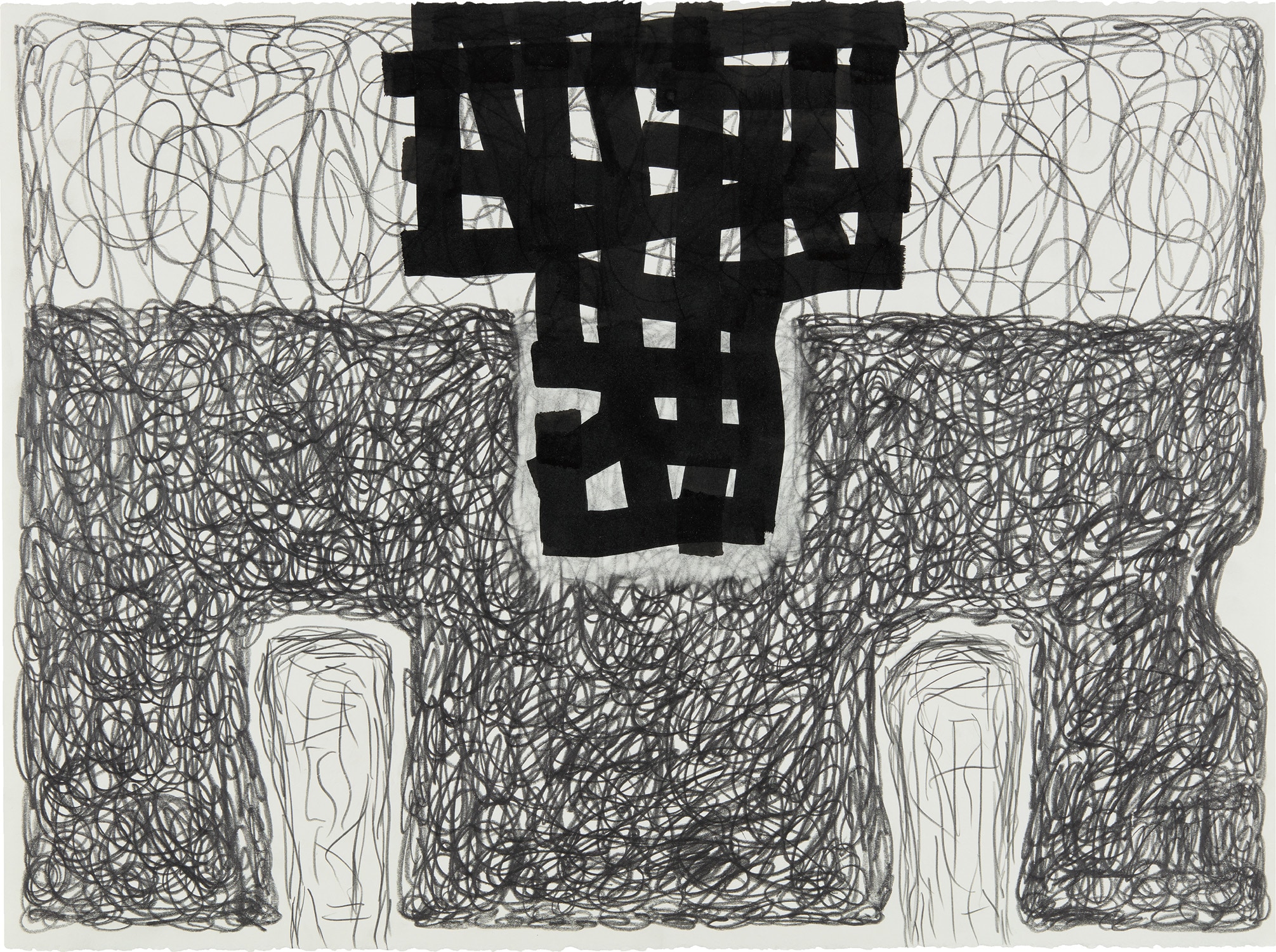
Jonathan Lasker
D-156
His work on paper, including ink and graphite drawings such as "D 156" and works in oil and pigment marker, reveals how rigorously he uses drawing as both preparation and independent investigation. The multidisciplinary reach of his practice is further evident in works like "Born Yesterday," a screenprint with handpainted additions over airbrushed auto body shop lacquer on stretched linen, which demonstrates his willingness to bring industrial and commercial materials into dialogue with the most traditional demands of painting. From a collecting perspective, Lasker represents a particularly compelling proposition. He occupies a position of genuine art historical significance without yet commanding the auction premiums of some of his contemporaries, which means that serious collectors can still acquire important examples of his work at prices that reflect quality and rarity rather than speculative fever.
His works on paper and prints, including etchings and linocuts such as "The Power of Weakness," offer points of entry for collectors building toward the larger canvases and linen works that anchor major collections. Institutions including the Museum of Modern Art in New York, the Tate in London, and the Stedelijk Museum in Amsterdam have collected his work, a testament to the seriousness with which the museum world regards his contribution. When a Lasker painting appears at auction, particularly a strong example from the late 1980s or the 1990s, collectors who know his work move quickly. To understand Lasker's place in art history, it helps to think about the company he keeps.
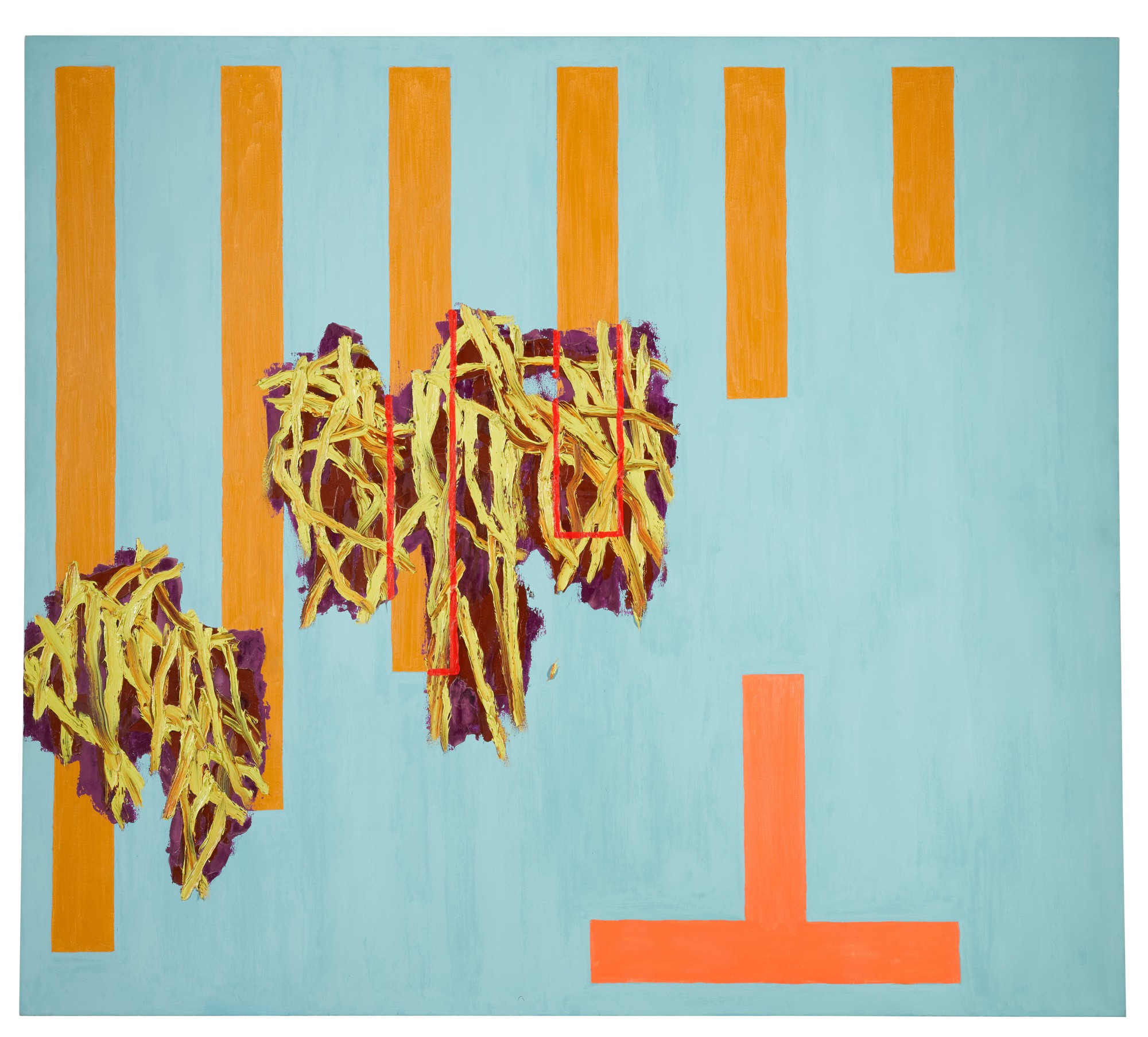
Jonathan Lasker
To Regain Virginity
His investigation of gesture, structure, and the self awareness of painting connects him to artists like Philip Guston, whose late work also dramatized the presence of the mark, and to contemporaries such as Peter Halley and Philip Taaffe, who were similarly interrogating the conventions of abstraction during the 1980s. Lasker is also frequently discussed alongside figures like Günter Förg and Martin Kippenberger, European painters who brought a comparable rigor and skepticism to the act of painting in that era. But Lasker's position is singular. He is neither a neo expressionist nor a pure conceptualist; he is something more specific and harder to categorize, which is precisely what makes him interesting to the most discerning collectors and scholars.
The legacy of Jonathan Lasker is still being written, and that is part of what makes following his career so rewarding. He has continued to work and exhibit with the same seriousness that has characterized his practice from the beginning, represented by Cheim and Read in New York and with a long association with Galerie Thaddaeus Ropac in Europe. His influence on younger painters who are grappling with the same questions he identified decades ago, namely how a painting can be simultaneously deliberate and free, structured and alive, remains substantial and growing. In a contemporary art world that sometimes prizes novelty above all else, Lasker's work stands as a reminder that the deepest questions in painting are not problems to be solved but conditions to be inhabited with intelligence, commitment, and genuine feeling.
Explore books about Jonathan Lasker
Jonathan Lasker: Paintings 1981-1991
Museum of Modern Art
Jonathan Lasker
Barbara Rose
Jonathan Lasker: New Paintings
Robert Storr
Jonathan Lasker: Paintings 2004-2010
Various
Jonathan Lasker: The Pressure to Perform
David Carrier