Jon Rafman
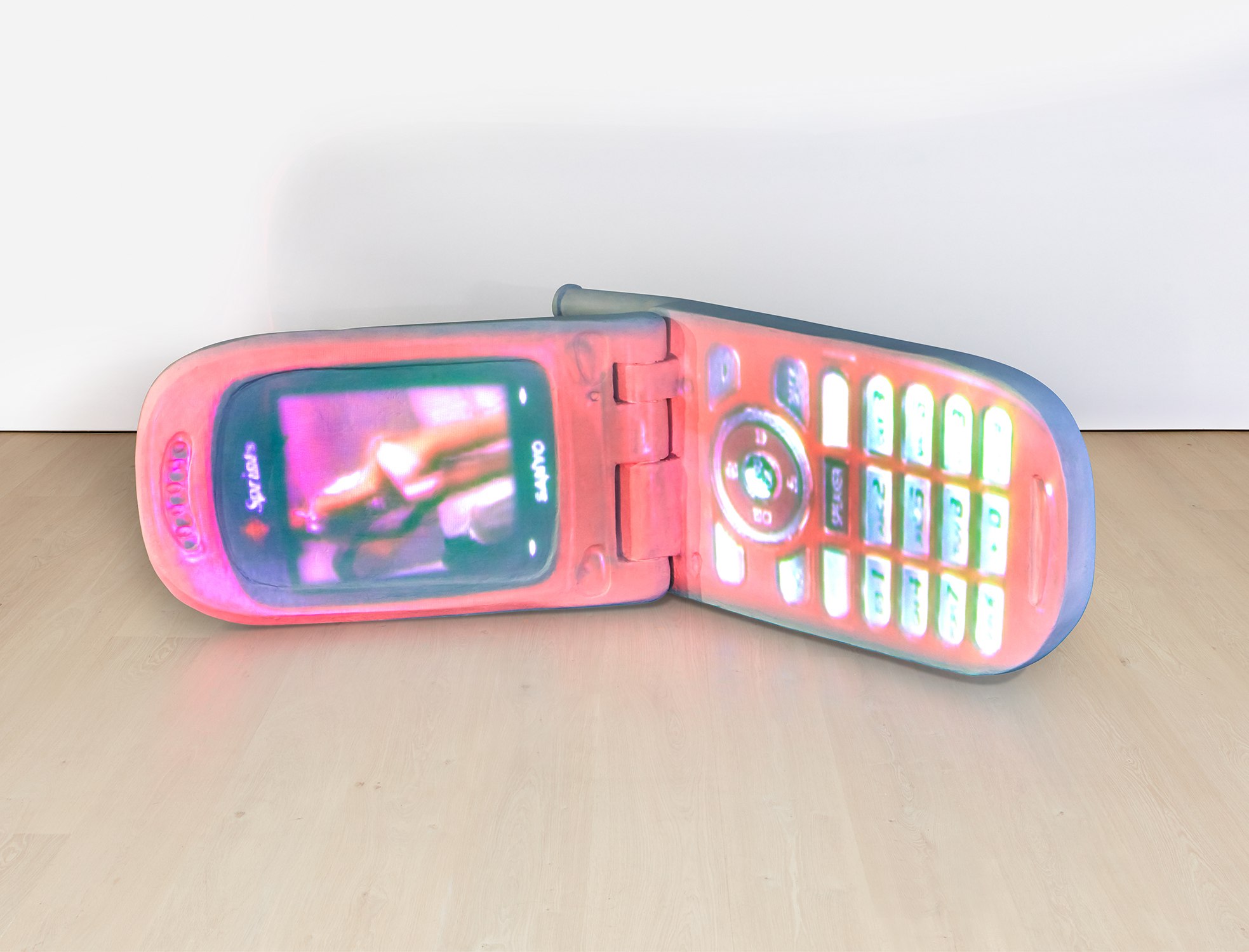
Jon Rafman Renders the Digital World Luminous
Artist Spotlight · The Collection Editorial
“The internet is a place where everything is simultaneously present and absent, and I find that condition genuinely moving.”
Jon Rafman
When Jon Rafman's video work screened at the New Museum in New York, audiences encountered something that felt genuinely new: imagery pulled from the vast, indifferent machinery of the internet and reframed as something tender, strange, and deeply human. That response has only grown more resonant in the years since, as the cultural conversation around technology, alienation, and online life has moved from the margins of contemporary art to its very center. Rafman arrived early to this territory, and his practice has expanded with the urgency of someone who understands the stakes. Today, with works held in significant private collections across North America and Europe and a presence at institutions including MoMA PS1 and the Saatchi Gallery, he stands as one of the most important artists working at the intersection of digital culture and sculptural form.
Jon Rafman
NAD (Secret Meanings Carrara), 2015
Rafman was born in Montreal, Canada in 1981, coming of age in a city with a rich tradition of intellectual cosmopolitanism and a particular openness to experimental cultural production. He pursued graduate study in philosophy and film before turning fully toward visual art, and that grounding in philosophical inquiry is unmistakable in his practice. He has spoken about the influence of thinkers who grappled with mediation, representation, and the nature of experience, and his work consistently operates at that level of seriousness, even when its surface is playful or visually seductive. Montreal's bilingual, hybrid cultural identity arguably gave Rafman an early sensitivity to the strangeness of codes and systems, a sensitivity he would later deploy to remarkable effect.
His breakthrough came in 2009 with the launch of Nine Eyes of Google Street View, an ongoing project in which Rafman curates and presents screenshots captured by the automated cameras mounted on Google Street View vehicles. The title refers to the nine lenses of those cameras, and the project operates as a kind of found photography, locating moments of beauty, absurdity, pathos, and terror within a dataset generated by an algorithm with no intention whatsoever. The images Rafman selects show accidents, strange gatherings, figures caught in vulnerable moments, and landscapes of almost unbearable loneliness. By framing these images as art, Rafman raised profound questions about authorship, surveillance, and what it means to see.
Jon Rafman
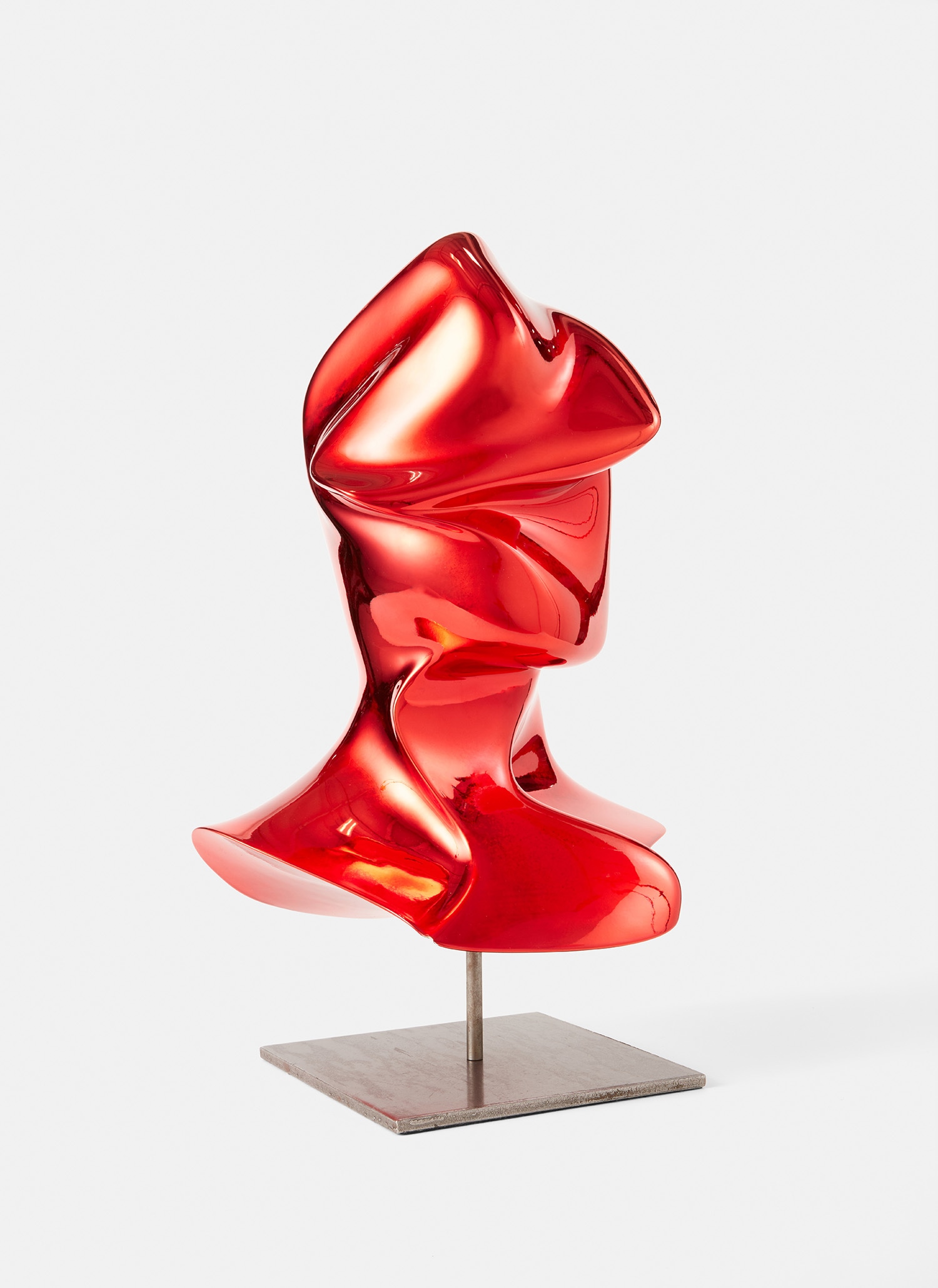
New Age Demanded (Cyberswirl Chrome), 2014
The project attracted immediate critical attention and has continued to grow for over fifteen years, accumulating new resonance with every shift in the broader cultural conversation about privacy and data. As his practice matured, Rafman moved fluidly between digital video, installation, and physical object making, and it is in his sculptural output that his work perhaps finds its most concentrated form. The New Age Demanded series, produced across 2013 and 2014, represents a pivotal chapter in that development. These works employ 3D printing and advanced fabrication techniques to produce objects that feel simultaneously ancient and impossibly contemporary.
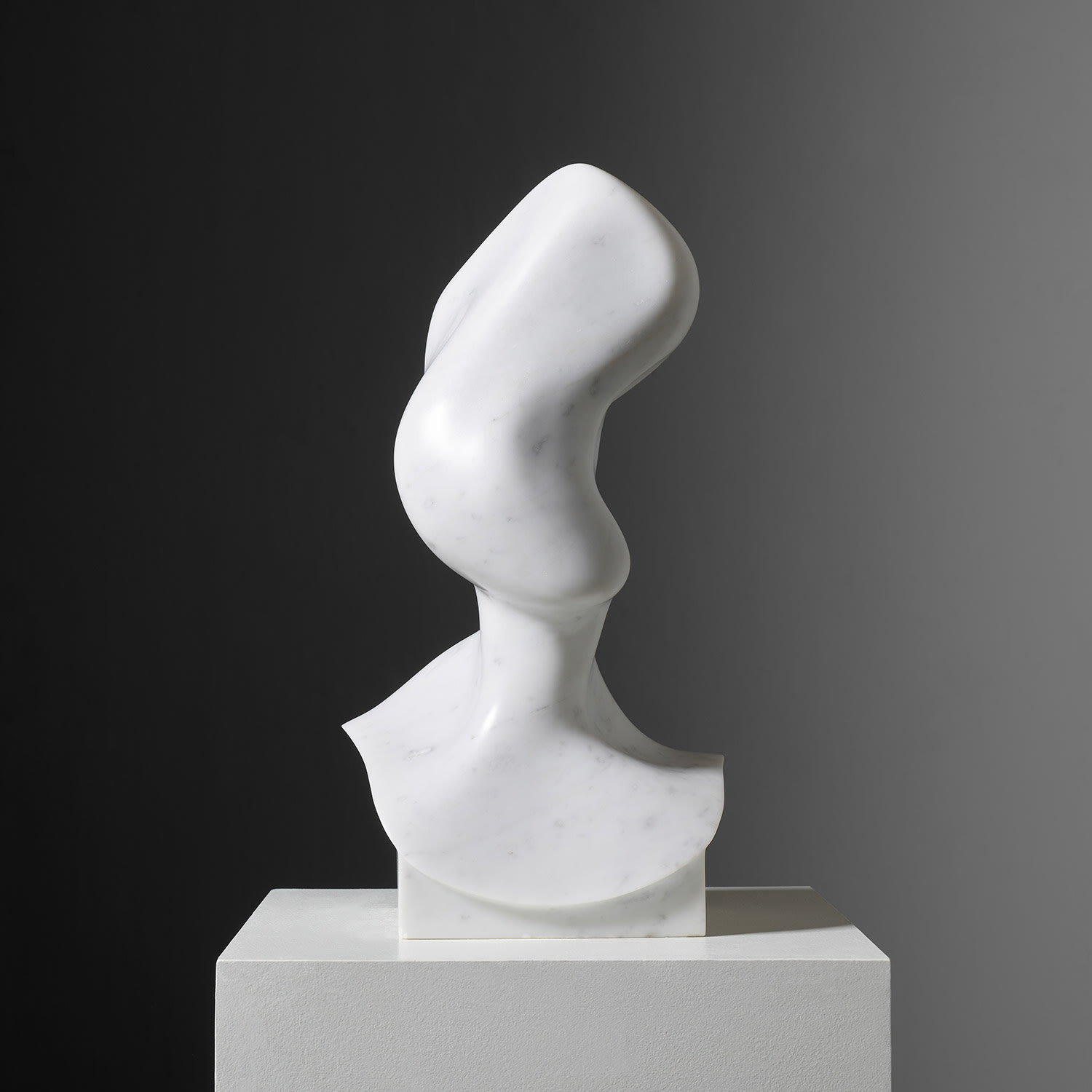
Works such as New Age Demanded (Swerveman Silver) from 2014, produced in 3D printed photopolymer resin with acrylic polyurethane paint, and New Age Demanded (Cyberswirl Chrome), finished in a gleaming chrome surface, channel the aesthetics of internet subcultures, gaming, and consumer object fetishism into forms that carry genuine sculptural weight. They are objects born of the screen that insist on their physical presence, demanding to be encountered in the world rather than simply viewed on a monitor. The NAD series in Carrara marble represents another dimension of Rafman's sculptural intelligence. NAD (Swerveman Carrara) from 2014 and NAD (Secret Meanings Carrara) from 2015 take the same source imagery and vocabularies that animate his digital work and render them in CNC routed white marble, one of the most storied materials in the history of Western sculpture.
Jon Rafman
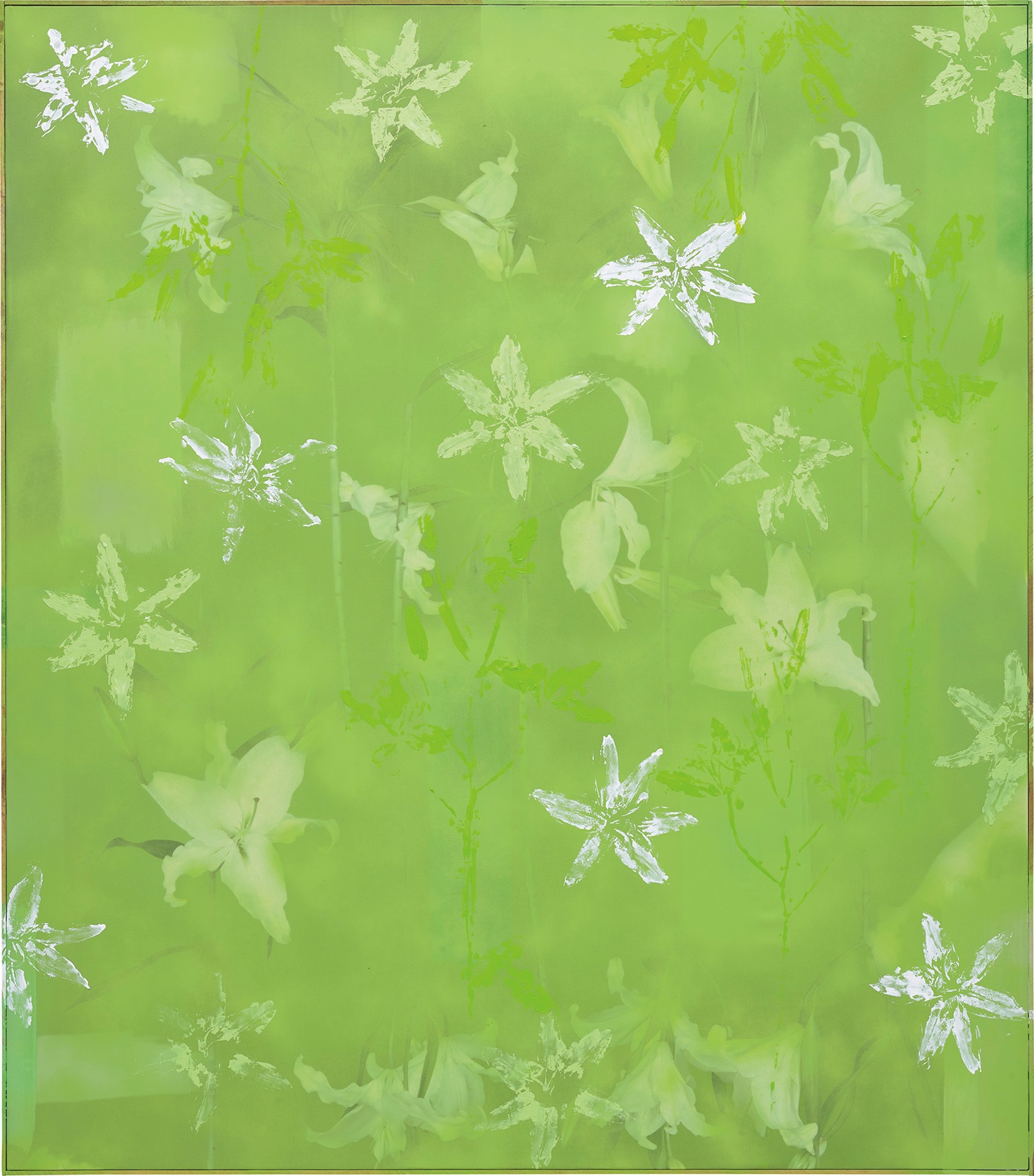
Guston Babys room, 2014
The effect is quietly shocking and entirely deliberate. These are not novelty objects or ironic gestures. They are considered propositions about continuity and rupture, about what survives the translation from virtual to physical, and about the strange dignity that accrues to forms when they are cut from stone. Collectors who acquire these works are investing in objects that will age, accumulate meaning, and stand in productive conversation with art history for generations.
His print works, including Guston Babys room from 2014 and the Brand New Paint Job series, extend this dialogue across media. The Brand New Paint Job works, produced as archival pigment prints mounted on Dibond, apply the visual language of famous modernist painters including Franz Kline to familiar three dimensional forms drawn from digital environments and popular culture. The Paul Klee Aztec Artefact continues this mode of cultural collision, layering art historical reference against vernacular internet imagery with a lightness of touch that belies the sophistication of the underlying thinking. These prints reward close looking and sustained engagement, and they wear their erudition without ostentation.
Jon Rafman
NAD (Swerveman Carrara), 2014
For collectors, Rafman's market presents a genuinely compelling proposition. His work spans a range of media, scales, and price points, making entry into his practice accessible at multiple levels. The early sculptures in photopolymer resin and the archival prints represent strong starting points, while the Carrara marble works carry the weight of permanent, museum quality acquisition. Rafman sits in conversation with artists who similarly mine the space between technological systems and human experience, figures such as Harm van den Dorpel, Artie Vierkant, and Hito Steyerl, as well as earlier conceptualists who interrogated the relationship between image, object, and institutional context.
His closest art historical cousins might be found in the appropriation artists of the 1980s, yet his work reaches beyond appropriation toward something more genuinely generative. What makes Rafman matter today, in a cultural moment saturated with commentary on digital life, is the quality of his attention. He does not approach the internet as a critic from the outside but as someone who has spent serious time within its structures and found there something worthy of genuine artistic investigation. His works do not moralize or warn.
They illuminate. They find the longing, the humor, the melancholy, and the occasional grace that move through these systems alongside the data. That is a rare and valuable thing, and it is what ensures that work made in 2013 or 2014 continues to feel urgent and alive well into the present decade.