John Swannell
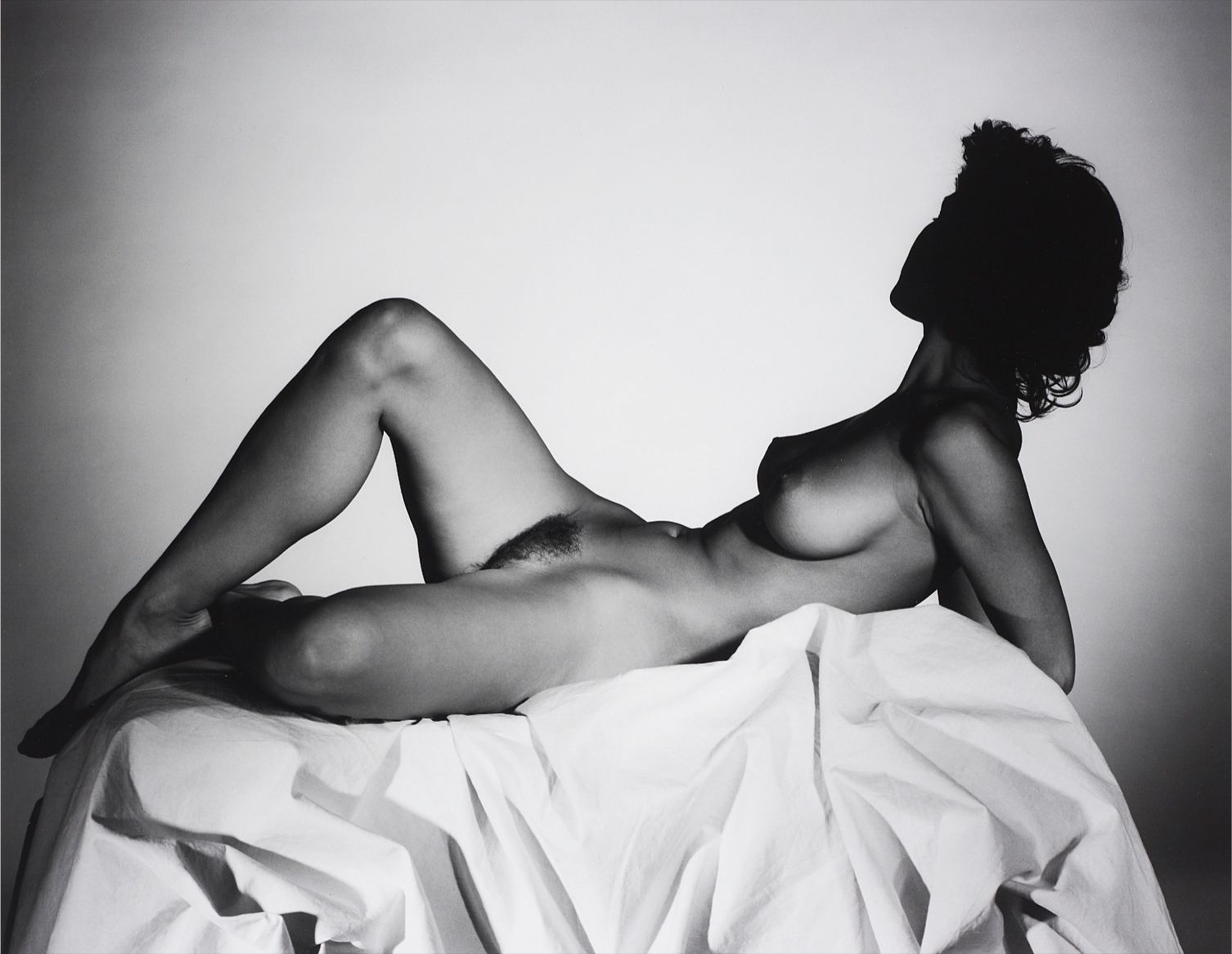
John Swannell: Light, Grace, and Timeless Beauty
Artist Spotlight · The Collection Editorial
There are photographers who document the world, and there are photographers who transfigure it. John Swannell belongs firmly to the second tradition. His work has graced the walls of Buckingham Palace, the pages of Vogue, and the most discerning private collections in Britain, and yet there is nothing remote or institutional about what he creates. His photographs feel intimate, even when they are grand.
John Swannell
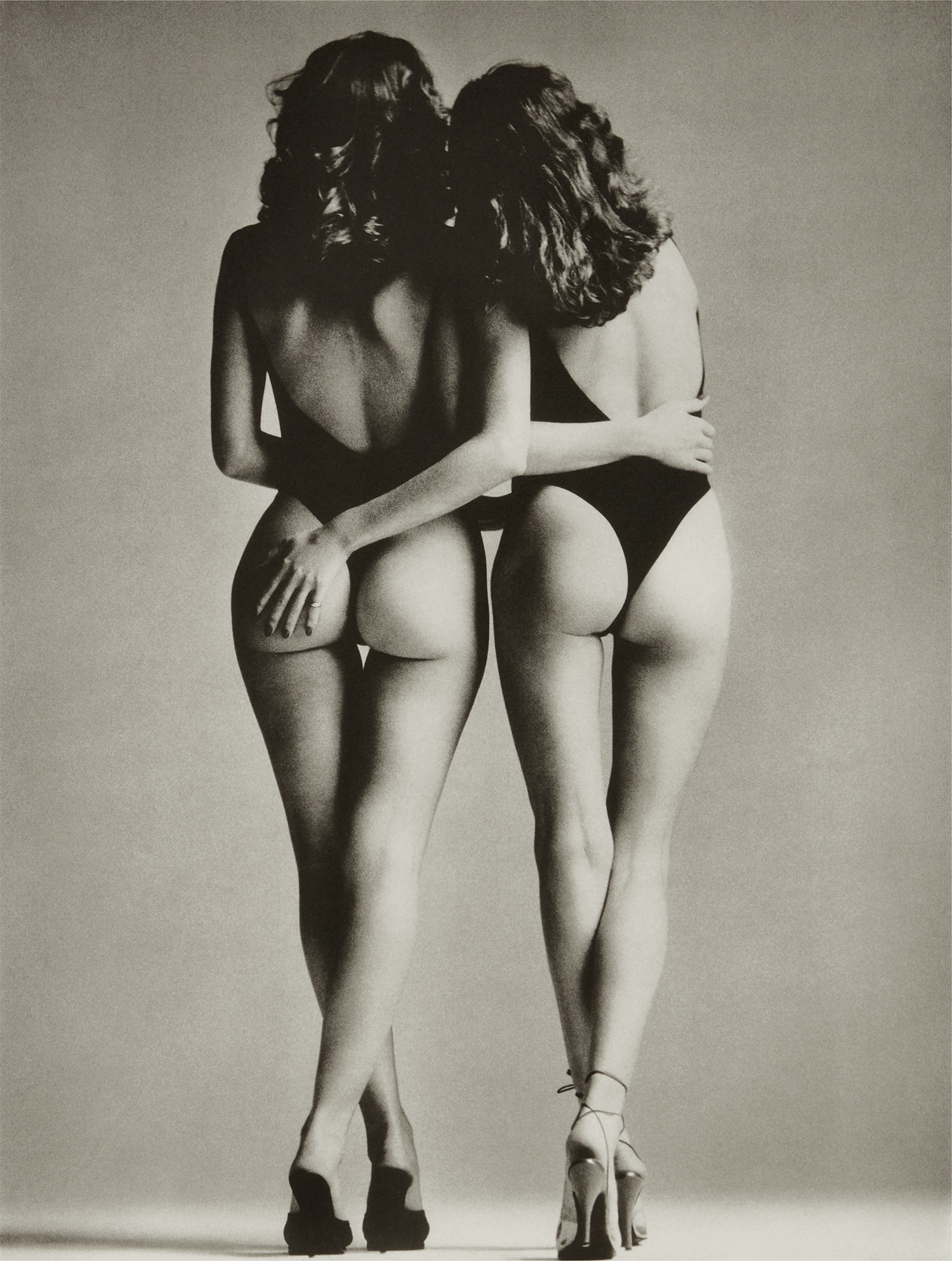
Fine Lines (Lindy Christensen and Debbie Moore), 2013
In recent years, renewed collector interest in classical British photography has brought Swannell's prints back into sharp focus, with gelatin silver works and limited edition fine art prints appearing at auction and through specialist dealers, drawing attention from a new generation of collectors who recognise in his images something increasingly rare: a genuine mastery of the photographic medium in its most refined form. Swannell was born in 1946 and grew up in postwar Britain, a country remaking itself with considerable creative energy. The London that shaped his early sensibility was the same city that was reinventing portraiture, fashion, and the very idea of visual culture. It was in this atmosphere of creative ambition that a young Swannell found his way into photography, eventually becoming an assistant to David Bailey, one of the defining image makers of the twentieth century.
Working alongside Bailey in the late 1960s and into the 1970s was an education unlike any other, an immersion in both the technical rigour of the craft and the social world of celebrity, fashion, and fine art that surrounded it. From Bailey, Swannell absorbed a confidence with the camera and with his subjects, but he was already developing instincts that would take him in a distinctly different direction. Where Bailey's work often crackled with confrontation and raw energy, Swannell moved toward elegance, stillness, and a quality of light that owes as much to the Old Masters as it does to the darkroom. His early independent work in the 1970s established the sensibility that would define his career: a preference for natural and carefully controlled light, a compositional intelligence drawn from painting and sculpture, and an approach to the human figure that was at once celebratory and deeply respectful.
John Swannell
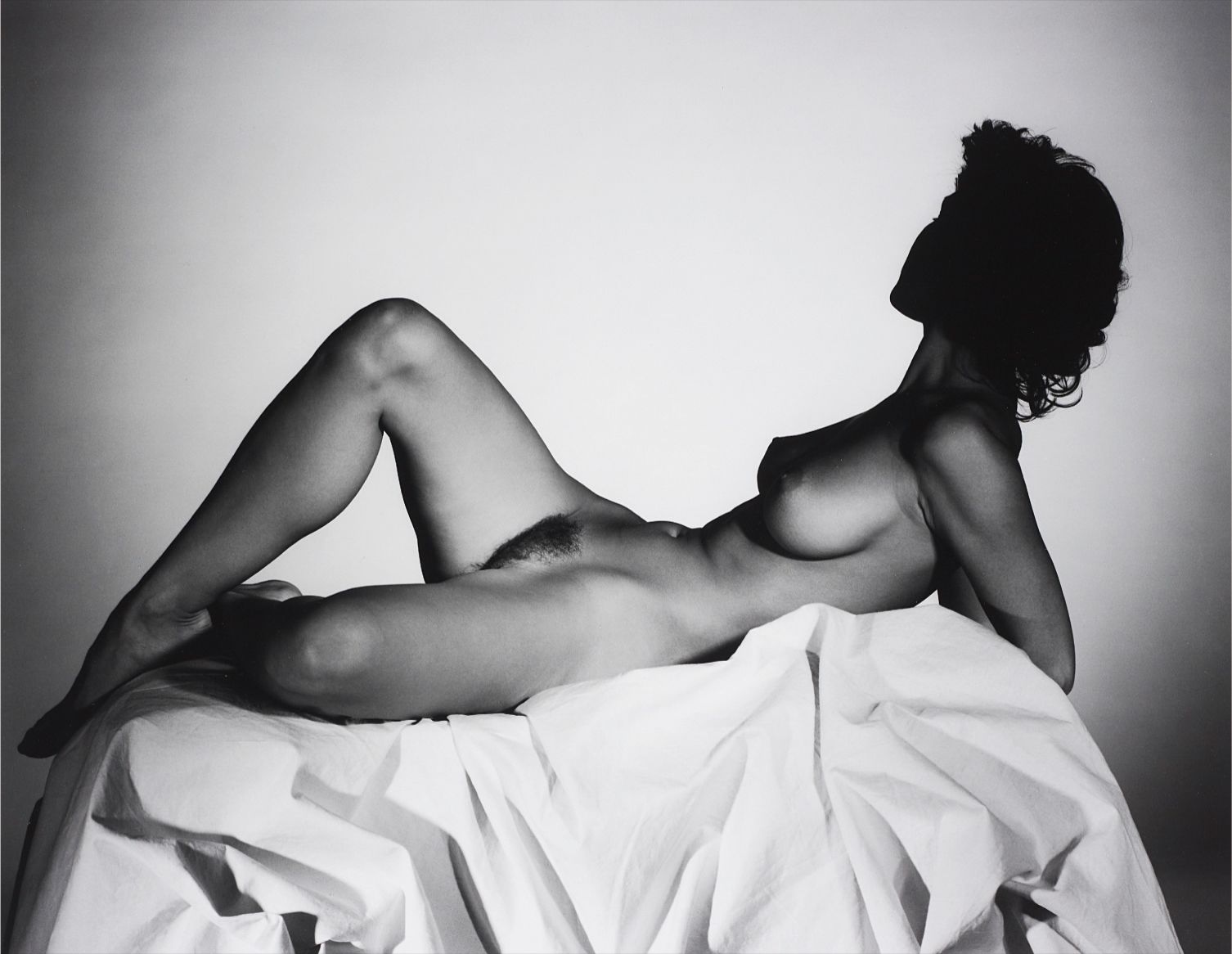
Reclining Nude
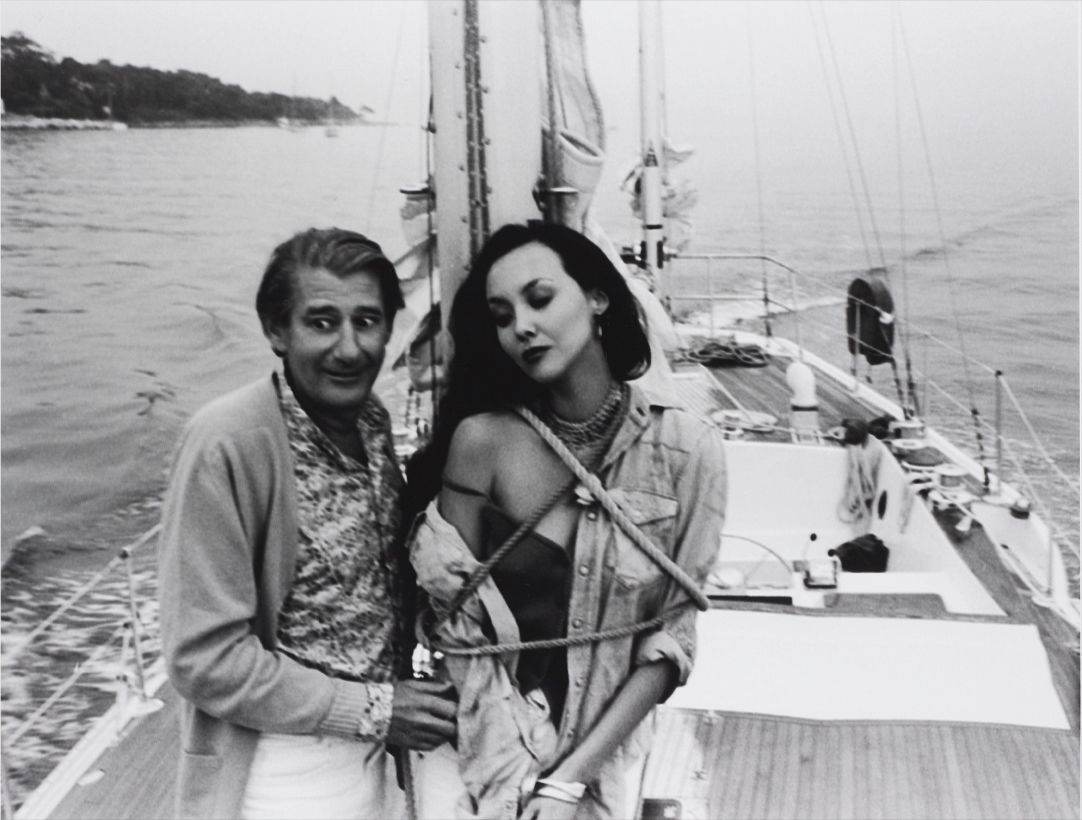
He became known for his nude studies and portraiture in equal measure, working with models, dancers, and artists who trusted him to bring both technical precision and genuine feeling to the work. His friendship and working relationship with figures such as Helmut Newton and Marie Helvin placed him within an international constellation of photographic talent, and his images of both, now held in private collections, are among the most intimate and revealing documents of that creative world. The defining thread running through Swannell's practice is his relationship with light. He has spoken throughout his career about the importance of understanding light not as a technical variable but as an expressive language, and his photographs demonstrate this conviction on every level.
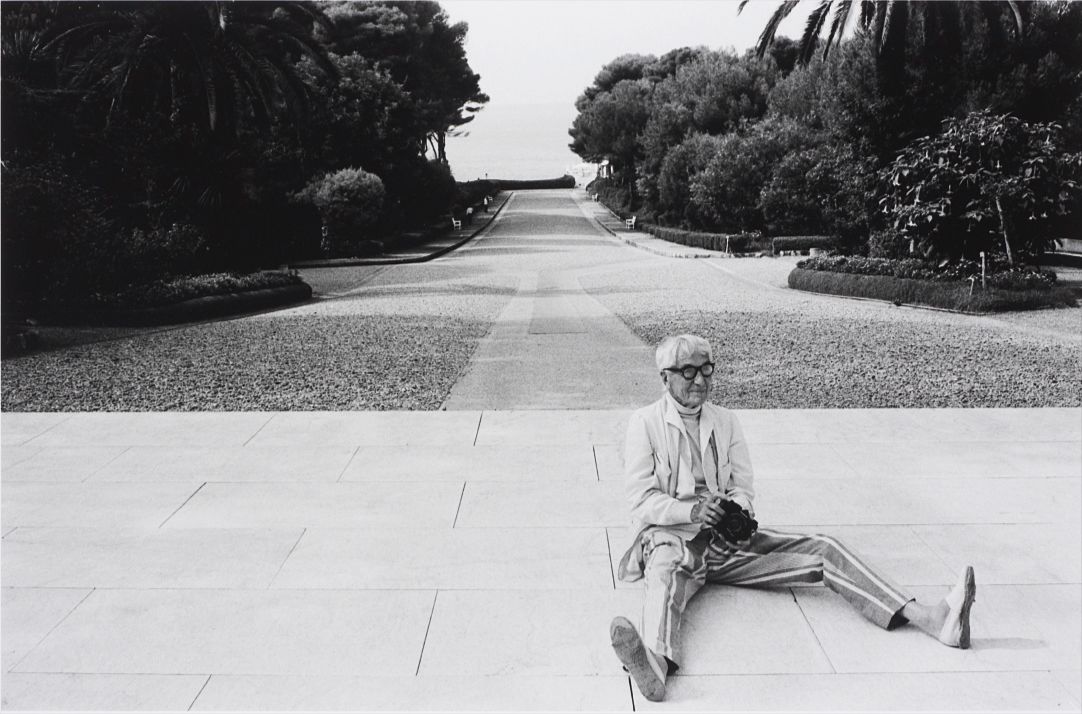
His nude studies, including works such as the luminous Reclining Nude and the striking Nona Summers, use light to sculpt form with a delicacy that recalls the drawings of Ingres or the photographs of Edward Weston. His portraiture operates on a similarly elevated plane. His image of Robert Mapplethorpe, rendered in gelatin silver and carrying the weight of an encounter between two artists who understood each other's visual language, is a quietly extraordinary document. His portrait of Jacques Henri Lartigue, another gelatin silver work, connects Swannell to the deepest roots of photographic history, as though acknowledging a lineage that runs from the earliest masters of the medium to his own carefully considered practice.
John Swannell
Helmut Newton and Marie Helvin
Perhaps the most celebrated series in Swannell's output is the Fine Lines project, a sustained engagement with the beauty and presence of women of mature years that stands as one of the most significant photographic series produced in Britain in the early twenty first century. The 2006 and 2013 editions of Fine Lines, both available as signed and numbered limited prints, represent Swannell at his most purposeful and most politically engaged. At a moment when the culture was, and to a great extent remains, obsessed with youth, Swannell turned his lens toward women including Debbie Moore and Lindy Christensen and produced images of such formal beauty and emotional intelligence that they constitute a genuine artistic statement. These works are signed and numbered in pencil with strict edition sizes of twenty five, making them genuinely rare objects for collectors who understand both their aesthetic and cultural significance.
For collectors approaching Swannell's work, several qualities recommend themselves immediately. His limited edition prints carry low edition numbers and are produced with the exacting care of a photographer who has never treated the print as a secondary concern. The gelatin silver works, printed on fibre based paper with the luminosity and archival permanence that the medium demands at its best, offer a tactile and visual experience that digital reproduction simply cannot convey. Collectors drawn to the classical British photographic tradition, to figures such as Norman Parkinson, Terence Donovan, or Cecil Beaton, will find in Swannell a natural companion, an artist who shares their devotion to craft while bringing an entirely individual voice.
John Swannell
Jacques-Henri Lartigue
His work also speaks to collectors interested in the broader history of twentieth century portraiture, connecting as it does to the humanist traditions of European photography and to the formal ambitions of the fine art nude. Swannell's legacy is secure, and it is still being written. His work with the British Royal Family over several decades has produced some of the most widely reproduced royal portraits of the modern era, yet the commercial ubiquity of those images has not diminished the artistic integrity of his studio and gallery work. If anything, the contrast illuminates the range of a photographer who can operate at the highest levels of public commission while maintaining a private practice of extraordinary depth and consistency.
As the photographic print market continues its reassessment of British masters, Swannell's position as one of the most accomplished image makers of his generation looks more certain with every passing year. To collect his work now is to recognise, ahead of the curve, a photographer whose best images will endure as long as there are people who believe that a great photograph can be as beautiful and as resonant as any painting.
Explore books about John Swannell