John McLaughlin
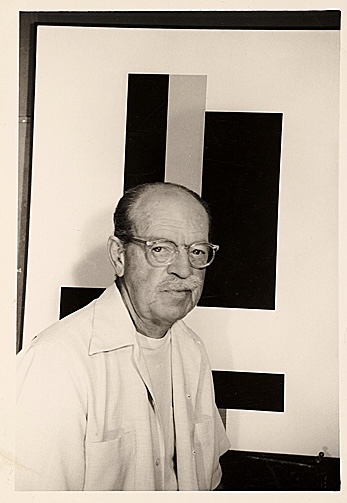
John McLaughlin's Quiet Revolution Still Resonates
Artist Spotlight · The Collection Editorial
“It is my aspiration to achieve that absolute freedom from any reference to objectivity which has been the historic role of music.”
John McLaughlin, artist statement
There is a particular kind of genius that only reveals itself slowly, and John McLaughlin was perhaps the supreme American example of that truth. When the Los Angeles County Museum of Art staged a retrospective survey of his work, audiences encountered something almost paradoxical: paintings of such radical simplicity that they demanded sustained, meditative looking, pulling viewers out of the noise of contemporary life and into a state of profound stillness. That quality has not dimmed with time. If anything, McLaughlin feels more essential now than ever, a painter whose devotion to pure form and silent contemplation speaks directly to a world hungry for exactly those things.
John McLaughlin
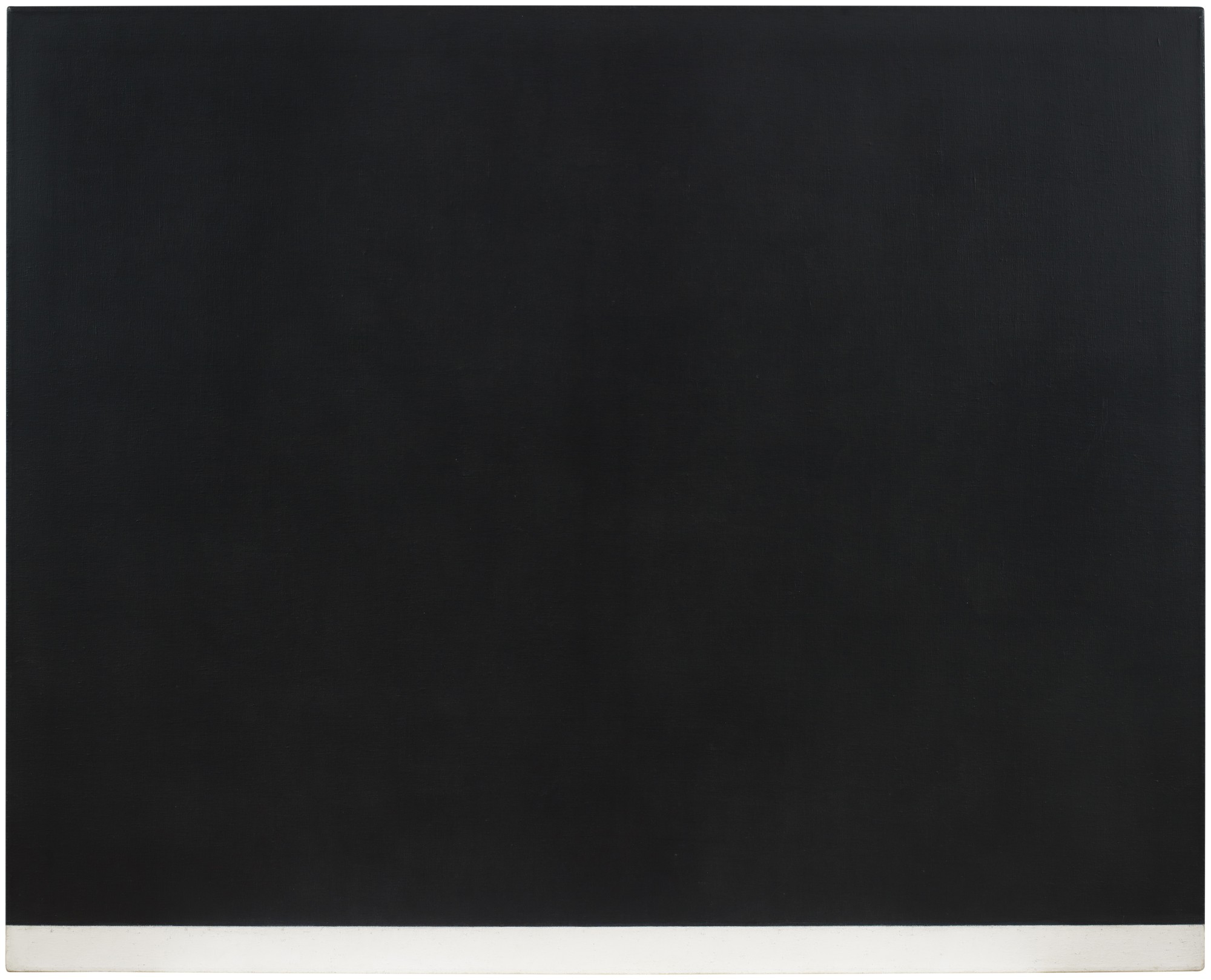
#3
McLaughlin was born in 1898 in Sharon, Massachusetts, into a world far removed from the sun drenched modernism he would eventually make his own. His path to painting was anything but conventional. He spent years in military service and then built a career as a dealer in Japanese art and prints, living in Japan and developing a deep, firsthand understanding of the country's visual and philosophical traditions. He was largely self taught as a painter, not beginning his serious studio practice until he was in his forties.
That late start, rather than being a limitation, gave his work a quality of earned conviction that can rarely be manufactured in younger artists. The time McLaughlin spent immersed in Japanese aesthetics was not merely biographical background: it was the very architecture of his sensibility. Zen Buddhist philosophy, with its emphasis on emptiness as presence rather than absence, on the eloquence of the unadorned, permeated his thinking in ways that would later set him apart from his American contemporaries. He moved permanently to Dana Point, California, in 1946, and it was there, in the particular quality of Southern California light, that his practice truly crystallized.
John McLaughlin
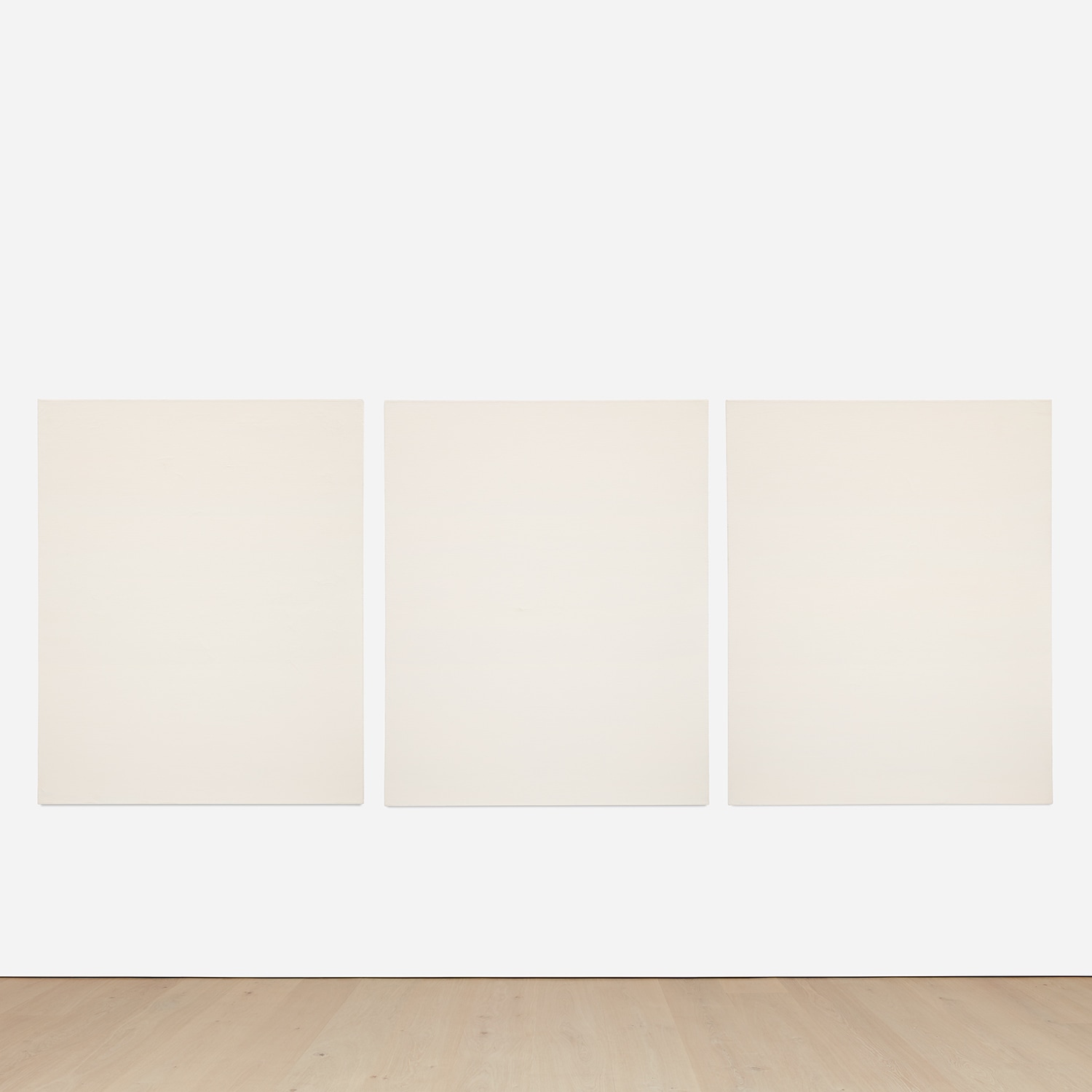
#7, 1971
California gave him a studio life and a community, and he responded by giving California one of its most distinctive and enduring artistic identities. McLaughlin's mature work is immediately recognizable and yet resistant to easy summary. He worked primarily in oil on canvas, building compositions of rectangular fields of color separated by precise, unmodulated bands. There is no gestural mark, no painterly texture, no expressionist urgency.
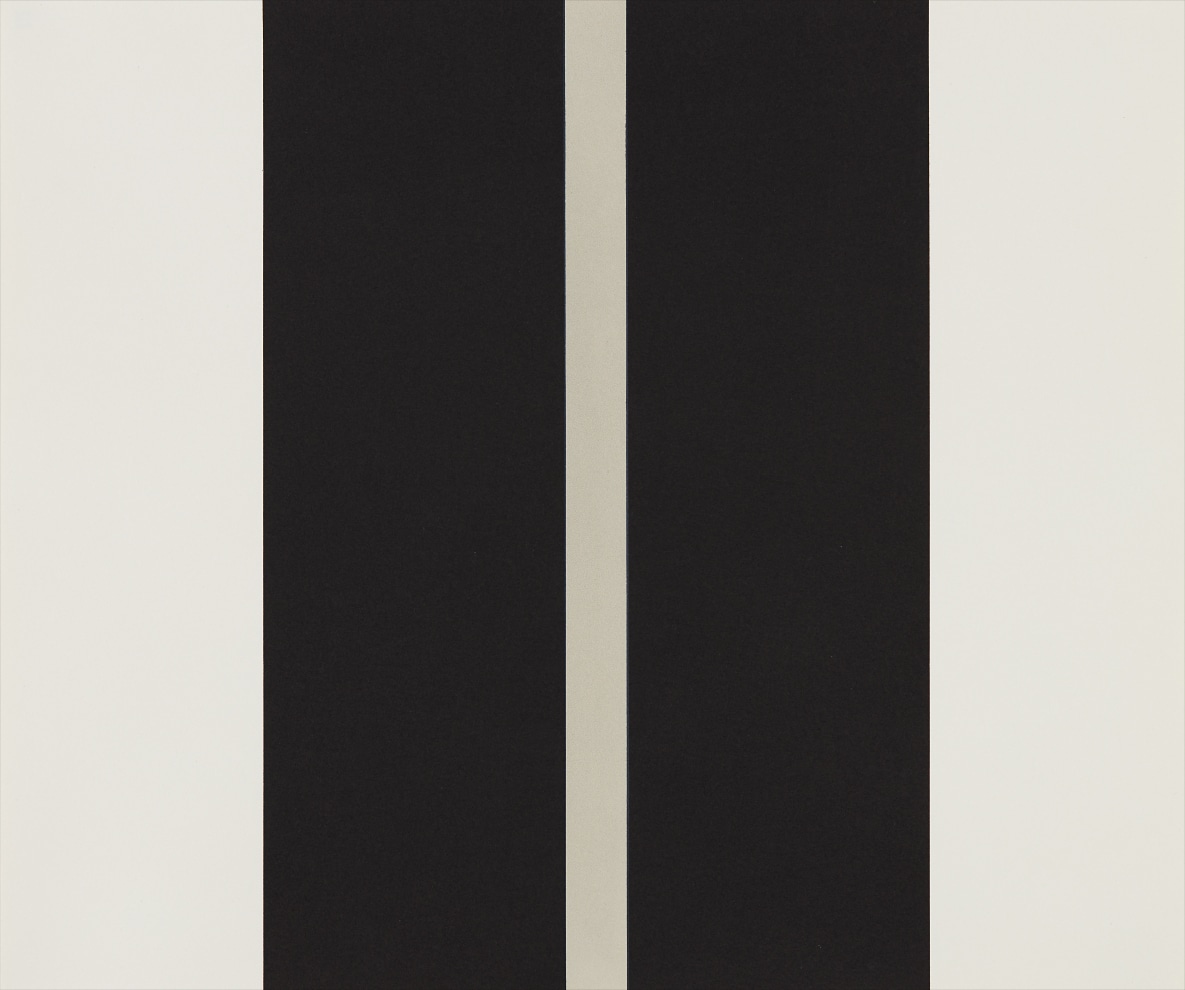
Instead there is something harder to name: a quality of absolute intention, as if each rectangle of muted white, warm grey, black, or carefully chosen color had been placed with a certainty born of years of thought. His paintings do not depict anything, and yet they feel profoundly inhabited. They create conditions for experience rather than delivering experience ready made. Among the works that best represent his achievement, the 1955 canvas known as Number 6 stands as an early demonstration of his fully developed language.
John McLaughlin
John McLaughlin
By that point McLaughlin had shed the residual influences of earlier modernism and arrived at something wholly his own. His 1971 triptych Number 7, executed in oil on canvas in three parts, shows the expansive confidence of his later years, the composition breathing across the three panels with a calm authority that few painters of any era have matched. These are not cold paintings, despite their geometric precision. They carry a warmth that comes from McLaughlin's belief that great painting creates a kind of communion between the work and the person standing before it.
For collectors, McLaughlin represents one of the clearest cases of an artist whose market has grown steadily and whose institutional standing has only strengthened with time. His association with the Hard Edge painting movement and California Minimalism places him in vital conversation with figures such as Karl Benjamin, Frederick Hammersley, and Lorser Feitelson, artists who were grouped together in the landmark 1959 exhibition Four Abstract Classicists, organized by Jules Langsner at the Los Angeles County Museum of History, Science and Art. That exhibition effectively announced a distinctive West Coast sensibility to the broader art world, and McLaughlin was central to its argument. Works by these artists have continued to find committed institutional and private collectors, and McLaughlin's paintings appear regularly in major postwar and contemporary sales at Christie's, Sotheby's, and Phillips, where they consistently perform with strength.
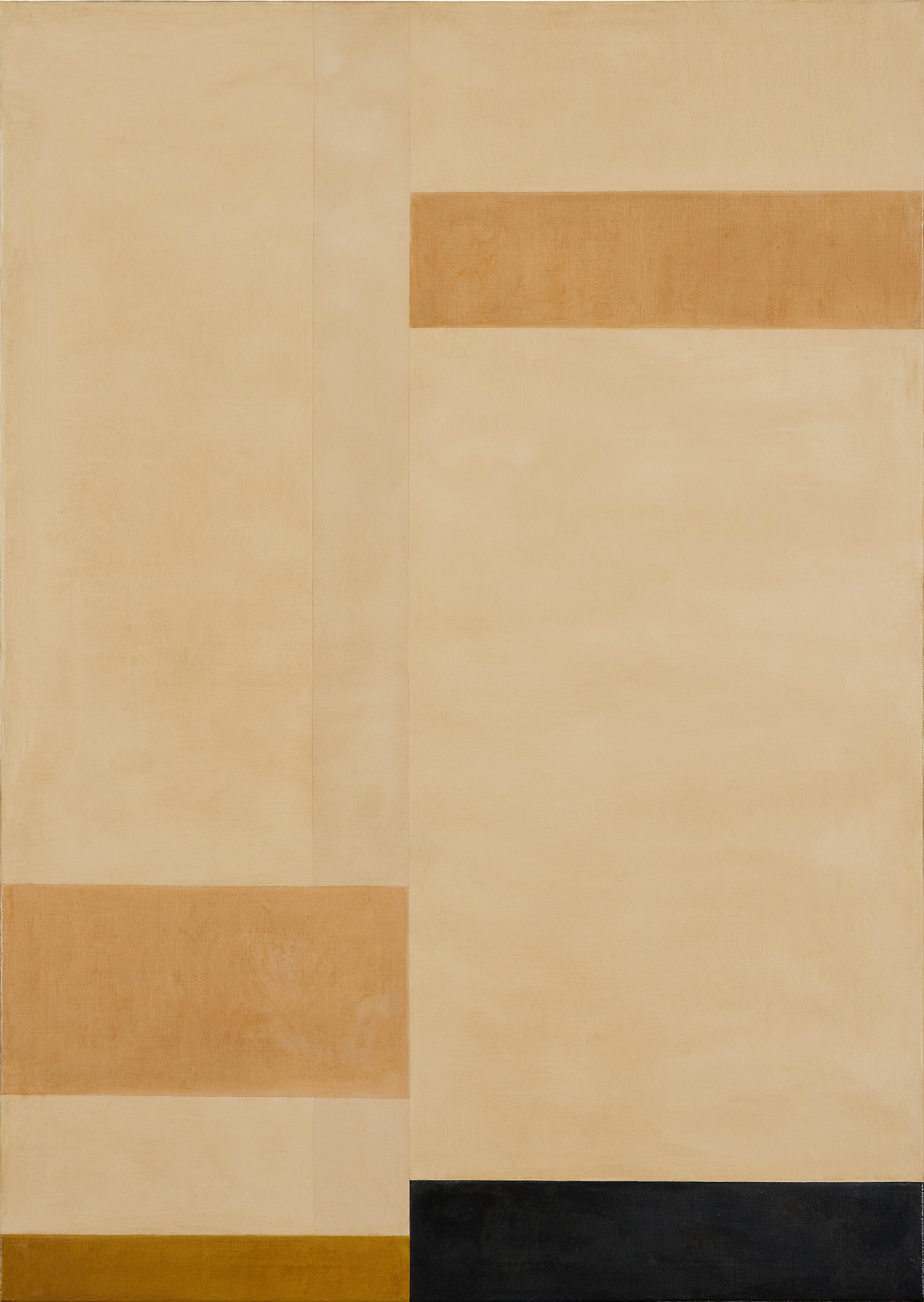
John McLaughlin
#6, 1955
What draws sophisticated collectors to McLaughlin, beyond the steady market performance, is a quality that resists easy articulation but is instantly felt in the presence of the work. These paintings reward time. In an era when so much art announces itself immediately and then exhausts its interest just as quickly, a McLaughlin repays every hour spent with it. His canvases look different in morning light than in afternoon shadow.
They shift with the viewer's mood and attention. That quality of inexhaustibility, combined with their remarkable physical presence, makes them objects that collectors describe as genuinely transformative to live with. Condition and provenance matter significantly in this market, and works with clean exhibition histories and documentation from his Dana Point studio years are especially sought after. In the broader context of American art history, McLaughlin occupies a position of quietly increasing importance.
He was never a self promoter, never a figure who cultivated celebrity or institutional favor with the aggressive energy of some of his New York contemporaries. His relationship to the Abstract Expressionists was one of respectful divergence: where they sought catharsis and emotion, he sought clarity and quiet. He shares something with the Minimalists who emerged in the 1960s, particularly Donald Judd and Robert Ryman, in his insistence on the primacy of direct perceptual experience over narrative or symbolism. But McLaughlin arrived at his conclusions independently and earlier, filtered through a non Western philosophical tradition that gave his reductivism a spiritual depth that is distinctly his own.
McLaughlin passed away in 1976, leaving behind a body of work that has only grown in stature in the decades since. Major museums including the Museum of Modern Art in New York and the Los Angeles County Museum of Art hold his paintings in their permanent collections, ensuring that new generations of artists and viewers continue to encounter his vision. His work reminds us that painting does not need to shout to be heard, that silence, when it is purposeful and deeply felt, carries its own profound eloquence. For anyone building a collection that aspires to depth and duration, McLaughlin is not merely a rewarding choice.
He is an essential one.
Featured Works
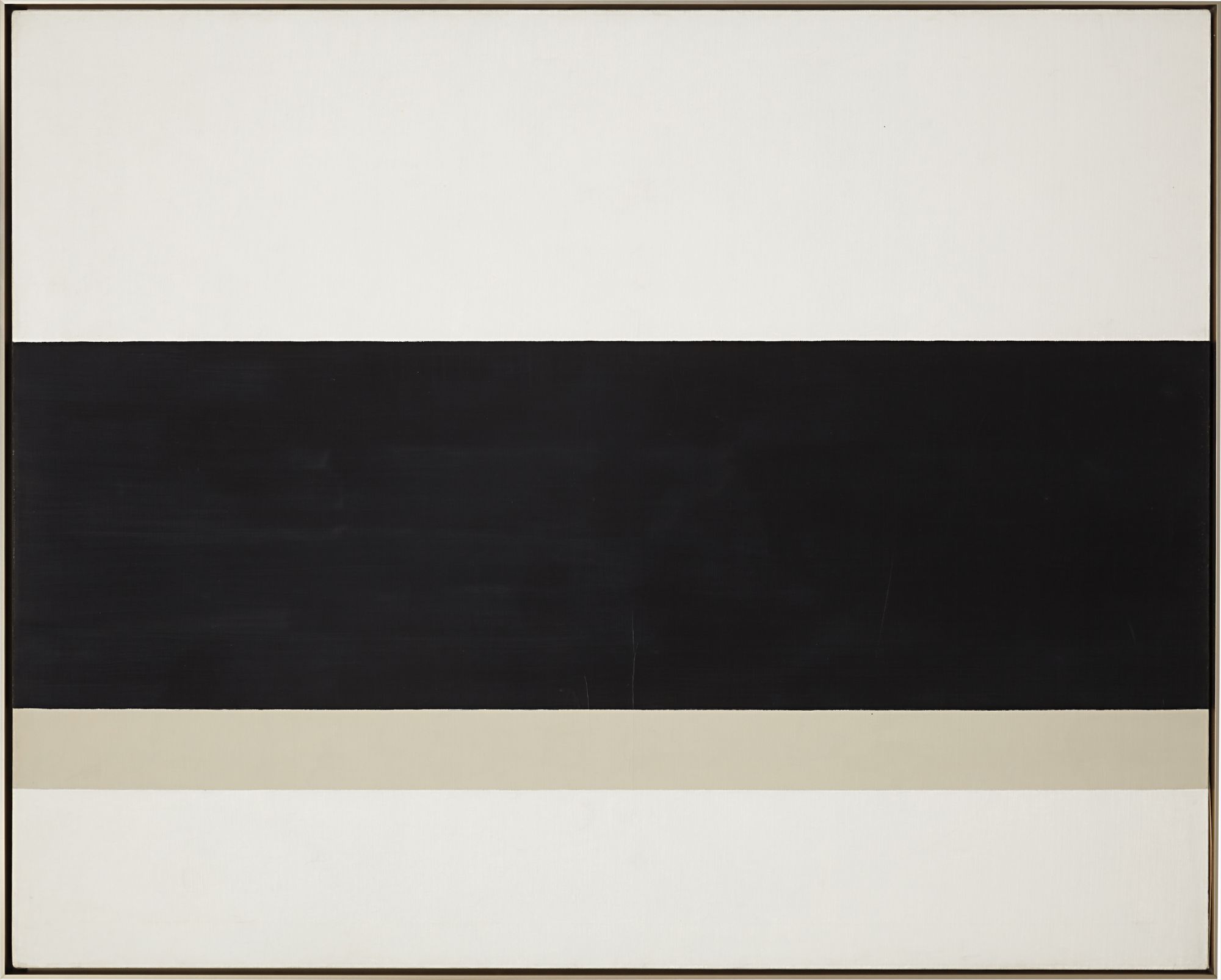
Explore books about John McLaughlin
John McLaughlin: My Goal's Beyond
John McLaughlin
John McLaughlin: The Man and the Music
Colin Larkin
John McLaughlin: A Life
Paul Steeples
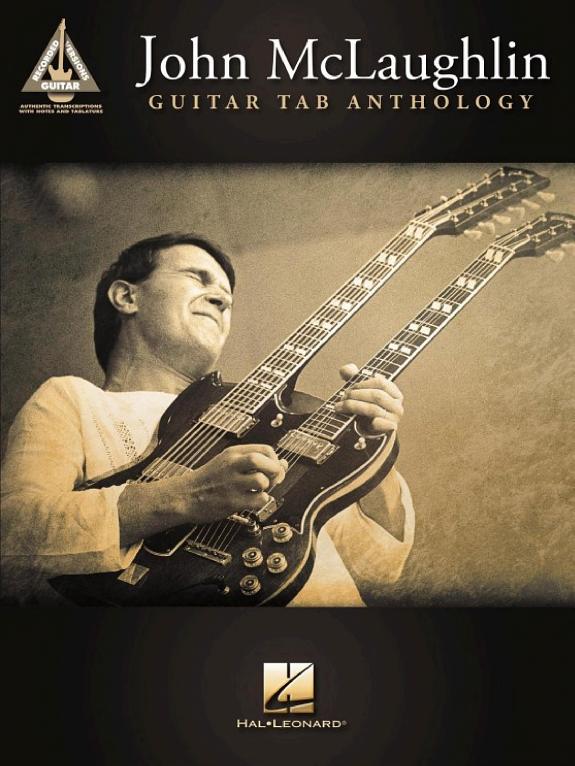
The Best of John McLaughlin: Guitar Collection
John McLaughlin
John McLaughlin and the Mahavishnu Orchestra
Various Authors