John Gibson
John Gibson, Sculpture's Most Luminous Pioneer
Artist Spotlight · The Collection Editorial
“Nature is the best teacher of art, and the Greeks were the best students nature ever had.”
John Gibson, attributed
There are artists whose reputations rest comfortably within the era that made them, and then there are those whose work continues to radiate meaning long after the world that shaped them has dissolved. John Gibson belongs firmly to the second category. When the Victoria and Albert Museum in London displays its collection of nineteenth century neoclassical sculpture, Gibson's figures occupy a place of quiet authority, their polished marble surfaces catching light in ways that still stop visitors mid stride. His reputation, which burned so brightly during his lifetime that he was considered the greatest British sculptor of his age, has in recent decades attracted renewed scholarly attention, with researchers and curators recognising in his practice a bridge between the grand tradition of antiquity and the searching individualism of the modern era.
John Gibson
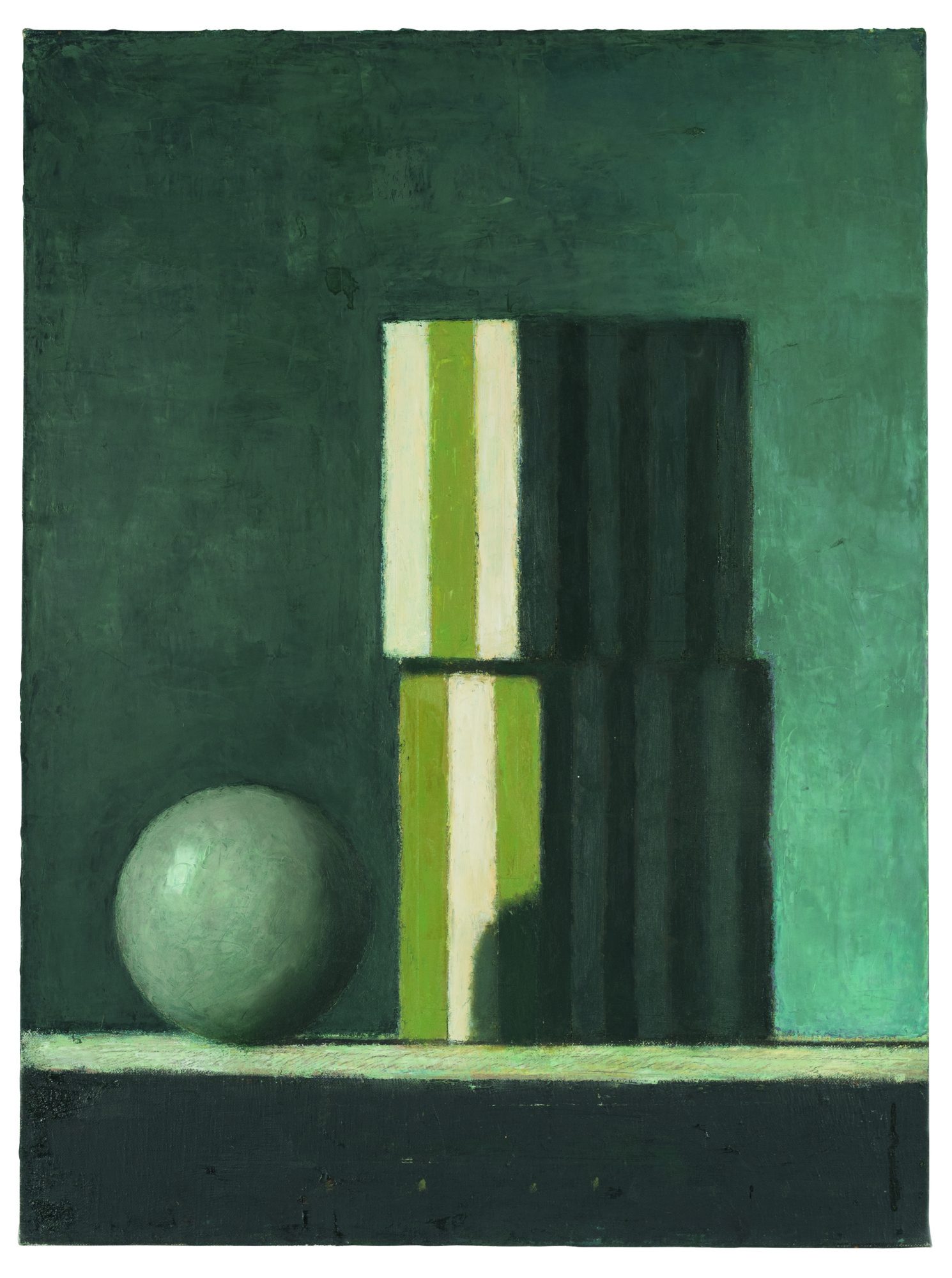
Stacked Columns And Ball
Gibson was born in 1790 in Gyffin, near Conwy in North Wales, the son of a market gardener. The circumstances of his early life were modest, and he received little formal education, but the landscape of northern Wales, dramatic and ancient, seems to have instilled in him an instinctive feeling for form and permanence. His family relocated to Liverpool when he was still a child, and it was there that his remarkable talent first announced itself. Working initially as an apprentice to a firm of cabinet makers, Gibson began carving ornamental details with a skill that attracted local notice.
By his early twenties he had come to the attention of the prominent sculptor Samuel Joseph, and through widening professional connections he made his way to London, where he worked briefly in the studio of John Flaxman, the celebrated neoclassical draughtsman and sculptor whose influence on British art in the early nineteenth century was profound. But it was Rome that truly made Gibson. He arrived in the city in 1817, carrying an introduction to the Danish master Bertel Thorvaldsen, whose cool classical severity was then setting the international standard for sculptural ambition. Thorvaldsen recognised Gibson's gifts immediately and took him on, and Gibson also studied with the great Antonio Canova during the final years of that master's life.
John Gibson
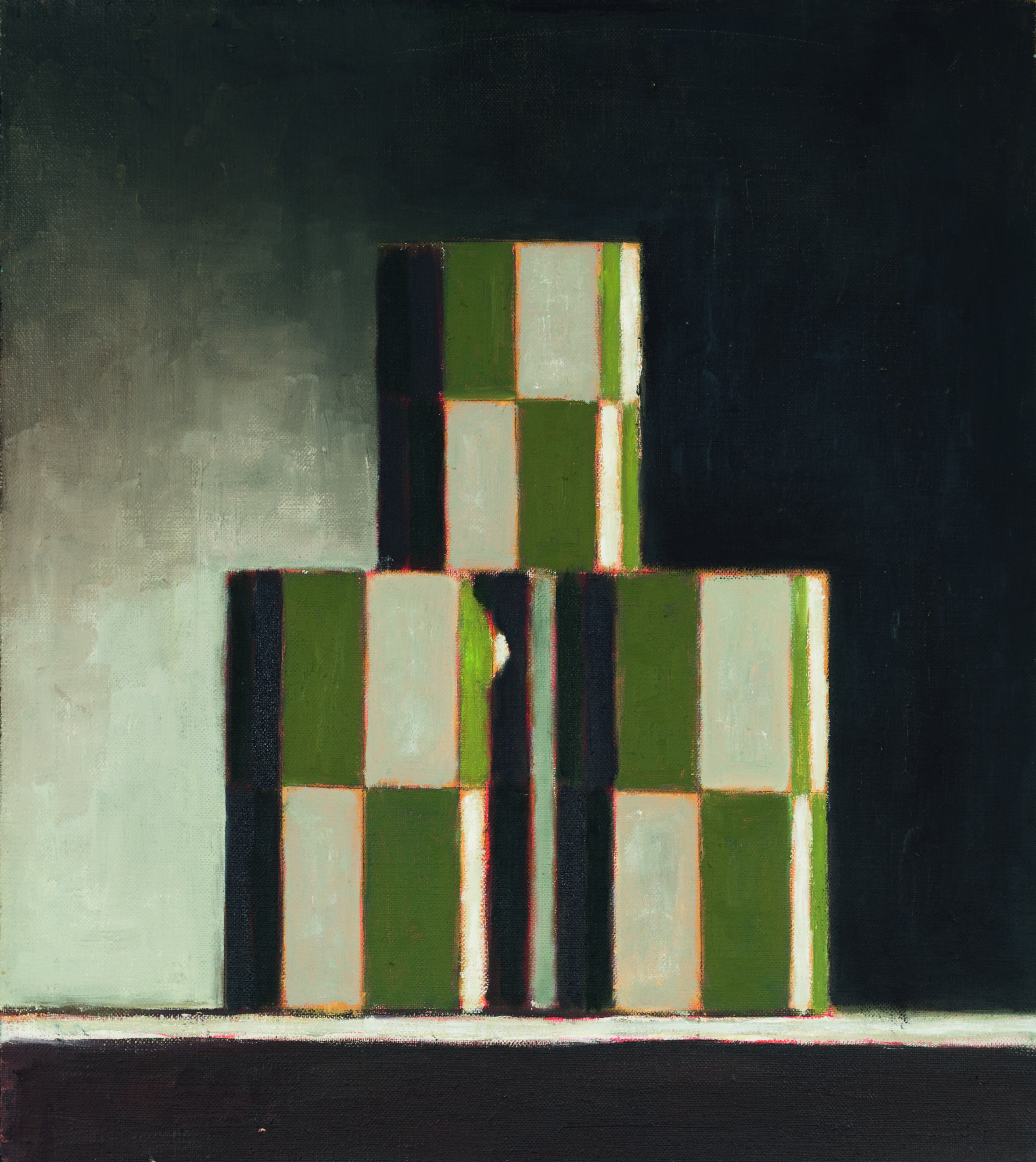
Three Stacked And Checked Boxes
To learn from both Thorvaldsen and Canova, the two titans of neoclassical sculpture, was an education of extraordinary intensity. Gibson absorbed their lessons in the perfection of surface, the idealisation of the human form, and the eloquence of mythological narrative, but he was never simply a follower. He remained in Rome for the rest of his long life, becoming a central and beloved figure in the expatriate artistic community there, and it was in Rome that his most celebrated and controversial innovations took shape. Gibson's signature contribution to the history of sculpture was his revival of the ancient Greek practice of tinting marble, which he called the tinted Venus.
His most famous work, the Tinted Venus, completed around 1851 to 1856 and now held in the Walker Art Gallery in Liverpool, presented a figure of Aphrodite with flesh tones applied to the marble surface, with gilded hair and painted eyes, lips, and drapery. The work caused a sensation when it was exhibited in London at the International Exhibition of 1862, attracting enormous crowds and provoking fierce debate about whether the addition of colour enhanced or violated the purity of sculptural form. For Gibson, the decision was both scholarly and sensory. He had studied ancient Greek statuary carefully and was convinced that the Greeks had indeed polychromed their marble figures, and he believed that tinting brought his own work closer to the living ideal he sought.
John Gibson
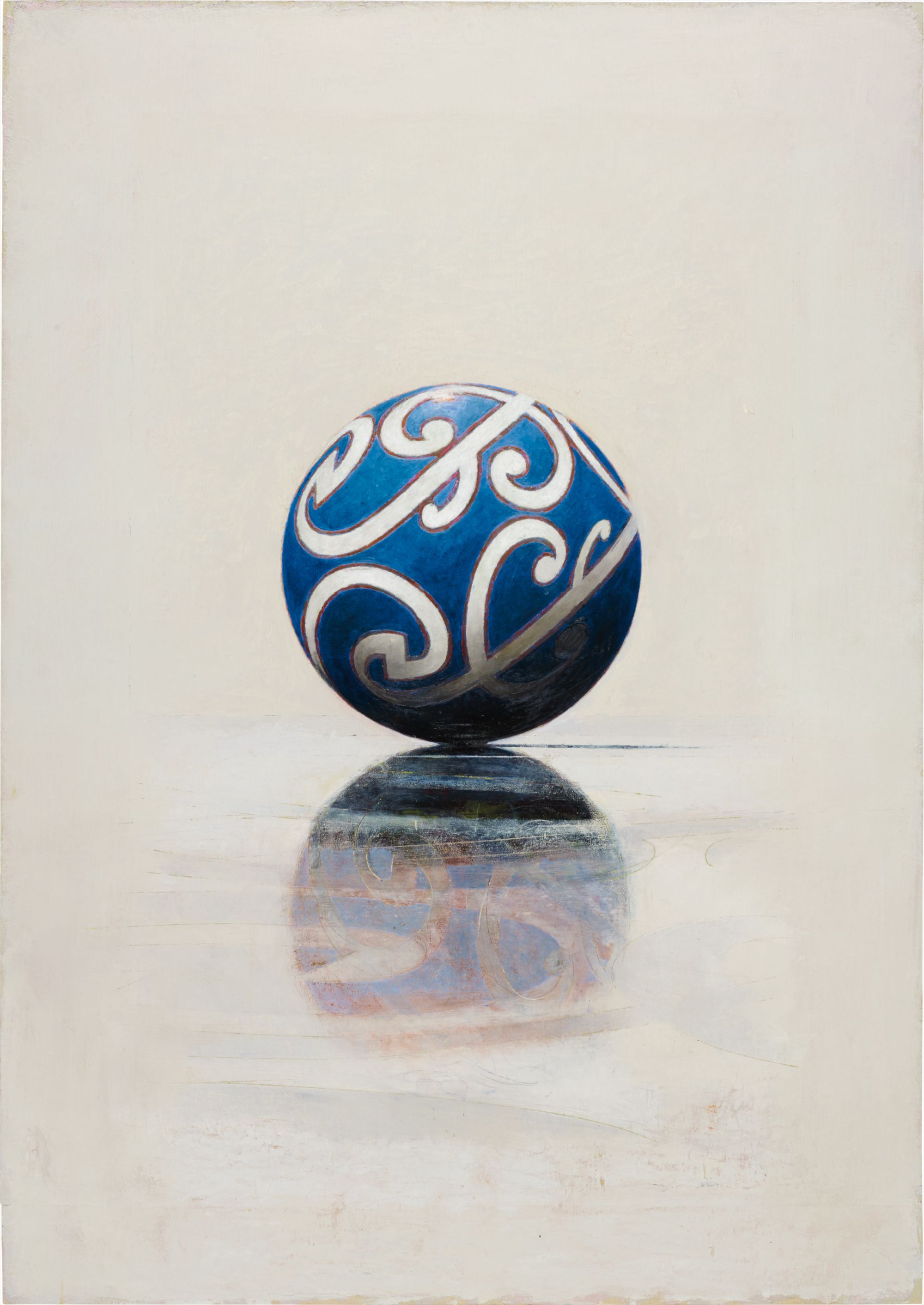
Thomas II
Whether critics agreed or not, the audacity of the gesture demonstrated a mind unwilling to be confined by received convention. Among his other celebrated works are Hylas Surprised by the Naiads, a composition of remarkable tenderness and movement, and the monument to William Huskisson in the Liverpool Customs House, a dignified neoclassical tribute to the statesman who died in the famous railway accident of 1830. Gibson received the commission for a portrait statue of Queen Victoria, and his rendering of the young queen in classical robes rather than contemporary dress reflected his conviction that the idealising vocabulary of antiquity was the only fitting language for enduring commemoration. He was elected a full member of the Royal Academy in 1836, a recognition that meant a great deal to an artist who had begun life with so few advantages.
His studio in Rome became a place of pilgrimage for British aristocrats and American collectors on the Grand Tour, and his waiting list for portrait busts and ideal figures was perpetually full. For collectors approaching Gibson's work today, the primary market for original sculpture by historical figures of his stature is naturally concentrated at major auction houses, where works by his peers and contemporaries, including William Carew, Richard James Wyatt, and Lawrence Macdonald, artists who similarly inhabited the Anglo Roman neoclassical world, have demonstrated sustained demand. Gibson's works appear occasionally at leading sale rooms in London, and marble pieces in good condition and with clear provenance represent rare opportunities. The intimacy of his portrait busts, with their combination of classical composure and individual likeness, offers collectors a point of entry that combines historical significance with personal warmth.
His ideal figures, where mythological subjects allowed him the greatest formal freedom, represent the fullest expression of his ambitions and are accordingly treasured when they come to market. Gibson's place in art history sits at one of the most generative crossroads of the nineteenth century. He belongs to the tradition of Canova and Thorvaldsen, but his insistence on the tinting of marble anticipates debates about authenticity and the relationship between art and the body that would preoccupy critics and artists well into the twentieth century. His willingness to study and absorb from the greatest artists of his moment, while maintaining a singular creative vision, offers a model of artistic seriousness that remains inspiring.
At a moment when interest in the long nineteenth century is once again gathering energy in museums and among thoughtful collectors, Gibson stands as one of its most compelling and original figures: a Welsh boy who arrived in Rome with little more than exceptional gifts and the determination to spend them well.
Explore books about John Gibson
John Gibson: A Life
Penelope Curtis
The Life and Work of John Gibson, R.A., Sculptor
Lady Eastlake
John Gibson Sculptor: Roman Neoclassicism in Britain
Christine Gerrard
The Autobiography of John Gibson, R.A., Sculptor
John Gibson