John Bauer

John Bauer: Magic Breathes in Nordic Woods
Artist Spotlight · The Collection Editorial
There is a particular kind of hush that falls over a gallery when viewers encounter the work of John Bauer for the first time. The Swedish painter and illustrator, born in Jönköping in 1882, created images so deeply rooted in the folk imagination of Scandinavia that they seem to have always existed, as though pulled from the earth itself rather than drawn by a human hand. Today, as interest in Nordic art history surges across international collecting circles and institutions revisit the golden period of Swedish illustration, Bauer stands as one of the most quietly commanding figures of his era, a visionary whose work rewards sustained looking and whose influence on fantasy art, illustration, and the broader visual culture of northern Europe cannot be overstated. Bauer grew up in Jönköping, a provincial city on the southern shore of Lake Vättern, surrounded by the dense forests and lake threaded landscapes that would become the defining geography of his imagination.
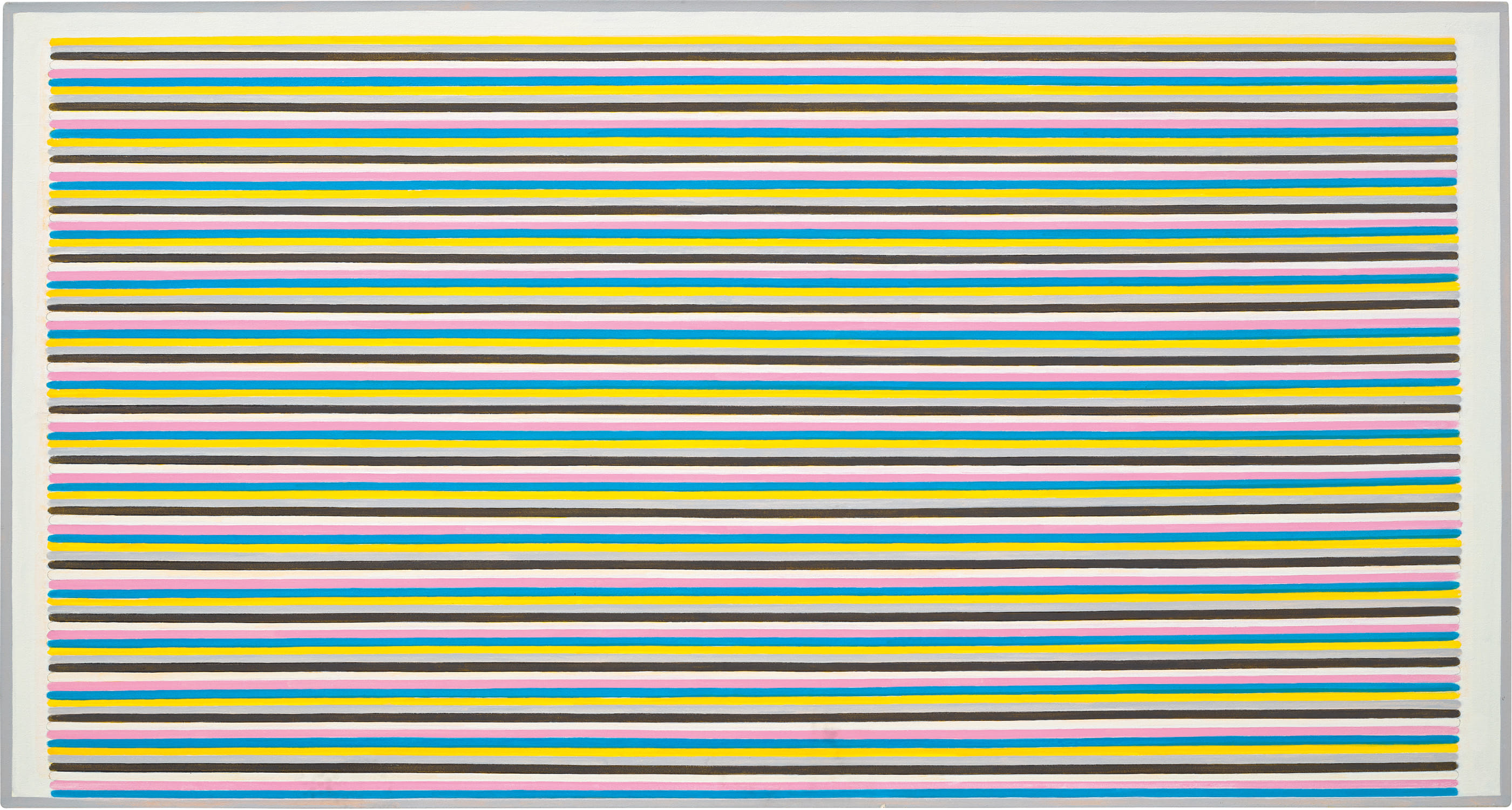
John Bauer
Mi Propio Color, 2008
His father was a butcher, and the family was solidly working class, yet Bauer demonstrated a precocious artistic gift that earned him a place at the Royal Swedish Academy of Arts in Stockholm, which he entered in 1900 at the age of eighteen. The Academy gave him technical grounding, but it was the Swedish countryside, particularly the ancient woodlands of Småland and the northern regions he traveled through as a young man, that truly formed his eye. He absorbed folk tales, studied peasant culture, and developed a reverence for the mythological interior life of rural Sweden that would define everything he made. His breakthrough came through a remarkable ongoing collaboration with the Swedish publisher Albert Bonniers Förlag, which produced the annual anthology Bland tomtar och troll, meaning Among Gnomes and Trolls, beginning in 1907.
Bauer contributed illustrations to this publication for nearly a decade, and the images he created for it became among the most beloved in Swedish cultural history. His trolls were not grotesque or merely frightening; they were melancholic, enormous, deeply of the earth, rendered with a tenderness that transformed them from monsters into something approaching the sublime. The children in his pictures, often tiny and solitary against vast forest backgrounds, carry themselves with a seriousness and spiritual weight that elevates the images far beyond conventional fairy tale illustration. Technically, Bauer was a painter of considerable sophistication.
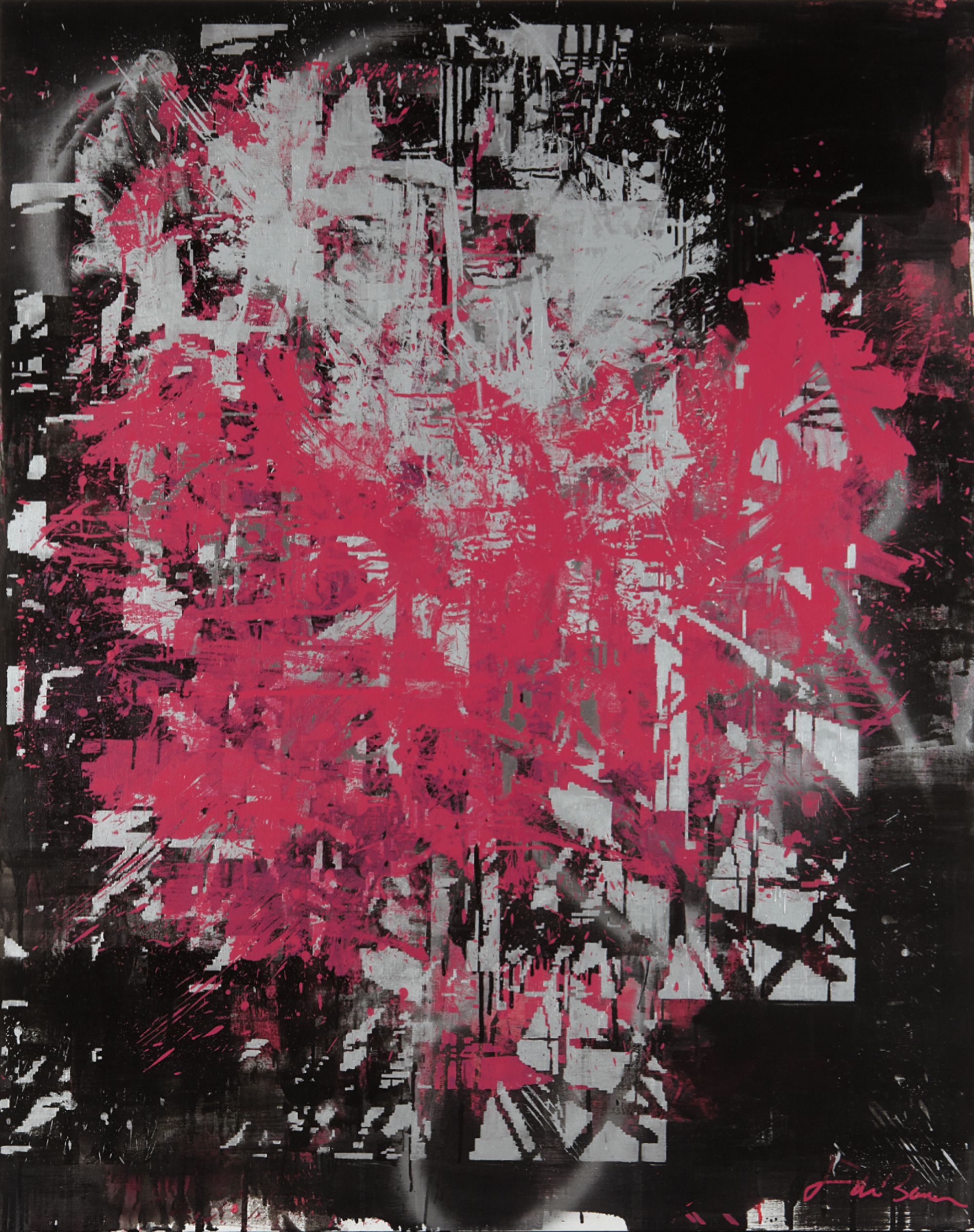
John Bauer
Fucked up
He worked in oil and also in the detailed line and watercolor work that characterized his illustrations, and his ability to modulate light within shadowed woodland scenes reflects a debt to both the Symbolist painters he would have encountered through European exhibitions and the older Nordic Romantic tradition exemplified by figures such as Carl Larsson and Ernst Josephson. Yet Bauer's sensibility was distinctly his own. Where Larsson's Sweden was domestic, sunlit, and warm, Bauer's was ancient, nocturnal, and hushed. His compositions favor deep greens, mossy grays, and the particular silver of moonlight filtering through birch trees, a palette that feels emotionally precise rather than merely decorative.
For collectors approaching Bauer's work, the primary entry points are his original illustrations, works on paper, and preparatory studies, many of which have passed through Swedish auction houses including Bukowskis, the preeminent Scandinavian auction house with a long history of handling material from this period of Swedish art. Original works by Bauer are rare on the international market, given both his relatively short career and the fierce affection with which Swedish cultural institutions and private collectors have held onto material. The Jönköpings läns museum, located in his hometown, holds a significant collection of his work and remains the essential destination for anyone wishing to understand the full range of his practice. Collectors seeking works in this tradition should also attend to the broader context of Swedish Symbolism and the National Romantic movement, as works by contemporaries in this circle frequently appear alongside Bauer material and share much of the same emotional and visual vocabulary.
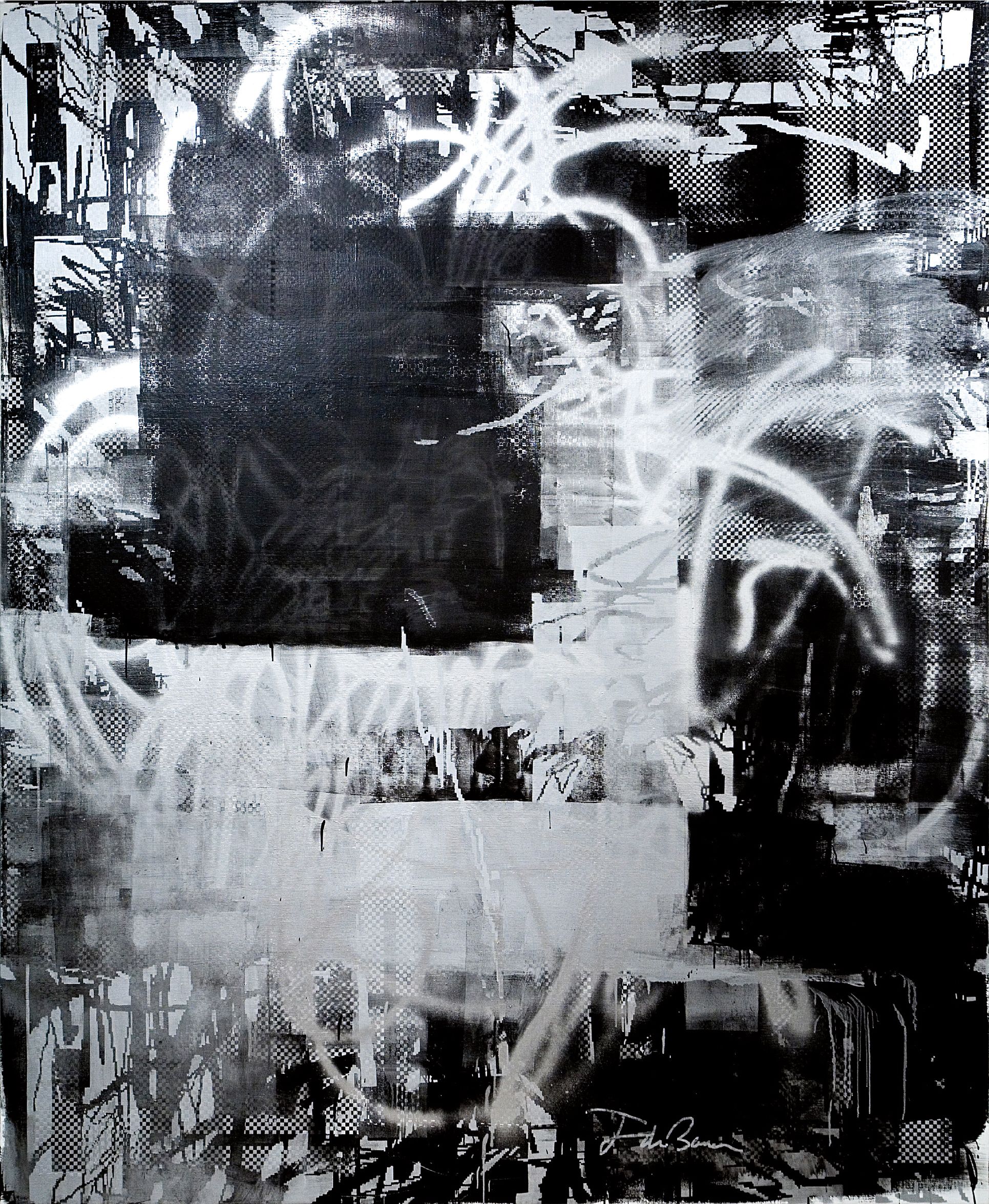
John Bauer
A Six-Foot-by-Four-Foot Painting of a Naked Lady
Bauer's place in art history sits at an interesting intersection. He belongs to the generation of European illustrators who elevated the form to a fine art, a cohort that includes Arthur Rackham in England and Edmund Dulac, both of whom were working in precisely the same years and addressing similar themes of enchantment, childhood, and the uncanny. Comparing Bauer to Rackham is instructive: both men depicted forests as living, sentient presences, and both understood that the most powerful illustrations leave a portion of the image unresolved, allowing the viewer's imagination to complete the scene. Yet Bauer's work is more austere, more influenced by the particular melancholy of the northern Protestant imagination, less theatrical and more devotional in its quietness.
The tragedy of John Bauer's biography is inseparable from the pathos of his work. In November 1918, he died at the age of thirty six when the steamship Per Brahe sank in Lake Vättern, the very body of water that bordered his hometown. He was traveling with his wife Ester and their young son Bengt. The loss was devastating to Swedish culture, and it arrived at the moment when Bauer seemed poised to develop his practice in new directions, having recently spent time in northern Sweden absorbing the landscape of the Sami people and producing work of increasing ambition and emotional depth.
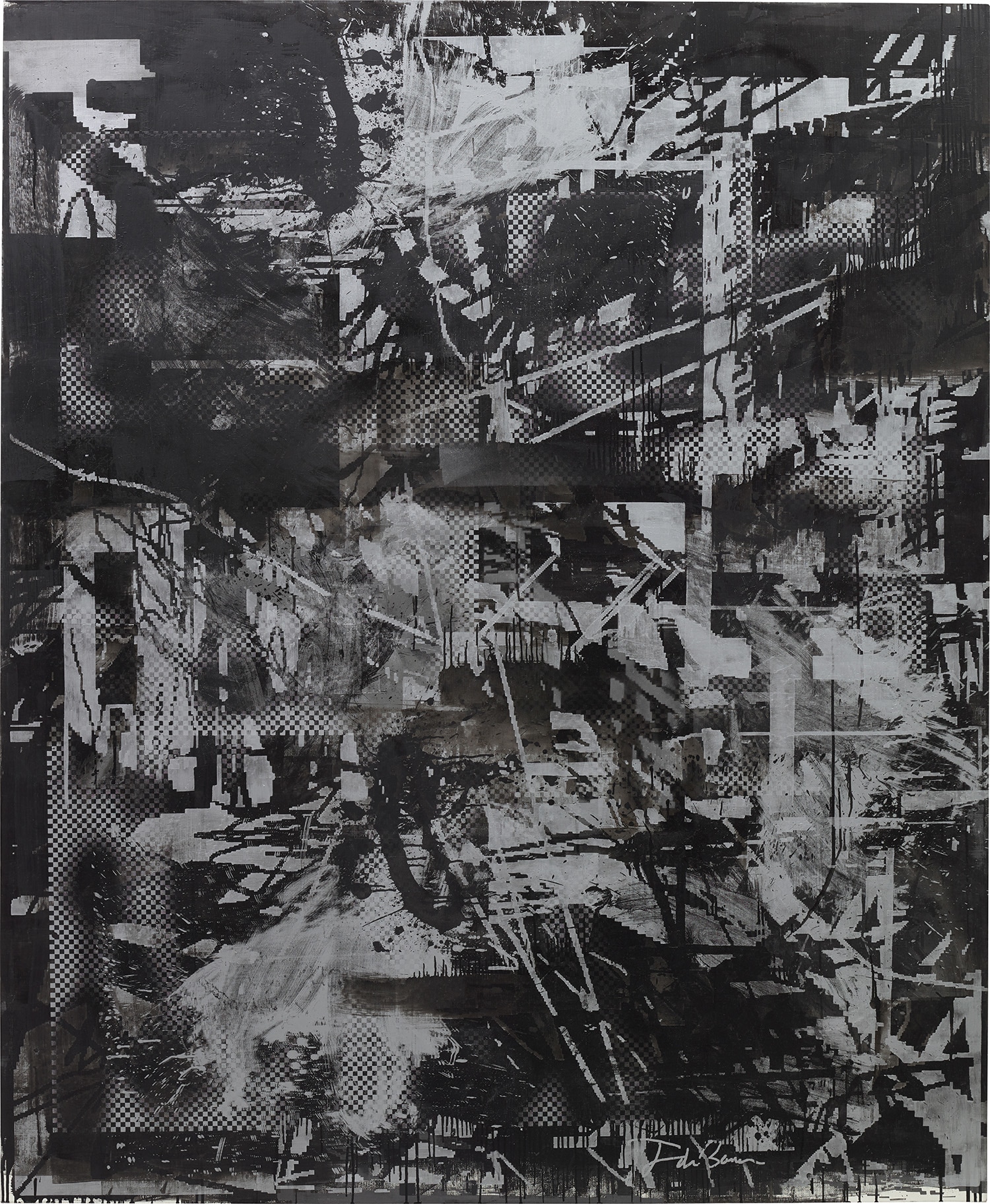
John Bauer
Poltergeist, 2008
What survived is a body of work that has only grown in stature with time. What makes Bauer genuinely essential for collectors and students of art history alike is the way his images continue to function. They are not period pieces or historical curiosities; they are living visual objects that generate feeling on their own terms. The best of his illustrations operate the way the finest poetry does, compressing enormous emotional and narrative content into forms that feel inevitable.
In an era when collectors are increasingly drawn to artists who offer a distinct and transportable vision of the world, Bauer delivers precisely that: a world entirely his own, ancient and tender and unmistakably Swedish, waiting in the silence of the forest.
Explore books about John Bauer
John Bauer: Swedish Illustrator and Painter
Nils Andersson
John Bauer: The Complete Fairy Tales and Other Stories
John Bauer, translated by various
John Bauer 1882-1911: Swedish Painter and Illustrator
Göran Malmqvist
Bland Tomtar och Troll: John Bauers sagor
John Bauer
John Bauer: The Illustrated Works
Ulf Boëthius