Johan Hagemeyer
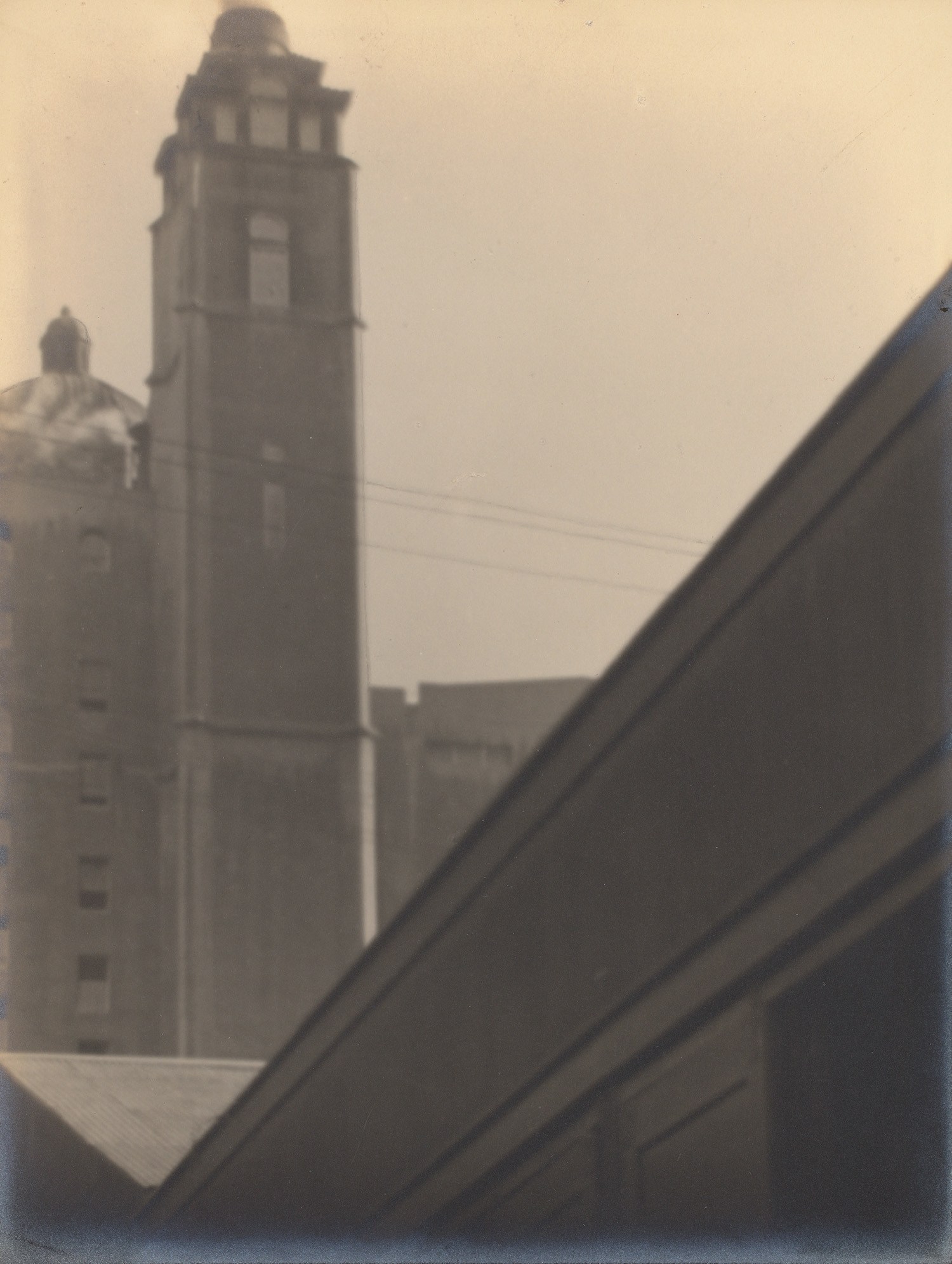
Johan Hagemeyer: Light Made Into Poetry
Artist Spotlight · The Collection Editorial
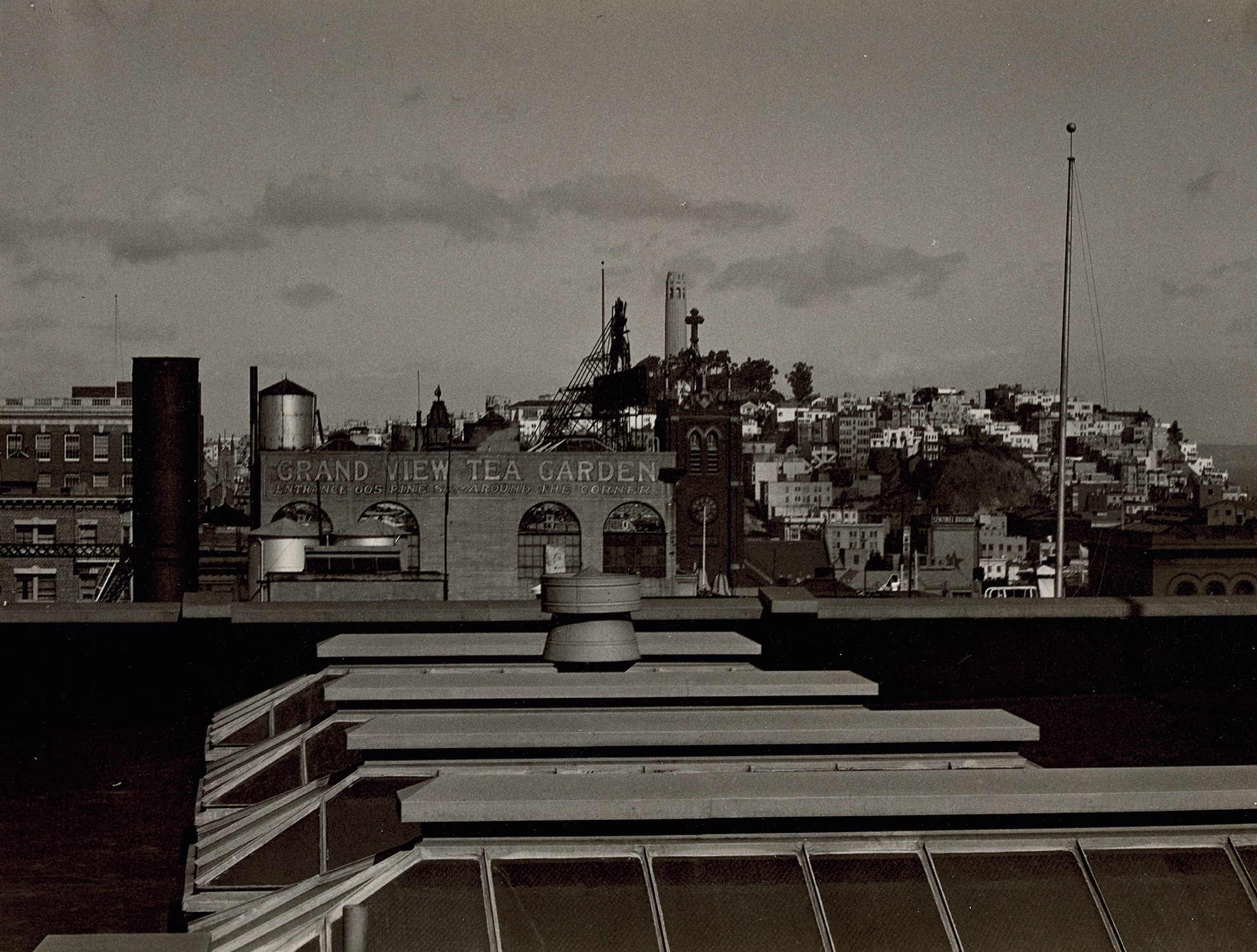
There is a photograph of Telegraph Hill seen from a San Francisco hotel room window, the city's contours dissolving into soft gradients of silver and gray, that stops you cold. It is not a document. It is a feeling. Johan Hagemeyer made it, and in doing so he captured something essential about his entire vision: the world as a luminous, trembling thing, best understood through the sensitive eye of someone who chose to see rather than simply record.
Johan Hagemeyer
View of Telegraph Hill from San Francisco Hotel Room
That photograph, a gelatin silver print tipped to black paper, remains one of the most quietly arresting images in the canon of early West Coast photography, and it stands as a fitting entry point into the life and work of an artist whose reputation is experiencing a richly deserved renaissance among collectors and institutions alike. Hagemeyer was born in the Netherlands in 1884, arriving in the United States in the early twentieth century as part of a generation of European immigrants who brought with them both intellectual restlessness and a hunger for reinvention. He initially trained as a horticulturist, a vocation that cultivated in him a deep sensitivity to organic form, to the way light falls across a surface, to the patient observation that growing things demand. This attentiveness to natural structure would never leave his photography.
It surfaced in his close studies of flowers, in the rhythmic play of shadow across architectural forms, and in the tenderness with which he approached the human face. California, with its extraordinary quality of coastal light and its culture of artistic experimentation, became his permanent home and the stage on which his practice fully flowered. The formation of Hagemeyer's artistic identity was inseparable from his friendships with the defining figures of American photographic modernism. His relationship with Edward Weston was among the closest and most intellectually generative of his life.
Johan Hagemeyer
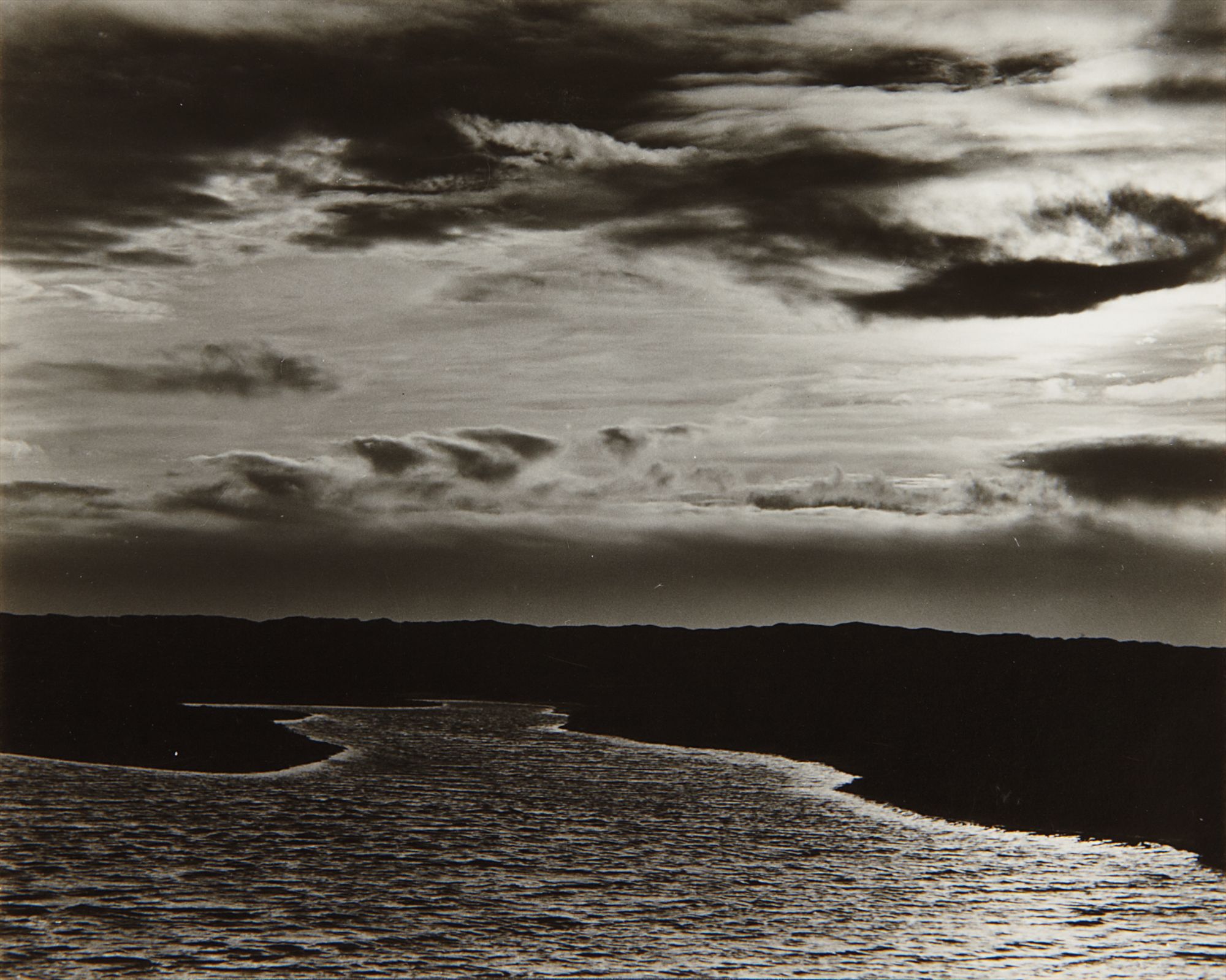
Moss Landing near Watsonville
The two men shared a profound commitment to photography as a fine art capable of expressing interior states, and their correspondence and mutual influence shaped both of their practices during the pivotal years of the 1920s. Hagemeyer was also connected to Alfred Stieglitz, the great champion of photography as high art, whose circle in New York provided the critical and institutional framework within which serious photographers of the era defined their ambitions. Through these relationships Hagemeyer was not a peripheral figure but a genuine participant in one of the most consequential conversations in American art history. His work moved fluidly between pictorialism, with its emphasis on atmospheric beauty and painterly surface, and the emerging modernist impulse toward clarity, abstraction, and formal rigor.
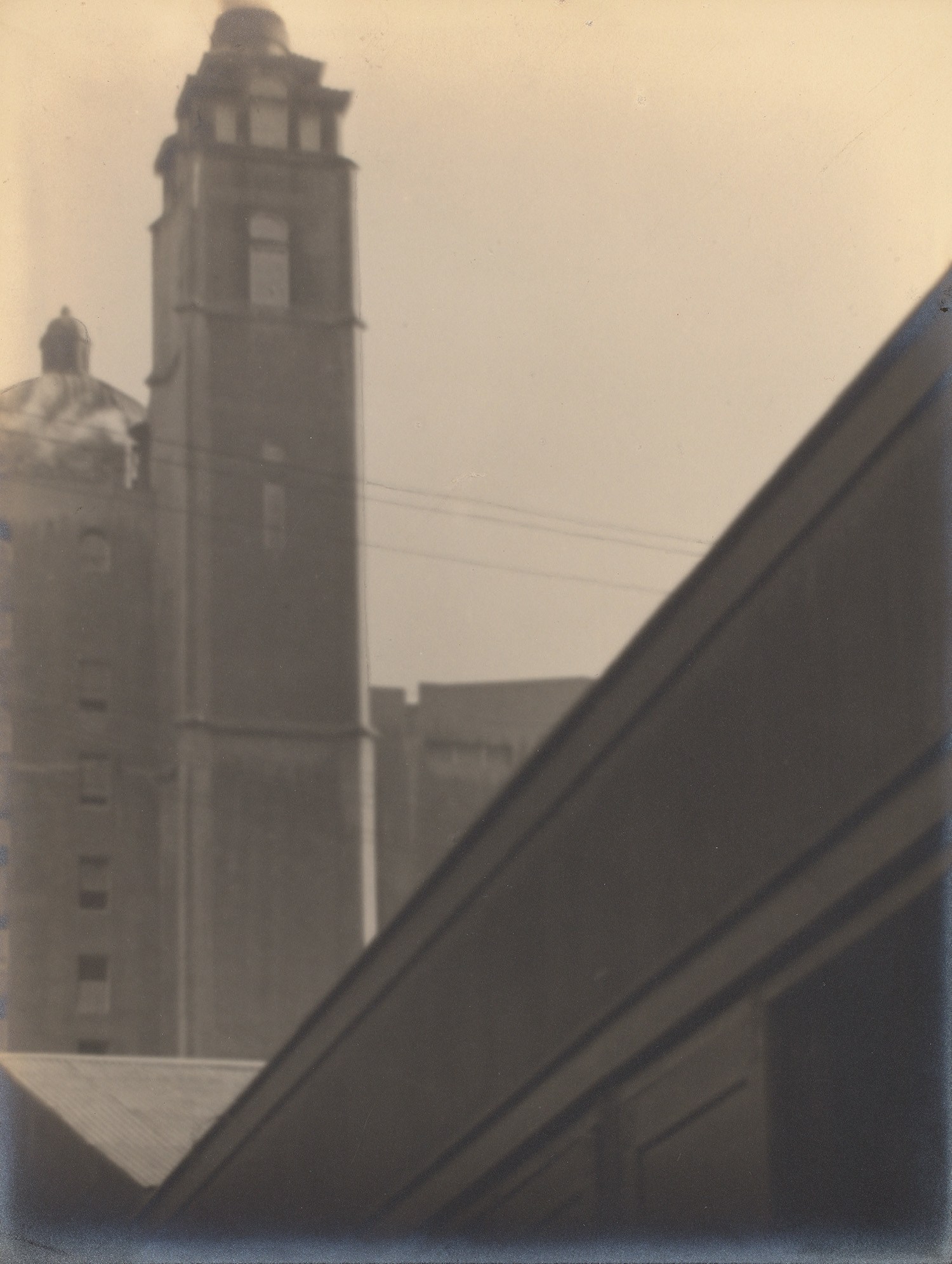
His series of sky studies and what he called light abstractions pushed the medium toward pure visual sensation, anticipating concerns that would occupy photographers and artists for decades to come. Works such as "Sky lines," a gelatin silver print mounted to black paper, demonstrate his ability to find monumental geometry in the everyday landscape, transforming cloud formations and urban silhouettes into compositions of near sculptural weight. His portraiture, including the celebrated image of Edward Weston and the intimate study titled "Hands of Miss J. B.
Johan Hagemeyer
Sky-lines
," reveals a different register entirely: warm, probing, and deeply humanistic. These are images that honor their subjects without idealizing them. Among his most significant works are the coastal landscapes, including "Moss Landing near Watsonville," which situate Hagemeyer within the tradition of California landscape photography while distinguishing him from it through a lyrical softness that is entirely his own. His "Flower Form," printed no later than 1938, speaks directly to his horticultural origins and to the broader modernist fascination with natural abstraction that also animated the work of Imogen Cunningham and Edward Weston during the same period.
The city views, including the railing studies and the San Francisco skylines, show a photographer alert to the poetry of urban geometry, finding in iron and glass the same expressive potential he found in fog and petal. Taken together these works constitute a body of practice remarkable for its range, its consistency of vision, and its refusal to be confined by any single aesthetic doctrine. For collectors, Hagemeyer represents a compelling opportunity at the intersection of art historical significance and relative accessibility. His prints are held in museum collections and have appeared at major auction houses, yet his name has not yet achieved the mainstream recognition of Weston or Cunningham, which means that serious works can still be acquired at levels that reflect genuine value rather than speculative inflation.
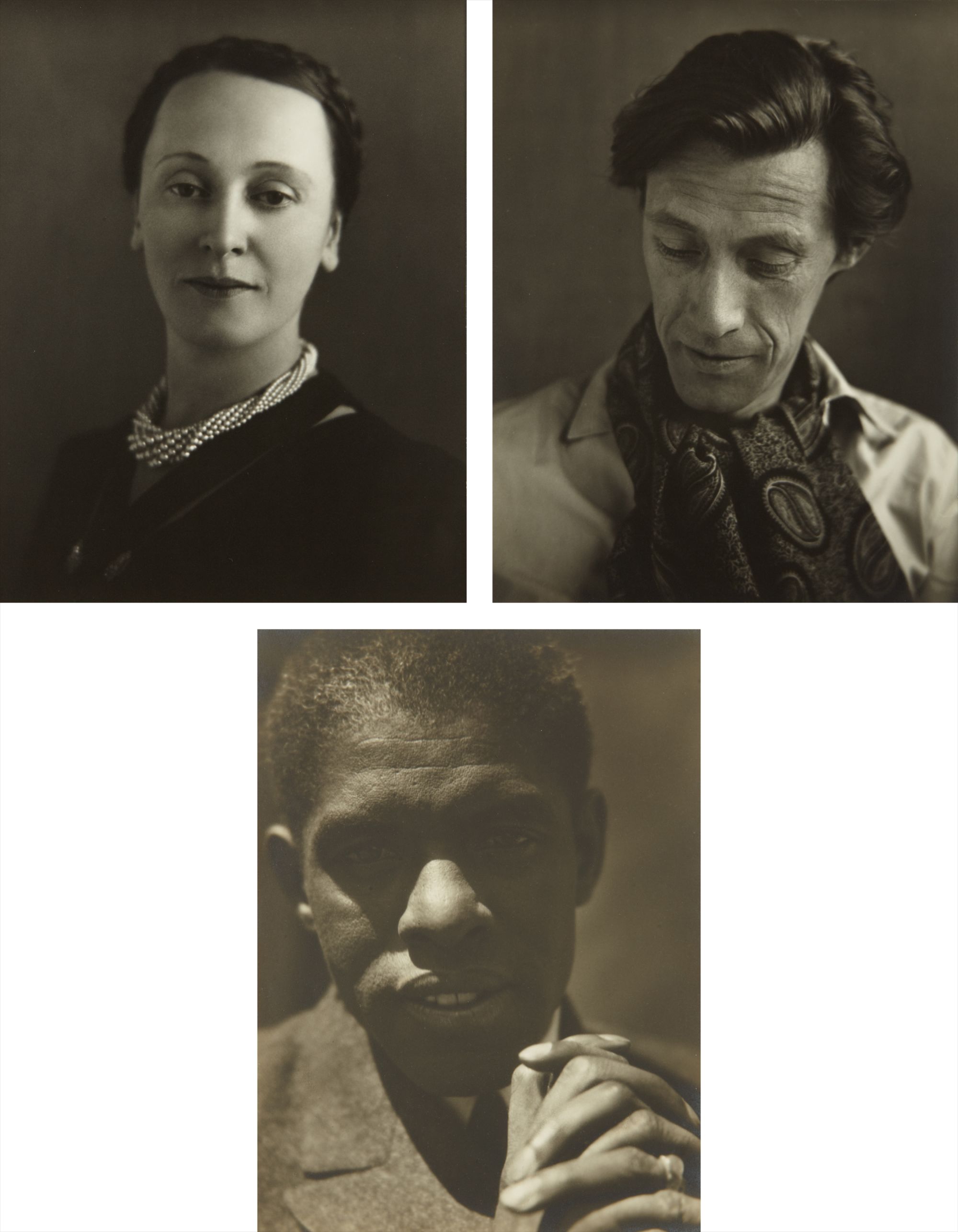
Johan Hagemeyer
Selected Images
Gelatin silver prints from his most active decades, particularly works on black paper mounts which are characteristic of his presentation sensibility, are the most sought after. Condition, provenance, and the clarity of the silver toning are the primary considerations a knowledgeable collector should weigh. Works that can be traced to his California period and that reflect his signature interplay of abstraction and lyricism are particularly desirable. To understand Hagemeyer fully it helps to place him in relation to his contemporaries.
Alongside Weston, Cunningham, and Ansel Adams, he was part of a West Coast photographic culture that took seriously both the beauty of the physical world and the capacity of the medium to carry philosophical and emotional weight. He shared with Stieglitz and the Photo Secession movement an insistence that photography deserved the same critical attention as painting or drawing. His European formation gave his American work a certain refinement of sensibility, a quality that collectors and curators have increasingly come to recognize as one of his most distinctive attributes. He belongs in conversation with these figures not as a footnote but as a full and original voice.
The legacy of Johan Hagemeyer is one of quiet endurance. He did not seek celebrity. He sought truth in light and form, and he found it with remarkable consistency across a career spanning several decades of rapid and often turbulent change in both art and society. Today, as collectors and institutions return with fresh eyes to the early history of American photography, his work rewards that attention generously.
There is a tenderness in his best prints, a sense that the photographer genuinely loved what he was looking at, that communicates directly across the decades. That quality, rare in any medium and in any era, is precisely what makes Johan Hagemeyer not merely a figure of historical interest but an artist worth living with.