Joe Reihsen
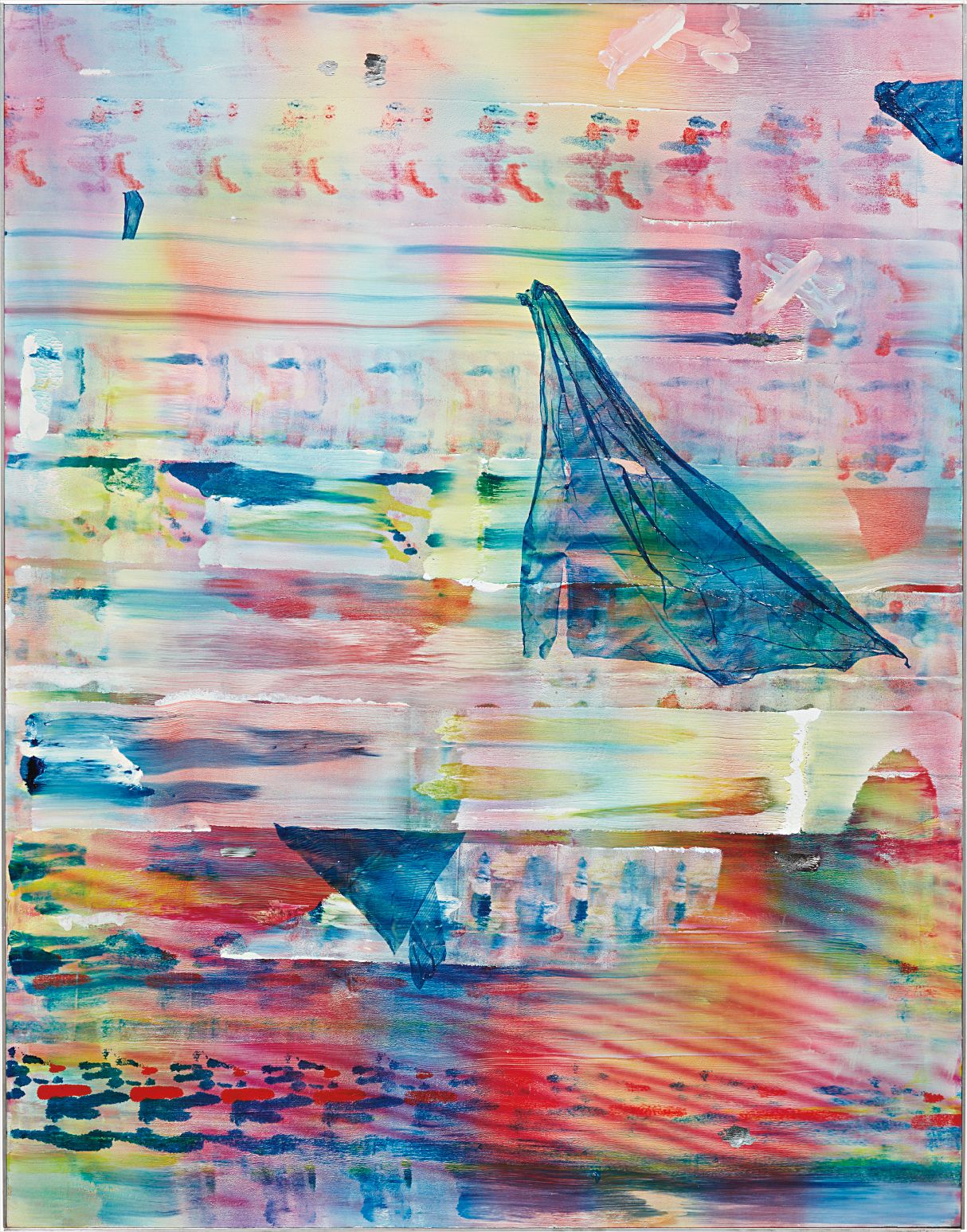
Joe Reihsen Paints the Honest Everyday
Artist Spotlight · The Collection Editorial
Something quietly remarkable is happening in the studios and living rooms of Los Angeles. A painter and sculptor named Joe Reihsen has been steadily building a body of work that feels, to those lucky enough to encounter it, like a hand extended in genuine recognition. His paintings do not announce themselves with spectacle or theoretical scaffolding. They arrive the way a good conversation does, unexpectedly frank, a little funny, and memorable long after the room has emptied.
Joe Reihsen
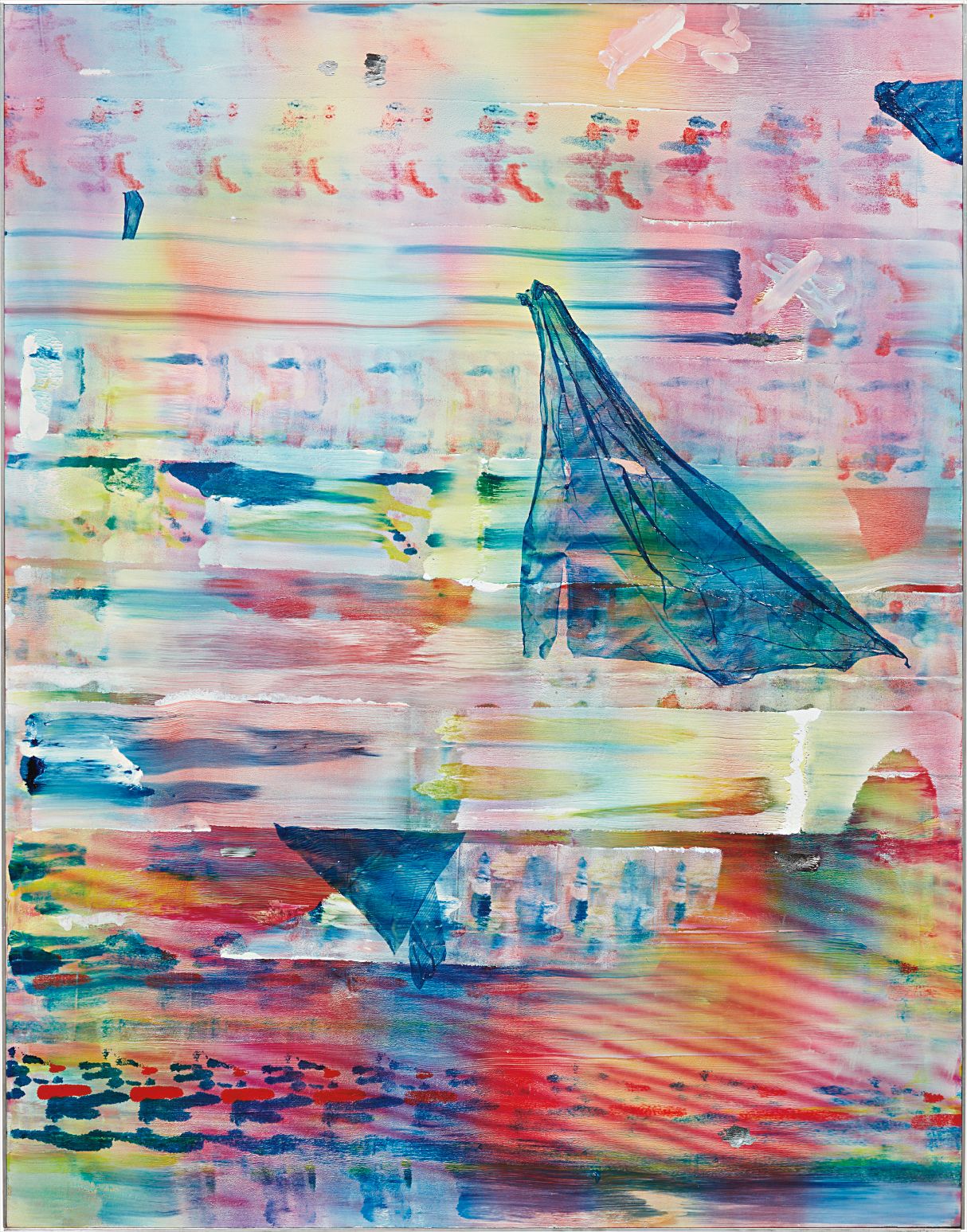
About to jump in the shower, 2013
Reihsen works and lives in Los Angeles, a city that has always rewarded artists willing to look at the texture of ordinary experience without flinching. The city's light, its particular brand of social intimacy and social distance, its sprawl of bodies and interiors, all of it seems to have soaked into Reihsen's practice in ways that feel earned rather than borrowed. Los Angeles has nurtured generations of painters and object makers who resist the gravitational pull of New York orthodoxy, and Reihsen belongs comfortably in that lineage, artists who trust what they see and feel over what they are supposed to see and feel. His formation as an artist reflects the kind of patient accumulation that distinguishes serious practitioners from trend followers.
Working across both two dimensional and three dimensional mediums, Reihsen has developed a practice that refuses easy categorization. He is a painter who thinks sculpturally, and a sculptor who never loses the painter's eye for surface and tone. This dual fluency gives his work an unusual depth, each piece seems aware of its own materiality in a way that purely medium specific artists sometimes miss. The decision to work in both realms was not a hedge but a genuine expansion, a recognition that some truths require different containers.
Joe Reihsen
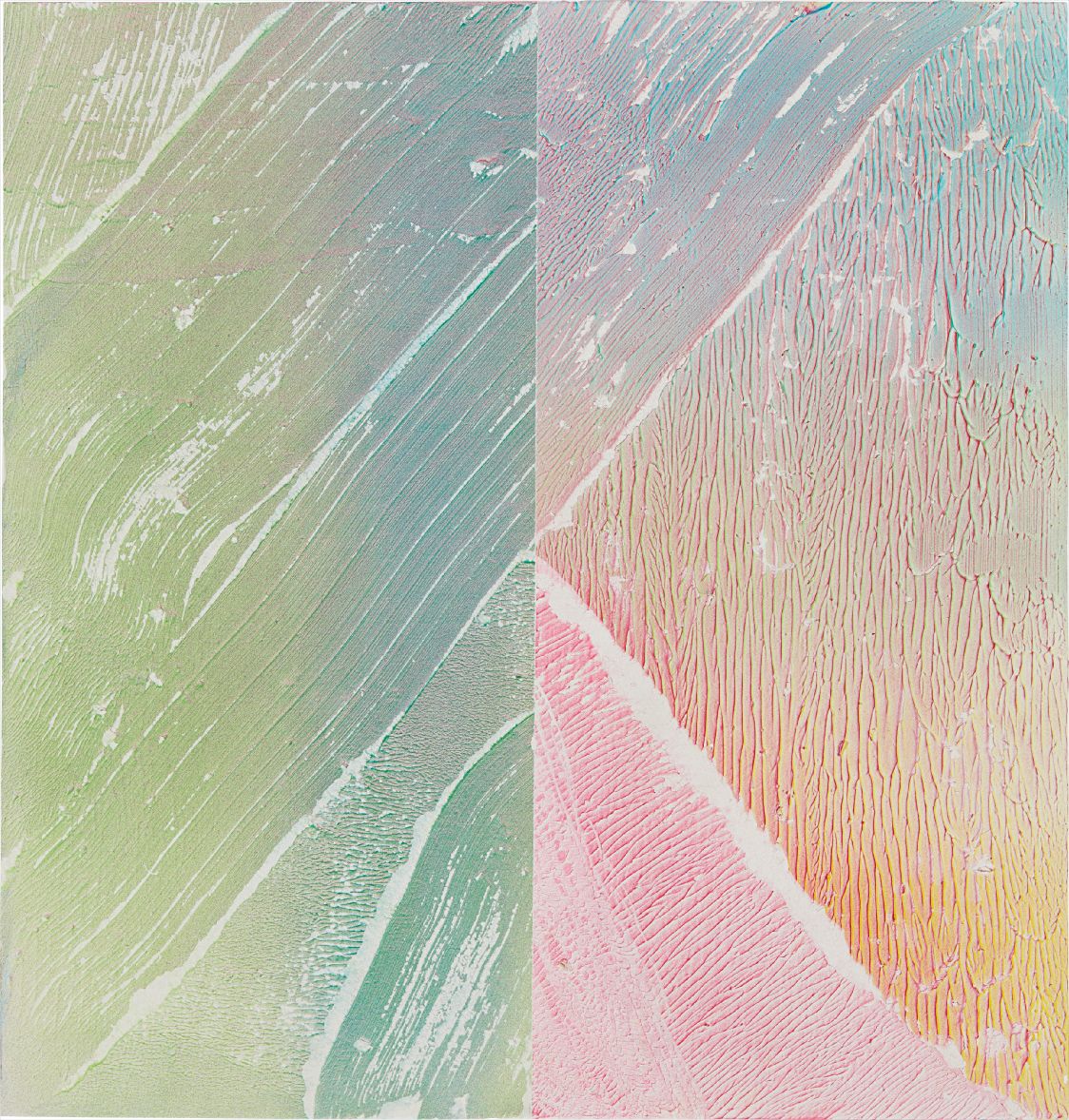
I should have gotten your number after the orgy
The paintings are where most collectors first encounter Reihsen, and for good reason. Works like "About to Jump in the Shower" from 2013 and "Proud Orion Bell" from the same year announce a sensibility that is at once tender and precise. These are acrylic on panel paintings, intimate in scale, often presented in frames the artist has made himself, a detail that matters enormously. When an artist builds the frame, the work does not end at the edge of the painted surface.
The frame becomes part of the argument, a decision about where the world of the painting stops and the world of the viewer begins. Reihsen's use of artist made frames in wood, aluminum, and brass signals a commitment to total authorship that puts him in conversation with artists who understood the object as a complete proposition. "Confessional For The Non Religious" from 2014, with its brass frame, is among the most formally sophisticated of his known works. The material choice is not incidental.
Joe Reihsen
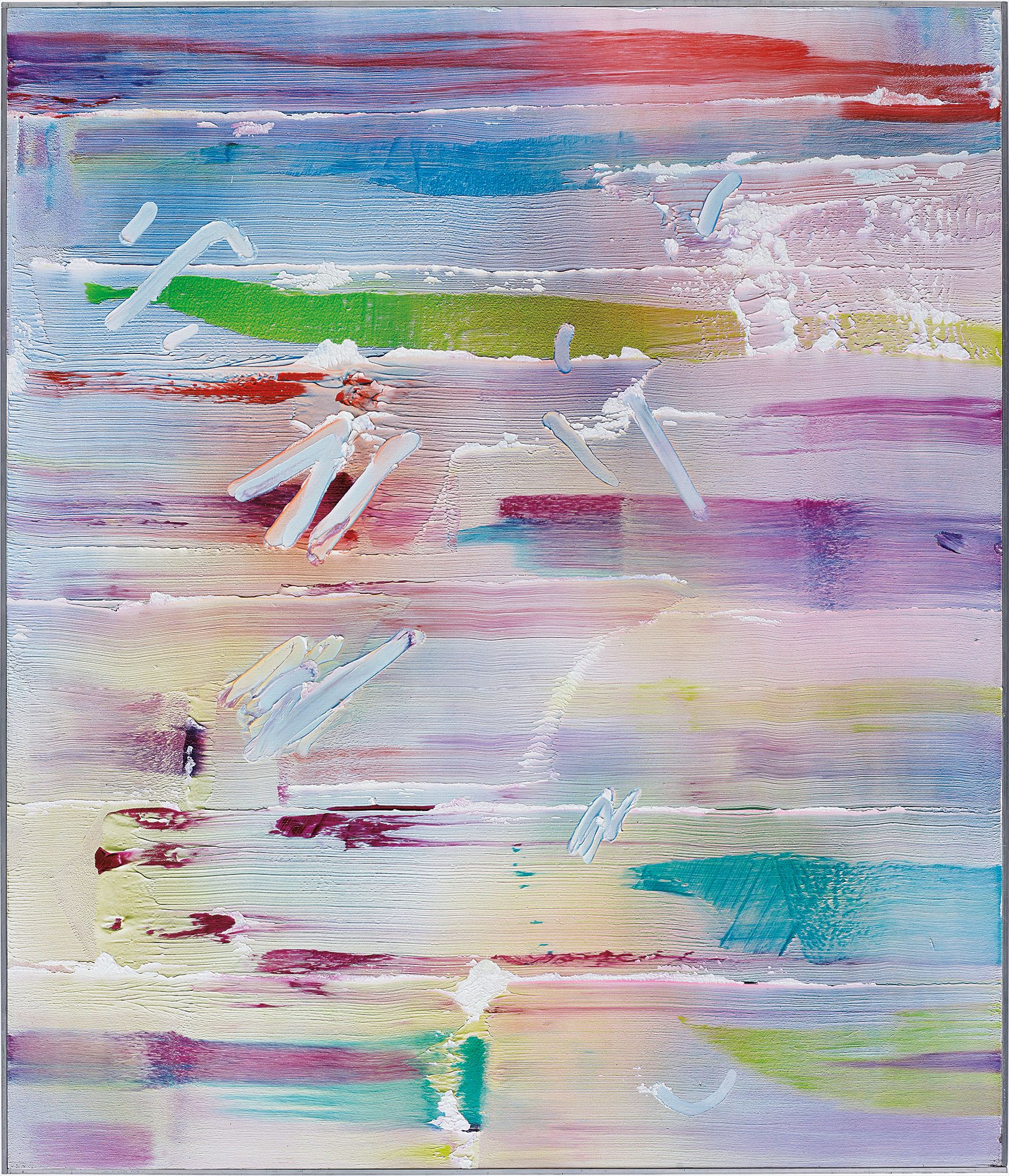
Slow Burn
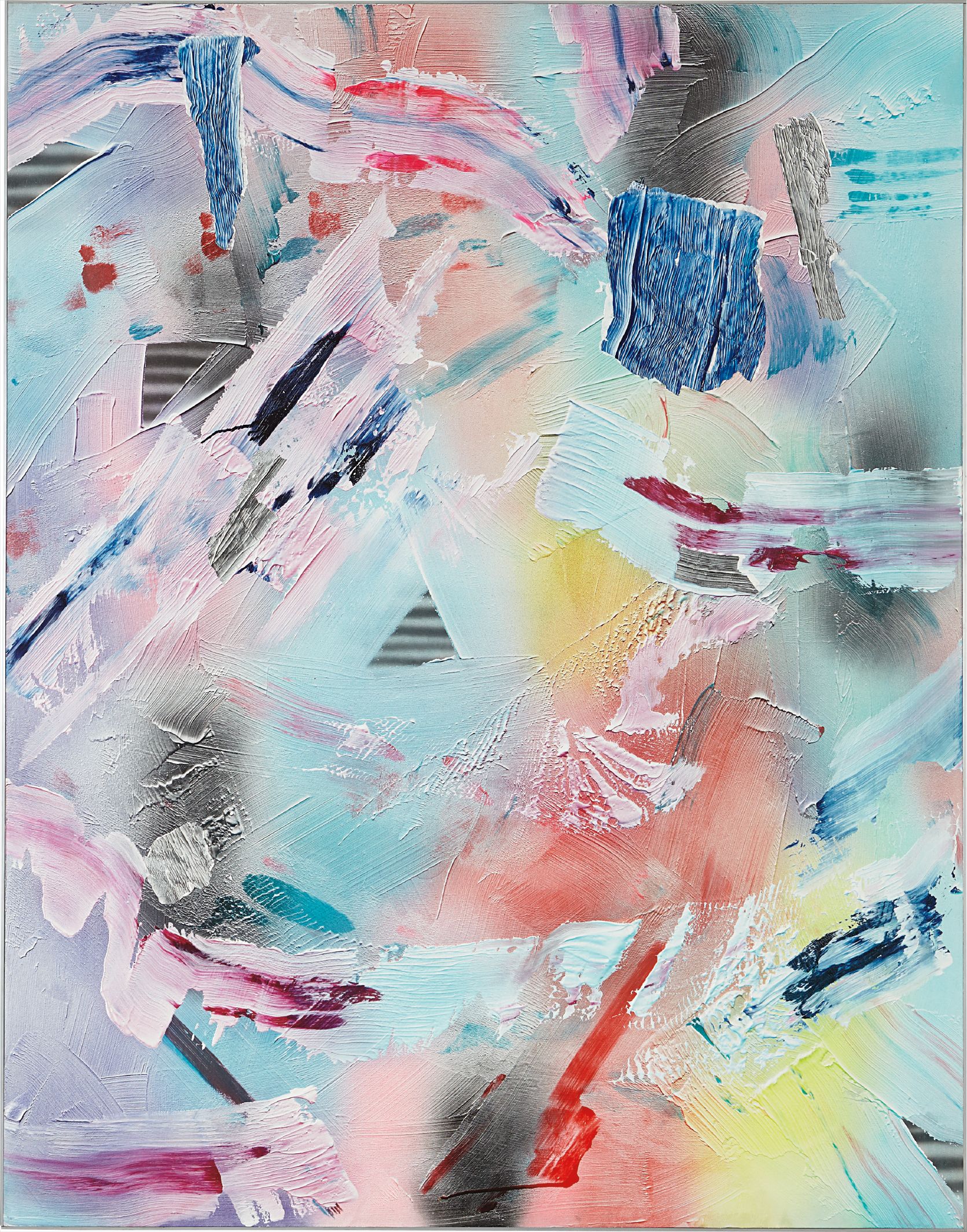
Brass carries associations of ceremony, of civic weight, of objects meant to endure and to mark occasion. Placing an acrylic painting within a brass enclosure of the artist's own construction creates a deliberate tension between the intimacy of the painted mark and the formality of the surround. It is the kind of move that rewards sustained looking. Similarly, "Destruction Probable But Not Guaranteed," executed in both natural and synthetic polymers on panel, suggests an artist genuinely curious about what paint is and what it can be asked to do, beyond mere image making.
The titles alone constitute a kind of literature. "I Should Have Gotten Your Number After the Orgy" and "Hi or Something" and "I Would For You" read like fragments of a very specific emotional register, post event reflection, the slight comedy of human connection, the vulnerability that lives just underneath casual language. These titles are not ironic in the detached way that became fashionable and then exhausted in the 1990s. They are ironic in the older sense, aware of contradiction, holding two truths at once.
Joe Reihsen
Destruction probable but not guaranteed
Collectors who respond to Reihsen tend to be people who appreciate wit that does not come at the expense of feeling, which is a rarer combination than it sounds. "Public Defender, Downtown" from 2015 and "Mirror IMG_2045" from 2013 point toward Reihsen's interest in the social fabric of urban life. The public defender is an institution of civic care operating inside a system of civic failure. The mirror image with its casual file name notation, the sort of thing that appears automatically when you photograph yourself, speaks to how contemporary people construct and document the self.
These are not heavy handed political paintings. They are something more interesting: paintings that carry social awareness the way thoughtful people do, without converting every observation into a manifesto. For collectors considering Reihsen's work, several things are worth understanding. His output is carefully made and not prolific in the way of artists who prioritize market presence over quality of attention.
The artist made frames make each work genuinely singular, there is no version of a Reihsen painting without the specific physical decisions he made around it. Works on birch panel, such as "I Would For You" and "Public Defender, Downtown," have a warmth of surface that acrylic on more industrial substrates does not quite replicate. Collecting across different years of his practice, particularly the concentrated period between 2013 and 2015, gives a sense of an artist in productive conversation with a set of persistent questions. In terms of art historical context, Reihsen belongs to a generation of Los Angeles painters who absorbed the lessons of West Coast conceptualism and the Pictures Generation without being consumed by either.
Artists like Henry Taylor, Laura Owens, and Amy Sillman come to mind, not as direct influences necessarily, but as fellow travelers in the project of making painting feel alive and necessary in the present tense. Like those artists, Reihsen understands that painting survives not by retreating into purity but by remaining porous to the actual conditions of contemporary life. What Reihsen offers, finally, is the thing that all lasting art offers and that no amount of critical apparatus can manufacture: the feeling of being genuinely seen. His paintings look back at the viewer with curiosity and without judgment.
They take the small ceremonies and minor disasters of daily experience seriously, which is another way of saying they take people seriously. In a moment when the art world sometimes seems to reward scale and spectacle above all else, there is something quietly radical about an artist who insists that the human scale is enough, that the ordinary contains everything worth saying. Los Angeles knows this. Those who discover Reihsen's work tend to feel it immediately.