Joan Mitchell
Joan Mitchell: Color, Feeling, and Forever
Artist Spotlight · The Collection Editorial
“Empathy, that is all my painting is about. It has to do with something you feel.”
Joan Mitchell
In 2021, the San Francisco Museum of Modern Art and the Baltimore Museum of Art co organized the most comprehensive retrospective of Joan Mitchell's work in a generation, bringing together paintings, works on paper, and prints that collectively reaffirmed what serious collectors and curators have long understood: Mitchell is one of the defining voices of twentieth century painting, and her influence on contemporary abstraction continues to deepen with every passing year. The exhibition traveled to wide critical acclaim and introduced her sweeping, emotionally charged canvases to a new generation of visitors who encountered, perhaps for the first time, the particular force of standing before a Mitchell and feeling the painting breathe. That retrospective was not a moment of rediscovery so much as a long overdue reckoning with a painter who had always been extraordinary. Joan Mitchell was born in Chicago in 1925 into a family that valued both intellectual rigor and artistic expression.
Joan Mitchell
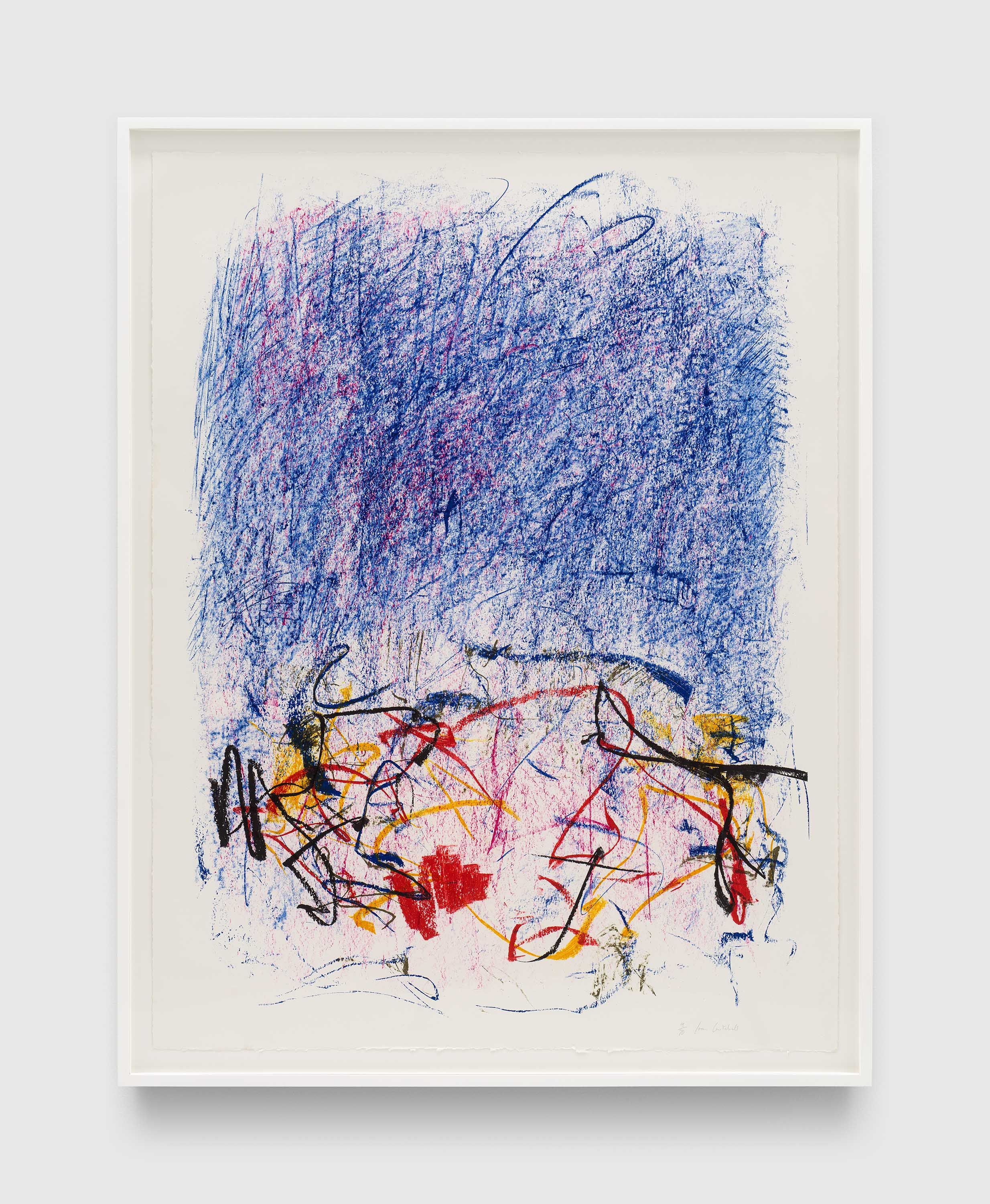
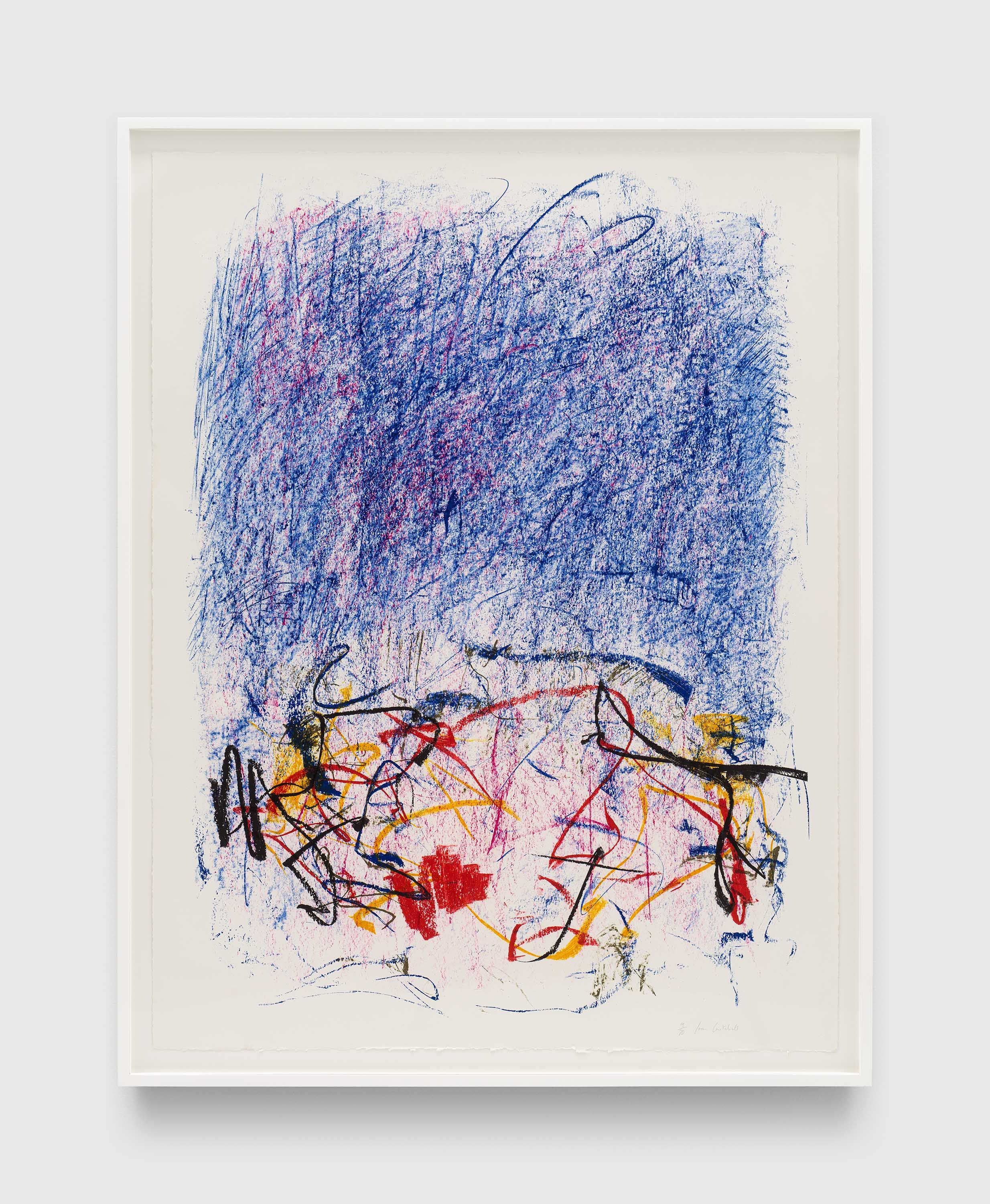
Bedford I, 1981
Her mother, Marion Strobel, was a poet and an editor at Poetry Magazine, and that literary atmosphere left a permanent mark on the way Mitchell would come to think about making art, as a form of emotional translation rather than mere visual description. She studied at the School of the Art Institute of Chicago, where she demonstrated a facility for draftsmanship and a restless curiosity about what painting could do beyond representation. A fellowship allowed her to travel to France in the late 1940s, where she encountered European modernism firsthand, absorbing the lessons of Cézanne and Matisse in ways that would surface later in the luminous color structures of her mature work. Returning to New York in the early 1950s, Mitchell embedded herself in the Cedar Tavern scene and became a genuine participant in the abstract expressionist movement, forming close connections with Franz Kline, Willem de Kooning, and most significantly, the poet Frank O'Hara, whose sensibility resonated deeply with her own.
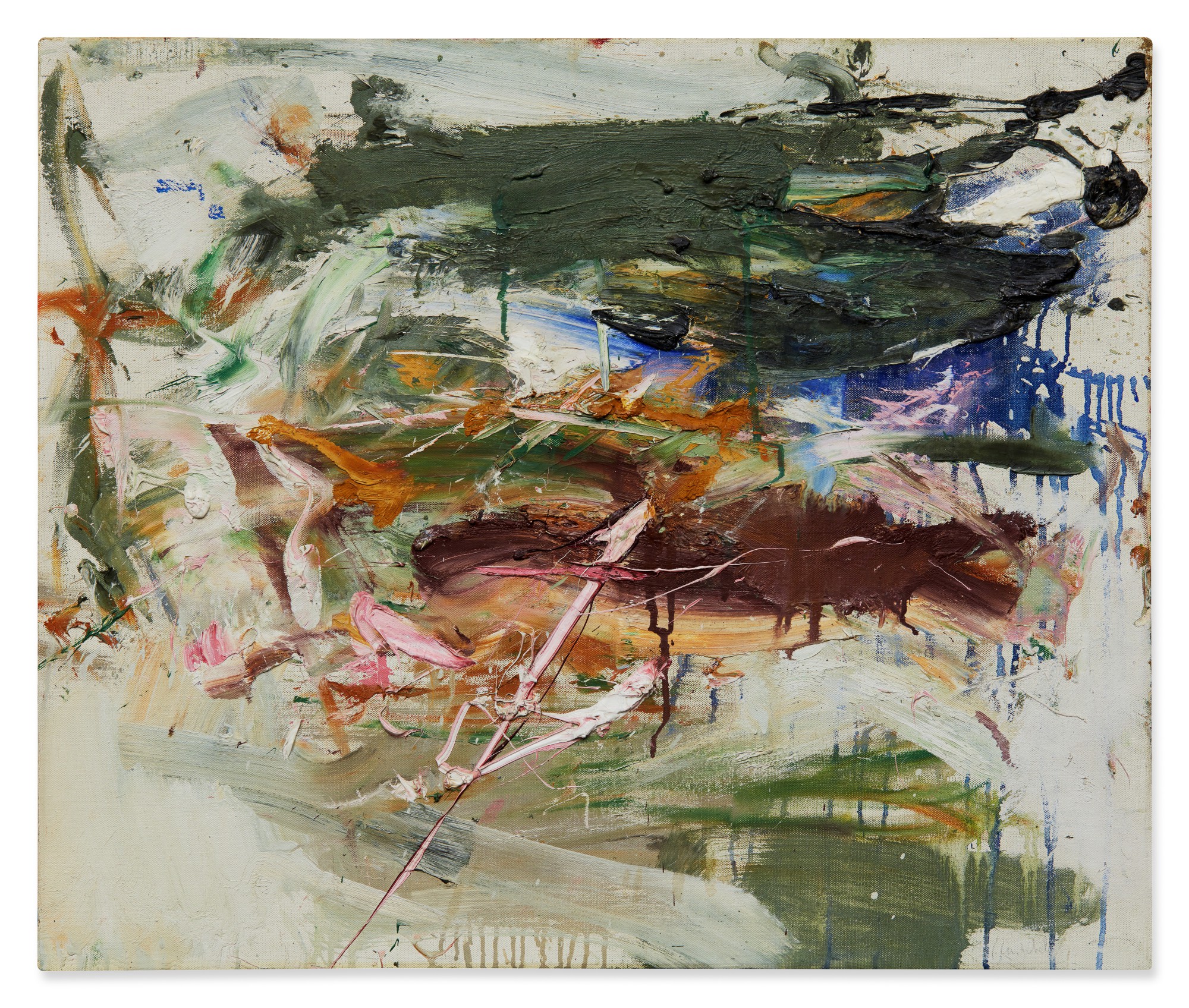
She was often the only woman taken seriously in rooms that were not always generous to women, and she earned that seriousness entirely on the terms of her painting. Her early New York canvases, including works from the mid 1950s such as her 1956 untitled oils, show a painter already in command of gesture and scale, using the loaded brush with both spontaneity and structural intelligence. These were not accidents but decisions made at speed, which is precisely what makes them so alive. In 1959, Mitchell relocated permanently to France, first to Paris and then to Vétheuil, where she settled on a property near where Monet had once lived and worked.
Joan Mitchell
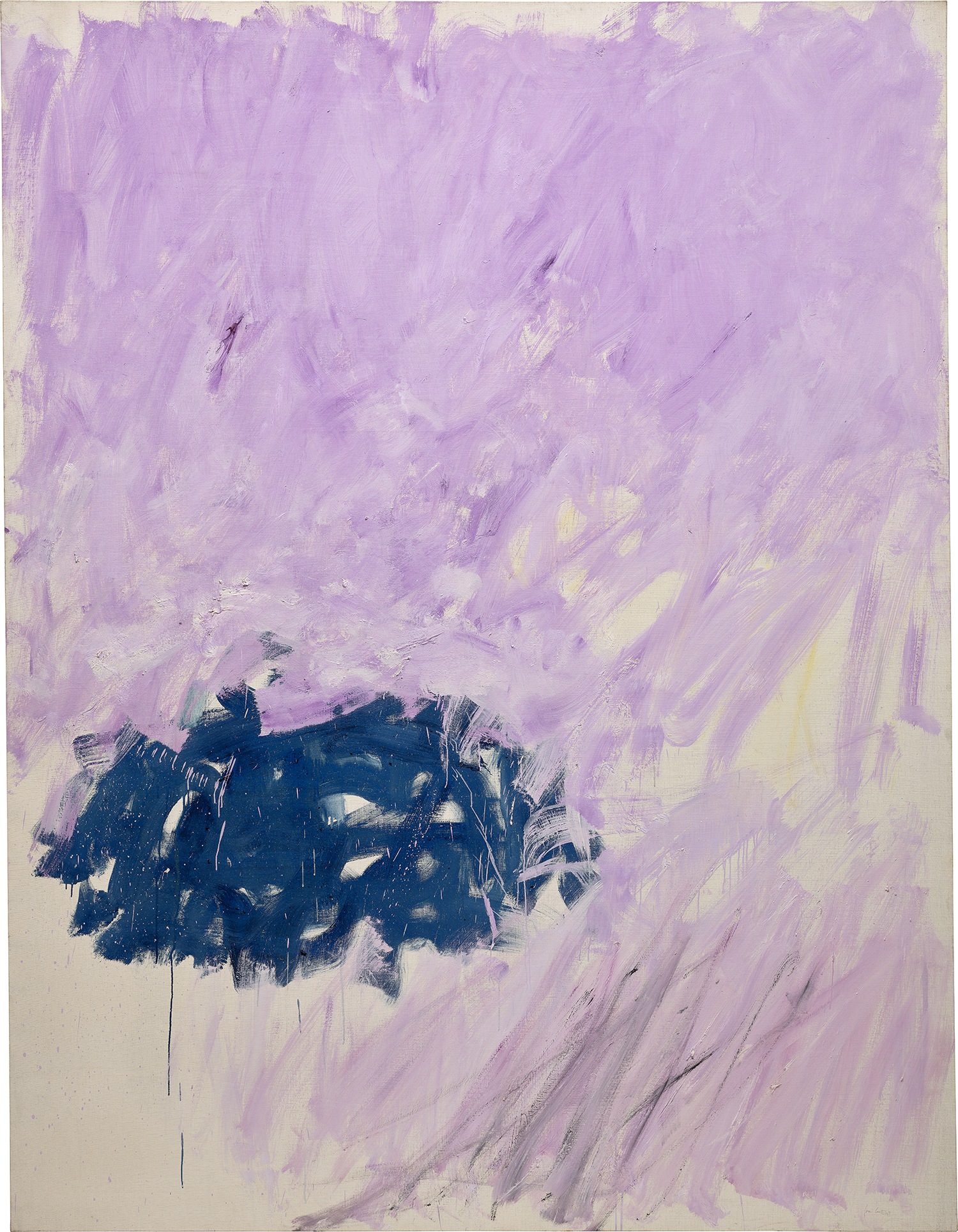
Cobalt, 1981
The move was not a retreat but an expansion. The landscape of northern France, its light, its seasons, its particular quality of melancholy and abundance, became a constant presence in her work without ever resolving into illustration. Her paintings from the 1960s onward grew larger and more architecturally ambitious, often comprising multiple joined canvases that created a kind of environmental surround when hung together. The Bedford Series of the early 1980s, which included both paintings and the remarkable lithographs she made with Ken Tyler at Tyler Graphics, represents one of the high points of her entire career, works in which color operates as memory, sensation, and structure simultaneously.
“I carry my landscapes around with me.”
Joan Mitchell, interview
The Bedford lithographs deserve particular attention from collectors, as they represent a moment when Mitchell engaged printmaking with the full intensity she brought to painting on canvas. Works such as Bedford I and Flower II from the Bedford Series demonstrate her ability to translate the layered, atmospheric qualities of her oils into the demanding medium of lithography, achieving a richness and luminosity that is rare in the print medium. Her Trees series, produced as monumental lithographs on two sheets of Rives BFK paper, carries the same monumental ambition as her largest paintings. These prints are not reproductions of paintings but independent works conceived and executed with complete artistic seriousness, and they offer collectors a meaningful point of entry into her practice at a range of price points relative to her major oil paintings.
Joan Mitchell
Untitled, 1956
On the auction market, Mitchell's work has commanded extraordinary attention in recent years, with major oil paintings regularly achieving results in the tens of millions of dollars at Christie's, Sotheby's, and Phillips. Her auction record reflects both the depth of institutional and private collector demand and the relative scarcity of her finest canvases, many of which entered major museum collections during her lifetime or shortly after her death in 1992. Collectors who approach her work through prints and works on paper find access to the same visual intelligence and emotional range that defines her paintings, and the market for these works has strengthened considerably as her overall reputation has risen. Provenance and condition are paramount considerations, as is the specific series or period from which a work originates.
Within the broader context of art history, Mitchell occupies a singular position. She shares the gestural ambition of de Kooning and the chromatic intensity of Hans Hofmann, but her work is ultimately its own thing, rooted in an idea of empathy and feeling that she articulated clearly and pursued without compromise throughout her career. Collectors drawn to the second generation New York School, to artists such as Helen Frankenthaler, Lee Krasner, or Grace Hartigan, will find in Mitchell a painter who worked in conversation with all of these figures while arriving at conclusions entirely her own. Her friendship with Sam Francis, another American painter working in France, produced a transatlantic dialogue about color and light that enriched both practices.
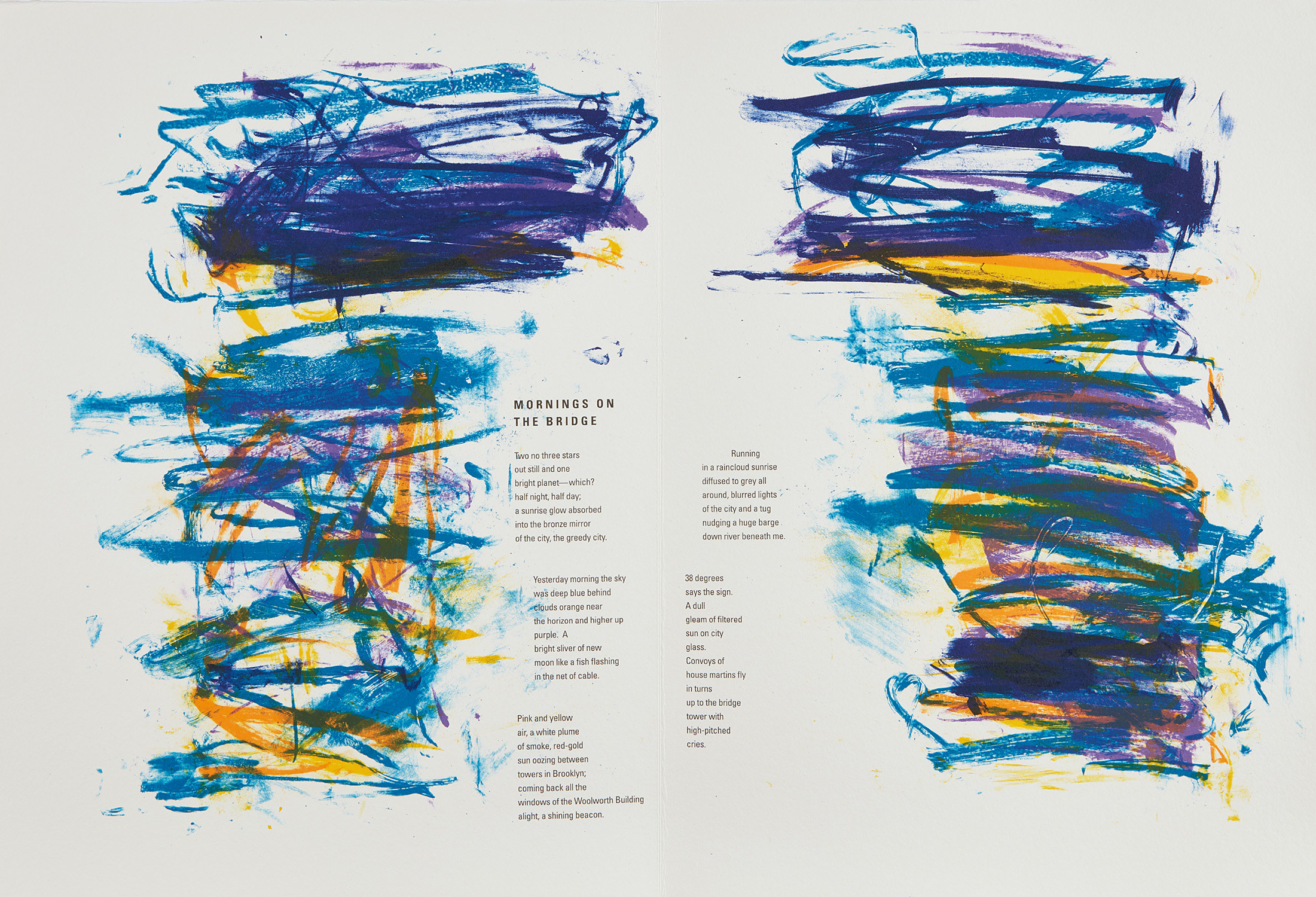
Joan Mitchell
Poems
Mitchell's legacy is not simply a matter of historical importance, though that importance is beyond question. Her work speaks with uncommon directness to the present moment, when painters across generations are returning to questions of gesture, feeling, and the emotional capacity of abstract form. Museums including the Museum of Modern Art in New York and the Art Institute of Chicago hold significant examples of her work, and her estate has been thoughtfully stewarded to ensure that her practice continues to be understood in its full complexity. To live with a Joan Mitchell, whether a large oil that transforms a room or a Bedford lithograph that rewards patient looking, is to share space with one of the most genuinely felt bodies of work that American art has produced.
She painted, as she said herself, from empathy, and that empathy is exactly what reaches across the canvas and finds you.
Explore books about Joan Mitchell

Joan Mitchell
Hilton Kramer
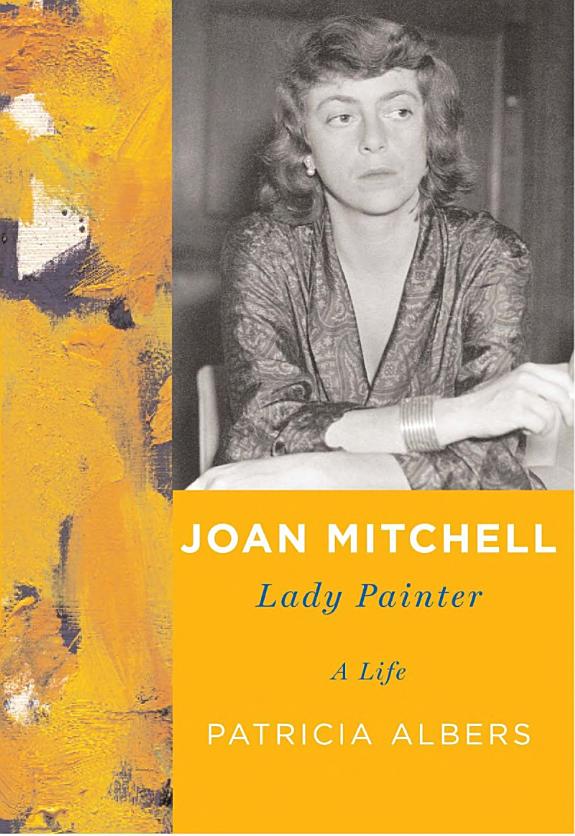
Joan Mitchell: Lady Painter
Diane Waldman
Joan Mitchell
Barbara Rose
Joan Mitchell: Paintings
Yve-Alain Bois
Joan Mitchell: Letters and Memoirs
Joan Mitchell and Michael Waldberg
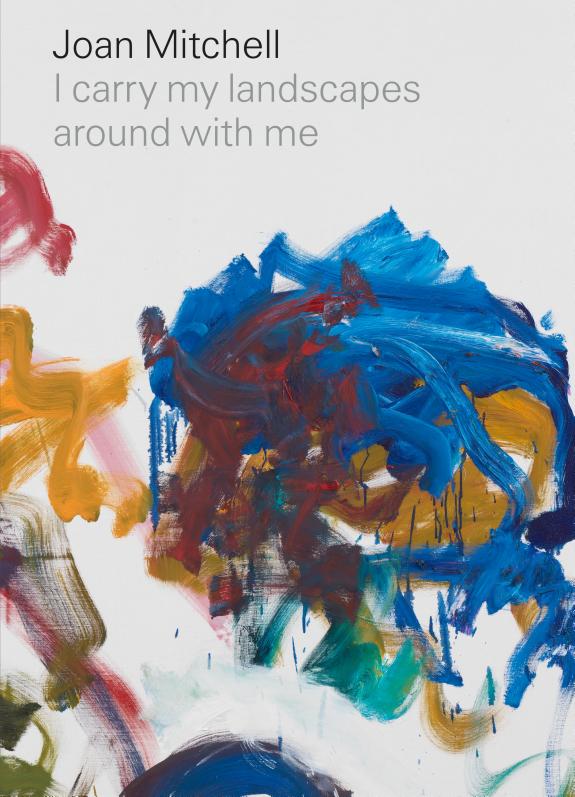
Joan Mitchell in the 1950s
Clement Greenberg and others
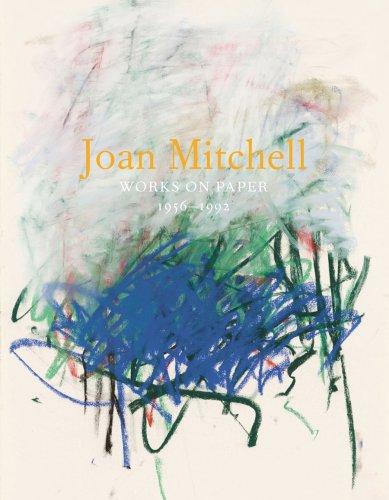
Joan Mitchell: Works on Paper
Aimee Selmon