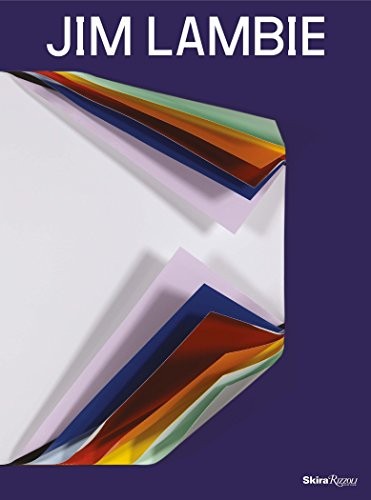
Jim Lambie
Jim Lambie Turns Everyday Life Into Magic
Artist Spotlight · The Collection Editorial
There is a moment, standing inside a room transformed by Jim Lambie, when the floor beneath your feet feels like it might be the most radical surface in contemporary art. That sensation has been building steadily across three decades, and it reached a kind of cultural crescendo when Tate Modern and institutions across Europe began collecting his work in earnest in the 2000s, recognising in Lambie something genuinely rare: an artist who can make the mundane shimmer with psychedelic intensity. His floor pieces, those vertiginous fields of coloured vinyl tape radiating from the walls of a room outward in dizzying concentric lines, have become one of the most recognisable gestures in British art since the Turner Prize generation. And yet Lambie has never been content to repeat himself, pushing constantly into new materials, new moods, and new territories of feeling.
Jim Lambie
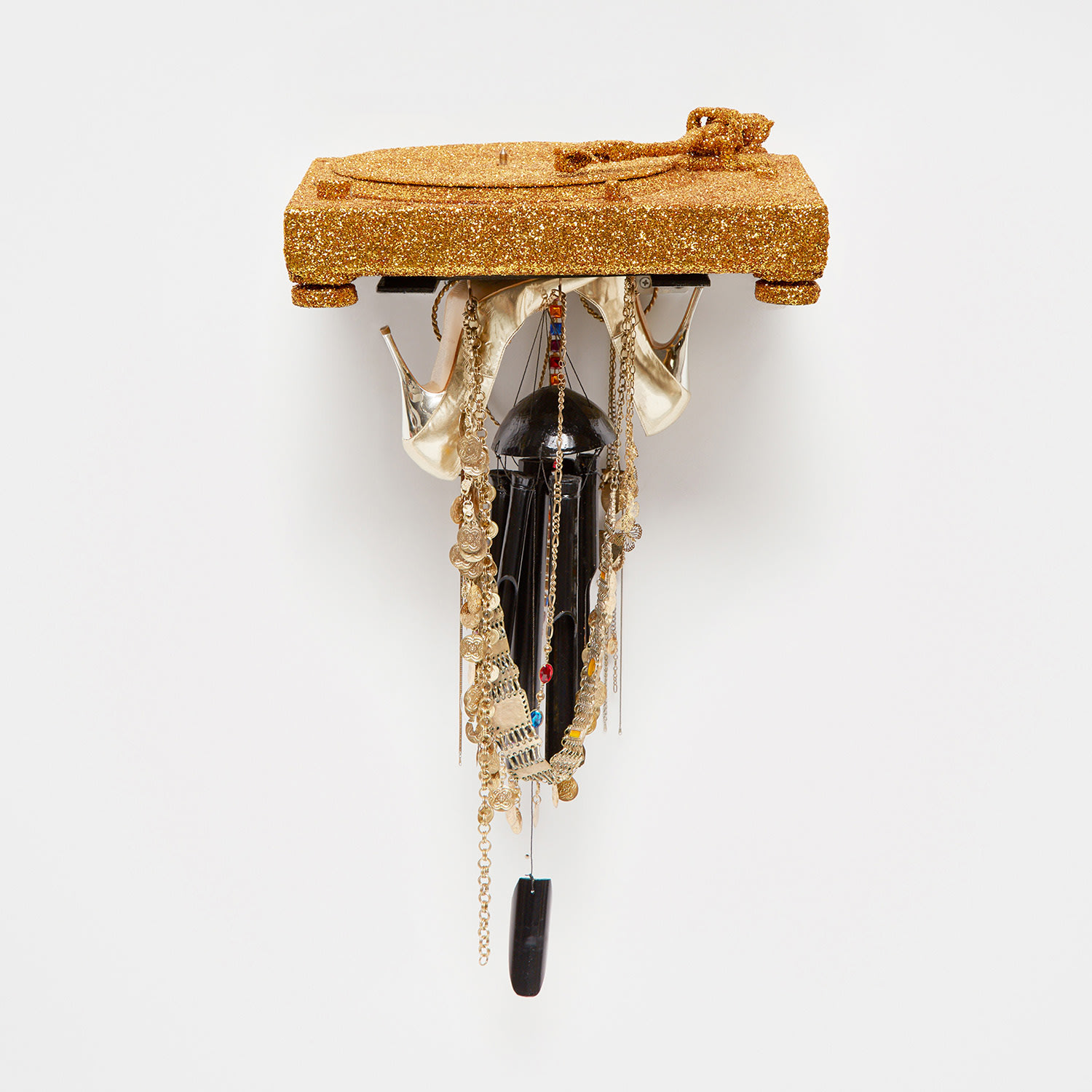
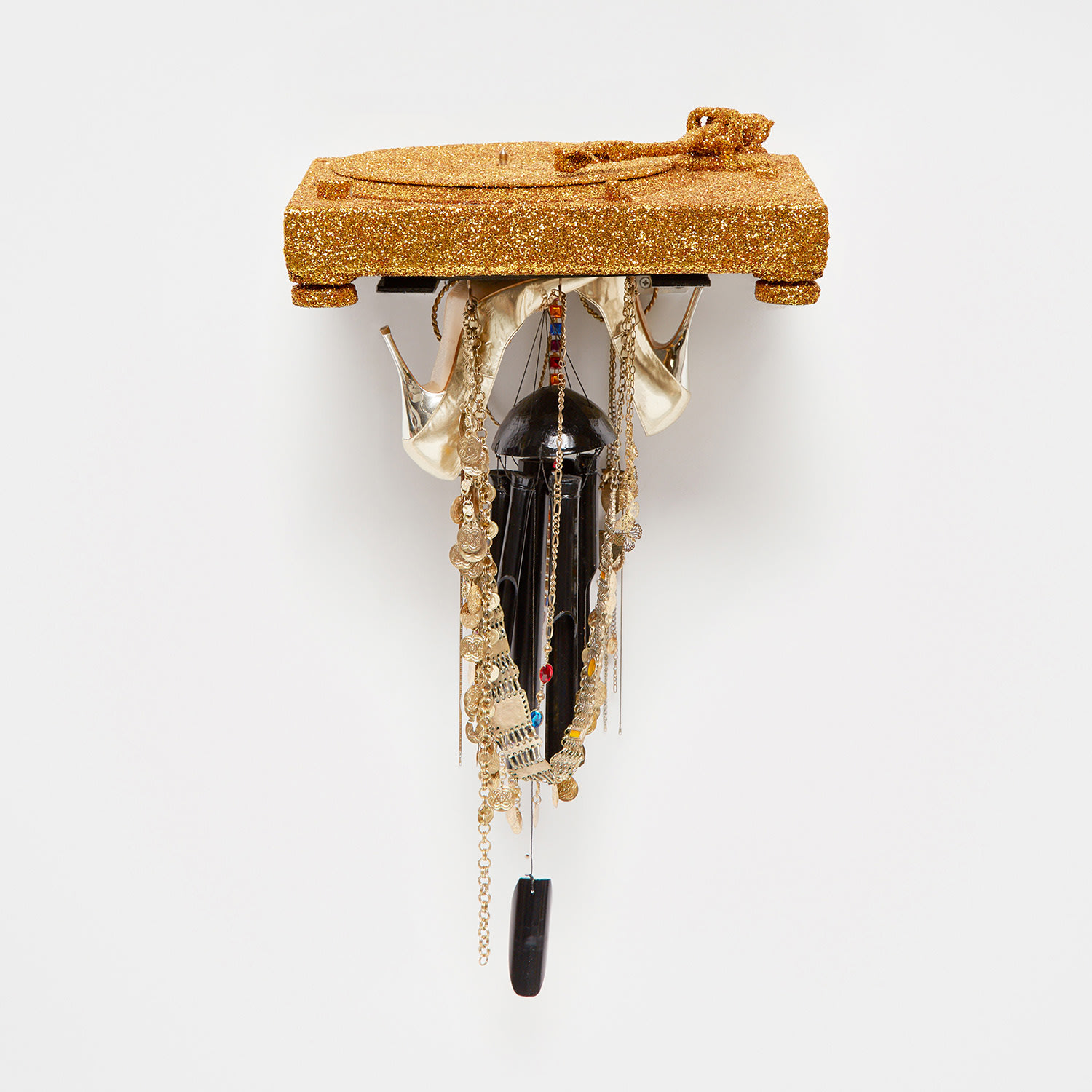
Bhangra Remix, 2010
Jim Lambie was born in Glasgow in 1964, and the city shaped him completely. Glasgow in the 1980s was a place of enormous creative ferment, a post industrial landscape where music, fashion, and visual art were colliding in ways that felt urgent and alive. Lambie came of age in that scene, absorbing the energy of clubs, record shops, and the street culture that surrounded them. He studied at Glasgow School of Art, graduating in 1994, and found himself part of a generation of Scottish artists that would go on to reshape the conversation around British contemporary art.
His peers and near contemporaries included artists such as Douglas Gordon and Christine Borland, but Lambie's sensibility was always distinctly his own, rooted in the physicality of popular culture rather than in conceptual cool. The influence of music on Lambie's practice cannot be overstated. His titles alone tell the story: works named after soul legends, rock albums, and club anthems appear throughout his career, turning the gallery wall into something that feels like a record sleeve brought to life. "Arthur Lee Love" from 2006, a photographic print that nods to the visionary frontman of the band Love, is characteristic of this approach, placing a beloved cultural figure within the context of fine art without ever feeling reverential or stiff.
Jim Lambie
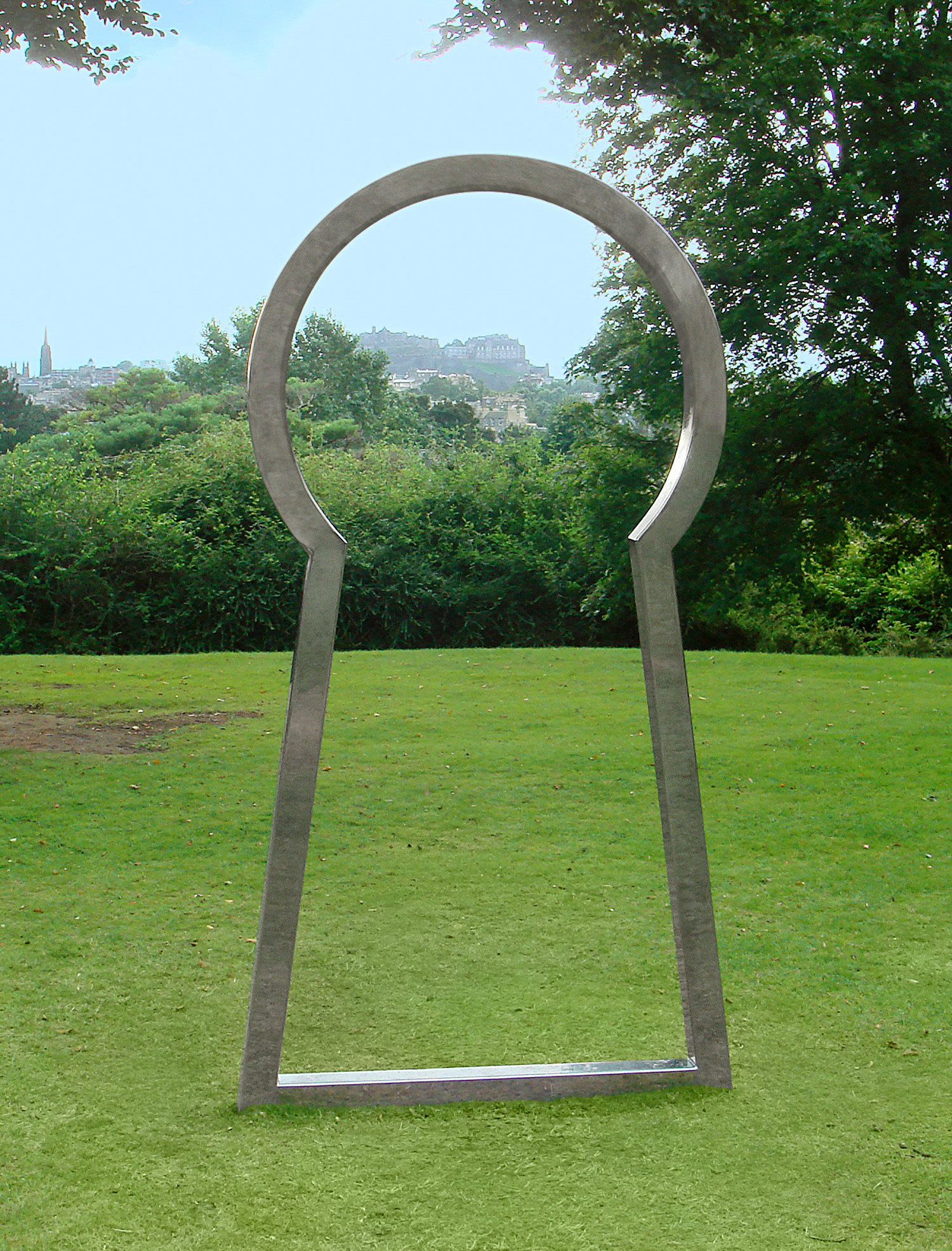
Secret Affair (Silver), 2007
"Bhangra Remix" from 2010 does similar work, its title evoking diaspora, dance floors, and the joyful collision of cultural forms. These are not merely clever references. They are load bearing structures in the architecture of his meaning. Lambie's formal vocabulary is astonishing in its breadth and its consistency of feeling.
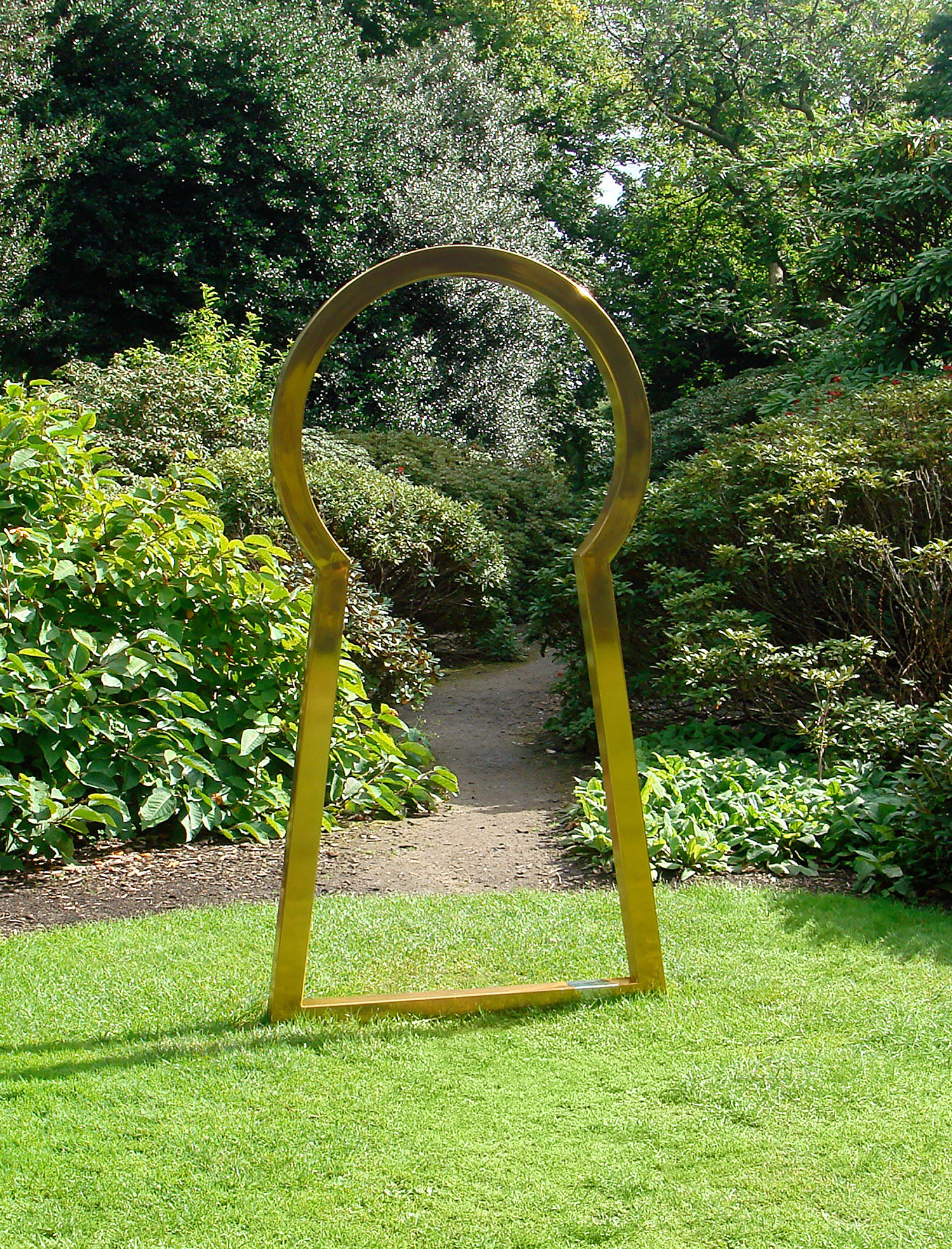
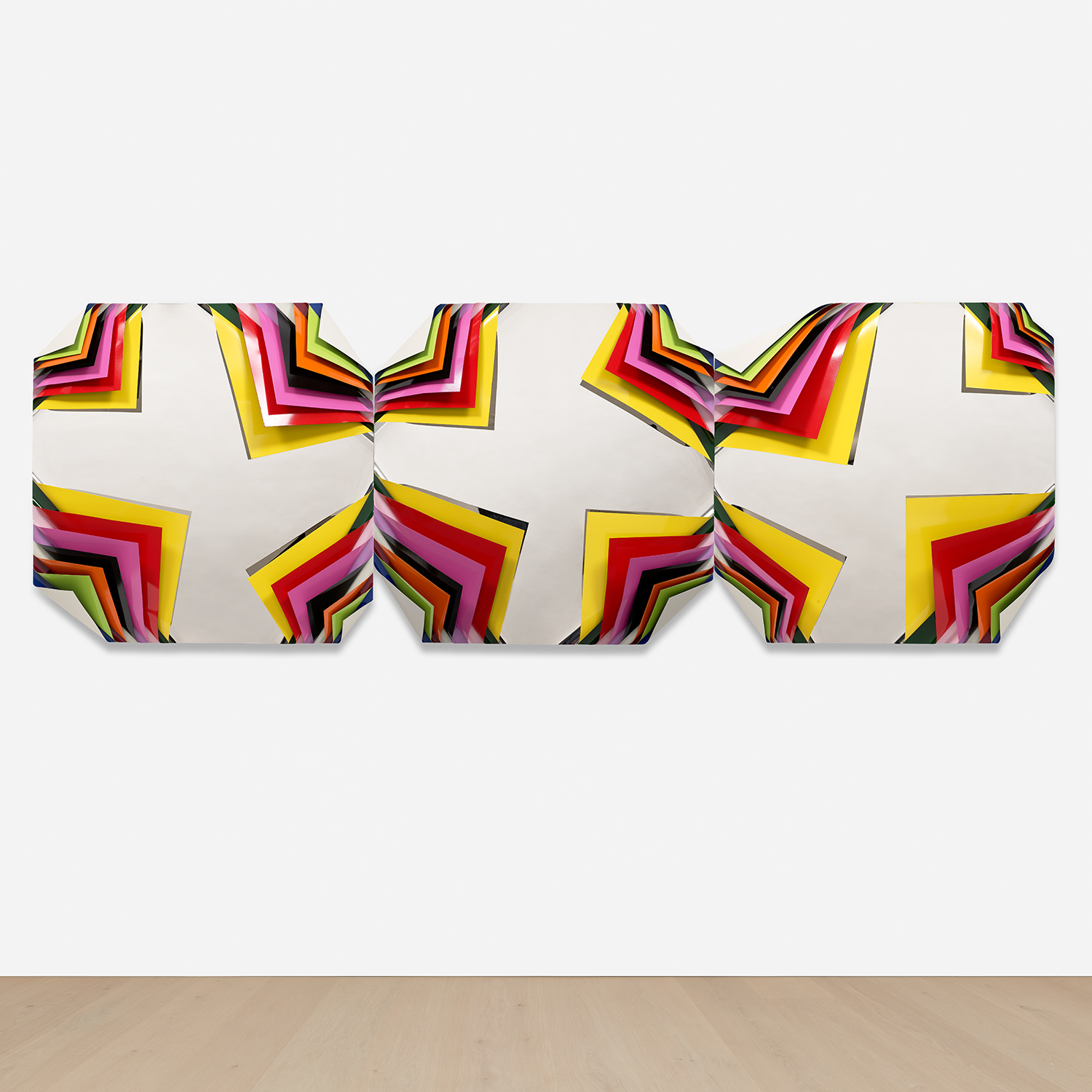
He works with vinyl tape, gloss paint, fluorescent paint, aluminium, polished steel, denim, leather belts, broken mirrors, and printed paper collage. The works on The Collection offer a particularly rich cross section of this range. "Metal Box" uses gloss and fluorescent paint on aluminium and polished steel sheets to produce a surface that vibrates with light, industrial in its materials yet almost hallucinatory in its effect. "Secret Affair" in both silver and gold editions from 2007 uses stainless steel to produce objects that feel simultaneously like sculpture, furniture, and jewellery at an architectural scale.
Jim Lambie
Secret Affair (Gold), 2007
"Blacktronic" assembles jeans, duct tape, aluminium tape on wooden blocks, a leather belt, a high heel, and acrylic paint into something that reads as both portrait and still life, a figure assembled from the wardrobe of someone who lived loudly. Each of these works demonstrates Lambie's gift for finding the beauty latent inside the overlooked. His signature floor installation ZOBOP, first created in 1999, became the work that introduced him to a global audience. Installed in galleries including the Sadie Coles HQ in London and shown at venues across Europe and North America, ZOBOP transforms the architecture of any room it inhabits, following the perimeter of the space in continuous lines of coloured tape until the floor becomes a kinetic painting that responds to every angle of view.
The work rewards movement, shifting as the viewer walks through it, and it carries within it Lambie's fundamental belief that art should be an experience of the body as much as the mind. "Found Flower Painting (Miles)" from 2008, a printed paper collage and oil on paper in the artist's own frame, shows the same sensibility at an intimate scale, with the nod to Miles Davis in the title anchoring the work in the same universe of musical devotion that runs through everything he makes. From a collector's perspective, Lambie represents one of the most compelling propositions in the market for British art of his generation. Works on paper and photographic prints offer entry points for collectors who want to live with his sensibility without committing to the spatial demands of a floor installation.
Jim Lambie
Metal Box (Bird Orchid), 2012
The steel works from the mid to late 2000s, including the "Secret Affair" series, have attracted serious attention from collectors who respond to the way they sit between the traditions of minimalist sculpture and the decorative arts. His assemblage works, combining fashion objects, industrial materials, and paint, occupy a unique position in the lineage that runs from Kurt Schwitters through Jasper Johns and on to more recent practitioners of object based art. Lambie belongs in conversation with artists such as Linder Sterling, whose work also draws on music and fashion subcultures, and with international figures such as Mike Kelley, who shared his belief in the emotional power of the discarded and the everyday. Lambie was shortlisted for the Turner Prize in 2005, and that moment brought him to the attention of a wider collecting public, but the work had already been accumulating critical mass for years before that.
His relationship with the Sadie Coles gallery in London and Anton Kern Gallery in New York gave him a strong institutional base from which to build an international reputation. Museums including the Museum of Contemporary Art in Los Angeles and major European collections have acquired his work, and his presence in significant private collections on both sides of the Atlantic reflects the genuine affection that serious collectors feel for an artist who never condescends to his audience. What makes Lambie matter today, in a cultural moment saturated with images and overwhelmed with sensation, is precisely his commitment to the real and the physical. His works insist on being experienced in person, on affecting the body before they affect the mind.
"Jumping Jack" from 2014, with its printed paper and painted flowers on canvas, and the five part work in leather belts and broken mirrors from 2004, both demonstrate an artist at ease with fragmentation, with beauty that arrives in pieces and reassembles itself in the viewer's imagination. Glasgow gave him the restlessness and the romance. Art gave him the tools. What he has made with both is a body of work that deserves to be celebrated loudly and collected carefully.
Explore books about Jim Lambie