Jeff Elrod
Jeff Elrod: Where the Digital Becomes Luminous
Artist Spotlight · The Collection Editorial
There is a particular kind of electricity in the paintings of Jeff Elrod, one that hums at the threshold between the screen and the stretched canvas. In recent years, major institutions and serious collectors across the United States and Europe have sharpened their focus on artists who anticipated the digital condition rather than merely responding to it, and Elrod consistently emerges at the center of those conversations. His work feels newly urgent in a cultural moment when questions about what it means to make something by hand, to translate intention through technology and back into physical matter, have never been more charged with meaning. Elrod has been asking those questions since the late 1990s, long before they became fashionable.
Jeff Elrod
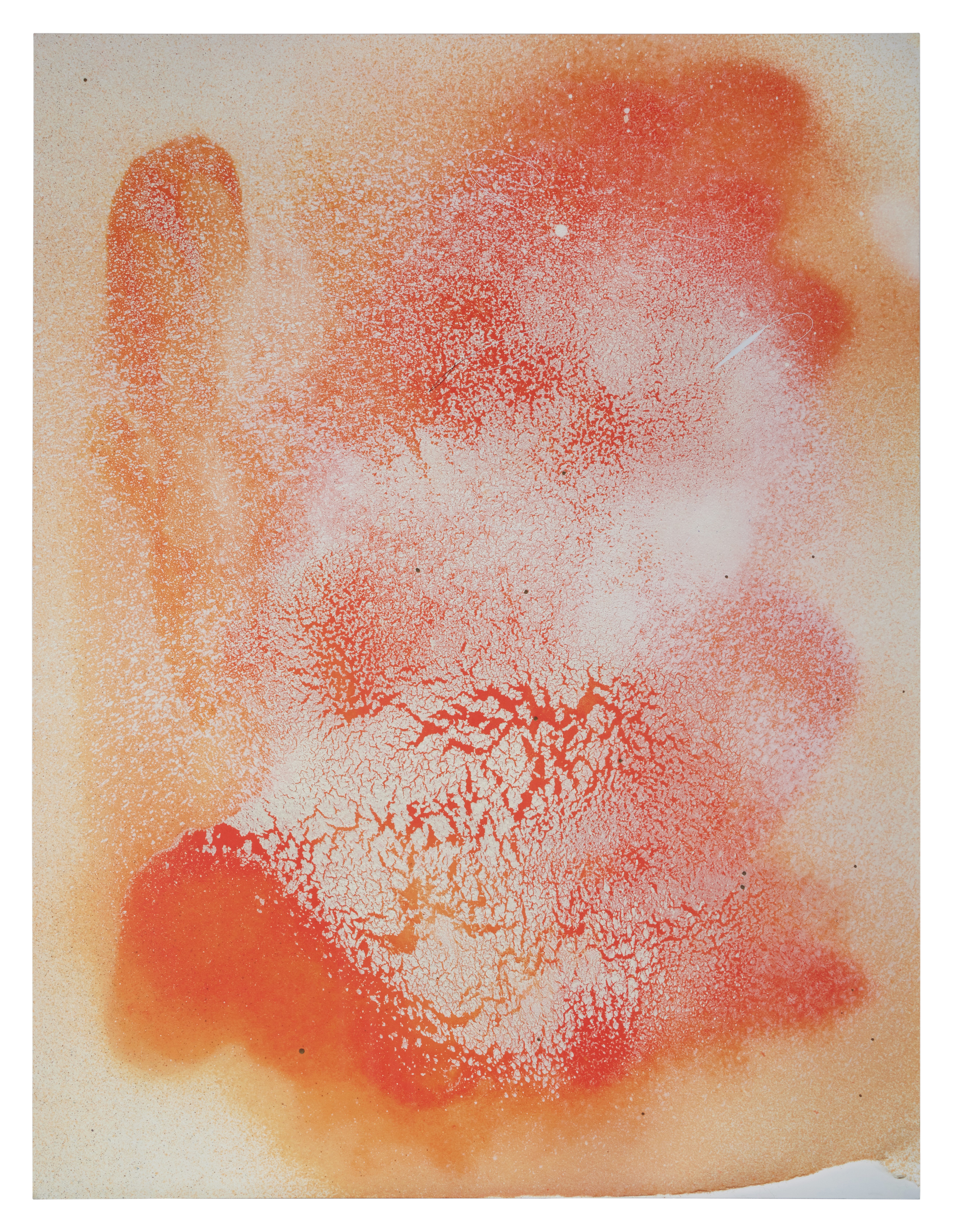
Orange ESP, 2014
Elrod was born in 1966 and came of age in an America where the personal computer was transitioning from novelty to cultural fixture. That generational position turned out to be formative in the most literal sense. He studied painting and developed a rigorous foundation in abstract mark making, but he was also among the first generation of painters to encounter digital drawing tools not as a threat to traditional practice but as an extension of it. Where older painters sometimes saw the computer as cold or mechanical, Elrod saw possibility, a new kind of sketchbook with its own textures of uncertainty and flow.
That early openness to technology as a creative partner rather than a rival defines everything that followed. His practice found its signature rhythm in the late 1990s and early 2000s. Working in his studio, Elrod would begin compositions on a computer, using software to generate gestural, looping, and layered drawings that exploited the particular way digital tools respond to input. These were not clinical diagrams or mechanical blueprints.
Jeff Elrod
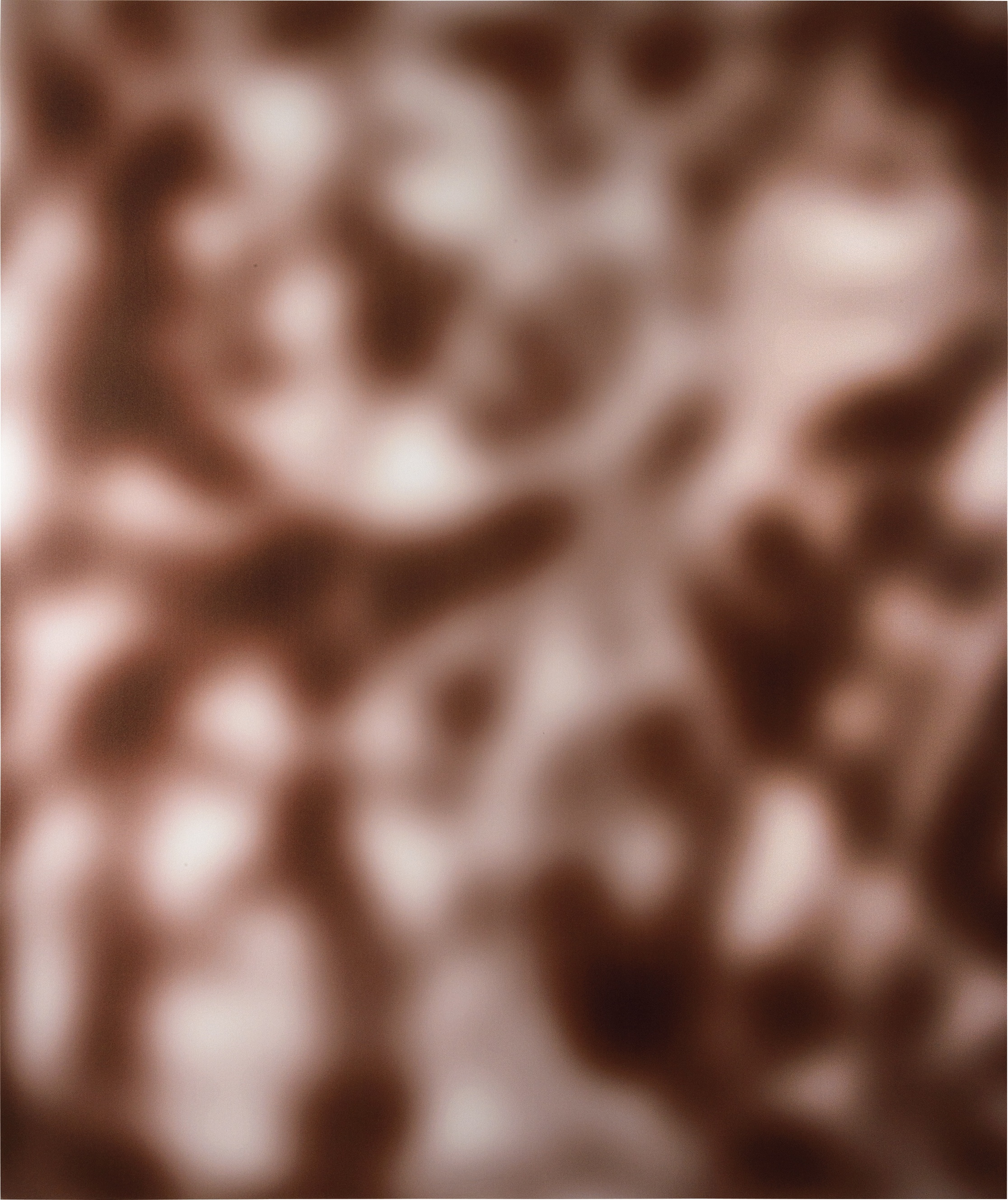
Figment IV
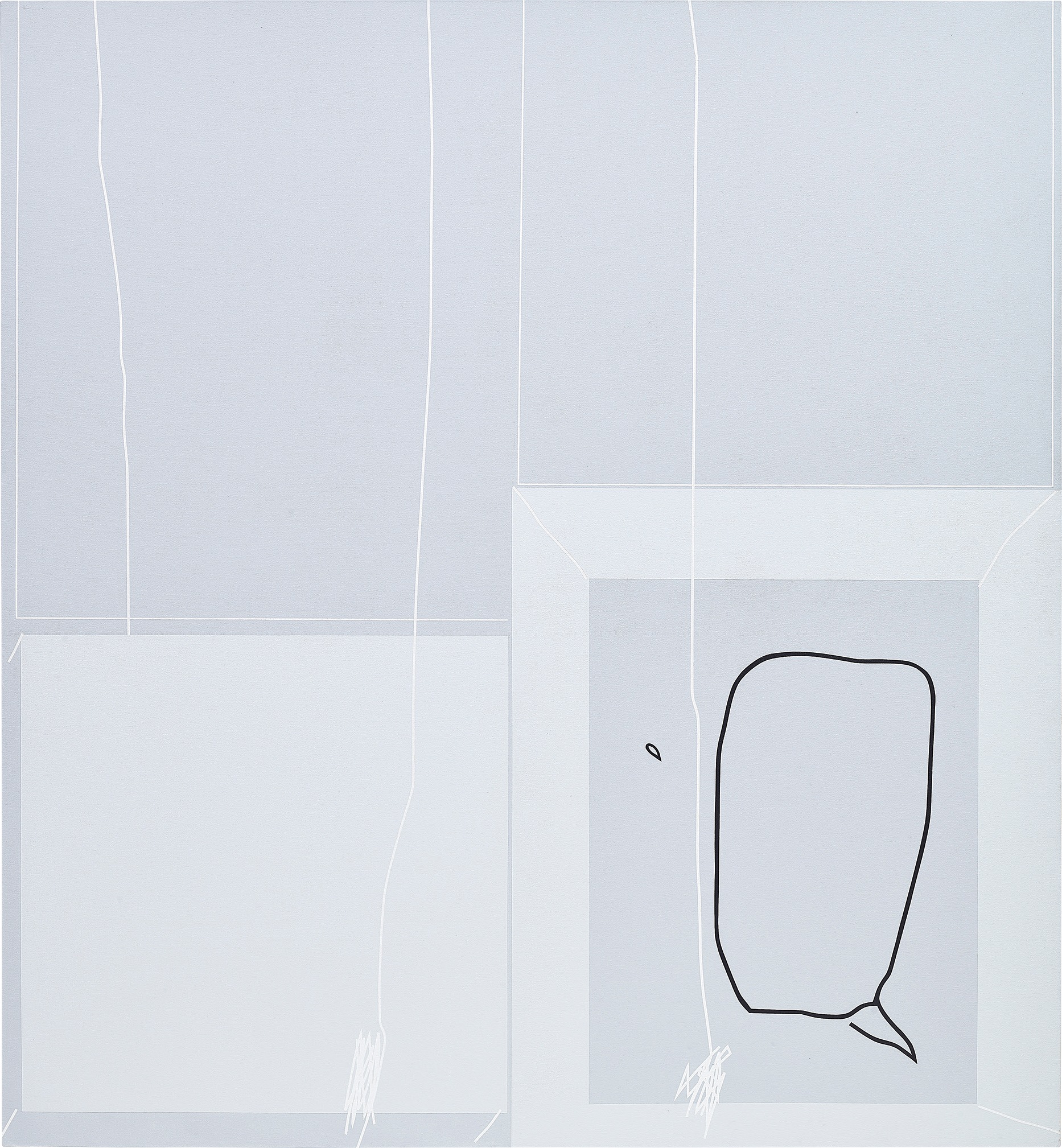
They were genuinely exploratory drawings, full of the accidents and improvisations that painters have always treasured. He would then translate these compositions onto large canvases by hand, using acrylic paint, UV inks, spray paint, and enamel to reconstruct the digital image in physical material. The result is a body of work that carries an almost paradoxical quality: paintings that feel both spontaneous and deliberate, both immediate and deeply considered. The works from the early 2000s, including Backspace from 2001, already demonstrated the full ambition of this approach.
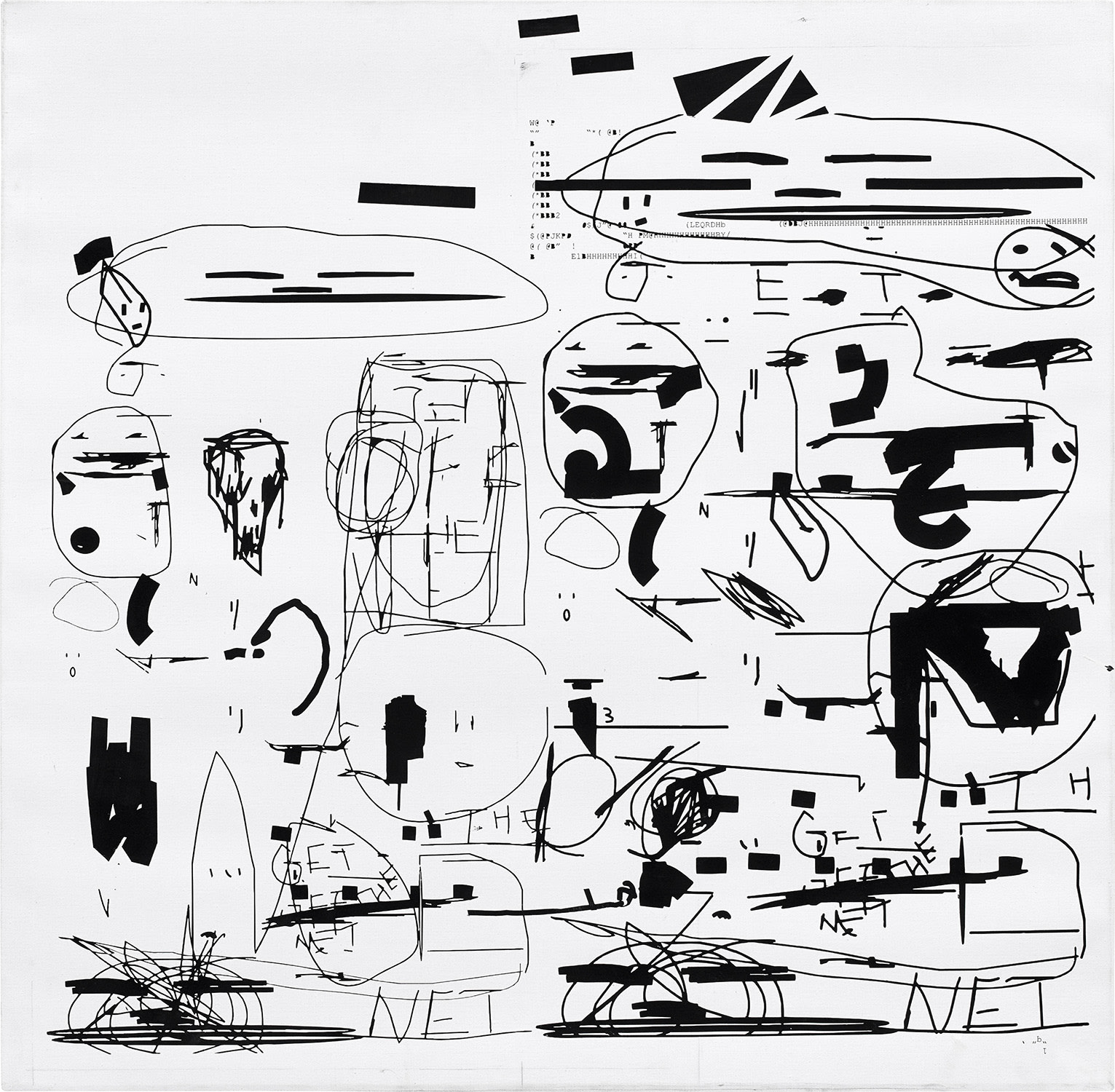
The title itself is a quiet joke and a genuine provocation, invoking the one gesture that digital mark making allows and traditional painting does not. By 2008, Get Off the Internet announced something even more pointed, a painting that engages the digital world with enough intimacy to issue instructions to it. The work is layered, rhythmic, and visually dense, with lines that suggest both circuitry and calligraphy simultaneously. It is the kind of painting that rewards sustained looking, revealing new structural relationships the longer you stay with it.
Jeff Elrod
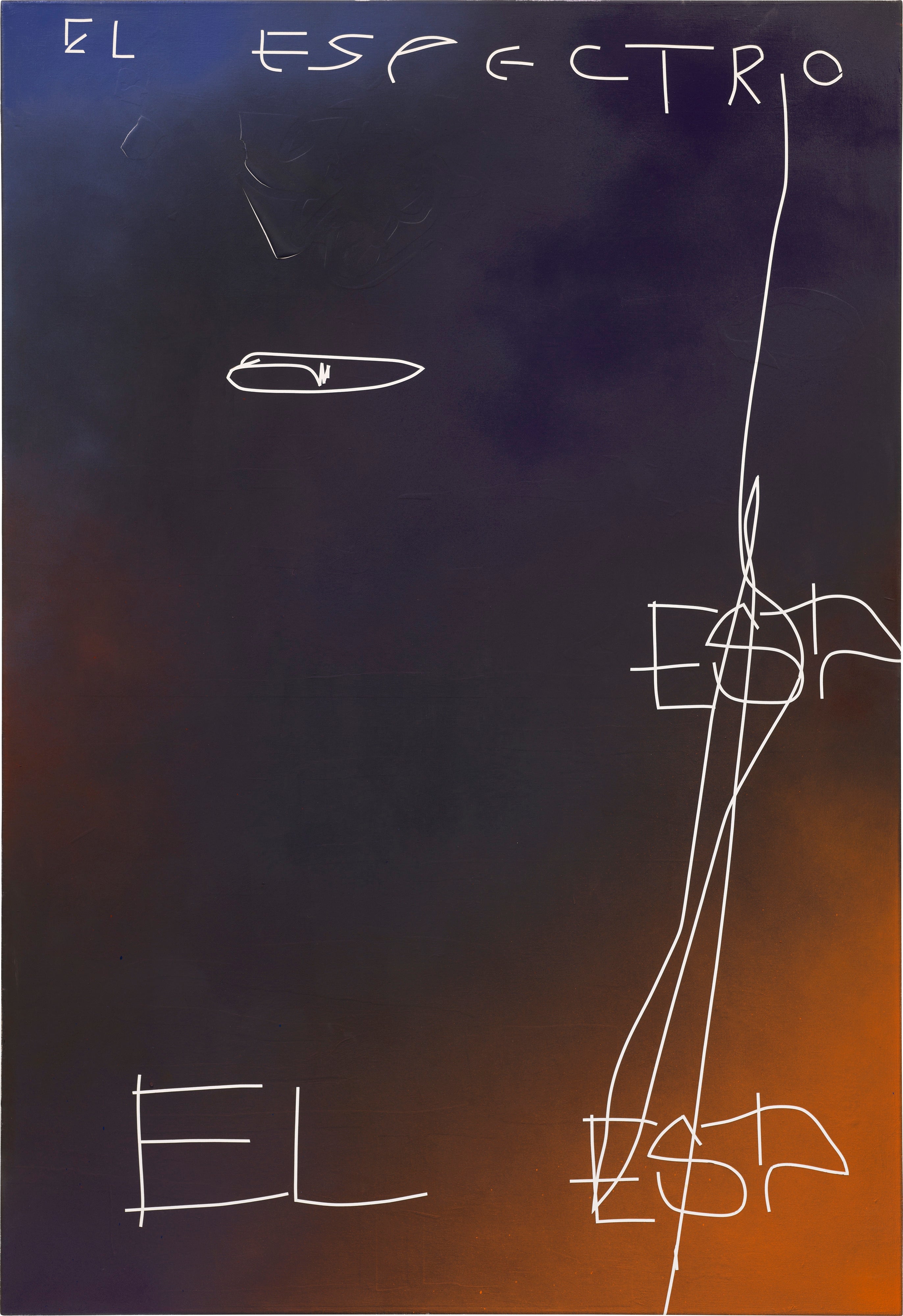
El Espectro, 2011
Collectors who acquired works from this period made decisions that have proven to be genuinely prescient. The 2011 to 2014 period produced some of the most celebrated works in the Elrod canon. El Espectro from 2011 and El Espectro V from 2012, with its combination of acrylic, enamel, and tape on canvas, extended the vocabulary of the practice into more overtly atmospheric territory. The Spanish titles gesture toward something spectral and resonant, an image hovering between states.
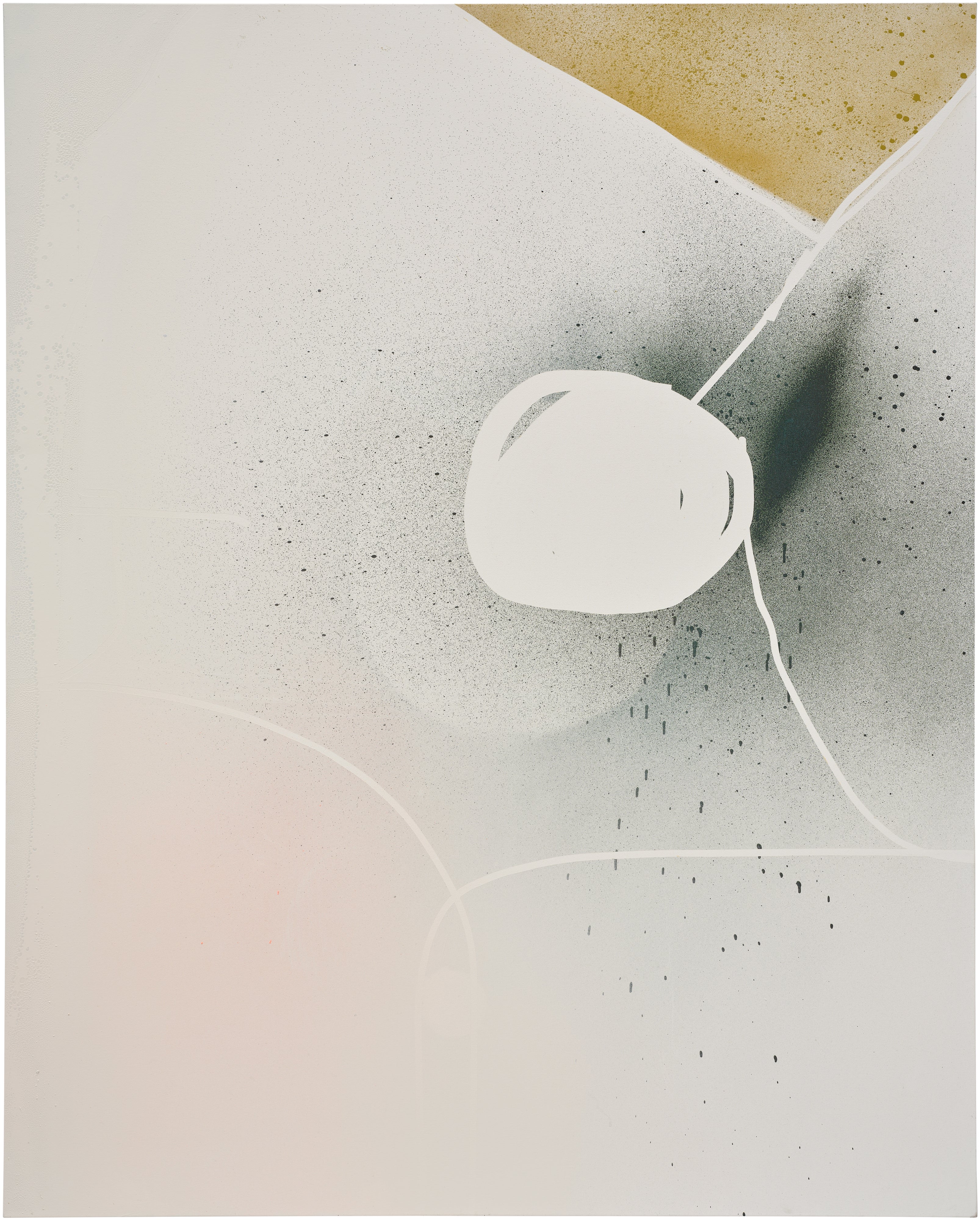
Primitive Adventure and Ice Age, both from 2013, continued this evolution, with Ice Age incorporating UV ink in ways that allow the painting to shift and reveal itself differently depending on the light conditions in a given room. Orange ESP from 2014, executed on Fischer canvas with UV ink and acrylic, is among the most technically refined works of his career, its surface alive with a luminescence that seems to come from within the picture plane rather than simply sitting on top of it. For collectors, Elrod's work presents a genuinely compelling combination of intellectual seriousness and visual pleasure. The paintings are large and commanding in person, asserting a strong physical presence that reproductions only partially capture.
Jeff Elrod
Primitive Adventure, 2013
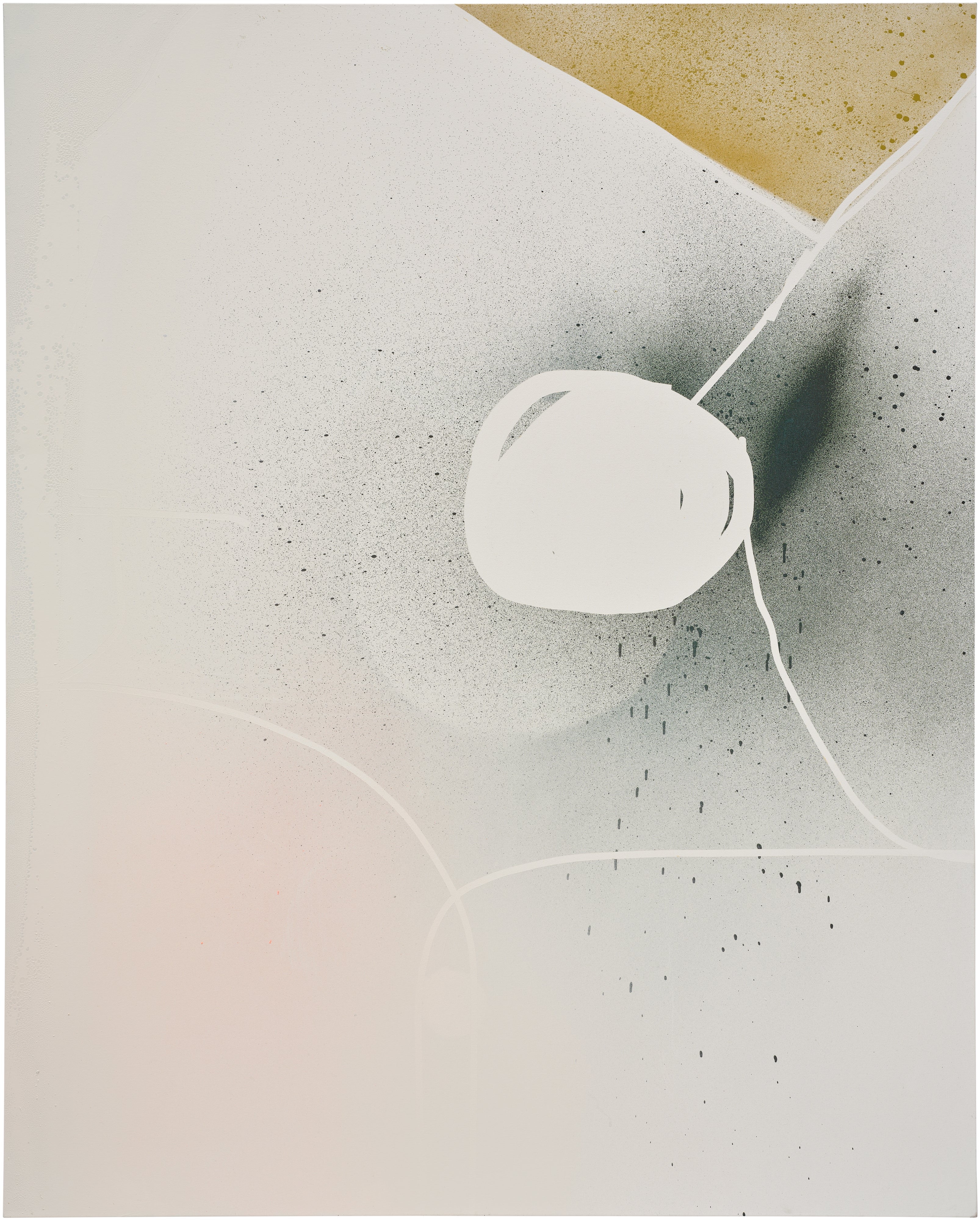
They hold walls with authority. There is also the matter of historical position: Elrod was engaging with the intersection of digital process and painterly materiality at a moment when the broader art world had not yet developed adequate critical language for what he was doing. That early arrival gives the best works from his studio a foundational quality, a sense that you are looking at paintings that helped establish the territory others would later explore. Works on linen, such as Rugburn with its combination of acrylic, inkjet, and spray paint, demonstrate his willingness to push the support itself into the conversation about surface and process.
In the broader context of contemporary abstraction, Elrod occupies a position that invites comparison with painters who have similarly negotiated the relationship between analog and digital sensibilities. Artists such as Tauba Auerbach and Wade Guyton have explored adjacent territory from different angles, while figures in the lineage of American abstract painting from Frank Stella through Christopher Wool provide a deeper historical frame. But Elrod's particular synthesis, the genuine commitment to both the computer and the brush as equally valid instruments of thought, gives his work a character that resists easy categorization. He is neither a digital artist who dabbles in painting nor a traditional painter who uses technology as a shortcut.
He is genuinely both things at once. What matters most about Jeff Elrod, as the art world continues to reckon with the cultural consequences of the digital era, is that his paintings function as a kind of proof of concept for a more generous and integrated way of thinking about creative process. They demonstrate that the boundaries collectors and critics sometimes draw between virtual and physical making are largely imaginary, that the hand, the eye, and the algorithm can collaborate without any party surrendering its essential character. To live with an Elrod is to have that conversation playing out on your wall every day, at different hours, in different light, with different music.
Few painters working today can offer that particular quality of ongoing, generous dialogue.
Featured Works