Jean Besnard
Jean Besnard, Master of the Luminous Surface
Artist Spotlight · The Collection Editorial
There is a particular kind of thrill that moves through a room when a Jean Besnard vase appears at auction. The piece arrives under the lights and something unexpected happens: the glaze seems to breathe. Collectors who have spent decades in the decorative arts find themselves leaning forward. This is the Besnard effect, a quality so singular and so difficult to explain in purely technical terms that it has kept his work at the center of serious French ceramics collecting for the better part of a century.
Jean Besnard
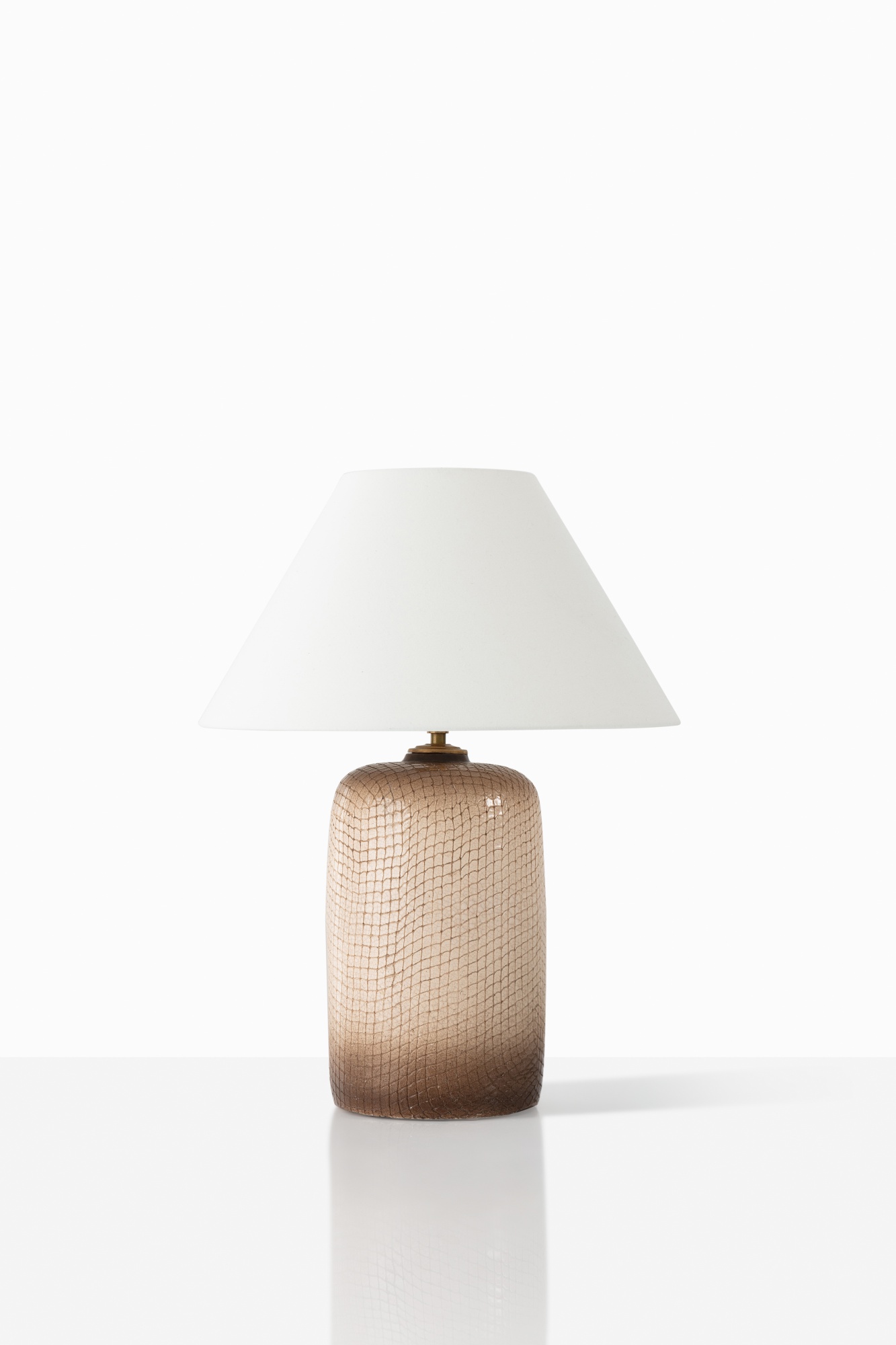
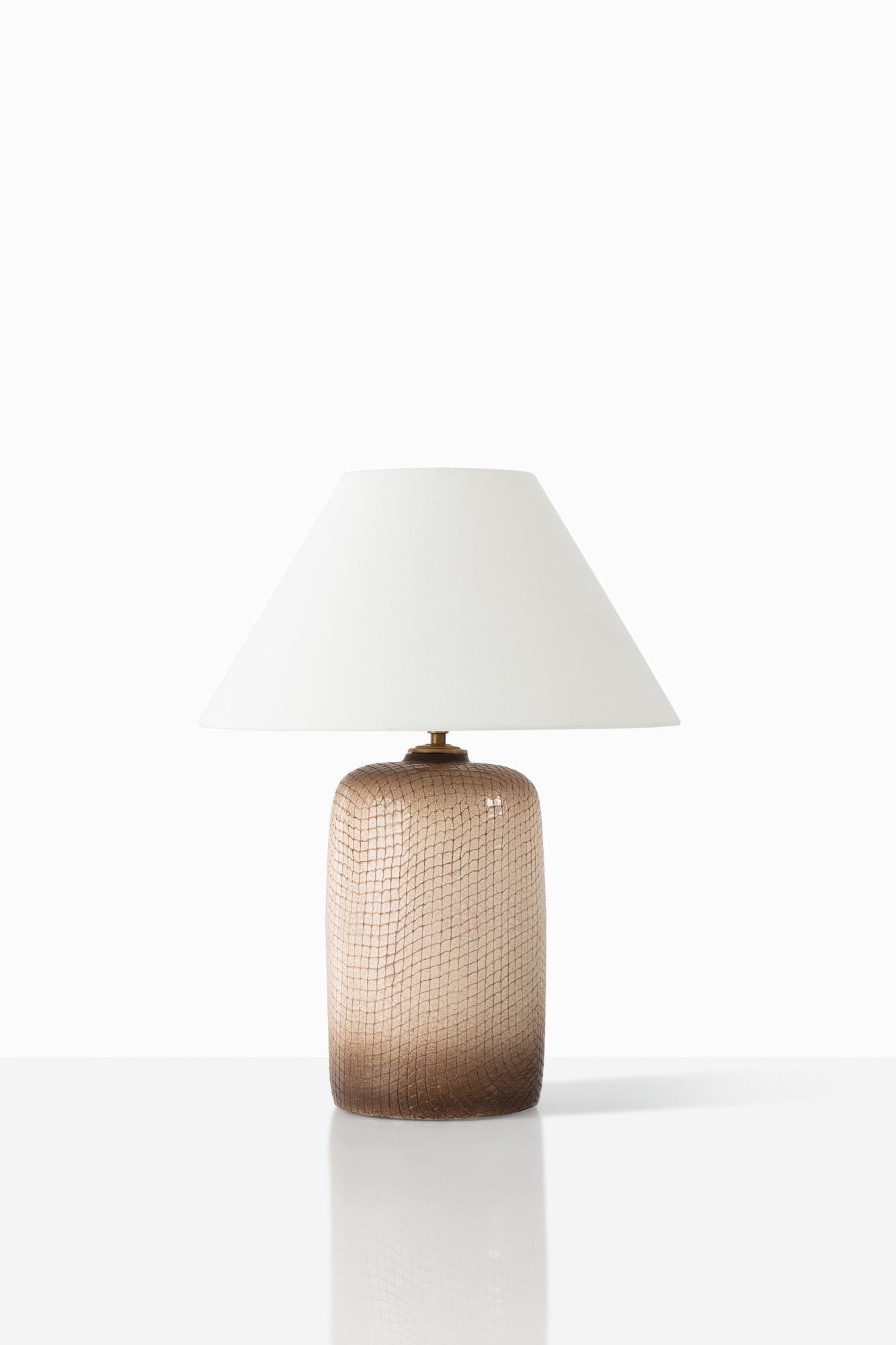
Lampe de table
In recent years, as interest in early twentieth century studio ceramics has surged globally, Besnard has moved from a treasured insider secret to a name spoken with genuine reverence in the best salerooms in Paris, London, and New York. Jean Besnard was born in Paris in 1889 into a family where artistic ambition was not merely encouraged but expected. His father, Albert Besnard, was one of the most celebrated French painters of the Belle Époque, a recipient of the Grand Prix de Rome and eventually the director of the Académie de France in Rome. Growing up in that atmosphere meant Jean absorbed both the discipline of serious craft and the freedom of genuine artistic inquiry from his earliest years.
He studied directly under his father, developing an acute sensitivity to surface, light, and form that would remain at the heart of everything he made. It is a lineage worth contemplating: the painter father whose mastery of luminosity passed, in transmuted form, into the son's glazes. Jean Besnard came to ceramics at a moment when the medium was undergoing a profound transformation in France. The late nineteenth and early twentieth centuries had seen figures like Émile Gallé and the Rookwood potters in America push decorative ceramics toward genuine artistic territory, and in Paris the dialogue between fine art and applied art was unusually alive.
Jean Besnard
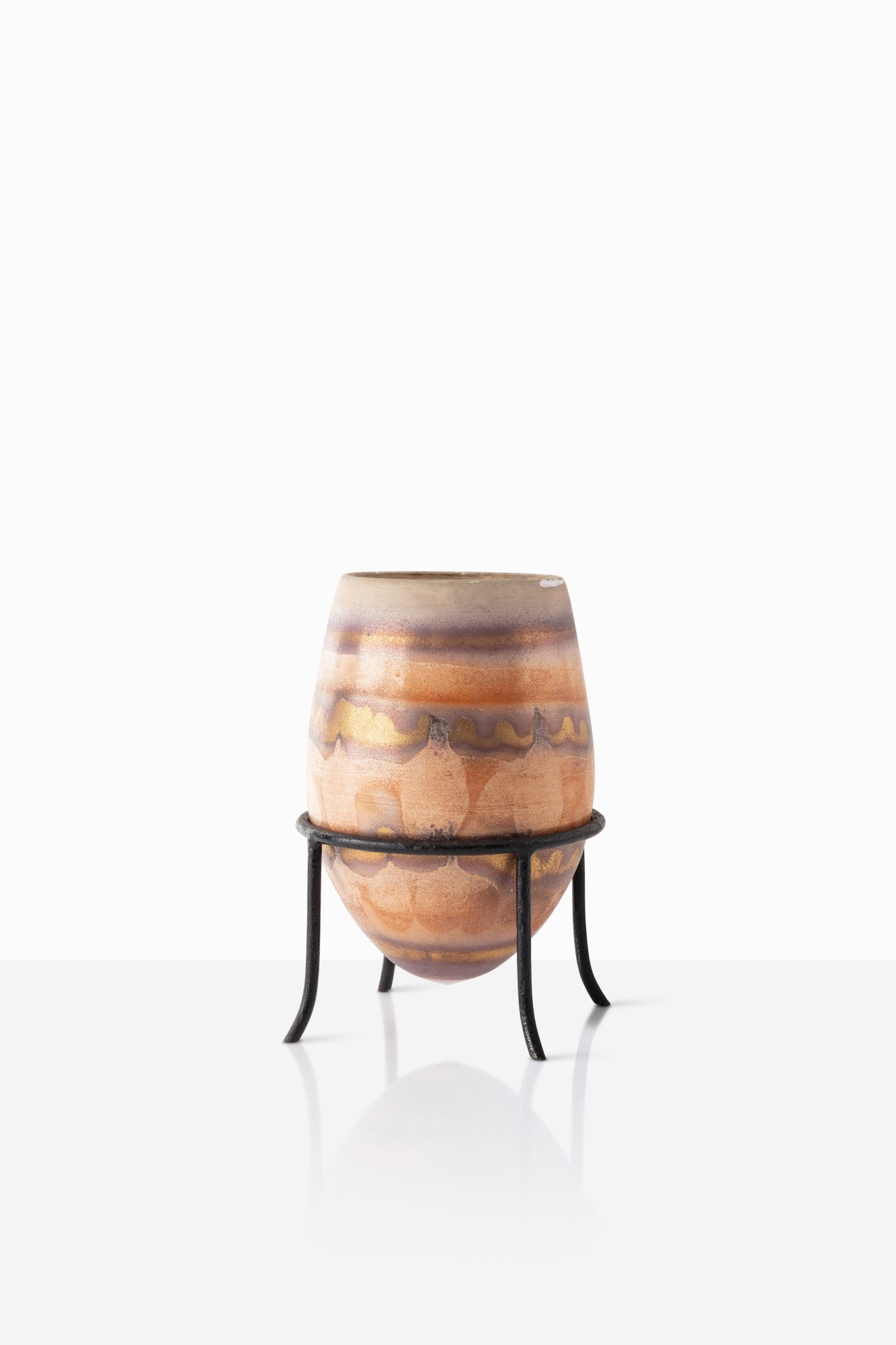
Amphore
Besnard absorbed these currents and developed a practice that was neither purely traditional nor aggressively avant garde but occupied a refined and personal middle ground. He worked extensively with earthenware and stoneware, experimenting relentlessly with firing temperatures, mineral compounds, and glaze chemistry to achieve surfaces that no one else was producing. By the interwar years, he had established a studio practice of considerable sophistication, and his work began to attract attention from the most discerning collectors in the city. What distinguishes Besnard above almost everything else is his command of the glaze as an expressive instrument.
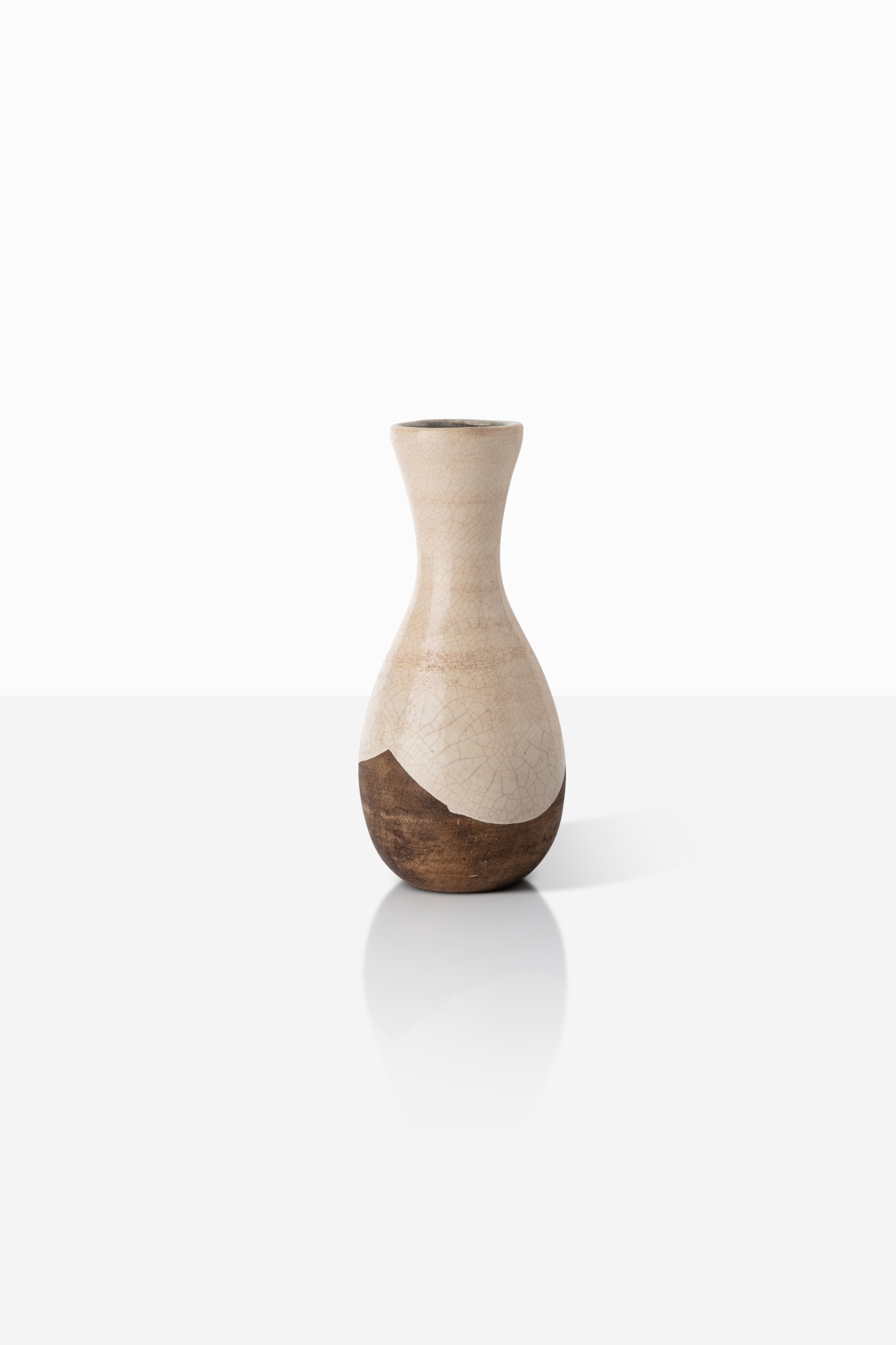
His iridescent surfaces recall the shimmer of medieval lustreware but arrive by entirely different means, through patient experimentation and an almost alchemical understanding of how heat transforms mineral matter. His crackled glazes, some of them interlaced with gold enamel, achieve a tension between fragility and permanence that feels genuinely moving. Works like his Amphore and his Vase demonstrate the formal clarity he brought to vessel making: these are shapes of quiet authority, neither fussy nor minimal, that serve as perfect vehicles for the drama playing out across their surfaces. His Lampe de table reveals another dimension of his practice, showing how naturally his sensibility extended beyond the purely sculptural into functional domestic objects of extraordinary refinement.
Jean Besnard
Vase
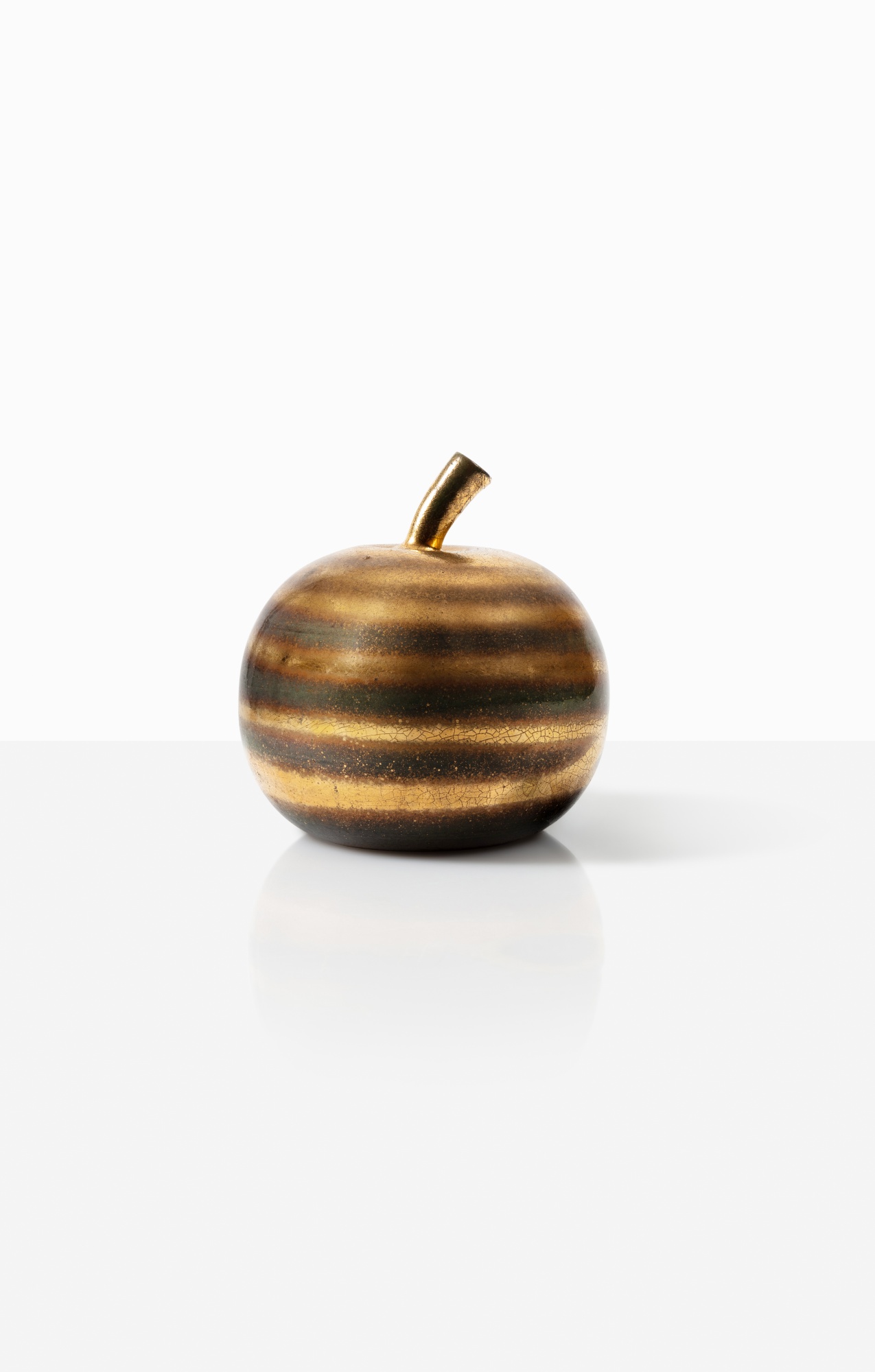
And then there is the Pomme, a work in enameled ceramic with cracked gold enamel that condenses everything essential about his vision into a single, intimate form. In the Pomme one sees the wit and the warmth that runs through even his most technically demanding work. For collectors, Besnard represents one of those rare convergences of historical significance, aesthetic distinctiveness, and genuine rarity. His output, while substantial during his working life, was the product of a studio practice rather than industrial production, and truly exceptional pieces surface with the kind of infrequency that concentrates attention when they do appear.
The works that command the strongest responses are those in which the glaze achieves its most complex and unexpected effects: pieces where iridescence shifts under different light conditions, where crackle patterns have the organic inevitability of ice forming on a window, where a gold enamel detail provides a precise and perfectly judged accent. Condition is important, as one would expect with ceramics of this age, but Besnard's glazes were built to last and well preserved examples retain a presence that photographs simply cannot capture. Acquiring a Besnard is acquiring a small, permanent argument for the idea that craft and art are not separate things. Besnard's position within art history becomes clearer when one considers the company he keeps.
Jean Besnard
Pomme
His work resonates with that of his near contemporary Émile Decoeur, another French ceramicist who pursued formal purity and exceptional glaze quality in the early twentieth century. There are also meaningful comparisons to be drawn with Georges Serré and Jean Mayodon, figures who shared Besnard's commitment to treating the vessel as a serious artistic proposition rather than a decorative accessory. In a broader European context, he belongs to the lineage of studio potters who reoriented the medium toward individual artistic expression, a lineage that connects the Arts and Crafts movement to the studio ceramics boom of the postwar decades. Understanding Besnard means understanding this wider movement, and understanding this movement is considerably enriched by studying Besnard.
Jean Besnard died in 1958, leaving behind a body of work that has only grown in stature in the decades since. The current enthusiasm for early modernist decorative arts, particularly French work from the period between the wars, has brought new generations of collectors to his pieces with fresh eyes and genuine excitement. Museum collections in France and beyond hold examples of his work, and scholars of the decorative arts continue to find in him a figure whose practice rewards close attention. For those encountering him for the first time through the works available on The Collection, the experience is likely to be the same one that has caught so many experienced collectors off guard over the years: a moment of genuine surprise at what a glaze can do, followed by the quiet, certain recognition that this is something worth knowing well.
Explore books about Jean Besnard
Jean Besnard: Catalogue Raisonné de l'Œuvre Peint
Gérard Schurr
Albert Besnard: Sa vie et son œuvre
Henri Rochefort
Besnard et son époque
Louis de Fourcaud
Albert Besnard: Peintre et Graveur
Arsène Alexandre