Jan Fabre
Jan Fabre: Where Beauty Meets Boundless Wonder
Artist Spotlight · The Collection Editorial
“I am a poet of time, a warrior of beauty.”
Jan Fabre, artist statement
In the gilded halls of the Royal Palace in Brussels, something extraordinary happened in 2002 that stopped visitors in their tracks and changed the way the world thought about contemporary Belgian art. Artist Jan Fabre had spent months transforming the Hall of Mirrors into a shimmering dreamscape, covering the ceiling and chandeliers with more than 1.4 million iridescent shells of the jewel beetle, Sternocera aequisignata. The work, titled Heaven of Delight, remains one of the most audacious and breathtaking site specific installations in recent European art history, a testament to Fabre's singular capacity to transfigure the natural world into something that feels both ancient and urgently alive.
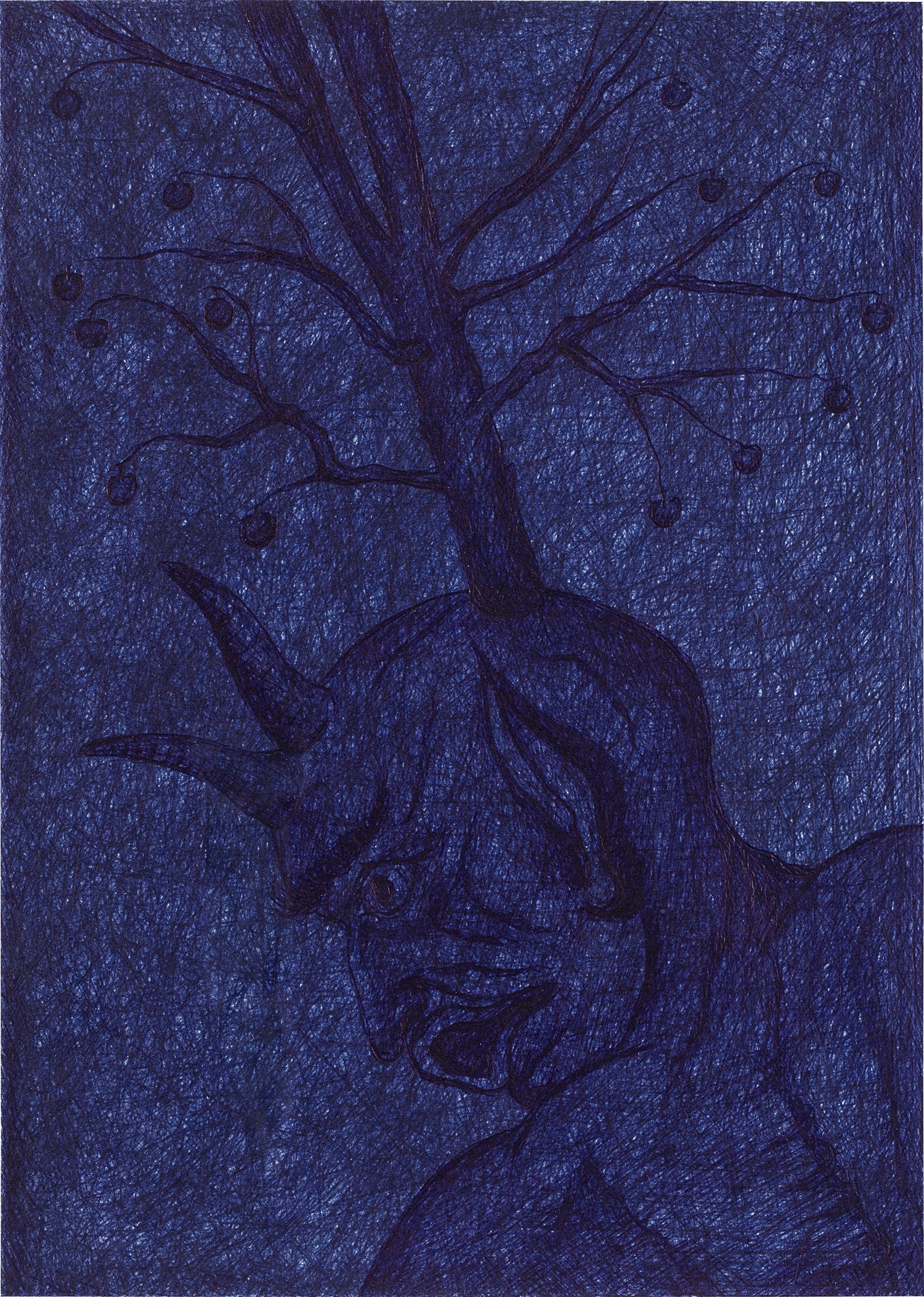
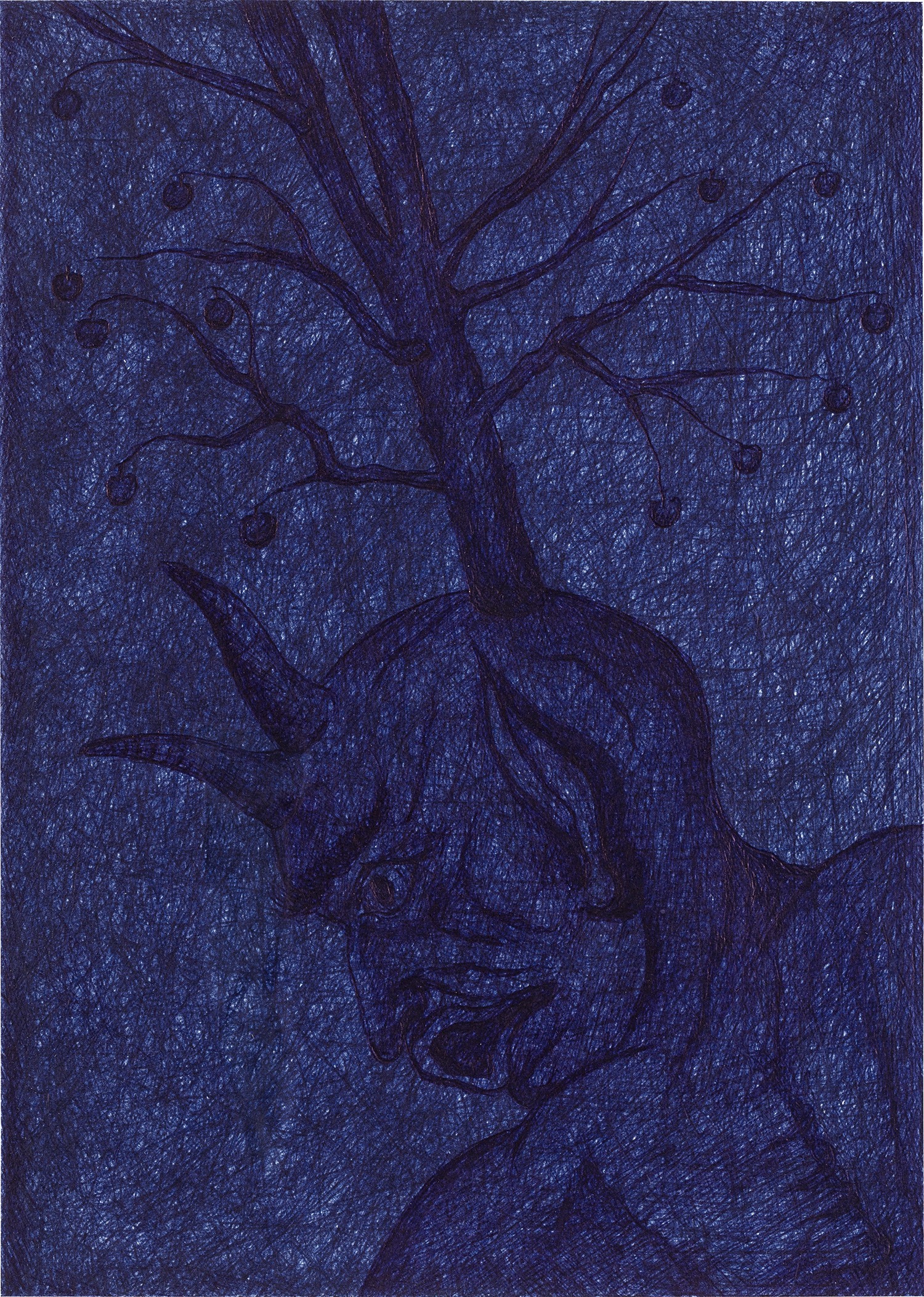
Jan Fabre
Het Denken van het Verbodene (La Pensee de l`interdit// Thinking the Forbidden), 1986
Fabre was born in Antwerp in 1958, a city whose layered artistic heritage runs from the Flemish Old Masters through to the thriving contemporary scene he would himself help define. His grandfather was the entomologist and writer Jean Henri Fabre, and that familial devotion to the natural world left a permanent imprint on Jan's imagination. Growing up surrounded by scientific curiosity and a reverence for the life cycles of insects and organisms, he developed an understanding of nature not as backdrop but as medium, philosophy, and muse. He studied at the Municipal Institute for Decorative Arts and Crafts and later at the Royal Academy of Fine Arts in Antwerp, where his rebellious instincts and voracious intellectual appetite quickly set him apart from his peers.
By the early 1980s, Fabre had emerged as one of the most provocative and formally inventive figures in European performance and visual art. His 1982 theatrical work The Power of Theatrical Madness, presented at documenta 7 in Kassel and later at major venues across Europe, announced a new kind of total theater: relentlessly physical, philosophically charged, and deeply rooted in the body as a site of transformation and endurance. He founded his performance company Troubleyn in Antwerp, which became the engine room for decades of boundary dissolving theatrical and artistic production. The company's name itself signals something important about Fabre's sensibility, drawing on a Flemish word evoking labor, turbulence, and making.
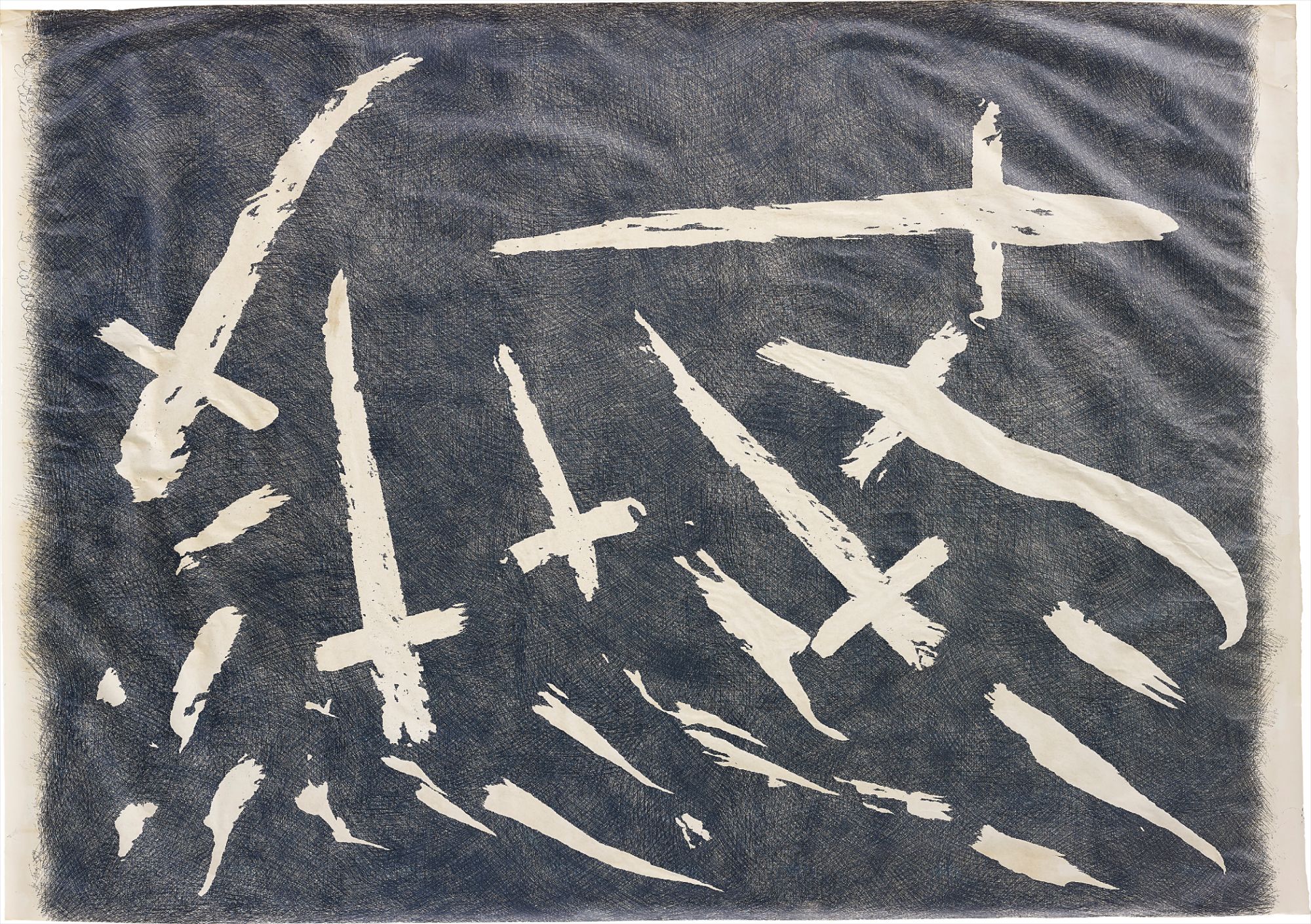
Jan Fabre
Swords and Crosses, 1989
Across drawing, sculpture, performance, and installation, Fabre has maintained a remarkably consistent set of obsessions: the fragility and resilience of the human body, the strange beauty of metamorphosis, the dialogue between life and death, and the redemptive power of art as ritual. His early drawings, made with Bic ballpoint pens and covering entire rooms in shimmering blue, established him as an artist willing to subject himself to extreme discipline in pursuit of a transcendent visual effect. His sculptures, often encrusting human forms, animals, or architectural elements with jewel beetle shells, extend this logic into three dimensions, transforming organic material into something that reads simultaneously as armor, skin, and pure light. Works from the Walking Leaves series, produced between 1986 and 1993, exemplify this approach with particular grace, presenting leaf insects in a manner that collapses the boundary between scientific specimen and poetic object.
“The body is the first and last home of the human being.”
Jan Fabre, interview
The works available through The Collection offer a privileged window into the full arc of Fabre's practice. Het Denken van het Verbodene, from 1986, captures the raw conceptual energy of his early period, when he was pushing against every available limit in form and subject matter. Swords and Crosses from 1989 reflects his enduring engagement with symbols of power, sacrifice, and spiritual conflict, reworking iconographies that carry centuries of weight into something unmistakably contemporary. The Self portrait as Joker in the Ommeganck Street from 1997 reveals his theatrical wit and his willingness to place himself, vulnerably and with humor, at the center of his own mythology.
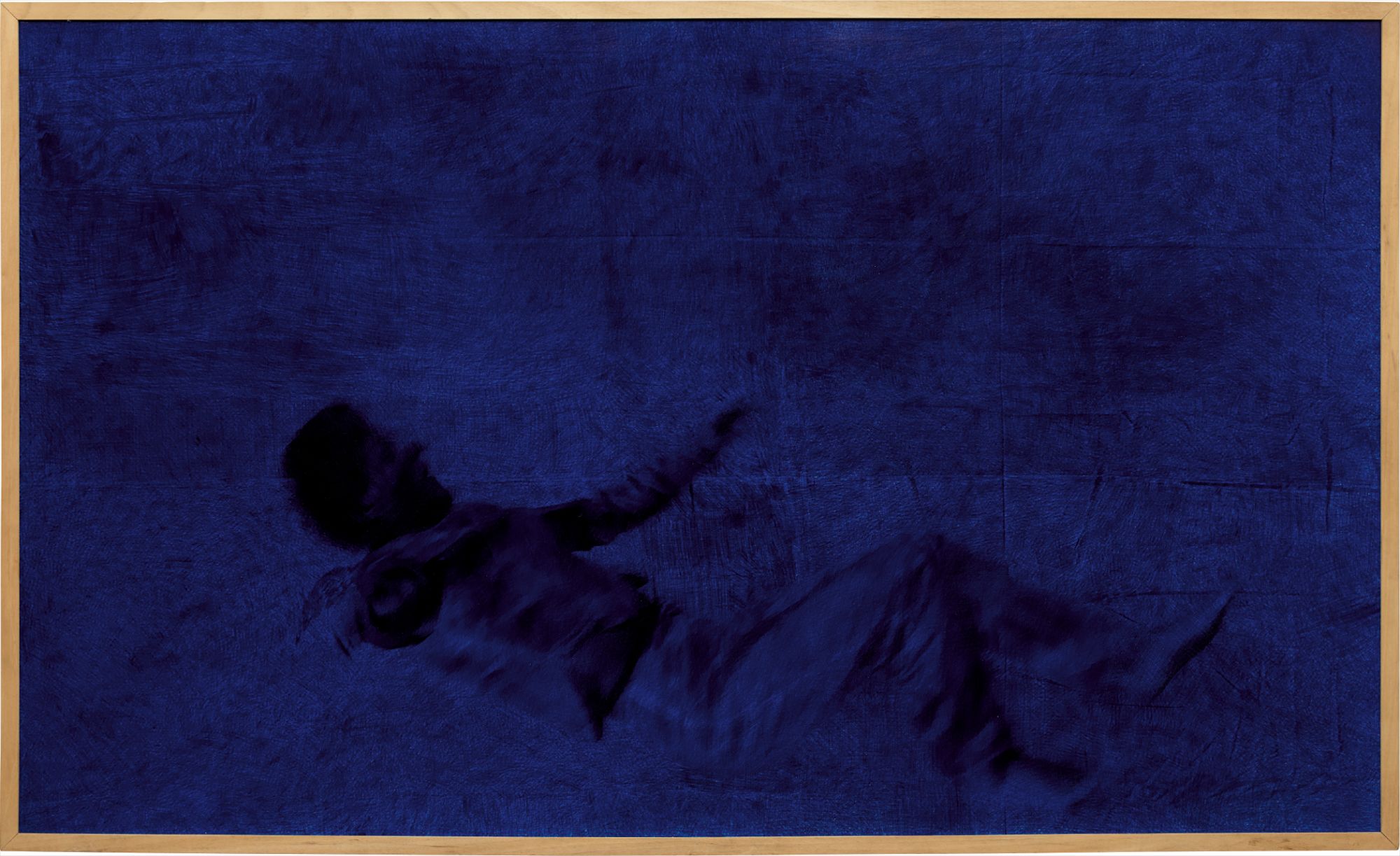
Jan Fabre
Troubleyn
Chapter XIV, rendered in bronze on a stone base, demonstrates his command of traditional sculptural materials elevated by his distinctly eccentric and philosophical vision. For collectors, Fabre represents a genuinely rare combination of institutional recognition and sustained market vitality. His works have entered the permanent collections of major museums across Europe and beyond, and significant retrospectives at institutions including the Louvre in Paris and the Hermitage in Saint Petersburg have cemented his standing as one of the defining artists of his generation. The Louvre retrospective in 2008, a landmark moment for any living artist, signaled not merely critical approval but a kind of art historical consecration that few contemporary practitioners achieve in their lifetimes.
Collectors who have engaged seriously with his work often speak of its capacity to deepen with time, the beetle shell surfaces shifting with the light, the philosophical dimensions of the work revealing themselves slowly and repeatedly. Fabre's place in the broader contemporary art landscape is most usefully understood alongside artists who share his commitment to the body, transformation, and the blurring of disciplinary boundaries. His theatrical work resonates with the legacies of figures like Joseph Beuys and Hermann Nitsch, while his sculptural practice shares a formal and conceptual kinship with artists engaged in Arte Povera's elevation of humble or organic material into high art. Yet Fabre is finally irreducible to any single lineage.
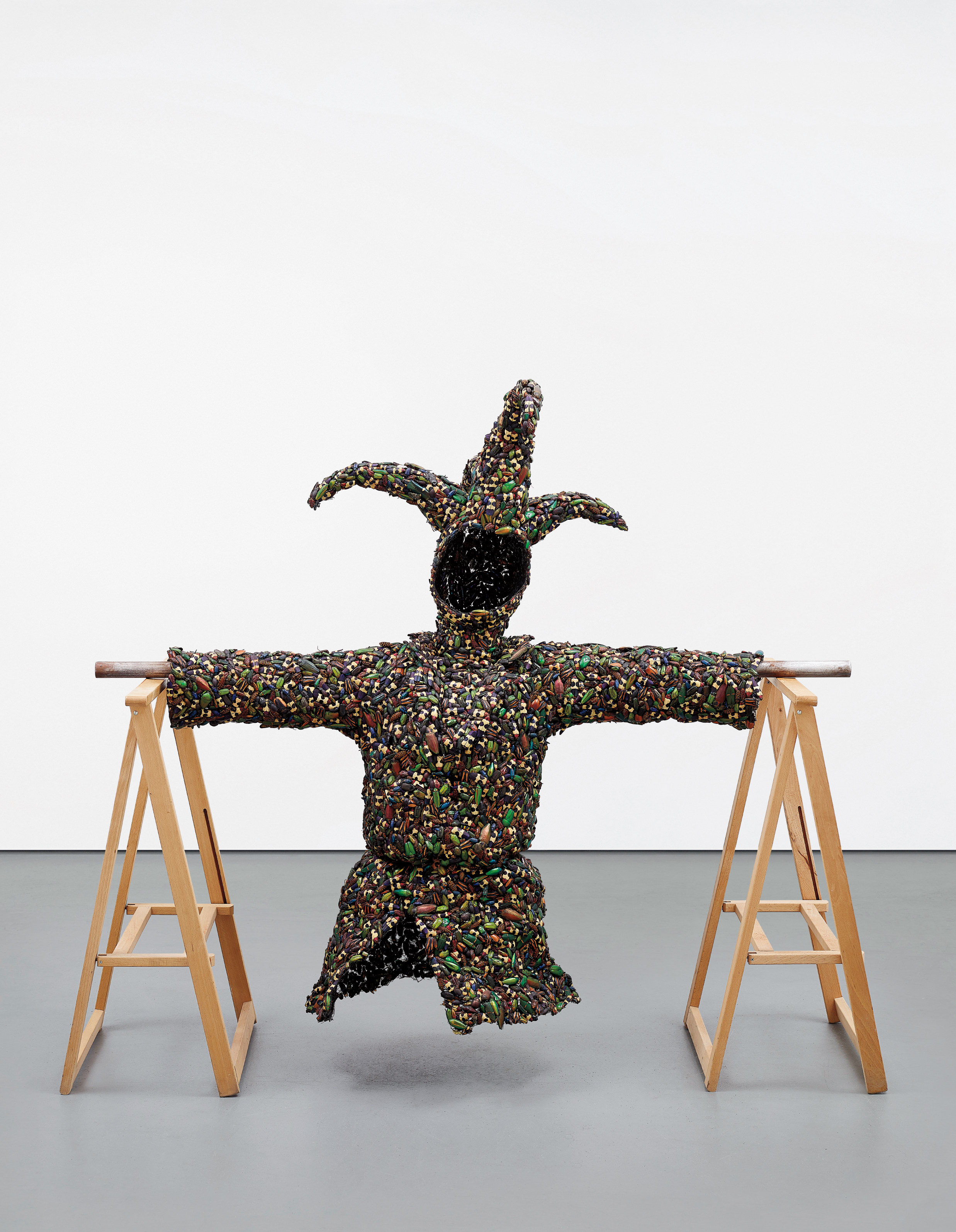
Jan Fabre
Self-portrait as Joker in the Ommeganck Street, 1997
He is too much his own creature: too rooted in the specificity of Flemish culture, too committed to the full theatrical and visual range of his imagination, too genuinely strange and funny and serious all at once. What makes Fabre matter today, perhaps more than ever, is his insistence that beauty and difficulty are not opposites but collaborators. In an art world that sometimes struggles to hold complexity, his work insists on the coexistence of the grotesque and the gorgeous, the ancient and the contemporary, the scientific and the spiritual. The beetle shells that have become his signature material are themselves a profound metaphor: creatures that transform, that carry light within their structure, that are both armor and adornment.
To own a work by Jan Fabre is to welcome that kind of thinking into your home and your life, to participate in an ongoing conversation about what it means to be alive, mortal, and still, somehow, dazzled.
Explore books about Jan Fabre
Jan Fabre: The Power of Theatrical Madness
Kristine Projectgroep
Jan Fabre: Blood, Sweat and Tears
Various Contributors
Jan Fabre: Drawing on Performance
Linda Havlicek
Jan Fabre: The Obsessive Details
Ine Geerts
Jan Fabre: I am Here to Surprise You
Christine Kiss