Jackson Pollock
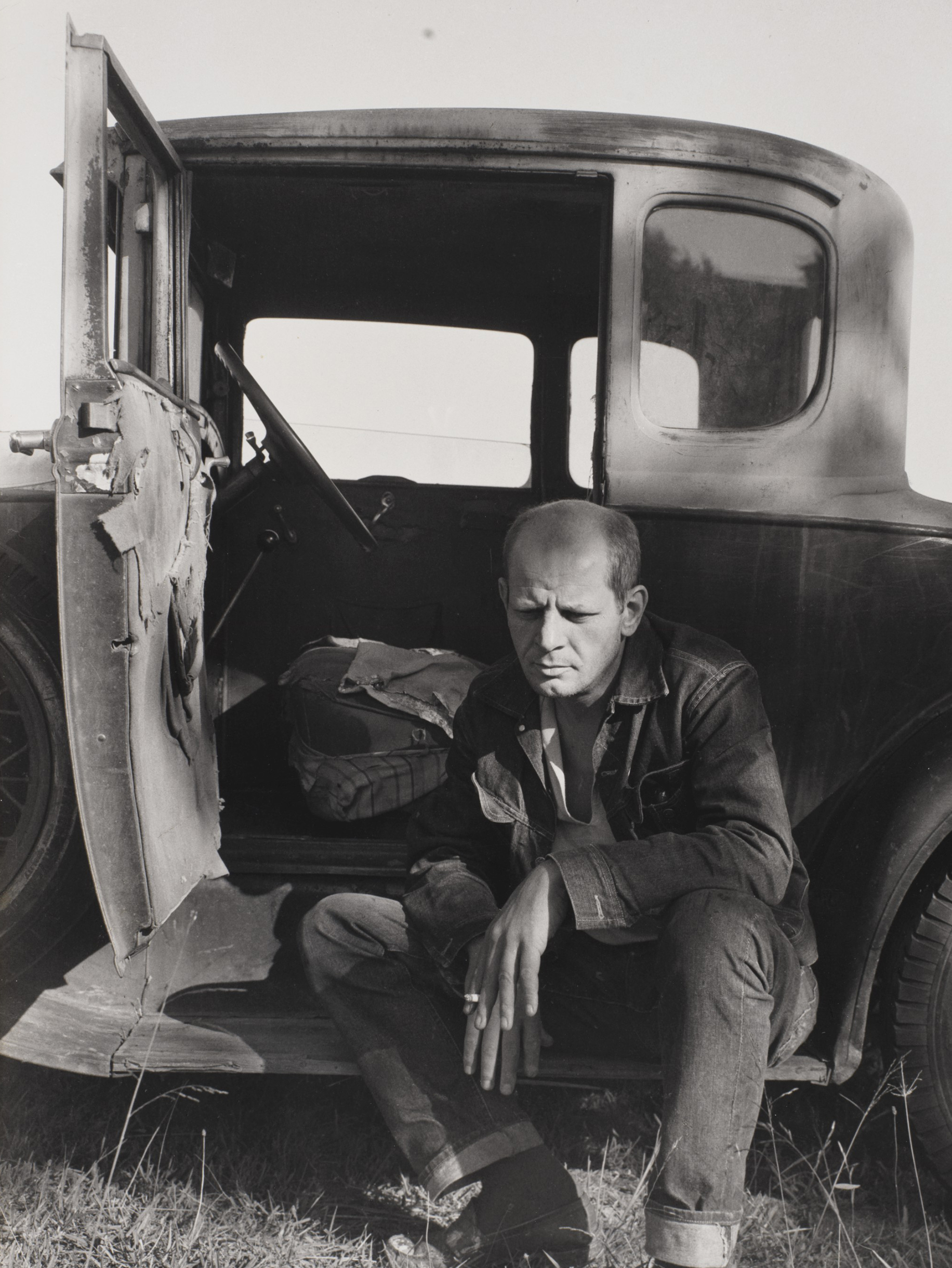
Jackson Pollock, The Force That Freed Painting
Artist Spotlight · The Collection Editorial
“When I am in my painting, I am not aware of what I am doing.”
My Painting, Possibilities magazine, 1947
There are moments in art history so singular, so complete in their rupture with everything that came before, that they reorganize the entire landscape of what is possible. Standing before Jackson Pollock's "Number 1A, 1948" at the Museum of Modern Art in New York, visitors still feel that rupture viscerally, decades after the work was made. The surface hums and breathes. The loops and skeins of enamel paint seem to move in real time, as if the hand that made them has only just lifted away.
Jackson Pollock
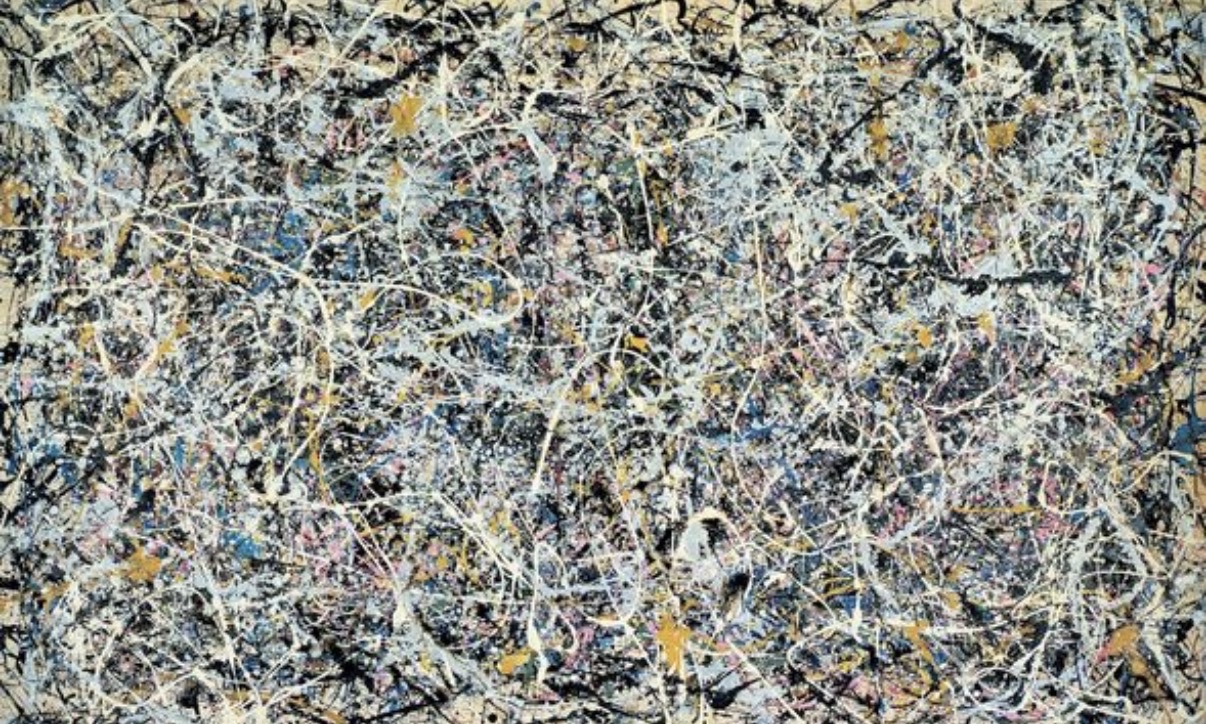
Number 1, 1949, 1949
Pollock remains, without question, one of the most thrillingly alive presences in twentieth century art, and the appetite among institutions and collectors for his work has never been more acute. Paul Jackson Pollock was born on January 28, 1912, in Cody, Wyoming, the youngest of five brothers in a family that moved restlessly across the American West. His childhood unfolded against the vast, untamed landscapes of Arizona and California, and there is something of that openness, that refusal of boundary, in everything he would later make. He arrived in New York in 1930 and enrolled at the Art Students League, where he studied under the Regionalist painter Thomas Hart Benton.
Benton's influence on Pollock was genuine, particularly in matters of rhythm and compositional energy, but Pollock's instincts were always pulling him somewhere further, somewhere less legible and more interior. Throughout the late 1930s and into the early 1940s, Pollock absorbed a remarkable range of influences. He worked briefly for the Federal Art Project, the New Deal program that employed artists across America during the Depression years, and he encountered the Surrealists who had emigrated to New York fleeing wartime Europe, among them André Breton and Max Ernst. The Surrealist concept of automatism, of bypassing conscious control to access deeper psychological truths, struck Pollock with particular force.
Jackson Pollock
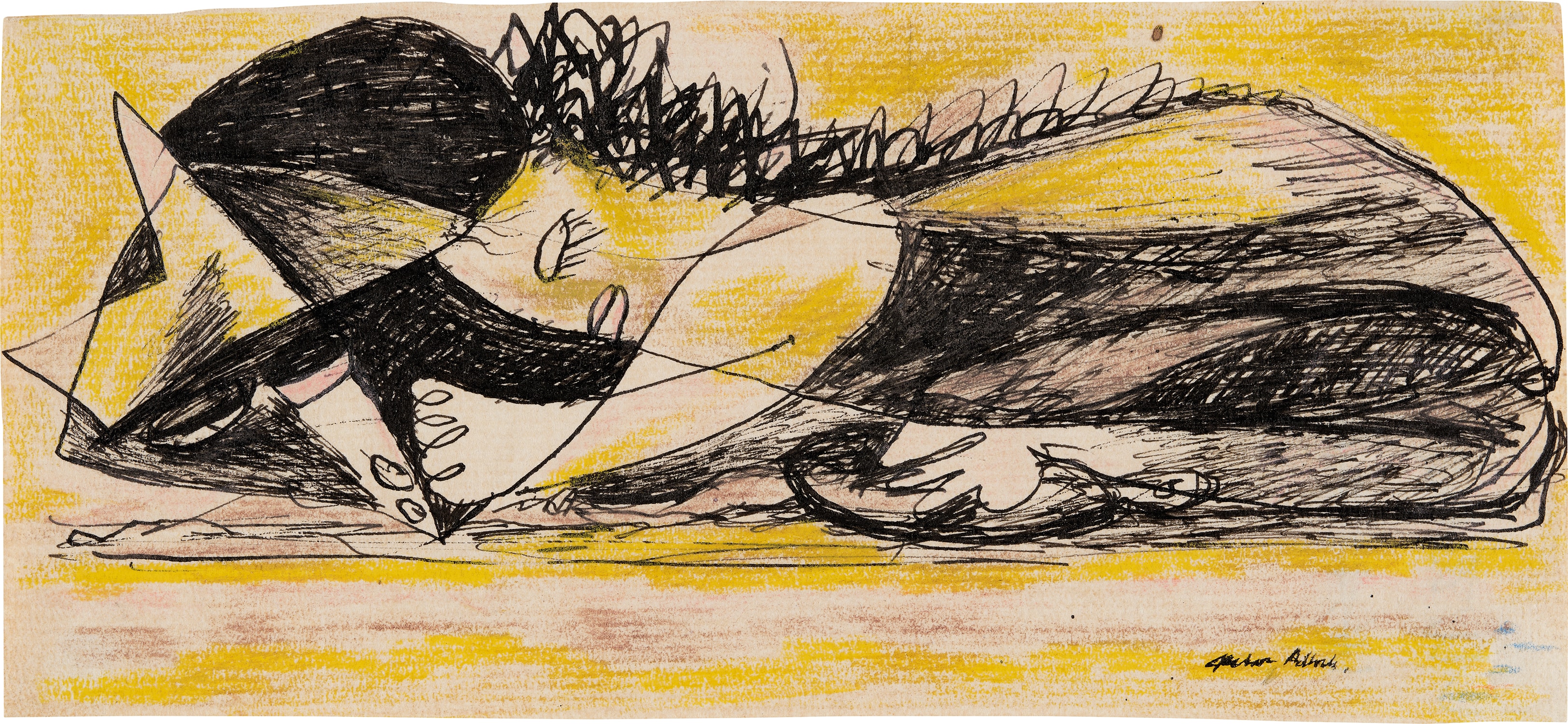
Reclining Figure, 1942
He also found resonance in the sand paintings of Navajo artists, in which the act of making was itself ceremonial and the ground of creation was the earth beneath one's feet. These threads would converge into something entirely his own. The great breakthrough came in 1947, when Pollock moved decisively away from the easel and began placing his canvases on the floor of his studio in Springs, on Long Island, where he had settled with the painter Lee Krasner. Working from all four sides, pouring and dripping industrial enamel paint from cans and hardened brushes, he entered a radically new relationship with the act of painting.
“The painting has a life of its own. I try to let it come through.”
My Painting, Possibilities magazine, 1947
This was not accident or chaos. It was a highly disciplined, physically demanding practice in which the artist's whole body became the instrument, his movements leaving their trace across surfaces of extraordinary complexity and beauty. The works from the years 1947 to 1950, including "Full Fathom Five," "Lavender Mist," and "Autumn Rhythm," represent one of the most concentrated periods of innovation in the history of American art. Clement Greenberg, the preeminent critic of the era, recognized immediately that something world historical was happening.
Jackson Pollock
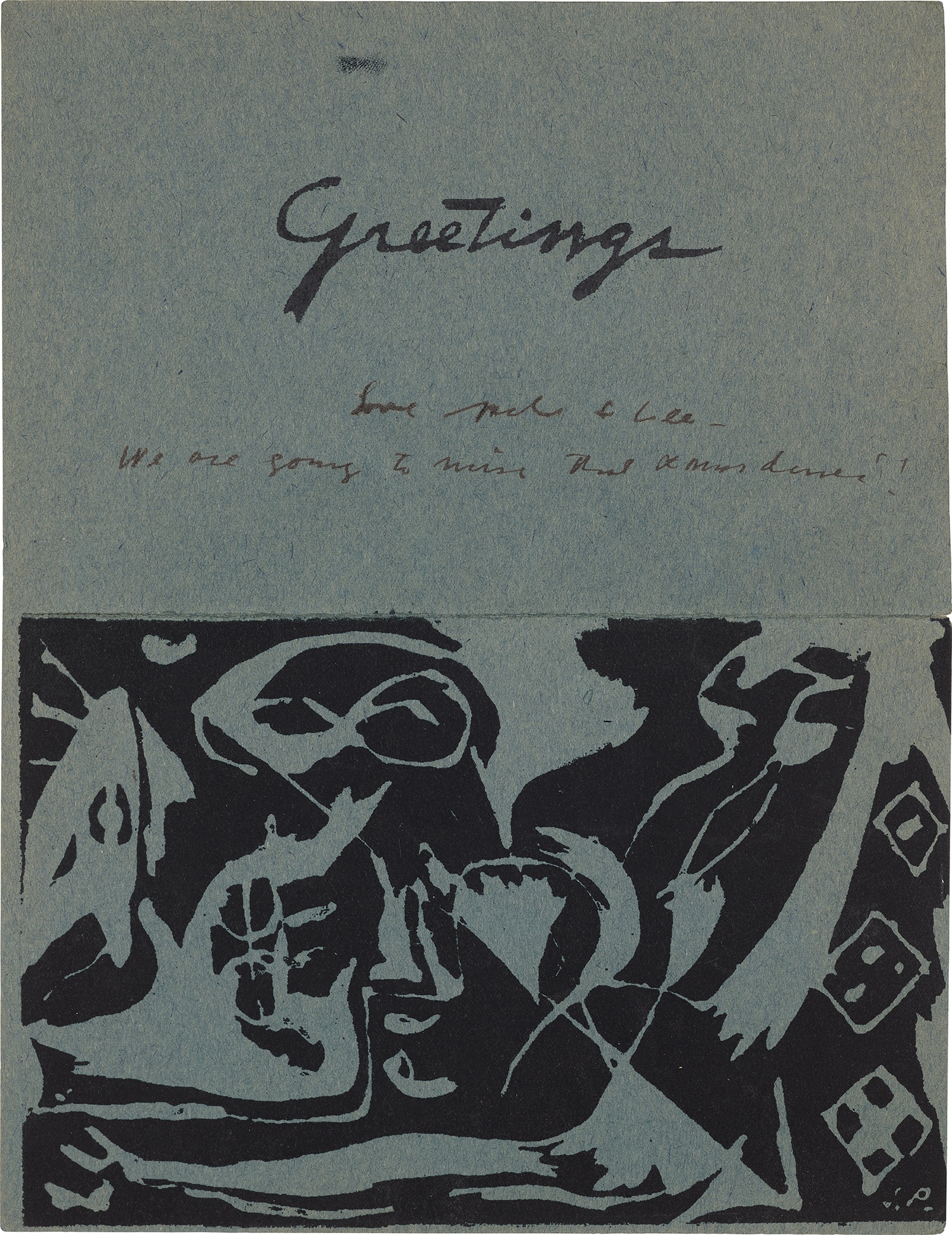
Greeting Card (O'C. & T. 1088)
Among the works available to collectors on The Collection, "Number 1, 1949" stands as a particularly magnetic object. Executed in enamel and metallic paint on canvas, it captures Pollock at the absolute height of his powers, the surface a labyrinthine field of interlocking arcs and pools that rewards sustained looking. "Number 17, 1951" in enamel on canvas, and "Number 16" in oil and enamel on Masonite, reveal the continued experimentation of his mature practice. The works on paper and the prints, including the "Calligraph" of 1952 and various screenprints and engravings, offer collectors a meaningful point of entry into the Pollock universe, demonstrating that his formal intelligence and improvisational daring were equally present at intimate scale.
“I approach painting in the same sense as one approaches drawing; it is direct.”
Interview with William Wright, summer 1950
The "Reclining Figure" of 1942, in ink and colored pencil on paper, is a vivid document of the transitional moment before drip painting, showing the figurative and psychological energies that the later works would sublimate into pure gesture. From a collecting standpoint, Pollock occupies the very apex of the blue chip market. His paintings have achieved some of the highest prices ever recorded at auction, and works on paper and prints represent a historically significant opportunity for collectors at various levels of engagement. The authentication landscape for Pollock is carefully managed through the Pollock Krasner Foundation, and provenance research is particularly important given the artist's canonical status.
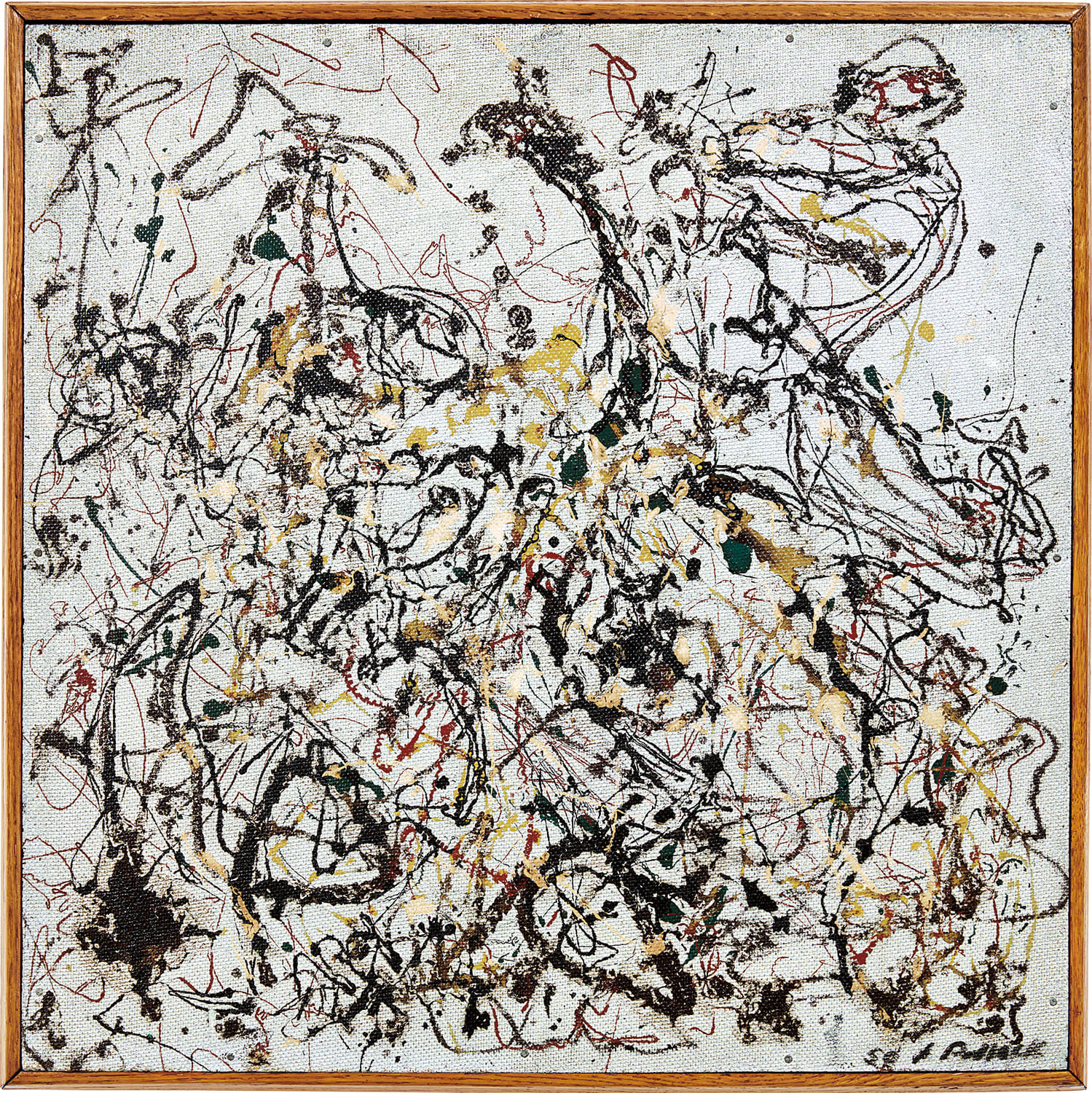
Jackson Pollock
Number 16, 1950
Collectors drawn to the New York School more broadly will find productive conversations in the work of Willem de Kooning, Franz Kline, and Lee Krasner herself, whose own contribution to Abstract Expressionism has received significantly renewed critical attention in recent years. Mark Rothko and Barnett Newman shared Pollock's ambition to create paintings of overwhelming psychological and physical presence, though through entirely different formal means. Cy Twombly, working a generation later, absorbed the lessons of gestural painting and carried them into territories of even greater lyrical subtlety. The legacy of Pollock is not simply one of influence, though that influence has been enormous, touching everything from the happenings of the 1960s to contemporary process based and performance oriented practices.
His deeper contribution is philosophical. He insisted that painting was an act, a lived experience unfolding in time and space, and that the trace of that experience was itself the work. He dissolved the boundary between the painter and the painting, between the body and the surface. In doing so, he opened a door that has never been closed.
Institutions from the Smithsonian to the Centre Pompidou continue to present his work as essential, as do the great permanent collections of MoMA and the Metropolitan Museum of Art. For collectors, owning a work by Pollock is to participate in one of the most significant conversations in modern culture, a conversation about freedom, about risk, and about what it means to make something true.
Explore books about Jackson Pollock
Jackson Pollock: An American Saga
Steven Naifeh and Gregory White Smith
Jackson Pollock: A Life
Jeffrey Potter

Pollock: The Making of a Modern Master
Michael Levine
Jackson Pollock: Energy Made Visible
B.H. Friedman
Conversations with Jackson Pollock
Daniel Solomon
The Works of Jackson Pollock
Francis V. O'Connor and Eugene Victor Thaw
Jackson Pollock: Myth and Reality
Giles Néret
Pollock: Painting and Other Stuff
Kirk Varnedoe and Pepe Karmel