Jack Pierson
Jack Pierson Finds Poetry in Everything
Artist Spotlight · The Collection Editorial
“I want the work to be about a feeling, not an idea.”
Jack Pierson, Interview Magazine
There is a particular kind of longing that Jack Pierson has spent more than three decades learning to name. Not with a single word, but with many, assembled from the detritus of American roadside culture: letters salvaged from defunct motels, old theater marquees, and forgotten signage, arranged into phrases that feel at once deeply personal and universally understood. In recent years, Pierson's work has enjoyed a sustained wave of institutional and critical attention, with major works entering the permanent collections of the Whitney Museum of American Art, the Museum of Modern Art, and the Solomon R. Guggenheim Museum.
Jack Pierson
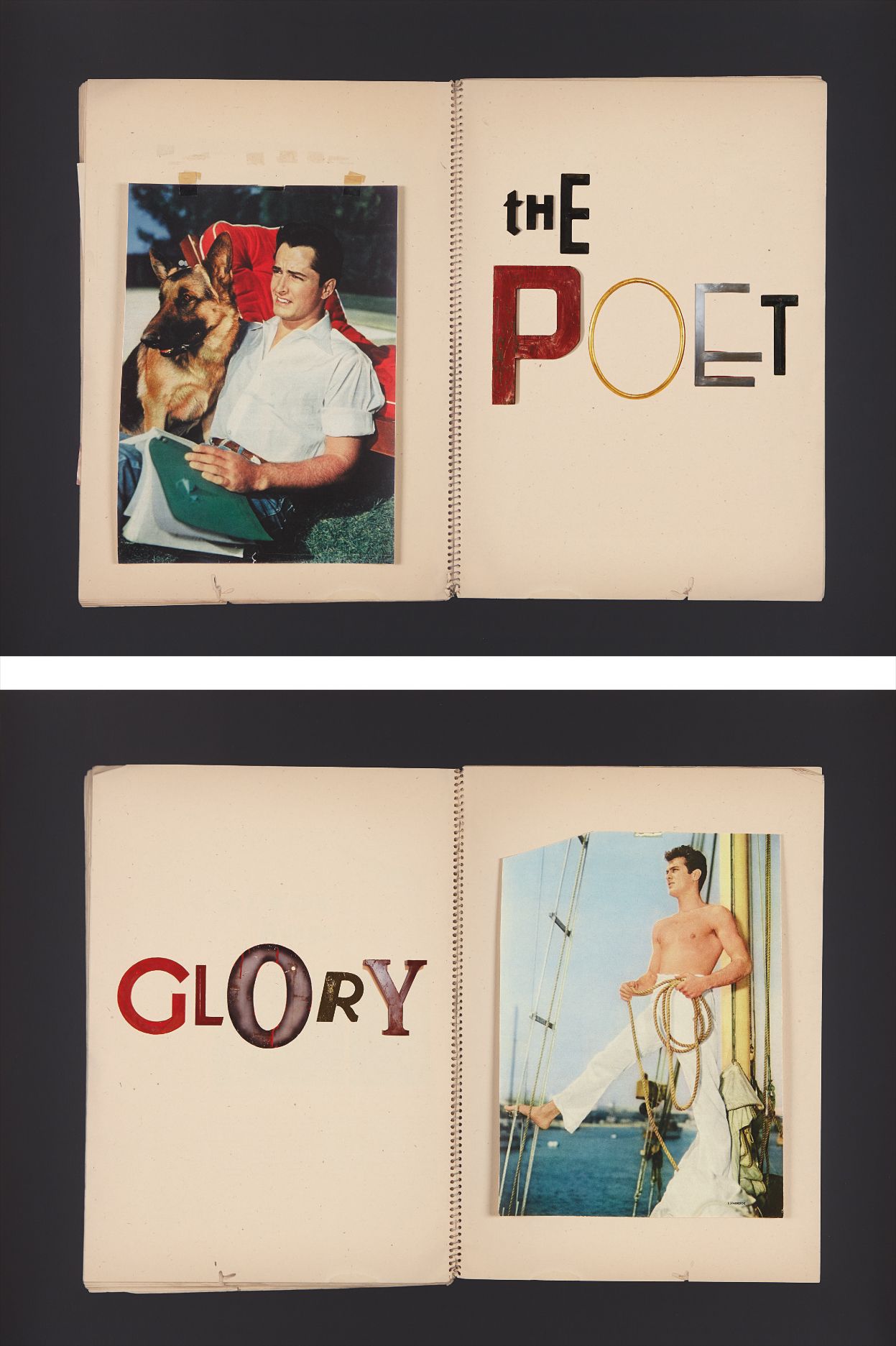
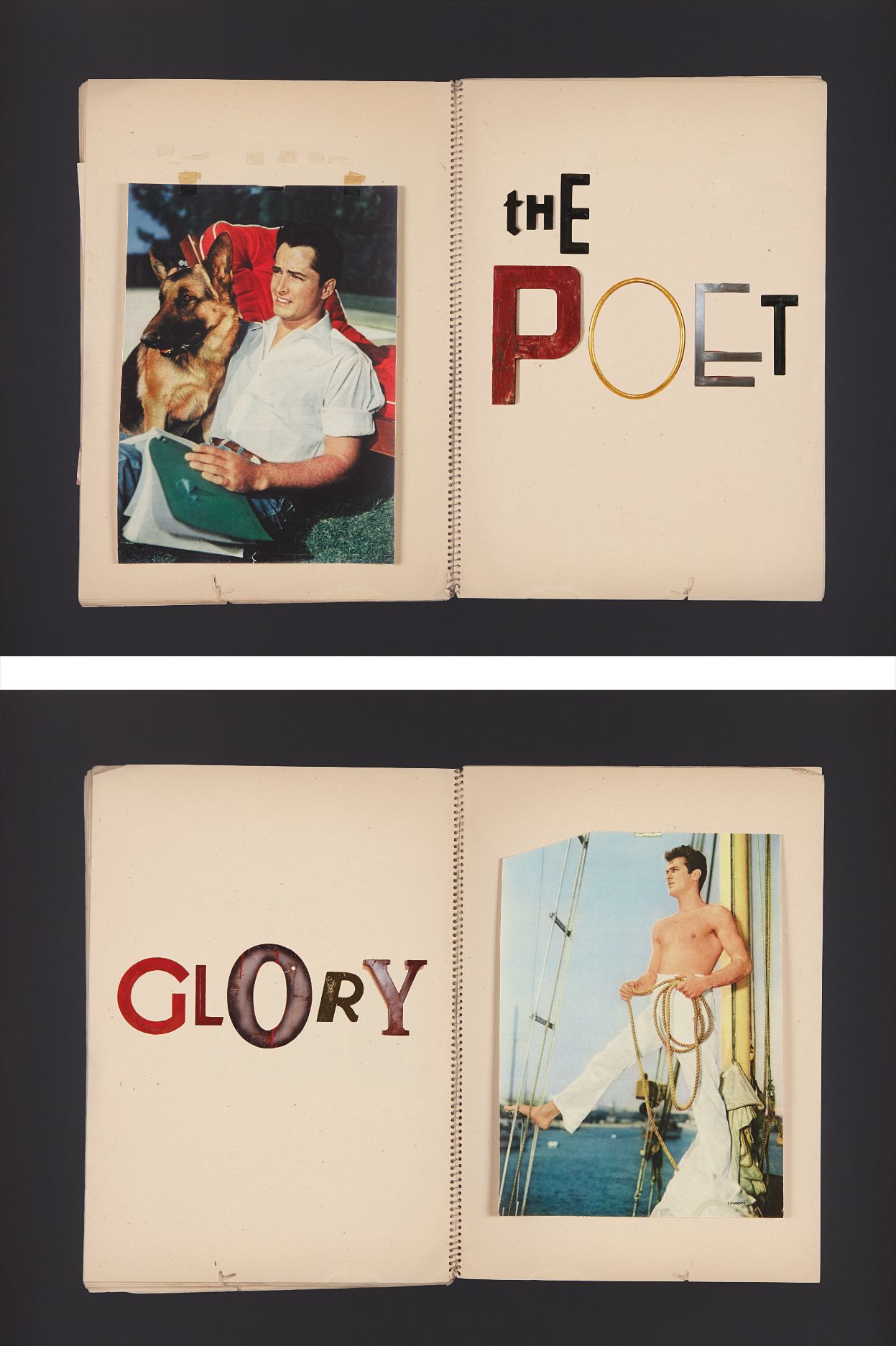
The Poet; and Glory
His presence across these foundational institutions of American contemporary art is not incidental. It is the confirmation of what collectors and curators have known for some time: that Pierson is one of the most emotionally precise artists of his generation. Pierson was born in 1960 in Plymouth, Massachusetts, and came of age in a New England that was equal parts provincial and restless. He studied at the Massachusetts College of Art in Boston, where he fell in with a circle of artists who would collectively become known as the Boston School.
That group, which included Nan Goldin, Mark Morrisroe, David Armstrong, and Philip Lorca diCorcia, shared an approach to image making that was confessional, intimate, and unafraid of beauty. They photographed their friends, their lovers, their own bodies, and the marginal spaces they inhabited with a tenderness that set them apart from the cooler conceptualism dominating much of the art world at that moment. For Pierson, those early years in Boston were formative in the most literal sense: they gave him both a subject and a sensibility. He moved to New York in the 1980s and quickly became embedded in the downtown art scene, showing at Pat Hearn Gallery and developing relationships that would sustain and challenge his practice for years.
Jack Pierson
Jack Pierson
It was during this period that Pierson began to articulate the twin pillars of his work: the photograph and the word. His photographs from the late 1980s and 1990s are suffused with a cinematic light and a yearning quality that recalls both Hollywood glamour and its necessary disappointments. Young men photographed in motel rooms, sun drenched landscapes in Florida and California, portraits that feel like stills from a film that never quite resolves. These images were not documentary in any straightforward sense.
They were lyrical, constructed from atmosphere and affect as much as from subject matter. The word sculptures emerged in parallel and became the work for which Pierson is perhaps most immediately recognized. Working with found letters of wildly varying typefaces, sizes, and states of repair, Pierson arranges them into words and phrases that carry the weight of full sentences. Works like "GLORY" and "FAME" and "DEAD" vibrate with contradictory energies: they are celebratory and elegiac, glamorous and worn, specific and open.
Jack Pierson
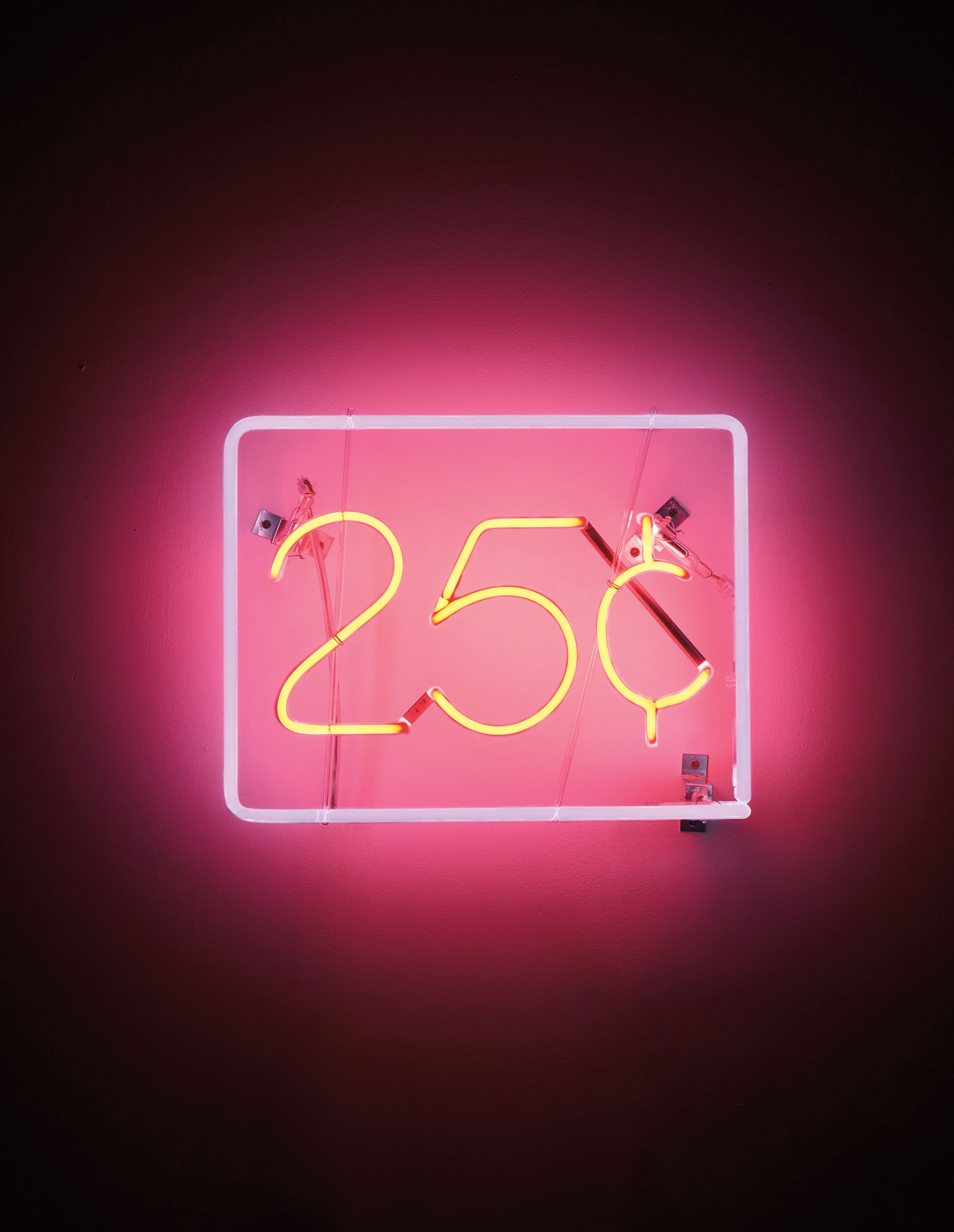
25-cents
The mismatched letters refuse the clean authority of a designed typeface and instead feel like something pieced together under pressure, like a ransom note written by a romantic. The effect is immediate and lingering. You see the word, you feel the word, and then you begin to wonder who is saying it and to whom. That productive ambiguity is central to Pierson's achievement.
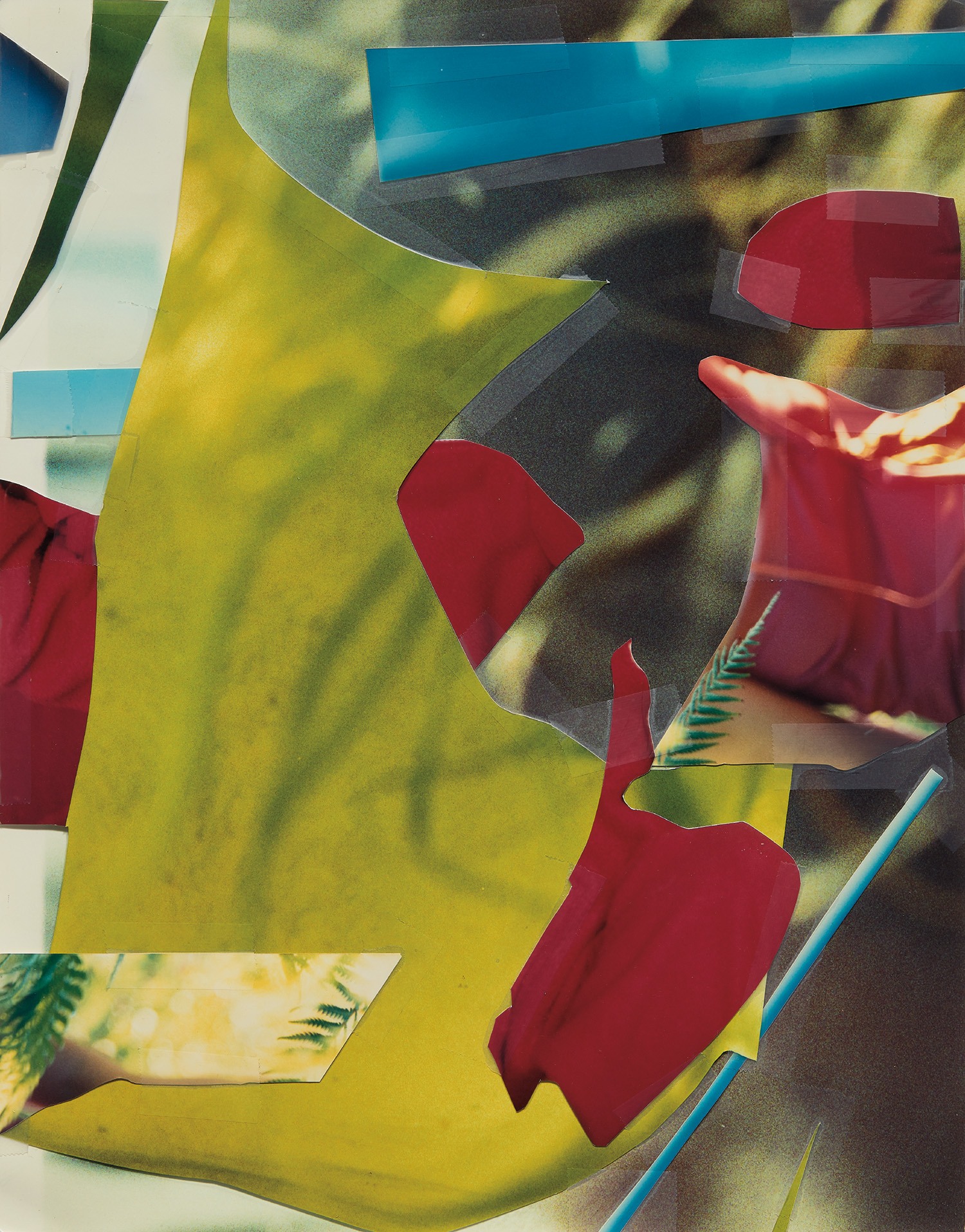
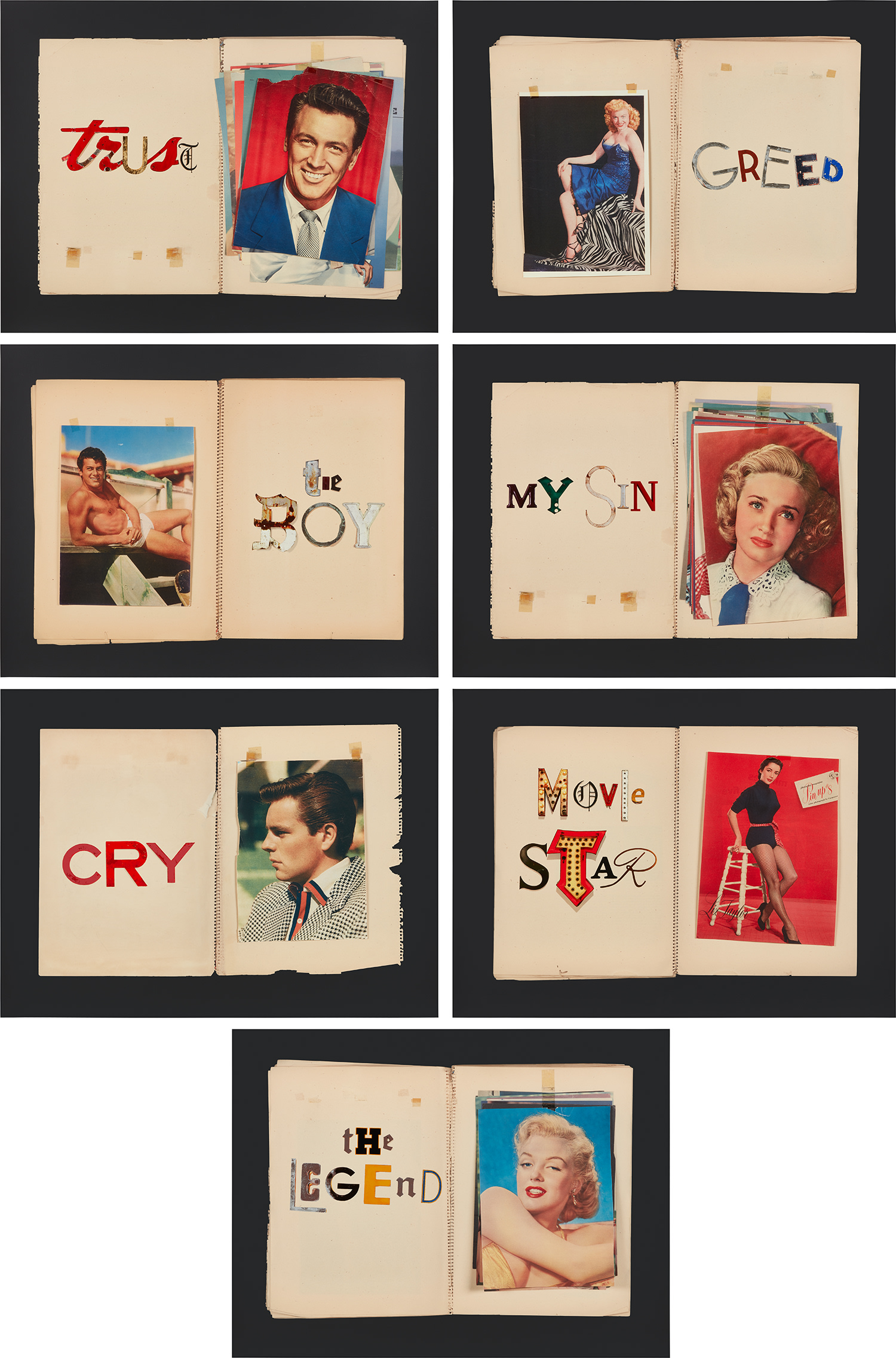
Among the works available through The Collection, several illuminate different facets of Pierson's practice with particular clarity. "Blue Lagoon," a chromogenic print, exemplifies the dreamy, saturated quality of his photographic work, images that seem to exist at the threshold between memory and imagination. The neon work "25 Cents" demonstrates his facility with light as material, a medium that carries its own associations with desire and commercial seduction, reframed here in a quieter, more searching register. The suite "Twilight: Seven Plates," comprising collaged screenprints and archival pigment prints with gold leaf on Sunset Cotton etching paper, reveals a more elaborate and process driven side of his practice, one in which printmaking becomes another vehicle for layering sensation and meaning.
Jack Pierson
Twilight: seven plates
And "Selected Images," a group of three chromogenic prints from 1997, each annotated in Pierson's own hand with "Love Jack," speaks to the artist's enduring commitment to the personal gesture within the public artwork. That annotation transforms a photograph into a letter, a gift, a form of address. From a collecting perspective, Pierson occupies an enviable position in the contemporary market. His work is accessible across a range of formats and price points, from unique photographic works and neon sculptures to editioned prints and collages, making meaningful entry into his practice possible for collectors at various stages of their journey.
Works on paper and prints from the 1990s and 2000s have shown consistent interest at auction, and unique photographic works and sculptures represent the stronger long term proposition given their rarity. The presence of his work in three of the most significant museum collections in North America provides a floor of institutional validation that is difficult to overstate. Collectors are drawn not only to the visual pleasure of Pierson's objects but to their emotional intelligence, their ability to articulate feelings that resist easy expression elsewhere. Pierson's practice sits in productive conversation with a broad constellation of American artists.
His photographic work shares sensibilities with Nan Goldin's confessional intimacy and Wolfgang Tillmans's attention to the charged everyday. His text based sculptures invite comparison with artists like Ed Ruscha, whose word paintings also locate poetry in vernacular language, and with the neon works of Bruce Nauman, though Pierson's register is warmer and more personal than Nauman's cooler institutional critique. There is also something of Robert Rauschenberg's combinatory spirit in Pierson's willingness to bring together found materials across media and to trust in their accumulated resonance. Within the Boston School, his work remains among the most broadly legible, carrying the group's emotional directness into contexts that extend well beyond the insider community from which it emerged.
What endures in Pierson's work is its fundamental generosity. These are objects made in the belief that art can hold what ordinary language sometimes cannot, that a photograph of a palm tree, lit just so, or three mismatched letters spelling something out against a gallery wall, can do the work of consolation and recognition simultaneously. In an art world that frequently rewards ironic distance, Pierson has remained committed to feeling as a legitimate and rigorous mode of inquiry. His legacy is still being written, and the ongoing presence of his work in major institutions and in the hands of discerning collectors around the world suggests that the conversation he started in Boston in the late 1970s is far from finished.
Explore books about Jack Pierson