Igor Moritz
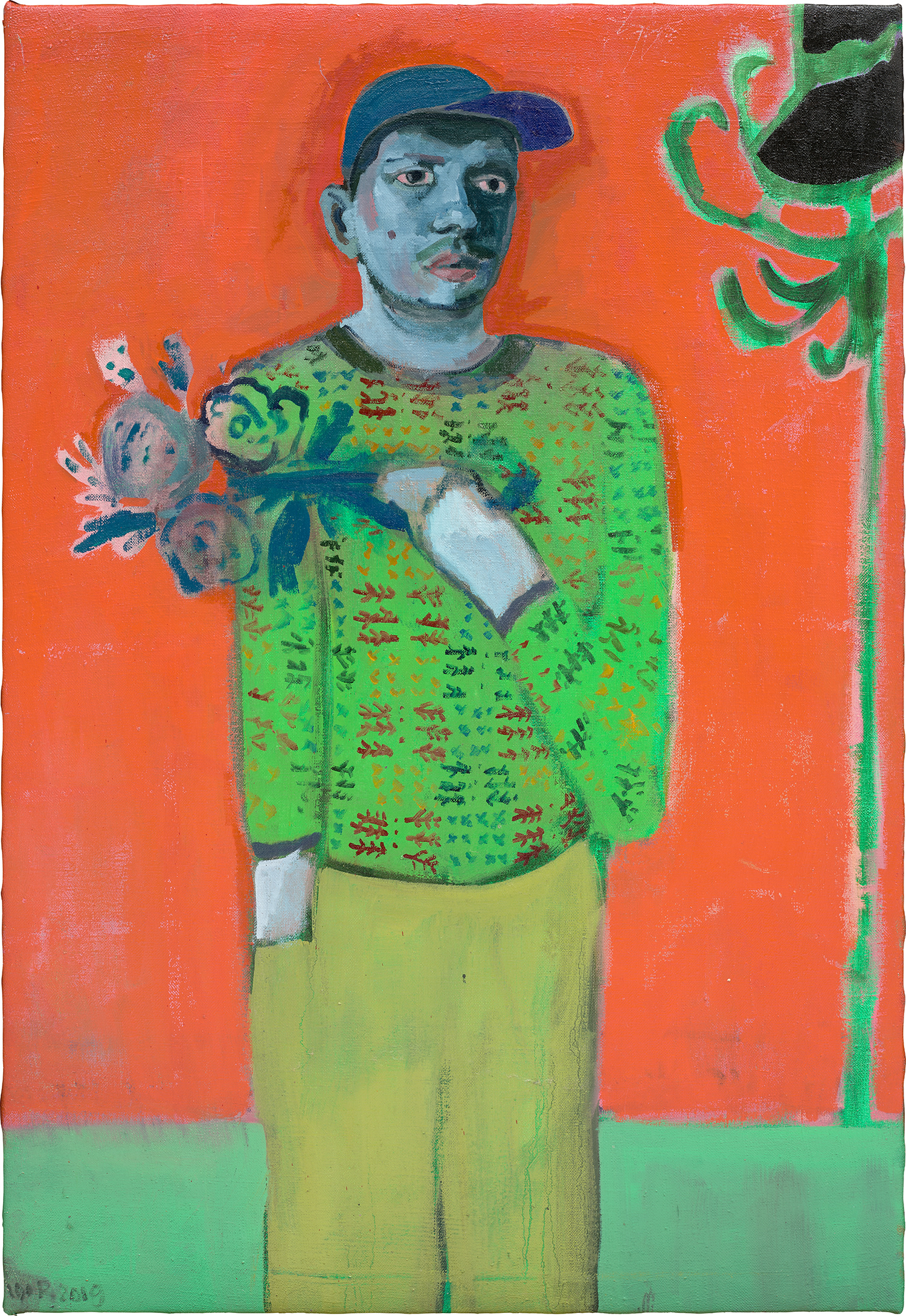
Igor Moritz: Feeling Every Brushstroke Fully
Artist Spotlight · The Collection Editorial
There is a particular kind of painter whose work you encounter quietly, without fanfare, and yet something in the encounter stays with you. Igor Moritz is that kind of painter. His canvases have been appearing with growing regularity in European auction rooms and on the radar of discerning private collectors, and there is a gathering sense among those who follow emerging Central European art that Moritz is one of the more compelling figurative voices to have emerged from that tradition in recent years. His paintings arrive without spectacle, and that restraint is precisely what makes them so affecting.
Igor Moritz
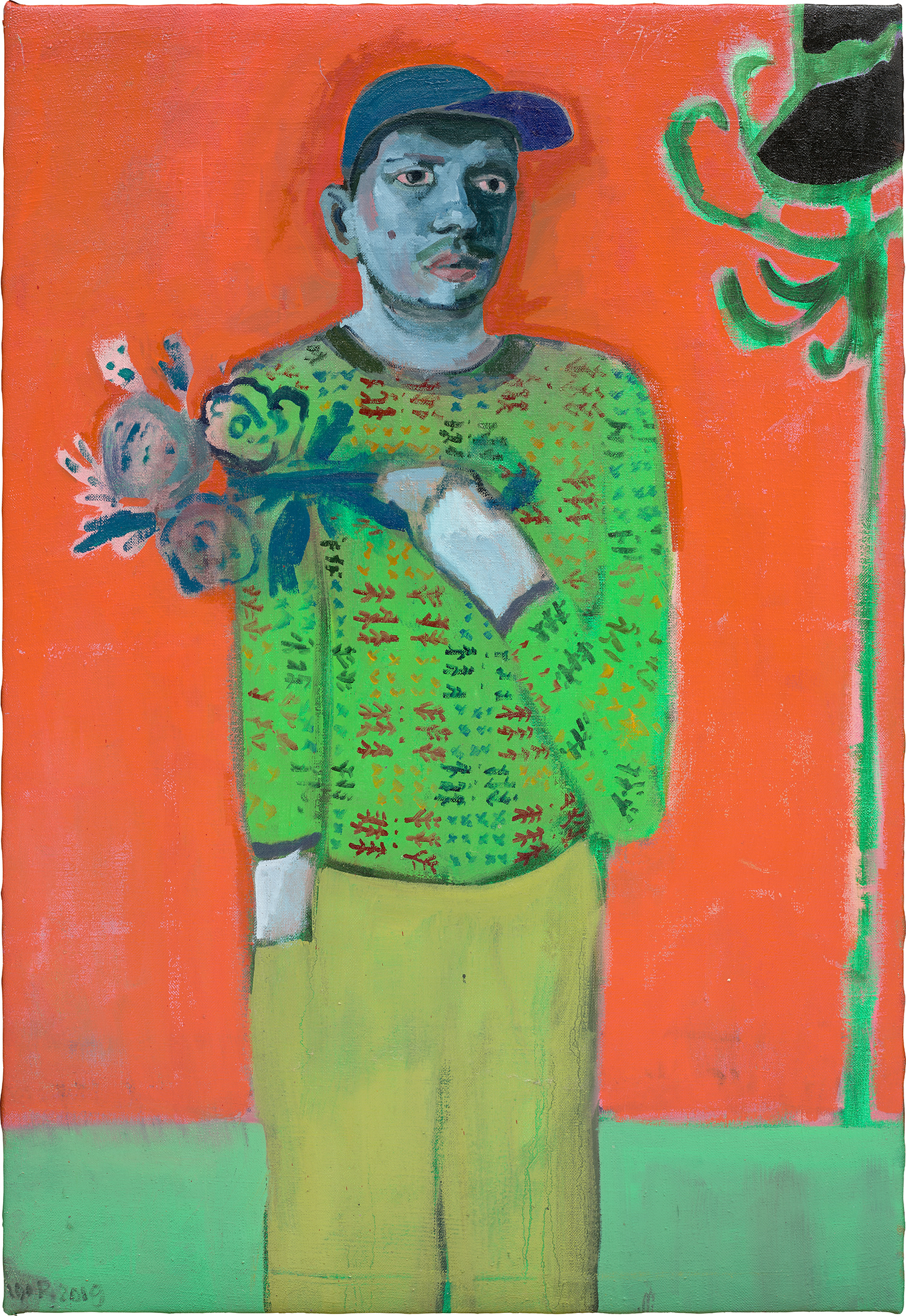
selfportrait 2, 2019
Moritz comes from the rich and complex artistic inheritance of Central Europe, a region that has long produced painters of uncommon psychological depth. The expressionist traditions of that part of the world, stretching back through the Vienna Secession and the emotionally charged canvases of artists working in the mid twentieth century, form a kind of invisible architecture beneath his work. He did not simply inherit this tradition; he absorbed it and pushed it toward something more personal, more searching, and more quietly contemporary. The specifics of his early formation remain somewhat private, which is itself characteristic of a certain Central European reserve, but the evidence of serious technical training and sustained looking is everywhere in his paintings.
What marks Moritz's development as a painter is the way he has moved with confidence between oil on linen and works on paper, treating each medium not as a hierarchy but as a different kind of conversation. His oil paintings have a weight and physical presence that rewards close looking, while his coloured pencil works on oil primed paper reveal a more intimate, almost diaristic sensibility. This range suggests an artist who is genuinely curious rather than simply productive, someone who uses the studio as a place of inquiry rather than manufacture. By the time he was producing the body of work that would bring him to wider attention, roughly between 2019 and 2021, his practice had found a voice that was distinctly his own.
Igor Moritz
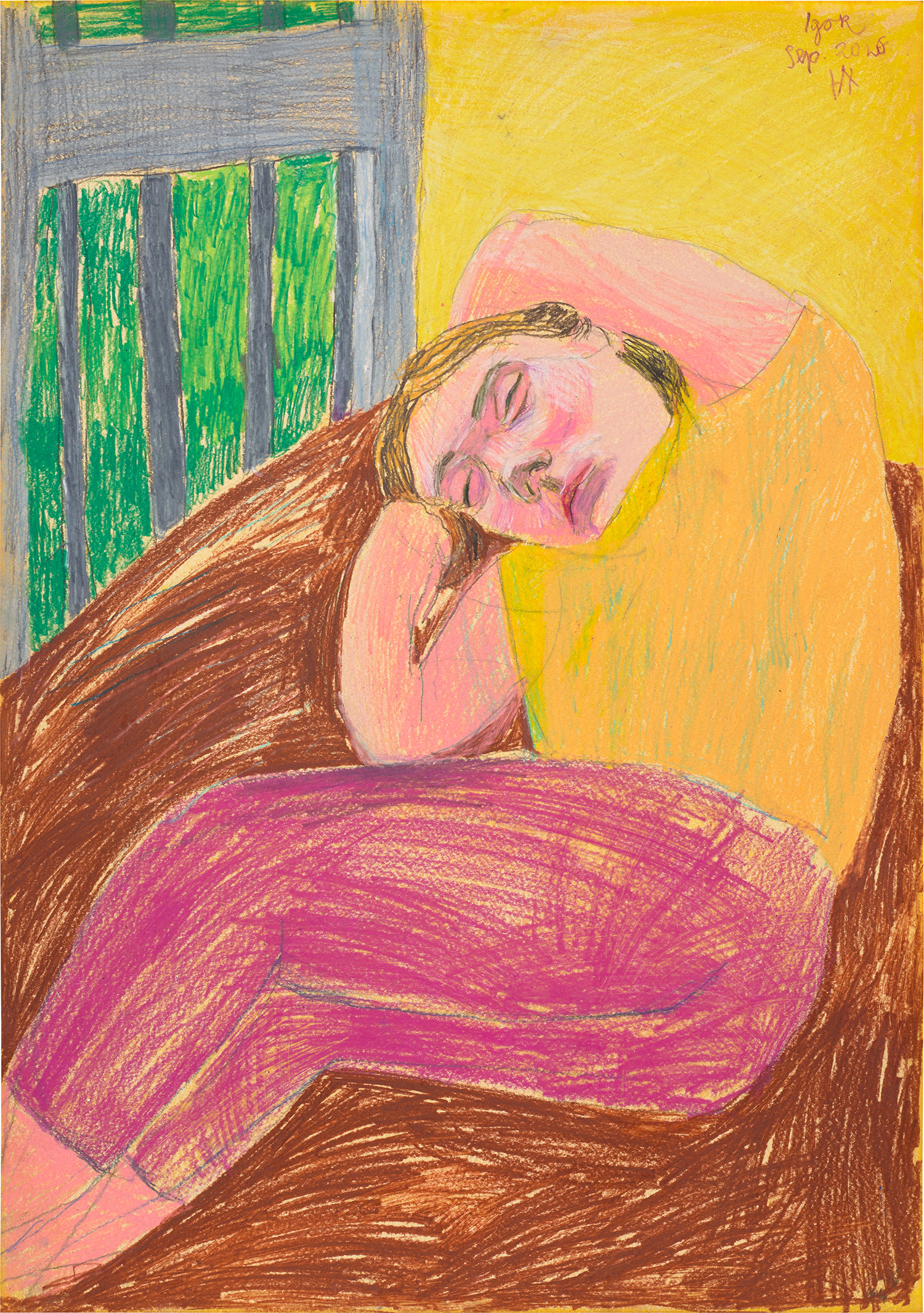
September, 2020
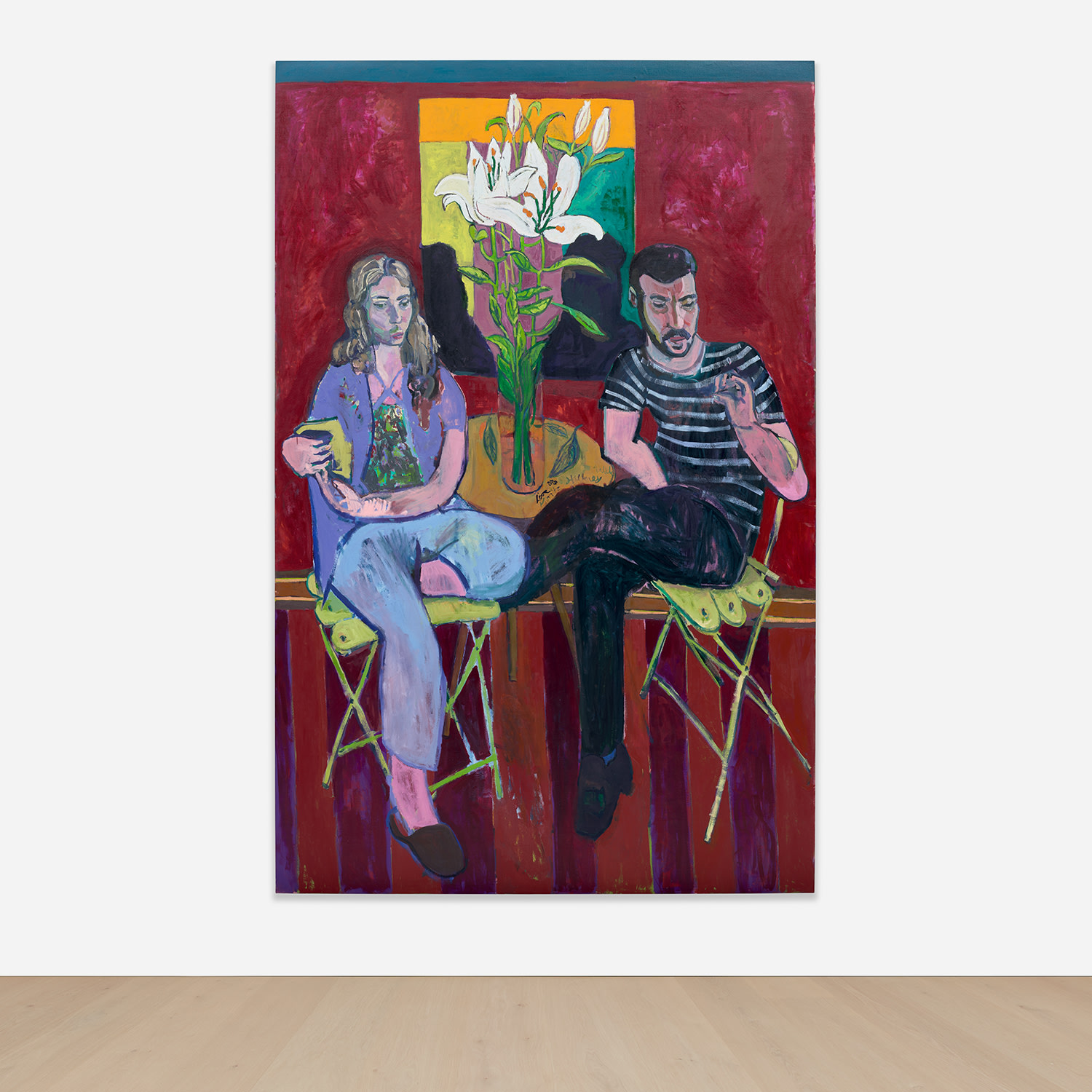
Among the works that best represent what Moritz can do, "Selfportrait 2" from 2019 stands out immediately. Painted in oil on linen, it belongs to that courageous tradition of artists who turn the gaze inward, not out of vanity but out of a commitment to honest looking. There is something unflinching in it, a willingness to sit with discomfort and render it without softening. "Keeping Time" from 2020, also oil on linen, carries a different kind of weight: the title itself suggests a preoccupation with duration, with the way moments accumulate and pass, and the paint surface seems to enact that very tension between permanence and flux.
"Maki Surrounded by Postcards", again from 2020 and again in oil on linen, shows his figurative instincts at their warmest, a composed domestic scene charged with quiet narrative energy. "September" from the same year, executed in coloured pencil on oil primed paper, demonstrates that his sensitivity to mood and atmosphere does not depend on the weight of oil paint; the work breathes differently, more openly, but with no less intention. And "Longer Days Ahead" from 2021 offers perhaps the most optimistic note in this body of work, its title carrying a kind of earned hopefulness that feels genuinely felt rather than declared. For collectors approaching Moritz's work, the most important thing to understand is that his paintings reward patience.
Igor Moritz
Keeping Time, 2020
These are not works designed to seize a room from across a gallery; they are works that deepen with time, that reveal more the longer you live with them. The recurring themes of human emotion, domestic intimacy, and landscape rendered through bold brushwork and a rich, sometimes unexpected color palette place him in conversation with a broad tradition of European expressionism, but his sensibility is contemporary in its emotional directness and its lack of rhetorical excess. Auction appearances in European sales have confirmed that collector interest is growing steadily, and those who have acquired his work early are likely to find themselves ahead of a curve that is only now beginning to steepen. The works on linen in particular, given their material quality and the seriousness of their execution, represent a compelling proposition for collectors building collections with long horizons in mind.
In terms of art historical context, Moritz invites comparison with painters who have navigated the space between expressive figuration and psychological interiority. The legacy of Egon Schiele's unflinching self examination, the domestic warmth of Vilhelm Hammershoi, and the emotional directness of Neo Expressionist painters who emerged in the 1980s across Germany and Austria all form part of the backdrop against which his work makes sense. More recently, painters like Cecily Brown and Luc Tuymans, who have approached the figure and the emotional interior of painting from quite different directions, represent the broader international conversation in which Moritz is beginning to find his place. He is not imitating any of these painters; he is using the same questions they have asked to arrive at his own answers.
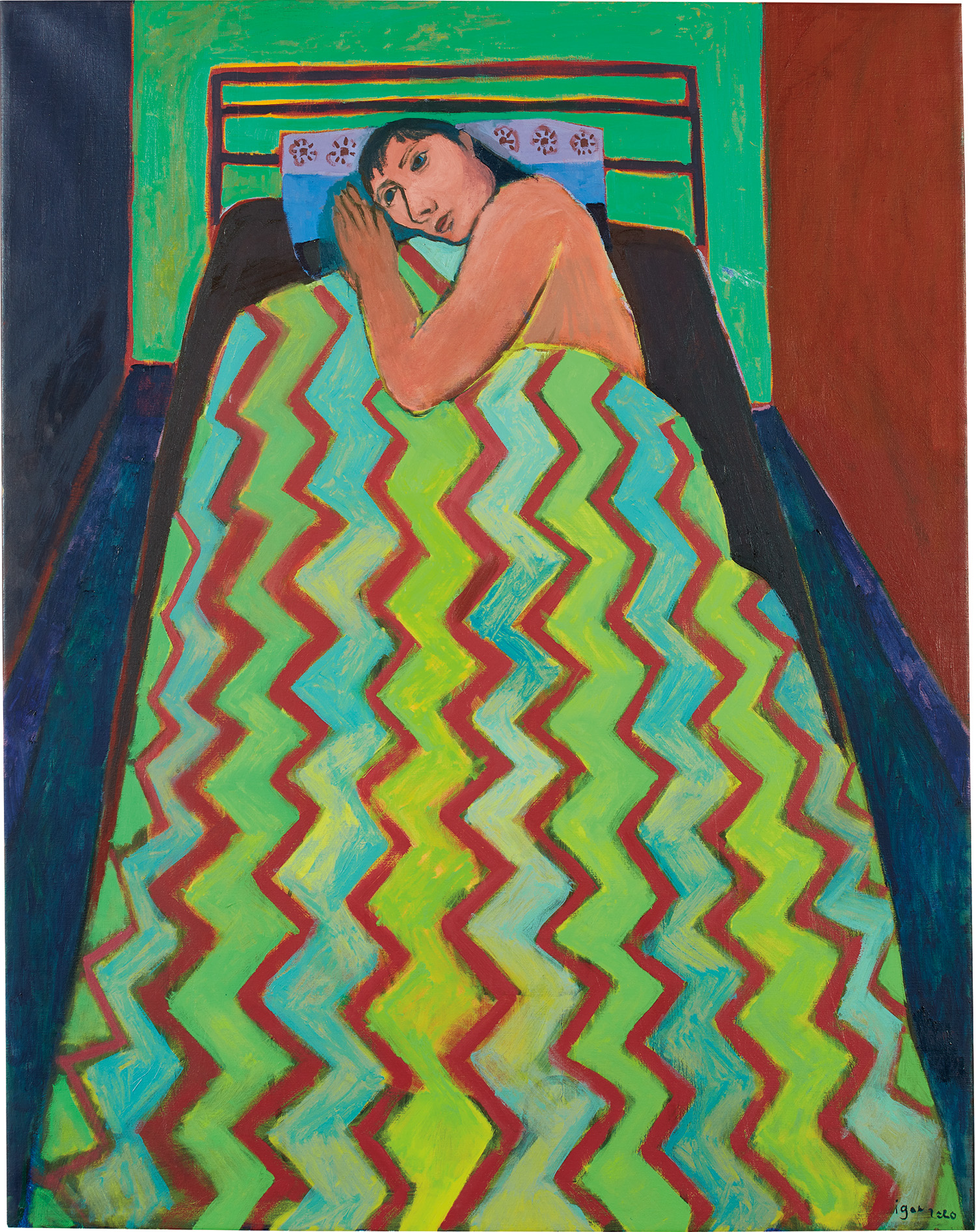
Igor Moritz
In bed, 2020
What matters about Igor Moritz in this moment is not just the quality of the individual works but the coherence of the project they represent. He is building something, steadily and without noise, in the way that the most enduring painters have always built their work: through sustained commitment to a set of questions about what painting can do and what it can feel like to be human in front of a canvas. The collector who discovers Moritz now is discovering an artist at a genuinely interesting stage, not at the very beginning and not yet at the peak of recognition, but at that productive middle distance where the work is fully formed and the wider world is only just beginning to pay the attention it deserves. That is, for anyone who cares about painting, a very good place to be.