Honor Titus
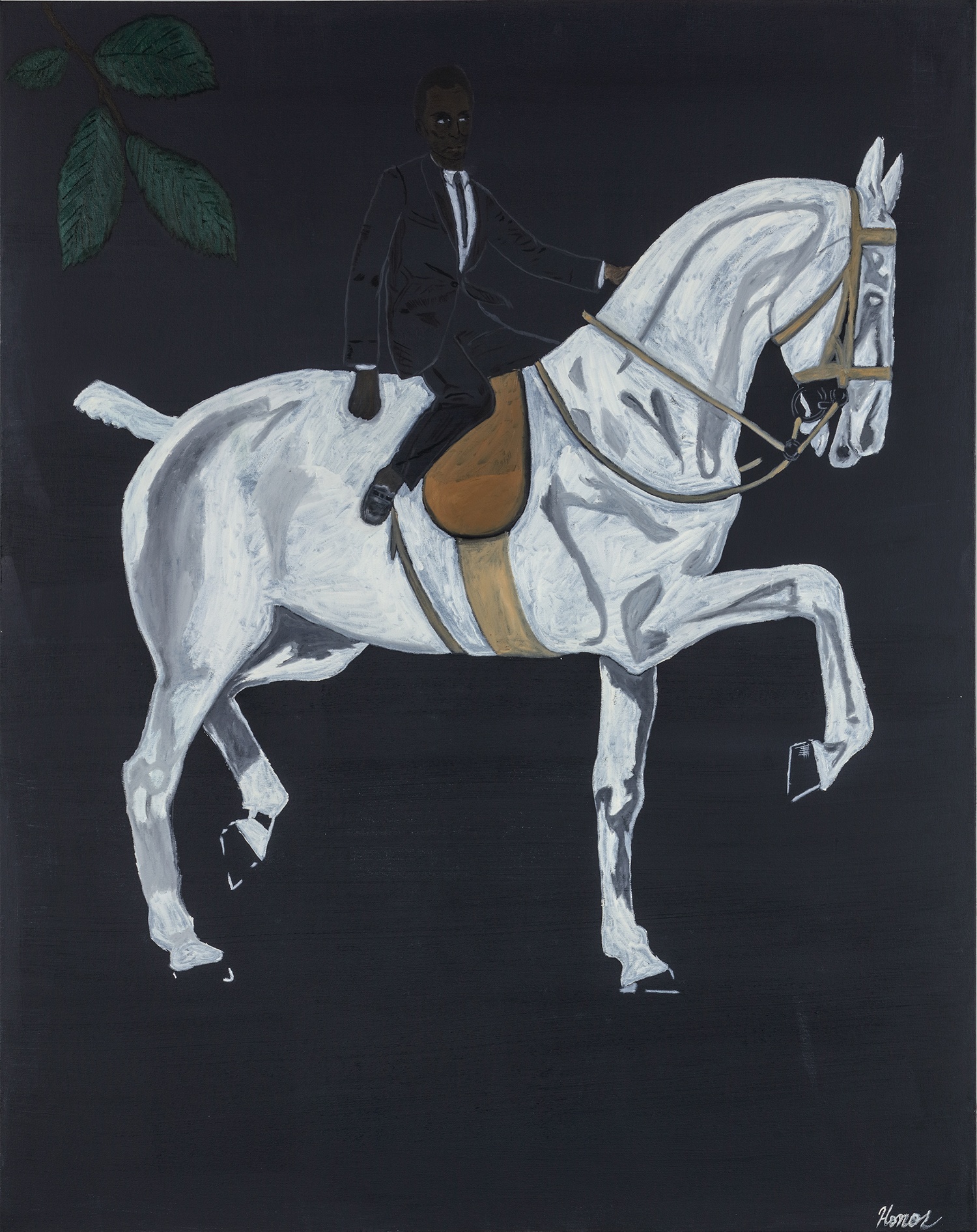
Honor Titus Paints the World He Loves
Artist Spotlight · The Collection Editorial
Something quietly electric has been happening in the rooms where contemporary figurative painting is discussed, and Honor Titus sits comfortably at the center of it. Over the past several years, the New York born painter has moved from art world conversation piece to genuine critical darling, with works appearing at major auction houses and landing in the collections of serious, discerning buyers who recognize in his canvases something rare: a painter who makes you feel genuinely welcome inside his world. His rise has coincided with a broader reappraisal of figurative painting and Black American artistic expression, but Titus stands apart from any simple trend. His work earns its place through charm, intelligence, and a painterly confidence that belies his age.
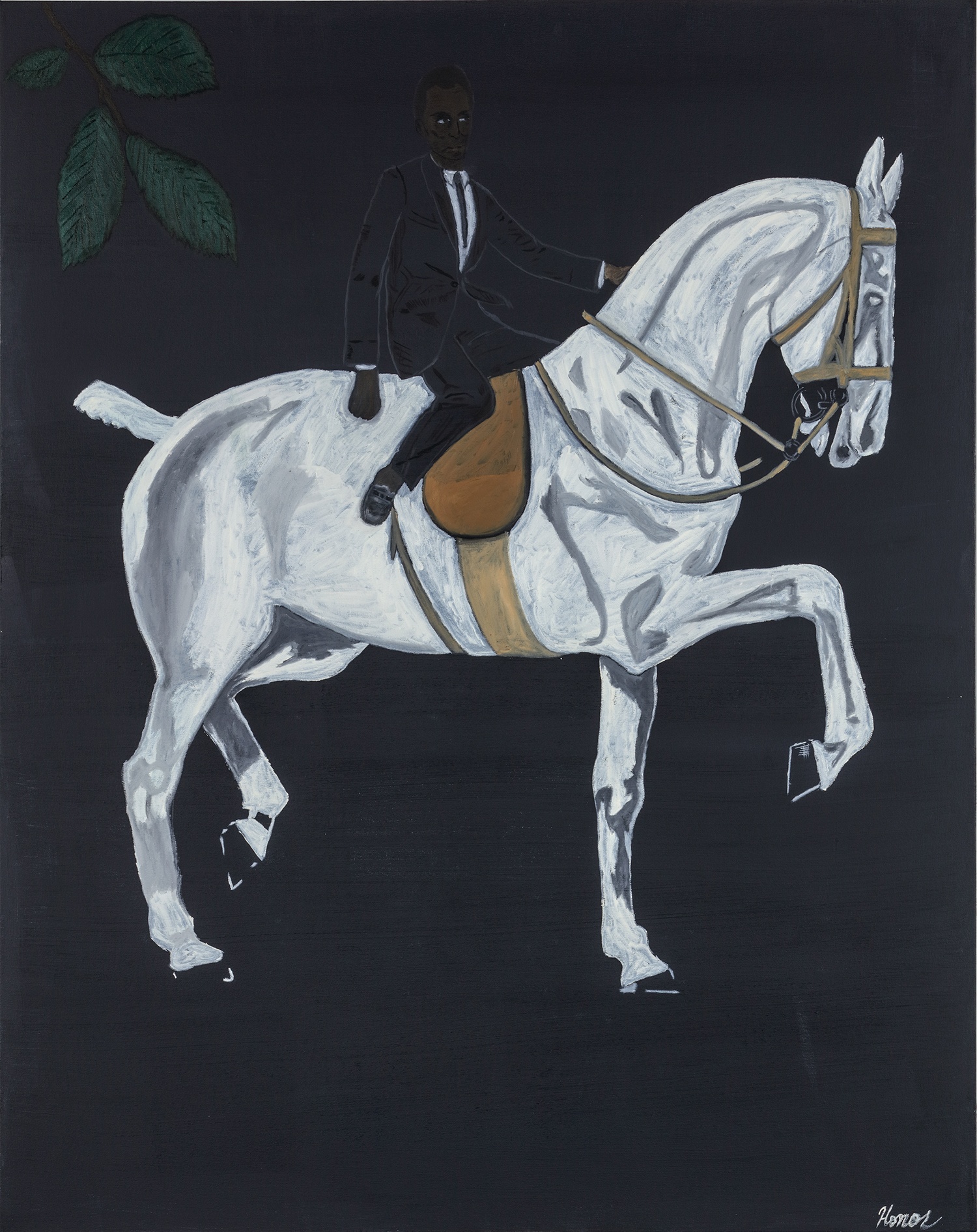
Honor Titus
Dewey Square, 2019
Born Tobias Hasbrouck in 1993, Titus came to his artistic identity through a path that is both personal and deeply considered. He adopted the name Honor Titus as part of a deliberate act of self creation, a gesture that feels entirely consistent with the way his paintings operate: they are acts of authorship, of choosing what deserves to be seen and celebrated. Growing up in New York, he absorbed the city's layered cultural life, and his formation as an artist reflects that richness. He has spoken about the influence of his surroundings and relationships on his practice, and looking at his canvases, one feels the presence of a painter who has paid close attention to the people and places that shaped him.
Titus developed his practice with an eye toward art history that never tips into reverence or pastiche. He studied painting seriously, and the influence of Post Impressionist masters, particularly the intimate domestic scenes of Édouard Vuillard, is visible in his layered interiors and his sensitivity to pattern and mood. Yet Titus transforms these references through a contemporary lens rooted in his own experience of Black American life, leisure, and community. His brushwork is loose and expressive without ever being careless.
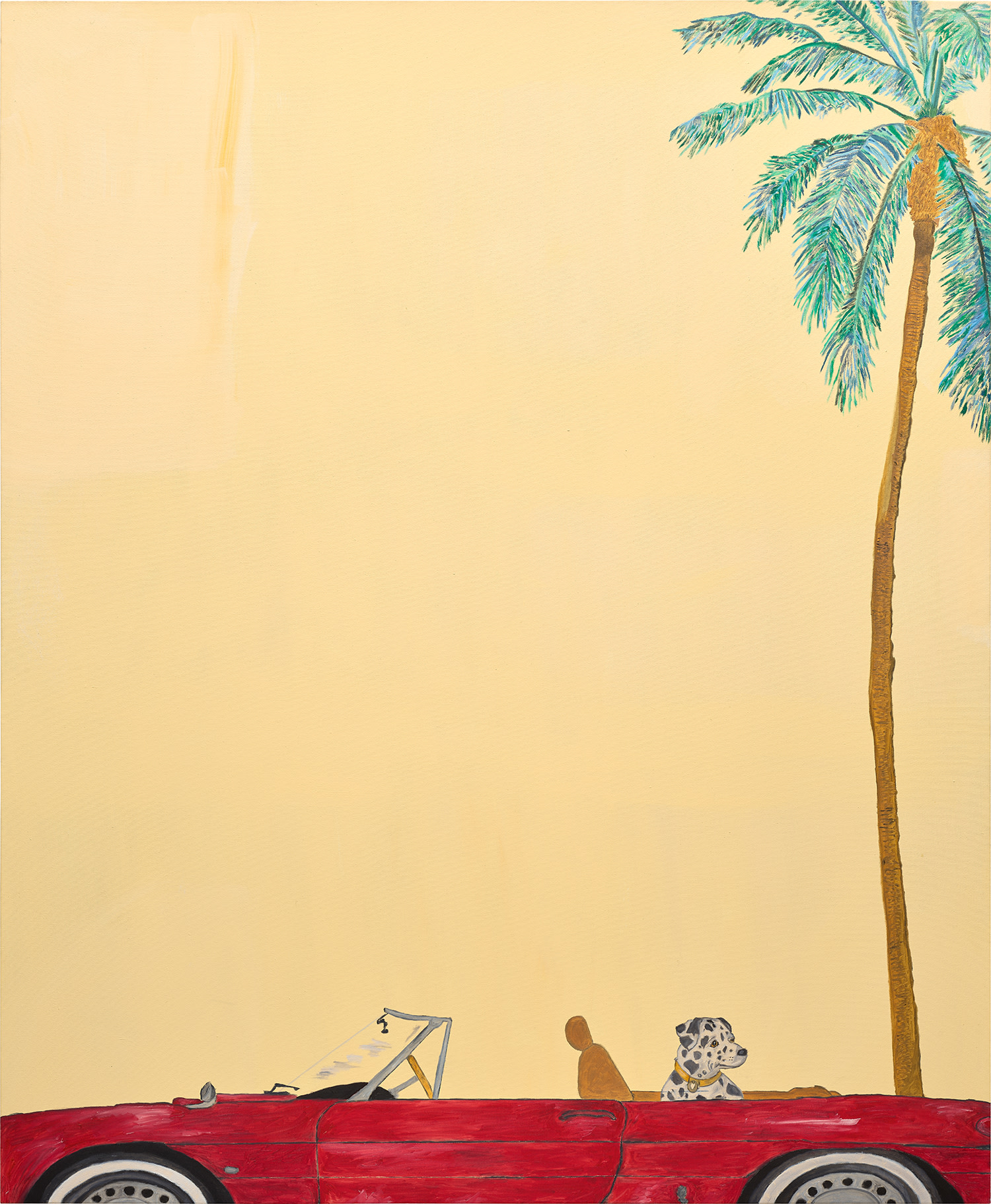
Honor Titus
Tom Hanks at Lassens, 2019
There is a kind of deliberate ease to his surfaces, a quality that takes considerable skill to achieve and that speaks to a painter who has done the foundational work. The works from 2018 and 2019 represent a particularly fertile period in Titus's development, and several of these paintings have become touchstones for understanding what makes his vision so compelling. "Vuillard and Me," painted in 2019 in oil on canvas, makes the art historical conversation explicit while remaining playful and self aware. "Tom Hanks at Lassens," from the same year, is a perfect example of his gift for finding the poetic in the everyday: a celebrity spotted at a health food grocery store becomes a meditation on presence, recognition, and the strangeness of public life in Los Angeles.
"Dewey Square" and "Linden Blvd Jazz Radio," both from 2019, demonstrate his ability to render specific places and atmospheres with an almost novelistic particularity. "Column Like You See Them," from 2018, shows his ease with formal compositional questions alongside his warmth toward his subjects. Across all of these works, what unites them is a quality of genuine affection: Titus paints as someone who finds the world interesting and worth looking at. For collectors, Titus represents exactly the kind of opportunity that serious buyers recognize and move on quickly.
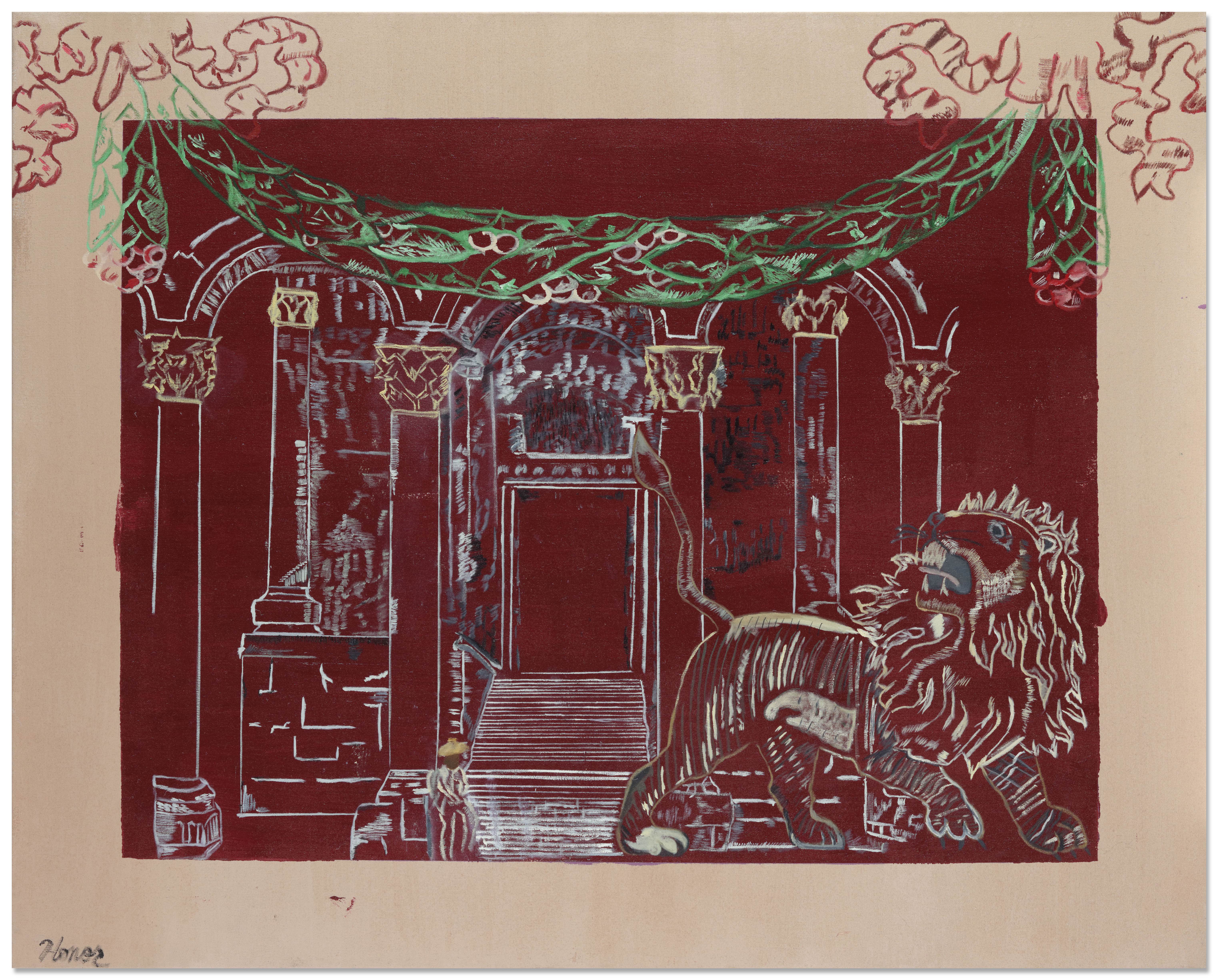
Honor Titus
Column Like You See Them, 2018
His works carry the marks of a painter operating at the height of his early powers, and the combination of art historical literacy, personal warmth, and technical assurance makes them deeply satisfying to live with. The figurative works of this generation, particularly those engaging with Black American experience and cultural memory, have attracted significant institutional and private attention, and Titus's paintings hold their own in distinguished company. Works by peers such as Jordan Casteel, Tschabalala Self, and Toyin Ojih Odutola have set a robust market context for figurative painting rooted in community and identity, and Titus fits within that conversation while maintaining a distinctly personal voice. His loose, expressive surfaces reward extended looking, and the humor embedded in many of his titles and scenes gives collectors something to return to again and again.
Within the broader arc of contemporary painting, Titus belongs to a lineage that stretches from the Post Impressionists through the American figurative tradition and into the present moment. The warmth and domestic intimacy of Vuillard is an acknowledged touchstone, and one can also feel the influence of painters who found dignity and poetry in everyday Black American life, a tradition with deep roots in American art history. Yet Titus is not a nostalgist. His scenes feel entirely present, populated by people who exist in the now, navigating cities and neighborhoods and social spaces with the full complexity that entails.
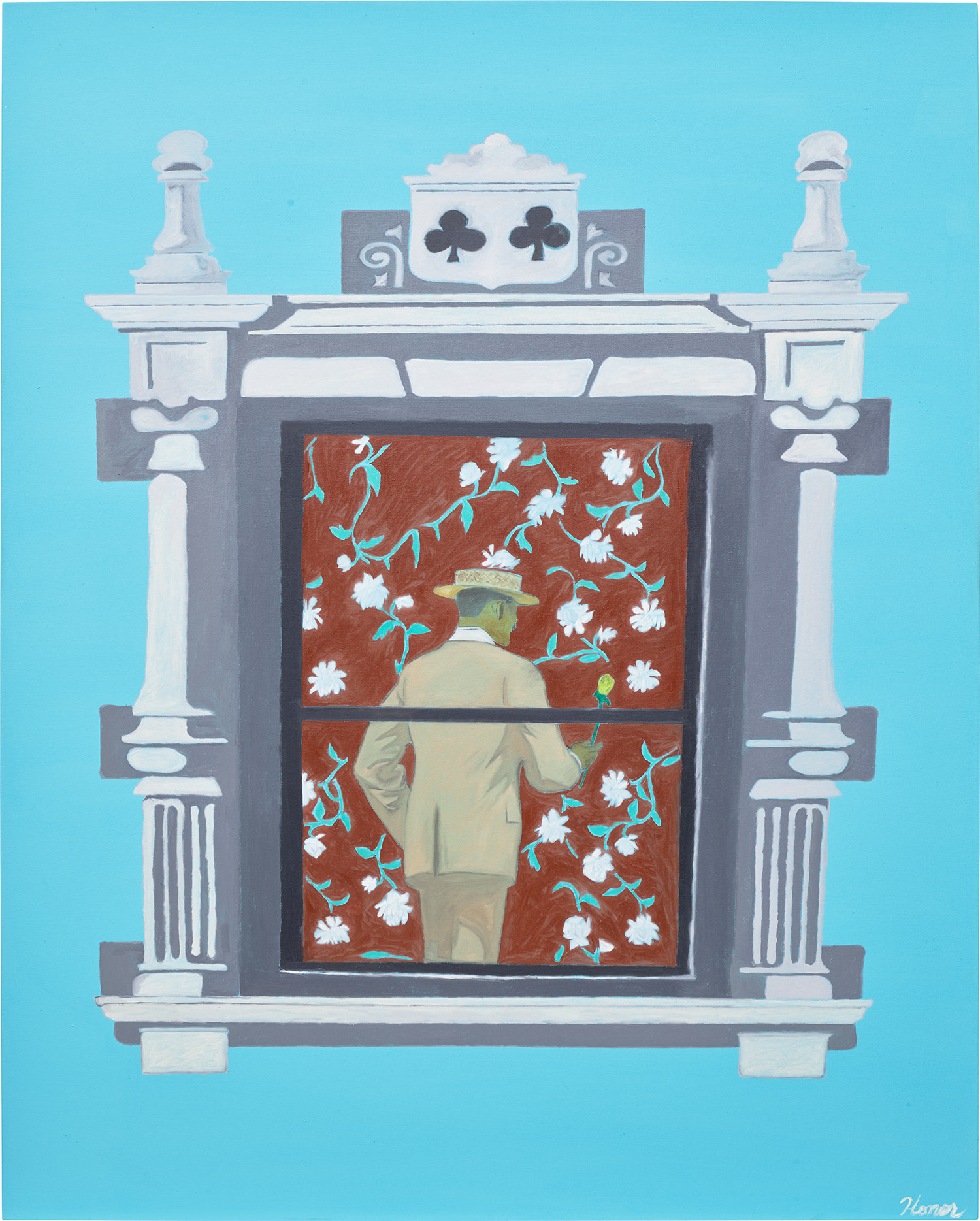
Honor Titus
Vuillard and Me, 2019
He paints leisure not as escape but as a legitimate subject worthy of the same artistic attention as any historical or mythological scene. In doing so, he makes an argument about whose lives deserve to be depicted and how. What makes Honor Titus matter today, beyond market performance and critical recognition, is the genuine pleasure his paintings offer and the seriousness of purpose that underlies them. He is a painter who has clearly asked himself hard questions about what painting is for and what it can do, and his answers come through in works that feel both assured and open.
His canvases invite you in and then reward your presence with layers of observation, humor, and humanity. For collectors building collections that reflect the best of contemporary figurative painting, his work is not simply a sound investment in the financial sense. It is the kind of art that changes the feeling of a room, that makes the people who encounter it feel that someone out there is paying attention to what matters. In that sense, Honor Titus is doing exactly what the greatest painters have always done.