Henri Matisse
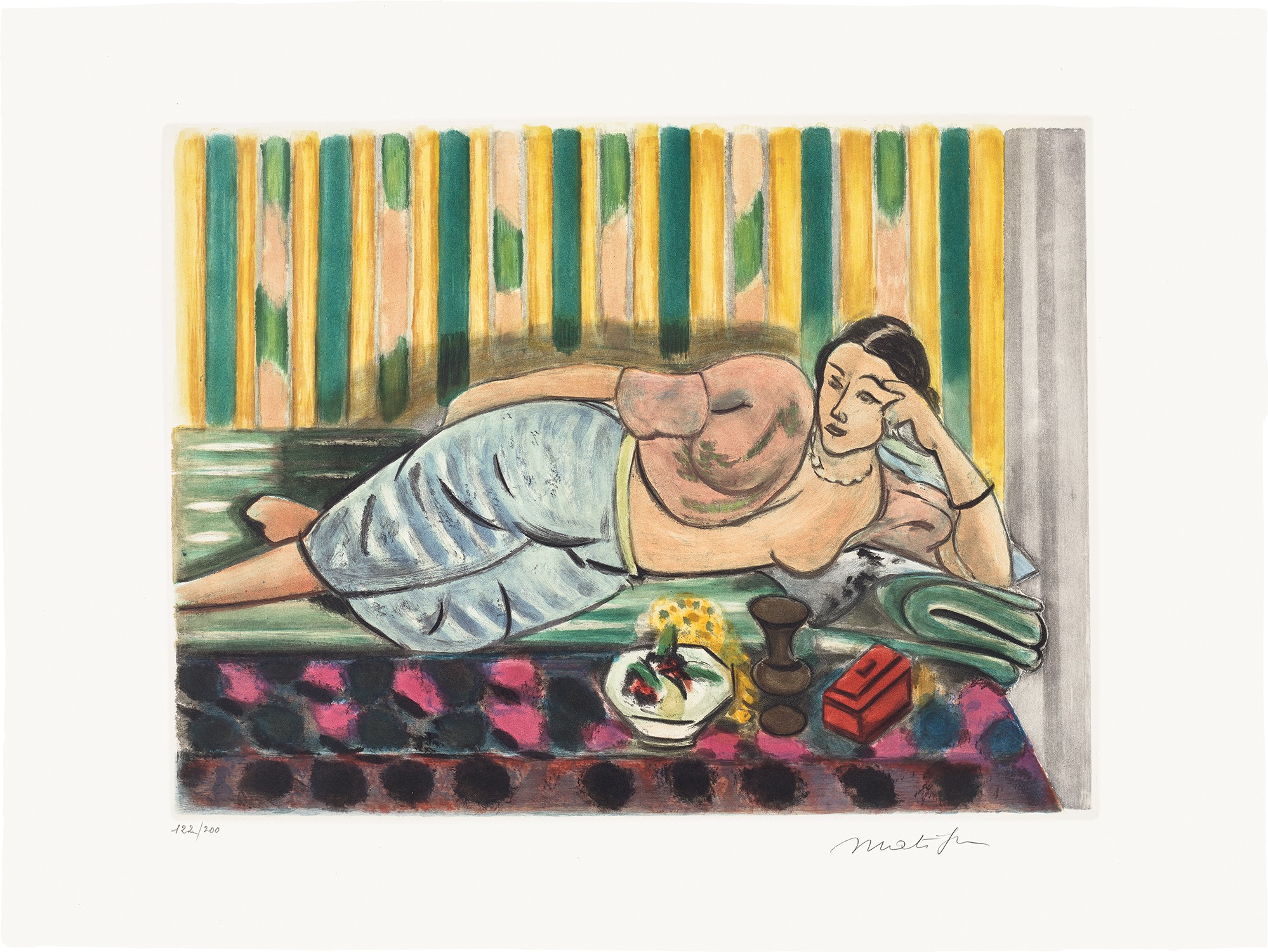
Matisse: The Master Who Painted Joy
Artist Spotlight · The Collection Editorial
“Creativity takes courage.”
Henri Matisse
There is a moment in the permanent collection at the Museum of Modern Art in New York where visitors tend to slow their pace and go quiet. It happens in front of "The Dance," that blazing circle of figures rendered in vermillion and pink against a field of green and blue, painted in 1910 for the Russian collector Sergei Shchukin. The room seems to warm. People smile without knowing why.
Henri Matisse
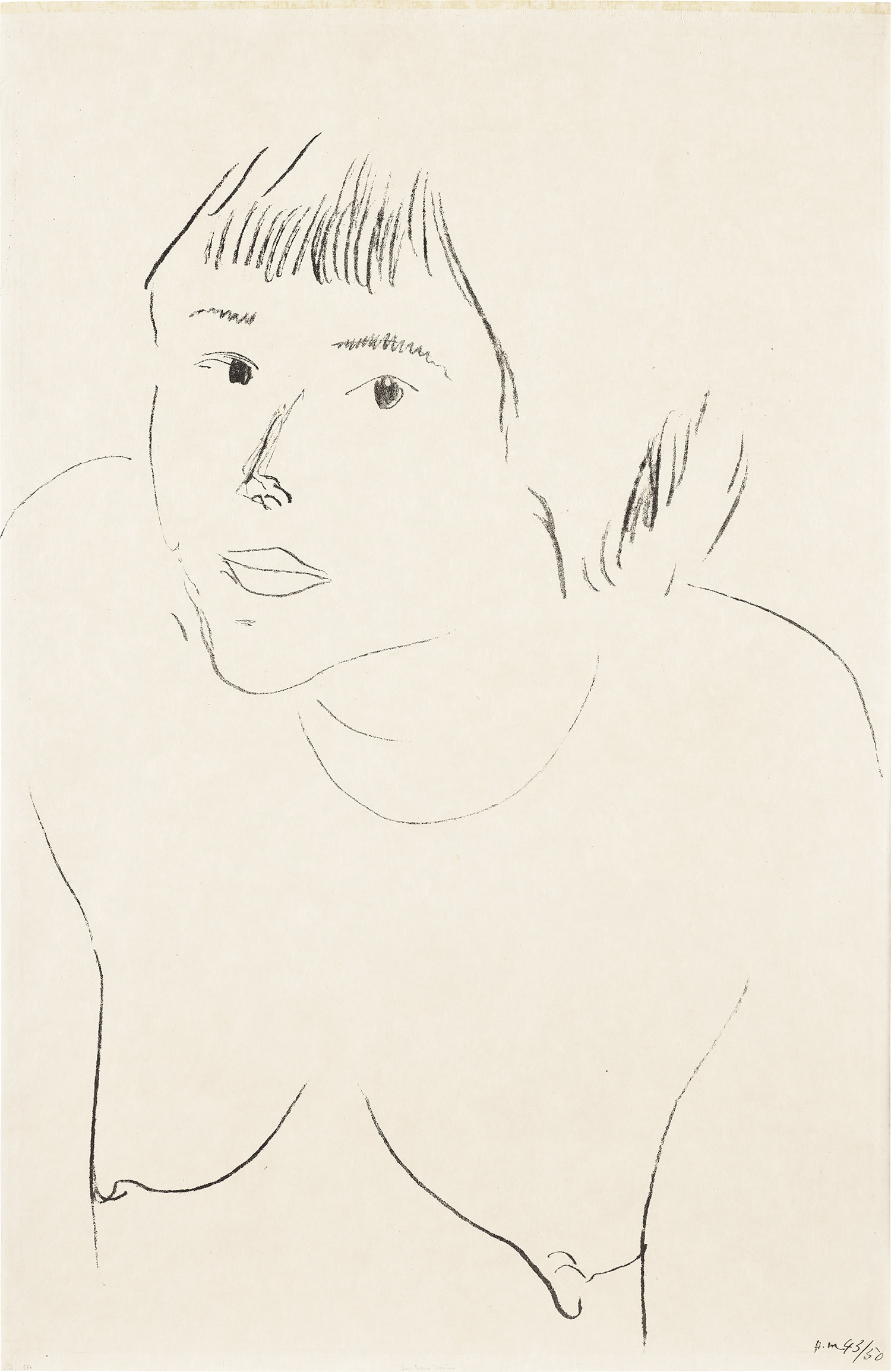
Les Yeux noir (Black Eyes) (D. 411)
This is the peculiar power of Henri Matisse, an artist who dedicated his life to the proposition that beauty is not an escape from reality but its highest expression. More than seventy years after his death, that proposition feels not only valid but urgently needed. Henri Émile Benoît Matisse was born on December 31, 1869, in Le Cateau Cambrésis, a small textile town in northern France. His early years gave little indication of the chromatic revolution to come.
He trained briefly as a lawyer and worked as a court administrator before illness, of all things, opened the door to art. Confined to bed with appendicitis in 1889, his mother brought him a paint set to pass the time. Matisse later described the experience as a kind of liberation, a sudden sense of purpose that made everything prior feel provisional. He abandoned law and enrolled at the École des Beaux Arts in Paris, where he studied under the Symbolist painter Gustave Moreau.
Henri Matisse
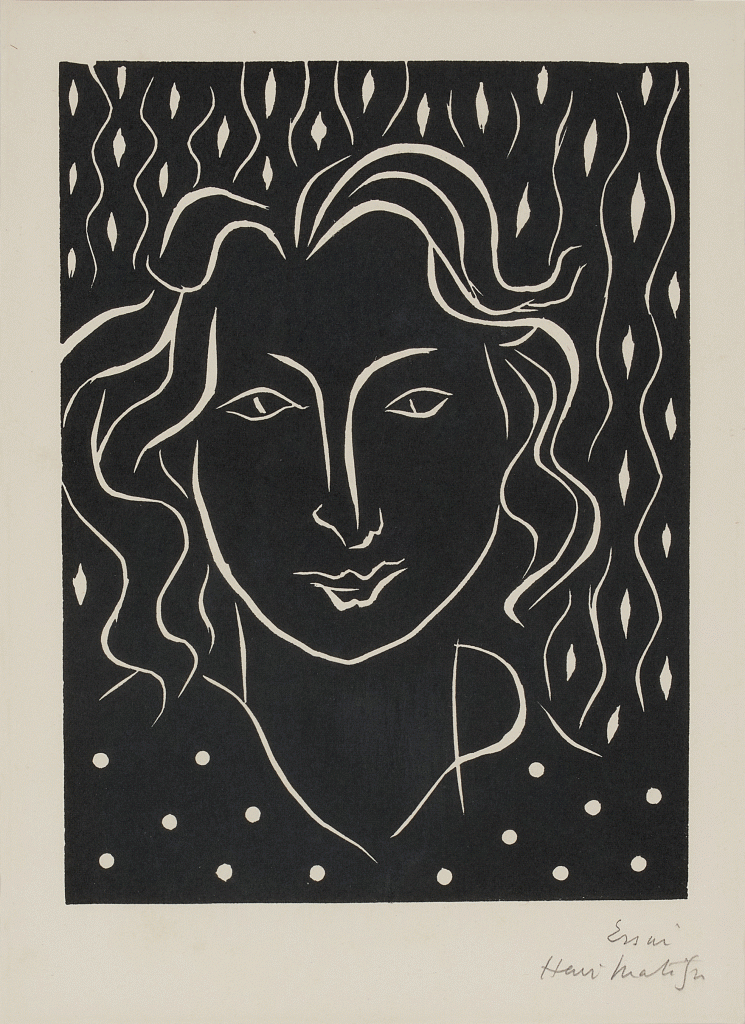
Primavera, 1938
Moreau proved an inspired mentor, encouraging students to look beyond academic convention and trust their instincts toward color and emotion. The years around the turn of the twentieth century were ones of restless experimentation for Matisse. He absorbed the lessons of Impressionism and Post Impressionism with particular attention to Paul Cézanne, whose structured approach to planes and volume would remain a touchstone throughout his career. A pivotal trip to Saint Tropez in the summer of 1904 brought him into contact with Paul Signac and the Divisionist technique of broken, pointillist color.
“I don't paint things. I only paint the difference between things.”
Henri Matisse
But it was the summer of 1905, spent in the fishing village of Collioure alongside André Derain, that produced the breakthrough that would change modern art. The two painters returned to Paris with canvases of such raw, unmediated color intensity that critics, encountering them at the Salon d'Automne that October, coined the term "les Fauves," the wild beasts. Matisse was their undisputed leader. Fauvism as a movement was brief, burning brilliantly from roughly 1905 to 1908, but its core insight, that color could carry emotional and structural weight entirely independent of descriptive accuracy, became the organizing principle of Matisse's entire subsequent career.
Henri Matisse
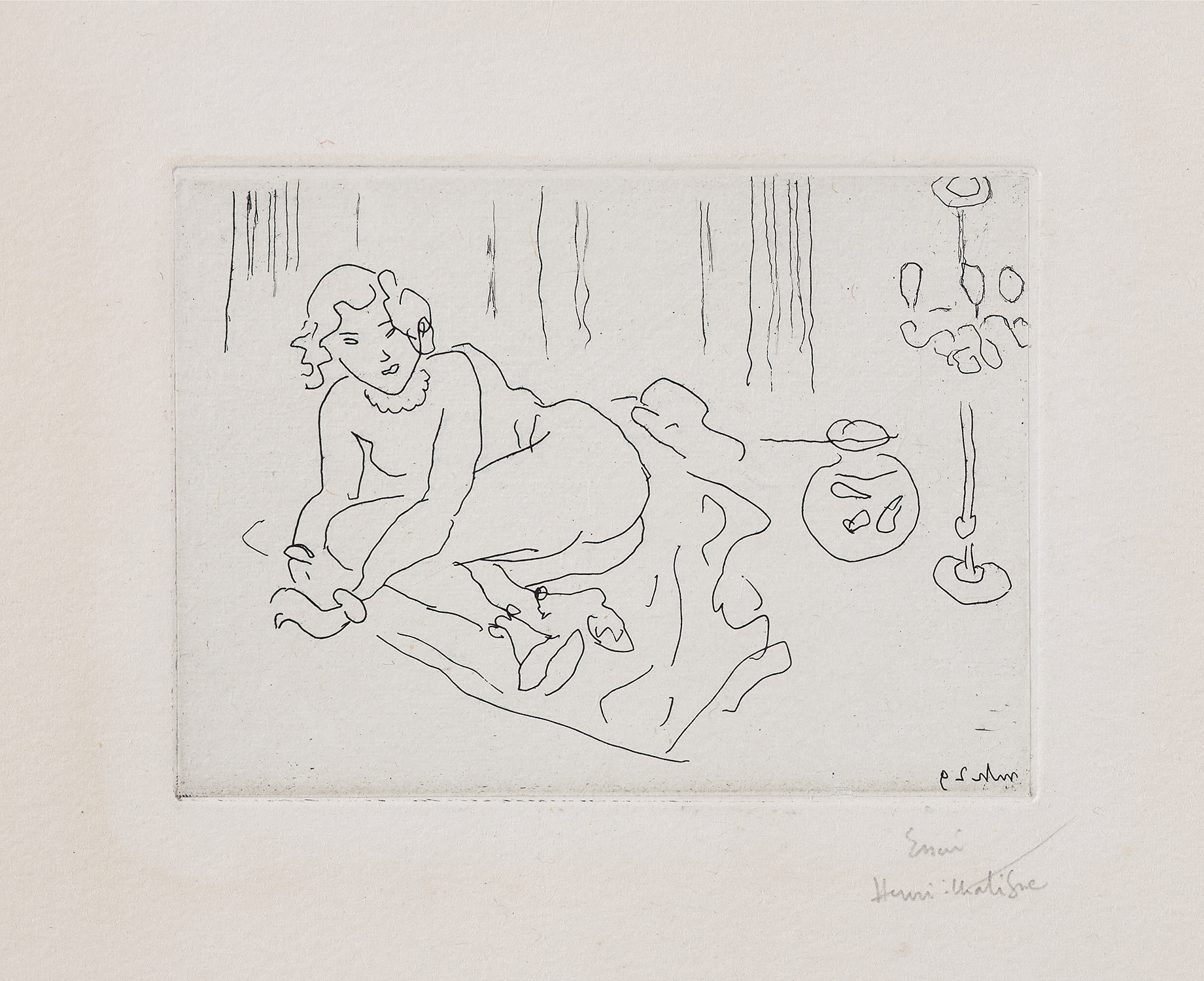
Nu couché. Intérieur à la lampe Vénitienne (Reclining Nude. Interior with Venetian Lamp) (D. 181)
He moved through a more austere, Cézannesque period before settling into the luminous, pattern saturated interiors and figure paintings of his Nice years, which stretched through the 1920s and into the 1930s. Works produced during this period show the artist in serene command of his gifts: light floods through shuttered windows, textiles pile upon textiles in cascading arabesques, and the human figure, often female, reclines in a state of complete ease. The odalisque series of the 1920s remains among the most sensuously beautiful work in the Western tradition. Through all of this, his printmaking practice ran as a parallel and deeply considered thread.
“What I dream of is an art of balance, of purity and serenity, devoid of troubling subject matter.”
Notes of a Painter, 1908
His lithographs, drypoints, aquatints, and etchings were not secondary to the paintings but equal investigations of line, form, and tonal relationships. Among the works available through The Collection, several offer exceptional windows into different registers of Matisse's genius. "Les Yeux noirs" (Black Eyes), catalogued as D. 411, is a lithograph on Japan paper that exemplifies the artist's ability to distill a face into pure graphic sensation.
Henri Matisse
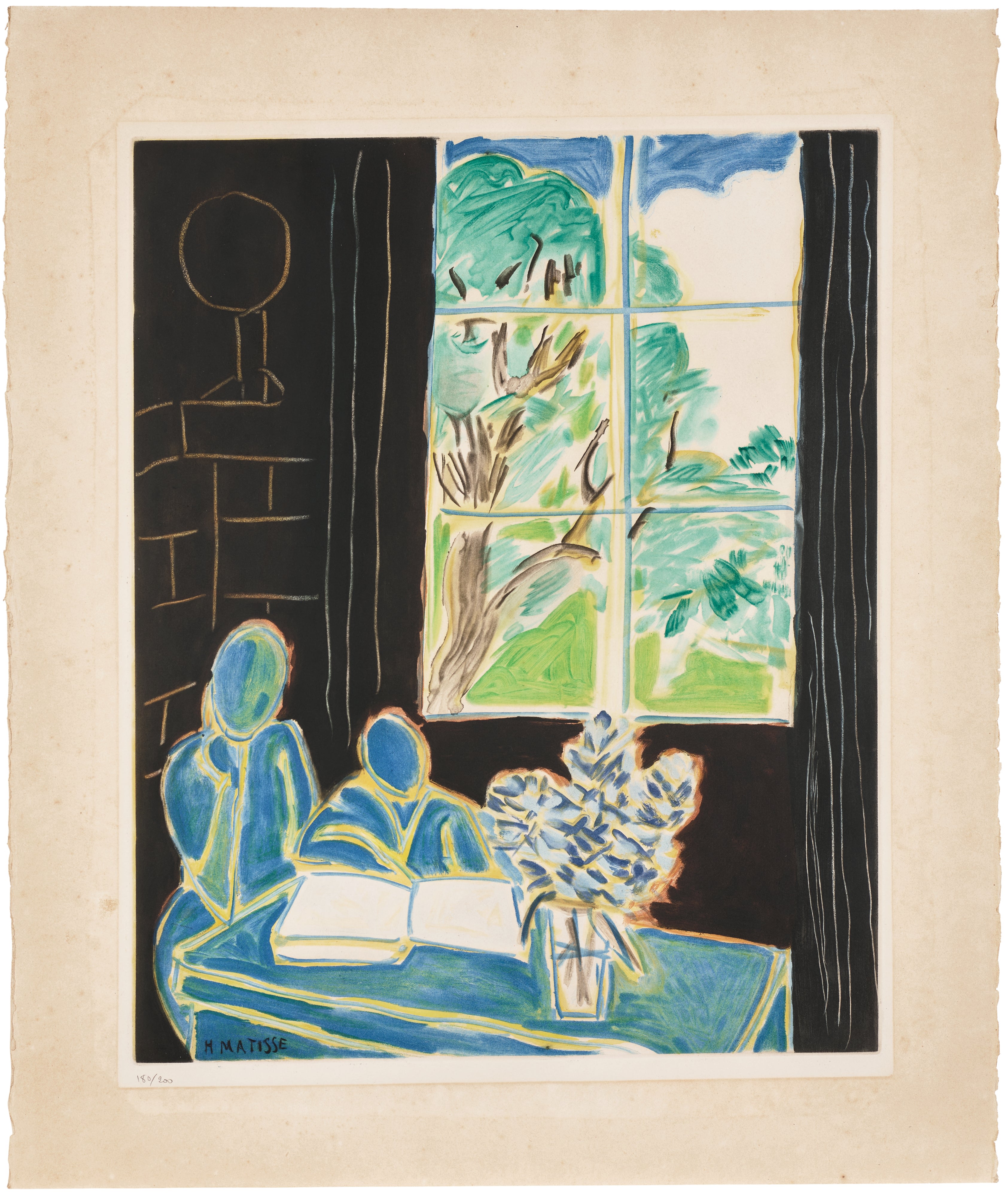
La silence habité des maisons (The Silence That Lives in Houses) (see D. IV)
The eyes of the sitter seem to hold the entire interior drama of the image. "Nu couché. Intérieur à la lampe Vénitienne" (D. 181) demonstrates the etching technique he employed with remarkable delicacy, building an intimate domestic scene with a confidence of line that few of his contemporaries could match.
"Primavera" from 1938, a linoleum cut on Daragnès wove paper, is a particularly striking object, its bold cutting revealing the directness and physical decisiveness that Matisse brought even to the most laborious printmaking processes. The complete book "Les Lettres Portugaises" (D. 15), containing fifteen lithographs and fifty eight ornamental illustrations, stands as one of the great livre d'artiste achievements of the twentieth century. And the bronze "Grand Nu accroupi (Olga)" from 1909 connects to his intensive sculptural investigations of that period, works that were inseparable in purpose from the contemporary paintings and drawings of the figure.
For collectors, works on paper and prints by Matisse represent one of the most intelligent areas of focus within the broader canon of classical modernism. The paintings are largely institutionalized, residing in the great museums of New York, Paris, Moscow, and Copenhagen. Prints and drawings, however, remain in private hands in meaningful numbers and offer direct access to his thinking and his line. Auction results at Christie's, Sotheby's, and Phillips consistently affirm the market's confidence in this material: strong impressions with full margins and clear provenance regularly achieve significant results, and demand shows no sign of softening.
Collectors drawn to Matisse often find themselves drawn as well to the work of Picasso, his great friend and rival, as well as to Pierre Bonnard, whose devotion to color and domestic intimacy runs on a closely parallel track. The Fauvist generation more broadly, including Derain, Maurice de Vlaminck, and Raoul Dufy, provides essential context for understanding what Matisse achieved and what made his vision singular among his peers. The final chapter of Matisse's life is among the most celebrated acts of creative reinvention in art history. Diagnosed with abdominal cancer in 1941 and largely confined to bed and wheelchair after surgery, he developed the cut paper technique, or papiers découpés, that would produce some of his most joyful and formally radical works.
Using scissors to cut painted paper into shapes, directing assistants to pin the forms to his walls, he created works of extraordinary scale and vitality, culminating in the commissioned chapel at Vence, completed in 1951, which he considered his masterpiece. He died on November 3, 1954, in Nice, at the age of eighty four, scissors presumably never far from reach. What endures about Matisse is not merely the beauty of the objects he left behind, though that beauty is overwhelming and undeniable. It is the philosophy embedded in every mark: that art exists to intensify life, to restore the viewer to a state of open receptivity, to make the world feel larger and more generously lit.
In a cultural moment that often seems drawn toward anxiety and irony, this conviction feels radical. To live with a Matisse, to study a lithograph over morning coffee or to trace the line of a drypoint in quiet evening light, is to receive a daily lesson in attention and gratitude. Few artists in the Western tradition have earned that intimacy so completely or so honestly.
Explore books about Henri Matisse
Henri Matisse: A Life
Jack Flam
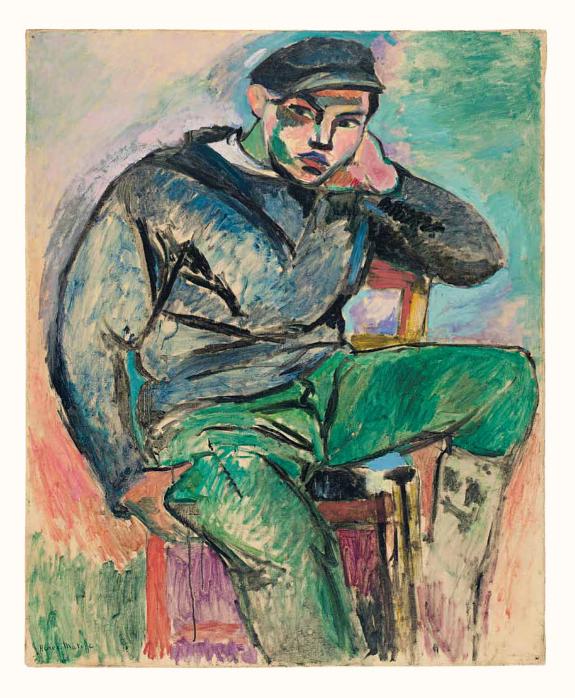
Matisse: The Man and His Art, 1869-1954
Hilary Spurling
Henri Matisse: Catalogue Raisonné of Books Illustrated by Henri Matisse
Claudine Grammont
Matisse and Picasso
Yve-Alain Bois
Henri Matisse: Drawing with Scissors
Stephanie Haboush Plessen
Matisse: His Art and His Textiles
Dominique Fourcade
The Fauve Landscape
Jack Flam
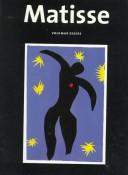
Henri Matisse: 1869-1954: Master of Colour
John Elderfield