Henri De Toulouse-lautrec
Toulouse-Lautrec: Paris Glows Forever Bright
Artist Spotlight · The Collection Editorial
“I have tried to do what is true and not ideal.”
Henri de Toulouse-Lautrec
There is a moment, standing before the original 1891 poster Moulin Rouge La Goulue in a hushed museum gallery, when the full force of Henri de Toulouse Lautrec's genius becomes undeniable. The image is so familiar it has become visual shorthand for an entire era, yet up close the lithograph retains the power to astonish. The flat planes of color, the sinuous silhouette of La Goulue herself, the crowd reduced to a wash of shadow and suggestion, and above it all the blazing yellow glow of the gas lamps: it is a composition of radical economy and total confidence. That a young man in his mid twenties could produce something so fully realized, so immediately modern, reminds us why Toulouse Lautrec remains one of the most vital and beloved figures in the history of Western art.
Henri De Toulouse-lautrec
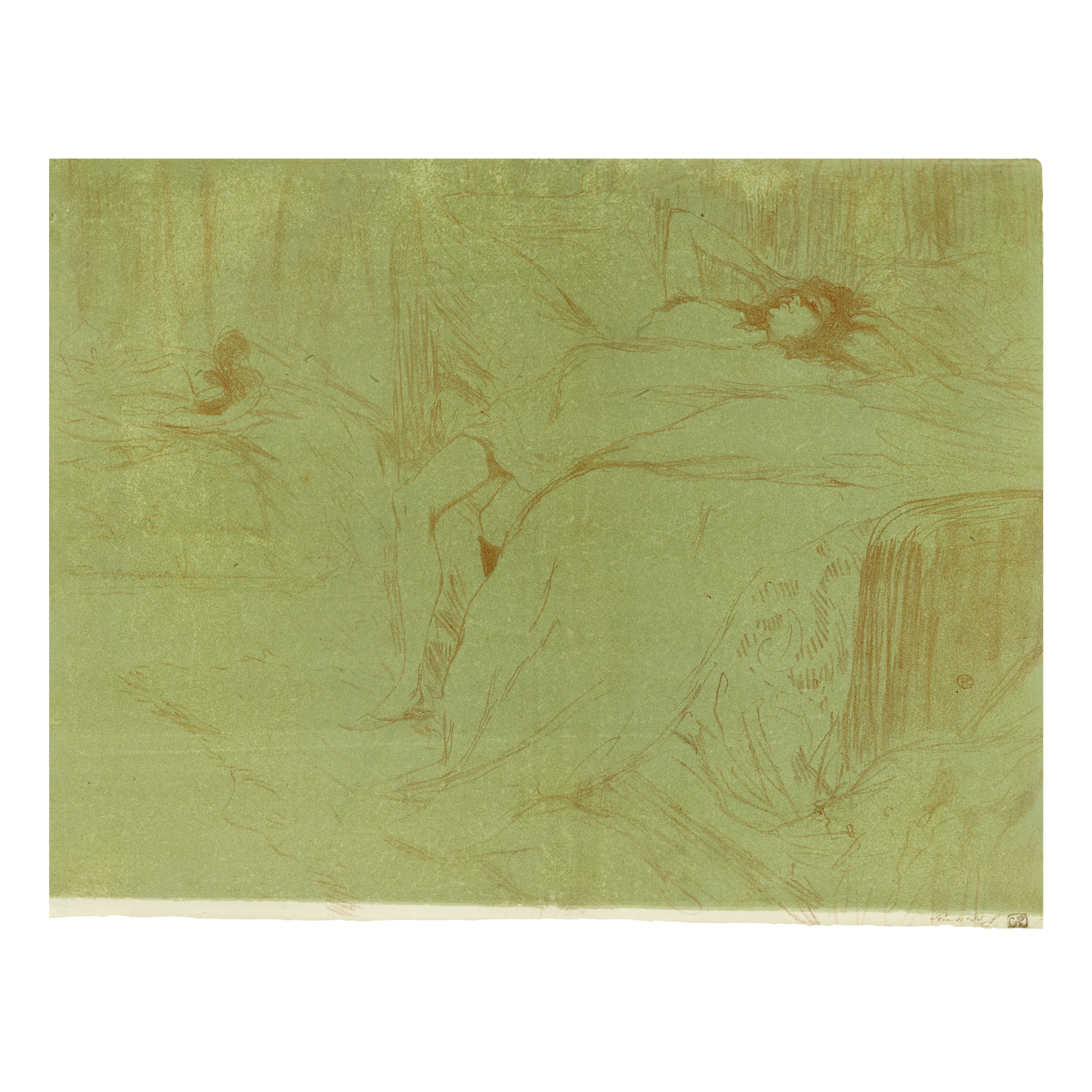
Femme Sur Le Dos - Lassitude (d. 189; Adr. 181; W. 165)
Henri Marie Raymond de Toulouse Lautrec Monfa was born on November 24, 1864, in Albi, in the Tarn region of southern France, into one of the oldest aristocratic families in the country. His parents, Alphonse and Adèle, were first cousins, and it is widely believed that the genetic consequences of their union contributed to the rare bone condition that would define the physical circumstances of his life. Two falls as an adolescent, in 1878 and 1879, fractured both his femurs, and his legs never grew to full length. He reached a height of approximately 1.
5 meters as an adult. The family's wealth and his mother's devoted support meant that he never lacked for material comfort, but the experience of physical difference gave him a particular sympathy for those who lived on the margins, those who performed, those who were watched, those who were judged. He began drawing and painting seriously during his convalescence, encouraged by family friends who included the animal painter René Princeteau. By 1882 he had moved to Paris to study under Léon Bonnat and later Fernand Cormon, where he met Émile Bernard and Vincent van Gogh.
Henri De Toulouse-lautrec
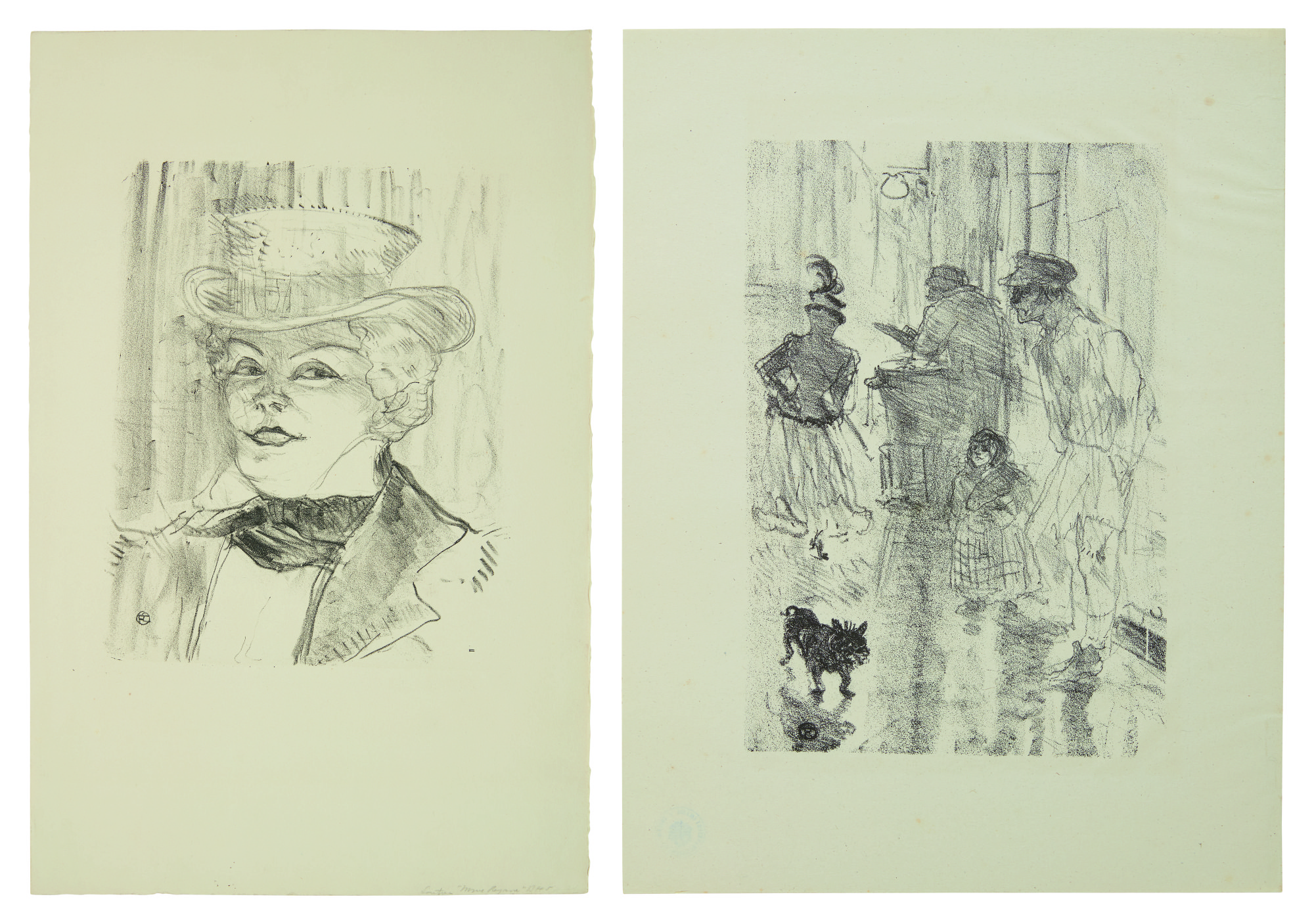
Le Marchand De Marrons; And Madame Réjane (delteil 335, 266; Wittrock 232, 266; Adriani 211, 275)
The academic training gave him technical rigor, but it was the city itself that gave him his subject. He settled in Montmartre in the mid 1880s and immersed himself in the cafés, cabarets, circuses, and brothels of the neighborhood with the dedication of a true observer. He was not a tourist in that world. He was a resident, a regular, a friend to performers and proprietors alike.
“Everywhere and always ugliness has its beautiful aspects; it is thrilling to discover them where nobody else has noticed them.”
Henri de Toulouse-Lautrec
His small stature and warm, sardonic personality made him a beloved fixture in establishments that might have intimidated a more self conscious man. The Moulin Rouge opened in October 1889, and Toulouse Lautrec was among its most enthusiastic chroniclers from the very beginning. The large format color lithograph he created in 1891, now one of the most recognized images in the history of print, established his reputation overnight. It was printed in a bold, poster ready scale on two sheets of wove paper, linen backed, and it drew directly on the influence of Japanese woodblock prints, which he studied with deep admiration, absorbing their compressed perspective and their willingness to let negative space carry weight.
Henri De Toulouse-lautrec
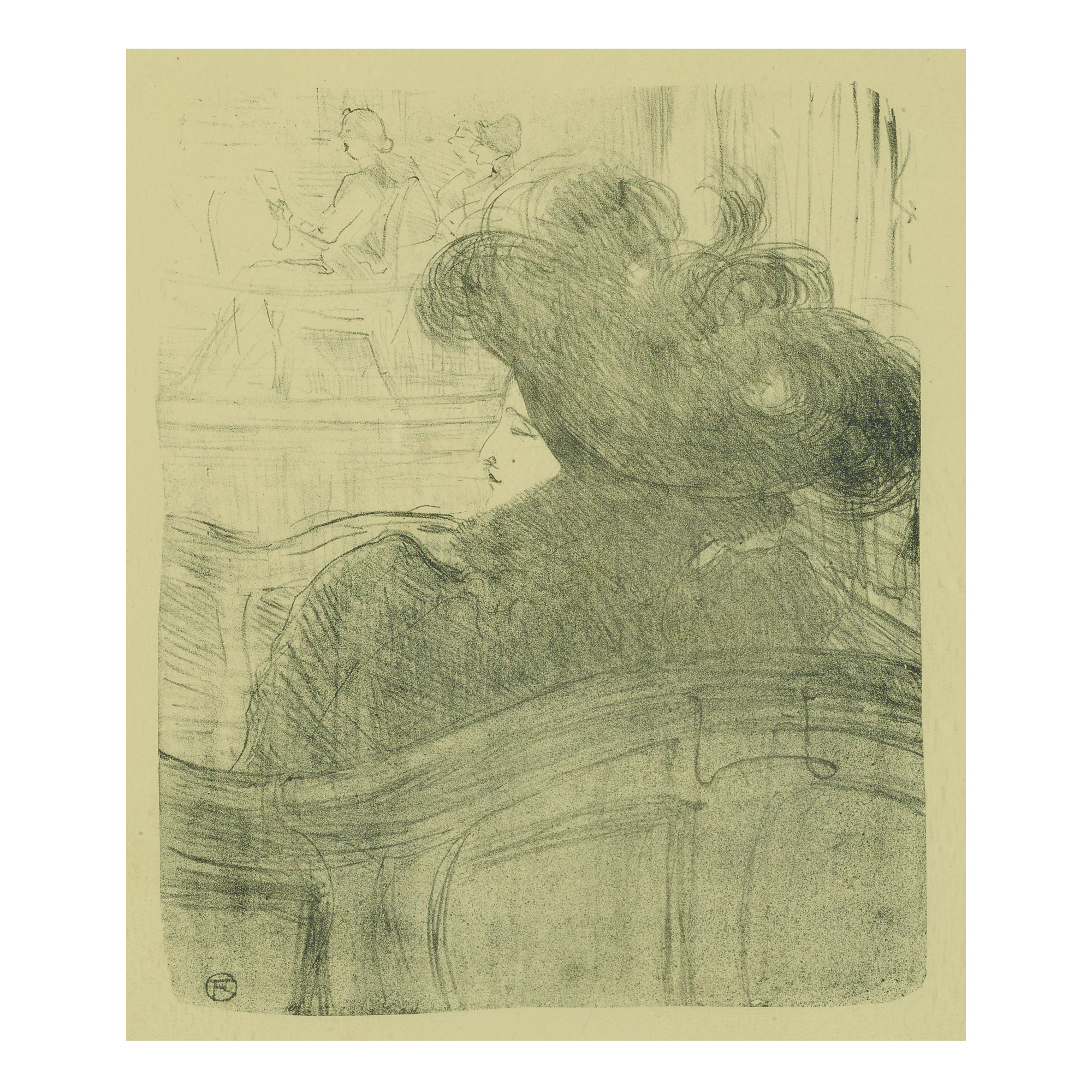
Cléo De Méride (d. 152; Adr. 262; W. 258)
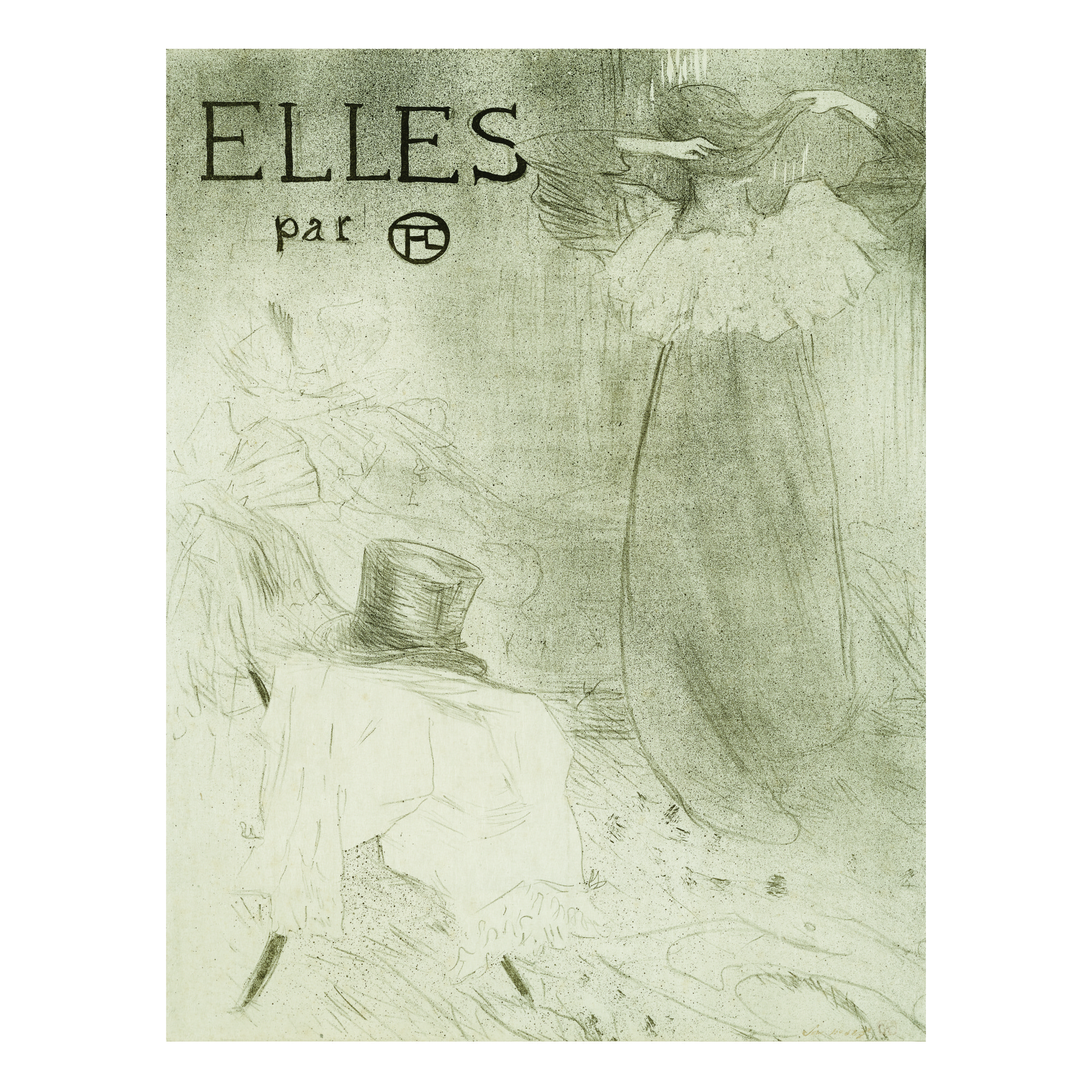
He went on to create more than three hundred lithographs, and it is in this medium that his genius found its most concentrated expression. The Elles series of 1896, a portfolio of intimate scenes depicting women in domestic and private moments, stands as perhaps his most psychologically subtle achievement: compassionate, frank, and entirely free of prurience. His portraits of performers are among the most celebrated images in French art. Mademoiselle Marcelle Lender En Buste, the 1895 color lithograph published in the Berlin journal Pan in an edition of 1100, captures the theatrical electricity of the actress with a directness that no painted portrait of the period could quite match.
Cléo de Mérode, the celebrated dancer and beauty of the Belle Époque, was rendered with equal care in an 1898 lithograph from the Portraits d'Acteurs et d'Actrices series, a portfolio that reads today as both an artistic statement and a social document. These were not idealized figures. They were specific people, caught in the fullness of their professional charisma, treated with the respect that a fellow artist extends to another. Toulouse Lautrec's commercial work, including posters created for theatrical productions and publications, showed the same quality of attention.
Henri De Toulouse-lautrec
Elles (d. 179; Adr. 171; W. 155)
Babylone d'Allemagne, the 1894 color lithograph printed by Chaix in Paris, and Le Tocsin, printed by Cassan Fils in Toulouse for La Dépêche, demonstrate how seamlessly he moved between the fine art and commercial spheres, and how little that distinction concerned him. For collectors, Toulouse Lautrec's prints represent one of the most compelling entry points in the entire canon of Post Impressionist art. The lithographs exist in editions that were documented with exceptional scholarly care, catalogued by Loys Delteil, and subsequently refined by Wolfgang Wittrock and Götz Adriani. This meticulous cataloguing tradition means that serious buyers can approach the market with a high degree of confidence about provenance, edition size, and printing history.
Works on China paper, such as the Femme Sur Le Dos from the Elles series, command particular attention for their delicacy and their surface quality. Linen backed poster works, which survive in relatively small numbers in fine condition, attract fierce competition at auction. The major houses, including Christie's, Sotheby's, and Bonhams, offer Toulouse Lautrec material with regularity, and strong impressions from the key series consistently attract serious bidding from European and American collectors alike. What distinguishes the best examples is the freshness of the color and the quality of the impression: Toulouse Lautrec worked closely with his printers and was exacting about results, and the difference between a fine early impression and a later reprinting is immediately visible to an educated eye.
In the broader arc of art history, Toulouse Lautrec occupies a position of unusual influence. He absorbed the lessons of Degas, whose cropped compositions and interest in the entertainments of modern Paris clearly shaped his early development, and he was deeply alive to the innovations of Gauguin and Van Gogh, his near contemporaries. But his greatest downstream influence was arguably on graphic design and poster art in the twentieth century. The visual language he developed, with its bold outlines, flat color, and sophisticated use of lettering as a compositional element, runs directly through Art Nouveau and into the commercial art of the following century.
Alphonse Mucha, who arrived in Paris in 1887, is the obvious parallel, but Toulouse Lautrec's work carries a psychological edge and a social candor that gives it a different kind of permanence. He died in September 1901 at the age of thirty six, at the family estate of Malromé in the Gironde, his health having deteriorated through years of extraordinary productivity and personal excess. The brevity of his career makes the scale of his achievement all the more remarkable. The Musée Toulouse Lautrec in Albi, established in the years after his death, holds the largest collection of his work in the world and remains one of the essential pilgrimage destinations for anyone serious about French art.
To encounter his prints and paintings in person, whether in Albi or in a private collection, is to be reminded of what the best art does: it makes the past feel entirely present, and it makes human beings, in all their complexity and vividness, feel entirely worth looking at.
Explore books about Henri De Toulouse-lautrec
Toulouse-Lautrec: A Life
Pierre Lamotte
Toulouse-Lautrec
Henri Perruchot
The Complete Paintings of Toulouse-Lautrec
François Caradec and Alain Weill
Toulouse-Lautrec: The Master Printmaker
Philip Dennis Cate and Marianne Delafond
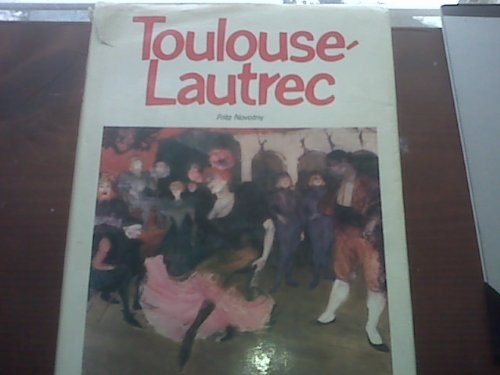
Lautrec
Patrick Négruchon
Toulouse-Lautrec and the Art of the Belle Époque
Richard Thomson

The Letters of Henri de Toulouse-Lautrec
Herbert D. Schimmel

Toulouse-Lautrec: Posters and Prints
Stefan Frey