Helene Schjerfbeck
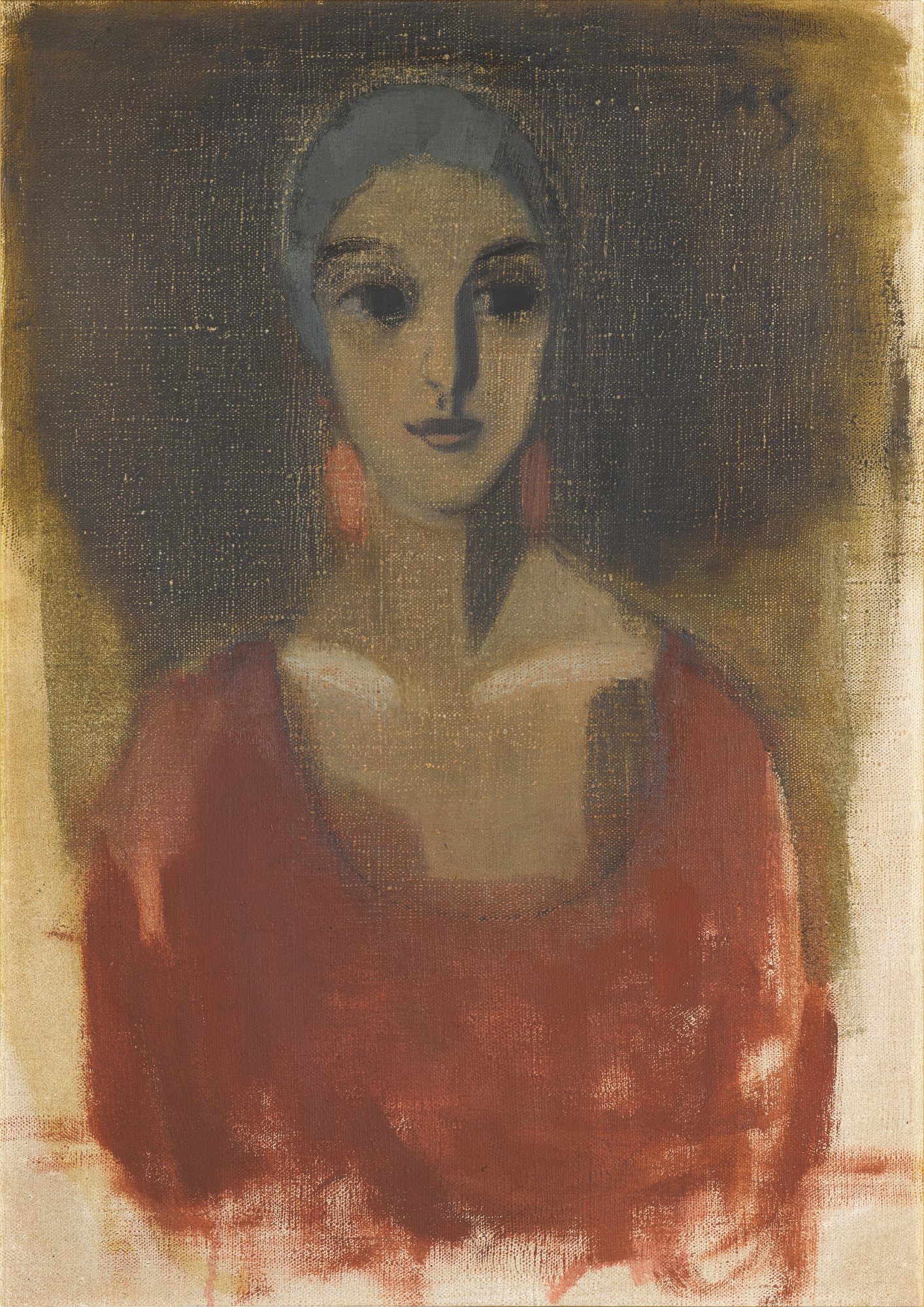
Helene Schjerfbeck: The Quiet Revolutionary We Adore
Artist Spotlight · The Collection Editorial
“In art one must not be too clever. One must be simple, simple, simple.”
Helene Schjerfbeck, letter correspondence
When the Royal Academy of Arts in London mounted its landmark retrospective of Helene Schjerfbeck in 2019, the response was something close to revelation. Visitors who had never encountered the Finnish master stood before her late self portraits and felt the floor shift beneath them. Here was an artist who had spent decades working in near isolation in the Finnish countryside, producing paintings of such concentrated psychological force that they seemed to anticipate everything the twentieth century would eventually prize: reduction, stillness, the face as philosophical territory. The exhibition confirmed what a devoted circle of European collectors had quietly known for years.
Helene Schjerfbeck
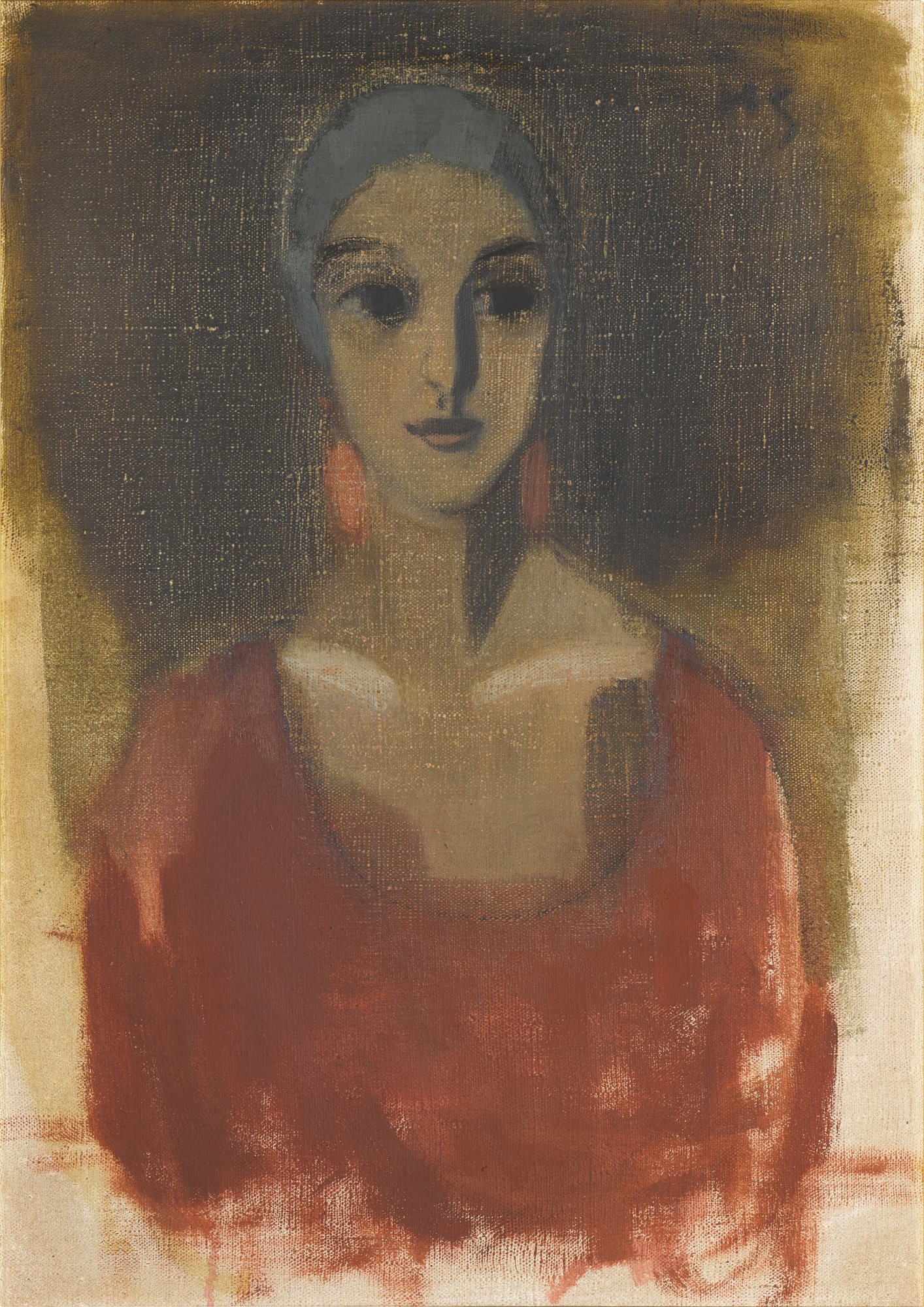
Dora, 1922
Schjerfbeck was not a footnote. She was a foundation. Helene Schjerfbeck was born in Helsinki in 1862, into a city that was then part of the Russian Empire and a culture still defining its own artistic identity. A childhood accident left her with a permanent limp, and the experience of physical limitation shaped in her an inward attentiveness that would become the hallmark of her entire practice.
She showed exceptional talent from an early age and began formal training at the Finnish Art Society Drawing School as a young girl. Scholarships brought her to Paris in the 1880s, where she absorbed the lessons of plein air naturalism and the emerging influence of Bastien Lepage, whose sympathetic realism of rural life left a clear impression on her early work. She also traveled to Brittany, St Ives in Cornwall, and Florence, building a visual vocabulary that was European in its sophistication but always reaching toward something more personal and spare. Her early career produced works of considerable tenderness and technical mastery, including The Convalescent, a piece that remains among her most beloved images.
Helene Schjerfbeck
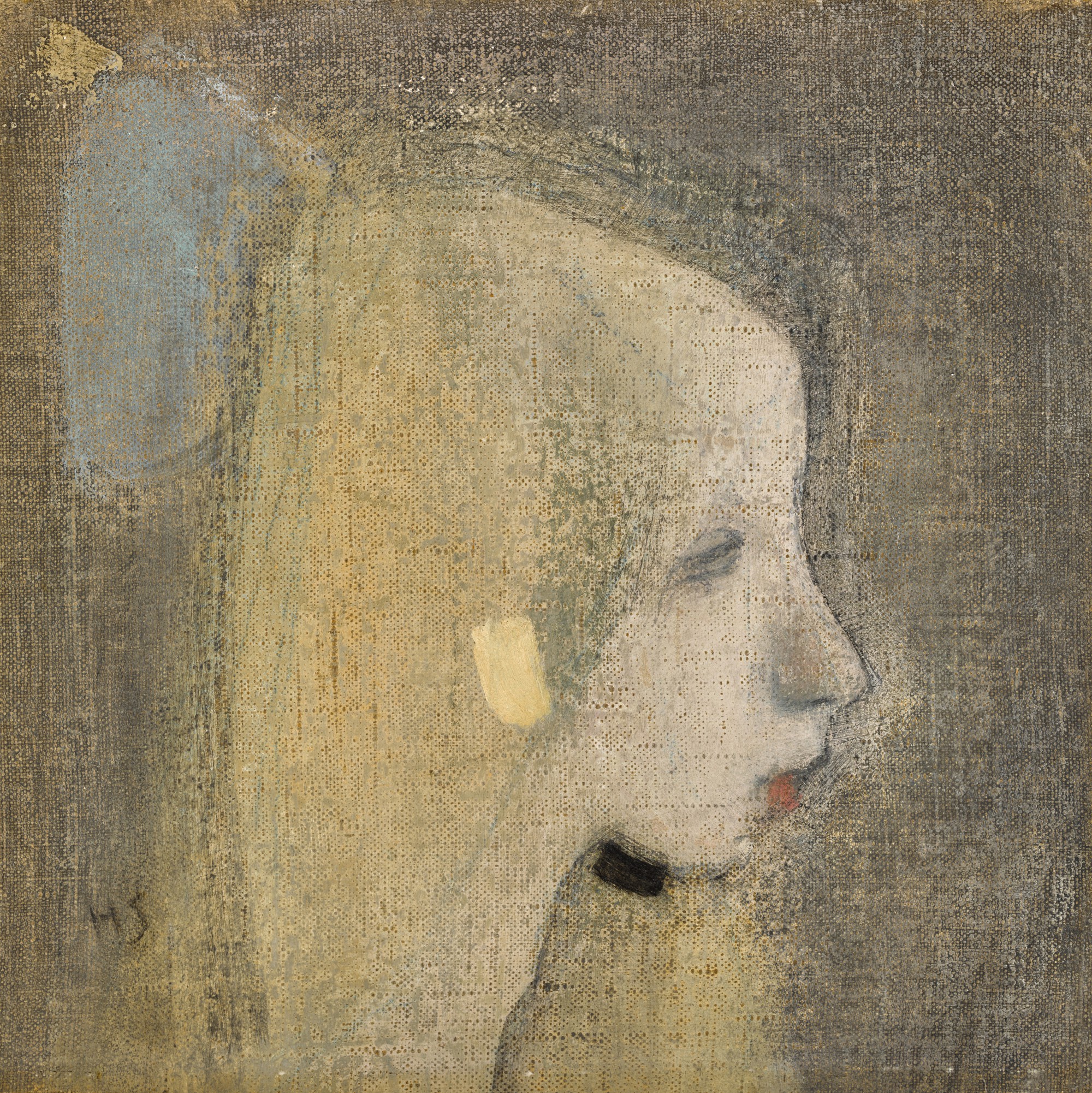
Blonde Girl (Girl with Blue Bow)
Painted in the 1880s, it depicts a pale child in a chair beside a window, rendered with a delicacy that recalls Whistler and anticipates the quietism she would later perfect. The work exists in a register of hushed attention, the light falling softly, the subject turned inward. It established Schjerfbeck as a painter of emotional precision, someone who could make stillness feel inhabited. She won a bronze medal at the Paris Salon of 1889, a significant recognition for any artist of the period and a remarkable achievement for a young woman from the Nordic periphery.
The great arc of Schjerfbeck's development, however, is the story of her gradual and determined shedding of everything that was not essential. After returning to Finland and eventually settling in the small town of Hyvinkää and later Tammisaari with her mother, she worked in increasing isolation from the mainstream art world. Rather than calcifying into provincial repetition, she pushed her painting toward something startling and new. Her portraits became more stripped, her palettes more austere, her forms more ghostly and geometric.
Helene Schjerfbeck
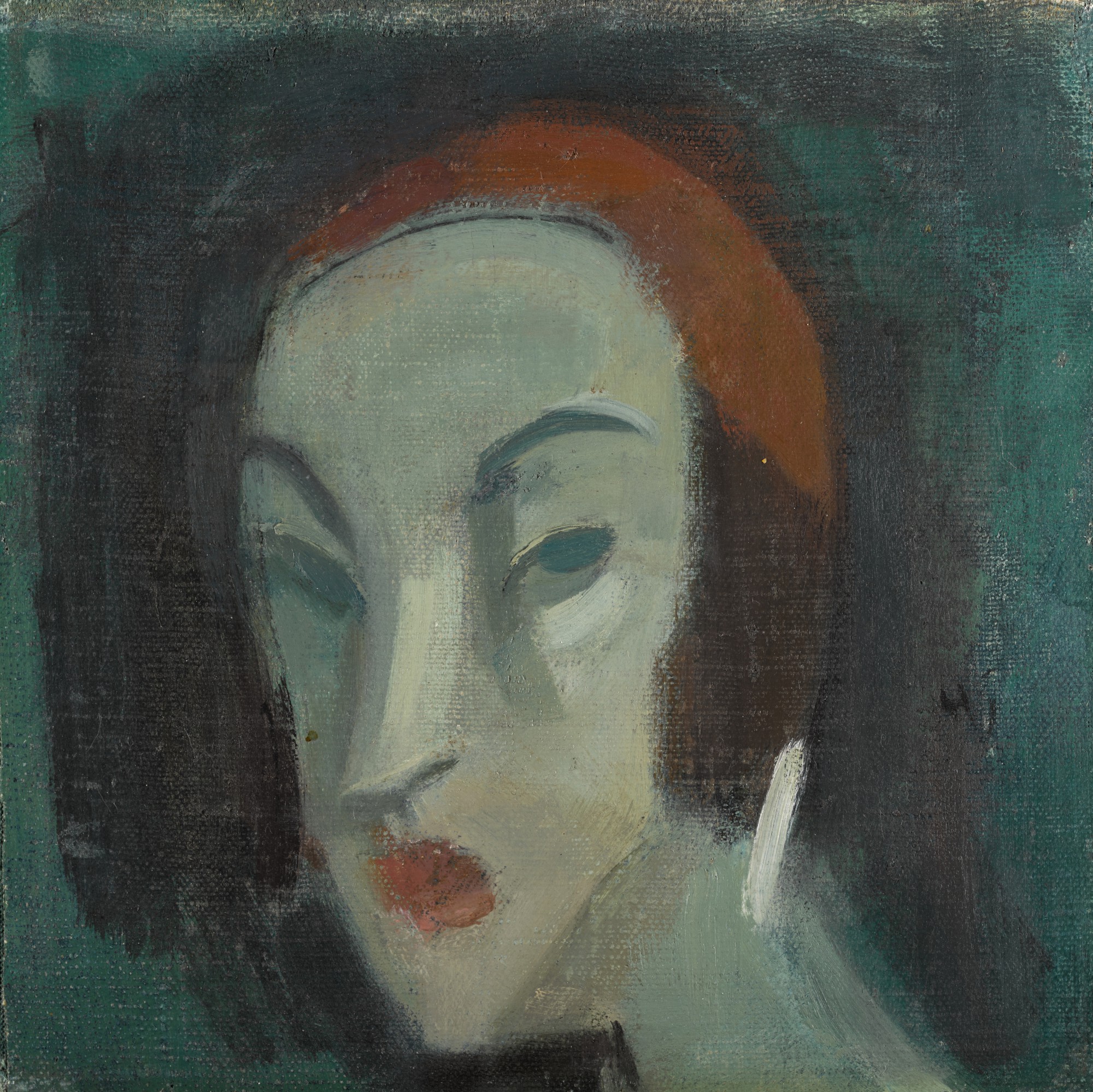
Girl against a Green Background (Dora)
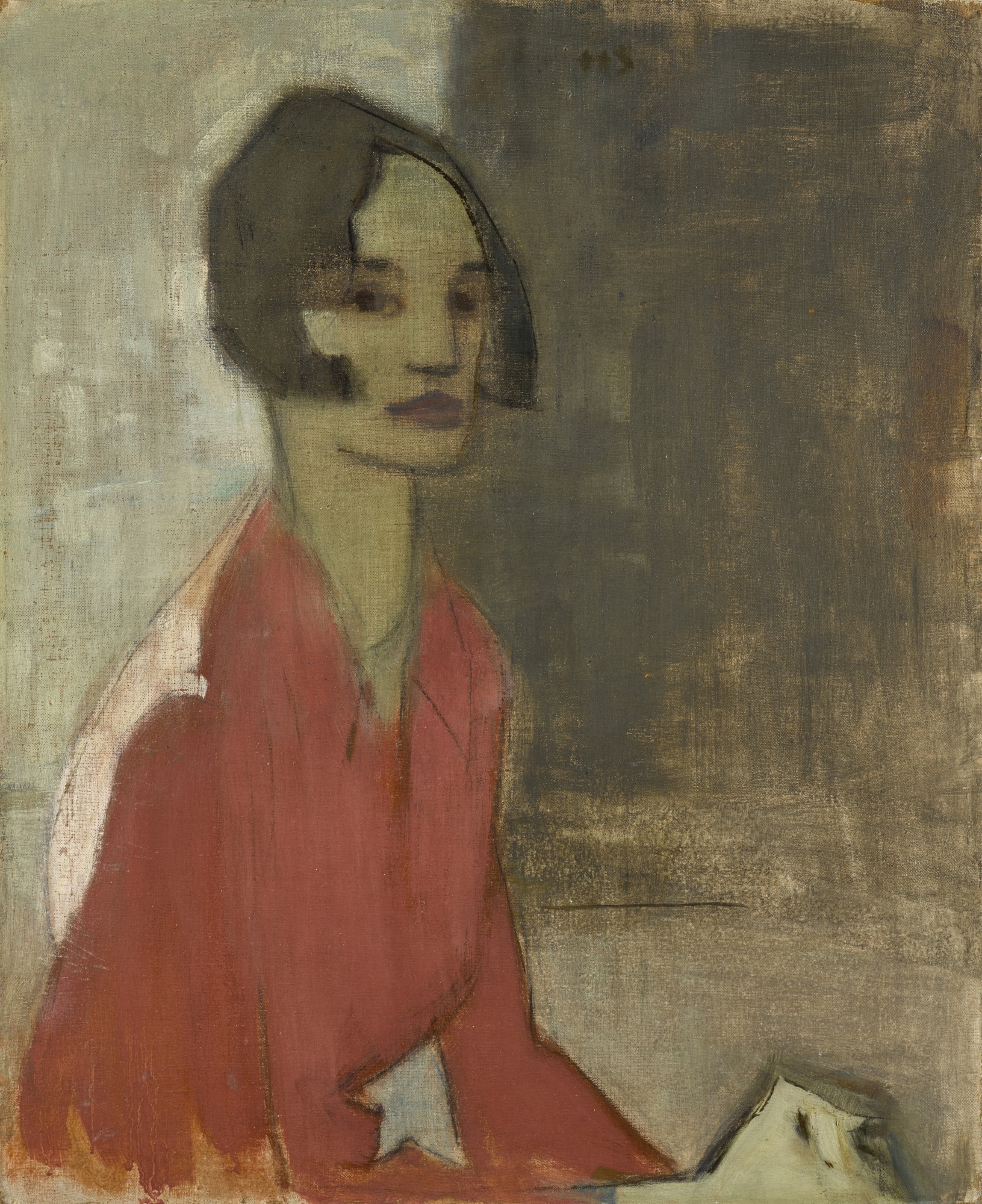
By the 1910s and 1920s she was producing self portraits of an intensity that has no easy parallel in European modernism. These were not exercises in vanity or autobiography in any conventional sense. They were inquiries into consciousness itself, the face reduced to essentials, the paint surface carrying the weight of time and thought. The series of works depicting a young model named Dora, painted in the early 1920s, shows Schjerfbeck at a particular peak of her powers.
Dora, Girl against a Green Background and related canvases present the sitter with a formal economy that approaches abstraction while remaining piercingly present as a human being. The green grounds feel almost musical in their flatness, the facial features suggested rather than described. Works like Blonde Girl with Blue Bow and Brown Eyes demonstrate the same quality of concentrated looking, an ability to find the essential character of a face by removing rather than adding. Spanish Girl, with its warm tonal richness, shows that her reductive approach was always a choice, not a limitation.
Helene Schjerfbeck
Brown Eyes
She could work with color and warmth when the subject called for it, but she trusted the intelligence of what remained when she took things away. For collectors, Schjerfbeck presents a genuinely compelling opportunity. Her work is held in major Finnish institutions, most prominently the Ateneum in Helsinki, which has long championed her as one of the defining figures of Finnish cultural identity. International auction appearances have brought growing attention from collectors across Europe and beyond, and her prices have risen steadily as her critical reputation has been reassessed upward.
Works on paper, including her watercolour and charcoal compositions such as Girl at the Gate and The Picture Book, offer a particular intimacy and show the full range of her technical sensibility. The layering of media in these works, the way charcoal and watercolour negotiate with one another on the surface, gives them a quality of quiet drama that rewards close living with them. Self Portrait with Eyes Closed, in charcoal and chalk, is the kind of work that changes the room it inhabits. Schjerfbeck stands in rich and illuminating company within the history of modern European painting.
Her Nordic contemporaries, including Edvard Munch and Vilhelm Hammershøi, share something of her interest in psychological interiority and spare formal means, though her work achieves its effects through a different and arguably more intimate vocabulary. In the broader European context, she invites comparison with Paula Modersohn Becker, another woman painter working at the edges of the mainstream who produced a body of work of extraordinary originality. Like both of these figures, Schjerfbeck was recognized fully only after the art world caught up with what she had already accomplished. What makes Schjerfbeck so urgently relevant today is precisely the quality of attention she modeled and the courage of her reduction.
She worked for decades without major institutional recognition, sustained by her own conviction that the image could bear more meaning by holding less. That position, once considered marginal, now looks prophetic. Her self portraits in particular feel like touchstones for any serious thinking about what portraiture can do when it stops performing and starts listening. To live with a Schjerfbeck is to be reminded, daily, of what painting at its most concentrated can offer: not spectacle, but presence.
Not assertion, but truth.
Explore books about Helene Schjerfbeck
Helene Schjerfbeck
Görel Cavalli-Björkman
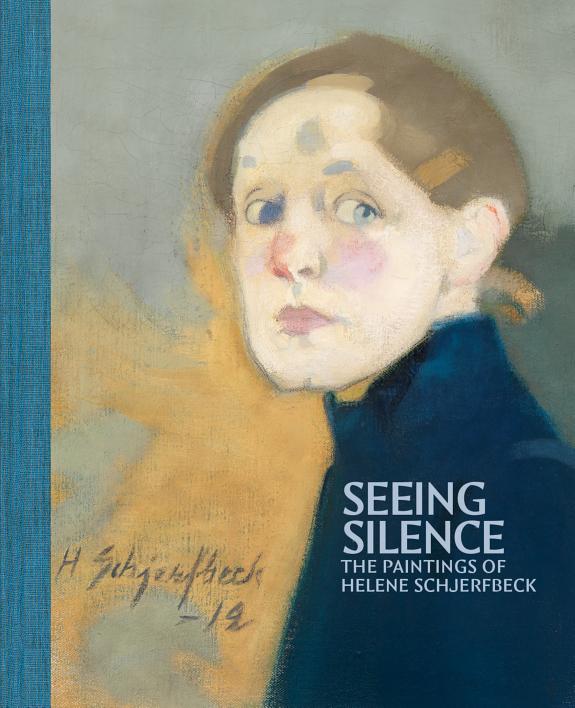
Helene Schjerfbeck: Life and Work
Salme Sarajas-Korte
Helene Schjerfbeck 1862-1946
Esbern Warberg
Helene Schjerfbeck: Modernist Pioneer
Kirsi Peltonen
The Art of Helene Schjerfbeck
Aarne Ahlström