Heiner Meyer
Heiner Meyer Turns Nostalgia Into Vivid Art
Artist Spotlight · The Collection Editorial
There is a particular kind of joy that comes from encountering an artwork that makes the familiar feel entirely new. Heiner Meyer, the German born painter and printmaker whose screenprints and sculptures have found devoted admirers across Europe and North America, specializes in exactly this sensation. His canvases and prints pulse with colour, wit, and a deep affection for the visual language of the twentieth century, from comic book heroes to the roadside iconography of mid century American commercial culture. To spend time with his work is to feel the warmth of collective memory rendered with genuine artistic intelligence.
Heiner Meyer
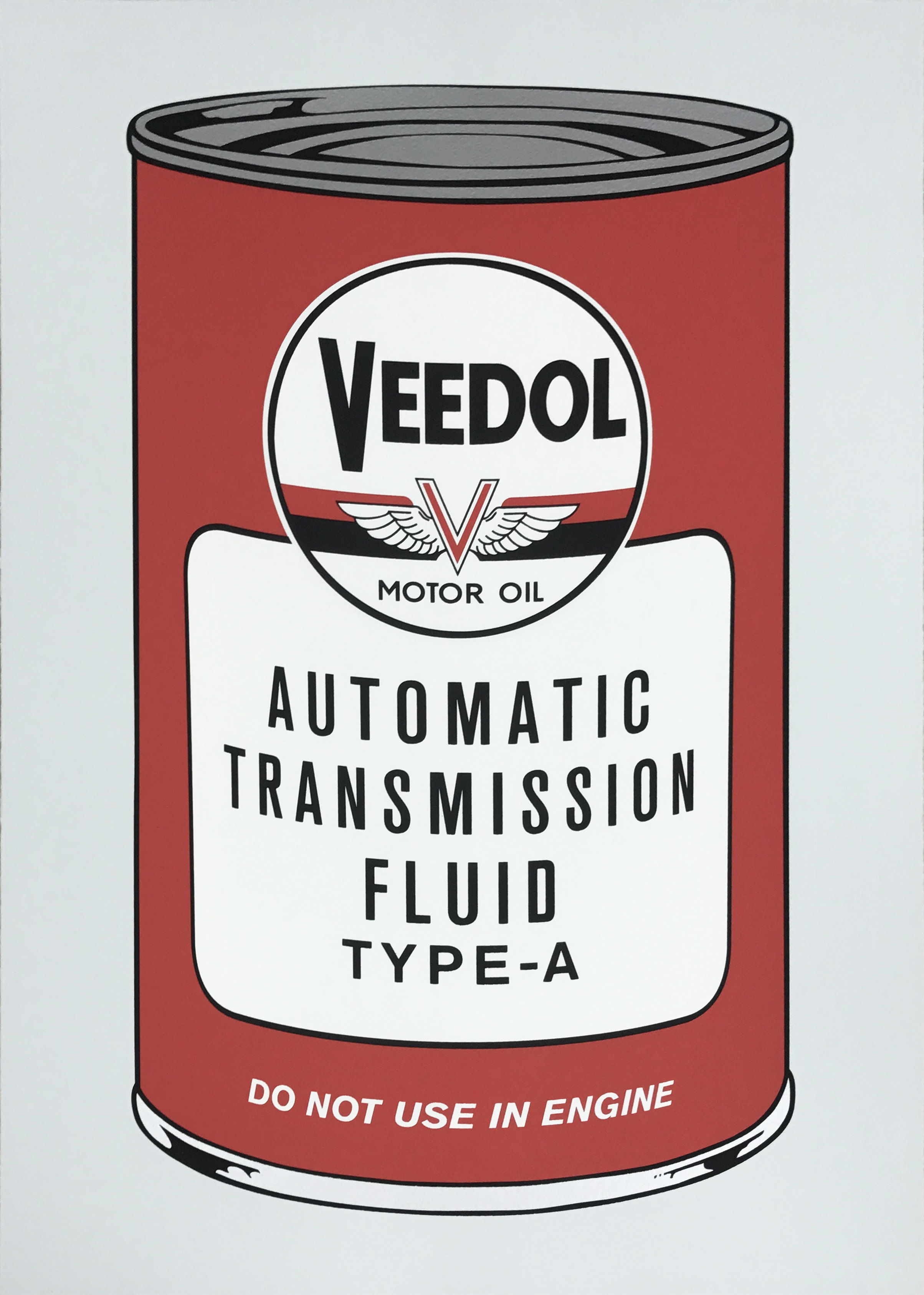
Veedol Motor Oil, 2016
Meyer came of age in postwar Germany, a context that shaped an entire generation of artists who grew up surrounded simultaneously by the ruins of one visual culture and the incoming flood of American imagery, advertising, and popular mythology. This tension, between European tradition and the seductive power of transatlantic pop imagery, became the engine of Meyer's artistic sensibility. Like his contemporaries who would come to define a distinctly European take on Pop Art, Meyer was fascinated by the way mass produced images carried emotional weight far beyond their commercial origins. A motor oil label, a cartoon character, a corporate insignia could all be transformed, through the right artistic attention, into something that resonated on a deeply human level.
Meyer's artistic development reflects a sustained and thoughtful engagement with the legacy of Pop Art, the movement that Andy Warhol, Roy Lichtenstein, and Jasper Johns defined so powerfully in the United States during the 1960s. Yet Meyer brings a distinctly personal and European sensibility to this tradition. Where Warhol embraced the cool, deadpan repetition of the silkscreen, Meyer infuses his screenprints with a warmth and painterly generosity that feels closer in spirit to the work of Sigmar Polke or early Peter Blake. His prints are never simply reproductions of found imagery.
Heiner Meyer
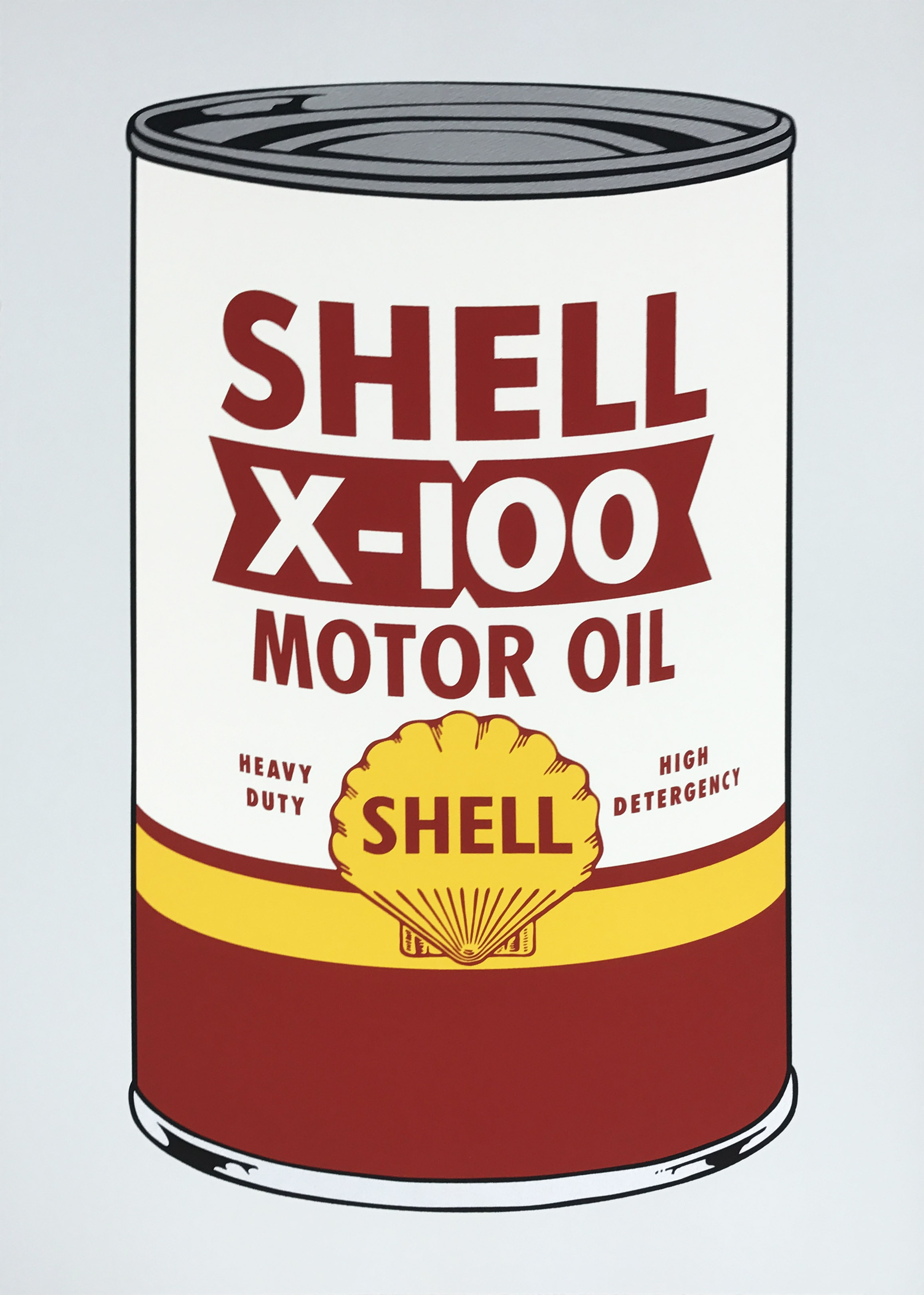
Shell X-100 Motor Oil, 2016
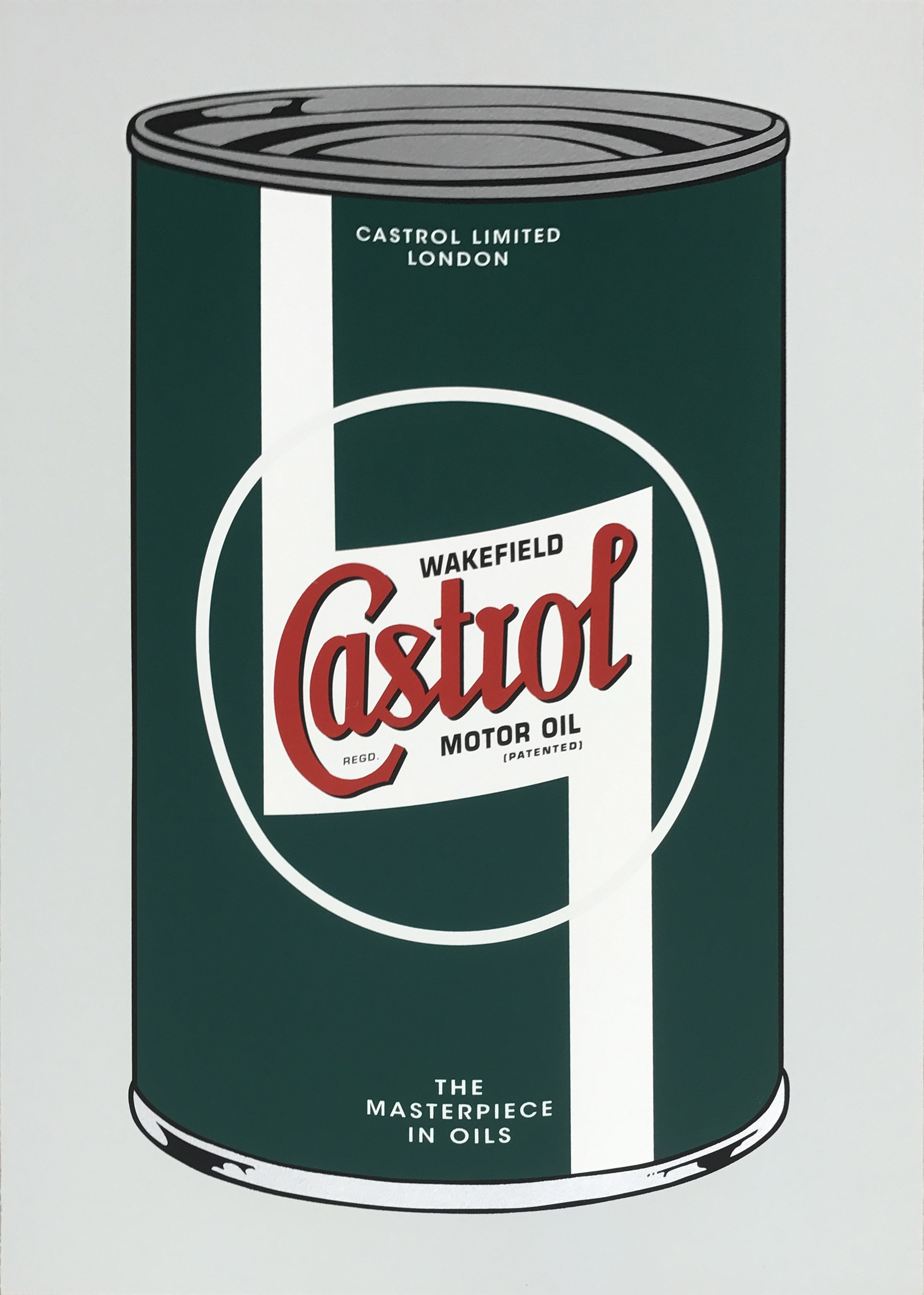
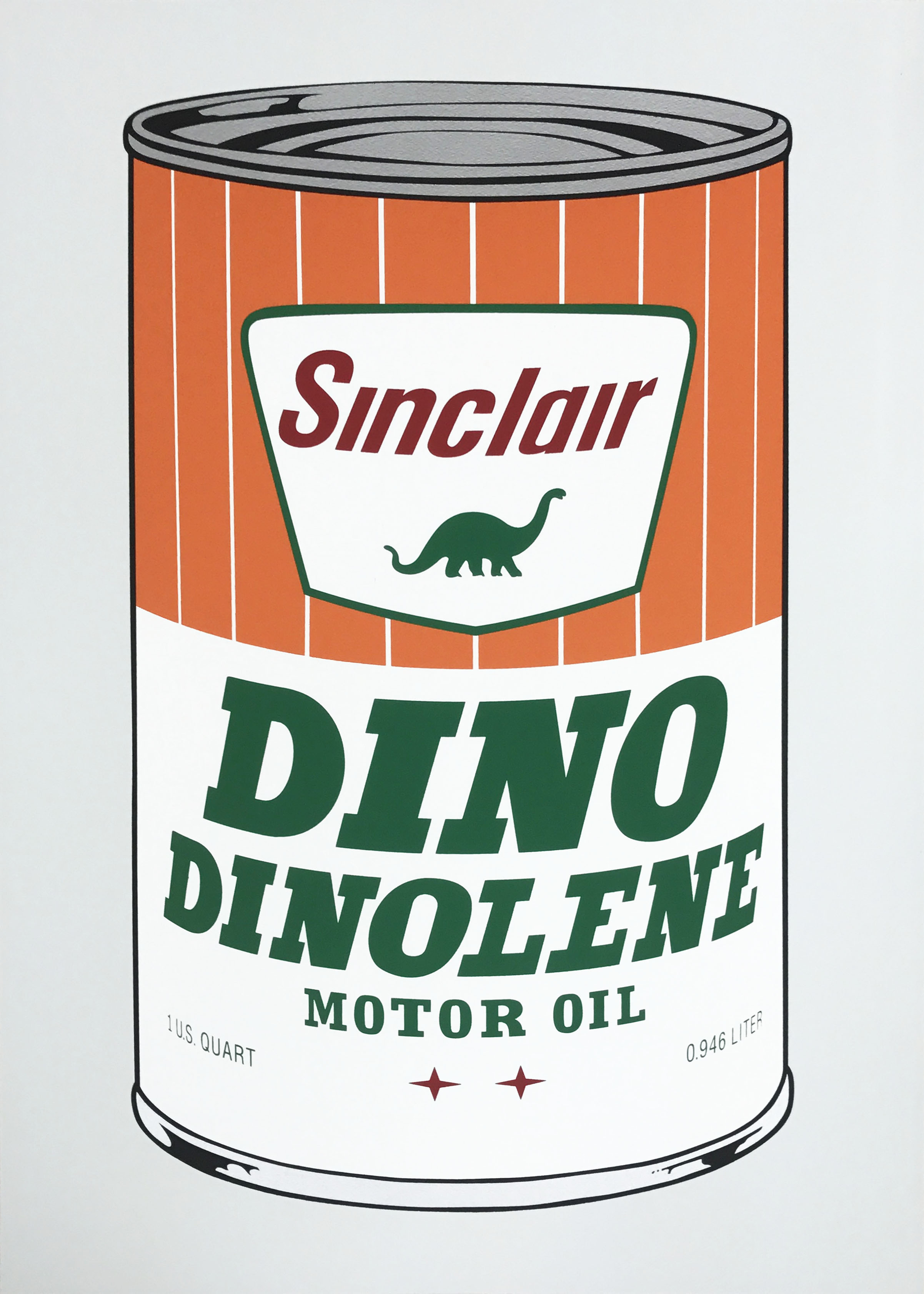
They are transformations, acts of affection and reinterpretation that find the poetry latent in the overlooked and the everyday. The 2016 series of motor oil screenprints stands as one of Meyer's most celebrated and cohesive bodies of work. Works such as Shell X 100 Motor Oil, Veedol Motor Oil, Castrol Motor Oil, Sinclair Dino Dinolene, Valvoline 10W 40, Gulf Pride Motors, Mobil Oil, STP Oil Treatment, and Union 76 Automatic Transmission Fluid form a constellation of images that together constitute something like a visual archaeology of the open road. These are the brands that lined American highways and filling stations through the middle decades of the twentieth century, their logos and label designs carrying the optimism and forward momentum of a particular postwar dream.
Meyer treats each one with the same care and attention a portrait painter might bring to a human subject, and the result is a series that feels both archival and vibrantly alive. Private collectors who have acquired works from this series consistently describe the experience of living with them as one of deepening affection, the images revealing new layers of craft and intention the longer they are observed. Equally significant is Mickey, the polished bronze sculpture created in 2011. The choice of bronze, a material associated with permanence, monuments, and the classical tradition of Western sculpture, is itself a statement when applied to one of the most universally recognised cartoon figures in the world.
Heiner Meyer
Castrol Motor Oil, 2016
Meyer is asking a serious question here, one that runs through the whole of his practice: what do we choose to preserve, and what does our popular mythology tell us about who we are? The mirror finish of the polished bronze transforms Mickey into something that reflects the viewer back to themselves, which feels entirely intentional. This is sculpture as a kind of philosophical proposition wrapped in genuine formal elegance. From a collecting perspective, Meyer's work occupies an appealing position in the contemporary market.
His screenprints offer collectors the opportunity to engage with the legacy of Pop Art through works that carry genuine warmth and specificity rather than the sometimes cold irony that can characterize lesser work in this tradition. The motor oil series in particular has attracted collectors who appreciate both the visual pleasure of the individual prints and the intellectual coherence of the series as a whole. Acquiring several works from a single series allows collectors to experience Meyer's project on its own terms, as a sustained meditation on memory, commerce, and the aesthetics of everyday life. Institutions and serious private collectors who have worked within the Pop Art tradition will find Meyer's practice a natural and rewarding companion to works by artists in the broader lineage of Warhol, Lichtenstein, and European contemporaries such as Mel Ramos and Allen Jones.
Heiner Meyer
Sinclair Dino Dinolene, 2016
Within art historical terms, Meyer belongs to a distinguished tradition of artists who have looked to the vernacular visual culture of consumer society not with contempt or simple irony but with genuine curiosity and even tenderness. This places him in dialogue not only with the canonical American Pop artists but also with a generation of European practitioners who understood that the mythology of the twentieth century was written as much in advertising imagery and popular culture as in any formal artistic tradition. His work asks us to reconsider what we mean by beauty, by significance, and by the images we choose to surround ourselves with. These are not small questions, and Meyer pursues them with both rigour and delight.
The legacy of Heiner Meyer's practice lies in its insistence that popular imagery deserves the full resources of serious artistic attention. In an era when the boundaries between high and low culture have become productively blurred, his work feels not merely relevant but genuinely prescient. Collectors and institutions who engage with his prints and sculptures are participating in a conversation that runs through the heart of contemporary art history, a conversation about what we value, what we remember, and how images shape our understanding of the world we inhabit. Meyer reminds us that the most powerful art often begins with the things we thought we already knew.