Harry Callahan
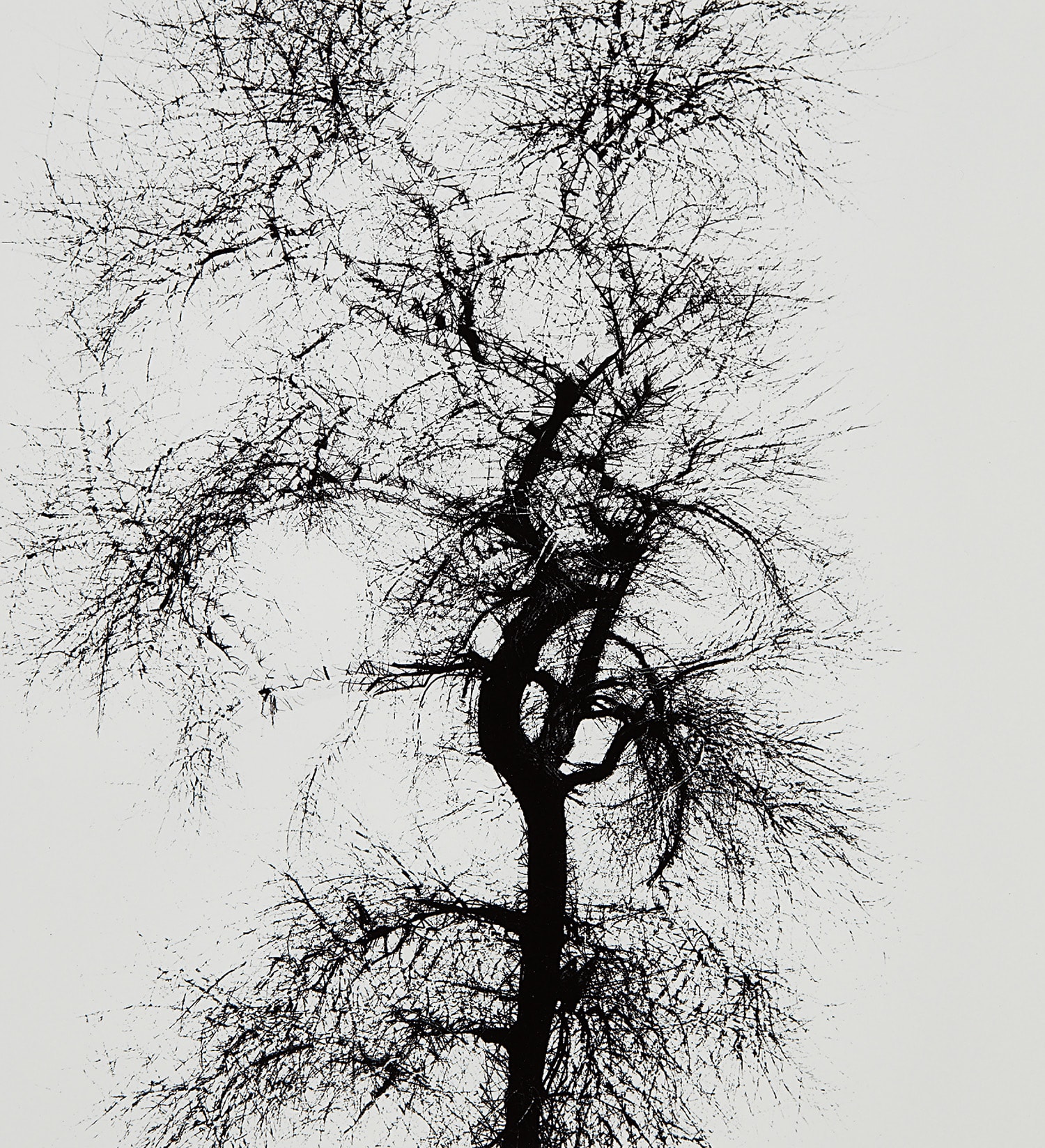
Harry Callahan, Light Made Endlessly New
Artist Spotlight · The Collection Editorial
“I never know in advance what I'm going to photograph. The photograph chooses me, not the other way around.”
Harry Callahan
There is a particular moment in photography when a picture stops being a record and becomes a feeling. Harry Callahan lived inside that moment for more than five decades, and the best institutions in the world have never stopped returning to his work to find it freshly alive. The Art Institute of Chicago, where Callahan taught and where his career found its first serious champions, has long held his prints among its most treasured photographic holdings. And in recent years, major auction houses including Christie's and Phillips have seen sustained and growing demand for his gelatin silver prints, confirming what serious collectors have understood for a generation: Callahan is one of the essential American photographers of the twentieth century, a figure whose reputation only deepens with time.
Harry Callahan
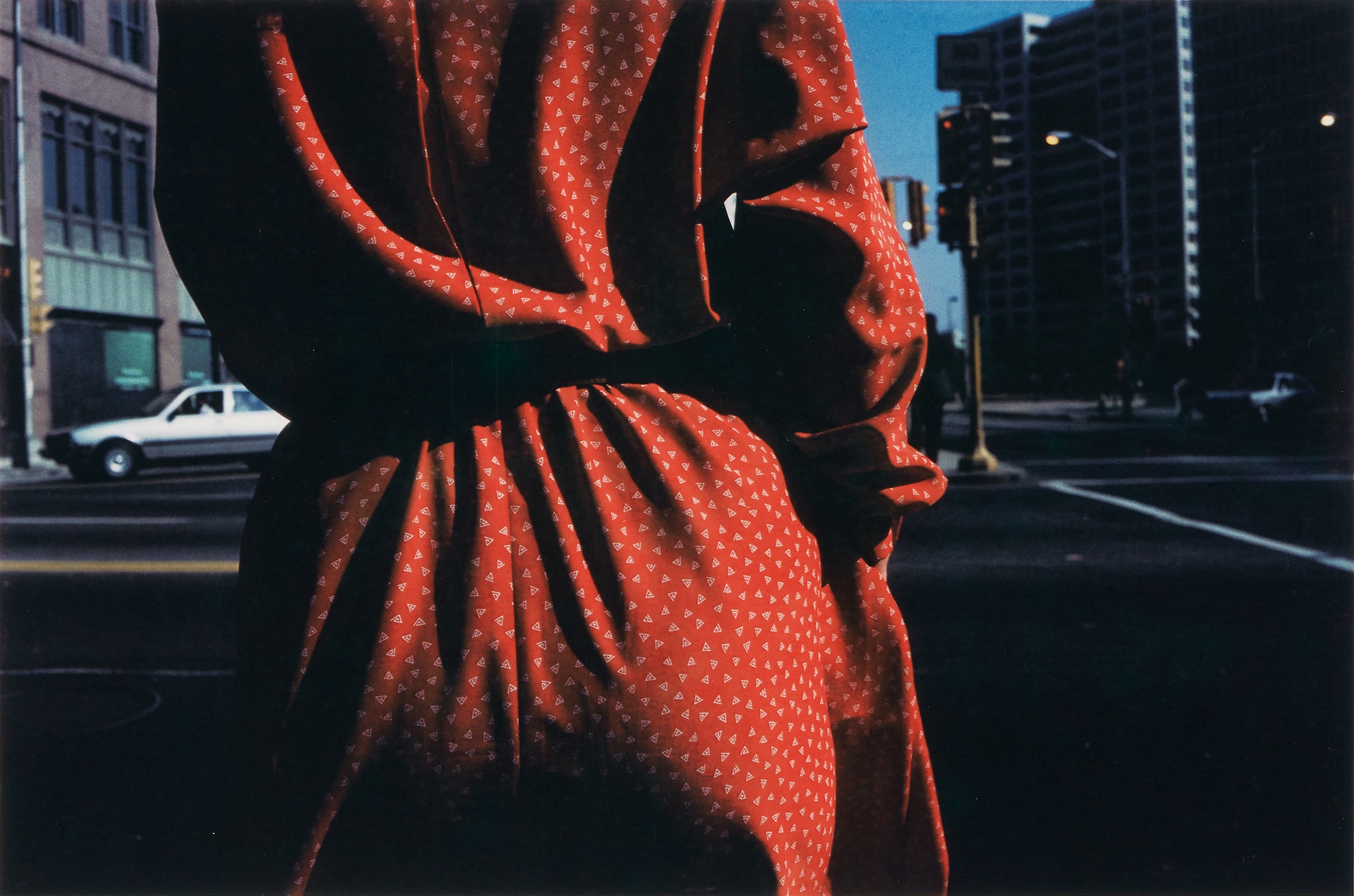
Atlanta
Harry Morey Callahan was born in Detroit, Michigan in 1912, the kind of midwestern city whose industrial rhythms would quietly shape his visual sensibility for years to come. He did not arrive at photography through formal training or the conventional route of art school. Instead, he worked for Chrysler as a clerk, living an ordinary life until 1938, when a camera club membership and a chance encounter with the work of Ansel Adams changed the direction of everything. Adams gave a workshop in Detroit that Callahan attended, and the experience struck him with the force of a revelation.
Within a few years, photography had become not a hobby but an obsession, and then a vocation. The formative influence that arguably mattered most, however, came not from Adams but from László Moholy Nagy, the Hungarian polymath and Bauhaus master who had founded the Institute of Design in Chicago. Moholy Nagy invited Callahan to join the faculty in 1946, and Chicago became his home and his visual laboratory for the next decade and a half. The city gave him everything: its architectural facades, its lakefront winters, its crowds of pedestrians moving through grey light.
Harry Callahan
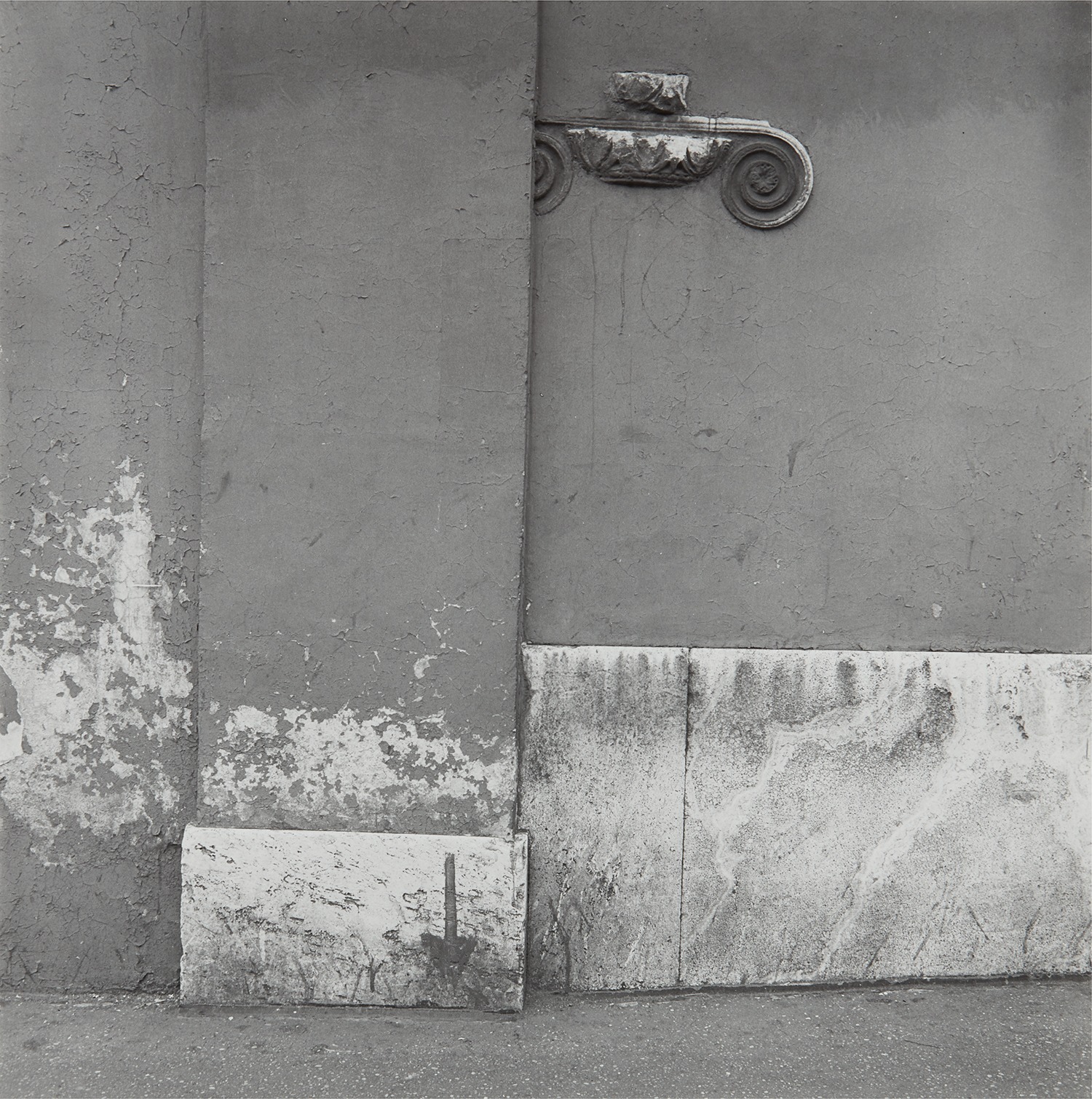
Rome
The Institute of Design placed him in conversation with some of the most rigorous visual thinkers of the postwar period, and the dialogue between European modernism and American vernacular experience runs through his entire body of work. Callahan's practice was built on a deceptively simple set of concerns: light, shadow, the human figure, the natural world, the built environment. But the apparent simplicity was a kind of discipline, not a limitation. He returned obsessively to a small number of subjects, above all his wife Eleanor and the streets of wherever he was living, and that repetition was never redundant.
“I think it's the subject matter that counts. You have to care about what you're doing.”
Harry Callahan, interview
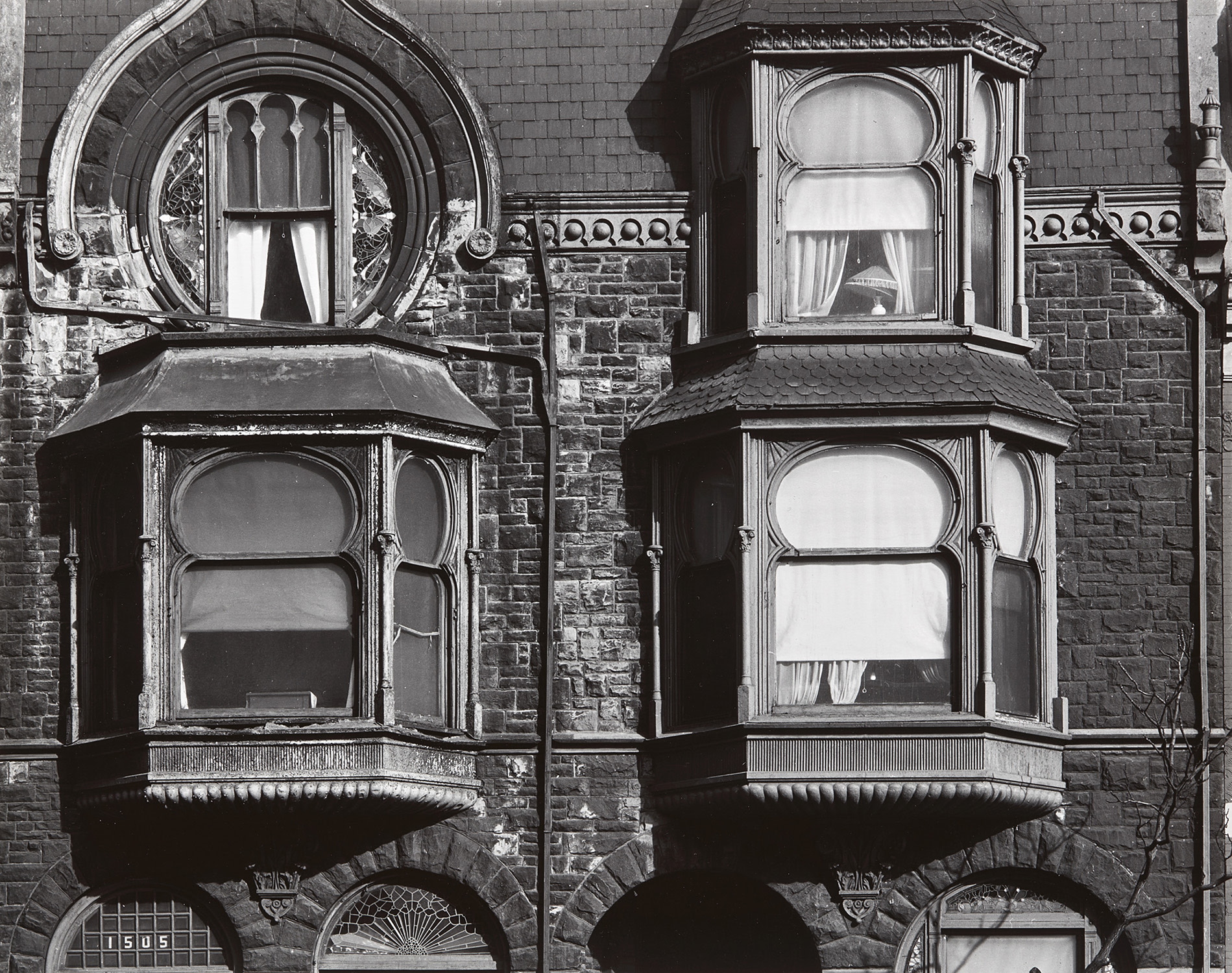
Each new photograph of Eleanor, whether standing in a field, caught in light through a window, or layered with multiple exposures, was another attempt to see her and to see photography itself more clearly. The portraits of Eleanor are among the most tender and formally rigorous in the canon, pictures that feel simultaneously intimate and universal. His Chicago years produced some of his most celebrated images, including the facade studies for which he is particularly known. Works such as "Chicago Façade" and "Facade with tree, Chicago" demonstrate his extraordinary gift for finding graphic tension in the most familiar urban surfaces, the repetition of windows, the interruption of a single tree against a wall of brick and glass.
Harry Callahan
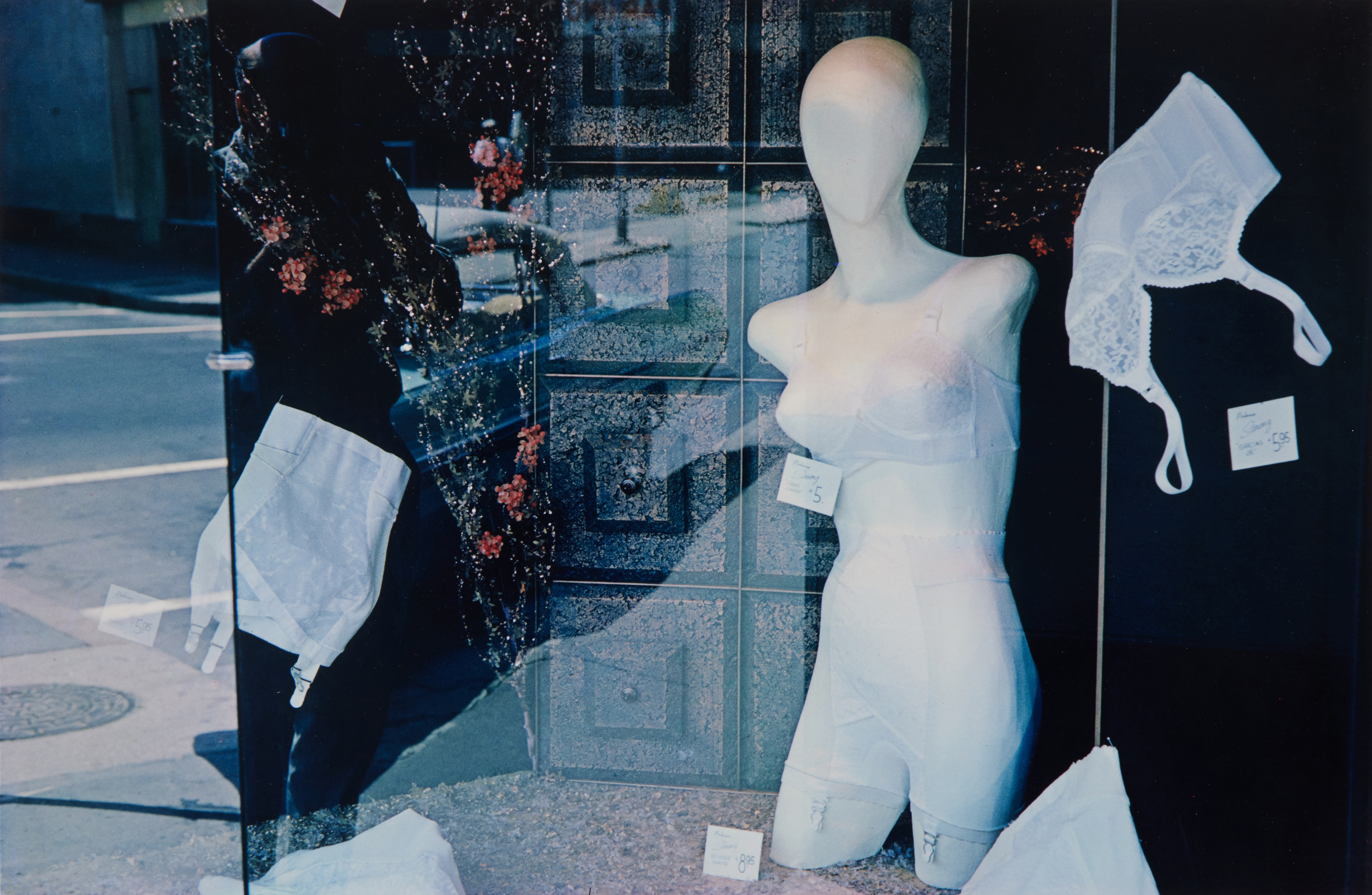
Selected Images (from Providence)
These compositions have the quality of music, structured and inevitable, yet full of breath. His "Chicago (woman with sunglasses)" belongs to a different register, closer to street photography, catching a figure mid stride with an unsettling directness. Together, the Chicago work establishes a practice that is simultaneously abstract and deeply human. In 1961, Callahan left Chicago for Providence, Rhode Island, where he joined the faculty of the Rhode Island School of Design and remained until his retirement in 1977.
Providence opened new chapters, both geographically and emotionally, and the work from this period including the "Selected Images from Providence" series reflects a warmer palette of concerns and a slightly looser relationship with structure. His subsequent travels, documented in series from Atlanta, Rome, and Aix en Provence, show an artist who carried his sensibility with him across cultures and climates without ever imposing it heavy handedly. The "Atlanta" dye transfer prints in particular reveal a Callahan willing to experiment with color as a structural element rather than a descriptive one. For collectors, Callahan represents one of the most coherent and rewarding bodies of work in postwar American photography.
Harry Callahan
Chicago Façade
His prints appear regularly at major auction houses, with fine gelatin silver examples routinely achieving strong results. The most sought after works tend to be the Eleanor portraits, the Chicago facade and street studies, and the multiple exposure images that pushed the boundaries of what a straight photograph could do. Provenance matters here, as does print date: Callahan printed throughout his life and later prints, while often excellent, are generally valued differently from earlier examples. Collectors drawn to the formal precision of Modernism, or to the emotional quietude of artists like Aaron Siskind, Minor White, and Frederick Sommer, will find in Callahan a natural and deeply rewarding point of focus.
The artists who surrounded and influenced Callahan tell their own story about his place in the tradition. Aaron Siskind, his colleague at the Institute of Design, shared his commitment to a rigorous, formally charged photography that resisted easy sentiment. Minor White brought a more mystical dimension to similar concerns. Internationally, one thinks of Willy Ronis and the humanist street photographers of postwar Europe, or of the Bauhaus experiments in light and form that Moholy Nagy carried to Chicago.
Callahan belongs to all of these conversations while remaining utterly himself, a photographer of unmistakable voice. Harry Callahan died in Atlanta in 1999, leaving behind a body of work that has only grown more important in the decades since. His insistence on simplicity, on working close to home, on returning again and again to the subjects he loved until he had found what he needed, feels like a rebuke to restlessness and a lesson in attention. In an era when photography has become the most abundant image making practice in human history, his pictures remind us what it means to truly look.
To own a Callahan print is to bring that quality of looking into a room, and to discover, as countless collectors have found, that it changes how you see everything else.
Explore books about Harry Callahan
Harry Callahan
John Szarkowski
Harry Callahan: Photographs
Harry Callahan
Harry Callahan: The Photographer at Work
Peter C. Bunnell
Harry Callahan: Eleanor, 1941-1955
Harry Callahan

Harry Callahan: Chicago, 1956-1960
Harry Callahan
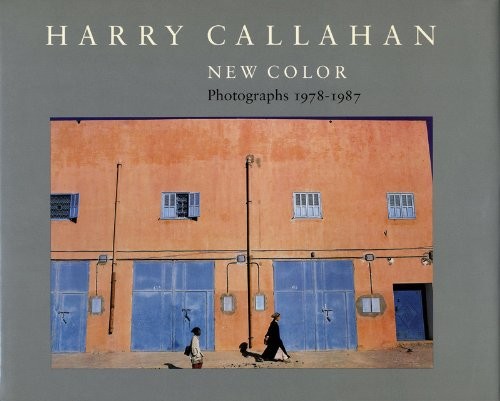
Harry Callahan: New Color Photographs
Harry Callahan