Harold Ancart
Harold Ancart Paints the World Anew
Artist Spotlight · The Collection Editorial
“I like to envision exhibits not so much as a succession of objects to be looked at, but as tensions created between the various zones of emptiness.”
Harold Ancart, 2013
When Harold Ancart's paintings filled the galleries of David Zwirner in New York, something shifted in the room. Visitors slowed down, as though the canvases were exerting a kind of gravitational pull, drawing the eye into fields of color that felt simultaneously ancient and urgently alive. The Brussels born, New York based artist has spent the better part of two decades building a practice that resists easy categorization, one that borrows from the traditions of landscape painting, gestural abstraction, and minimalist inquiry without belonging entirely to any of them. That quality of restless independence has made him one of the most quietly compelling painters working today.
Harold Ancart
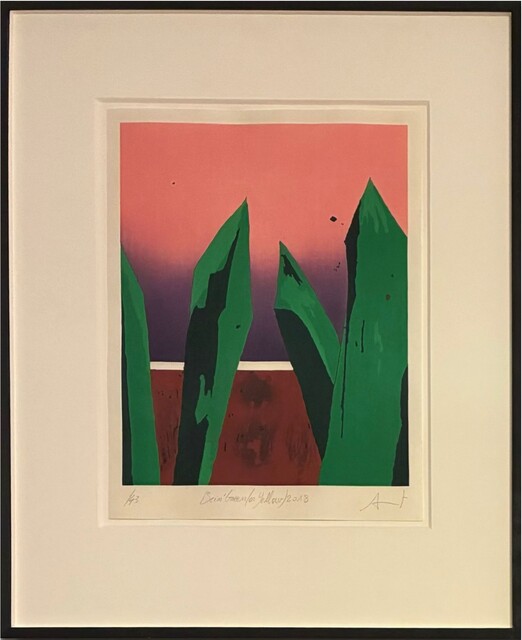
Bein' Green or Yellow, 2018
Ancart was born in Belgium in 1980, and his formation as an artist reflects the particular richness of a European sensibility encountering the energy of New York. He made the move that so many ambitious young painters before him have made, arriving in a city that demands a kind of fearlessness and rewarding those who can hold their nerve. Belgium has its own proud tradition of painterly strangeness, from the hallucinatory visions of James Ensor to the conceptual provocations of Marcel Broodthaers, and there is something in Ancart's willingness to let a painting be mysterious, to resist resolution, that feels continuous with that lineage. New York gave him scale, urgency, and exposure to a conversation happening at the highest level of contemporary art.
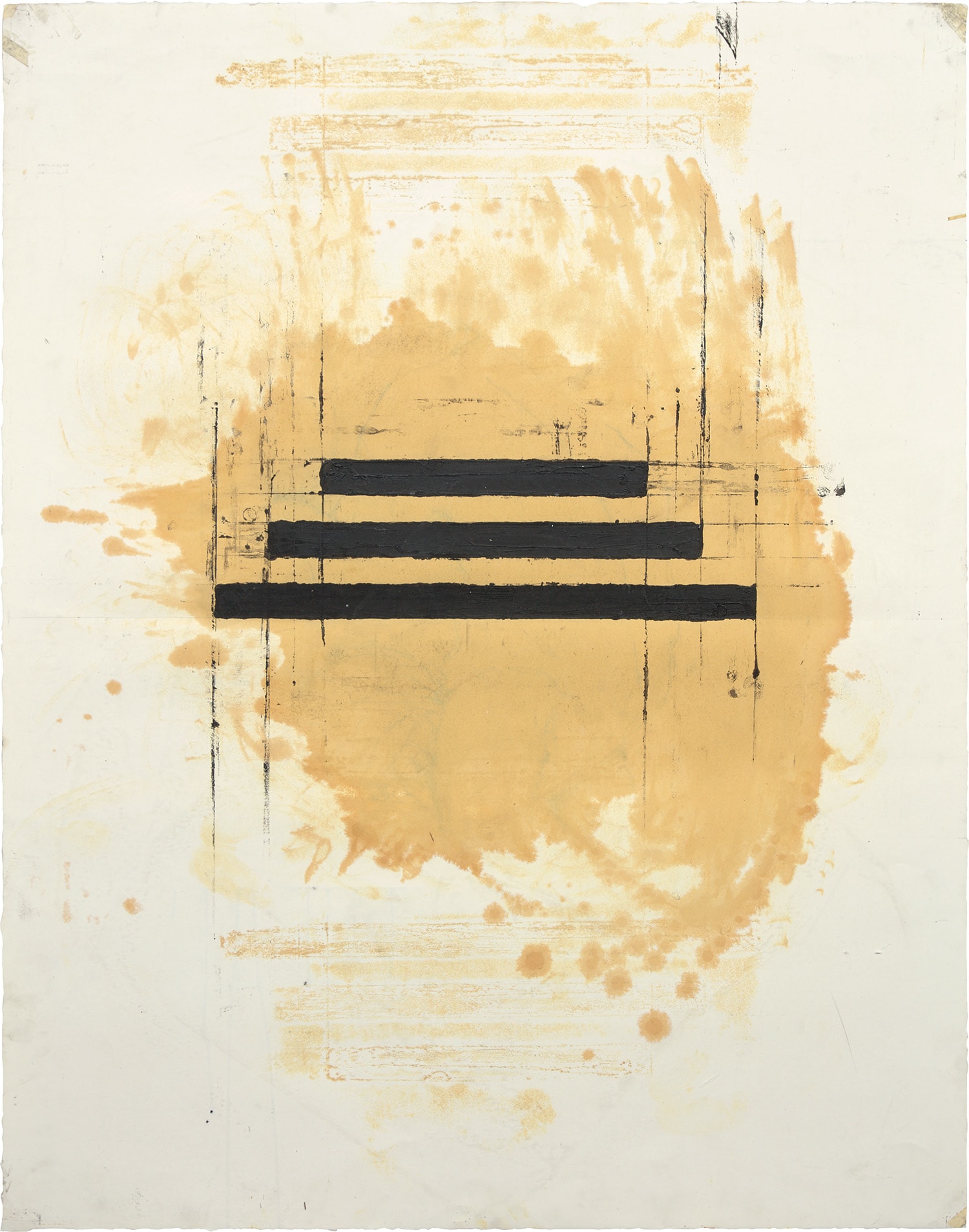
His early works on paper established the vocabulary he would spend years refining and expanding. Working with oilstick and graphite, materials that demand a certain directness and physicality, Ancart developed a way of making marks that felt both deliberate and open to accident. Works from 2008 already show his instinct for spare, weighted compositions, forms that hover between figuration and pure abstraction, always suggesting something without fully declaring it. By 2011, works such as Contorsions, executed in oil, graphite and ink on paper, reveal an artist pushing his own forms toward greater tension, the body implied through twisting, curving shapes that never quite settle into anatomy.
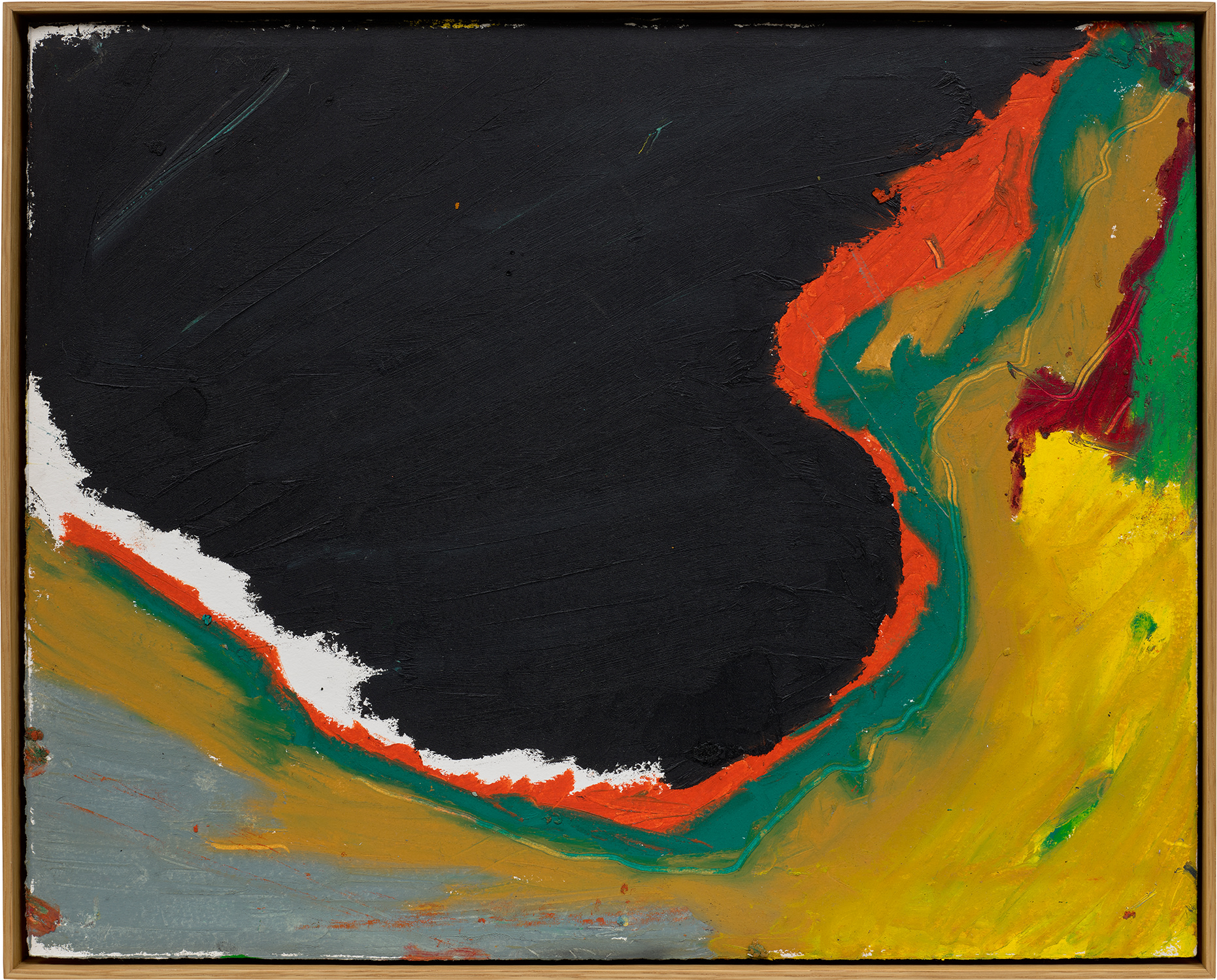
Harold Ancart
oilstick and graphite on paper laid down on board, in artist's frame, 2015
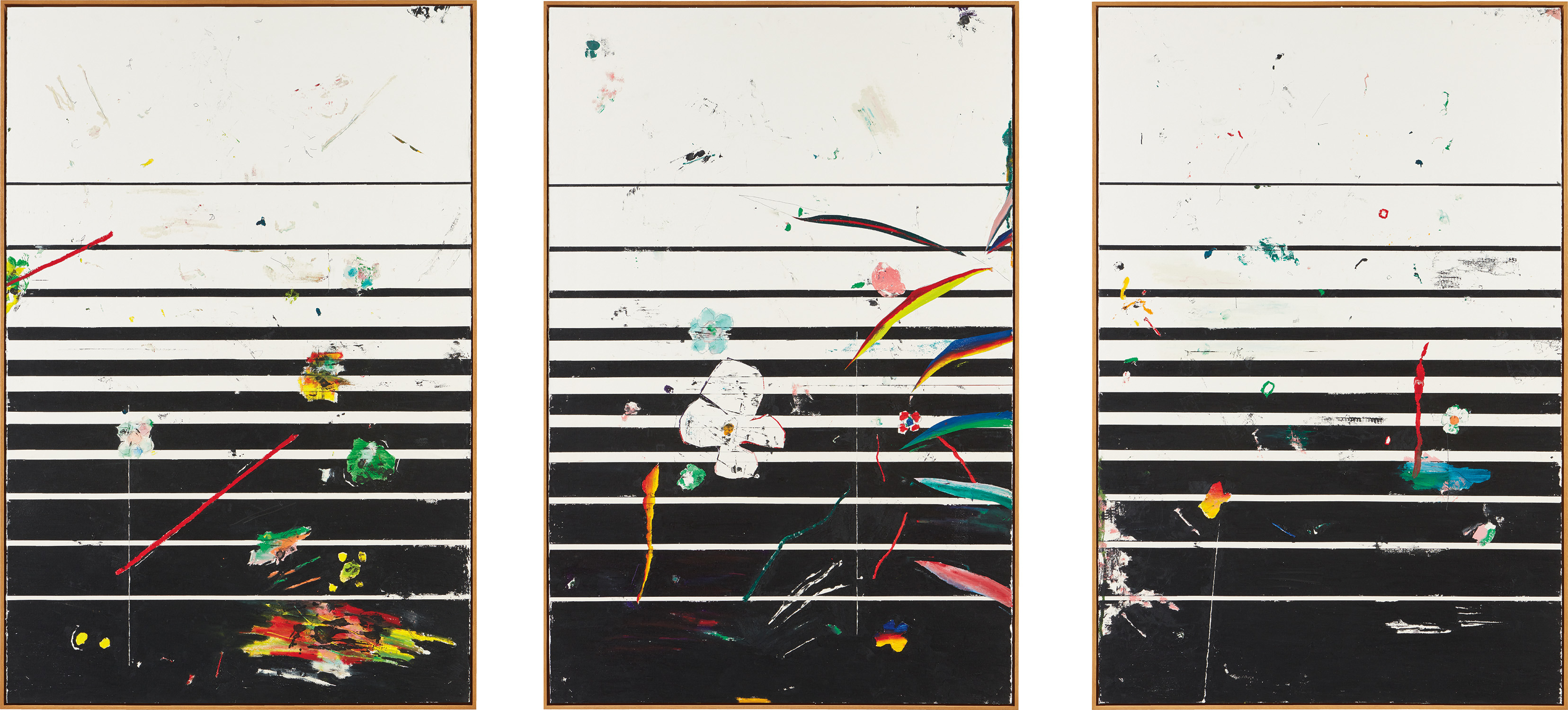
There is a sense throughout this period of an artist learning to trust the logic of the work itself. The paintings that followed through the mid 2010s show a consolidation and deepening of that trust. The 2014 Triptych, rendered in oilstick and pencil on paper mounted on panel and housed in artist made frames, is an especially significant work in understanding how Ancart thinks about scale and sequence. The triptych format introduces time into the act of looking, asking the viewer to move between panels, to feel the rhythm of the work as something almost bodily.
Soft Places from 2015, an oilstick on paper laid on a cloth bound book, carries a different kind of intimacy, the everyday object beneath the surface lending the work a domestic warmth that sits in productive tension with the boldness of the marks above. The artist made frames that recur across his output are not incidental details. They extend the artwork's claim on space and signal that every element of the encounter has been considered. Ancart's more recent canvases have moved toward larger formats and a greater confidence with color, particularly the earthy, saturated palettes that have become something of a signature.
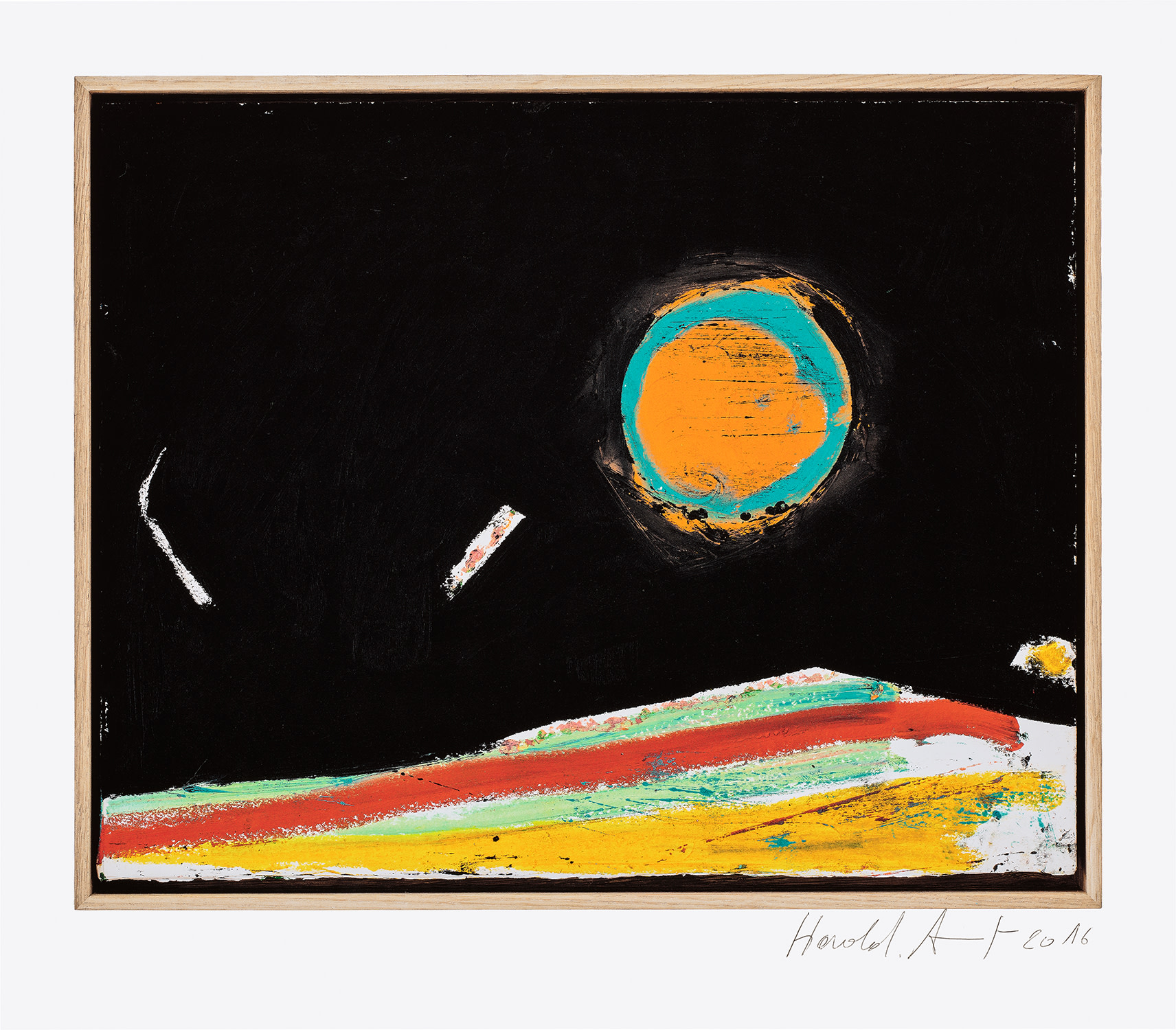
Harold Ancart
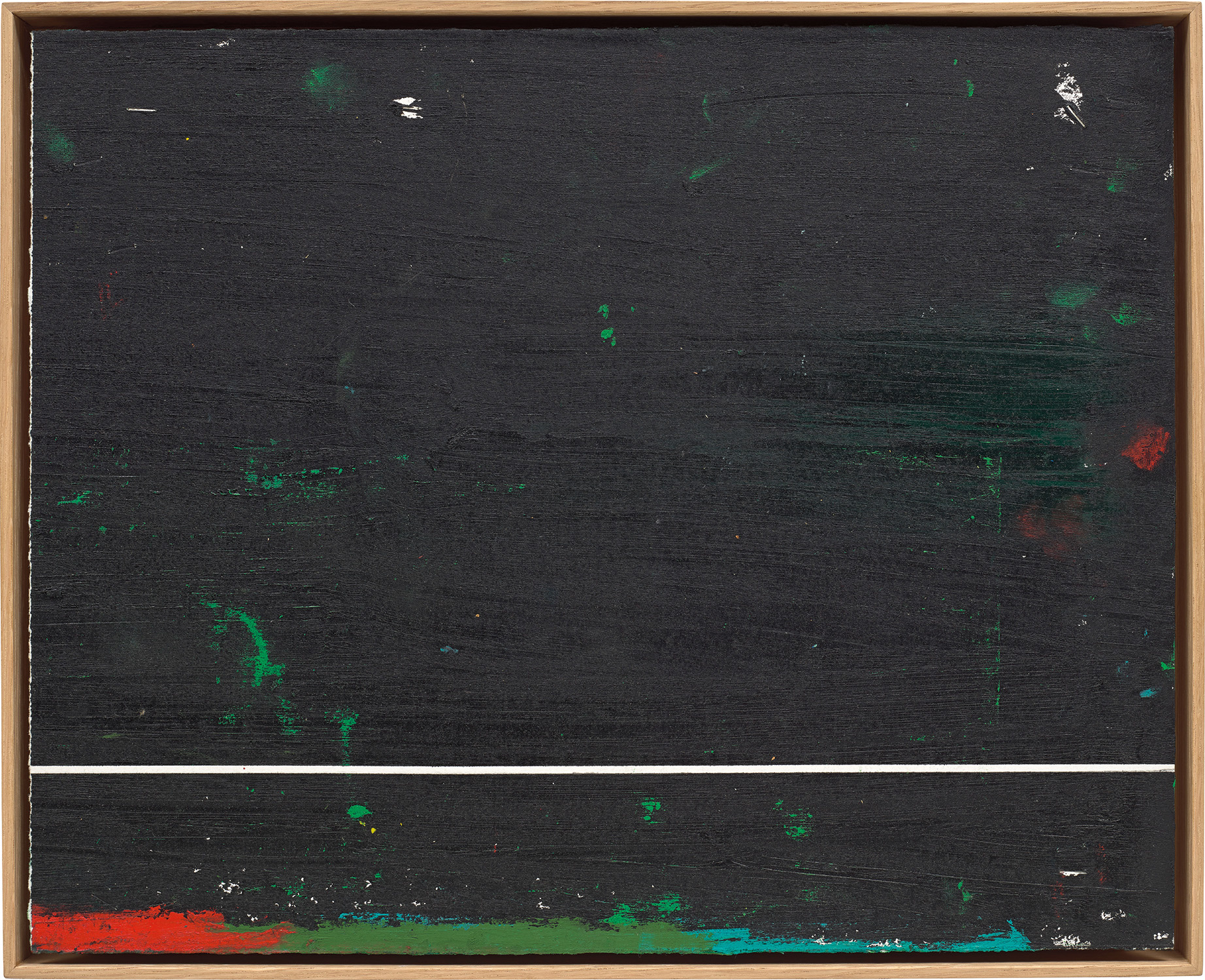
There is no there there
Raw and jute canvases absorb paint differently than prepared surfaces, giving his grounds a warmth and texture that feel almost geological, as though the paintings have been pulled from the earth rather than made on top of it. Works from 2019 and 2020 in oilstick and graphite on canvas show an artist at full command of his means, the gestures looser and more assured, the compositions more willing to leave space for the viewer to breathe and to complete the image in their own imagination. His exhibition at the Hammer Museum in Los Angeles brought this evolution to a wider institutional audience and confirmed his standing as a painter whose ambitions are genuinely serious. For collectors, the appeal of Ancart's work operates on several levels at once.
There is the immediate, sensory pleasure of the surfaces themselves, which reward close looking with layers of mark making that reveal themselves slowly. There is also the question of scale and presence: even the works on paper carry a physical authority that makes them powerful objects in a domestic or institutional space. The works that incorporate artist made frames are particularly desirable, as they represent the fullest expression of the artist's intention and arrive as complete objects rather than raw materials waiting to be finished by an outside framer. Collectors who entered the market in the early to mid 2010s have seen their acquisitions take on considerable cultural weight as Ancart's reputation has grown, and the relatively intimate scale of some works on paper offers a compelling entry point for those coming to the practice now.
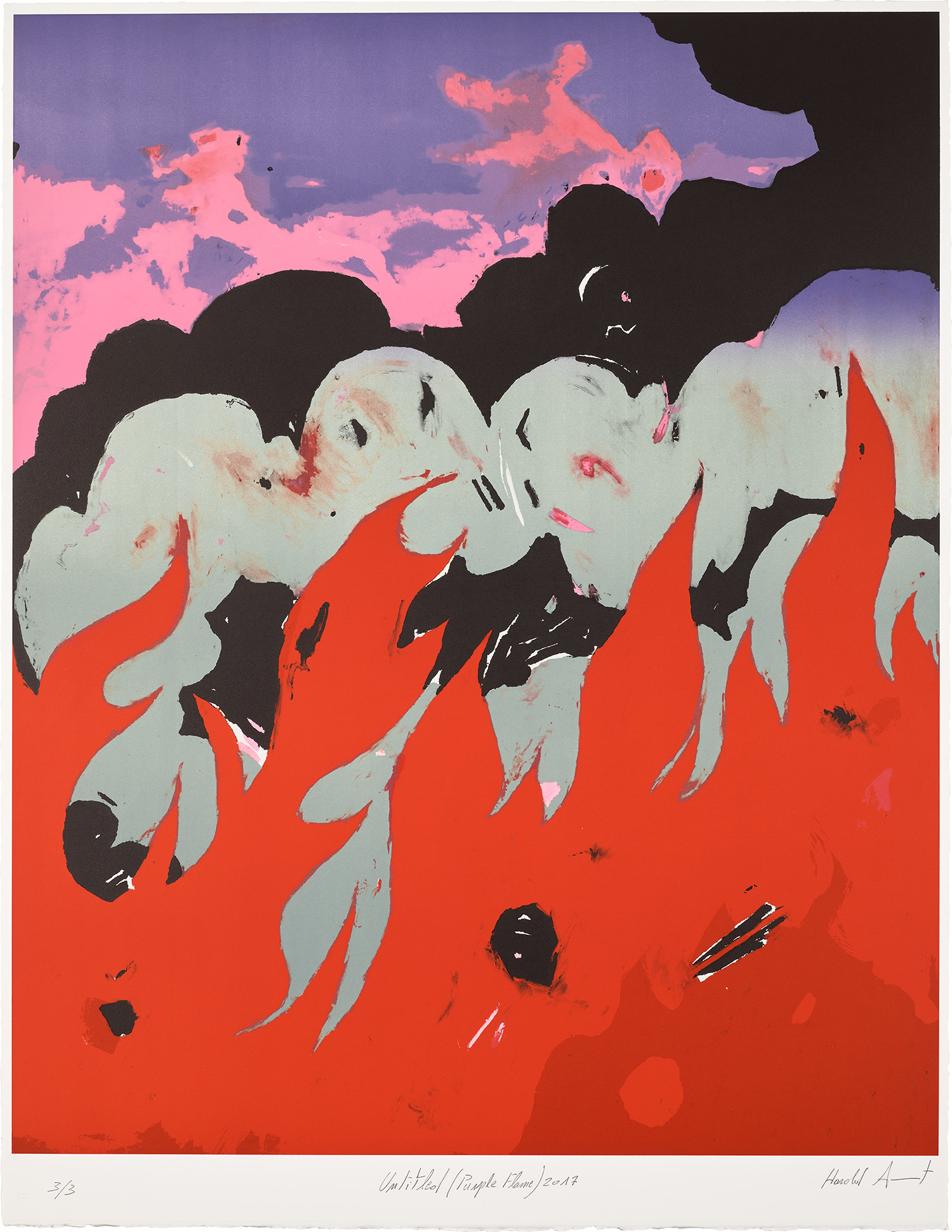
Harold Ancart
Harold Ancart
Within the broader context of contemporary painting, Ancart occupies a distinctive position. He shares with artists like Cy Twombly a reverence for the mark as a carrier of time and gesture, and there are affinities with the late work of Joan Mitchell in the way he handles color as something felt rather than described. The influence of minimalism is present not as dogma but as a discipline, a set of questions about how much a painting needs to do before it does enough. Unlike painters who lean heavily on theory or conceptual scaffolding, Ancart's work grounds itself in the physical act of making and in the irreducible experience of looking.
That groundedness is a genuine strength in a moment when painting is asked constantly to justify its continued relevance. What Harold Ancart offers, in the end, is something that the best painting has always offered: a way of being in the world that is more attentive, more alive to texture and color and the surprising richness of an unresolved form. His practice continues to grow in ambition and authority, and the body of work he has built across paintings, works on paper, and public murals constitutes one of the more coherent and rewarding achievements in contemporary abstraction. To live with one of his paintings is to accept an ongoing invitation to look again, to find something new in the same surface on the same wall, which is perhaps the most enduring thing any work of art can offer.
Featured Works