Hank Willis Thomas
Hank Willis Thomas Brands Truth Into Beauty
Artist Spotlight · The Collection Editorial
“I am interested in how we see ourselves and how that is shaped by the images that surround us.”
Hank Willis Thomas
In the spring of 2023, Hank Willis Thomas brought his monumental retrospective 'Speaking of People: Ebony, Jet and Contemporary Art' to wide critical acclaim, a touring exhibition that cemented his reputation as one of the most vital and necessary voices in American art today. That same year, his large scale public installations continued to appear in civic spaces across the United States, reminding audiences that art can occupy the same real estate as commerce and still win. For a man whose practice has long interrogated the visual language of power, the moment feels remarkably well earned. Thomas is not an artist who arrived at relevance by accident.
Hank Willis Thomas
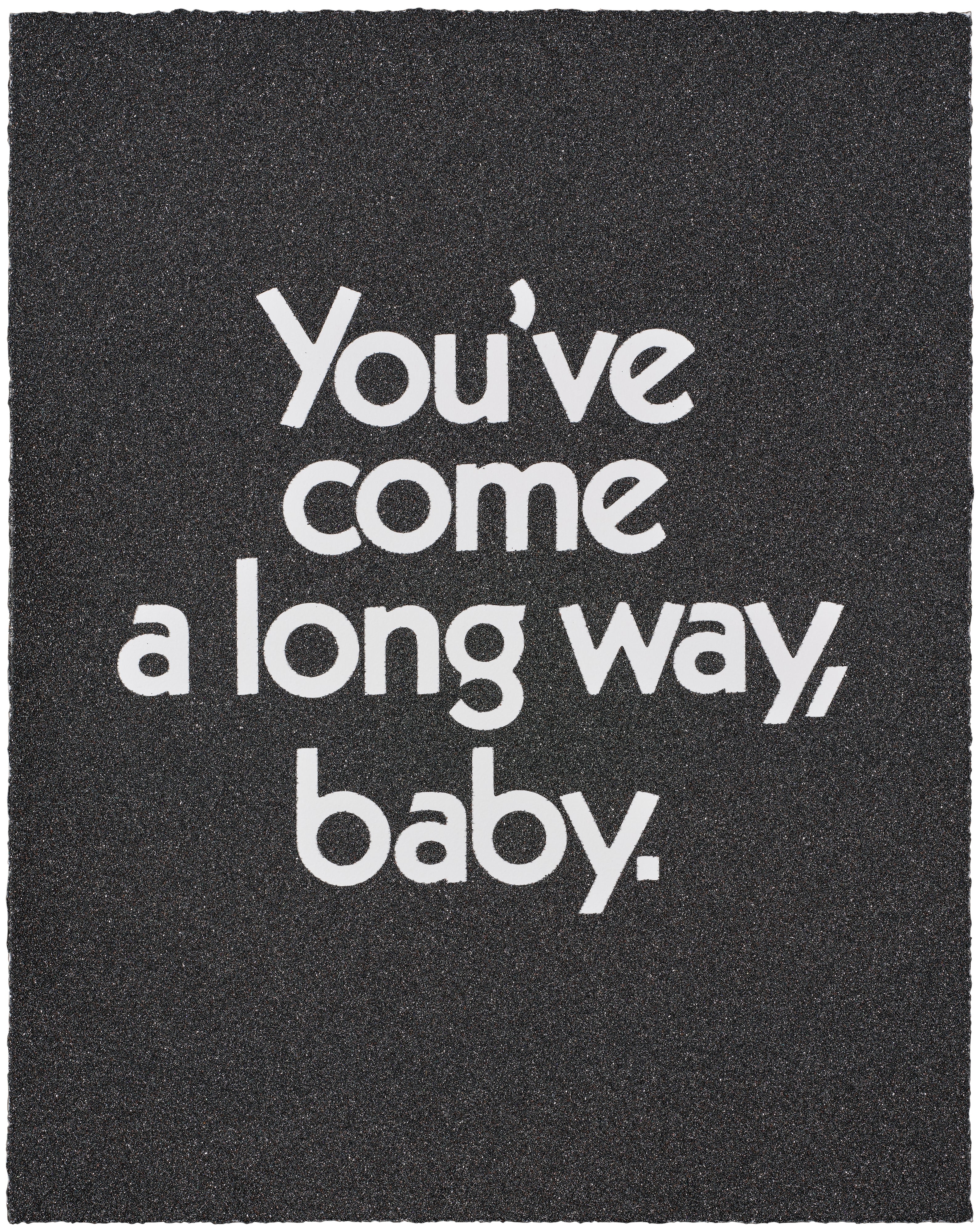
Fair Warning: You've come a long way, baby
He constructed it, methodically, with the precision of someone who understands that images are never innocent. Born in Berkeley, California in 1976, Thomas grew up in a household where image making and social consciousness were inseparable. His mother is the photographer Deborah Willis, one of the foremost scholars of Black photography in America, a lineage that gave him both access and responsibility. He studied at New York University, where he earned a BFA from the Tisch School of the Arts, and later completed an MFA from the California College of Arts and Crafts.
The academic formation mattered, but so did the grief. In 2000, his cousin Songha Willis was shot and killed in Philadelphia, a loss that transformed his artistic ambitions from the theoretical to the urgent. Photography became not just a medium but a form of reckoning. The early years of Thomas's career were marked by a fierce interrogation of how Black bodies are rendered visible in American culture, and for whose benefit.
Hank Willis Thomas
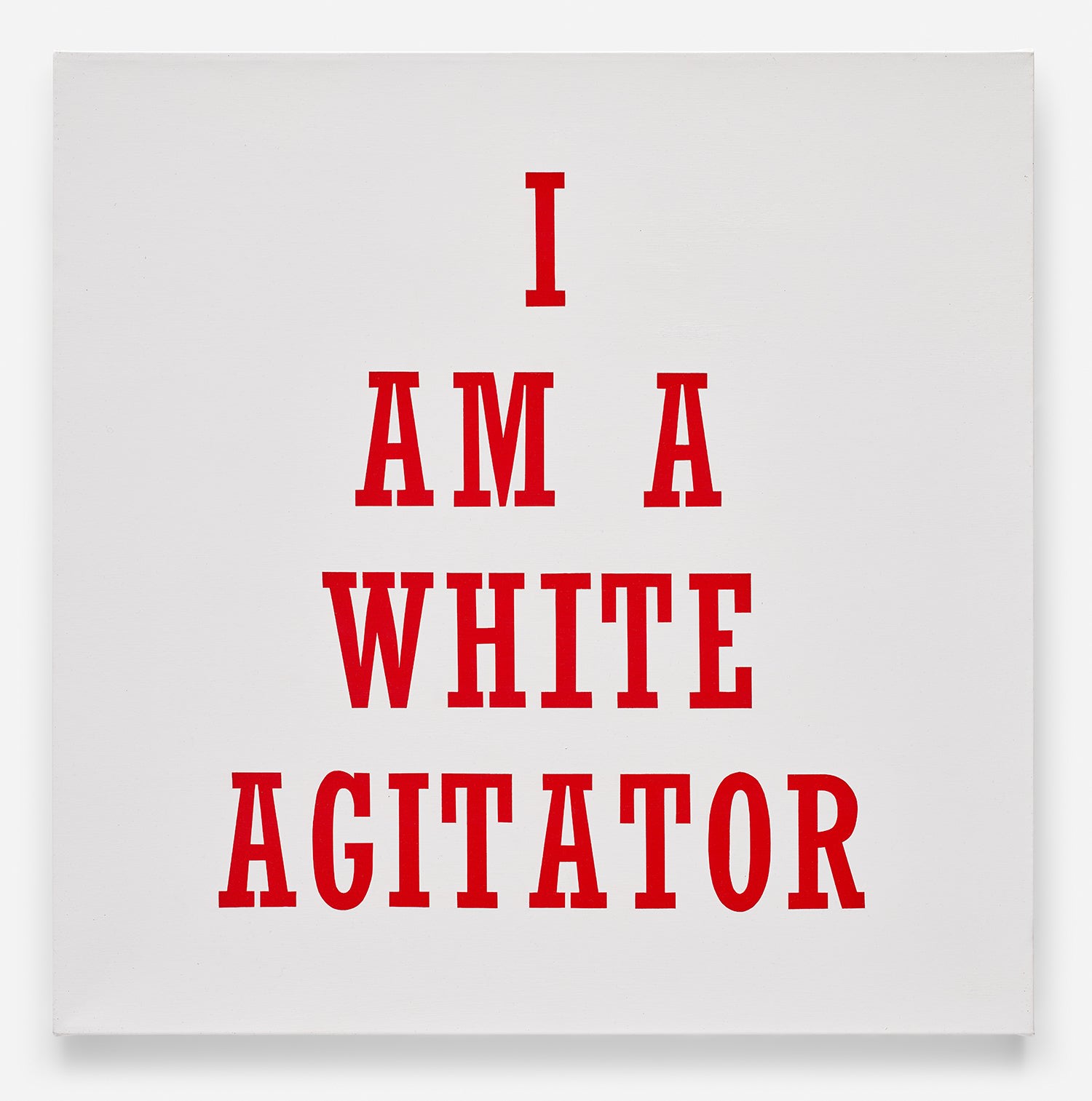
I Am A White Agitator
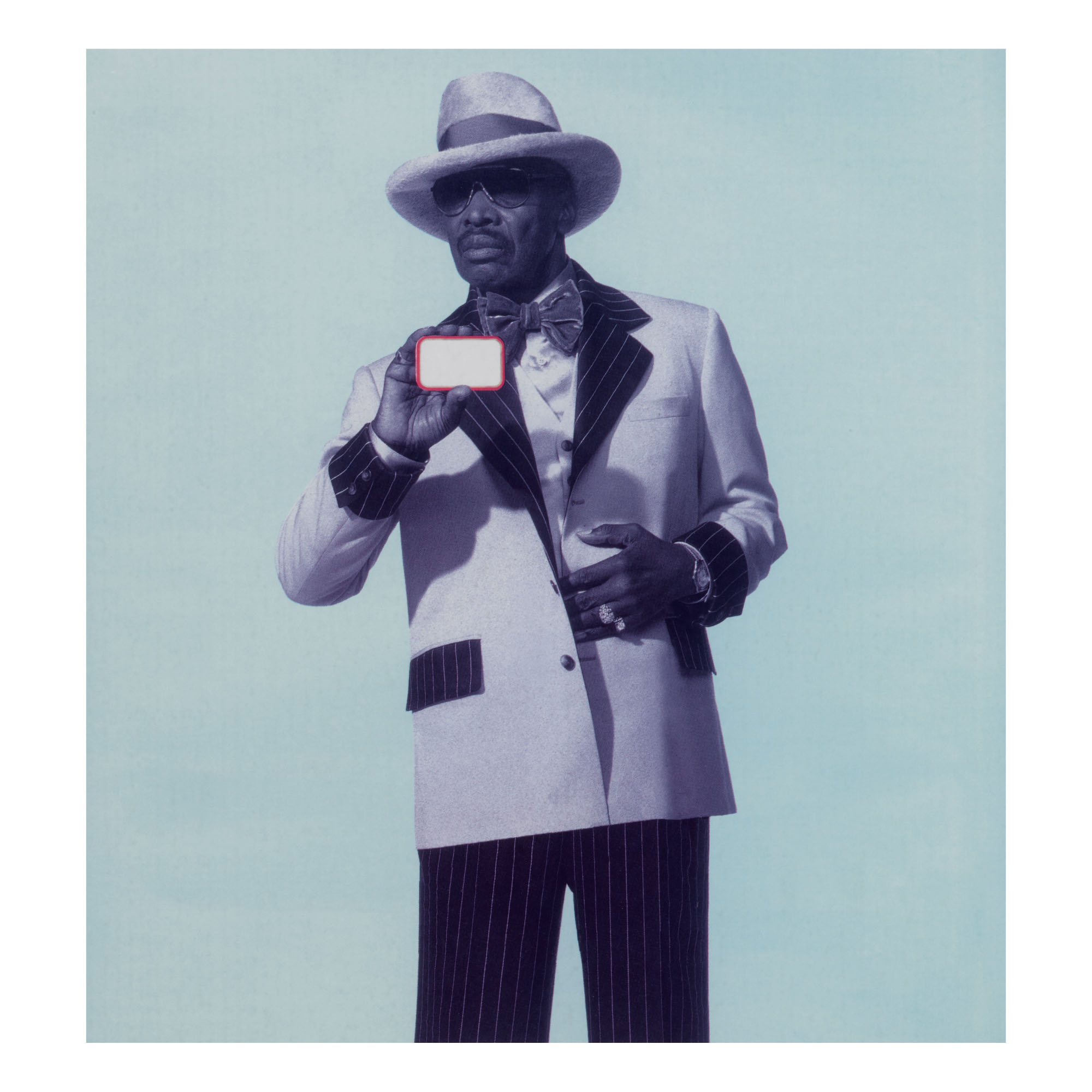
His 'Branded' series, begun in the early 2000s, announced him as an artist of serious ambition. By overlaying corporate logos directly onto images of Black skin, he made explicit what advertising had long practiced in coded form: that Black identity had been co opted, commodified, and resold to the very communities it was extracted from. The work was confrontational without being didactic, and it earned him immediate institutional attention. MoMA, the Guggenheim, and the Brooklyn Museum all entered works into their permanent collections, a trifecta of validation that spoke to the quality and urgency of the vision.
“Photography has always been used to define and confine Black people. I want to use it to liberate.”
Hank Willis Thomas
Perhaps the most celebrated and discussed project of his career remains 'Unbranded: Reflections in Black by Corporate America 1968 to 2008,' a decade long archival endeavor in which Thomas collected advertisements from major American magazines and digitally removed all text and logos, leaving only the images of Black people that companies had used to sell products. The effect is startling and revelatory. Works such as 'Liberation Of T. O.
Hank Willis Thomas
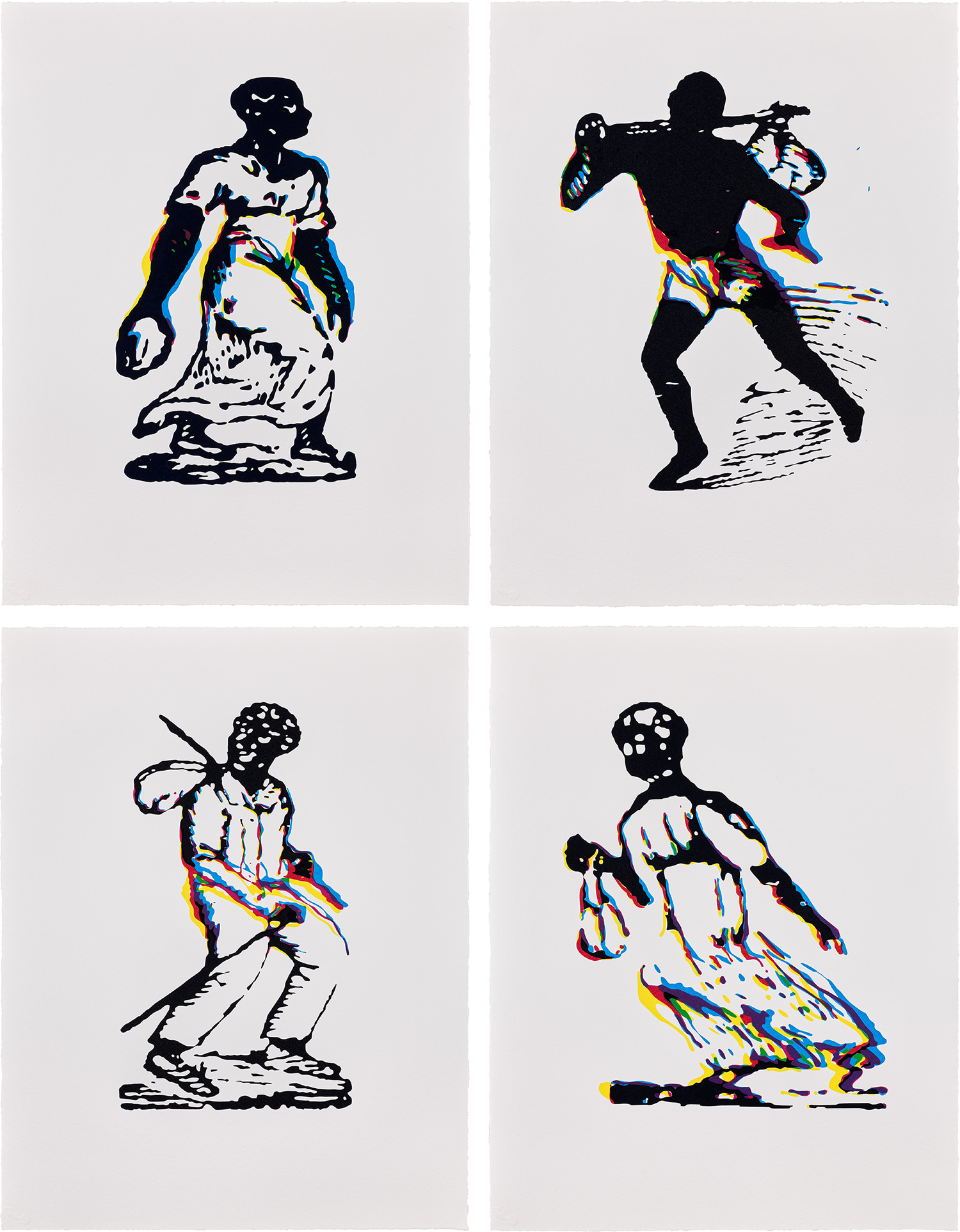
Rich Black Specimen: #26, #460, #21, #66
: I Am Not Going Back To Work For Massa In That Darn Field' strip away the commercial frame to expose something rawer and more complicated underneath, a visual archive of aspiration, exploitation, and the strange dignity that survives both. The 'Unbranded' series is now considered a landmark contribution to the history of appropriation art, standing alongside the work of Barbara Kruger and Glenn Ligon in its ability to weaponize the aesthetics of mass culture against itself. The breadth of Thomas's practice resists easy categorization. 'Basketball and Chain,' a chromogenic print from 2003, fuses the iconography of athletic achievement with the imagery of bondage in a single devastating visual equation.
'Something to Stand on: The Third Leg' from 2007 deploys sculptural wit to interrogate masculinity and racial mythology. His screenprints, including works published in collaboration with the Lower East Side Printshop in New York, demonstrate a commitment to democratic access, with editions designed to travel beyond institutional walls and into wider collections. More recently, screen prints on retroreflective vinyl mounted on Dibond, such as his 2019 works, bring a contemporary material sophistication to his ongoing inquiry into visibility and race. Across every medium, the through line is a belief that form and content must be in active dialogue, that how a thing looks is inseparable from what it means.
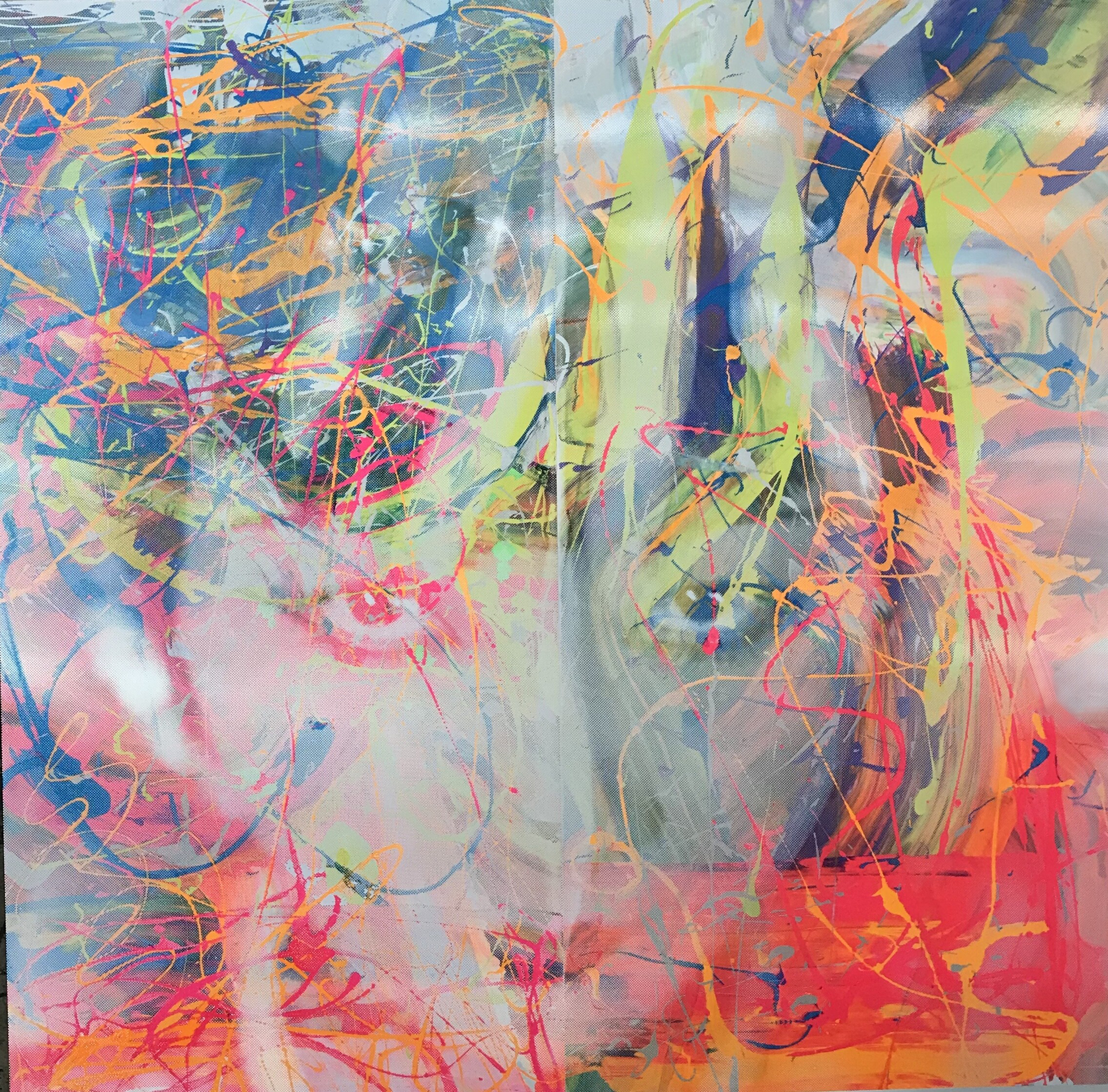
Hank Willis Thomas
Hank Willis Thomas, 2019
For collectors, Thomas represents a genuinely rare convergence of critical importance and market strength. Works from the 'Unbranded' and 'Branded' series have appeared consistently at major auction houses, with demand driven by both institutional buyers and a growing cohort of private collectors who understand the historical weight of the work. His prints, particularly those published through the Lower East Side Printshop and Jack Shainman Gallery in New York, offer compelling entry points into a practice that also includes more substantial photographic and sculptural works. When assessing a Thomas work, provenance matters as it always does, and the presence of a Jack Shainman Gallery label is a reliable marker of quality and authenticity.
Edition sizes are generally small, and the market has responded accordingly. Those who collected early, in the mid 2000s, have seen their confidence rewarded many times over. Within the broader context of contemporary art, Thomas belongs to a generation of artists who transformed American conceptual practice by insisting that race was not a subject to be addressed from the margins but a structuring condition of cultural life itself. His conversation partners include Glenn Ligon, whose text based paintings similarly interrogate Black identity and language, Kara Walker, whose silhouettes stage a brutal theater of racial history, and Carrie Mae Weems, whose photographic practice shaped much of what Thomas and his peers were able to do.
The influence of his mother Deborah Willis is not incidental but foundational, connecting his work to a longer genealogy of Black image making that stretches back to the Harlem Renaissance and forward into the present. What makes Hank Willis Thomas essential, now more than ever, is his insistence on beauty as a political act. His images are not comfortable, but they are ravishing. They demand that you look, and then they demand that you think about why you are looking and what looking costs.
In a cultural moment saturated with images and starved of meaning, that combination remains as rare and necessary as it was when he first began. His work does not simply belong in museums, though it belongs in the finest ones in the world. It belongs in homes and offices and conversations, in the hands of people who want their collections to speak to the time they live in. Thomas has spent his career making work that tells the truth with style, and that is a standard that very few artists in any era have been able to meet.