Grayson Perry
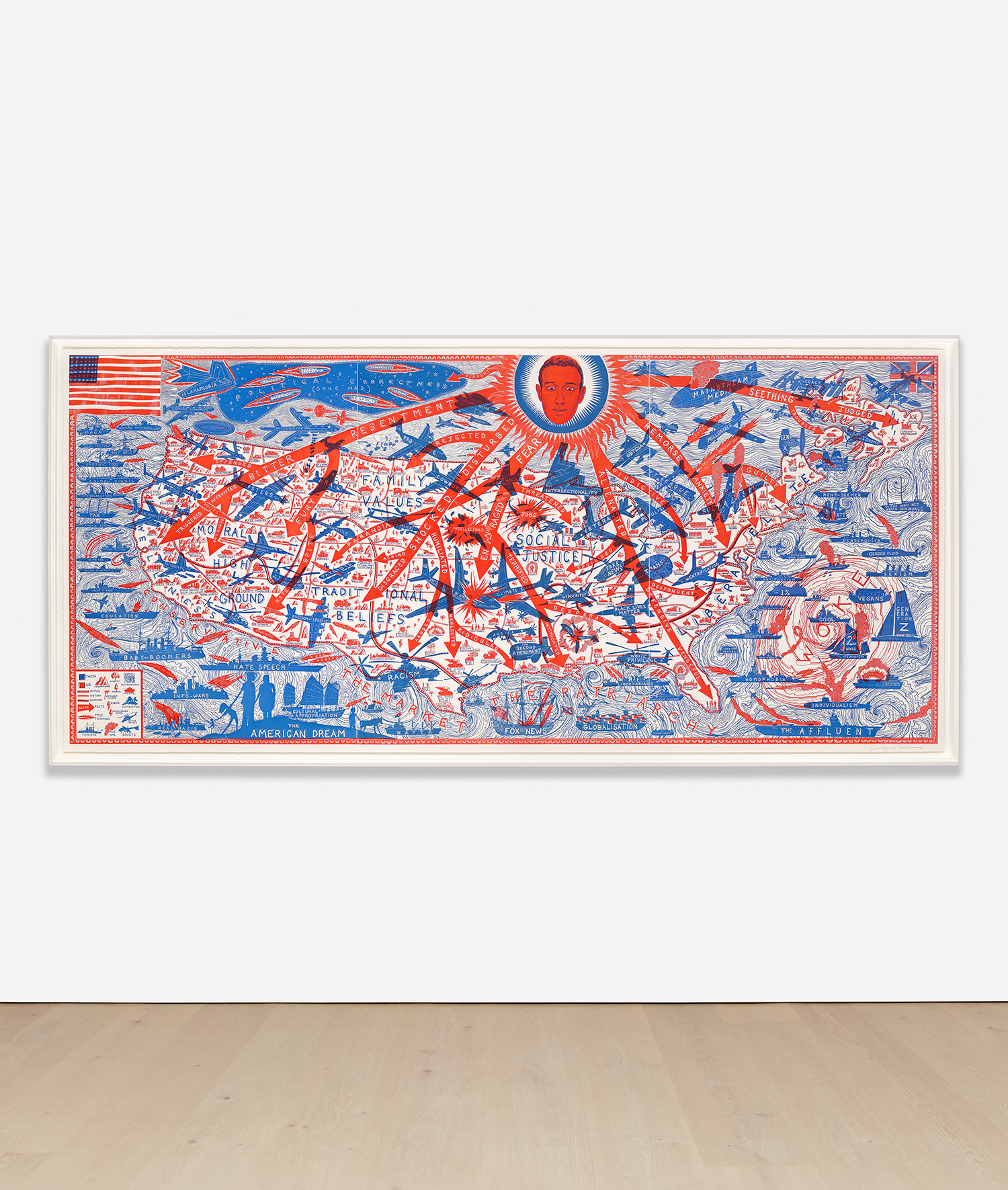
Grayson Perry: Britain's Most Beloved Provocateur
Artist Spotlight · The Collection Editorial
“I think of my pots as surrogate humans, as vessels for human experience.”
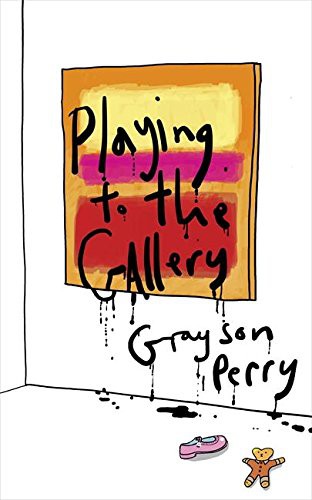
Grayson Perry, Playing to the Gallery, 2014
In the spring of 2023, Grayson Perry's retrospective at the Serpentine Galleries drew extraordinary crowds through its sun filled rooms, reminding London and the broader art world just how thoroughly this artist has woven himself into the fabric of contemporary British life. Perry has become something genuinely rare in the art world: a figure of both critical seriousness and genuine popular affection, equally at home on a gallery plinth and a television screen. That twin presence has done nothing to diminish his standing among collectors and curators. If anything, it has deepened the hunger for his work.
Grayson Perry
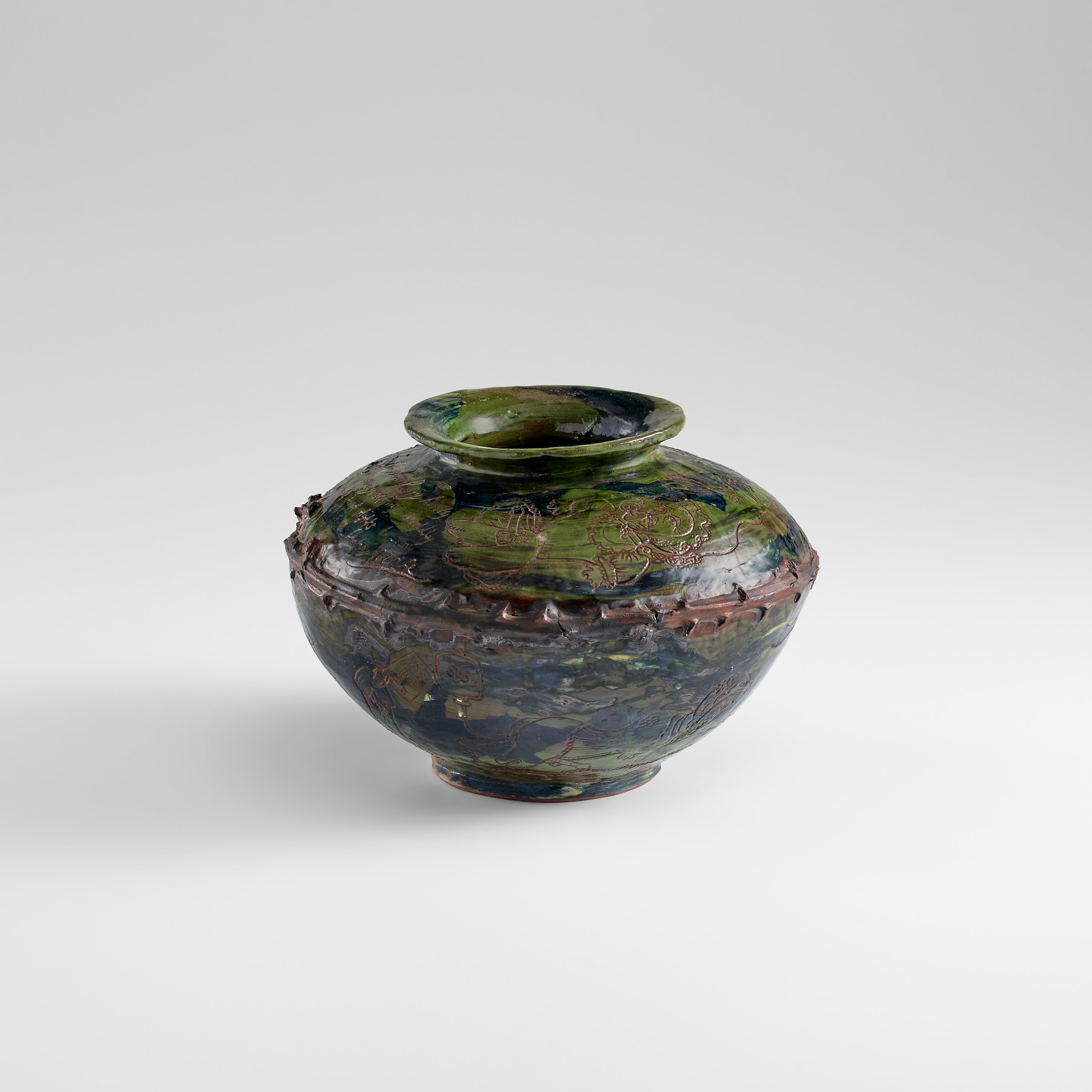
Executed in the 1980s, in the United Kingdom.
Perry was born in Chelmsford, Essex, in 1960, and his childhood was shaped by the specific textures of working class and lower middle class English life that would become the great subject of his art. His parents divorced when he was young, and he was raised in circumstances that gave him an unusually sharp eye for the codes, aspirations, and quiet dramas of domestic British existence. He studied at Portsmouth Polytechnic in the early 1980s, arriving in an art world still charged with the energy of postmodernism and the beginnings of what would become the YBA generation. Perry found his own path, quieter in some respects than the provocations of his contemporaries but no less radical in ambition.
It was in ceramics that Perry found his defining voice, and the choice itself was a statement. Pottery carried the weight of craft tradition, of domesticity and the decorative, and therefore occupied a position well below the prestige of painting or sculpture in the hierarchies of the art world. Perry seized on exactly that perceived lowliness and turned it inside out. His vessels are intricately worked, often adorned with imagery drawn from internet culture, childhood memory, class anxiety, sexual identity, and English landscape, all rendered with a deliberateness and density that rewards long looking.
Grayson Perry
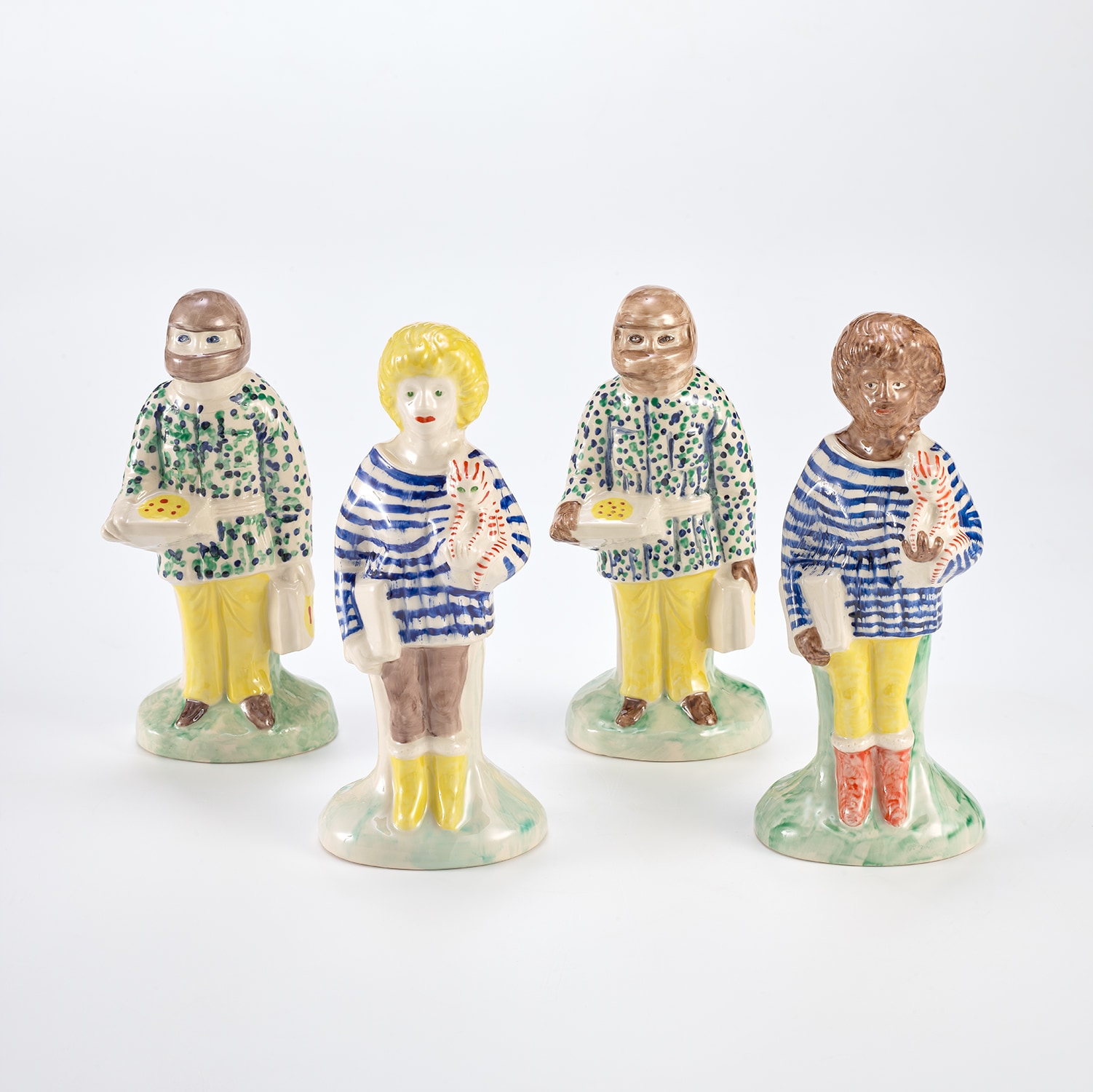
Home Worker & Key Worker Staffordshire Figures
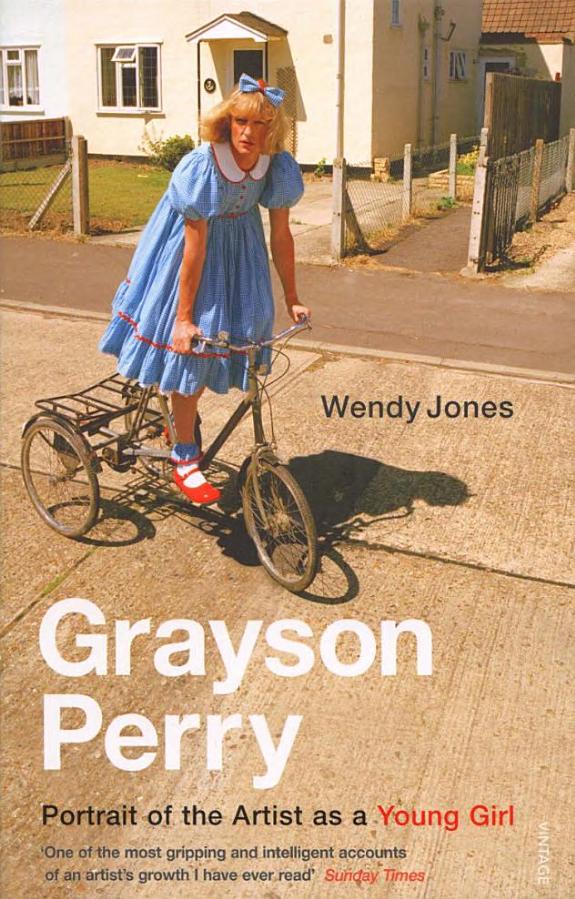
He began making pots seriously in the 1980s, and works from that decade, including early ceramic vases now in private collections, already show the layered visual intelligence that would define everything that followed. The Turner Prize win in 2003 was a watershed moment, and Perry made sure it would be remembered. He collected the award dressed as his alter ego Claire, the little girl persona he had inhabited since childhood, and the image of Claire in her elaborate outfit standing in the spotlight of the Tate gallery became one of the defining cultural photographs of the decade. The win brought his work to an audience far beyond the gallery circuit and opened a conversation about gender, identity, and self expression that felt genuinely ahead of its time.
“My identity is very bound up with being an outsider, with being the underdog.”
Grayson Perry, The Guardian interview
His alter ego was not a stunt but a deeply held aspect of his identity, and the candour with which he discussed it changed something in British public life. Major institutions including Tate, the Victoria and Albert Museum, and the British Museum moved to acquire his work, and those acquisitions now anchor some of the most significant contemporary British collections in the world. The breadth of Perry's practice is one of the things that makes collecting him so rewarding and so layered as an experience. His tapestries, large in scale and extraordinarily detailed, translate the format of medieval and Renaissance woven narrative into something urgently contemporary.
Grayson Perry
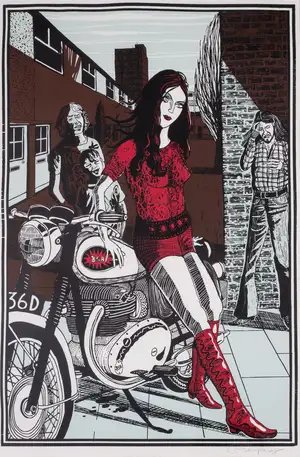
Plate 2, from Six Snapshots of Julie (colour)
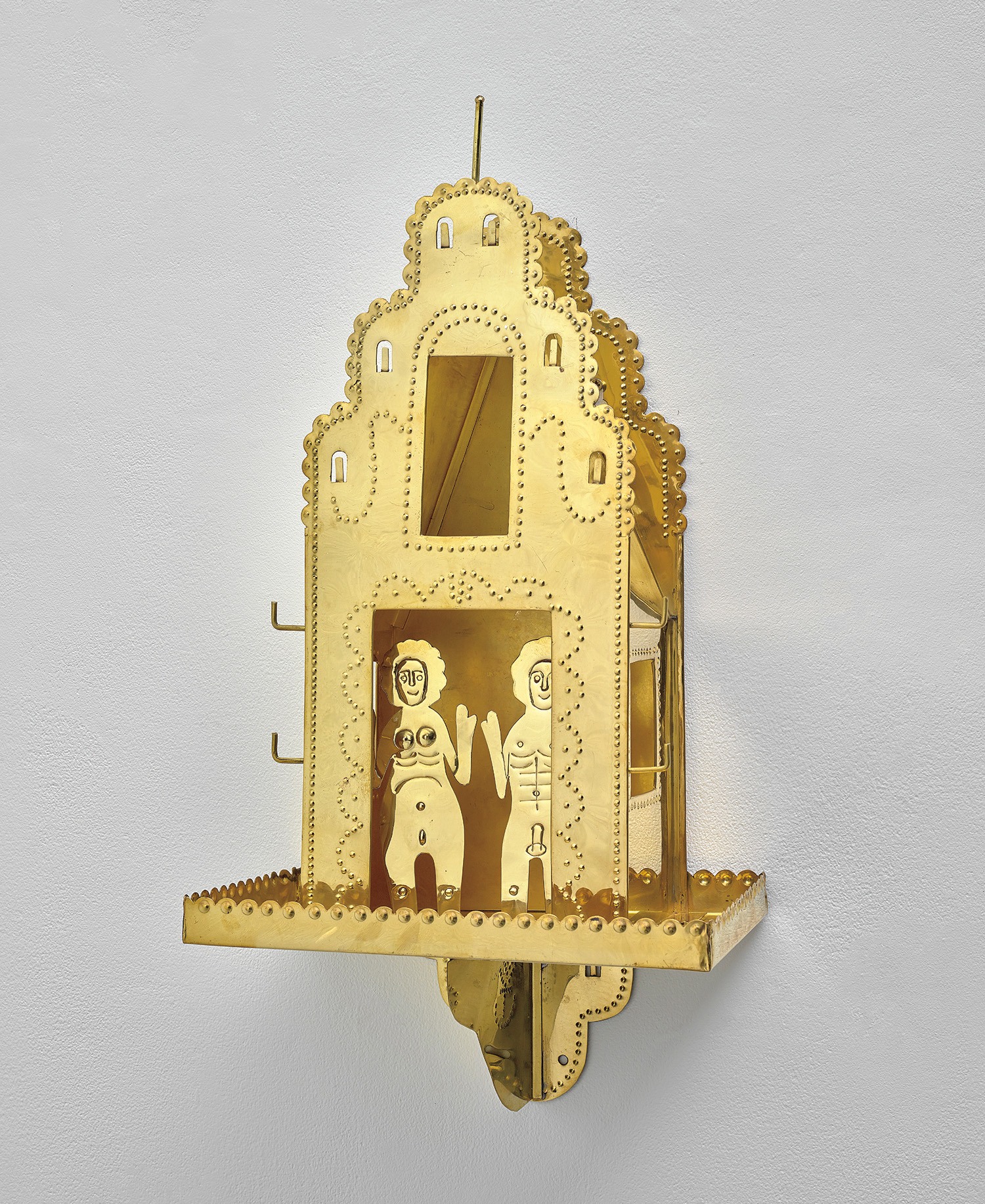
His prints, including the beloved woodcut series Six Snapshots of Julie from 2015, published by The Paragon Press in London in an edition of 68, bring the intimacy of the printmaking tradition into dialogue with his interest in biography, class, and the textures of ordinary life. The woodcuts are technically impressive, rich in colour and dense with incident, and they have become among the most sought after works on paper of their generation. His ceramic piggy banks and the Staffordshire figures series, including the celebrated set of four white earthenware pieces known as Home Worker and Key Worker Staffordshire Figures, show his ability to take vernacular forms and charge them with both affection and critique. The House of Love, issued in an edition of 20 through the Serpentine Galleries, is another example of the way Perry's publishing and edition work sits at the intersection of accessibility and seriousness.
For collectors, Perry offers something genuinely unusual: work that functions beautifully as an object in a room and also rewards intellectual engagement across many years of looking. His ceramics in particular have appreciated significantly since the Turner Prize, and early works from the 1980s and 1990s, including pieces such as Sunset through Net Curtains from 1996, carry the additional weight of historical importance as well as aesthetic pleasure. The edition prints, especially the Julie woodcuts and the etchings such as A Map of Days, represent strong entry points for collectors building a serious contemporary British collection. Works by Perry sit naturally alongside those of artists such as Peter Doig, Tacita Dean, and Chris Ofili, all of whom share a commitment to image, narrative, and the possibilities of non conceptual art making within a sophisticated contemporary framework.
Grayson Perry
House of Love
His work also rhymes productively with international peers including Cindy Sherman in its sustained exploration of persona and identity. What Perry has achieved over four decades is to make himself indispensable to the story of British art and culture in a way that transcends any single medium or moment. His television documentaries, including his investigations into taste, class, and masculinity broadcast on Channel 4, brought the questions his art asks into living rooms across the country and created a new kind of public for serious visual art. He was appointed CBE in 2013 and delivered the BBC Reith Lectures in the same year, using the platform to speak about the nature of art and value with characteristic wit and precision.
The lectures, published as Playing to the Gallery, remain one of the most readable and genuinely useful introductions to contemporary art produced by any artist. Perry's legacy is not simply the body of work, extraordinary as it is. It is the permission he has given to a whole culture to take art seriously, to talk about class and gender and identity without embarrassment, and to find in a beautifully made pot a mirror for everything that matters.
Explore books about Grayson Perry