Goshka Macuga
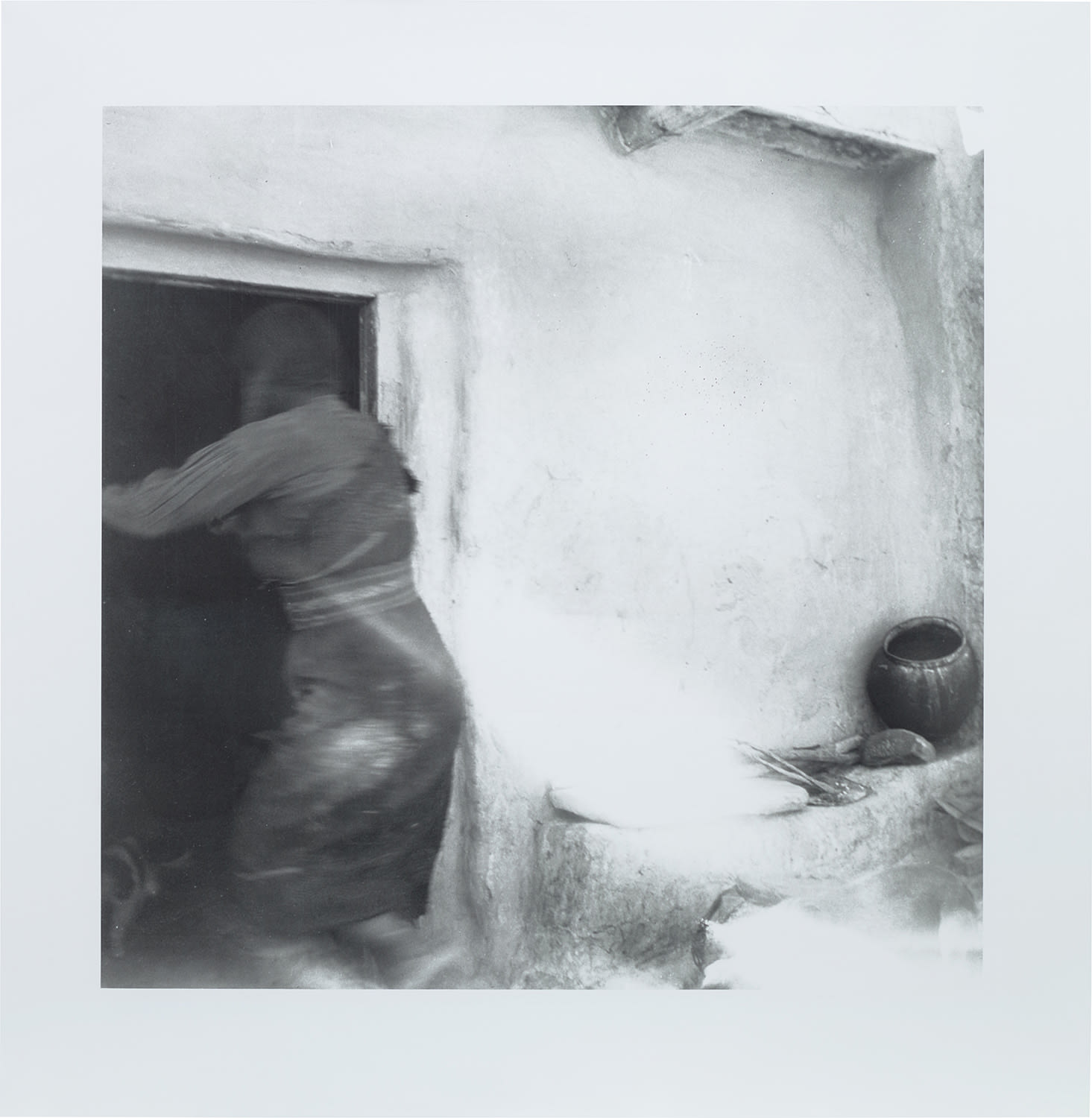
Goshka Macuga Weaves History Into Being
Artist Spotlight · The Collection Editorial
There is a particular kind of artist who makes you feel that the past is not a fixed thing, that archives breathe and institutions have hidden lives waiting to be surfaced. Goshka Macuga is precisely that kind of artist. Her practice has garnered sustained critical attention across the most prestigious venues in contemporary art, from the Venice Biennale to Documenta, and her 2008 Turner Prize nomination confirmed what many in the field had long understood: that Macuga occupies a singular and irreplaceable position in the conversation about how art engages with power, memory, and the structures that shape our collective knowledge. Macuga was born in Warsaw in 1967, during a period when Poland remained behind the Iron Curtain and access to Western art movements was filtered through political and cultural constraints.
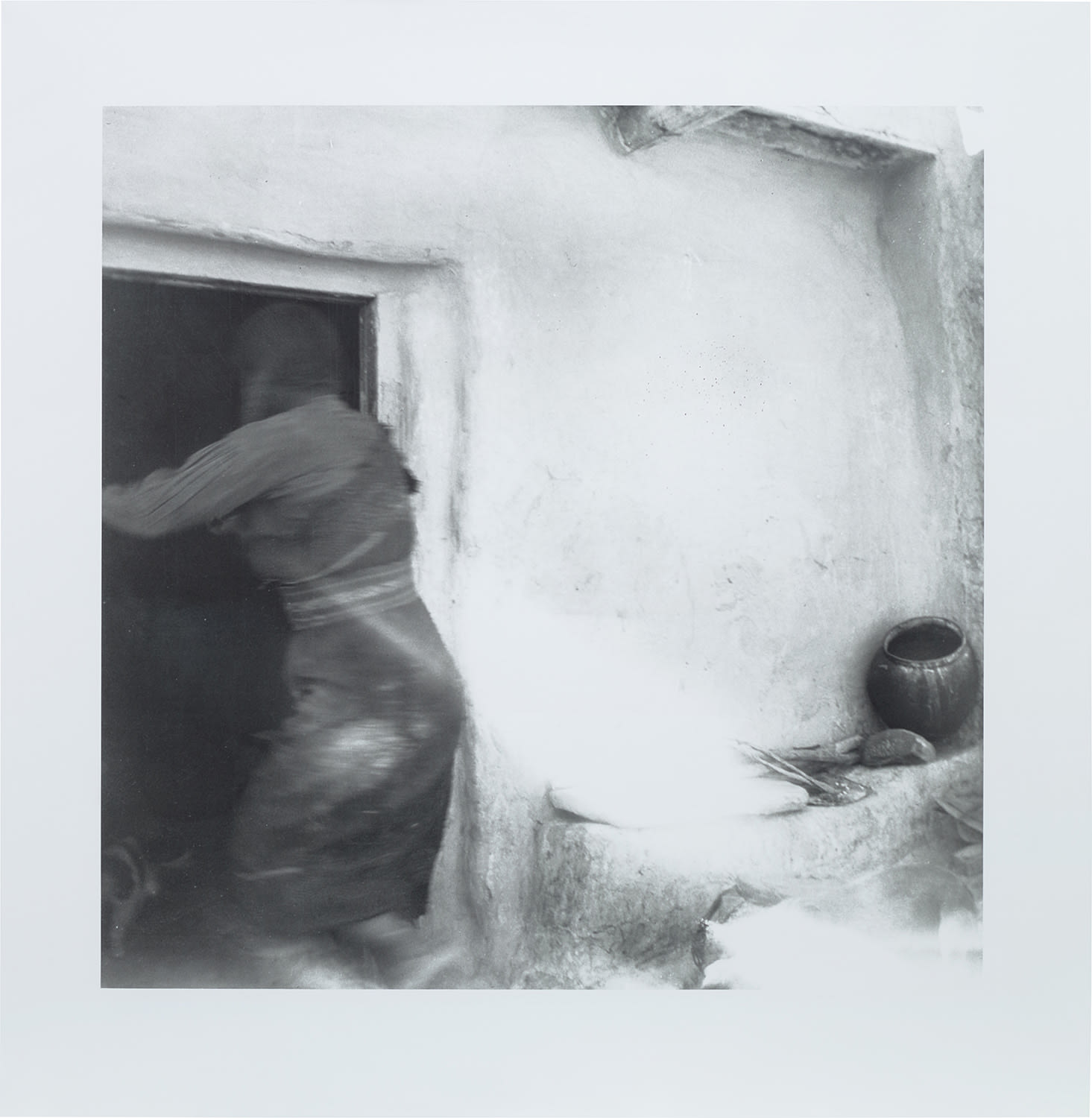
Goshka Macuga
Goshka Macuga, 2008
She relocated to London, where she studied at the University of the Arts London, and it was in the city's rich institutional landscape that her appetite for archival research and collaborative inquiry took hold. London gave her access to some of the world's great museum collections, and rather than treating these as neutral repositories, Macuga began to regard them as sites of ideological construction, places where certain histories are elevated and others quietly suppressed. This critical orientation would become the animating force of everything she made. Her artistic development is inseparable from her relationship to research.
Where many artists begin with a visual idea and build outward, Macuga tends to begin with a question, often a historiographical one, and allows the material and formal choices to follow. This method produces work that feels both intellectually rigorous and aesthetically alive, a combination that is far rarer than it sounds. Over the years she has worked across an unusually broad range of media, from tapestry and sculpture to collage, installation, and photography, but the unifying thread is always the investigation of how knowledge is constructed, circulated, and contested. Her practice is deeply collaborative, frequently engaging curators, archivists, historians, and institutions as co participants rather than mere facilitators.
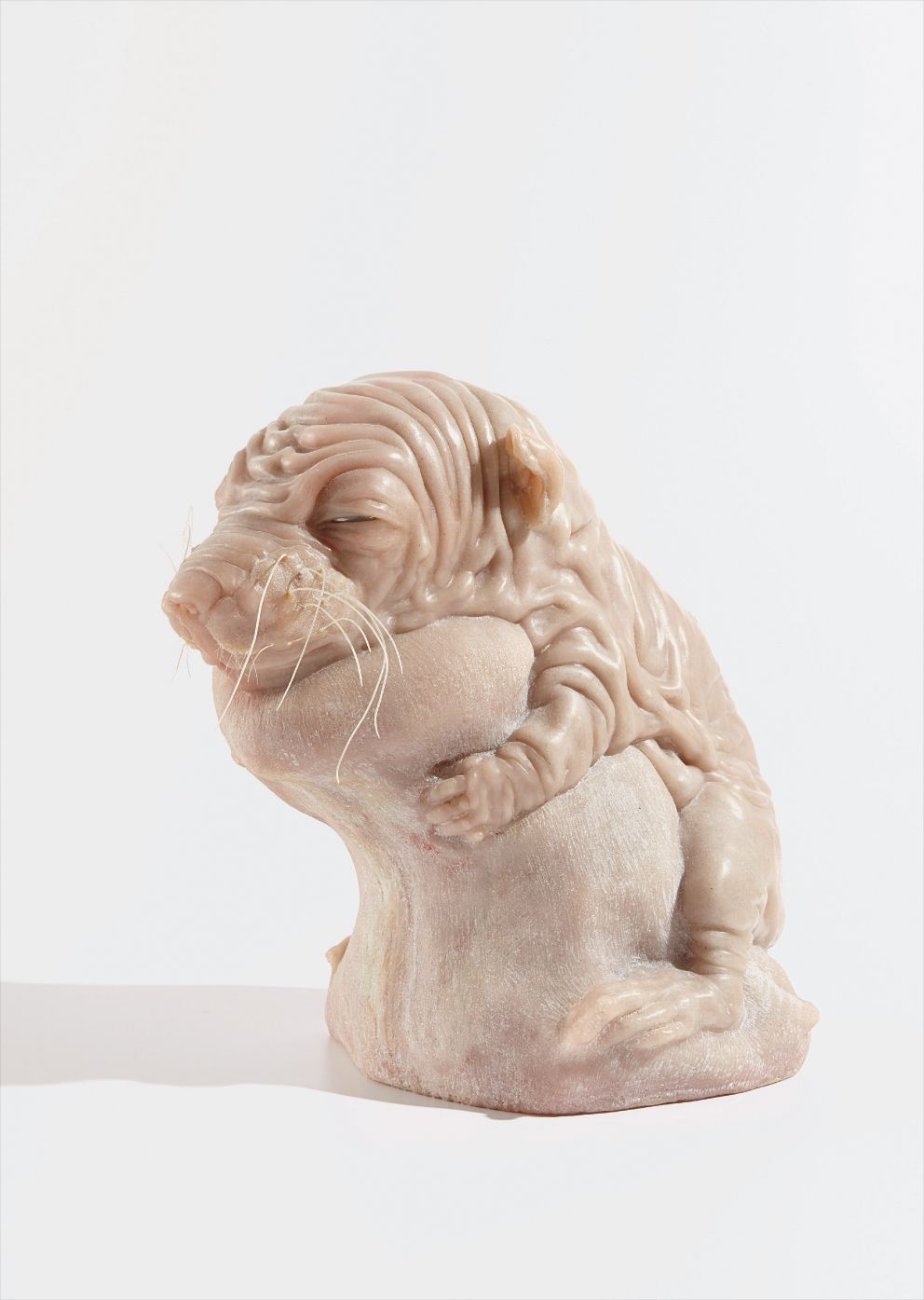
Goshka Macuga
Still / Life
Among the works that define her reputation, the pieces connected to her research into Aby Warburg hold a special place. Warburg, the German art historian who developed the influential Mnemosyne Atlas and was deeply interested in the survival of classical forms across cultures, became a key figure in Macuga's thinking about images and their transmission through time. Her work "Goshka Macuga" from 2008, which incorporates a vintage photograph of a Pueblo woman captured in the moment of fleeing from Warburg's camera in April 1896, is a quietly devastating piece. It takes a single archival image and opens it outward into an entire field of questions about the colonial gaze, the ethics of documentation, and who gets to be seen and on whose terms.
The specificity of the date, the gesture of the fleeing figure, and Macuga's decision to frame this within her own name as a title all contribute to a work that rewards sustained attention. "Still / Life", another work available through The Collection, exemplifies her sculptural intelligence. Combining wood, a vintage photograph, a mirror, and a wooden pedestal, the piece operates through careful material relationships rather than declaration. The mirror is a recurring device in art history, from Van Eyck to Velázquez, and Macuga deploys it with full awareness of that lineage, inviting the viewer into a self conscious act of looking while also complicating any simple notion of presence or reflection.
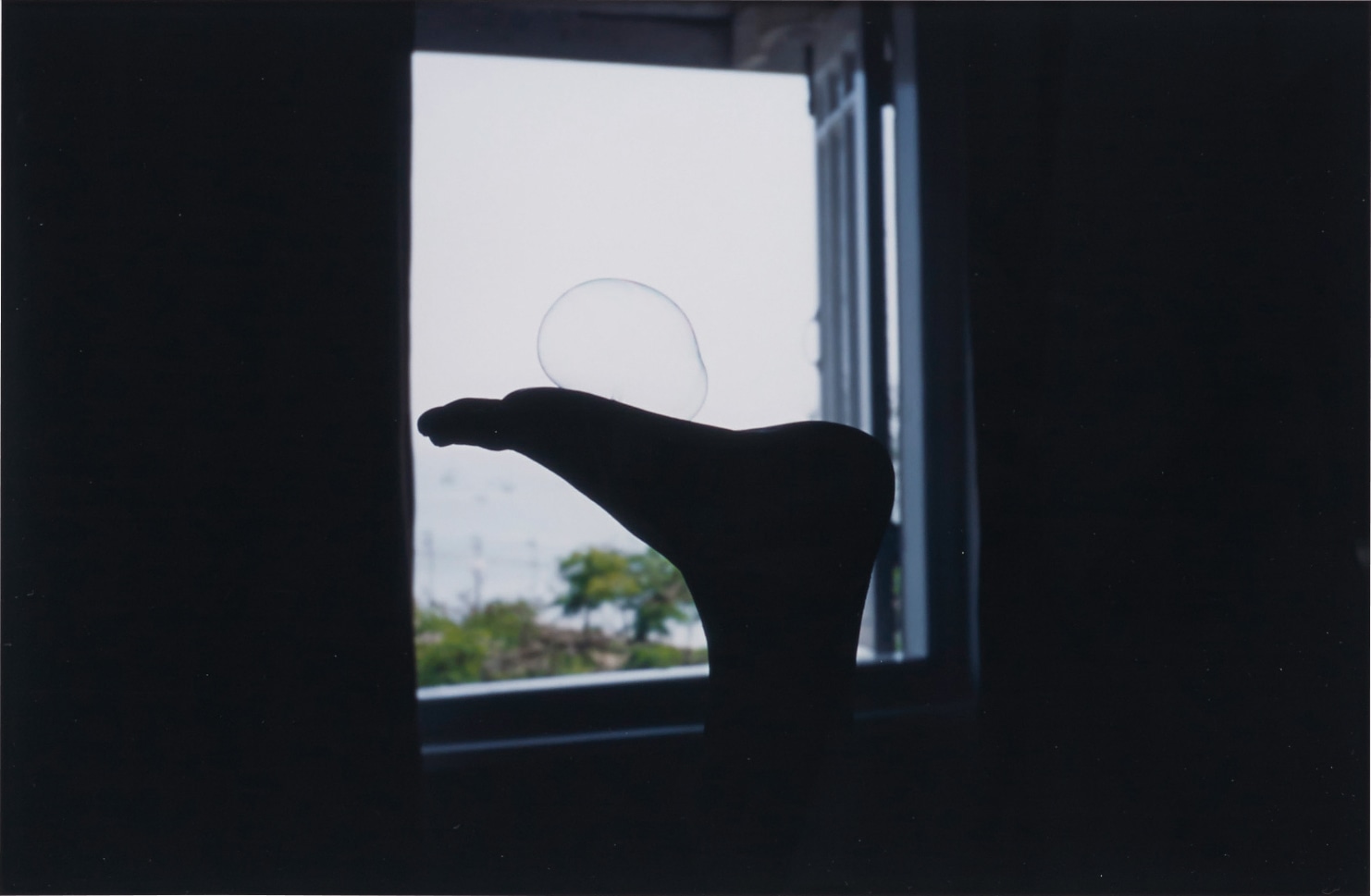
Goshka Macuga
Unfamiliar Aspect of a Familiar Monster, 2007
The vintage photograph grounds the work in a specific historical moment while the sculptural elements push it into the present tense. It is the kind of work that changes slightly each time you return to it. "Unfamiliar Aspect of a Familiar Monster" from 2007, a collage executed on hand printed silver gelatine print, demonstrates her facility with photographic history and her willingness to work directly on existing images, treating them as material rather than record. Collage as a medium carries its own rich genealogy, from the Dadaists and Surrealists through to contemporary practitioners, and Macuga uses it to introduce rupture and ambiguity into images that might otherwise read as documentary.
The title itself is a provocation, asking the viewer to reconsider what they already think they recognise. For collectors, Macuga's work presents a compelling proposition. Her practice is grounded in rigorous research and institutional engagement, which means her works carry a depth of conceptual context that sustains interest over time. She is an artist whose significance has been ratified by some of the most demanding exhibition contexts in the world, and yet her market remains relatively accessible compared to peers of equivalent critical stature.
Collectors drawn to artists such as Hito Steyerl, whose work similarly interrogates institutional and political structures, or to the archival and documentary practices associated with artists like Tacita Dean, will find in Macuga a natural and deeply rewarding counterpart. Her use of photography and archival material also places her in dialogue with a broader tradition of artists who have questioned the documentary image, from Cindy Sherman to Allan Sekula. What makes Macuga genuinely important to the longer arc of art history is her insistence that institutions are not neutral, that the museum, the archive, and the exhibition are themselves forms of argument about what matters and who gets to say so. At a moment when these questions have never felt more urgent, when collections are being reconsidered, restitution debates are reshaping the terms of cultural ownership, and the politics of representation are central to public discourse, Macuga's practice reads not as commentary on these issues from a distance but as active participation in them.
She does not stand outside the institution and critique it abstractly. She enters it, works within it, and transforms it from the inside. To encounter Macuga's work is to be invited into a more attentive and more politically aware relationship with the images and objects that surround us. Her tapestries and sculptures and collages ask us to slow down, to ask where things come from and what they conceal, and to understand that every archive is also a set of choices made by people with interests and blind spots of their own.
That is a profound and necessary thing to ask of art, and Macuga asks it with grace, erudition, and a visual intelligence that makes the asking genuinely pleasurable.