Georgia Dymock
Georgia Dymock Paints the Body Brilliantly
Artist Spotlight · The Collection Editorial
Something quietly electric has been happening in figurative painting circles, and the name Georgia Dymock keeps surfacing in the conversations that matter. Her canvases, dense with tangled limbs and saturated colour, have been attracting the attention of collectors drawn to painting that feels emotionally urgent without sacrificing formal rigour. In a moment when figurative painting has reclaimed its place at the centre of contemporary art discourse, Dymock's work arrives with a particular kind of confidence, one earned through sustained studio practice and a genuine fascination with what the human body can hold and express. Dymock is a British painter whose formation took place within the robust tradition of life drawing and observational practice that continues to distinguish a certain strand of British art education.
Georgia Dymock
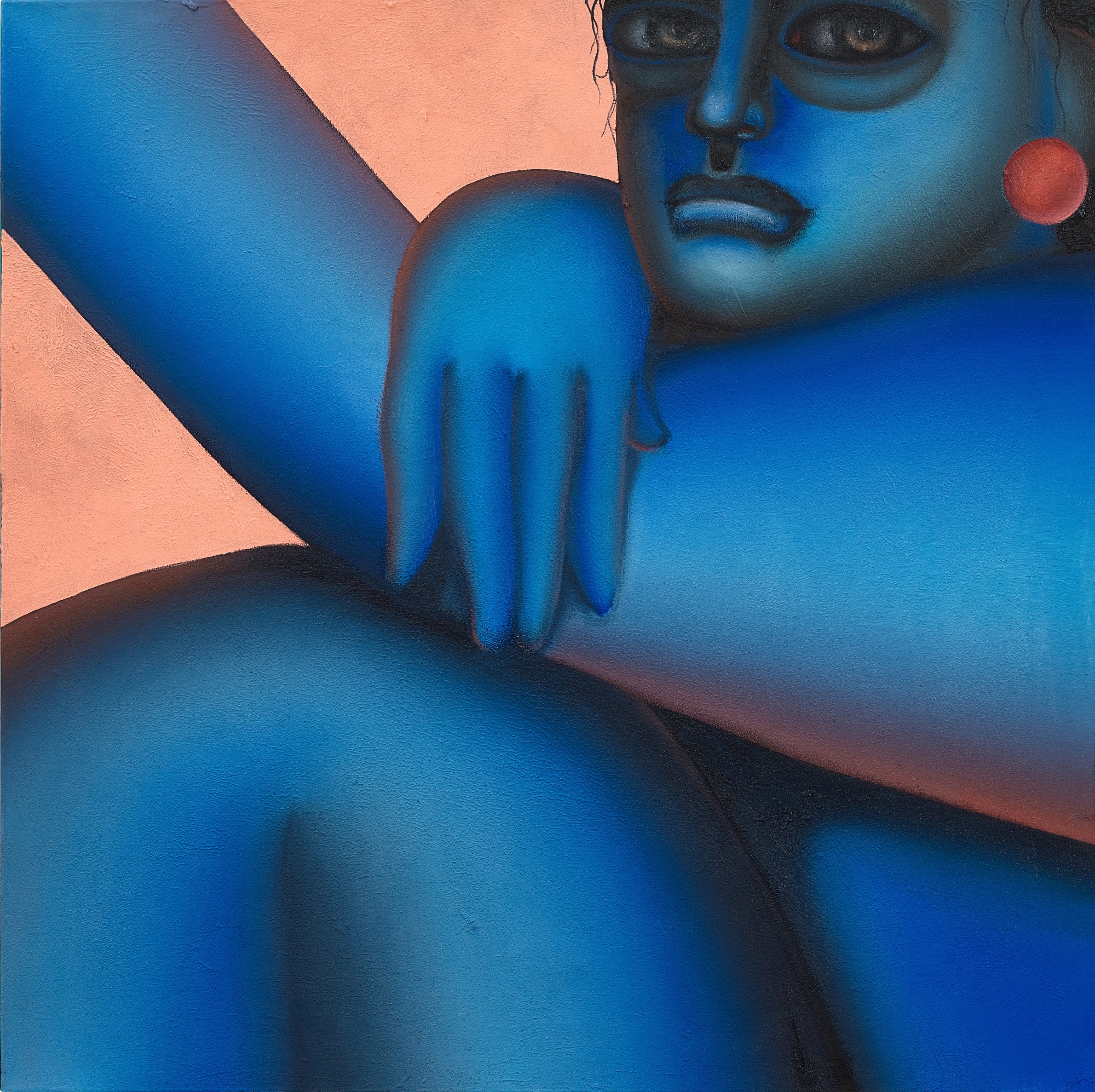
藍色人像裁像
Her early encounters with the figure as subject were shaped by close looking, the kind of slow, attentive engagement with pose and weight and gesture that underpins the most lasting figurative work. That foundation is visible in every canvas she produces, even when the image has moved toward something more psychological or abstracted than strictly representational. There is always the sense of a body truly understood before it was transformed. Her development as a painter has followed an arc familiar to artists who take the figure seriously: early work characterised by careful observation giving way to a more expressive and chromatic language as confidence in the medium deepened.
Oil paint, with its capacity for both transparency and opacity, for slow reworking and sudden decisive marks, suits her temperament exactly. She works on both linen and canvas, and the choice of support is never arbitrary. Linen brings a particular warmth and texture to her surfaces, a quality that suits the more introspective compositions, while canvas allows a different kind of directness in works where the energy of the figure demands immediacy. The paintings for which Dymock has become most recognised demonstrate her gift for finding drama and tenderness in the same image.
Georgia Dymock
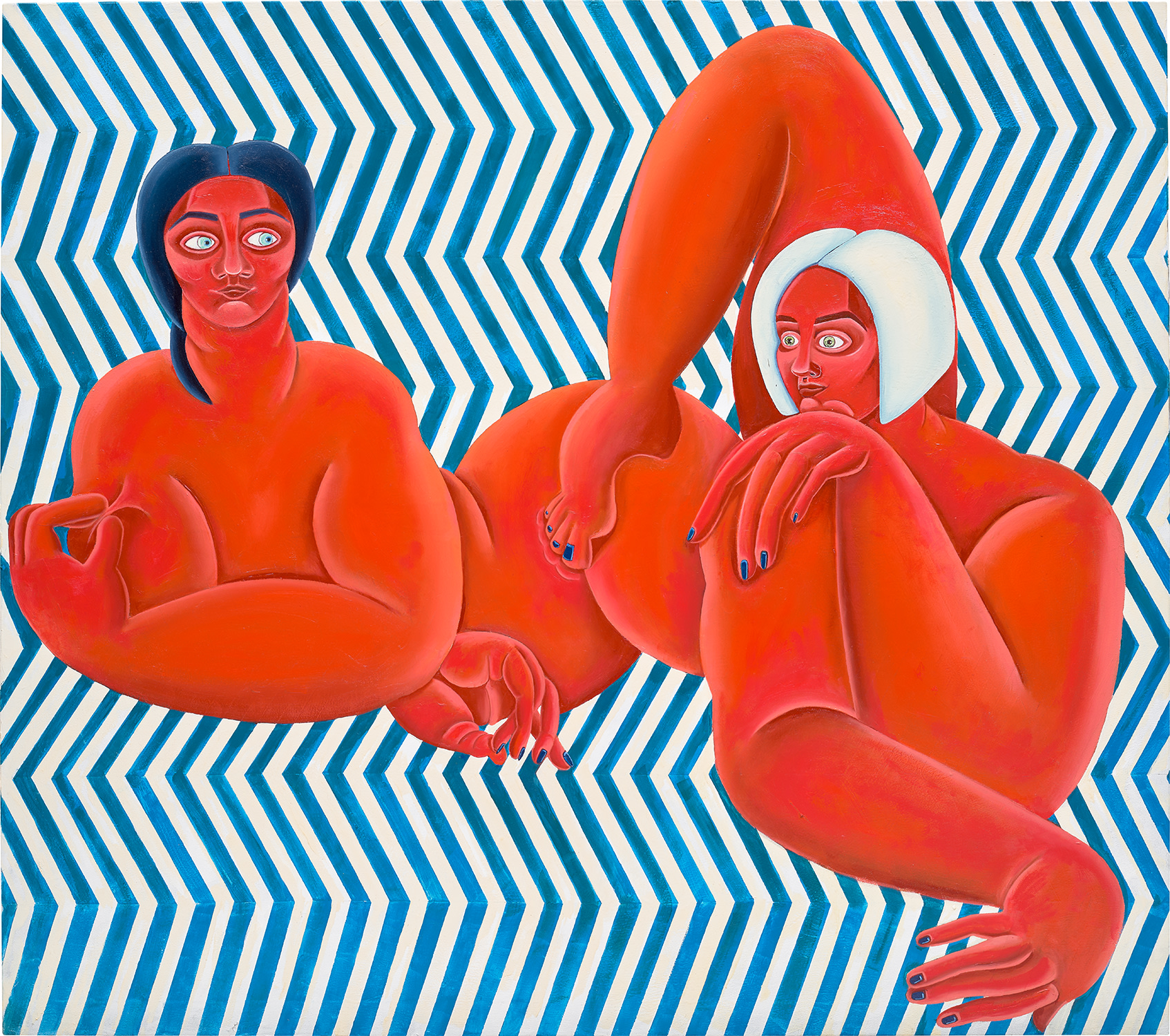
Tangled Red Figures, 2020
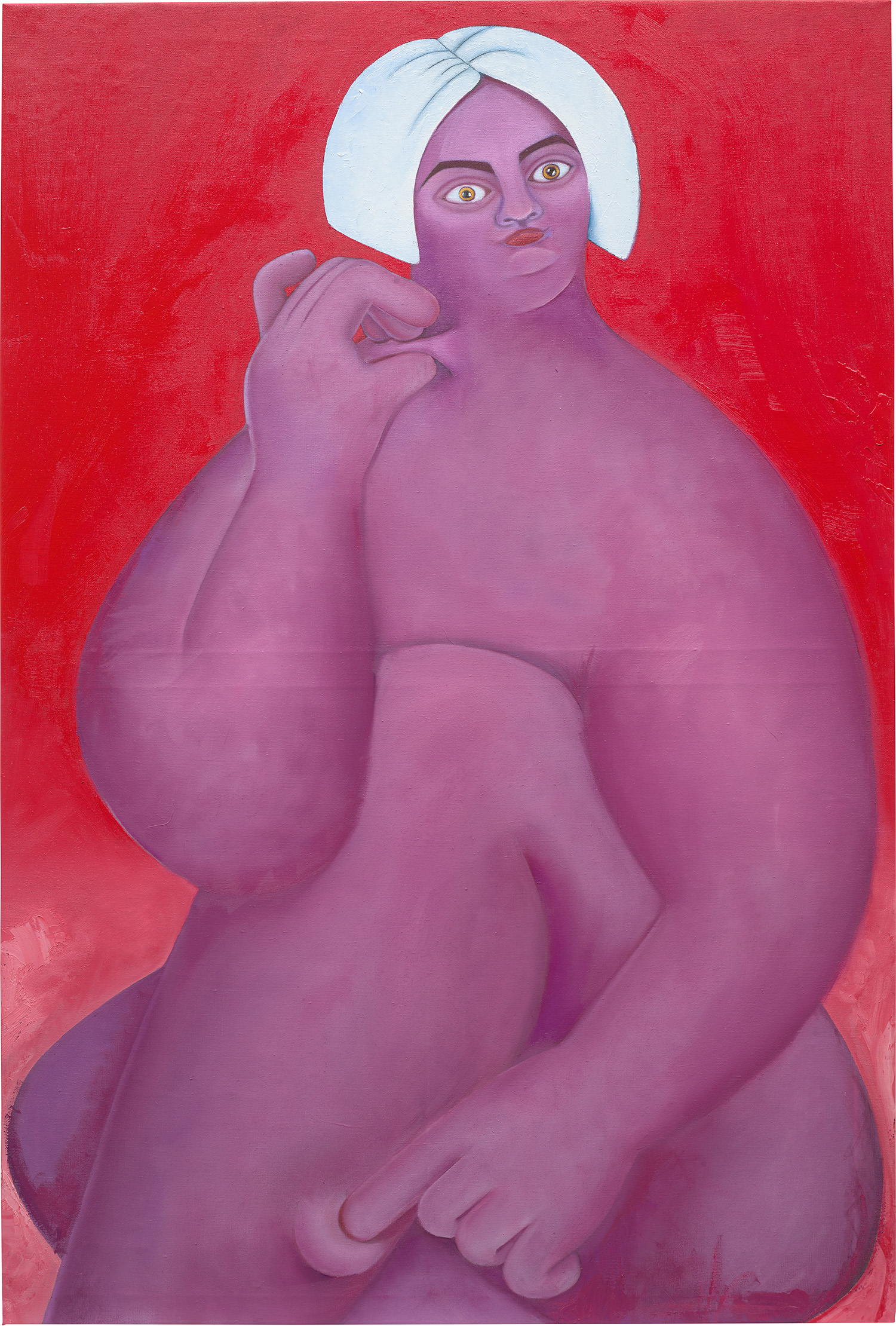
"Tangled Red Figures" from 2020 is a defining work, in which two or more bodies become almost inseparable, rendered in a red so deeply committed that it functions almost like a statement of intent. The figures are not illustrating a narrative so much as enacting a sensation, the feeling of proximity, of entanglement, of what it means to be close to another person in a way that is both comforting and slightly overwhelming. "Purple Pinch", also from 2020, approaches the body with similar intensity but with a more singular focus, the act of pinching or grasping becoming a locus for thinking about tenderness, pain, and the strange intimacy of physical contact. These are paintings that reward sustained looking.
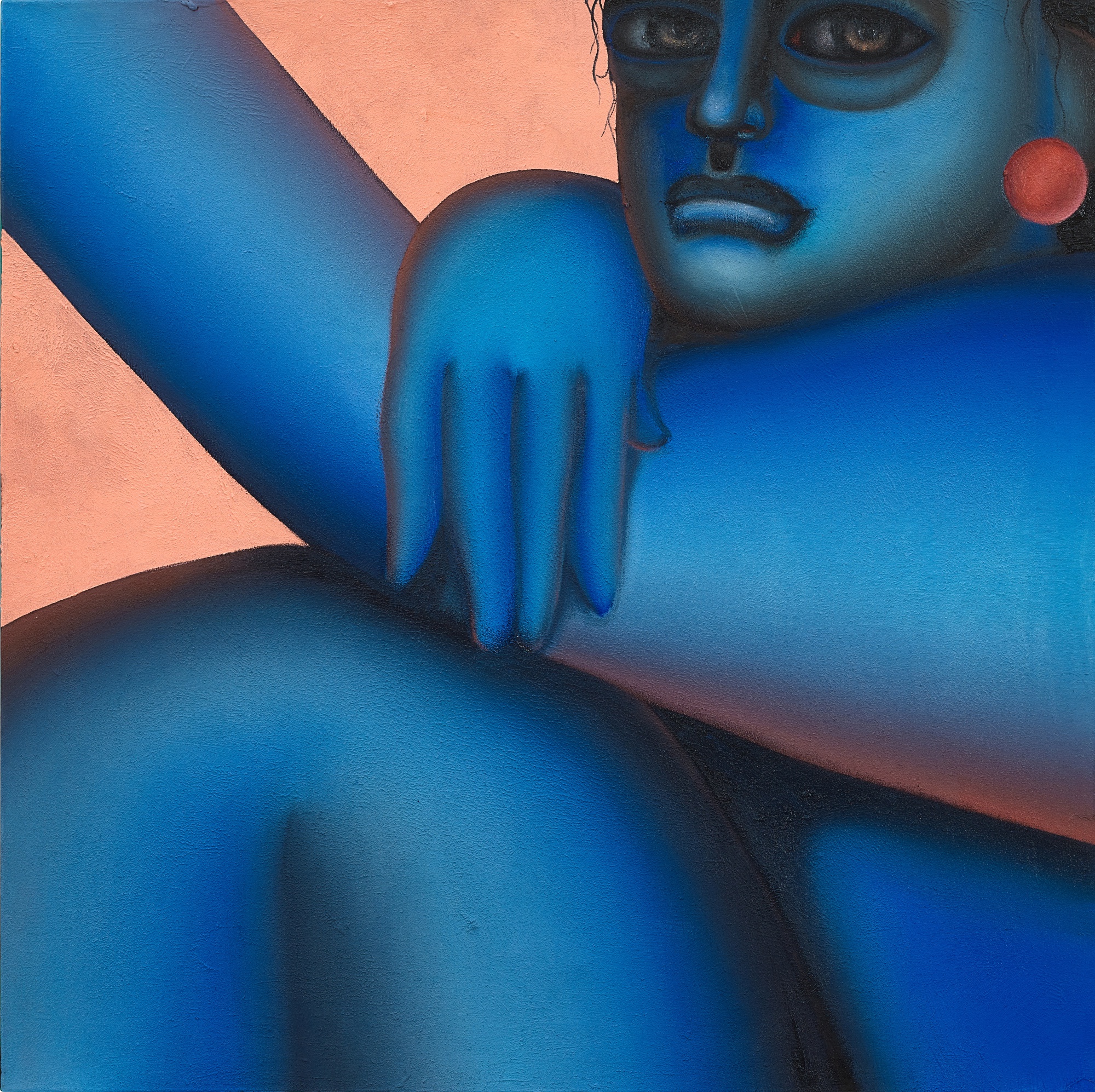
"Squatting Figure" from 2021 and the oil on linen work known by its Chinese title, rendered with a formal beauty that signals the work's interest in translation and universality, extend this investigation into posture and psychological state. The squatting pose, ancient and cross cultural, grounds the figure in something primal while Dymock's handling of paint keeps it thoroughly contemporary. The blue of that linen portrait is a colour of real ambition, cool and searching, quite different from the hot urgency of the red works and demonstrating the range of register she commands. Taken together, these works form a body of practice in which colour is never decorative but always doing specific emotional work.
Georgia Dymock
Purple Pinch, 2020
For collectors approaching Dymock's work, several qualities make it particularly compelling as both an aesthetic and a collecting proposition. She is working within a lineage that includes Cecily Brown, Jenny Saville, and earlier figures such as Leon Kossoff and Frank Auerbach, painters for whom the body is simultaneously subject and pretext for the most serious investigations of paint itself. Her work is also in conversation with international peers across Europe and North America who have returned to figuration with renewed seriousness in the past decade, situating her within one of the most dynamic and closely watched movements in contemporary painting. Works acquired now represent not only strong aesthetic value but a moment of real momentum in a career that continues to develop.
The market for serious contemporary figurative painting has been one of the most active and consequential areas of the broader art market over the past several years, with collectors from both established and emerging backgrounds recognising the historical and cultural weight of the moment. Dymock's work, intimate in scale and utterly committed in its attention to the figure, occupies a space that resonates with collectors who want paintings with genuine feeling and genuine craft. The relatively accessible entry point for works by an artist of her ability and trajectory makes this a particularly intelligent moment to engage with her practice, before critical and institutional attention fully catches up with what perceptive collectors are already seeing. What Georgia Dymock ultimately offers is painting that insists on the importance of the human figure as a site of meaning, at a time when that insistence feels both radical and necessary.
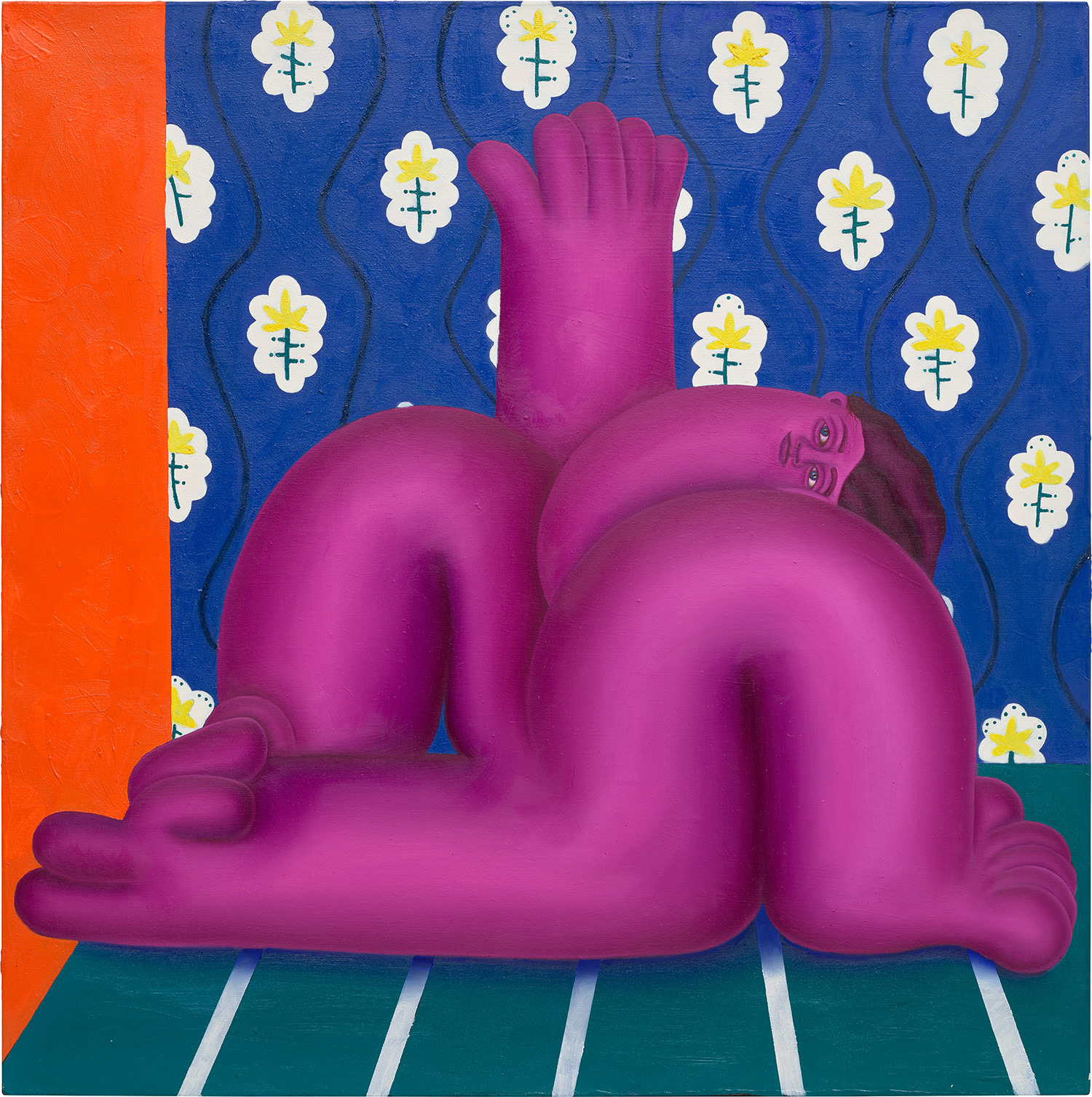
Georgia Dymock
Squatting Figure, 2021
The body in her work is never merely a formal problem to be solved but a container for all the things that are difficult to say directly: vulnerability, desire, comfort, isolation, and the complicated choreography of being with other people. That she communicates all of this through the specific material pleasures of oil paint, through colour that is chosen with real intelligence and surfaces that reward close attention, makes her work not just emotionally resonant but aesthetically distinguished. She is a painter to follow closely, and to collect with conviction.