Gavin Turk
Gavin Turk, The Artist Who Reinvented Identity
Artist Spotlight · The Collection Editorial
“I am interested in the idea of the artist as a brand, as a kind of logo.”
Gavin Turk, interview with Tate
When Gavin Turk was refused his degree from the Royal College of Art in 1991, the institution cited his final show as insufficiently demonstrating artistic skill. That show consisted of a single object: a white walled studio space containing nothing but a blue heritage plaque on the wall, bearing his own name, dates, and the inscription that he had lived and worked there. The rejection became the making of him. That plaque, titled Cave, announced one of the most singular and searching careers in British contemporary art, a practice devoted entirely to asking who gets to be an artist, what makes a name worth remembering, and whether the self is something you possess or something you perform.
Gavin Turk
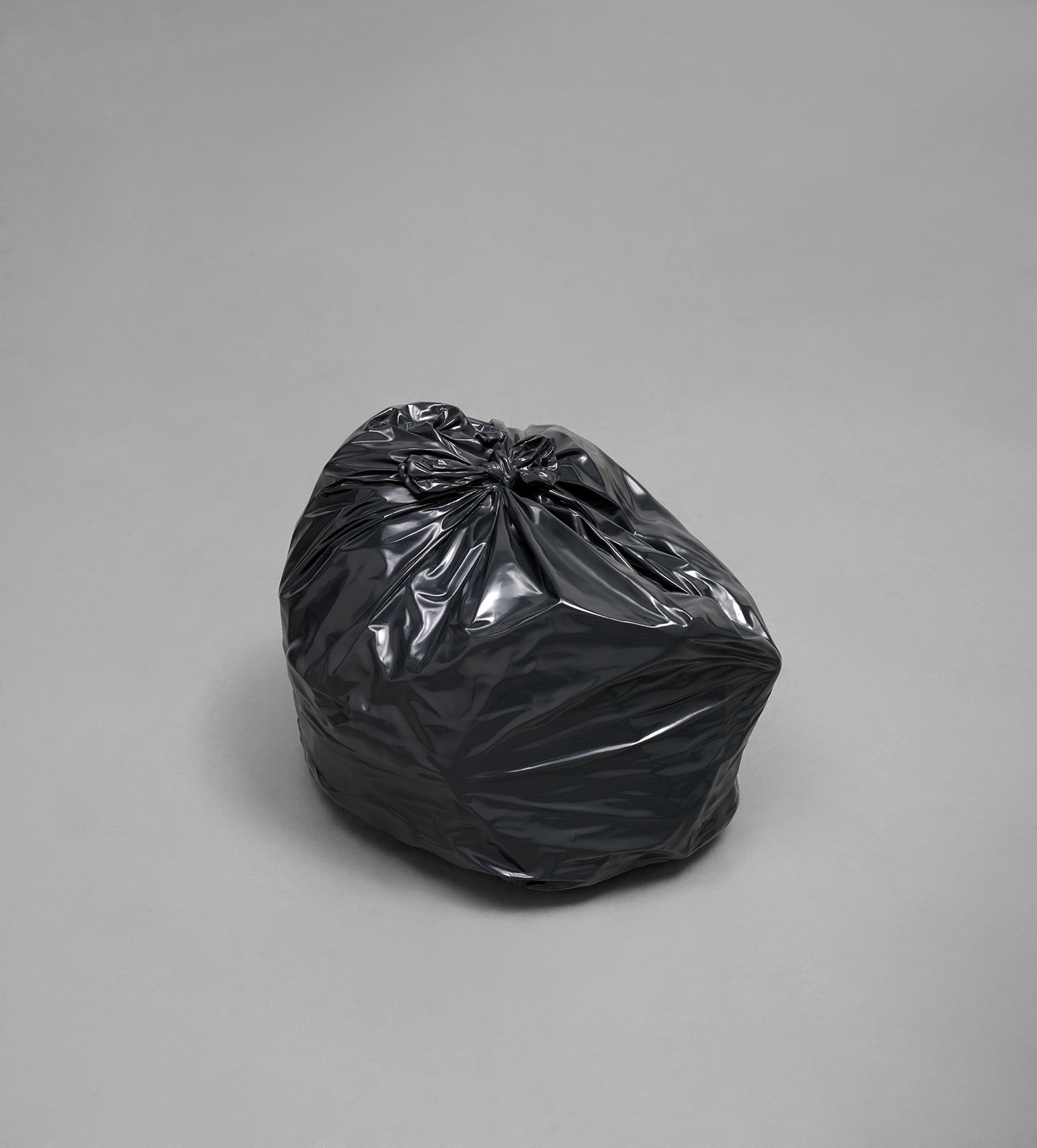
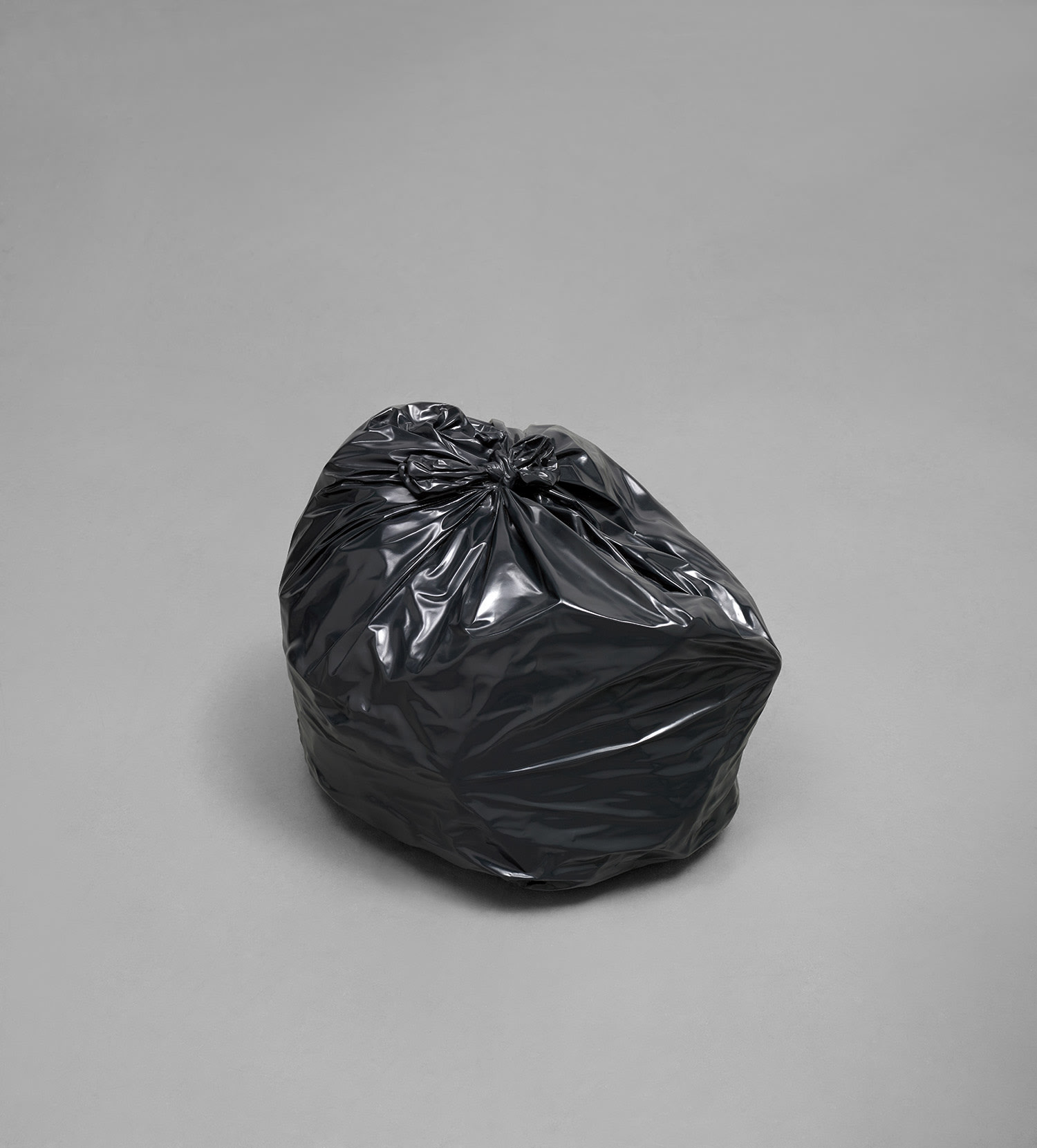
Dump, 2004
Turk was born in Guildford, Surrey, in 1967, and grew up during the years when British culture was being remade by punk, by Thatcherism, and by a pervasive new consciousness around celebrity and media. He studied at Chelsea School of Art before moving to the Royal College, arriving in London just as a loosely connected group of ambitious young artists were beginning to reshape what British art could mean. The Young British Artists, as they came to be known, were a generation galvanised by confidence, irreverence, and a deep fluency in popular culture. Turk belonged to that world and exhibited alongside its key figures, yet his concerns were always distinctly philosophical.
Where others were drawn to shock, sensation, and the body, Turk was drawn to the archive, the signature, the myth of the artist. The work that placed him squarely at the centre of art world conversation was Pop, completed in 1993. It is a waxwork sculpture depicting Turk himself in the pose of Elvis Presley as immortalised by Andy Warhol, dressed as Sid Vicious, holding a gun. The layers of appropriation are almost vertiginously stacked: a living British artist occupying the body of a dead British punk icon occupying the pose of an American rock and roll legend as filtered through the most famous image maker of the twentieth century.
Gavin Turk
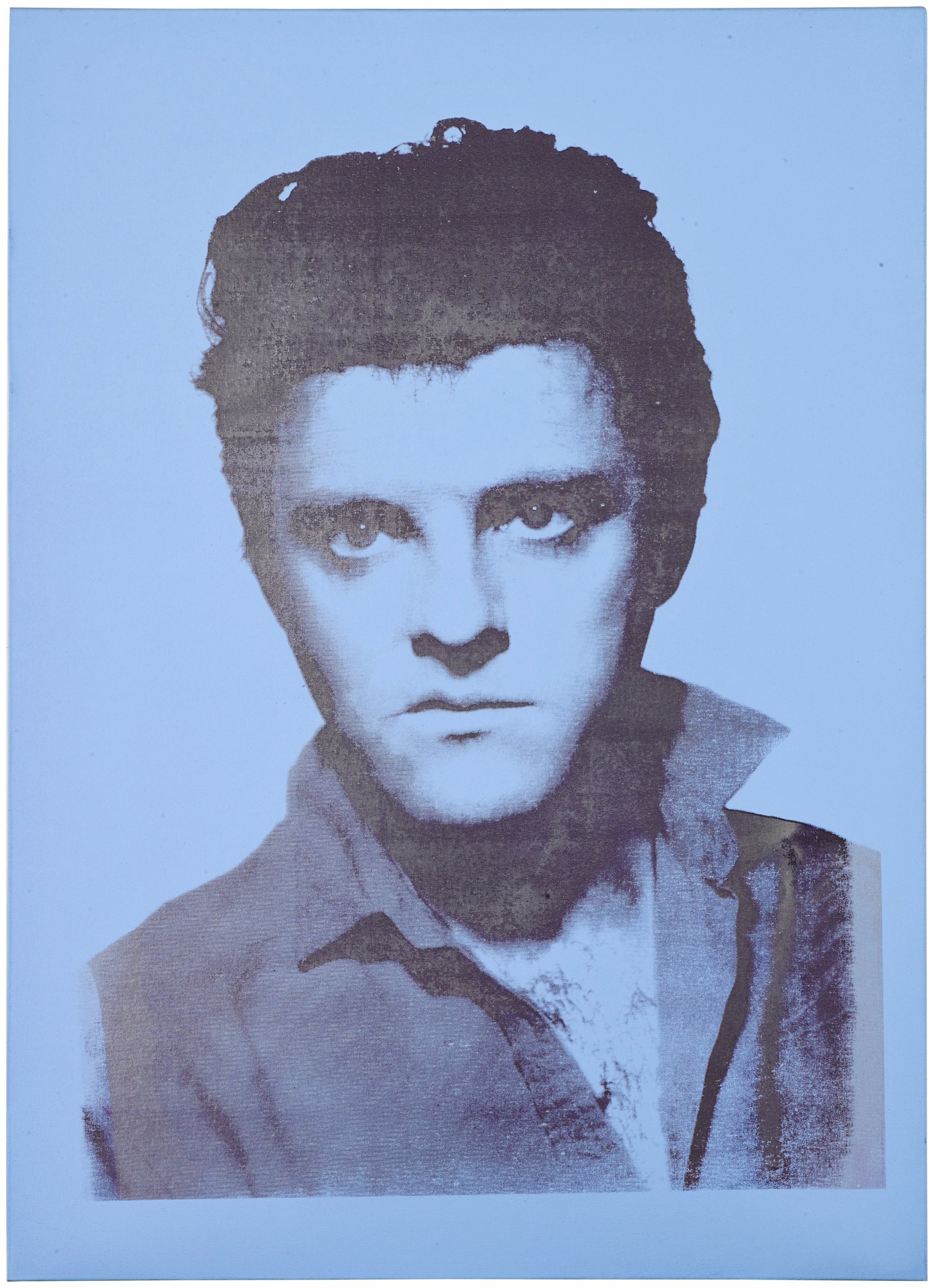
Silvery Blue Elvis
Pop was acquired by Charles Saatchi and became one of the definitive works of its decade, a piece that managed to be simultaneously glamorous, melancholic, funny, and genuinely troubling about how fame works and who it consumes. The Saatchi Collection has remained closely associated with Turk's output, and the work continues to be exhibited internationally as a touchstone of nineties British art. What distinguishes Turk across three decades of practice is his extraordinary consistency of inquiry combined with an equally extraordinary range of material outcomes. He has worked in painted bronze, silkscreen, wax, neon, rubbish, and found objects, yet every medium serves the same abiding questions.
His painted bronze works, which include pieces such as Dump, Trash, and Pablos Melon, translate the discarded and the overlooked into weighty, permanent sculpture. A crumpled bin bag rendered in meticulous bronze carries the full weight of art historical tradition, of Rodin and Brancusi and the whole lineage of casting, while presenting itself as something you might walk past without noticing on a street corner. This tension between the monumental and the mundane is one of the great pleasures of his sculptural output. Divine Insulation continues in this same spirit, using painted bronze and ink to elevate the utterly ordinary into something that insists on your attention.
Gavin Turk
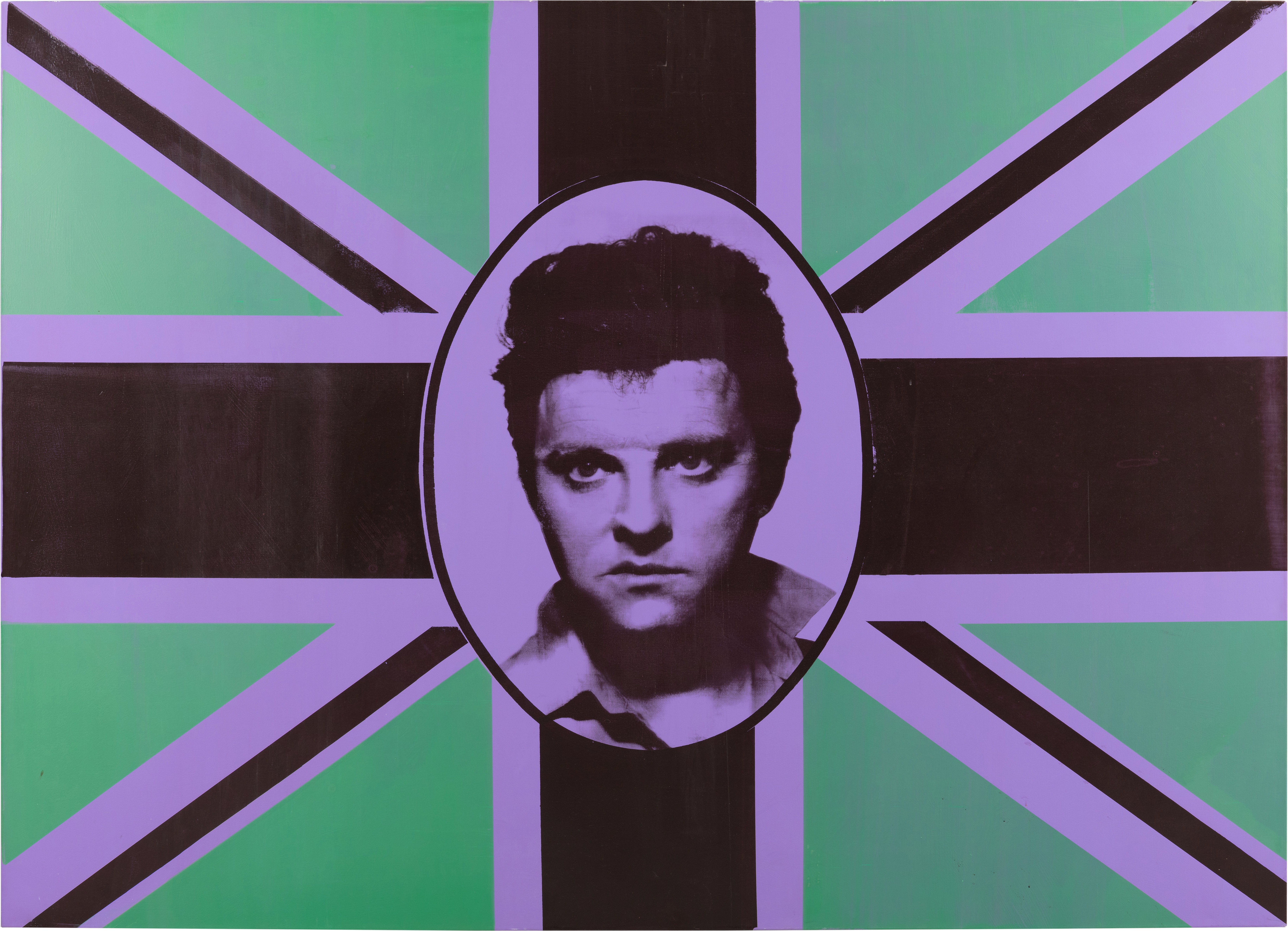
Elvis Union
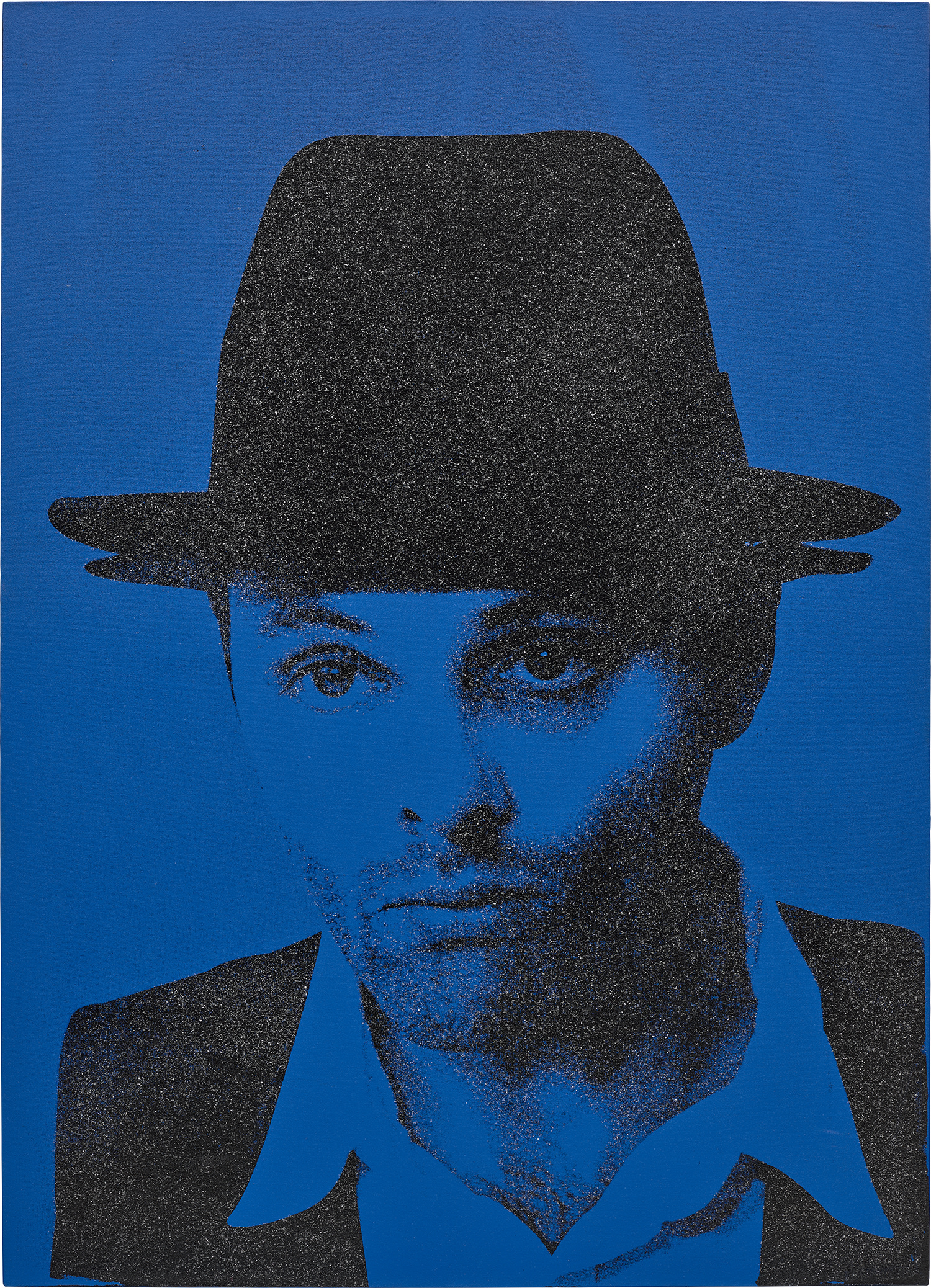
His works on canvas carry a different kind of charge. The Elvis series, including Silvery Blue Elvis and Elvis Union, takes Warhol's own appropriations and subjects them to another generation of transformation. Silkscreen ink and acrylic on canvas, these works acknowledge their debt to the Factory while asserting their own distinct visual and conceptual logic. Diamond Beuys from 2005 brings a similar intelligence to the legacy of Joseph Beuys, using acrylic, silkscreen ink, and diamond dust on canvas to create a work that simultaneously honours and unsettles its subject.
Green Fright Wig from the same year nods to Warhol's own self portraiture with wigs, placing Turk again in that lineage of artists who used disguise and persona as primary artistic tools. Relic (Cave), a screenprint in colours on acrylic, returns to the blue plaque motif that began his career, allowing collectors to hold a piece of the foundational gesture that started everything. For collectors, Turk represents a particularly compelling proposition. His work sits at the intersection of critical intelligence and genuine visual pleasure, which is a combination that tends to age exceptionally well.
Gavin Turk
Diamond Beuys, 2005
The bronze works, especially pieces from the mid 2000s such as Inheritance (Pillow Case) from 2005, reward sustained attention and photograph beautifully, which matters in an era when art circulates as much through images as through physical presence. Works from this period represent some of his most assured output, combining conceptual rigour with real sculptural confidence. The screenprints and canvas works offer accessible entry points for collectors beginning to engage with his practice, while major bronze sculptures represent genuine landmark acquisitions for serious collections. His work has been shown at institutions across Europe and the United States, and his critical reputation has only solidified with time.
Placing Turk within art history, the most natural company is the generation he emerged alongside and the movements he consciously engaged with. His relationship to Pop Art is foundational, both as homage and as critique. Marcel Duchamp is an abiding presence, since Turk's entire career can be read as an extended meditation on what Duchamp began with the readymade and the signed object. Within his own generation, he shares sensibilities with artists such as Damien Hirst and Sarah Lucas, figures who also used the detritus of everyday life and the grammar of mass culture to make work of lasting seriousness.
His engagement with artistic identity connects him to artists like Cindy Sherman, whose career long project of self transformation through persona is a close cousin to Turk's own investigations. What makes Gavin Turk so important right now, more than thirty years into a career that began with a refusal, is the prescience of his central questions. We live in an era saturated by personal branding, by the performance of self on social media, by the confusion between fame and worth and meaning. Turk has been asking these questions in paint and bronze and wax since before most of the platforms that now define those conversations even existed.
His work does not feel dated by this context; it feels vindicated by it. To collect Turk is to invest in one of the most searching and good humoured investigations of what it means to be a human being who wants to leave a mark on the world, and who wonders, always with a certain warmth and wit, whether that desire is heroic or simply very, very human.
Explore books about Gavin Turk