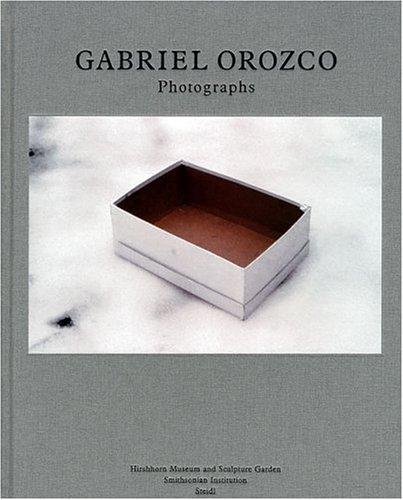
Gabriel Orozco
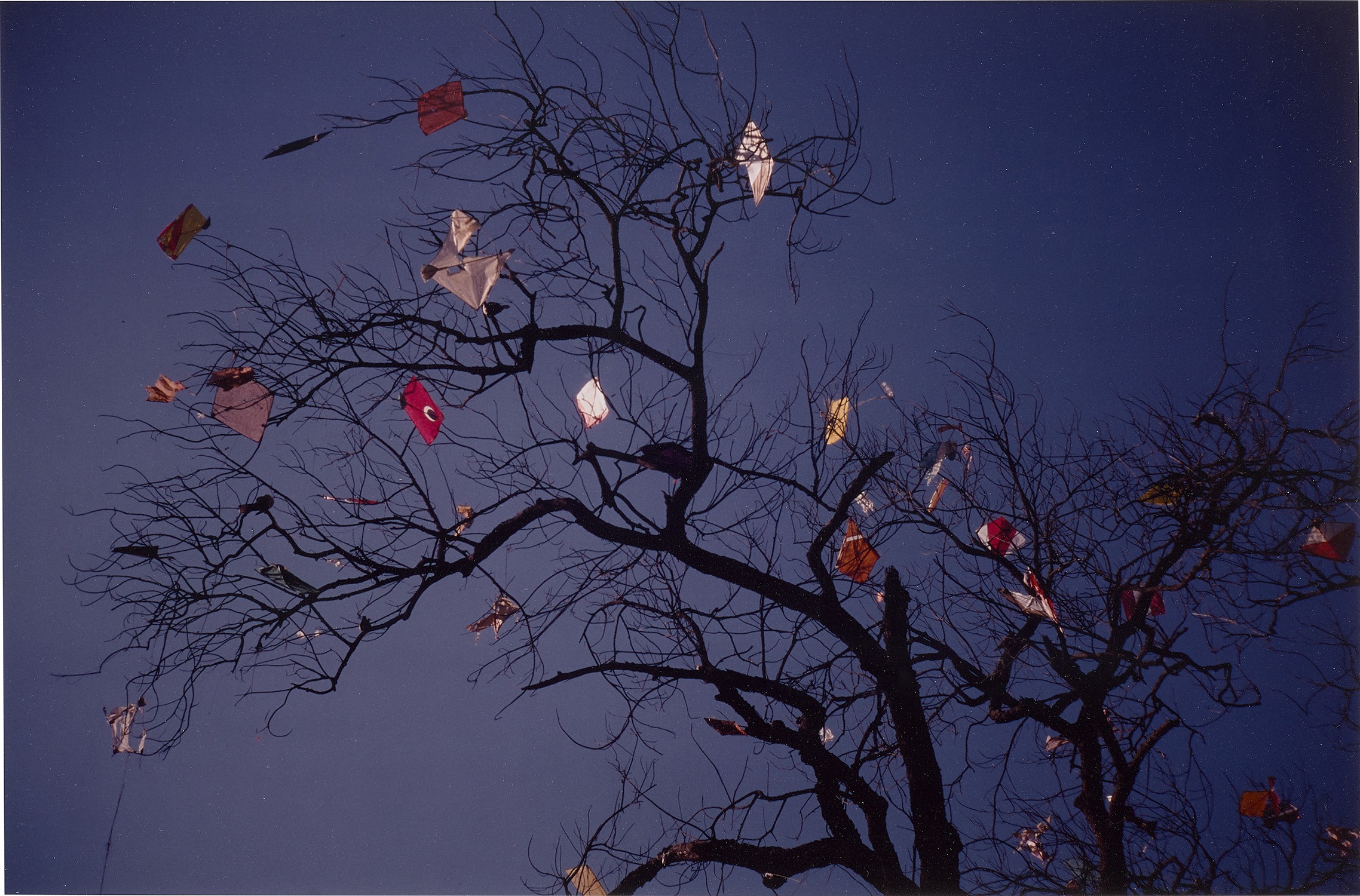
Gabriel Orozco Finds Wonder Everywhere
Artist Spotlight · The Collection Editorial
“The studio is not the place where I make things. The street is my studio.”
Gabriel Orozco, interview with Benjamin H. D. Buchloh
In the spring of 2024, the art world paused to reflect on three decades of a practice that has quietly and persistently rewired how we see the world. Gabriel Orozco, now in his early sixties and as restlessly productive as ever, continues to command devoted attention from the most discerning institutions and collectors globally. His work holds permanent positions at the Museum of Modern Art in New York, the Tate in London, and the Centre Pompidou in Paris, a trifecta of institutional endorsement that speaks not just to market success but to genuine art historical consequence. That Orozco remains a living, working artist only deepens the excitement around his practice.
Gabriel Orozco
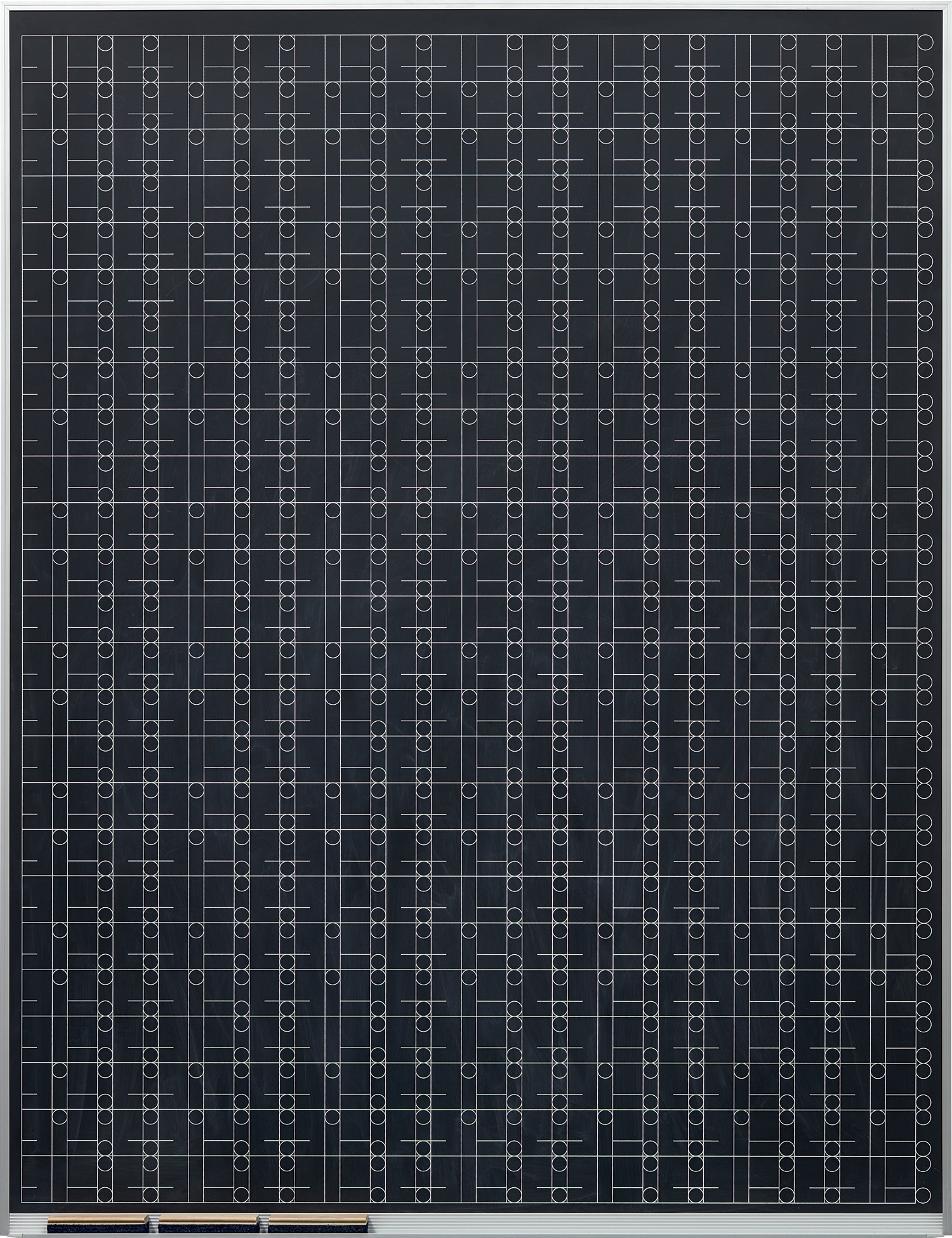
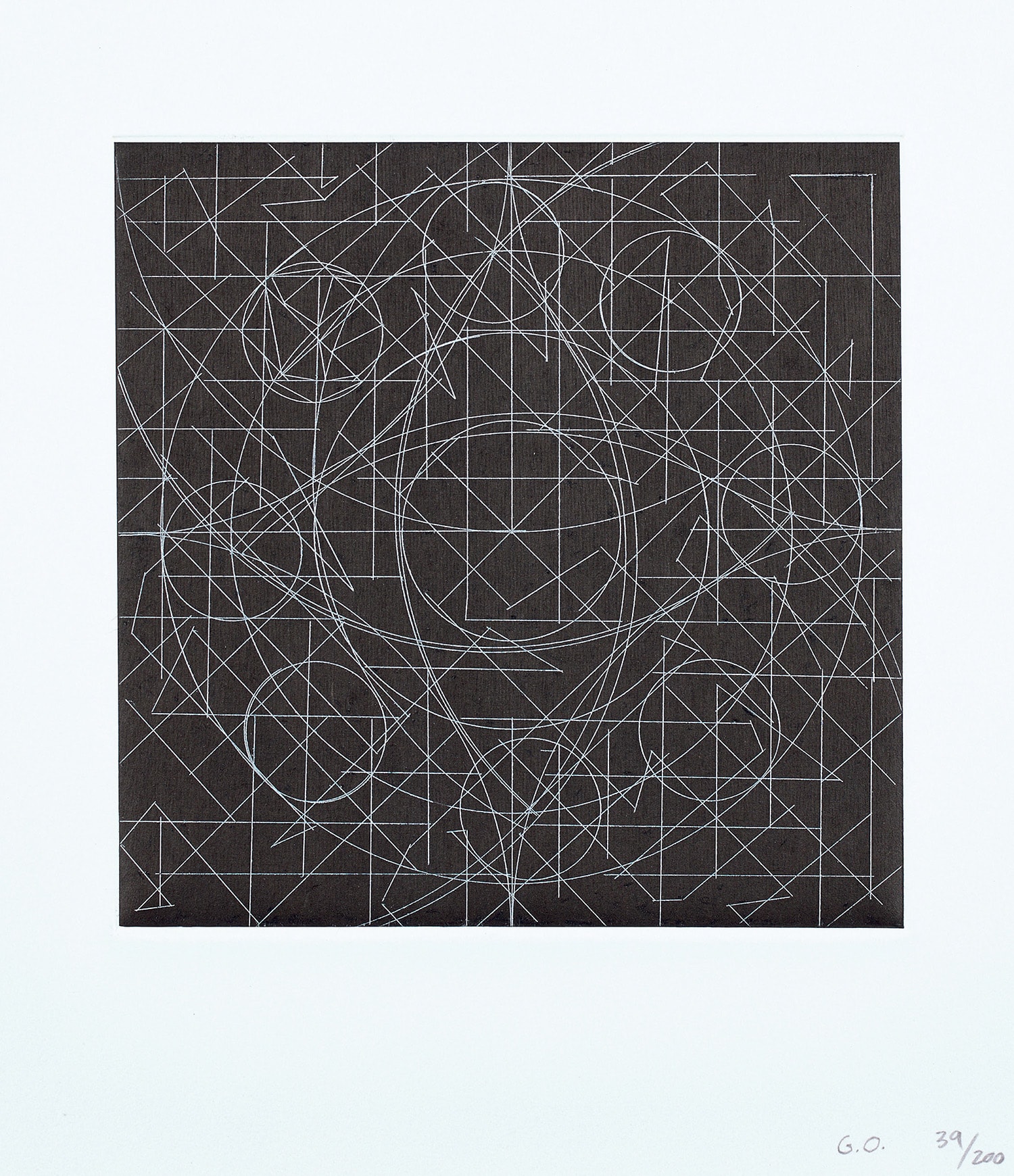
Blackboard Drawing (#2), 1998
Orozco was born in Jalapa, Veracruz, Mexico in 1962, into a family with art woven into its fabric. His father, Mario Orozco Rivera, was a muralist with strong ties to the tradition of Mexican social realism, and that legacy of making art that engages with the world outside the studio left a lasting impression. Orozco trained at the Escuela Nacional de Artes Plásticas in Mexico City before continuing his studies at the Círculo de Bellas Artes in Madrid in the late 1980s. These years of formation gave him both a rigorous grounding in craft and a growing impatience with received ideas about what art was supposed to look like or do.
By the early 1990s, Orozco had relocated to New York and was developing a practice that defied easy categorisation. He became associated with a generation of artists, including Felix Gonzalez Torres, Rirkrit Tiravanija, and Liam Gillick, who were collectively reimagining the social and perceptual possibilities of contemporary art. Yet Orozco's voice was unmistakably his own. Where others worked through language or participatory frameworks, he worked through the found object, the ephemeral gesture, and the transformative photograph.
Gabriel Orozco
Gabriel Orozco
His early career was marked by a kind of poetic economy: he made art from whatever was at hand, wherever he happened to be, refusing the apparatus of the traditional studio. The breakthrough work that announced Orozco to the international art world was La DS, created in 1993. Taking a Citroën DS, that iconic object of postwar French design culture, he sliced it lengthwise and removed the central third of the car's body before reassembling the remaining sections into a sleek, disquieting object. The resulting sculpture was both familiar and alien, a love letter to industrial design and a quiet meditation on loss and transformation.
“I am more interested in the traces left by people than in people themselves.”
Gabriel Orozco, MoMA retrospective catalogue, 2009
Exhibited at the Galerie Chantal Crousel in Paris, it became one of the defining sculptures of its decade. Around the same time, works like Yielding Stone, a ball of plasticine rolled through the streets of New York accumulating debris, and Empty Shoe Box, a lone cardboard box placed in a gallery, established Orozco as an artist who could locate profound meaning in the most unassuming of gestures. Orozco's photographic practice runs parallel to his sculpture and installation work and deserves equal consideration. He travels extensively and treats the camera as a tool for noticing rather than documenting, capturing ephemeral arrangements of objects, light, and shadow that might vanish moments after the shutter closes.
Gabriel Orozco
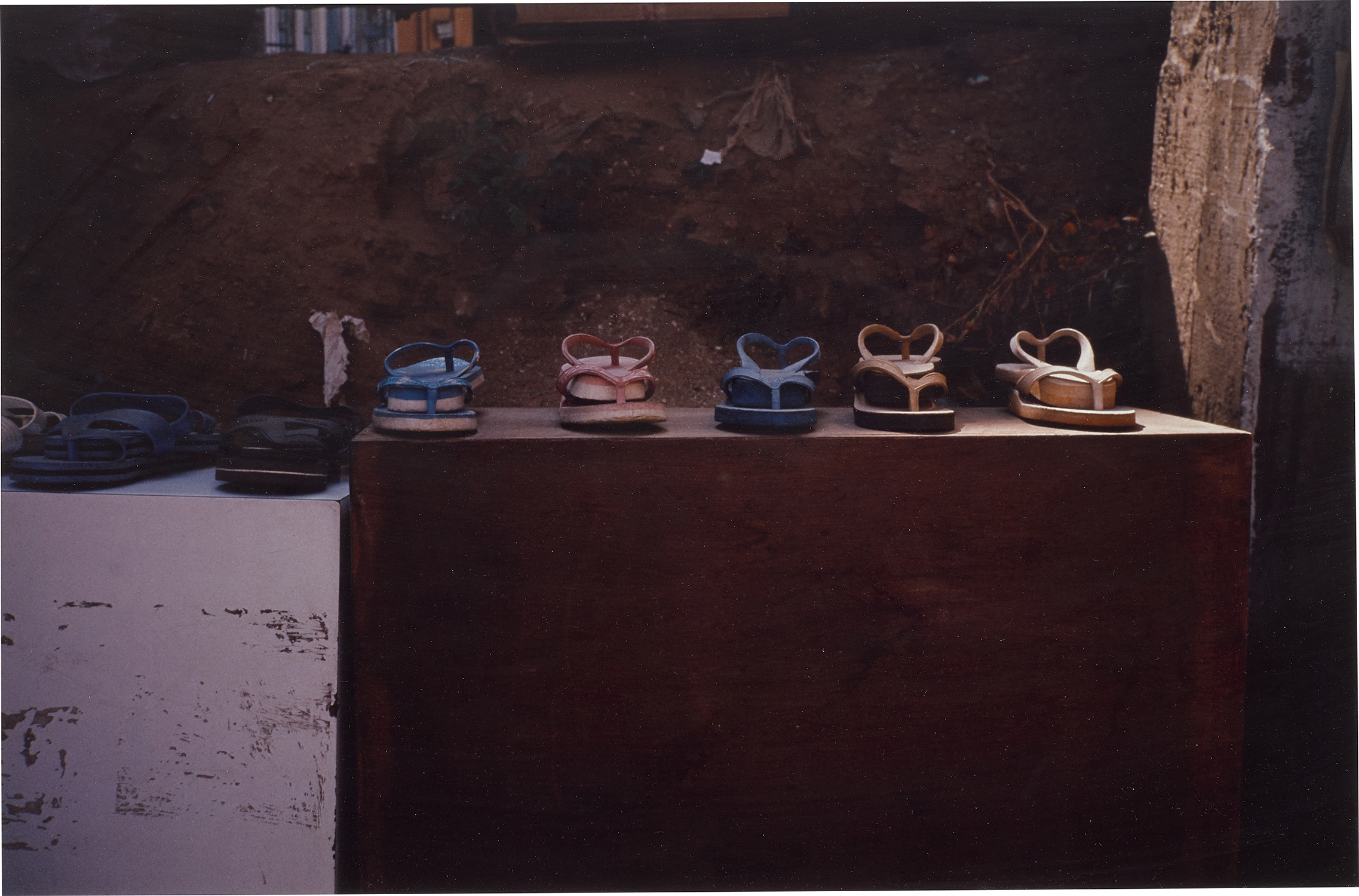
Chanclas En Venta
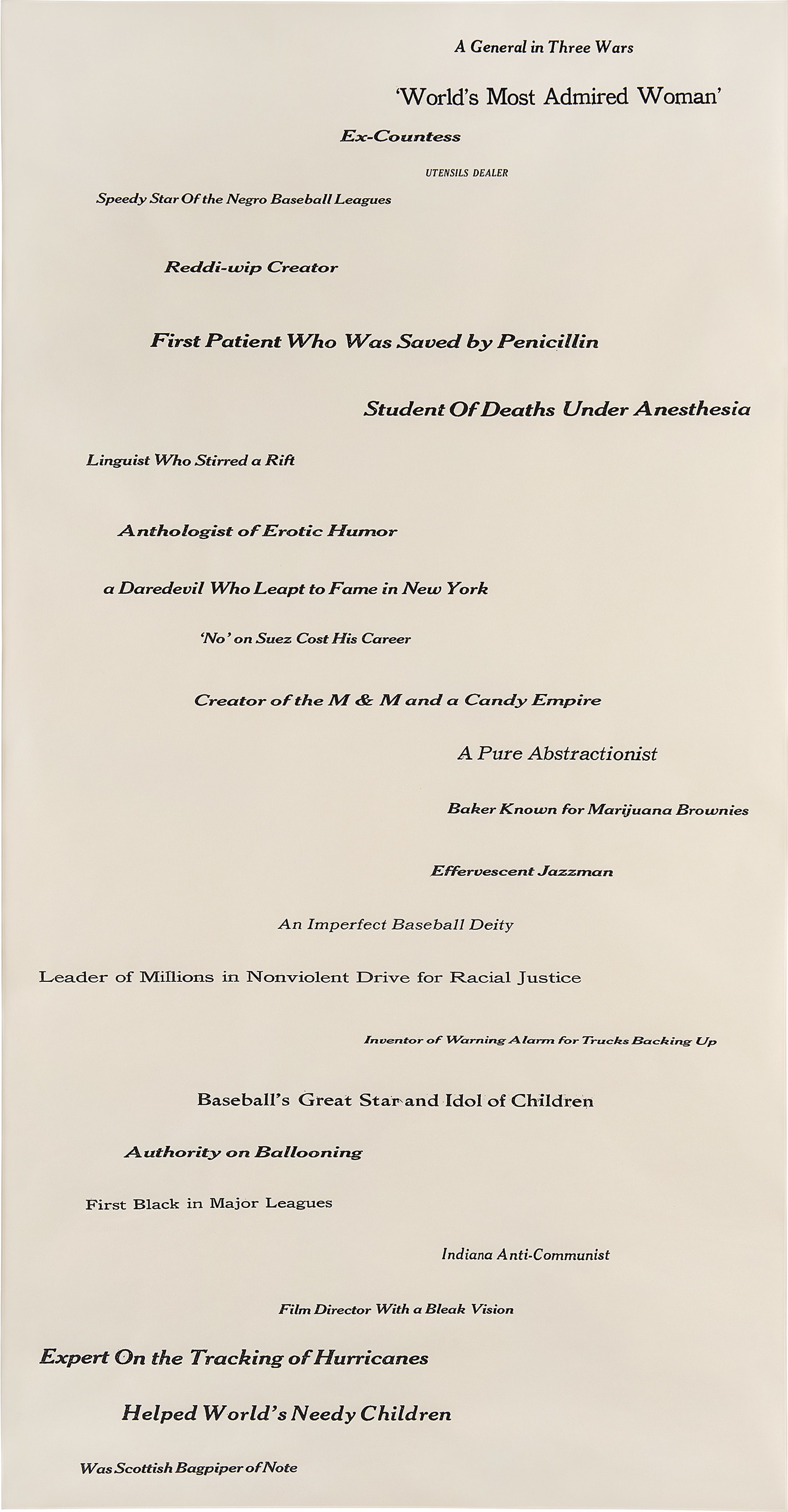
Works like Hasta que te conocí and the quietly extraordinary series of photographs taken across Mexico City, Tokyo, and New York reveal an artist in constant dialogue with the rhythms of everyday life. Among the top works available on The Collection, Chanclas en Venta and Love Affair, both dye destruction prints, exemplify this sensibility: they are images of the found world reframed as visual poetry. His Obit series, including Obit: A General in Three Wars from 2008, layers newspaper obituary pages with drawing, introducing the human lifespan into his meditation on time and chance. The Samurai Tree paintings, including Samurai Tree 6C from 2006, represent another vital dimension of his practice.
Executed in egg tempera on red cedar panels with gold leaf, these works draw on the structure of the Japanese game of Go, using the circular logic of the board to generate intricate, jewel like compositions. They are among the most formally beautiful objects Orozco has made, and they demonstrate that his conceptual rigour never comes at the expense of sensory pleasure. The Blackboard Drawing series, of which Blackboard Drawing Number 2 from 1998 is a compelling example, occupies a similarly meditative register, combining the humble materials of the schoolroom with a geometric and almost musical sense of order. These works reward patient looking and tend to deepen considerably over time, which is precisely what serious collectors value.
Gabriel Orozco
Obit: 'A General in Three Wars', 2008
From a market perspective, Orozco sits comfortably in the blue chip category while retaining the intellectual credibility that makes his work feel genuinely important rather than merely prestigious. His prints, photographs, and works on paper offer accessible entry points for collectors building a considered collection, while his major sculptures and paintings command serious attention at auction. Works published through Parkett Editions, such as Light through Leaves for Parkett Number 48, are particularly prized among collectors of artist multiples for their careful production values and the intimacy they carry. Collectors drawn to artists in the orbit of Orozco, figures such as Andreas Gursky for his transformation of the everyday through photography, or Damián Ortega for his sculptural interrogation of found objects, often find that an Orozco work anchors a collection in a way few others can.
Orozco's legacy is inseparable from his restlessness. He has never been content to repeat himself, moving between drawing, sculpture, photography, painting, and installation with the ease of someone who understands that the practice is always larger than any single medium. A major retrospective at MoMA in 2009 offered the most comprehensive survey of his work to date and confirmed his position as one of the essential artists of his generation. What makes him matter today is not simply the elegance of his objects or the precision of his photographs, but the quality of attention he models.
In a culture saturated with images and noise, Orozco insists on slowness, on the richness available in the margins of daily life. His art does not shout for recognition. It waits, patiently and confidently, for the viewer who is ready to look.
Explore books about Gabriel Orozco